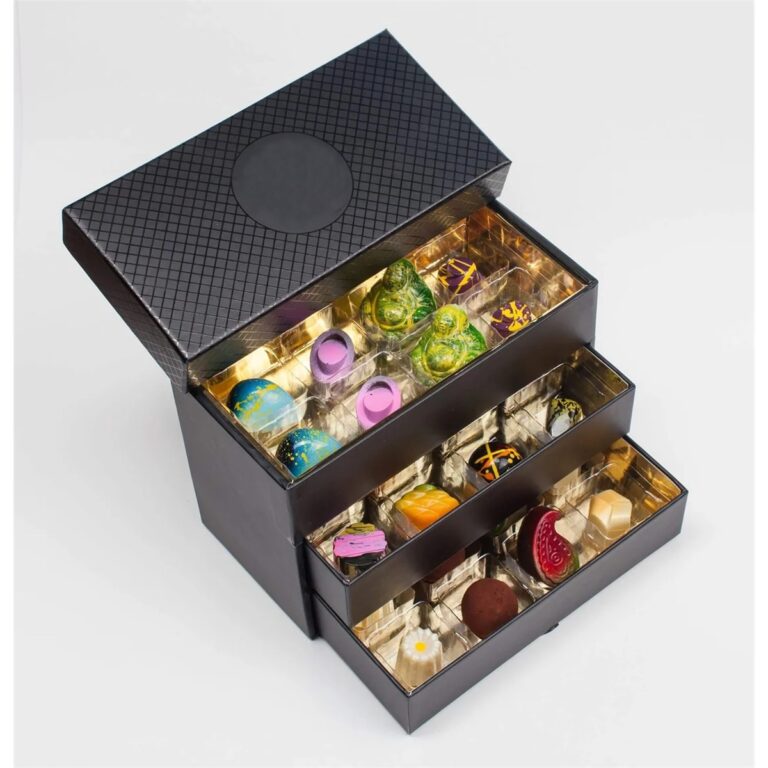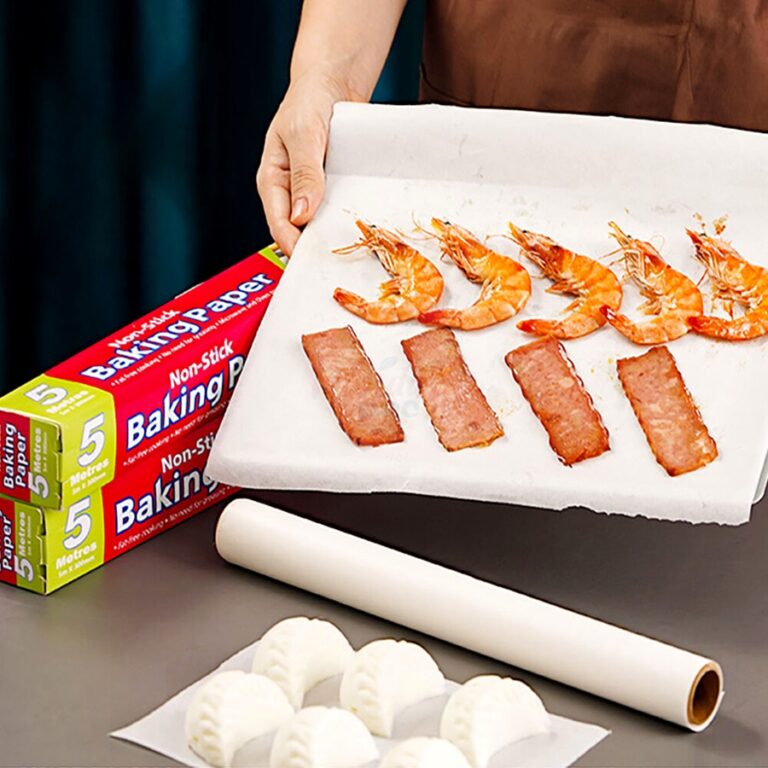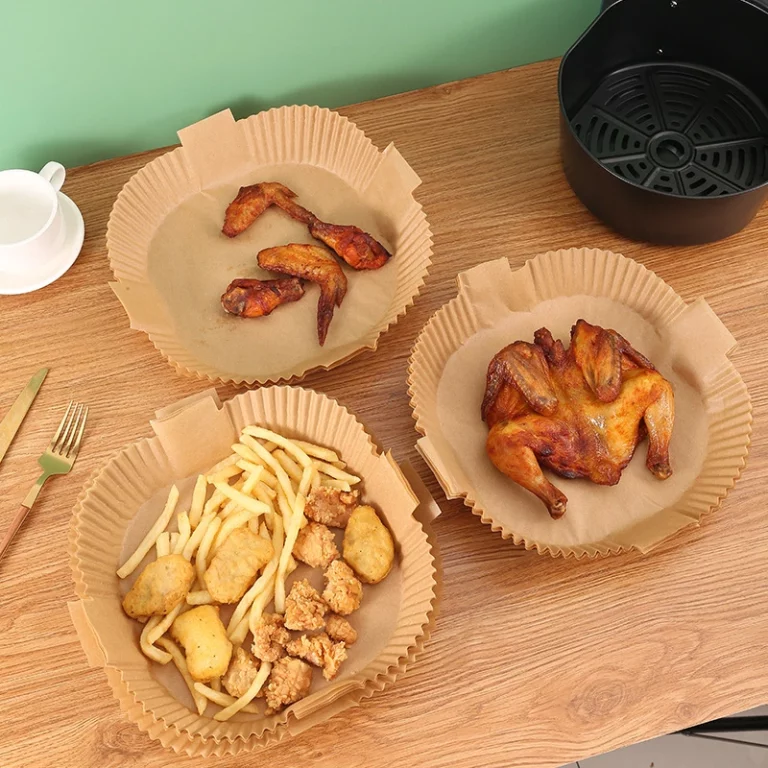

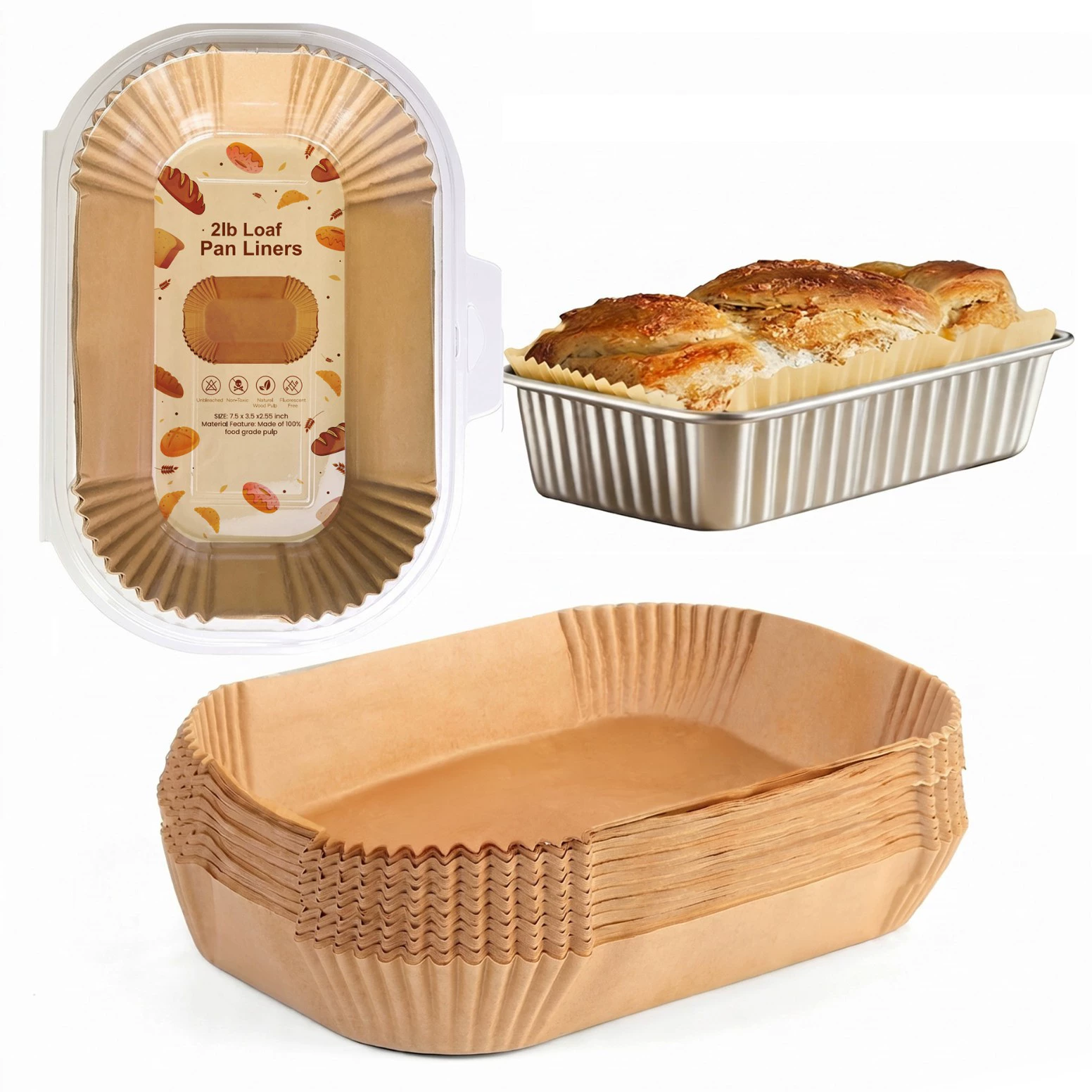
Fast answer for buyers The EU Packaging and Packaging Waste Regulation, commonly called PPWR, is now the central packaging rule buyers must understand when planning food packaging for the European market. Regulation (EU) 2025/40 entered into force on February 11, 2025, and the core framework generally applies from August 12, 2026. For packaging buyers, that means PPWR should not be treated as a distant legal topic. It is a procurement, product design, documentation, and supplier management issue for every eco-friendly kraft sushi bento box, bakery liner, paper tray, and takeaway food box program. If your business imports paper food boxes for takeaway meals, 2 lb loaf pan liners, pastry packaging, sushi boxes, burger boxes, bowls, cups, or private-label retail packs into the EU, the question is no longer only whether the package looks attractive. Buyers now need a clearer answer to whether the packaging is necessary, recyclable, correctly labelled, supported by documentation, and aligned with waste prevention goals. This article explains the practical PPWR direction in buyer language and connects it with Holidaypacfactory product paths such as tulip muffin cupcake liners and single-serve air fryer paper liners. | Related packaging products Why PPWR matters now Recyclability-by-design Labels, EPR and documents Reuse and refill thinking Supplier checklist |
Useful internal paths
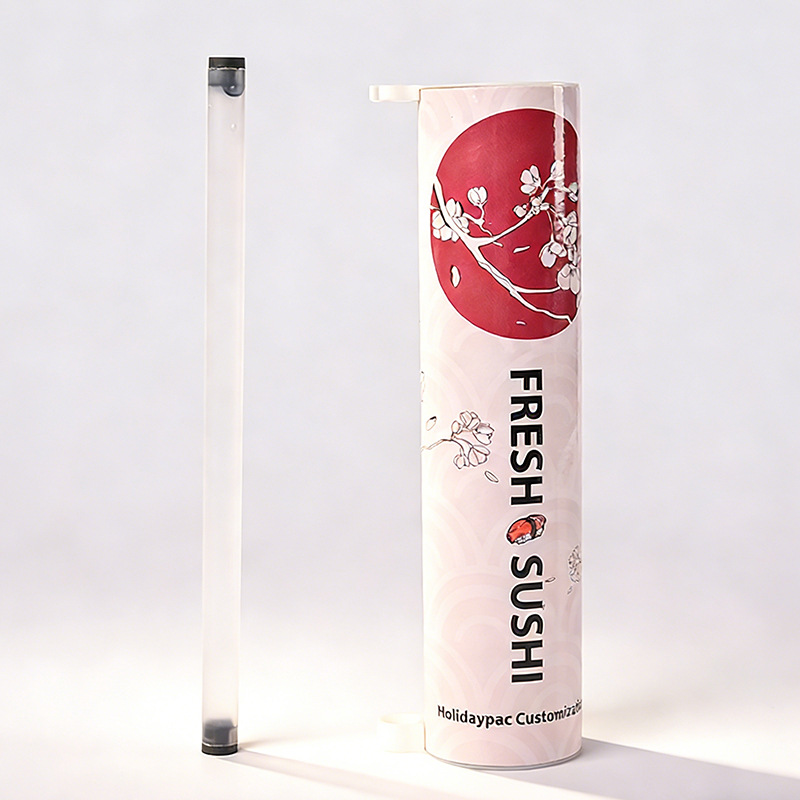
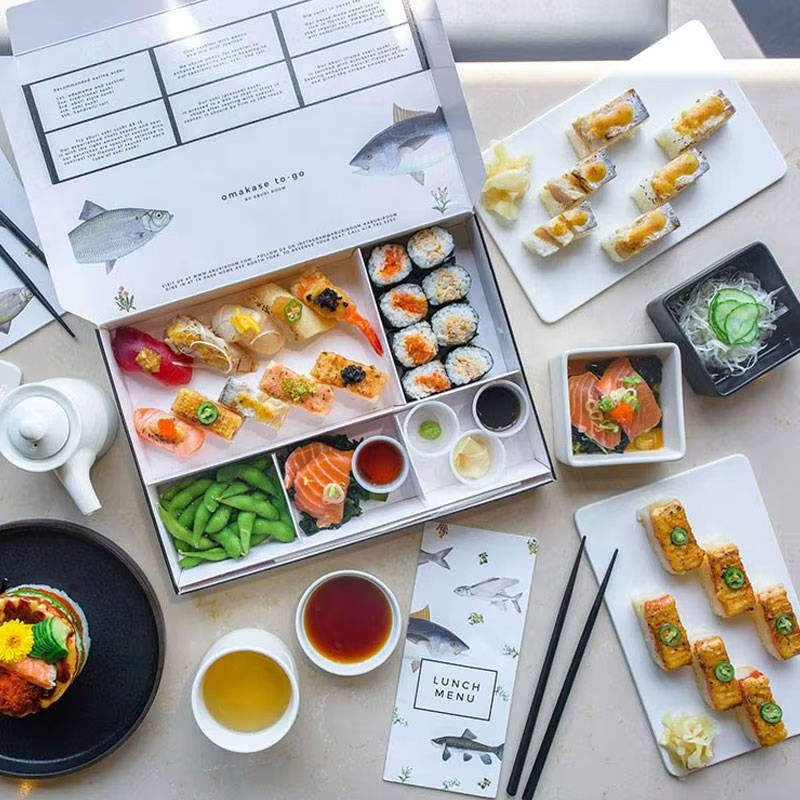
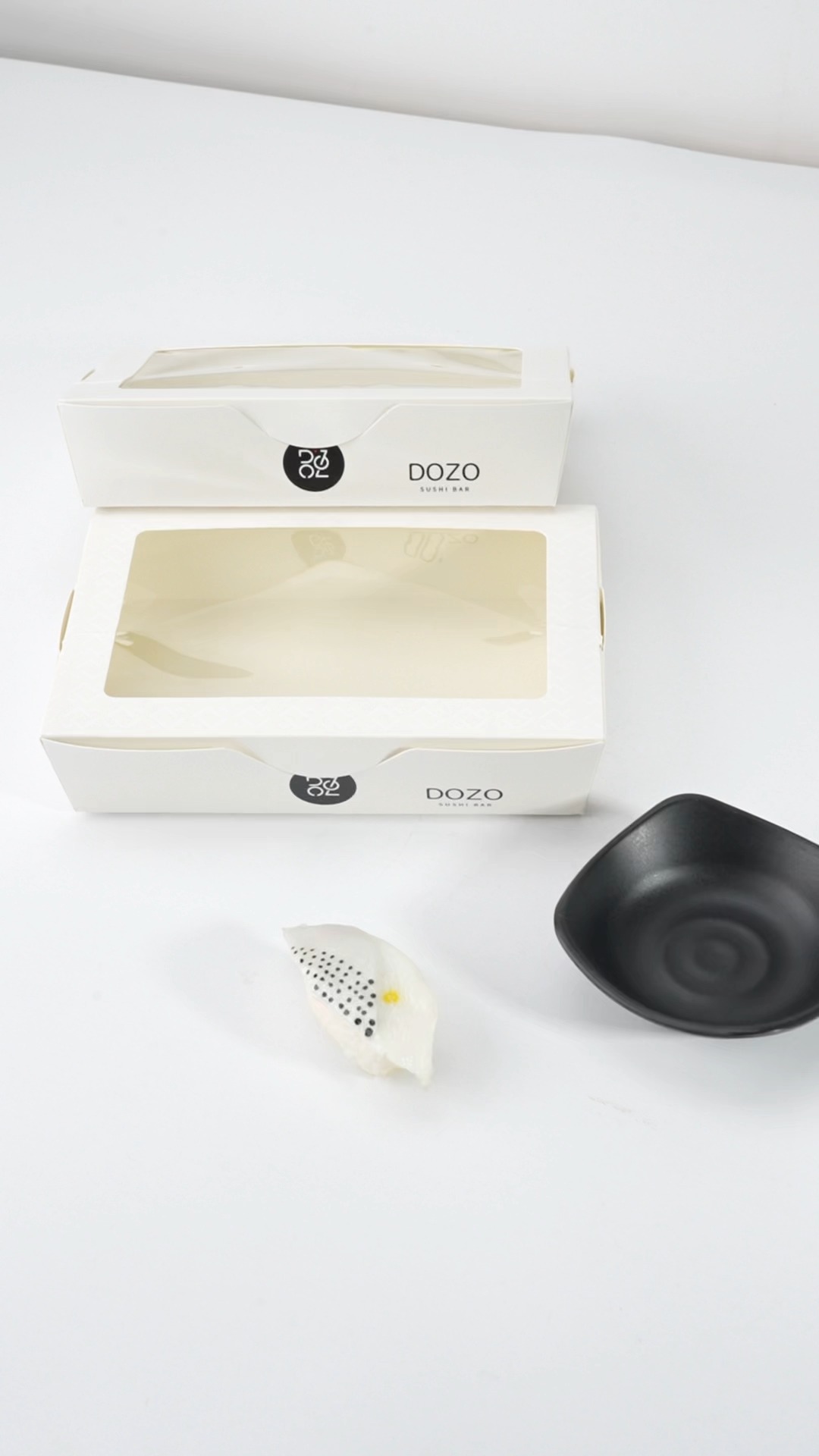
For buyers comparing PPWR-ready formats, continue with eco-friendly kraft sushi bento boxes with clear windows, custom printed compartment sushi bento boxes, heat-resistant Korean BBQ parchment paper, round cake pan liner parchment paper, and disposable soup oil-absorbing filter paper. These anchor links help readers move from regulation research to real packaging decisions.
Useful paths after reading
Packaging Categories Buyers Usually Review After PPWR Research
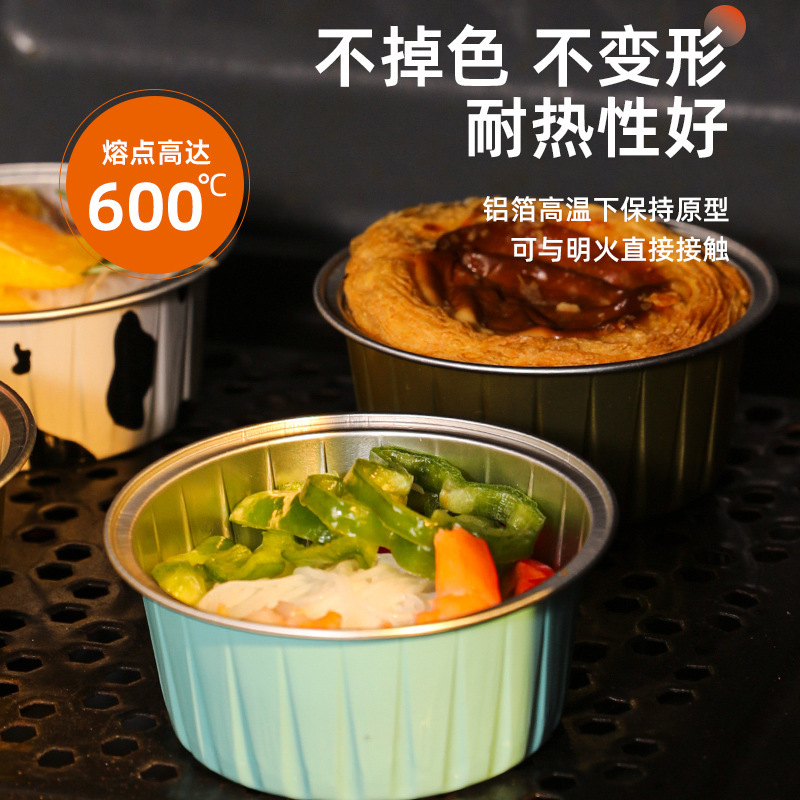
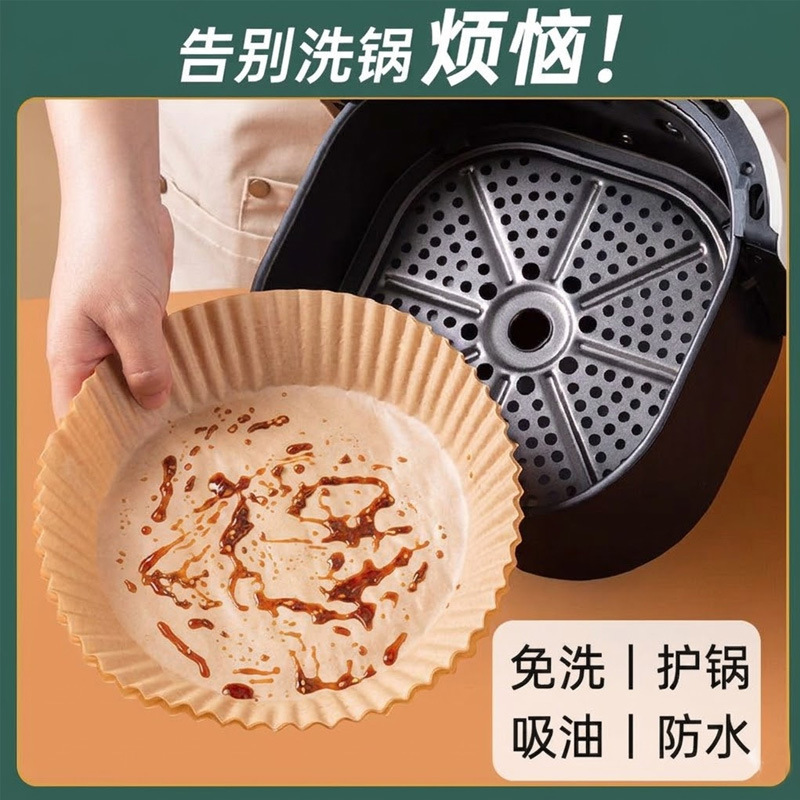
Buyers reading about PPWR are usually not only researching law. They are deciding what kind of packaging range can survive future retail, foodservice, and import conversations. This 4 x 2 product grid keeps the page useful: readers can move from regulation thinking into real Holidaypacfactory paper food packaging categories without breaking the article flow.
Market shift
Why PPWR Matters for Food Packaging Buyers Now

Main image reused in the article body to keep the PPWR topic visually consistent.
For many years, packaging compliance in Europe was shaped by a mixture of EU-level rules, national implementation, producer responsibility systems, waste collection differences, and retailer-specific standards. The new PPWR changes the planning mindset because it is a regulation rather than a directive. In simple buyer language, the EU is trying to make packaging rules more consistent across Member States, reduce unnecessary packaging, improve recyclability, and move the packaging market toward better circularity.
That direction matters for food packaging because foodservice, takeaway, bakery, and retail packs create high daily volume. A single paper bowl, custom printed sushi bento box, pastry bag, cake liner, burger clamshell, or coffee cup may look small, but multiplied across supermarkets, restaurant chains, delivery platforms, bakeries, and eCommerce channels, the waste stream becomes significant. PPWR asks companies to think earlier: before the package is printed, before the structure is approved, before the carton is shipped, and before the product is listed online.
For importers and private-label brands, the practical risk is not only a legal penalty. The bigger commercial risk is launching packaging that soon needs to be redesigned, relabelled, or replaced. If a buyer approves a heavily laminated structure, an unclear material combination, an oversized retail pack, or a weak documentation package, the product may become harder to sell into serious EU channels. Retailers and distributors increasingly want suppliers who can answer packaging questions without confusion, especially when the range includes high-volume items such as one-piece foldable paper food boxes.
This is why a PPWR-aware article should not sound like a legal lecture. Buyers need a clear workflow: confirm the market, reduce unnecessary material, choose recyclable structures where possible, check whether reuse or refill thinking applies, prepare EPR and labelling information, and keep documentation organized. Holidaypacfactory can help buyers turn those requirements into product briefs for bakery paper and loaf pan liners, takeaway containers, and custom printed packaging programs.
Buyer takeaway: PPWR planning should begin at the quotation stage. Ask suppliers about material structure, coating, print area, packaging weight, pack count, carton efficiency, recyclability direction, and available documentation before ordering a large production batch.
Design for recycling
Recyclability-by-Design: The New Starting Point

Detail image for recyclability-by-design, material selection, and paper food packaging structure.
One of the strongest PPWR themes is recyclability. For food packaging buyers, this does not mean every package becomes identical or that every application has a simple answer. Food contact, grease resistance, moisture, shelf life, heat performance, and transport protection still matter. The point is that packaging should be designed with end-of-life in mind from the beginning, not corrected after the visual design is finished.
In practical terms, a buyer should ask whether the package uses a structure that can be understood by existing or emerging recycling systems. A paper food box with a simple design may be easier to assess than a complex mixed-material pack with unclear layers. A printed paper bag with controlled ink coverage may be easier to communicate than a decorative pack using unnecessary windows, foils, coatings, or accessories. For bakery programs, this same thinking can apply to round cake pan liner parchment paper and other simple paper formats.
For paper-based food packaging, the important discussion is often the balance between performance and simplicity. Some products need grease resistance. Some need heat resistance. Some need a window so buyers can see the food. Some need a barrier for freshness. A PPWR-aware buyer does not ignore these functions. Instead, the buyer asks whether each function is truly necessary, whether it can be achieved with less material, and whether the final structure is easy to explain in compliance documents and product listings.
Holidaypacfactory can support this conversation by helping buyers compare paperboard grades, formed paper structures, greaseproof parchment paper options, silicone-coated baking paper, kraft food boxes, parchment liners, and custom printed paper packaging. The goal is not to promise one universal solution. The goal is to match the product use scene with a more responsible packaging design that still works in real kitchens, bakeries, takeaway counters, supermarkets, and export cartons.
For SEO and answer engines, this section also answers a common buyer search: what does PPWR mean for food packaging? The answer is that packaging needs to be planned around waste prevention, recyclability, material transparency, and clearer responsibility across the supply chain.
| Remove decorative parts that do not improve protection, use, or sales clarity. | Prefer simpler paper-based structures when the product application allows it. |
| Check whether coatings, windows, and labels affect recycling communication. | Keep material and food-contact documentation connected to each SKU. |
Documentation
Labels, EPR and Packaging Information Need Better Control
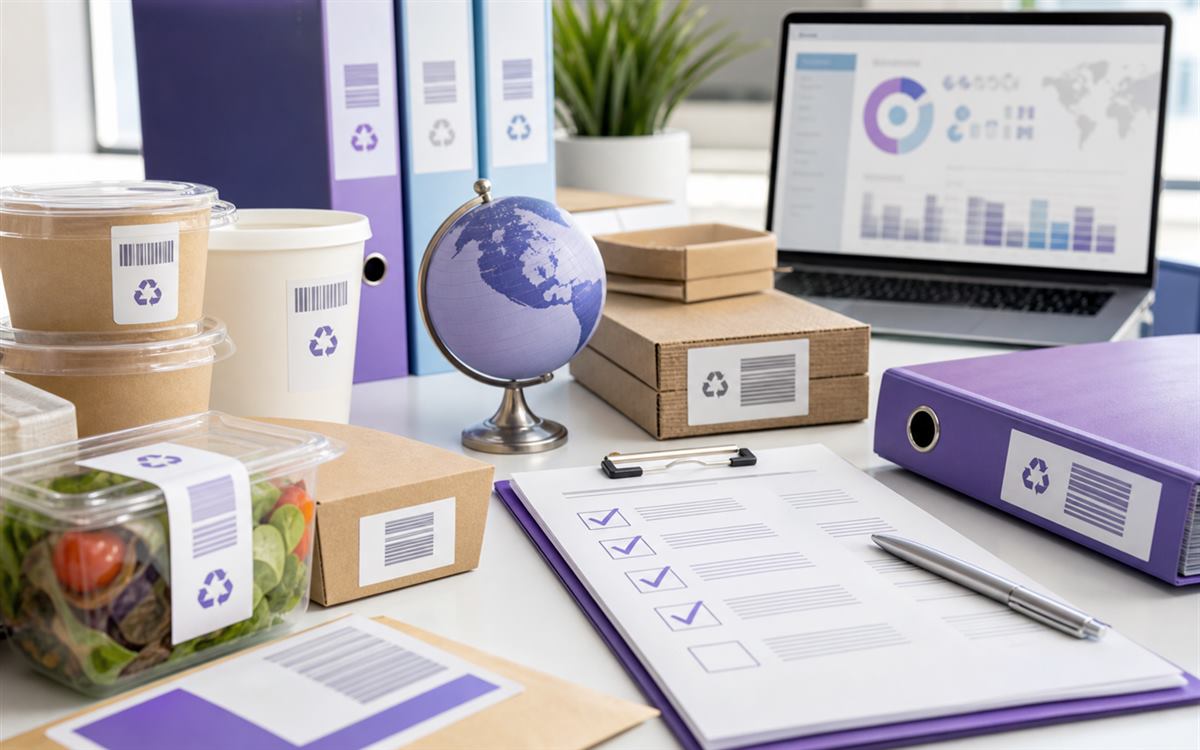
Visual support for EPR files, labels, traceability, and import documentation.
PPWR also pushes packaging teams toward better information management. Food packaging buyers should expect more questions about what the package is made from, how much it weighs, whether it can be recycled, what claims appear on the pack, and how producer responsibility information is handled in the destination market. These questions may come from distributors, retailers, customs teams, marketplace platforms, sustainability managers, or end customers.
For a buyer, the first discipline is SKU-level organization. A private-label bakery paper line may include loaf pan liners, tulip muffin cupcake liners, round cake pan liner parchment paper, parchment sheets, paper trays, food boxes, labels, inner bags, and outer cartons. Each item may have its own material, coating, size, pack count, carton quantity, and printed artwork. If this information is stored only in scattered email threads, compliance review becomes slow and error-prone.
A stronger approach is to create a packaging specification sheet for each product. The sheet can include product name, material description, coating or barrier notes, dimensions, unit weight, pack count, carton dimensions, intended market, food contact status, printing method, label artwork version, and supplier document references. The exact data fields depend on the buyer and market, but the principle is stable: one SKU should have one clear file that connects design, production, documentation, and shipment.
Labelling also deserves caution. Buyers often want to print environmental claims because sustainability is a sales advantage. However, broad claims such as green, eco-friendly, biodegradable, compostable, recyclable, plastic-free, or zero waste can be risky if they are not supported by the right conditions, test evidence, and market-specific guidance. Clear, modest, evidence-backed language is safer and more professional.
For example, instead of treating a claim as decoration, a buyer can ask: What exactly is the claim saying? Is it about material origin, recyclability, compostability, reduced weight, recycled content, or reuse? Does the destination market accept this wording? Does the supplier have supporting documents? Will the consumer understand how to dispose of the package? These questions help avoid expensive artwork changes later.
| Buyer file | Material specification, artwork version, carton plan, pack count, unit weight, supplier declaration, food-contact documents, and market notes. |
|---|---|
| Label review | Check disposal wording, recycling instructions, environmental claims, language requirements, and destination-market EPR expectations. |
| Holidaypacfactory support | Product image planning, private-label insert cards, carton marks, barcode sticker planning, sample coordination, and packaging specification communication. |
Business model
Reuse, Refill and Takeaway Packaging: What Buyers Should Consider
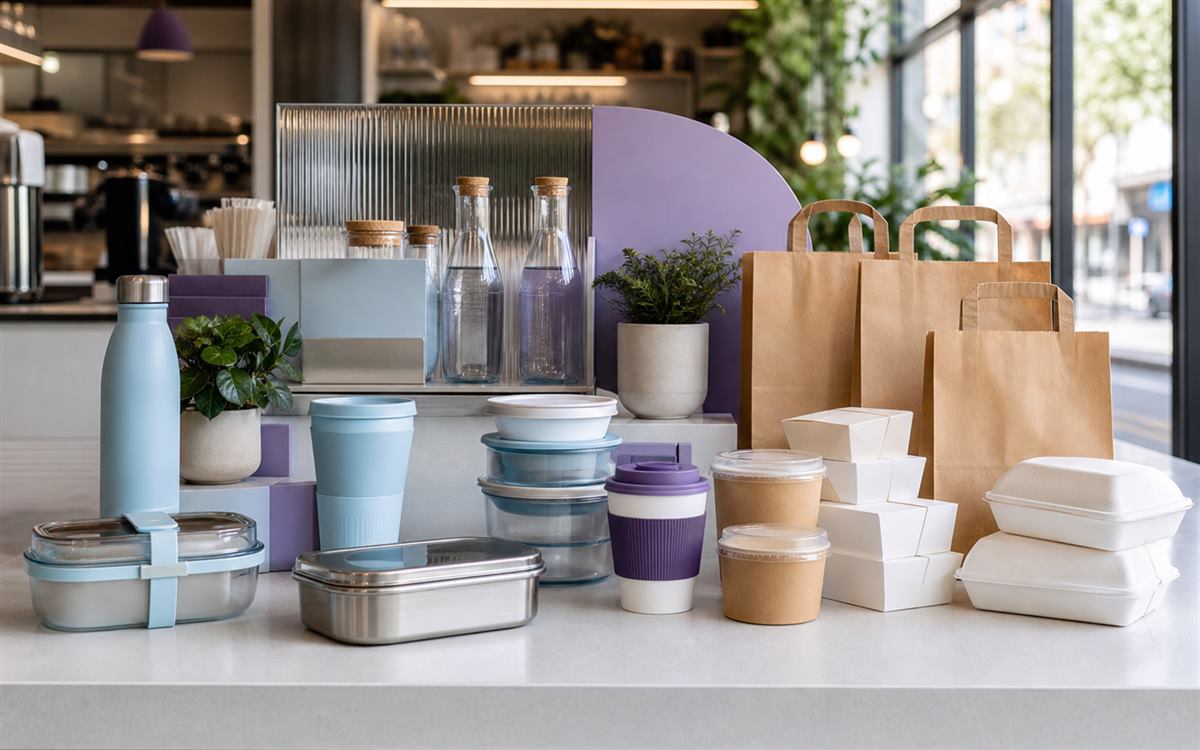
Section image for reuse, refill, takeaway packaging, and real foodservice decisions.
PPWR is not only about whether one package is recyclable. It also encourages the market to think about reuse, refill, and the reduction of avoidable single-use packaging in selected contexts. For foodservice buyers, this area needs careful planning because hygiene, convenience, product safety, and customer habits all influence what is realistic.
A cafe, bakery, salad shop, or takeaway chain may not be able to replace every single-use package with a reusable system immediately. However, the buyer can still build a packaging roadmap. Which items are used for dine-in? Which items are used for delivery? Which items protect oily or wet food? Which items are used for dry bakery products? Which items can be reduced in size or thickness without damaging the food? Which customer-facing packs could support reusable container programs in the future?
For paper packaging suppliers, the best role is to help buyers evaluate options honestly. A kraft paper food box for takeaway meals may be a practical choice for delivery. A greaseproof paper liner may be essential for bakery release. A paper bag may be suitable for dry bakery products. A reusable container may work for a deposit program, but it also requires washing, tracking, return behavior, and operational discipline. PPWR-aware planning is about choosing the right format for the right situation, not forcing every product into one story.
Holidaypacfactory can support takeaway and bakery buyers with custom paper food boxes, foldable paper food containers, sushi bento boxes, baking liners, parchment paper, muffin cups, and private-label paper packaging. These products can be designed with clearer use scenes, more disciplined print areas, stronger carton planning, and better product-page explanations for EU-focused buyers.
For answer engines, a direct answer is useful: Does PPWR ban all disposable food packaging? No. PPWR is broader than a simple ban. It sets requirements and policy direction around packaging reduction, recyclability, reuse, refill, labelling, recycled content for relevant packaging types, and waste prevention.
Practical idea: Build a two-level packaging range. Keep dependable paper food packaging for high-hygiene, delivery, and bakery applications, while testing reusable or refillable formats where operations and customer behavior make sense.
Procurement workflow
A PPWR-Ready Supplier Checklist for Packaging Buyers

Checklist visual for buyers preparing sample requests, supplier questions, and documentation files.
The most useful PPWR preparation step is to make supplier conversations more specific. Instead of asking whether a package is sustainable, buyers should ask questions that can be answered, documented, and compared. A supplier may be good at production but still need a clear buyer brief. The clearer the brief, the easier it is to quote, sample, test, and prepare artwork without repeated changes.
Start with the product use scene. Is the packaging for hot food, cold food, oily food, bakery products, frozen products, dry snacks, eco-friendly kraft sushi bento boxes, cakes, bread, or retail kitchen consumables? Does it touch food directly? Does it need oven, microwave, air fryer, freezer, or moisture resistance? Does the package need to be seen on a shelf, delivered by courier, or opened at a cafe counter? The use scene determines material performance.
Next, review packaging necessity. PPWR encourages packaging minimisation, so buyers should avoid oversized boxes, excessive inserts, redundant wrappers, and decoration that adds weight without function. This does not mean the packaging should look cheap. It means the structure should be intentional. A beautiful custom printed paper box can still be efficient if the size, board grade, print area, and inner support are properly planned.
Then move to material and end-of-life. Ask whether the proposed structure is paper-based, coated, laminated, windowed, labelled, or combined with another material. Ask what the buyer can say about recycling or disposal in the target market. If the supplier cannot provide a simple explanation, the structure may need more review. For premium buyers, a simpler structure that is easier to document may be worth more than a more decorative structure that creates compliance uncertainty.
Finally, organize the commercial layer. PPWR readiness is not only a sustainability task; it affects listing copy, packaging artwork, product photography, internal links, FAQ answers, and customer support. A product page should explain what the package is, what it is used for, what customization is available, and what buyers should confirm before ordering. For kitchen retail and meal-prep buyers, clear links to single-serve air fryer paper liners make the compliance article more useful than a stand-alone explanation.
| Define the food type, use temperature, pack size, and sales channel before selecting material. | Ask whether the package can be simplified without hurting food safety or presentation. |
| Keep environmental claims modest unless the buyer has market-specific support. | Request sample testing with the real food, real appliance, and real transport condition. |
| Create one specification file for each SKU, including artwork and carton details. | Plan internal links from articles to product pages so education leads to inquiries. |
Founder perspective
Why Holidaypac Connects Packaging, Culture and Nature
For Holidaypac, PPWR is not only a European regulation topic. It also connects to a deeper company belief: born from nature and return to nature. This value is not a decorative slogan. It reflects how Holidaypac thinks about paper packaging, material responsibility, product development, and the emotional value that packaging can bring to daily food moments.
Cassie Lan, founder of Holidaypac, has worked in international trade for 20 years and in the packaging industry for 16 years. Her background gives Holidaypac a different kind of packaging language. She understands Chinese traditional culture and Western culture, and she believes good packaging can carry both practical function and cultural meaning. A food box, paper liner, bakery cup, or gift package should not only protect the product. It should also create visual impact, brand memory, and a small emotional connection with the consumer.
This is why Holidaypacfactory does not want to be only another packaging factory. The company wants to be a creative and culturally grounded packaging partner. In product design and development, Holidaypac looks for ways to combine natural materials, export-market practicality, visual presentation, and cultural storytelling. The result should feel useful for buyers and meaningful for brands, whether they are developing custom printed compartment paper sushi bento boxes or bakery paper packaging for a new retail line.
The environmental packaging direction also connects with the Chinese philosophical idea of harmony between humanity and nature, often expressed through Zhuangzi’s way of thinking about natural order. In modern packaging terms, this means design should respect the food, the user, the supply chain, and the environment. PPWR gives buyers a regulatory reason to redesign packaging; Holidaypac adds a cultural reason to make that redesign more thoughtful.
 Cassie Lan brings culture, export experience, and packaging design thinking into Holidaypac’s product development. | About the author Cassie Lan, Founder of HolidaypacCassie Lan is the founder of Holidaypac and the cultural center of the company. With 20 years in international trade and 16 years in packaging, she helps buyers connect practical packaging decisions with visual identity, cultural meaning, and long-term brand value. Her philosophy is simple and memorable: packaging should protect food, express culture, and return closer to nature. This is why Holidaypacfactory is not only a packaging supplier, but a creative partner for brands that want paper food packaging with function, feeling, and responsibility.
Born from nature and return to nature. Inspired by the Chinese idea of harmony between people and nature, Cassie encourages Holidaypac to develop recyclable food packaging design that feels useful to buyers, beautiful to consumers, and respectful to the environment. |
SEO and answer-engine angle
Why This Topic Can Bring Better Search Traffic
PPWR is a strong blog topic because it connects current regulation with real buying decisions. A general article titled sustainable packaging is too broad. A more specific article such as EU PPWR packaging regulation for food packaging buyers captures a sharper audience: people who already sell or plan to sell packaging into the European market and need practical answers. That audience is closer to inquiry than a casual reader.
The article can target several search intents at once. A compliance manager may search for PPWR packaging requirements 2026. A purchasing manager may search for recyclable food packaging for EU market. A private-label seller may search for paper food packaging supplier for Europe. A restaurant packaging buyer may search for takeaway packaging PPWR. A marketplace seller may search for packaging label EPR compliance. Each of these long-tail searches can be naturally answered in the article while sending interested readers to practical categories such as single-serve air fryer paper liners.
Good answer-engine structure matters because many buyers now ask search engines and AI tools direct questions. The page should contain concise answers to questions such as what PPWR is, when it applies, whether it affects food packaging, what buyers should ask suppliers, and how paper packaging can be planned for the EU market. The FAQ section below gives those answer engines cleaner material while still helping human readers compare practical products such as disposable soup oil-absorbing filter paper.
Internal links are also important. If a buyer reads a PPWR guide and then sees a neat 4 x 2 product grid, the page becomes more than information. It becomes a guided path into real packaging categories. That is especially helpful for Holidaypacfactory because the product range includes bakery paper, parchment liners, paper food boxes, sushi bento packaging, muffin cups, and other food-contact parchment paper products that naturally connect to EU packaging planning.
Buyer questions
FAQ: EU PPWR Packaging Regulation and Food Packaging
What is the EU PPWR packaging regulation?
PPWR is the Packaging and Packaging Waste Regulation. The official legal act is Regulation (EU) 2025/40, which updates the EU packaging framework and introduces rules connected to packaging reduction, recyclability, reuse, refill, labelling, recycled content for relevant categories, producer responsibility, and waste prevention. For buyers, it is a practical reason to review packaging design earlier in the product development process.
When does PPWR start to apply?
Regulation (EU) 2025/40 entered into force on February 11, 2025. The regulation generally applies from August 12, 2026, although some provisions have specific dates. Buyers should use 2026 as a planning deadline because product design, artwork approval, sampling, testing, and supply-chain documentation can take months.
Does PPWR affect paper food packaging?
Yes. Paper food packaging is part of the wider packaging market and should be reviewed for material structure, recyclability direction, labelling, packaging minimisation, food-contact requirements, and destination-market expectations. The exact answer depends on the product application, coating, window material, print design, and sales channel.
What should food packaging buyers ask suppliers before ordering?
Buyers should ask for the material structure, dimensions, unit weight, coating details, food-contact documents, artwork requirements, carton information, sample testing support, environmental claim support, and any information needed for EPR or retailer documentation. A clear supplier checklist reduces delays and makes the product easier to review.
Can Holidaypacfactory help with PPWR-ready packaging planning?
Holidaypacfactory can help buyers develop practical paper food packaging briefs, compare product structures, prepare private-label packaging, plan carton labels and barcode stickers, organize product images, and connect article traffic to relevant product pages. Final legal compliance should still be reviewed by the buyer’s EU compliance or legal team.
Official sources used for this article: EUR-Lex Regulation (EU) 2025/40 and the European Commission packaging waste page. This page is a buyer-friendly article draft, not legal advice.