Door to Door service
Welcome to Holidaypac Packaging Solutions Factory!

tiger@holidaypac.com

+86 136 5233 6188
Welcome to Holidaypac Packaging Solutions Factory!
tiger@holidaypac.com
+86 136 5233 6188
Related packaging range
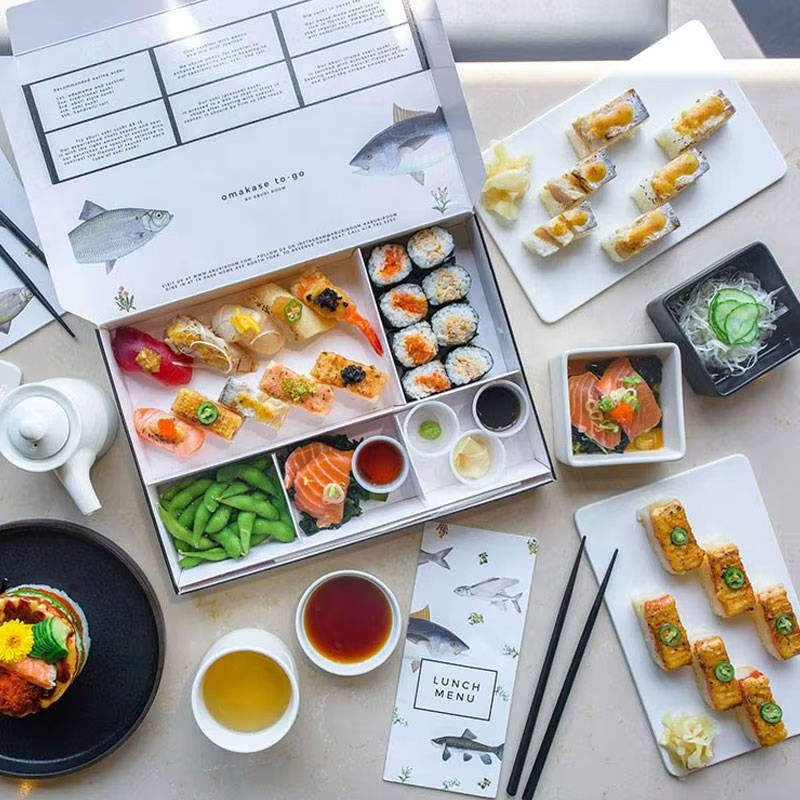
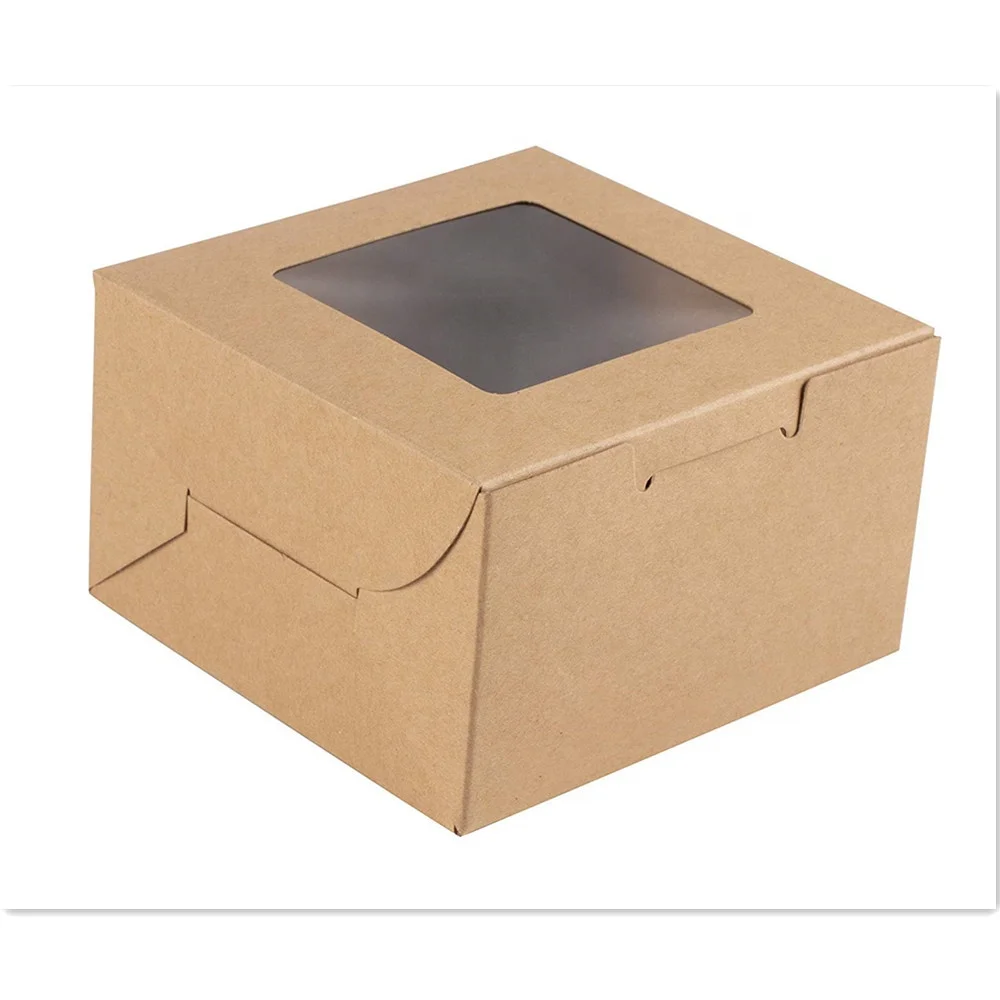
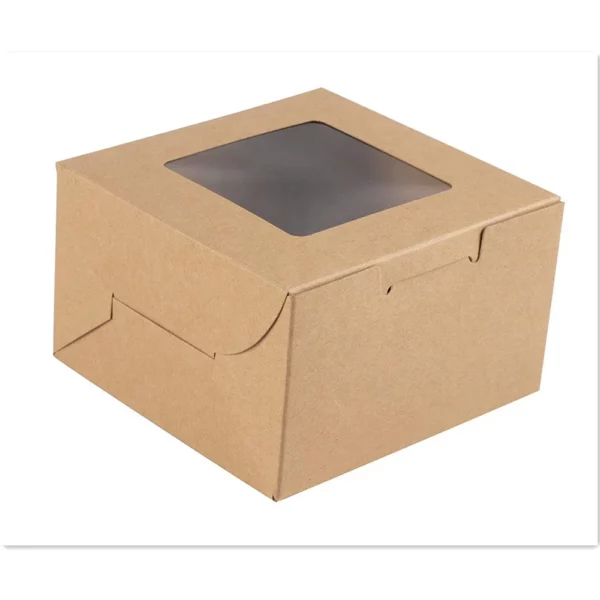
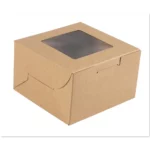
Quick Note Window Packaging Works Because It Removes Guesswork A clear display area helps customers, store staff and retail buyers understand the product faster, which is especially useful for bakery and ready-to-go food categories. Faster product readCleaner shelf storyGift-ready feel | Display-first kraft packaging A Custom Kraft Window Food Box That Lets the Product Sell Before the Lid Is OpenedA custom kraft window food box is valuable because it turns packaging into a quiet sales tool. Before a customer touches the pack, the window helps them see the product, the kraft board gives a natural and tidy surface, and the full box shape still feels structured enough for premium bakery, dessert and takeaway programs. Browse our kraft sushi window box when you need a more compartment-led takeaway structure. This kind of packaging performs especially well when the food itself helps close the sale. Donuts, mini cakes, cookies, brownies, sushi portions and charcuterie snacks all benefit when the customer can immediately read freshness, color and arrangement through the front panel. That visual confidence supports faster decisions at bakery counters, convenience shelves and event service tables. A useful comparison is our printed sushi bento box for stronger graphic coverage and meal partitioning. For B2B buyers, the attraction goes beyond simple appearance. A display-led food box also gives the brand a way to improve presentation without moving all the way into rigid gift packaging. That keeps the format commercially practical while still elevating the customer experience, which is an important balance for distributors, supermarket counters and restaurant takeaway programs. You can also review the compartment paper sushi bento box if your buyers want more internal separation. Holidaypacfactory can use this type of window food box as part of a broader paper packaging system. Brands that want matching bags, insert cards, sleeves, labels or other seasonal bakery packaging can build those pieces around the same visual direction, which helps the final product line feel more complete and easier to recognize. For broader grab-and-go meal formats, see our custom picnic box page. |
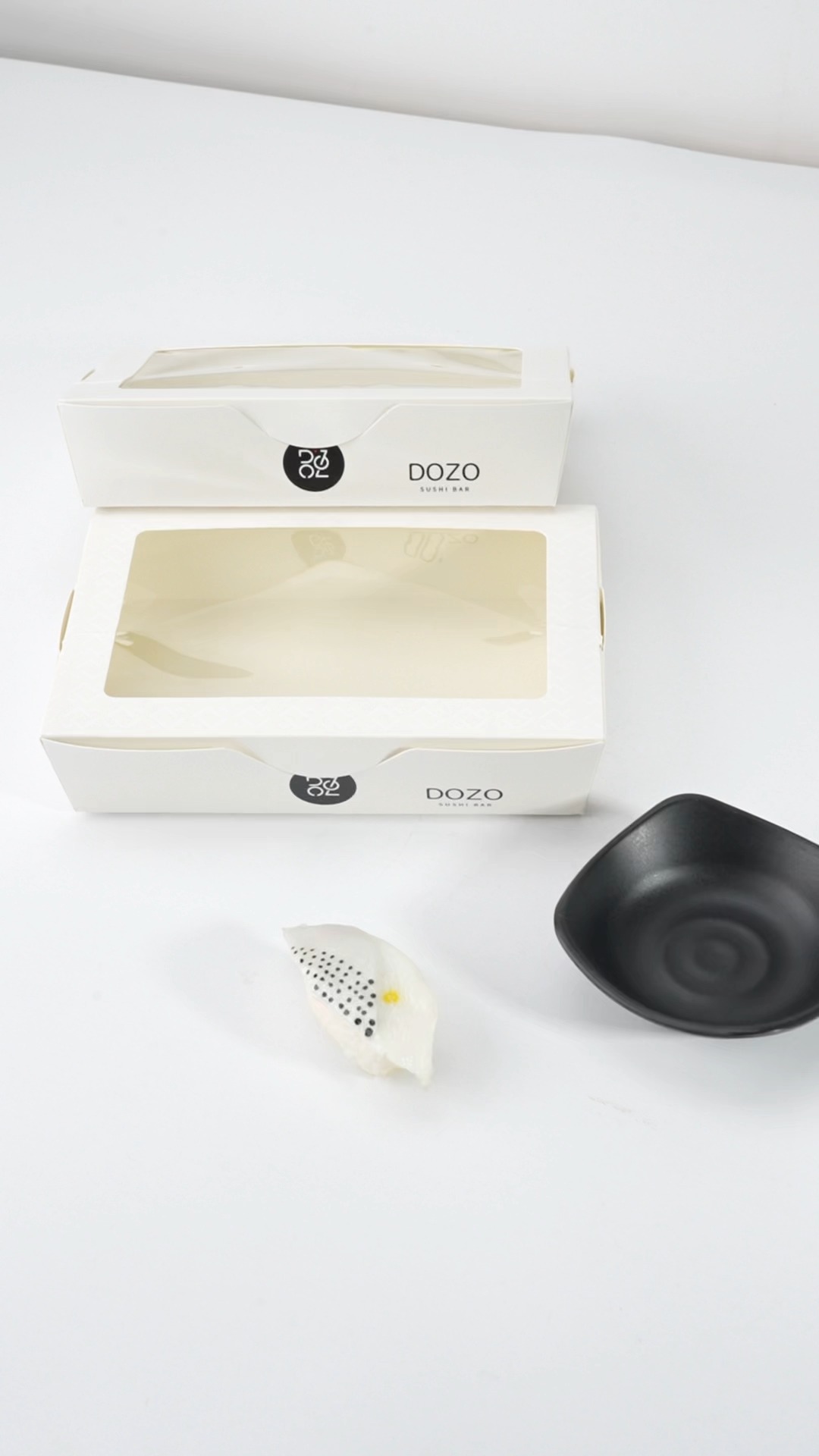
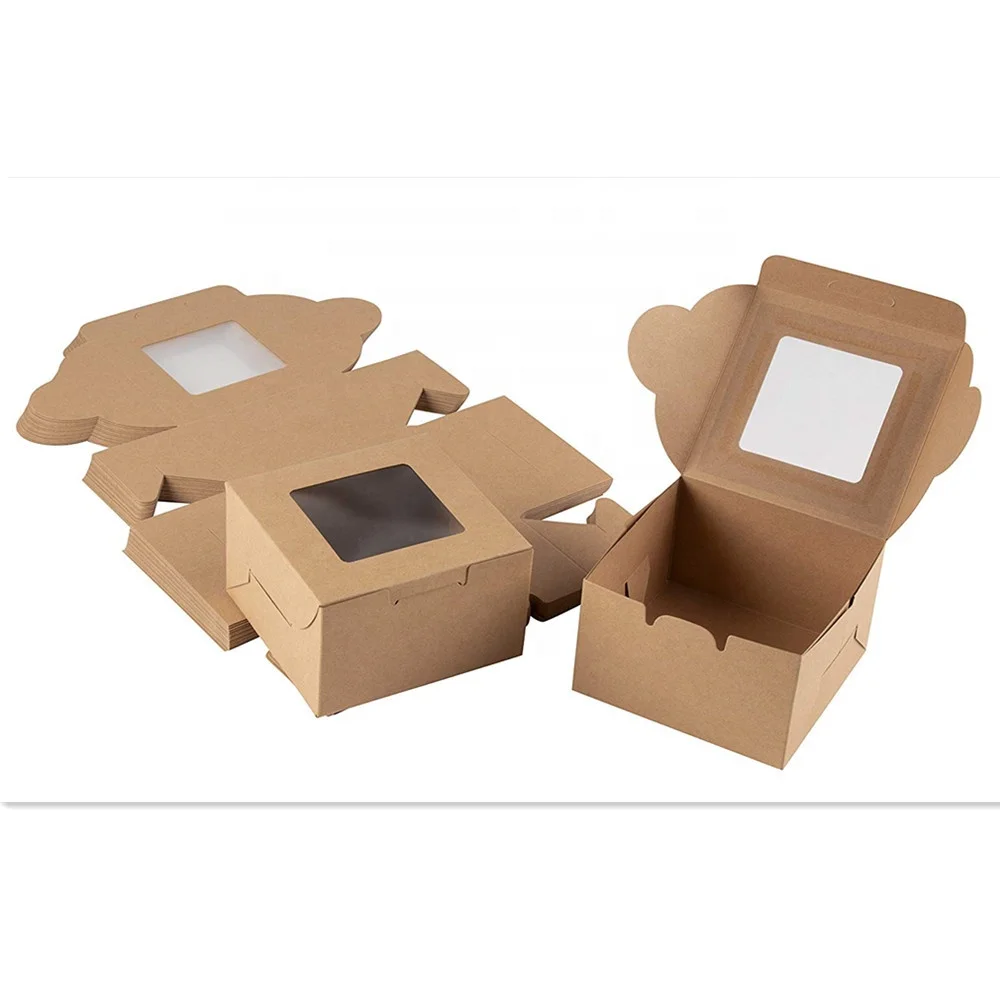
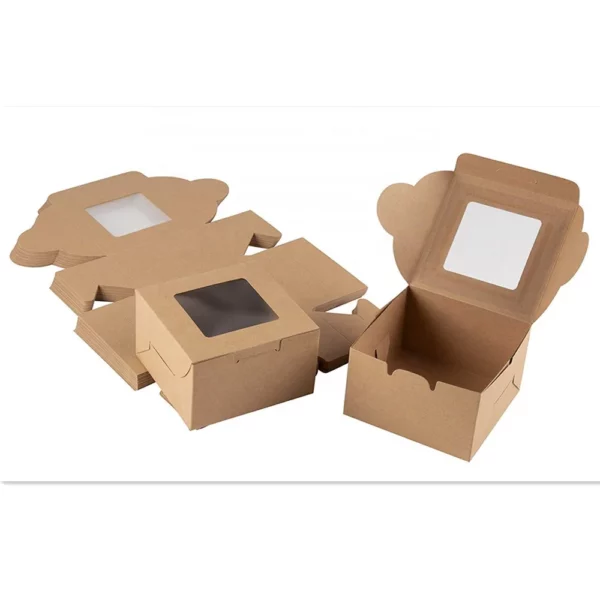
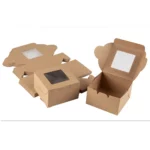
Open and assembled structure Show the Food Cleanly While Keeping the Box Practical for Daily Folding and FillingA window box has to perform in two states. It needs to look attractive once assembled, but it also needs to make sense during storage, folding and filling. This open view helps buyers judge both at once. The lid gives a clean frame for the display panel, while the body keeps a familiar box rhythm that staff can learn without much friction. A faster packing alternative is our one-piece foldable food box range. That matters in bakery and takeaway operations because the package is touched many times before it reaches the customer. It may be stacked flat in storage, folded during service, filled at a counter, labeled for pickup and then carried inside a larger bag or tray. A box that looks elegant but slows that flow too much can become difficult to maintain during busy hours. For bakery programs, many buyers also pair this box with our tulip muffin cupcake liners. For bakery chains and distributors, this structure also helps when new team members need to follow a standard packing routine. The box shape is readable, the lid motion is familiar and the window area signals which side should face the customer. Those small cues can improve consistency across stores and across repeated promotional runs. Another useful paper-baking reference is our 2 lb loaf pan liners listing. The open view is also useful for discussing product fit. Buyers can estimate whether the box should frame a single pastry, a cookie assortment, a dessert slice, a sushi portion or another food format. That makes the sample conversation more concrete and reduces the risk of choosing a box that feels either too tight or unnecessarily oversized. Premium dessert programs can also connect well with our luxury chocolate box collection. | Quick Note The Open View Reduces Sample Guesswork When buyers can see the assembled and flat states together, it becomes easier to discuss storage, filling speed, inner capacity and the exact amount of product reveal needed. Assembly clarityPacking speedBetter sampling |
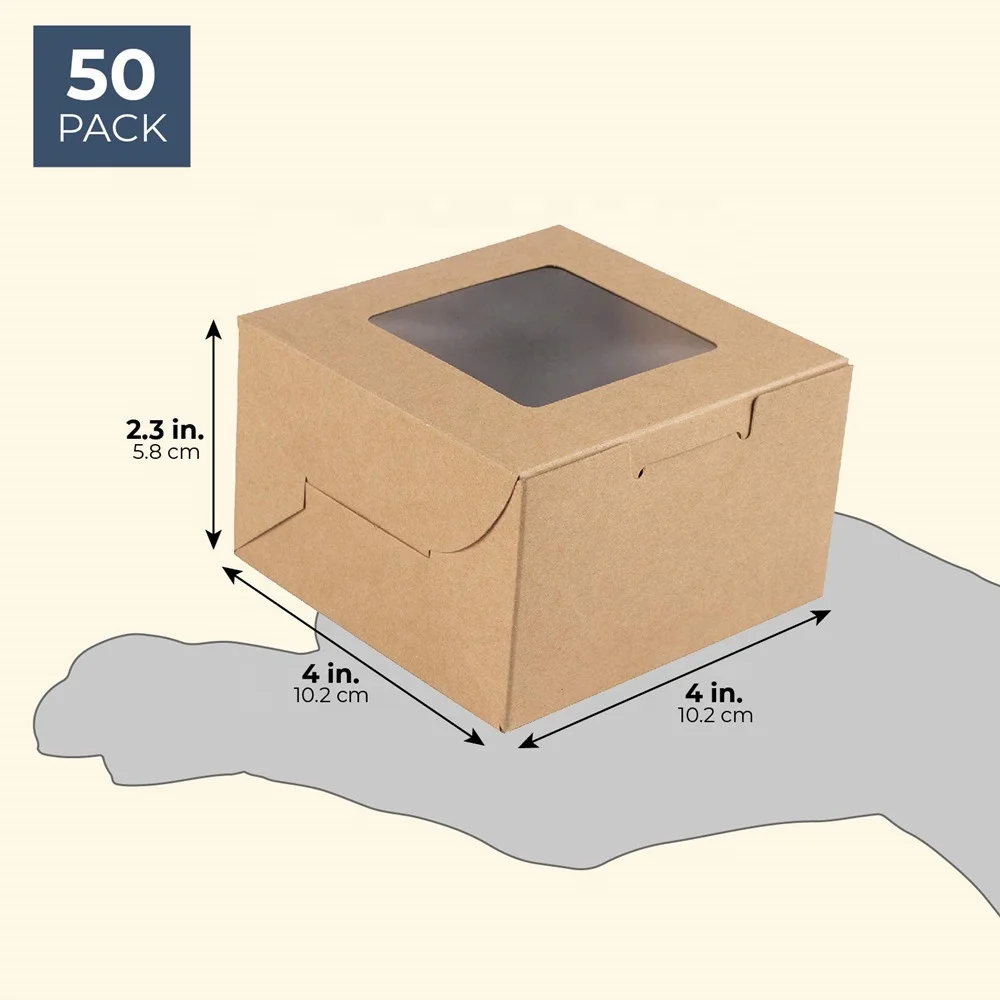
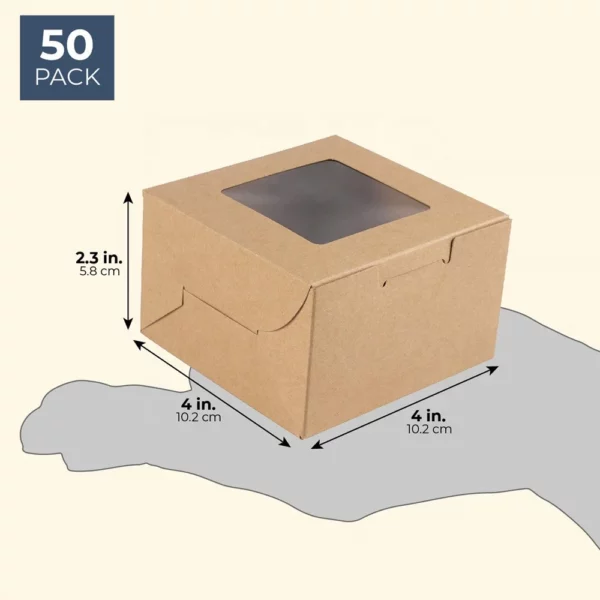
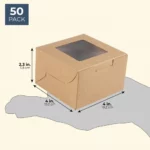
Quick Note Food Height and Window Framing Should Be Discussed Together The right box size is not only about footprint. It also affects how well the food sits under the window and whether the product still looks generous once closed. Depth mattersHeadspace planningWindow framing | Visible size planning A Good Window Food Box Project Starts with Real Food Size, Product Height and Display IntentThe size reference image is one of the most useful parts of a product page because it moves the conversation away from vague styling language and toward practical specification. Buyers need to know whether the box will hold a single donut, a mini cake, a pie slice, a cookie set or a takeaway dessert without crushing the product or leaving it adrift inside too much empty space. If your assortment mixes food boxes and insert papers, our single-serve paper liners page is another relevant reference. A sample footprint around four inches square with a little over two inches in height often works well for compact single-serve bakery and dessert items, but that is only a starting point. The real decision depends on product height, decoration detail, how much headspace is needed and how much of the food the brand wants to show through the window. For restaurant takeout catalogs, compare this format with the wholesale sushi packaging box range. The same structure can also move into sushi and cold snack use cases when the buyer prefers a small, clean presentation rather than a large compartment tray. In those cases, the window becomes part of the freshness story. The package shows the product immediately while still giving the outer surface enough room for a logo, label or short graphic system. Browse our kraft sushi window box when you need a more compartment-led takeaway structure. The specification table below collects the main planning points buyers usually need in early discussion. It keeps the project grounded in practical decisions like size, structure, use scene and commercial intent rather than forcing the buyer to guess from a single styled image. A useful comparison is our printed sushi bento box for stronger graphic coverage and meal partitioning. |
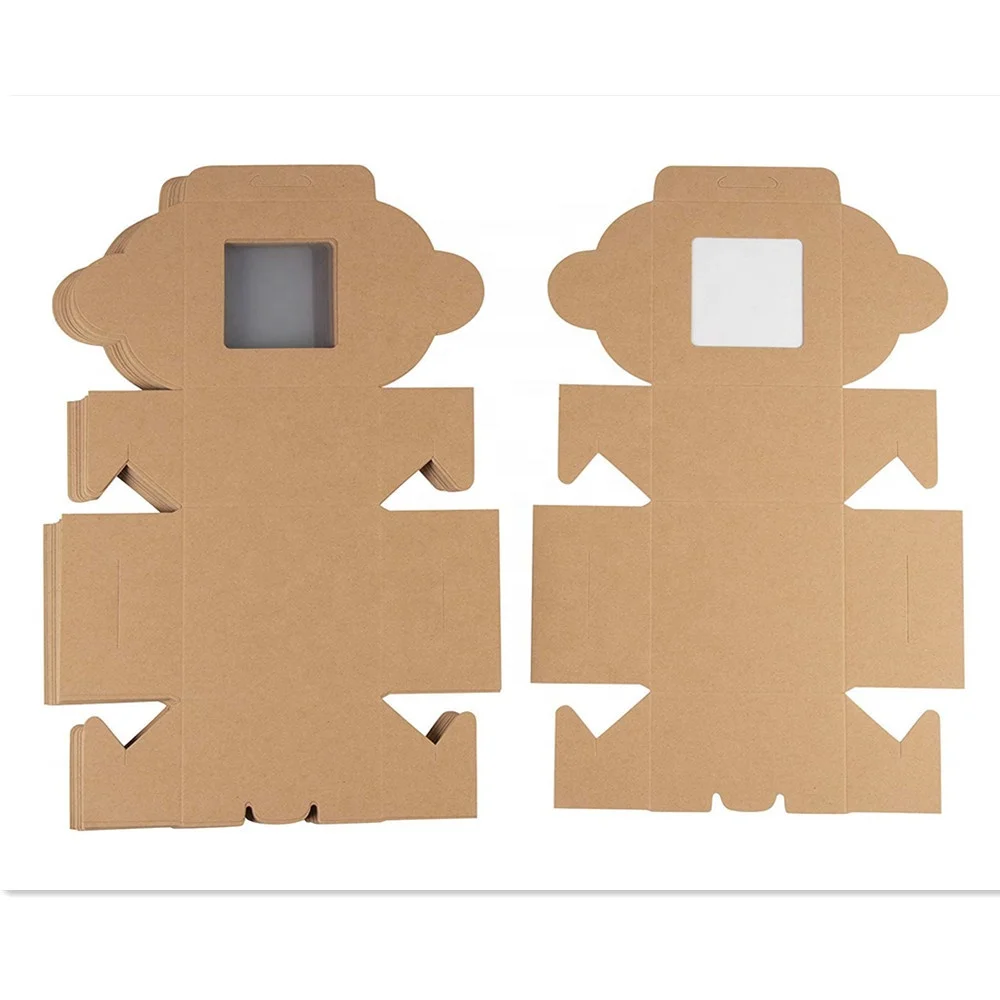
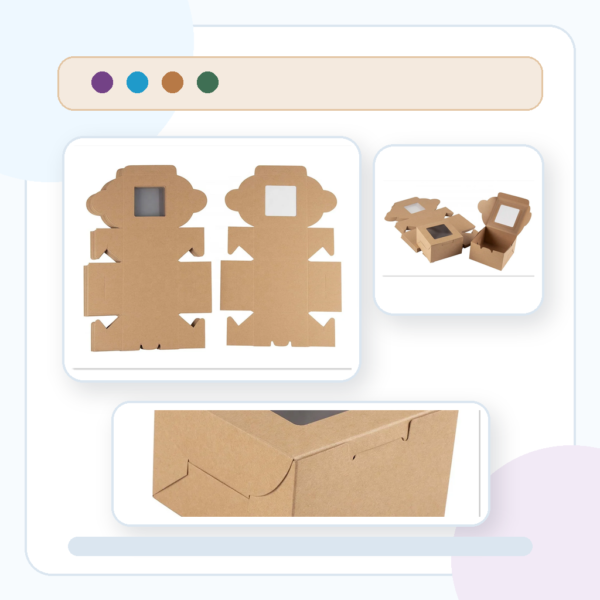
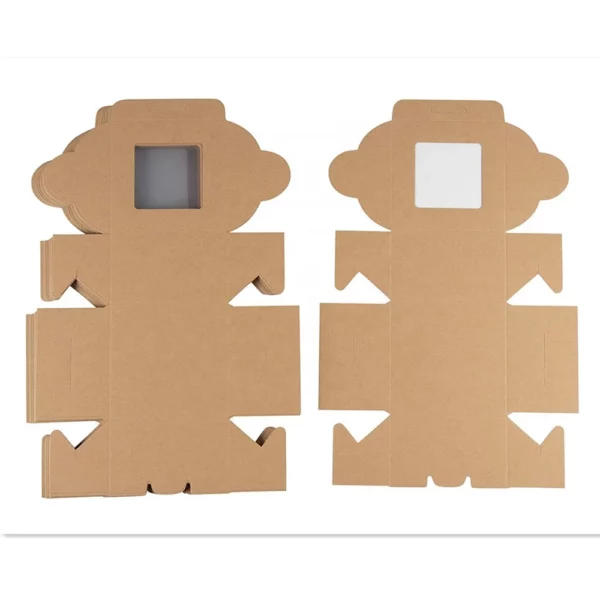
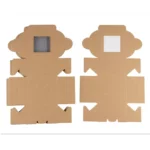
Dieline and artwork planning Flat Layout Visibility Helps Buyers Think About Printing, Storage and Repeat Orders More ClearlyThe flat layout matters because strong food packaging is not created only in the final assembled photo. It is created much earlier, when the buyer decides which panel carries the logo, where the window opening sits, how the folds break the artwork and which surfaces should stay clean for labels or seasonal messaging. You can also review the compartment paper sushi bento box if your buyers want more internal separation. For importers and private-label buyers, this also affects approval speed. A clearly planned dieline discussion helps the team align on what the customer will see first, what remains visible once the box is stacked, and where practical information like SKU labels or date stickers may need to sit. That is much easier to manage early than to correct after a sample run is already underway. For broader grab-and-go meal formats, see our custom picnic box page. From a logistics angle, flat-packed boxes are useful because they save storage volume before assembly. Buyers can plan carton counts, warehouse space and in-store replenishment more accurately when they understand the flat state of the product, not only the assembled hero image. That is especially valuable for seasonal bakery programs and event-driven packaging launches where inventory timing matters. A faster packing alternative is our one-piece foldable food box range. The flat view also supports repeat-order discipline. Once the buyer approves panel layout, structure and print zones, those details can be documented for future runs. That record makes it easier to refresh the artwork, add a festival variation or launch a retailer-specific version without rebuilding the whole project from zero each time. For bakery programs, many buyers also pair this box with our tulip muffin cupcake liners. | Quick Note Good Printing Starts Before Assembly Artwork often looks clean in a mockup but changes once it runs across fold lines and closure tabs, so seeing the flat layout early helps buyers avoid crowded or awkward print zones. Panel planningFold alignmentRepeatable artwork |
Choosing a window food box should begin with the actual product rather than the artwork. Buyers should first measure the food footprint, its total height, any frosting or topping profile and how much visual reveal is needed. A compact pastry, a pie slice and a sushi serving may all look similar from a category point of view, but they do not create the same packaging requirements once they are inside the box. Another useful paper-baking reference is our 2 lb loaf pan liners listing.
The second decision is how much of the food should be visible. Some brands want the window to reveal almost the entire top surface. Others want a more framed look where the product is only partially seen, giving a cleaner, more premium presentation. That choice affects not only the window size but also how the food needs to be positioned inside the box. Premium dessert programs can also connect well with our luxury chocolate box collection.
Buyers should also think about the selling environment. A bakery display box may need a more gift-like feel for holiday counters, while a sushi takeaway box may need quicker packing and cleaner stack performance. A dessert box used for party trays or small catering drops may need stronger height or a broader base so decorations stay more stable during transport. If your assortment mixes food boxes and insert papers, our single-serve paper liners page is another relevant reference.
Brand communication should be layered with care. The kraft board already offers a natural and clean visual base, so not every surface needs heavy artwork. Many successful programs use a controlled logo panel, a simple color accent or a label zone rather than trying to cover every face of the box. That approach often reads more refined and keeps the food visible through the window as the main hero. For restaurant takeout catalogs, compare this format with the wholesale sushi packaging box range.
Sampling should include both appearance checks and routine handling. Buyers should fold the box, fill it with real food, close it, stack it, move it and then open it again after ordinary handling. That test reveals whether the food still sits well under the window, whether headspace feels right and whether the closure stays tidy under real service conditions. Browse our kraft sushi window box when you need a more compartment-led takeaway structure.
The final goal is a package that helps the product sell faster while staying practical for wholesale supply and daily service. A good window food box makes the merchandise easier to understand, gives the brand enough surface to look intentional and still behaves like a manageable paper packaging format when orders start repeating at scale. A useful comparison is our printed sushi bento box for stronger graphic coverage and meal partitioning.
The most effective window box designs usually let the food and the structure do most of the visual work. Because the customer can already see the product, the print system does not have to shout. A strong logo, a restrained pattern, a seasonal sleeve or a short message panel can often create a better result than trying to fill every side with color. You can also review the compartment paper sushi bento box if your buyers want more internal separation.
This is especially helpful for brands that want the same structure to work across several menus or several seasonal drops. The base box can stay constant while labels, stickers or limited-edition graphics change on the outside. That helps keep procurement simpler while still giving the marketing team room to refresh the presentation for campaigns, gifting periods or retailer-specific promotions. For broader grab-and-go meal formats, see our custom picnic box page.
Buyers should also protect room for operations. Retailers may need date coding, barcodes or ingredient labels. Bakeries may need flavor identifiers. Restaurant pickup programs may want short menu names or order tags. Planning that label space early keeps the finished box looking clean after those everyday operational marks are added. A faster packing alternative is our one-piece foldable food box range.
Window boxes also lend themselves well to coordinated assortments. A bakery can pair them with branded paper bags, tissue sheets, insert cards or dessert liners. A sushi takeaway brand can coordinate the box with condiment labels, chopstick sleeves or bags. When those pieces share the same visual tone, the brand becomes easier to remember and easier for distributors to present as a complete packaging program. For bakery programs, many buyers also pair this box with our tulip muffin cupcake liners.
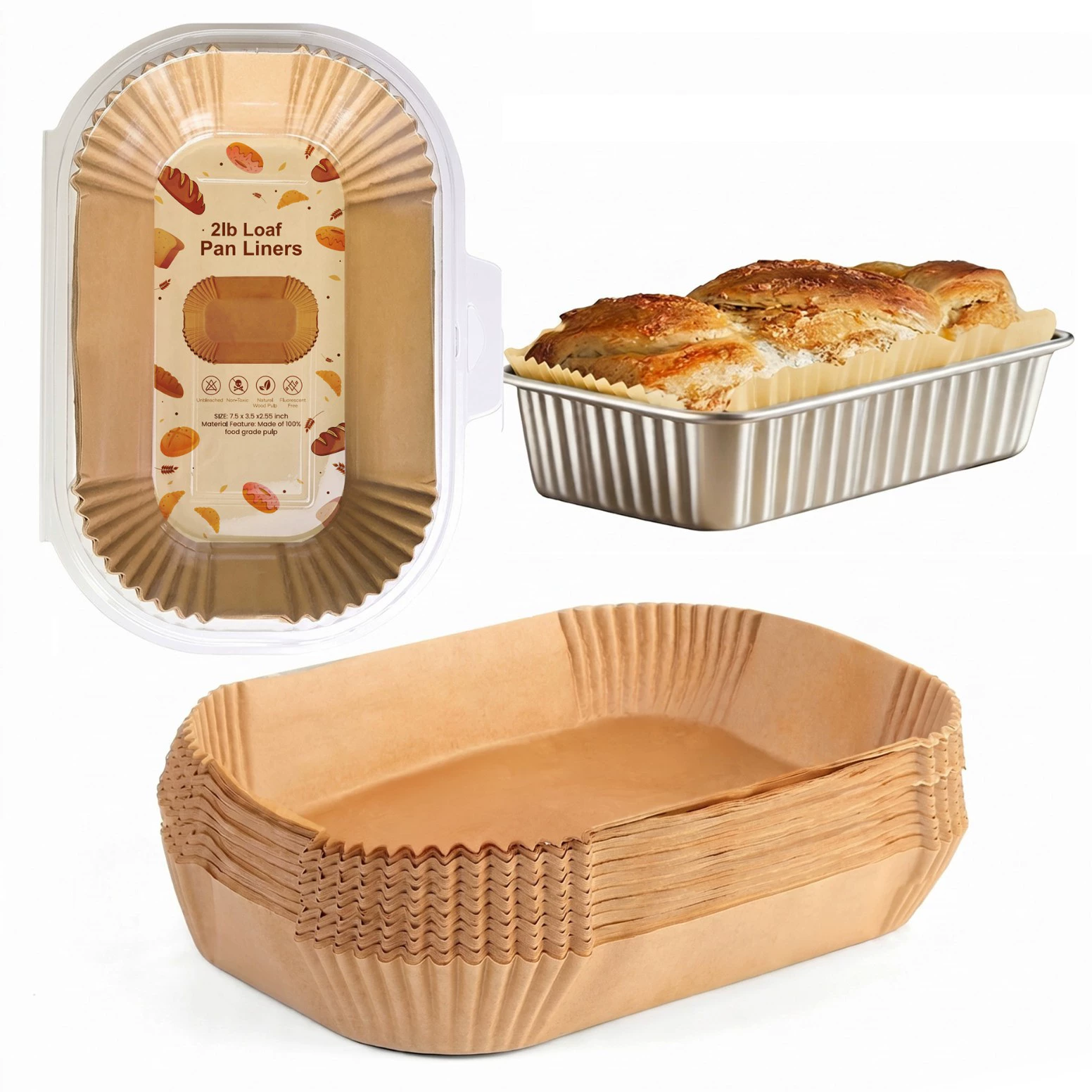
Holidaypacfactory can help buyers think through those packaging layers so the final result feels commercial rather than decorative. The best outcome is a system where the product is visible, the brand is easy to read and the package still feels disciplined enough to repeat across many orders and many sales channels. Another useful paper-baking reference is our 2 lb loaf pan liners listing.
Window food boxes keep earning attention from wholesale buyers because they solve two commercial goals at once. They help the food look more appealing on the shelf, and they help the brand look more considered without forcing the buyer into a heavy rigid package or an overly complex structure. Premium dessert programs can also connect well with our luxury chocolate box collection.
For bakery counters, the box can frame freshness and decoration. For dessert takeaway, it can make a single product feel more gift-ready. For sushi or cold snack use, it can reinforce cleanliness and visual order. Those use cases are different, but the underlying logic is the same: show enough of the food to create confidence while still keeping the handoff clean and branded. If your assortment mixes food boxes and insert papers, our single-serve paper liners page is another relevant reference.
Buyers also like formats that can scale across more than one channel. A window box that works on a bakery shelf may also work for event orders, local delivery, supermarket counters or seasonal gifting bundles. That flexibility improves the commercial value of the structure because the buyer can spread one approved packaging direction across several revenue streams. For restaurant takeout catalogs, compare this format with the wholesale sushi packaging box range.
Carton and repeat-order planning still matter. Once a size and structure are approved, teams should record the size, board direction, closure notes, print layout and label placement rules so future orders can move faster. That record is what turns a good-looking sample into a reliable product line. Browse our kraft sushi window box when you need a more compartment-led takeaway structure.
The strongest window box page therefore should not behave like a one-off decoration idea. It should help the buyer imagine a long-running packaging format that sells well, stores sensibly, prints cleanly and remains easy to reorder. That is the standard this kind of product needs to reach in order to be genuinely useful for professional bakery and takeaway packaging programs. A useful comparison is our printed sushi bento box for stronger graphic coverage and meal partitioning.
Yes. The general structure works well when buyers need a compact product reveal, but the final size, depth and inner fit should still be matched to the actual food being packed so the item sits correctly under the window.
Yes. Buyers can discuss anything from a restrained logo area to fuller artwork, seasonal labels, insert cards and coordinated brand accessories, depending on the visual direction and channel requirements.
Product dimensions, food height, preferred window exposure, target use scene, branding goals, expected order quantity and any retail label requirements all help shape a better sample conversation from the start.
No. The public reference image is useful for scale, but wholesale projects usually move forward by matching the box structure and size to the buyer’s actual pastry, dessert or takeaway food presentation.

 Cassie LanFounder, HolidayPac · Leave a message
Food packaging, paper bags and food service paper for your next project.
Leave your request anytime. Our sales team will reply with pricing, samples and production details.
Tell us what you're packaging and we'll ship a physical sample plus a free 3D mockup within 24 hours — no cost, no obligation.
We've received your inquiry and our team will get back to you within 24 hours.