
Holidaypacfactory Buyer Guide Plastic Replacement Is Now a Material Decision, Not a SloganIn 2026, food brands are under pressure to reduce plastic, improve packaging recovery, control cost and keep food looking beautiful. That pressure often leads to one practical question: should a buyer choose pressed paperboard food trays, molded fiber trays, or another paper-based structure? The answer is not the same for every product. A bakery pastry, chilled meal, fresh produce tray, takeout side dish, sushi bento and retail snack display all ask different things from packaging. Pressed paperboard and molded fiber are both part of the plastic replacement conversation. Market reporting shows strong demand for biodegradable food packaging and molded fiber packaging, while food packaging trend sources continue to highlight sustainability, performance, transparency and consumer-centric design. But growth does not mean every material fits every food. Buyers still need to compare surface, structure, food contact, moisture, print quality, nesting, logistics, shelf presence and customer perception. This Holidaypacfactory guide is written for importers, restaurant chains, bakery groups, supermarket buyers, private-label food brands and packaging procurement teams. It explains how to think clearly before approving a tray, box, wrap or retail display program. Holidaypac does not believe sustainable packaging should become vague marketing. It should be useful, beautiful, testable and aligned with the real food journey. Buyer guidance: choose packaging by food behavior first, then confirm material, compliance, logistics and brand value. |
Start With the Packaging Format, Then Choose the Material
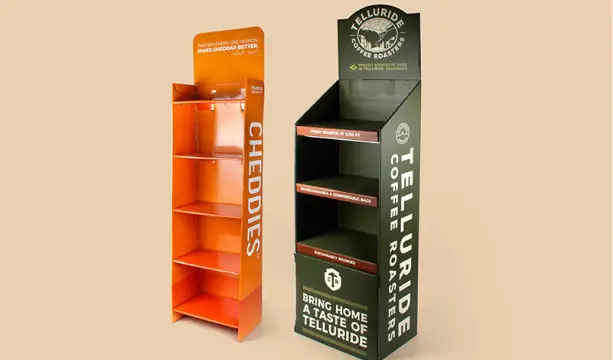
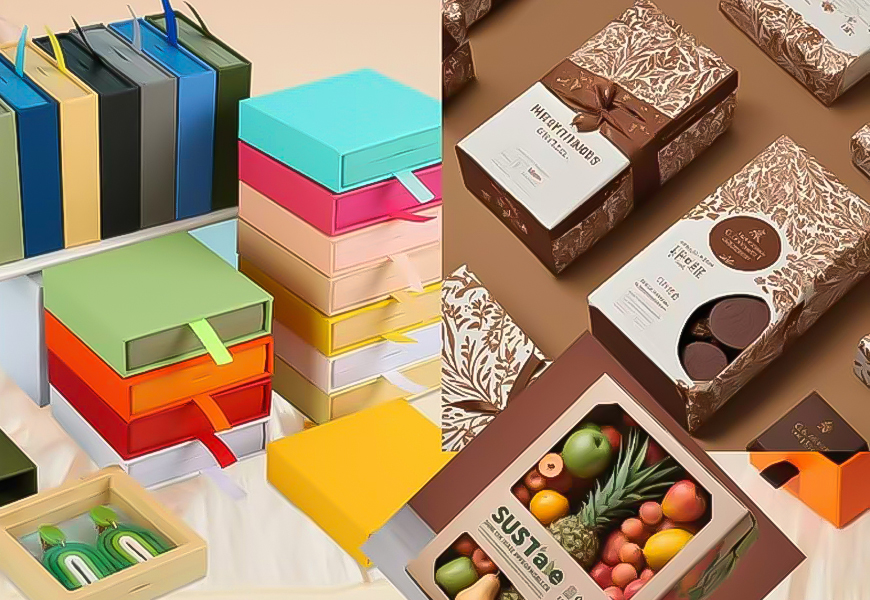
Material choice becomes easier when buyers begin with the food format. These Holidaypacfactory product paths help compare paper food boxes, bakery packaging, kraft paper, sandwich wraps, bento formats and paper retail displays before choosing a paperboard, molded fiber or hybrid direction.
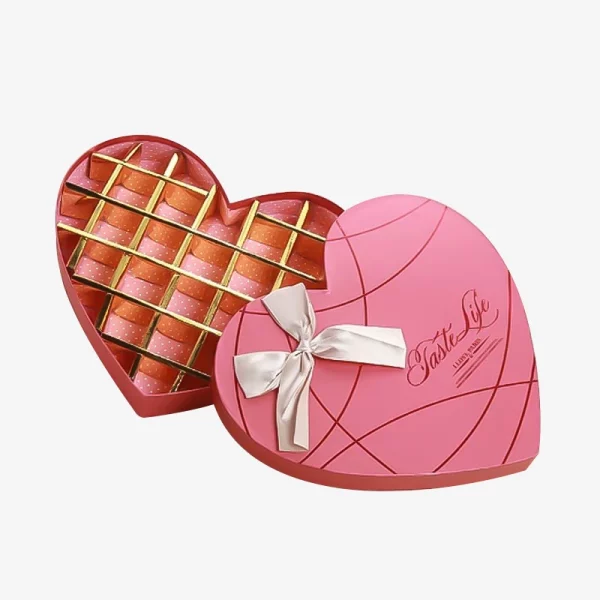
Why It Matters Why Buyers Are Comparing Paperboard and Molded Fiber in 2026The comparison is becoming more common because plastic replacement is no longer a niche project. Foodservice packaging is growing, biodegradable food packaging is expanding, and market researchers expect paper and paperboard to hold a leading position in biodegradable food packaging. At the same time, molded fiber packaging has its own growth story, with recent market forecasts showing continued expansion through the next decade. Buyers are not asking whether fiber-based packaging matters. They are asking which fiber-based format will protect the food and support the brand. Pressed paperboard usually appeals when a buyer wants a smoother surface, stronger printing, crisp brand color, flat presentation and efficient carton packing. It can work well for bakery trays, snack trays, produce trays, paperboard food boxes, sleeves and retail-ready formats. For brands using bakery paper packaging, surface and visual presentation can be just as important as material reduction. Molded fiber often appeals when a buyer wants a formed pulp structure, a natural tactile look, cushioning, compartment shape or a plastic-like tray replacement. It can be useful for produce, eggs, some prepared meals, inserts and protective shapes. But molded fiber is not automatically better for every food. It may have different surface texture, print limitations, barrier needs, nesting behavior and drying or moisture considerations depending on the application. The real buyer question is not “Which material is greener?” It is “Which structure performs responsibly for this food, this market, this shelf, this delivery distance and this customer expectation?” A package that fails with real food is not sustainable because it creates waste, complaints and rework. A package that looks natural but cannot communicate the brand may miss commercial value. A package that prints beautifully but uses too much material may create a different problem. |
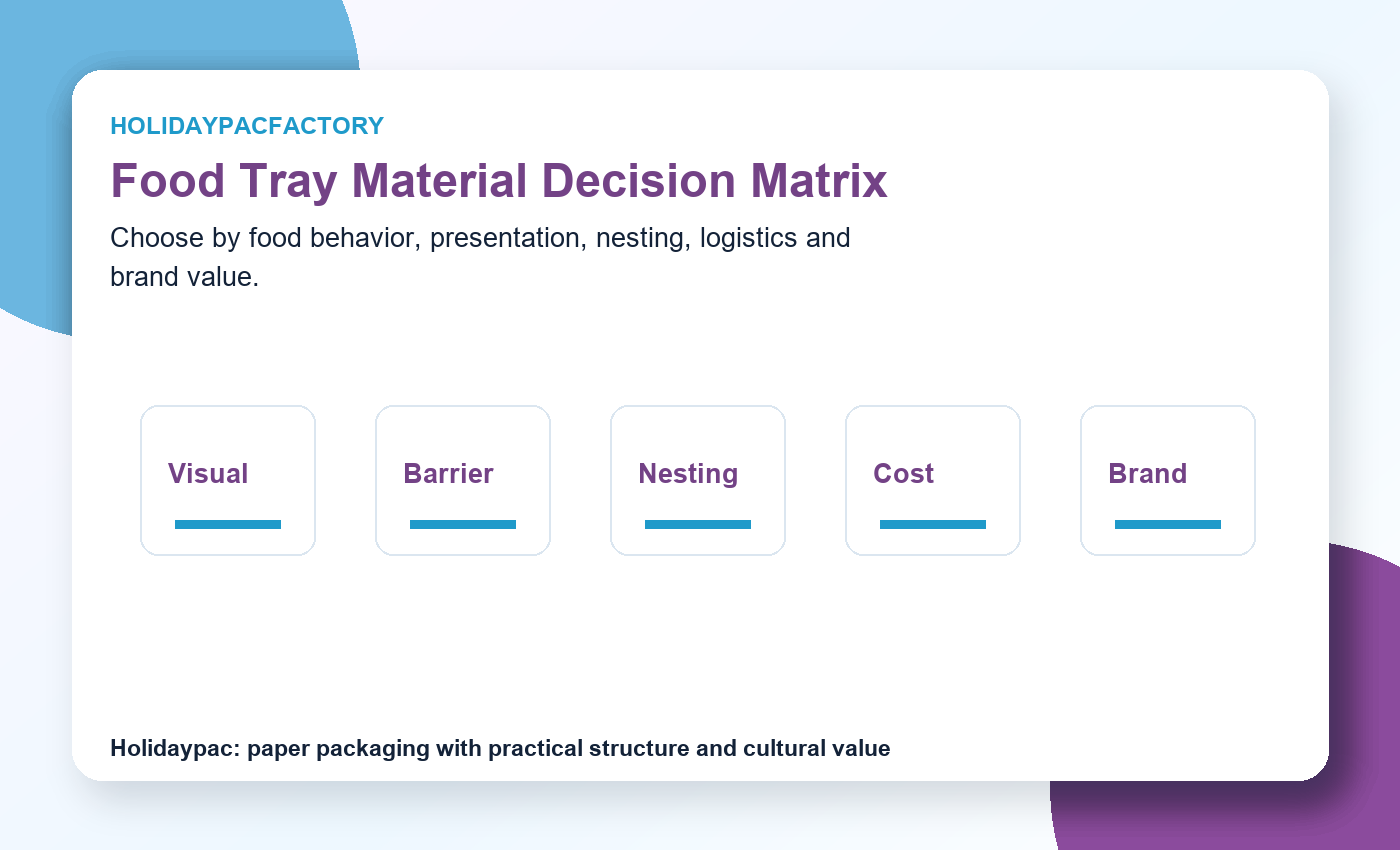
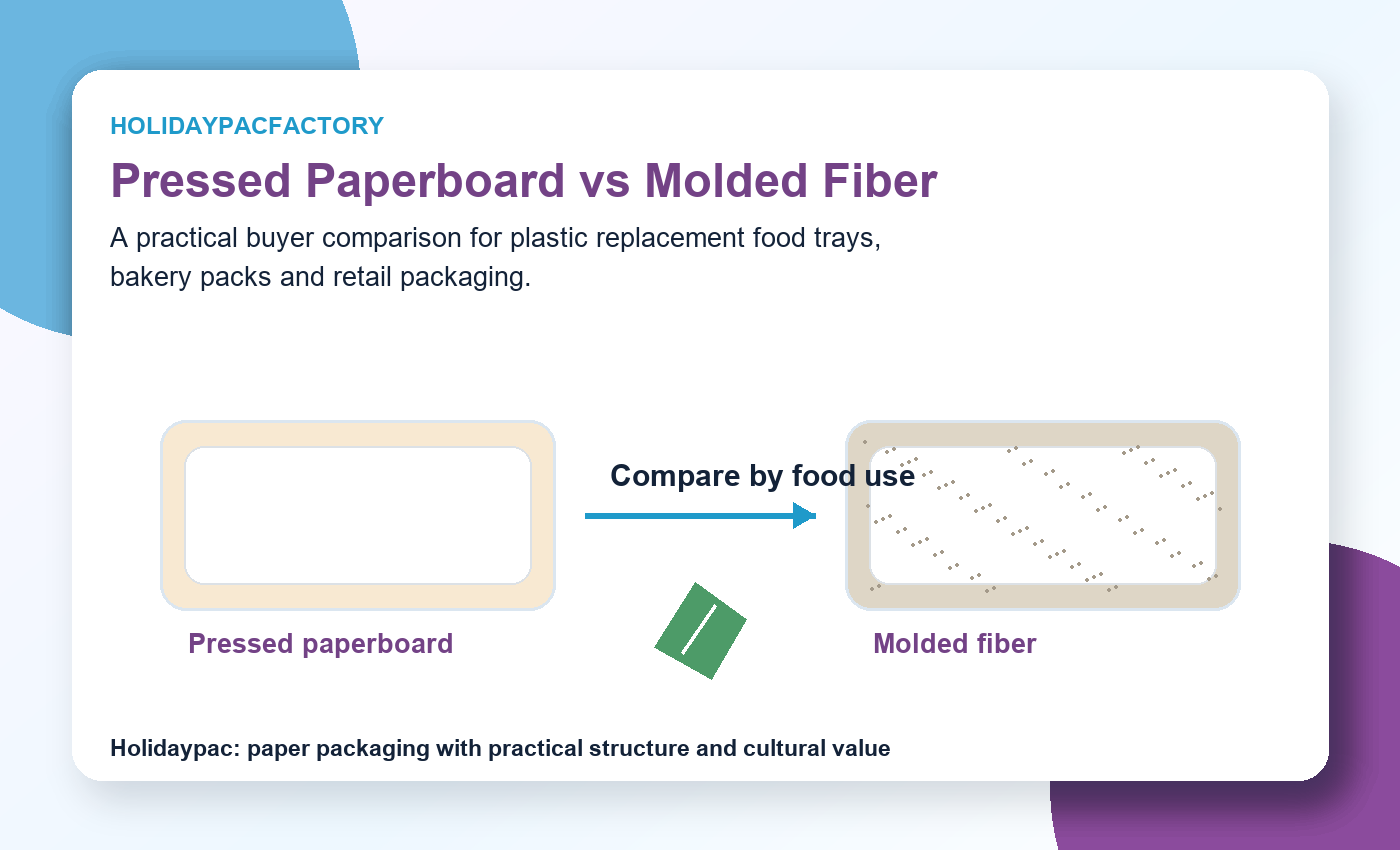
Pressed Paperboard vs Molded Fiber: The Buyer-Level Difference
Pressed paperboard begins with a board material that can be cut, pressed, folded, coated or printed depending on the format. It often gives buyers cleaner graphic control, sharper edges and a more familiar surface for food branding. If the product depends on a strong retail look, color blocking, logo clarity or premium printing, pressed paperboard or paperboard boxes may be easier to control. This is why many food brands use paperboard for bakery cartons, snack trays, sandwich sleeves and custom printed paper food boxes.
Molded fiber begins with pulp formed into shape. It can create rounded cavities, cushioning, molded compartments and a natural fiber appearance. It can feel earthy and responsible, which customers may like. However, the surface is usually more textured, so brand printing may require labels, sleeves or separate printed components. For some foods, molded fiber may need barrier coatings or liners to manage oil, water or sauce. Buyers should test the full system, not only the tray shape.
For dry bakery, cookies, pastries and shelf snacks, pressed paperboard may offer a stronger balance of print, presentation and efficient packing. For irregular produce, protective inserts or compartmented cushioning, molded fiber may be attractive. For oily food, hot food or chilled wet food, neither material should be approved without real testing. The buyer should check grease, condensation, lid fit, stacking, tray rigidity and customer handling.
The comparison also changes when logistics enter the discussion. Pressed paperboard formats can often be shipped flat or nested efficiently, depending on the structure. Molded fiber trays may nest, but their formed shape can still influence carton volume. If the brand ships high quantities across long distances, carton efficiency matters. A material that looks low-cost at the piece level may become expensive if it wastes space or increases freight.
Brand perception matters too. Pressed paperboard can feel clean, colorful, modern and controlled. Molded fiber can feel natural, tactile and humble. Neither feeling is automatically better. A premium bakery brand may want smooth paperboard with refined color and a delicate opening experience. A fresh produce brand may want a molded fiber look that communicates farm, harvest and simplicity. A takeout brand may need a stronger hybrid approach that combines performance with visual clarity.
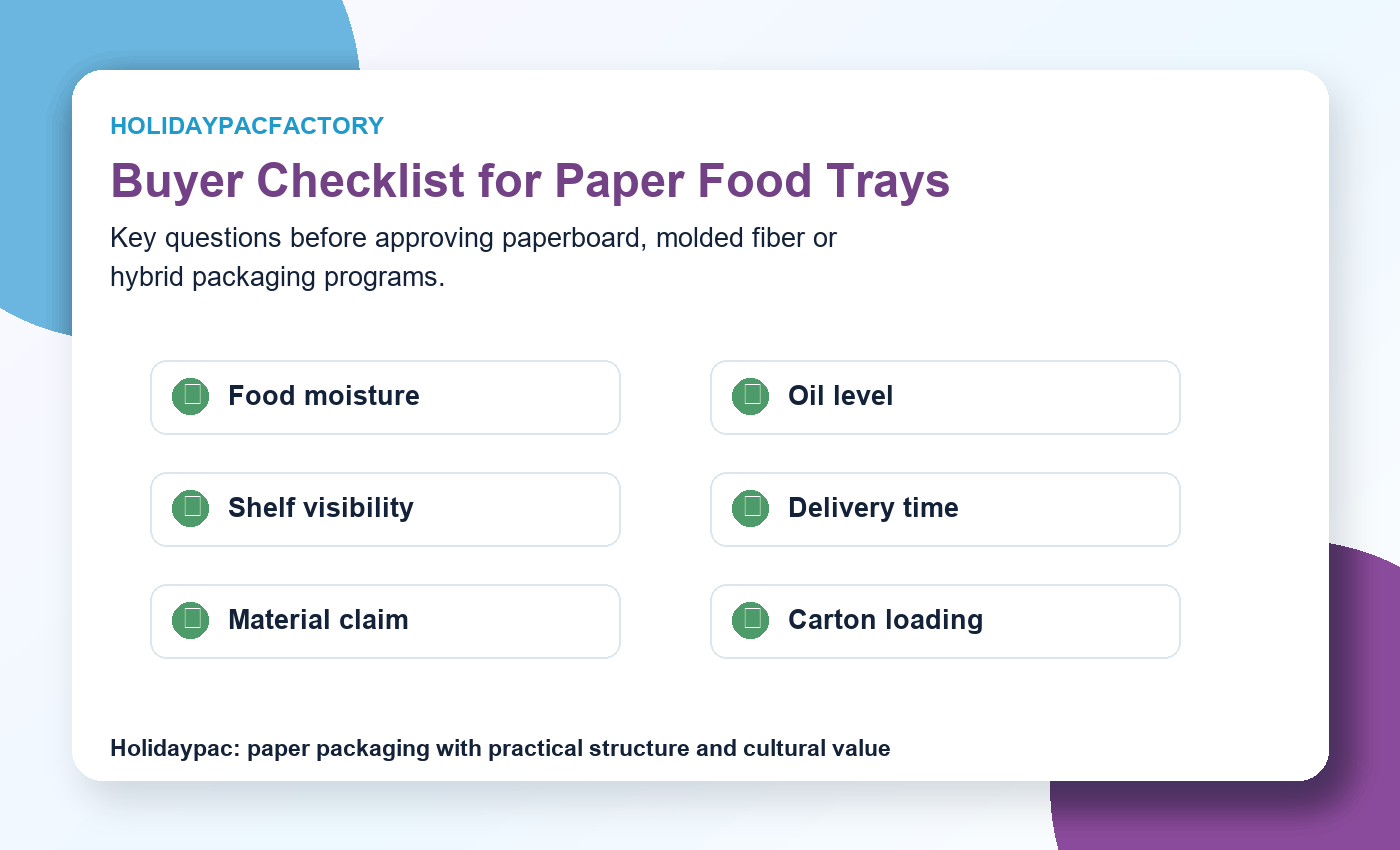
Buyer Checklist Six Tests Before Choosing a Paper Food TrayFirst, test the real food. Do not approve a tray from a clean empty sample. Put the actual food inside: sauce, oil, water, crumb, sugar, frost, garnish, steam or chilled condensation. Watch what happens after ten minutes, one hour and the expected delivery or shelf time. A material that looks good in a sample room may behave differently under real food conditions. Second, test the opening experience. Customers judge packaging with their hands. A tray, box or sleeve should be easy to open without damaging the food. It should not feel soggy, sharp, flimsy or overbuilt. If a molded fiber tray requires a separate sleeve, test how the sleeve slides. If a pressed paperboard tray has folded corners, test whether those corners hold during packing. Third, test the visual presentation. Pressed paperboard may support stronger printed storytelling; molded fiber may need label or sleeve support. For takeaway food packaging, the package may be seen in delivery photos, app menus and customer social posts. A sustainable material still needs to make the food desirable. Fourth, test carton loading. Buyers often compare unit price before checking master carton efficiency. That can be a mistake. Ask how many pieces fit in an inner carton, how many cartons fit on a pallet and whether the format ships flat, nested or pre-formed. A small difference in volume can affect the total cost of a large packaging program. Fifth, test operational speed. Restaurant and bakery teams need packaging that works during busy service. If staff struggle to separate nested trays, close lids, apply labels or fill compartments, the true cost rises. A material that saves a few cents can become expensive when labor increases. Sixth, test the claim. If the artwork says recyclable, compostable, biodegradable, plastic-free, fiber-based or sustainable, the buyer should verify what that means in the target market. Local infrastructure, coating, food contamination and material mix can change the end-of-life story. The strongest message is usually specific and honest. |
Where Each Material Direction Usually Makes Sense
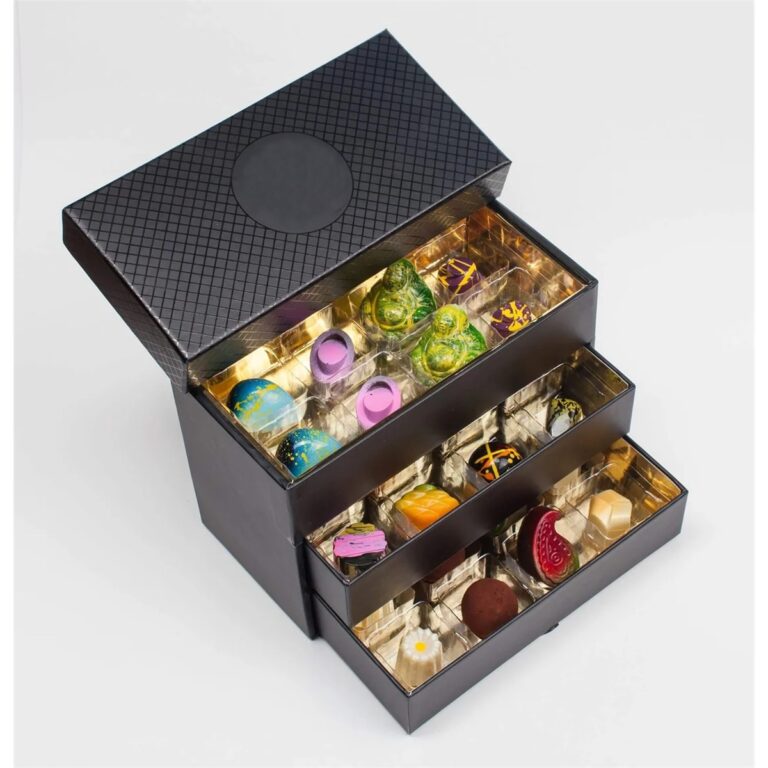
For bakery packaging, a buyer often needs both beauty and protection. A small cake, pastry, tart, cookie set or tasting tray must look giftable. Pressed paperboard can support smooth color, custom printing and sharp brand identity. Molded fiber may work when the bakery wants a more rustic texture or a formed insert. Many bakery projects use a paperboard outer box with an inner tray or insert, which can balance presentation and structure.
For takeout meals, the decision depends on food moisture, delivery time and temperature. A dry sandwich, burger side or bakery snack may perform well in paperboard. A wet meal, sauced food or hot dish may need stronger barrier planning, ventilation or a different structure. Buyers should not assume any single material can replace plastic for every menu. A responsible project may create several packaging families: wraps for dry foods, paperboard boxes for bakery and bento, and formed trays for specific compartments.
For fresh produce, molded fiber and pressed paperboard can both be relevant. Molded fiber may support gentle cushioning and a natural market feel. Pressed paperboard can offer strong branding and printed retail visibility. The buyer should check moisture, refrigeration, condensation and shelf display. If the product is displayed in a retail case, the tray must help the food look fresh, not dull.
For sushi, bento and deli packaging, visual order matters. Customers want to see clear portions, clean compartments and good opening experience. A molded fiber base might communicate natural value, but a paperboard sleeve or printed band may be needed for brand communication. A paperboard bento box may offer better artwork and menu storytelling. Buyers using sushi bento paper boxes should test sauce cups, garnish, cold-chain handling and lid fit.
For retail snack promotions, the primary pack may need display support. Small trays or paperboard packs can disappear on shelf. A cardboard retail display can explain the material story, organize flavors and increase visibility. When the pack is small, the display becomes part of the packaging system.
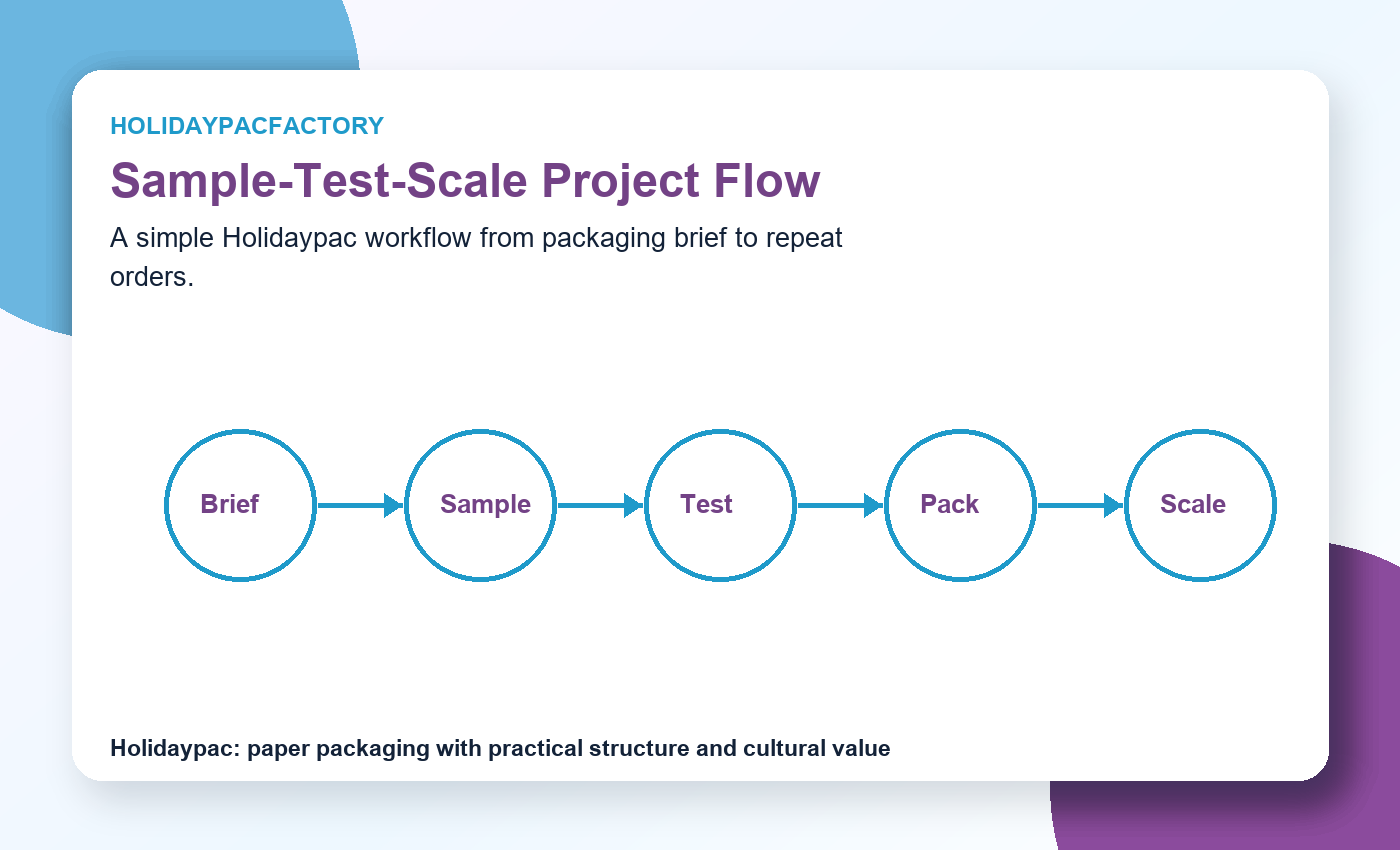
Holidaypac Project Flow From Material Brief to Repeatable Packaging ProgramA successful plastic replacement project begins with a clear brief. The buyer should describe the food, target market, temperature, oil or moisture level, shelf or delivery time, expected quantity, artwork needs and current plastic format. If the buyer only says “we need eco packaging,” the supplier has to guess. If the buyer explains the real food journey, the supplier can recommend a better paper path. The sample stage should compare structure, not only material. A pressed paperboard tray may need a different corner, wall angle or coating direction. A molded fiber tray may need a sleeve, label or moisture test. A paperboard box may need a window, insert or vent. Holidaypac can help buyers compare several approaches before locking the die line. The testing stage should include real packing teams. Ask the people who fill the tray, close the box, apply the label and place the product in delivery bags. Their feedback is often more useful than a meeting-room opinion. Packaging that looks perfect on a table may fail when staff handle hundreds of pieces during rush hours. The production stage should protect consistency between approved sample and mass order. Buyers should confirm material, printing, carton packing, quantity tolerance and quality checks before production. If a buyer wants a paper-based sustainability story, the final production should match the story approved during sampling. The scale stage should think beyond one SKU. A brand may begin with one tray but later need a full packaging family: bakery box, sandwich wrap, kraft bag, deli sleeve, bento box and retail display. Holidaypac can help create a consistent language across these formats so the customer sees one brand system, not scattered packaging decisions. |
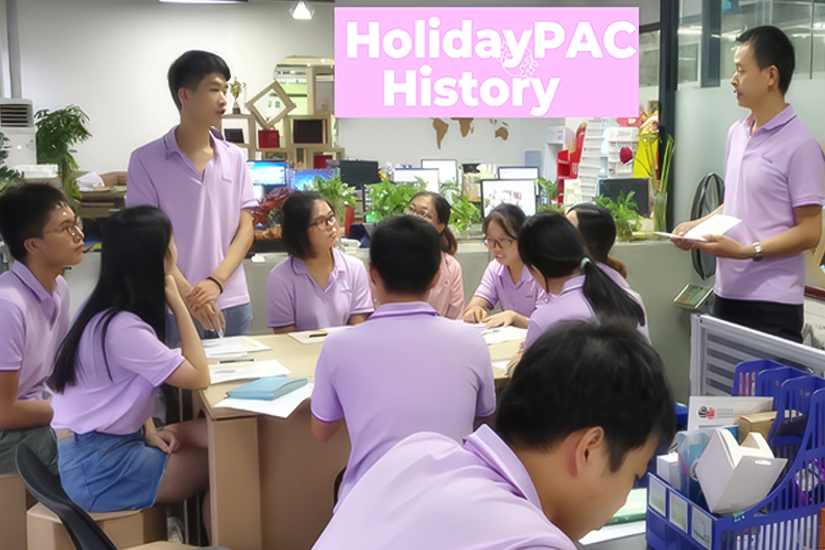
Cassie Lam Founder View Paper Choice Is Also a Cultural ChoiceHolidaypac is different because it does not treat paper packaging as an empty industrial product. Cassie Lam, founder of Holidaypac, has 20 years of international trade experience and 16 years in packaging. She understands Chinese traditional culture, Western business culture, product design and the emotional value packaging brings to consumers. Her view helps Holidaypac connect structure, material, visual impact and feeling. Cassie Lam also studies Chinese cultural knowledge systems, including the Yi Jing, Buddhist wisdom and the five arts of mountain, medicine, destiny, physiognomy and divination as part of a broader cultural worldview. For Holidaypac, these ideas are not used as decoration. They guide a deeper respect for balance, timing, relationship and responsibility. Packaging is a small object, but it carries the relationship between nature, food, brand and customer. Holidaypac’s core value, Born from nature and return to nature, connects closely with Zhuangzi’s wisdom about harmony between people and nature. Paper is simple, ancient, natural and valuable. It is one of the materials closest to daily life. When a buyer chooses between pressed paperboard and molded fiber, the decision should not be only mechanical. It should ask how the material respects the food, how it feels in the customer’s hand, how it returns to the world and how honestly the brand tells its story. This is why Holidaypac encourages buyers to think beyond the slogan of plastic replacement. A tray can reduce plastic and still be poorly designed. A box can look natural and still be weak. A paper package can be economical and still carry culture. The best packaging combines function, beauty and responsibility. It should protect food, support operations, create emotional value and help customers feel that the brand has chosen with care. |
Four Mistakes to Avoid When Replacing Plastic Trays
The first mistake is replacing plastic without changing the structure. Plastic, pressed paperboard and molded fiber do not behave the same way. Wall thickness, rigidity, moisture response, stacking and closure logic may all change. A direct copy can fail. Buyers should redesign the package for the selected material.
The second mistake is overpromising sustainability. A fiber-based package may be a better direction, but claims still depend on material, coating, local recovery systems, food contamination and documentation. Buyers should use accurate language and avoid claims that cannot be supported.
The third mistake is ignoring customer emotion. Plastic replacement is not only a technical switch. Customers notice texture, color, smell, opening style and food presentation. A good paper package should feel intentional. If it feels rough, soggy or cheap, the customer may blame the brand, not the material.
The fourth mistake is forgetting the display system. Small paper trays, bakery packs or snack packs may need shelves, cartons or displays to communicate value. Packaging should be planned as a family: primary pack, wrap, sleeve, label, outer carton and retail display. That is how a material decision becomes a brand system.
What to Put in the RFQ Before Asking for Price
A better RFQ should describe the food before it asks for the tray price. Include the food weight, dimensions, oil level, water activity, temperature, shelf life, delivery time and whether the customer will reheat, carry, stack or open the pack in store. This information helps the supplier recommend pressed paperboard, molded fiber, kraft paper, a sleeve, a liner or a different structure without guessing.
The RFQ should also separate the primary pack from the full packaging system. A buyer may need a tray, lid, wrap, label, sleeve, inner carton and retail display. If each item is quoted separately without a system view, the final program may look inconsistent. Holidaypac prefers to understand the whole use scene so the paper tray, outer box and display can speak one brand language.
Artwork requirements should be named early. Pressed paperboard usually gives more room for clean printing, while molded fiber may need a printed sleeve, sticker or band to carry the brand message. If the buyer wants strong color, small text, QR codes, icons or multilingual instructions, this should be included before sampling. A material decision can change the artwork strategy.
Finally, ask for packing information with the quotation: pieces per inner carton, pieces per master carton, carton size, estimated volume, flat-pack or nested status, and whether assembly is required. Plastic replacement should not create hidden logistics cost. The best RFQ lets the buyer compare material, performance and shipment efficiency together.
FAQ for Pressed Paperboard vs Molded Fiber Food Tray Buyers
Is pressed paperboard better than molded fiber for food trays?
Not always. Pressed paperboard can be better for smooth printing, crisp branding and efficient flat or nested formats, while molded fiber can be useful for formed cavities, cushioning and a natural tactile look. The best choice depends on the food, moisture, logistics and brand goal.
Can paperboard or molded fiber replace plastic food trays?
They can replace plastic in some applications, but buyers must test real food, oil, moisture, temperature, delivery time, stacking and customer handling before mass production.
Which material is better for bakery packaging?
Pressed paperboard is often strong for bakery packaging because it supports print quality, smooth surfaces and gift-like presentation. Molded fiber can also work for inserts or rustic presentation when tested with the food.
What should buyers test before approving a fiber-based tray?
Test food fit, grease or moisture, opening, closing, stacking, carton loading, shelf visibility, delivery performance, staff packing speed and the accuracy of sustainability claims.
How can Holidaypac help with plastic replacement packaging?
Holidaypac can help buyers compare paperboard boxes, kraft paper formats, sandwich wraps, bento boxes, tray structures and cardboard retail displays, then build samples and practical packaging programs around real food-use needs.