

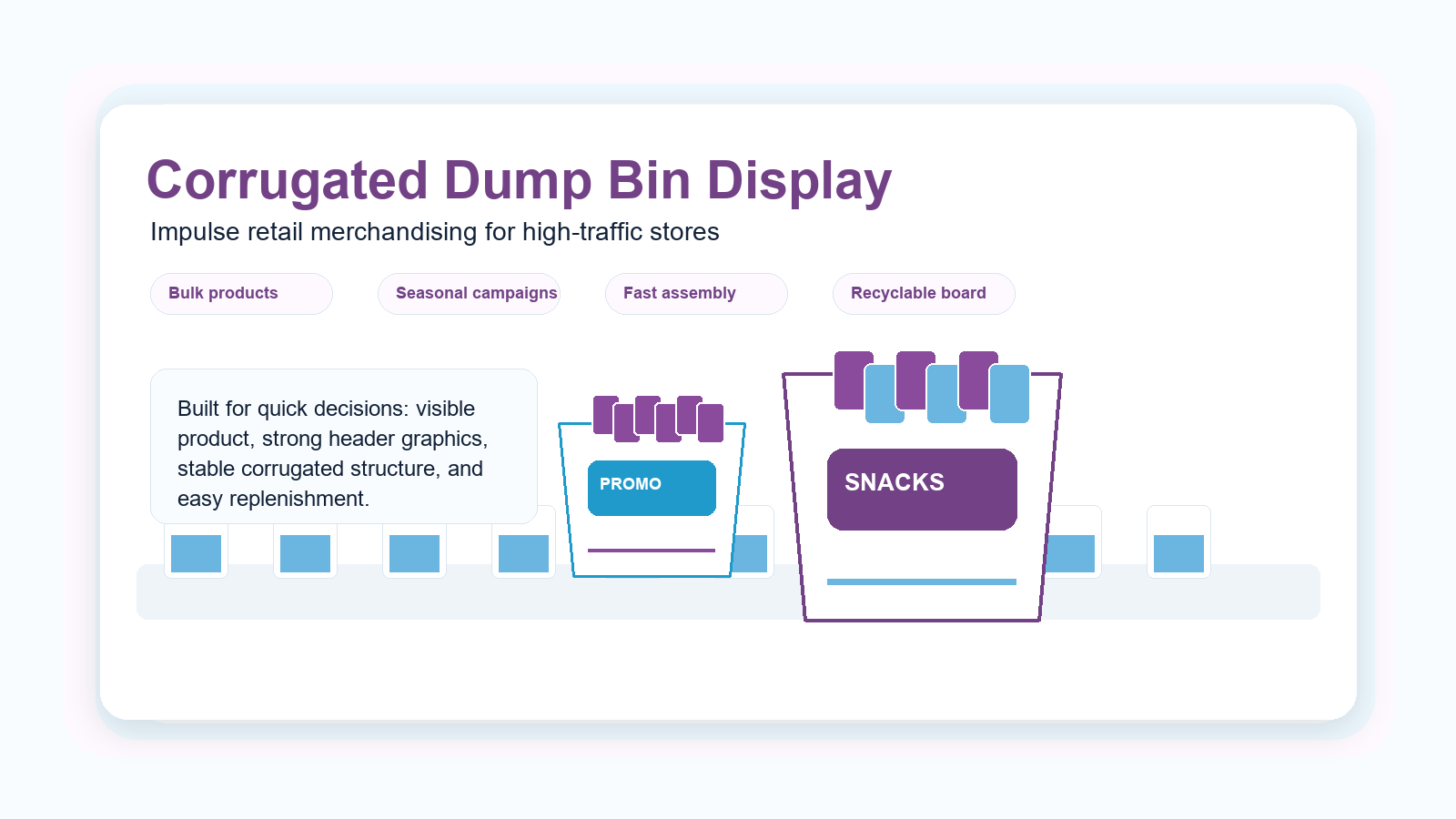
Holidaypacfactory Buyer Guide Dump Bins Are Simple, But the Retail Logic Is PowerfulIn 2026, retail buyers are under pressure to make every square meter sell harder. Online advertising costs are high, store traffic is more selective, and consumers are still price sensitive. That is why a well-designed corrugated dump bin display is becoming more than a simple container for loose products. It is a low-cost, high-visibility retail tool that can turn a promotion, seasonal launch or small-ticket product into a quick decision at the point of purchase. A dump bin display is an open-top floor display, usually made from corrugated board, that holds bulk merchandise such as snacks, toys, gift packs, socks, pet products, beauty accessories, trial-size items, holiday goods and clearance offers. It invites shoppers to look down, browse quickly and pick up products without waiting for shelf navigation. For brands selling low-consideration goods, this format can be one of the most direct ways to create impulse retail merchandising. |
The search interest around dump bins connects to a larger market shift. Recent POP display market research continues to show growth in point-of-purchase displays as retailers invest in in-store attention, shopper engagement and sustainable materials. Industry articles about retail dump bin displays also keep returning to the same commercial truth: placement, visibility, easy access and brand graphics are what make the format work. A dump bin is simple, but it is not careless. The best projects are engineered for product weight, shopper flow, replenishment and visual emotion.
Holidaypacfactory approaches the dump bin display as both structure and story. Under the guidance of Cassie Lam, Founder of HolidayPac, the company connects practical export packaging experience with a cultural belief: Born from nature and return to nature. Corrugated paperboard is modest, ancient and close to nature, but it can still carry modern brand energy. When a display is designed with respect for material, product and shopper mood, it becomes more than a box on the floor. It becomes a small retail scene.
Start With the Display Format, Then Build the Dump Bin
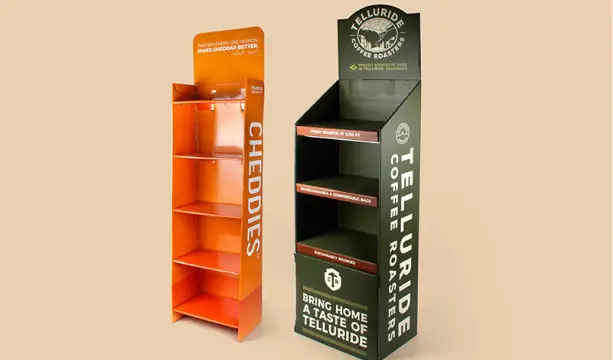
A dump bin display works best when it sits inside a wider retail display system. These Holidaypacfactory links help buyers compare floor displays, counter displays, PDQ trays, pallet displays, food packaging and kraft paper structures before confirming the right display size, board grade and visual message.
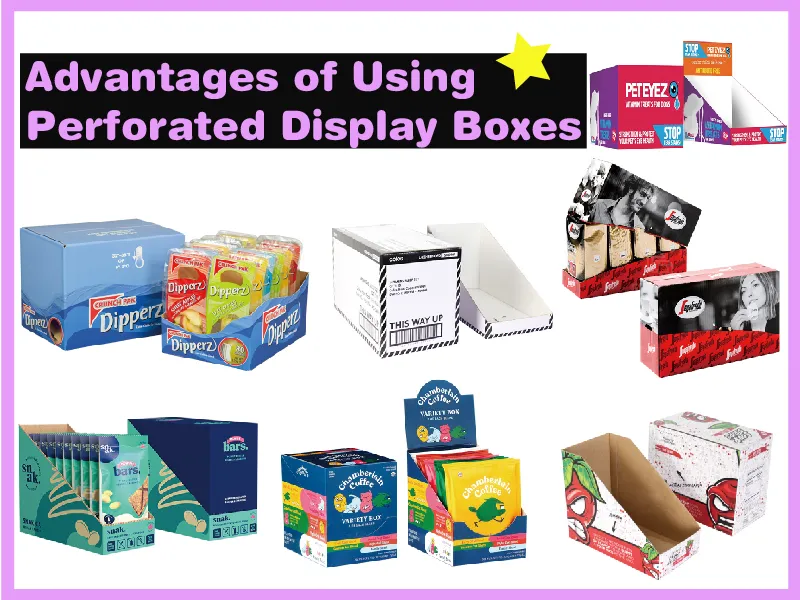
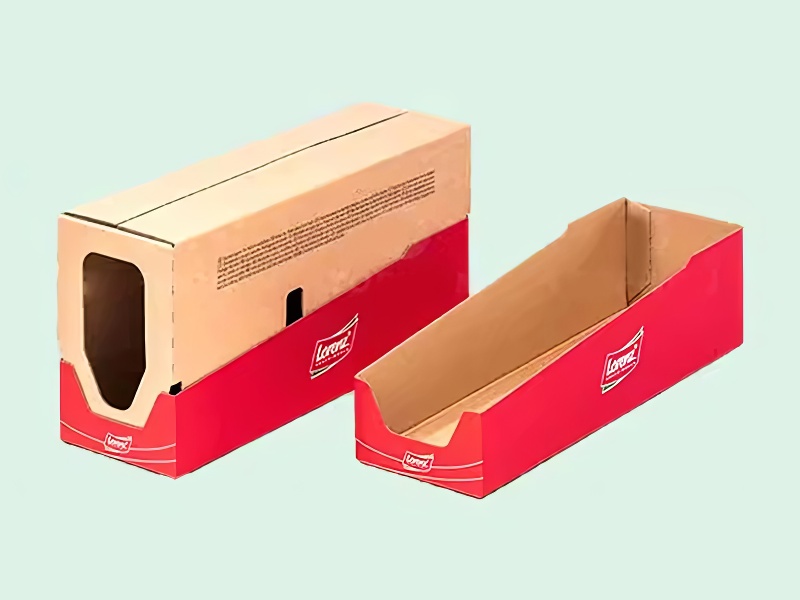

impulse merchandising Why Dump Bin Displays Still Work in 2026Dump bins work because they reduce the shopper’s decision cost. A customer walking through a store may not want to compare fifteen product specifications, but they can still respond to color, price, theme, novelty and convenience. An open bin filled with neatly arranged product creates a sense of abundance. The product looks easy to touch, easy to pick up and easy to add to the basket. That is why dump bins are often placed near checkout lanes, store entrances, end caps, queue lines, main aisles and seasonal areas. The most suitable products are usually small, light to medium weight, visually recognizable and simple to explain. Candy, snack multipacks, small toys, stationery, travel accessories, pet treats, cosmetics, socks, gift items and festival products all fit the pattern. If the product requires long education, fragile handling or strict orientation, another display structure may be better. But when the product is a fast grab, the dump bin format can outperform a quiet shelf because it gives the item its own retail stage. |
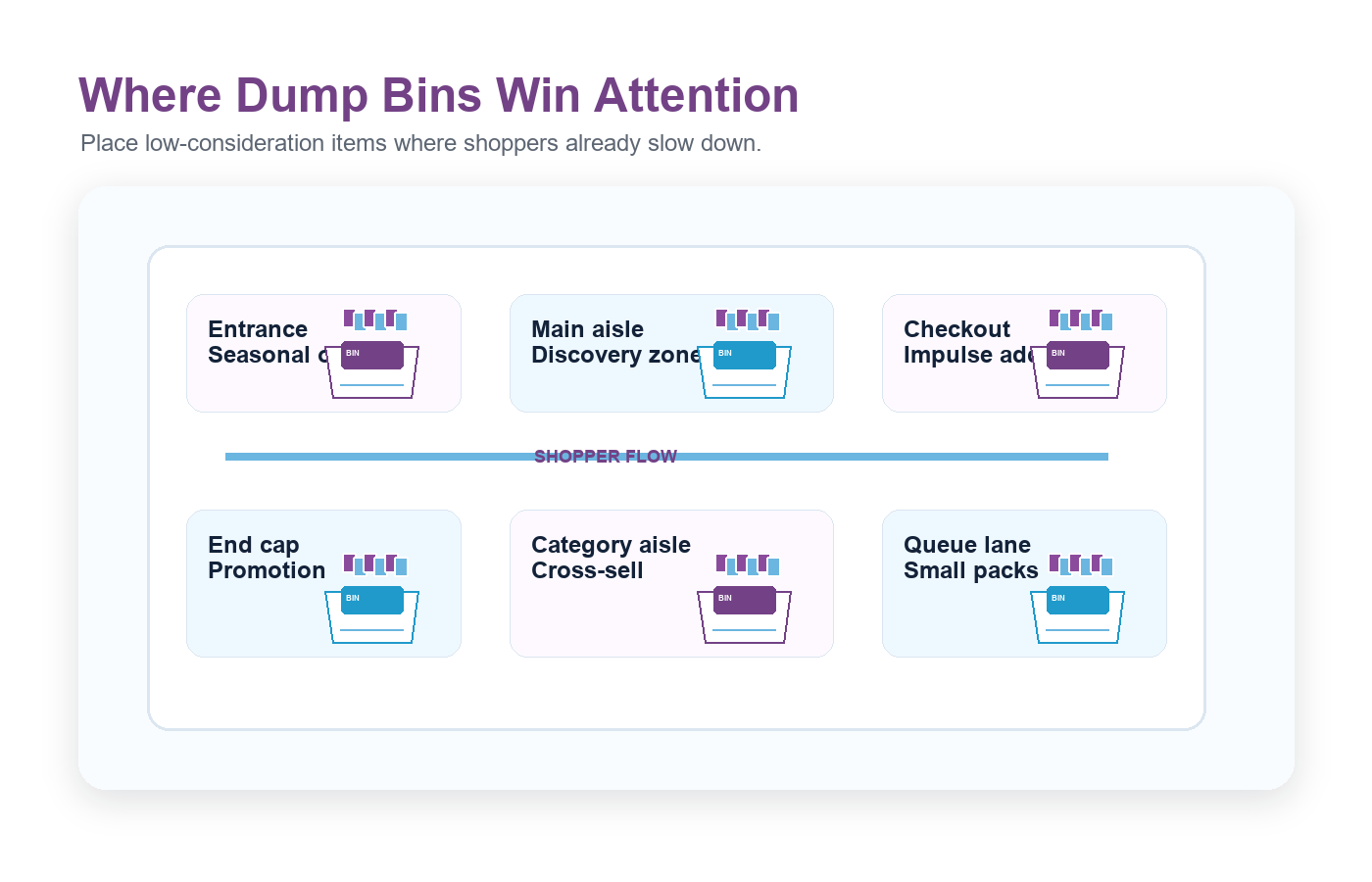
For buyers, the key is not only whether the bin can hold product. The real question is whether it can hold attention. A plain bin may organize stock, but a custom printed corrugated dump bin display can tell shoppers why the product matters now. It can carry a limited-time offer, a seasonal color story, a brand mascot, a sustainability message or a clear price point. In many retail environments, the display is the first salesperson the product ever has.
This is also where Holidaypacfactory often connects dump bins with other retail display formats. A brand may use a custom cardboard floor display for hero products, a counter display box for checkout add-ons, and a dump bin for bulk promotional stock. When the system is planned together, the store feels coherent instead of crowded.
corrugated engineering How to Engineer a Dump Bin That Survives the StoreA corrugated dump bin display looks straightforward, but the structure has several important decisions. The first is board grade. A light promotional bin for small snack packs does not need the same strength as a bin for bottled products, pet items or heavy gift boxes. The designer needs to know product weight, quantity per bin, expected refill frequency, retail floor conditions and shipping method before choosing the flute, reinforcement and base style. The second decision is the opening. A wide open top creates an abundant treasure-hunt feeling, but if the product is too deep, shoppers may see only a pile rather than a clean offer. A tilted top, internal riser or divider can raise the product line and keep the first layer visible. Internal dividers can also separate flavors, colors, SKUs or price groups. For mixed product campaigns, this detail protects the shopping experience from becoming messy. |
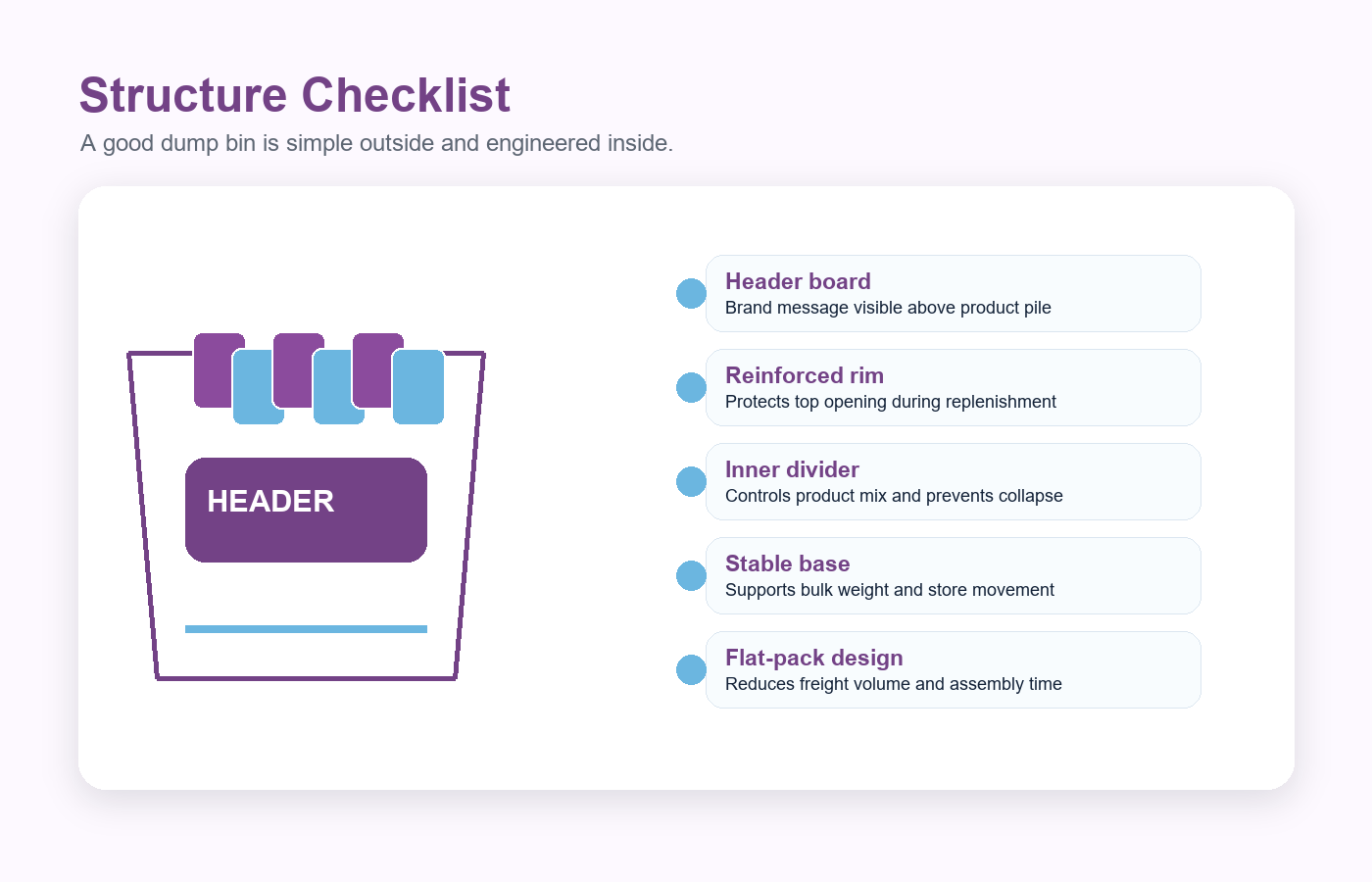
The third decision is the header and side panel system. The header board should be visible from the shopper path, not only from straight ahead. Side panels help the display keep brand presence when shoppers approach from an aisle angle. For seasonal products, the side panels can carry emotional signals: summer freshness, Halloween play, Christmas gifting, Lunar New Year abundance or back-to-school energy. For value promotions, the front panel must communicate price or bundle logic immediately.
Finally, the base and assembly method must match real store labor. Retail teams rarely have time for complex assembly. A good dump bin should fold out quickly, lock securely and be easy to replenish. If the project ships flat, the packaging should protect printed panels from scuffing. If the project is pre-filled, the structure must survive transport vibration and store movement. Holidaypacfactory normally treats these questions as part of the first design conversation, not as afterthoughts.
brand communication Graphics: Turning a Bulk Bin Into a Brand MomentGraphics decide whether a dump bin feels cheap or intentional. The structure may be corrugated board, but the visual language can still feel premium, playful, natural, festive or energetic. A buyer should begin with one message: what should the shopper understand in three seconds? If the answer is price, the price must be dominant. If the answer is novelty, the image and headline should create curiosity. If the answer is sustainability, the material and story should be visible without sounding vague. Because dump bins are often seen from above and at an angle, the graphic layout should not depend only on the front face. Header, front panel, side panels and even inner rim can work together. High-contrast product photography, large readable typography and one clear offer are usually stronger than crowded claims. QR codes can be useful for a recipe, product story or loyalty program, but they should not replace the immediate retail message. |
Holidaypac’s design philosophy adds one more layer: emotion. Cassie Lam often describes packaging as a carrier of visual impact and emotional value. A dump bin display is not only a sales fixture; it can make a product feel abundant, joyful, giftable or naturally responsible. This is where HolidayPac differs from factories that only print and cut board. The company looks at how Eastern and Western cultural cues, color psychology and retail behavior can meet inside ordinary paper materials.
For example, a snack brand may use bright playful graphics and a low front opening for children and families. A chocolate gift campaign may use deeper purple, gold highlights and a cleaner header. A natural pet treat brand may use kraft texture, botanical illustration and a Born from nature and return to nature message. The structure may be similar, but the emotional result is very different.
paper material Sustainability: Why Corrugated Board Fits Temporary Retail CampaignsSustainability is one reason corrugated dump bins remain attractive for temporary retail campaigns. Many retailers want displays that can be recycled more easily than mixed-material fixtures. Corrugated board can be printed, die-cut, folded and shipped efficiently. It can also support water-based or lower-impact printing choices depending on the project requirements. For short-term promotions, this makes more sense than heavy permanent fixtures that may be discarded after one campaign. However, sustainable messaging must be precise. Buyers should avoid vague claims and ask direct questions: What board is used? Is recycled content available? Can the display be separated after use? Are plastic clips, foam, magnets or laminated materials necessary? Does the printing choice match the recycling goal? A beautiful eco message loses credibility if the structure is difficult to recover. |
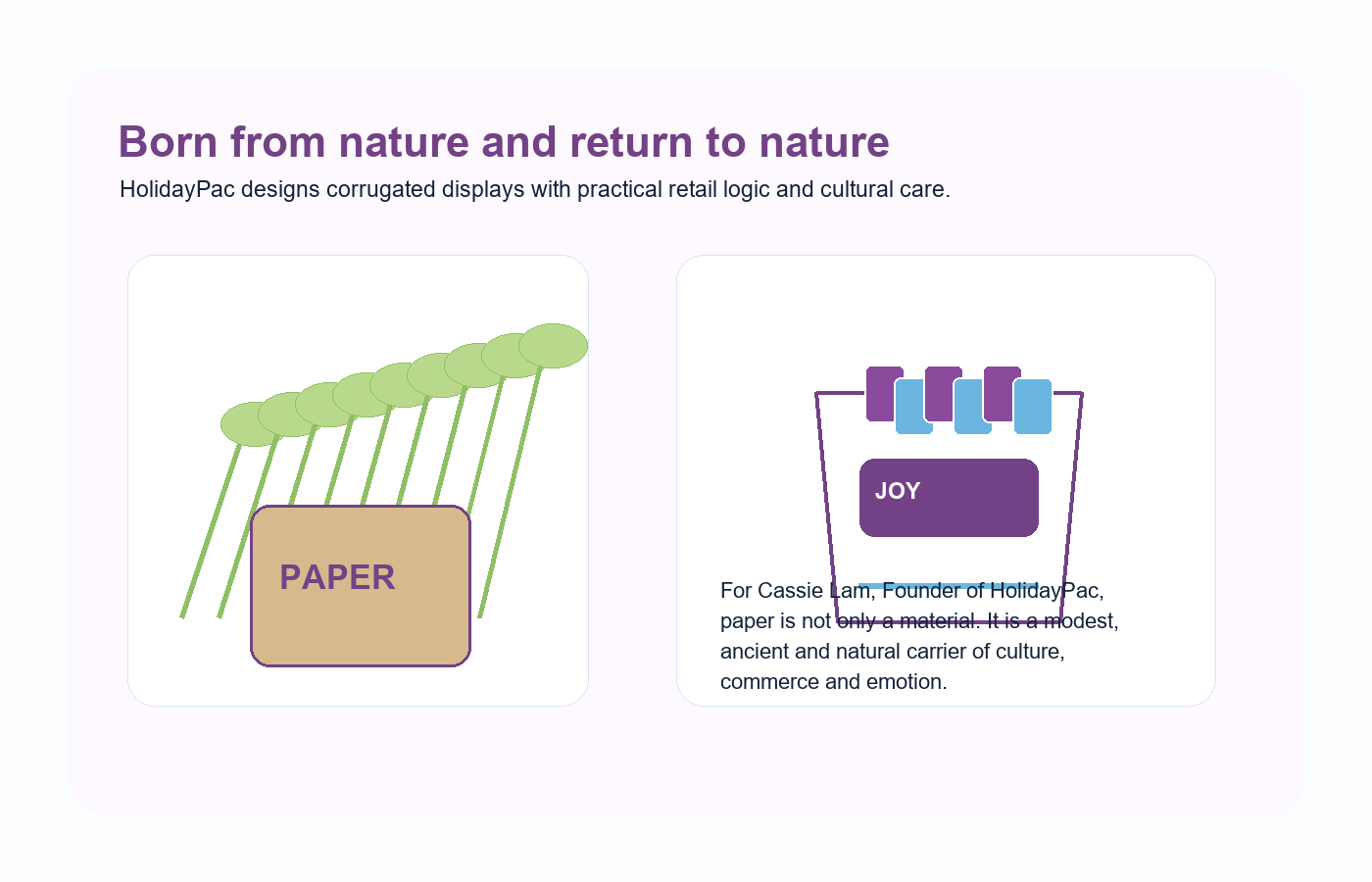
Holidaypac’s cultural origin gives this topic a deeper meaning. The company value of Born from nature and return to nature is connected with the wisdom of harmony between human activity and the natural world. Paper is simple, old and close to nature, but modern business must still use it responsibly. A dump bin display should sell products, but it should also respect the material life cycle after the campaign ends.
This is why Holidaypacfactory often recommends designing for enough strength, not excessive strength. Over-engineering wastes board and freight space. Under-engineering causes collapse and product loss. The right balance is a practical form of sustainability: use the correct structure, print what matters, ship efficiently and help the retailer recover the display after use.
procurement questions Sourcing Questions Buyers Should Ask Before OrderingA professional inquiry for a corrugated dump bin display should include product size, product weight, quantity per display, number of SKUs, target retail store, required display footprint, campaign duration, printing requirements, shipping method and whether the display will be flat-packed or pre-filled. Without these details, a supplier can only guess. With them, the supplier can design a structure that fits both retail performance and export logistics. Buyers should also ask for a structural sample or white sample before mass production. A white sample tests size, folding, load, stability and replenishment. A printed sample tests color, message hierarchy, surface finish and retail mood. If the project will enter chain stores, the sample should also be checked against retailer guidelines for footprint, height, safety and barcode visibility. |
Cost should be evaluated as a system, not as a single unit price. A cheaper display that takes too long to assemble, collapses under load or fails to attract shoppers is not cheaper in practice. A slightly stronger design may reduce product damage. A smarter flat-pack layout may lower freight. A clearer graphic design may improve sales conversion. The best sourcing decision is usually the one that balances board, print, labor, freight and retail result.
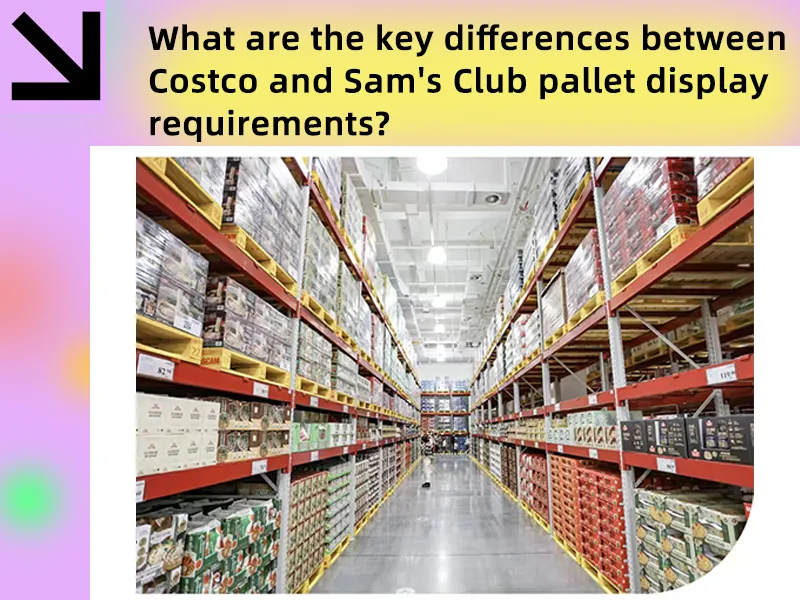
Holidaypacfactory supports this process with design, sampling, printing, die-cutting, assembly planning and export packing. For related campaigns, buyers can also compare PDQ display boxes for shelf-ready promotions, cardboard pallet displays for club-store volume, and retail display packaging for branded store launches.
Five Mistakes That Make Dump Bin Displays Look Cheap
The first mistake is making the bin too deep. If shoppers cannot see the product clearly, the display becomes a storage box. Internal risers, false bottoms or controlled fill lines can keep the product visible. The second mistake is weak side walls. A full bin may be pushed, leaned on or moved by store staff. The side wall and rim need enough stiffness for real retail handling.
The third mistake is cluttered artwork. Dump bin shoppers decide quickly. Too many claims, too many icons and too much small text create visual noise. A strong design usually has one hero message, one product image or illustration style, one offer and one brand area. Supporting information can sit on side panels or a QR landing page.
The fourth mistake is ignoring replenishment. A display may look perfect when full but poor when half empty. The structure should still look intentional as product levels drop. Dividers, inner graphics and clean front height can help. Retailers appreciate displays that stay neat without constant staff attention.
The fifth mistake is treating the dump bin as separate from the rest of the campaign. If the product also uses cartons, wraps, shelf trays or gift boxes, those materials should share a visual system. Holidaypacfactory can connect dump bin displays with custom paper food packaging boxes, bakery paper packaging or kraft paper packaging so the retail story feels complete.
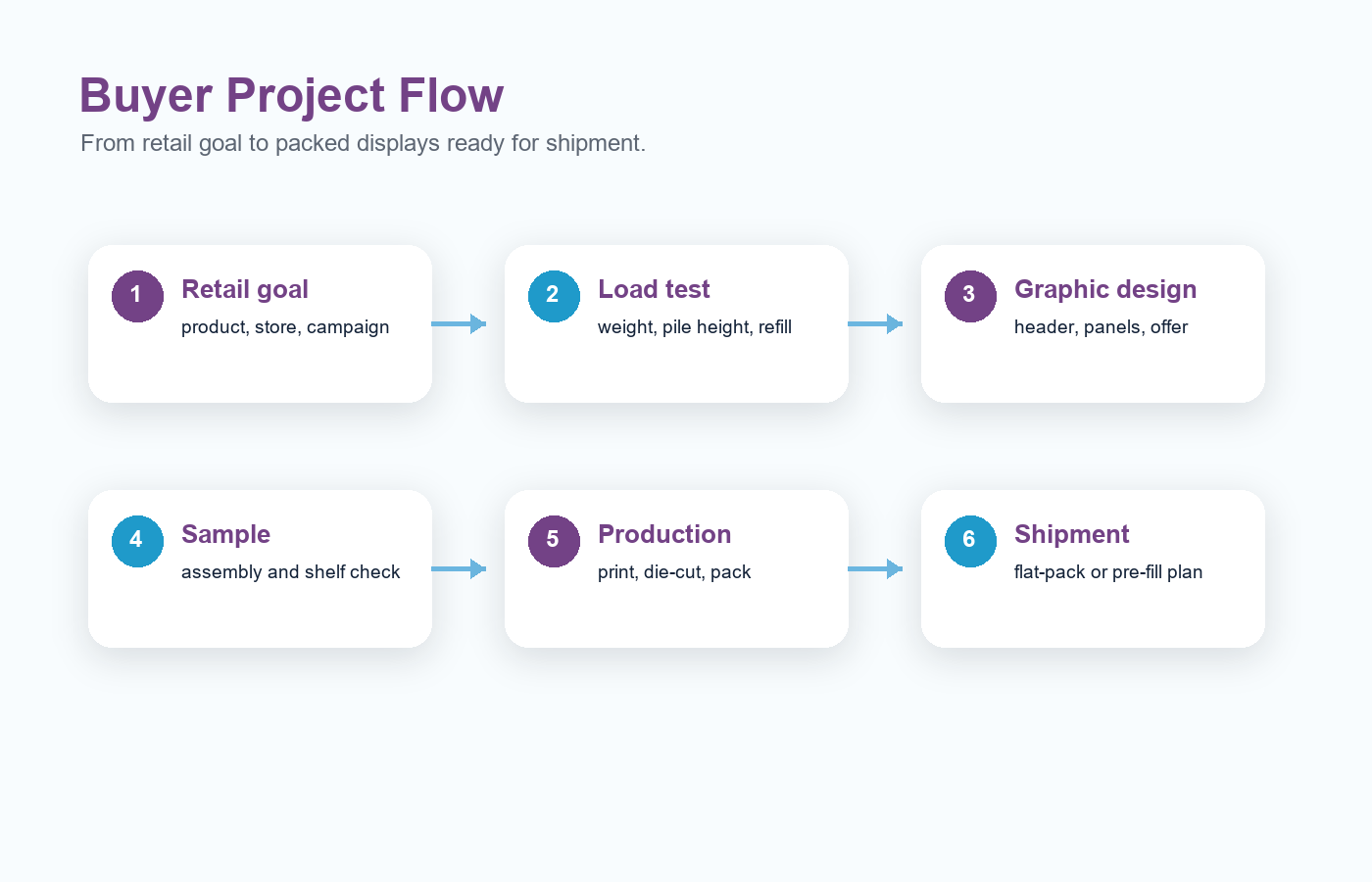
Holidaypac workflow Holidaypacfactory Project Flow for Custom Dump Bin DisplaysA practical Holidaypac dump bin project begins with the retail objective. Is the brand trying to sell clearance stock, launch a new SKU, support a holiday theme, build brand awareness or encourage cross-selling? The answer changes the structure and graphic hierarchy. A clearance bin may need strong price communication. A new product launch may need education and product photography. A holiday bin may need emotion and giftability. Next comes load and size planning. The buyer shares product dimensions, carton quantity, target display capacity and store footprint. Holidaypac’s team considers board strength, bottom support, rim reinforcement, divider needs and flat-pack method. If the display will ship internationally, the export carton and pallet plan are part of the design conversation. |
Then the team moves into artwork and sampling. A structural sample confirms function. A printed sample confirms brand feeling. This is where Holidaypac’s cultural design mindset matters. Cassie Lam’s experience in international trade and packaging helps the team understand that a display must communicate across cultures. Western retail often values speed, clarity and promotional energy. Chinese cultural design may bring symbolism, seasonality and harmony with material. The best display can respect both.
After approval, production moves through printing, mounting if required, die-cutting, slotting, folding, packing and inspection. The final display is not judged only by the first piece. It is judged by consistency: color consistency, crease accuracy, locking stability, clean edges, carton protection and clear assembly logic. This is how a simple dump bin becomes a reliable export product.
retail performance test A Practical Retail Test Plan Before Mass ProductionBefore a buyer confirms mass production, the dump bin should be tested like a small retail system. The first test is visibility. Place the sample at the same approximate distance a shopper will see it in store. Can the header be read while walking? Can the product category be understood without touching the display? Does the strongest message still work when the bin is half full? These questions are simple, but they prevent many weak promotions from reaching the sales floor. The second test is access. A dump bin should invite shoppers to take the product, not make them dig. If the front wall is too high, children, shorter shoppers or rushed customers may not reach comfortably. If the opening is too wide without support, the product may fall forward or create a messy pile. For food, toy, gift and seasonal products, the best display often has a controlled front height, a generous top opening and inner support that keeps the product line visually full. |
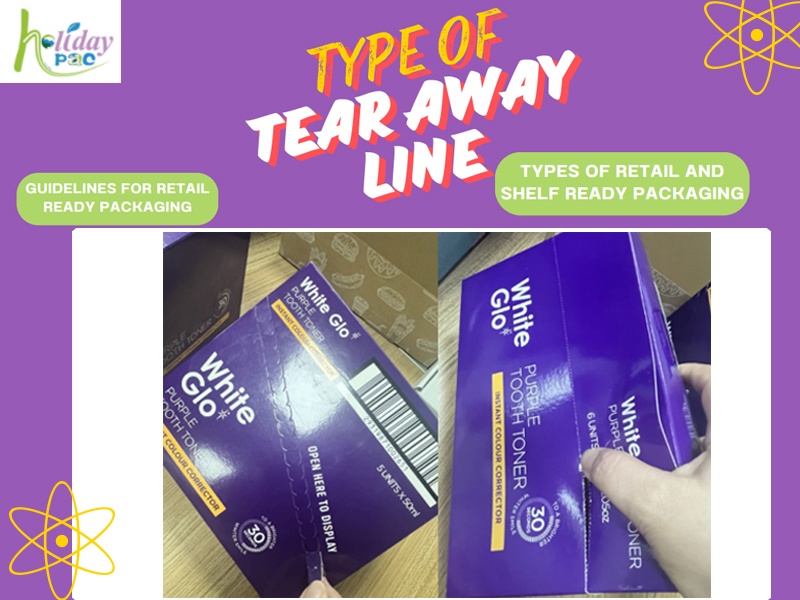
The third test is store labor. Retail staff should be able to open the shipping carton, assemble the bin, place product and refresh stock without reading a long manual. Assembly steps should be visible, intuitive and strong. If a lock tab is confusing during sampling, it will become a bigger problem in a busy store. Holidaypacfactory can add discreet assembly cues, carton labels and packing logic so the display arrives with less friction for retail teams.
The fourth test is campaign consistency. A buyer may order dump bins for snacks, toys or promotional gifts while also using shelf-ready boxes, food cartons or counter displays. If the color, headline hierarchy and material language do not match, the campaign feels fragmented. Holidaypacfactory helps buyers connect the dump bin with shelf-ready PDQ display trays, retail display packaging systems and kraft paper packaging for natural brands so the customer sees one clear story.
The fifth test is end-of-life clarity. If the retailer wants recyclable corrugated displays, the buyer should check whether any extra parts make separation difficult. Some projects need plastic clips, metal poles, thick lamination or non-paper accessories, but many temporary campaigns do not. A cleaner paper-based structure can often deliver enough strength while keeping the display easier to handle after the promotion. This is where the HolidayPac idea of Born from nature and return to nature becomes practical: design beauty, sales value and material responsibility together.
A final review should compare total value, not only display price. The right corrugated dump bin display can improve product visibility, reduce shelf setup time, support a seasonal story and give the brand a flexible retail tool. The wrong one can look empty, collapse early, confuse shoppers or create waste. For buyers managing international sourcing, that difference matters. A thoughtful test plan protects budget, brand image and store performance before the order leaves the factory.
Some buyers search for this format as dumpbin display, dump bin display, retail dump bin, cardboard dump bin or corrugated floor bin. The naming changes by market, but the purchasing logic is the same. The buyer needs a display that is strong enough for the product, clear enough for the shopper, efficient enough for shipping and attractive enough for the brand. A supplier who understands those four points can turn a simple open-top bin into a campaign asset.
For seasonal planning, buyers should also think six to twelve weeks ahead. Summer snack promotions, Halloween candy bins, Christmas gift bins, back-to-school stationery bins and Lunar New Year retail displays all need different colors, product capacity and store placement. Early planning allows more time for structure testing, printed sample approval and freight scheduling. It also gives the brand more freedom to create visual emotion instead of accepting a rushed generic display.
HolidayPac Soul Why HolidayPac Sees Paper Displays DifferentlyCassie Lam, Founder of HolidayPac, brings a rare kind of authority to packaging. She has about 20 years of international trade experience and 16 years in packaging. More importantly, she believes packaging is not only a container or display; it is a meeting point between product, culture, nature and human feeling. Her knowledge of Chinese traditional culture, Western culture, the wisdom of Zhuangzi, the I Ching, Buddhist thinking and the broader Chinese five arts gives HolidayPac a distinctive internal compass. For Holidaypacfactory, a corrugated dump bin display is still a commercial tool. It must sell. It must stand. It must ship. But the spirit behind it is not empty selling. Paper begins from nature, serves human life, carries color and emotion, and should return to nature with respect. This is why HolidayPac’s factory culture is different from ordinary packaging factories. The company tries to combine creative design, export discipline and cultural depth in daily packaging work. When buyers choose Holidaypacfactory, they are not only buying a die-cut corrugated structure. They are working with a team that asks how the product should be seen, how shoppers should feel, how store staff will use it and how the material will complete its life after the campaign. That is the value of culture-led packaging: it makes practical decisions more thoughtful. |
FAQ: Corrugated Dump Bin Display for Retail Buyers
What is a corrugated dump bin display?
A corrugated dump bin display is an open-top floor display made from paperboard or corrugated board. It holds bulk merchandise and is used in high-traffic retail areas to encourage quick browsing and impulse purchases.
Which products are best for dump bin displays?
Dump bins work best for small to medium-size, low-consideration products such as snacks, toys, gifts, socks, pet treats, beauty accessories, seasonal items and promotional bundles.
How do I choose the right board strength?
Start with product weight, target quantity per bin, campaign duration, store handling and shipping method. A supplier should test structure, bottom support, rim strength and assembly before mass production.
Can dump bin displays be sustainable?
Yes. Corrugated dump bins can be recyclable and efficient for temporary campaigns, especially when buyers avoid unnecessary mixed materials and design the structure for the right strength rather than excessive board use.
Should a dump bin ship flat or pre-filled?
Flat shipping can reduce freight and storage space, while pre-filled shipping can save store labor. The right choice depends on product durability, retailer requirements, campaign timing and distribution method.
Why choose Holidaypacfactory for dump bin displays?
Holidaypacfactory combines structural design, printing, sampling, production and export packing with HolidayPac’s culture-led design philosophy, helping buyers create displays that are practical, attractive and emotionally meaningful.