
Holidaypacfactory Buyer Guide Grab-and-Go Food Packaging Must Sell Freshness FastPaper grab-and-go food packaging for supermarket deli and bakery brands is becoming a high-value sourcing topic in 2026 because food retail is moving toward convenience, freshness, value and better everyday experience. Shoppers want lunch, breakfast, bakery treats, salads, sandwiches and prepared meals that are easy to choose and easy to carry, but they also expect packaging that feels responsible and visually clean. The trend is not only about speed. National Restaurant Association trend reporting for 2026 points to comfort, health and value as major foodservice pressures. Mintel’s 2026 food and drink predictions show consumers looking for resilience, diversity and useful daily products. Progressive Grocer coverage of deli and bakery operations highlights accessible grab-and-go sections, small-format snacking and premium assortments. Packaging sits at the center of that shift because the food cannot speak until the package earns the shopper’s attention. |
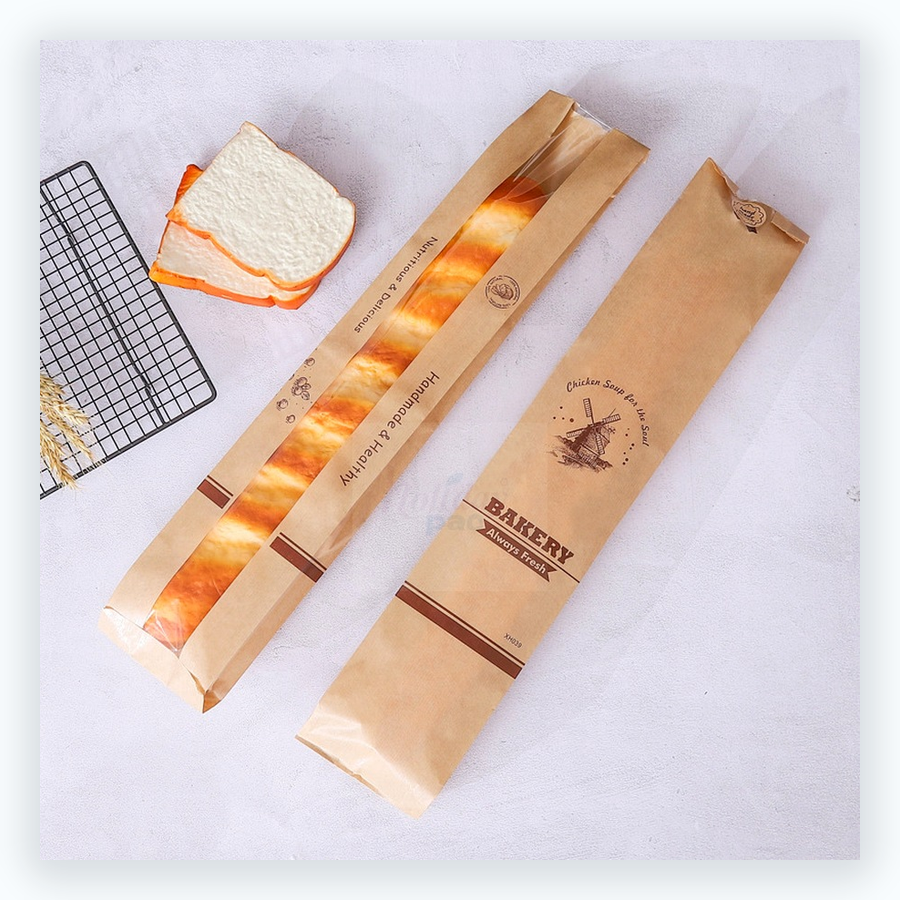
Holidaypacfactory approaches grab-and-go food packaging as a system, not a single box. A bakery slice needs visibility and grease resistance. A sandwich needs shape control and quick recognition. A salad or deli meal needs condensation thinking, stackability and label space. A retail snack pack needs color, portability and simple disposal communication. When the package is designed correctly, it reduces friction for the store team and increases confidence for the shopper.
This article explains how global buyers can specify paper-first grab-and-go food packaging for deli, bakery and prepared-food retail programs. It covers shelf appeal, food protection, structure choice, freshness communication, sustainability direction, QR and label logic, cost control and HolidayPac’s culture-led view of paper as a material that is simple, natural and close to daily life.
Build a Paper Grab-and-Go Food Packaging System
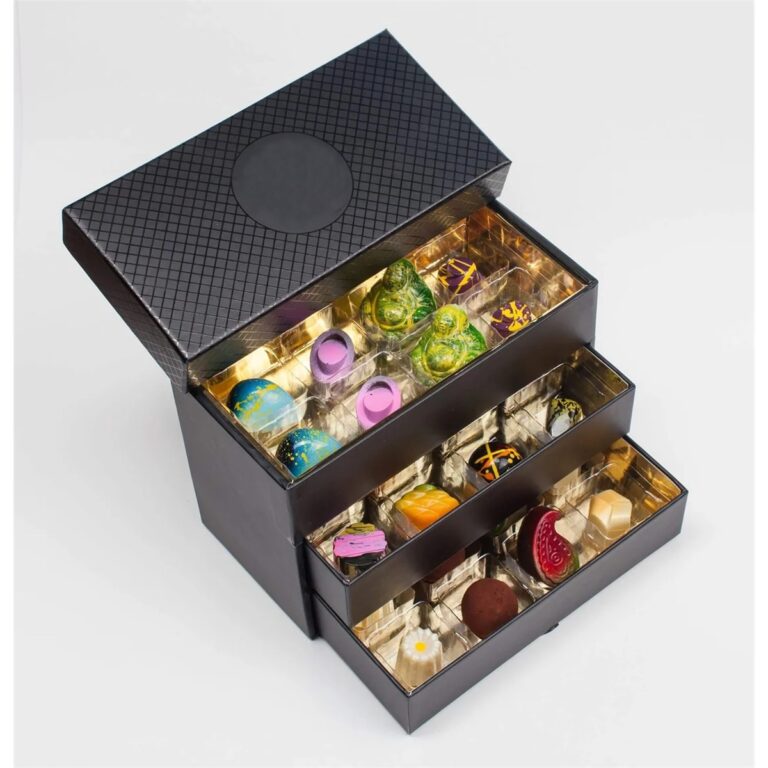
Paper grab-and-go food packaging for supermarket deli and bakery brands works best when retail boxes, kraft paper packaging, paper bags, sleeves and premium seasonal structures are planned as one shelf system. These Holidaypacfactory product paths help buyers compare useful formats before sampling.
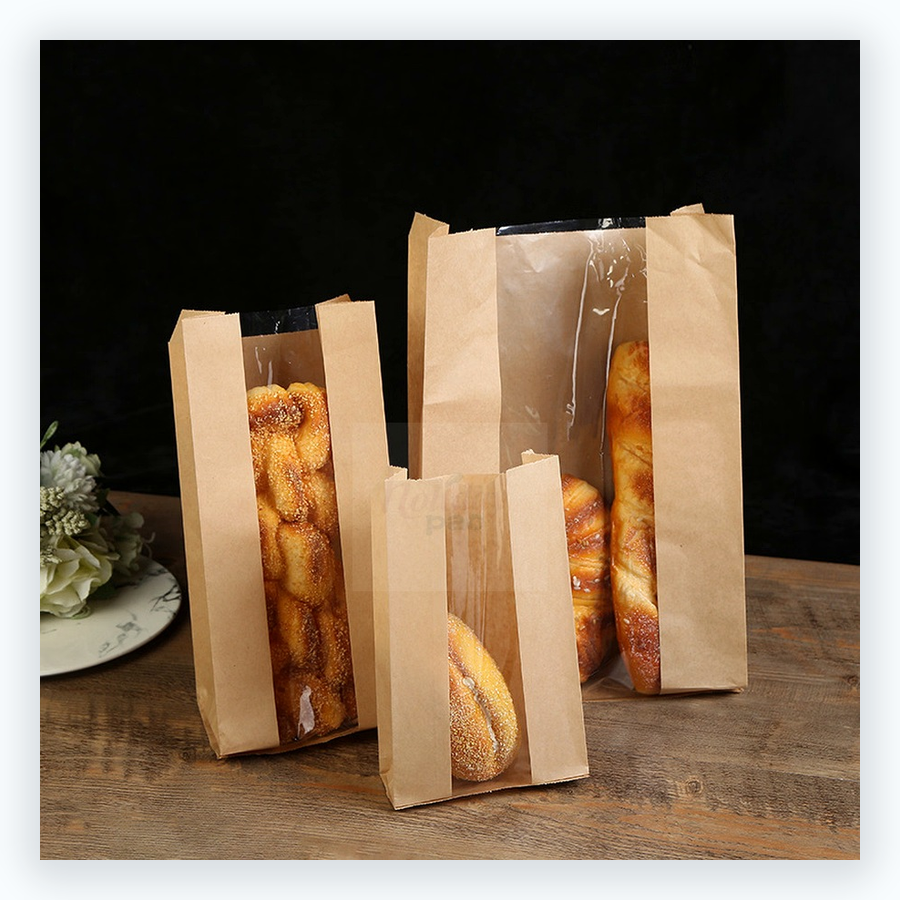
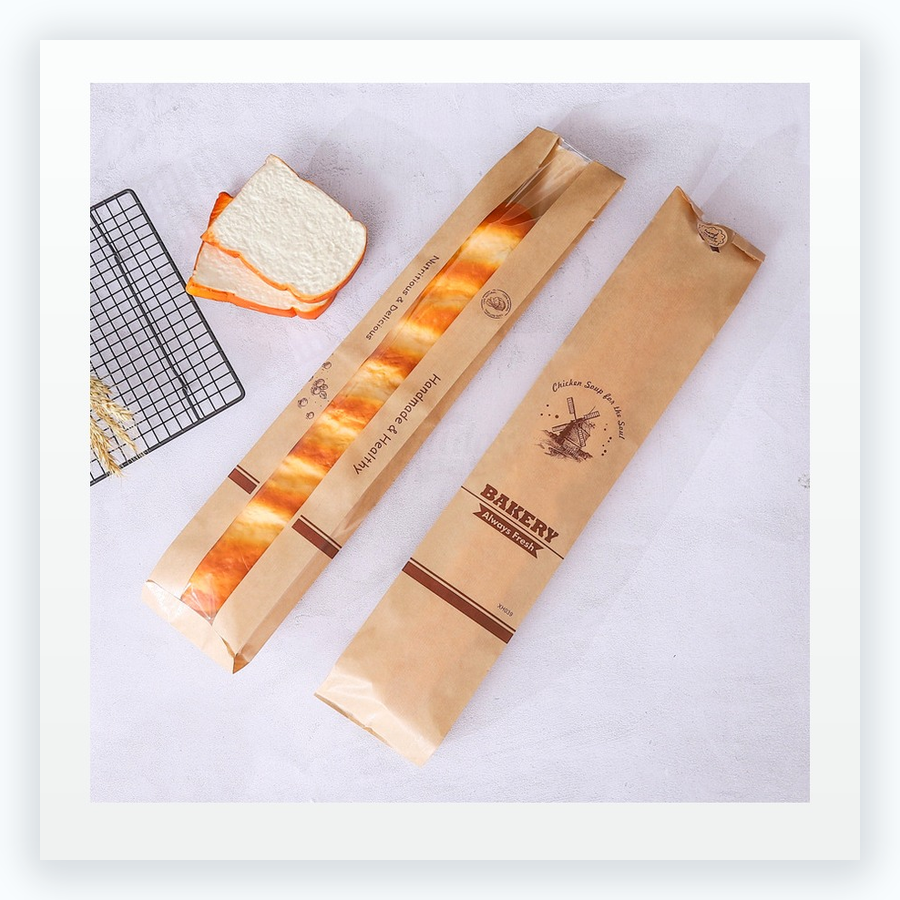
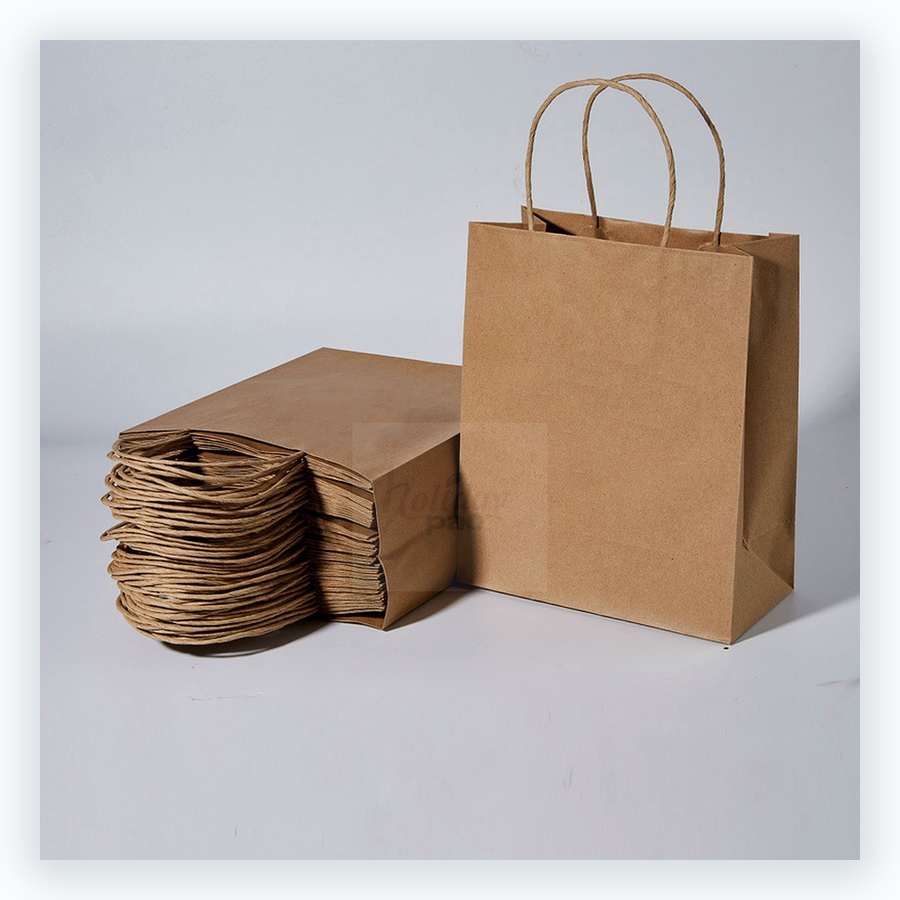

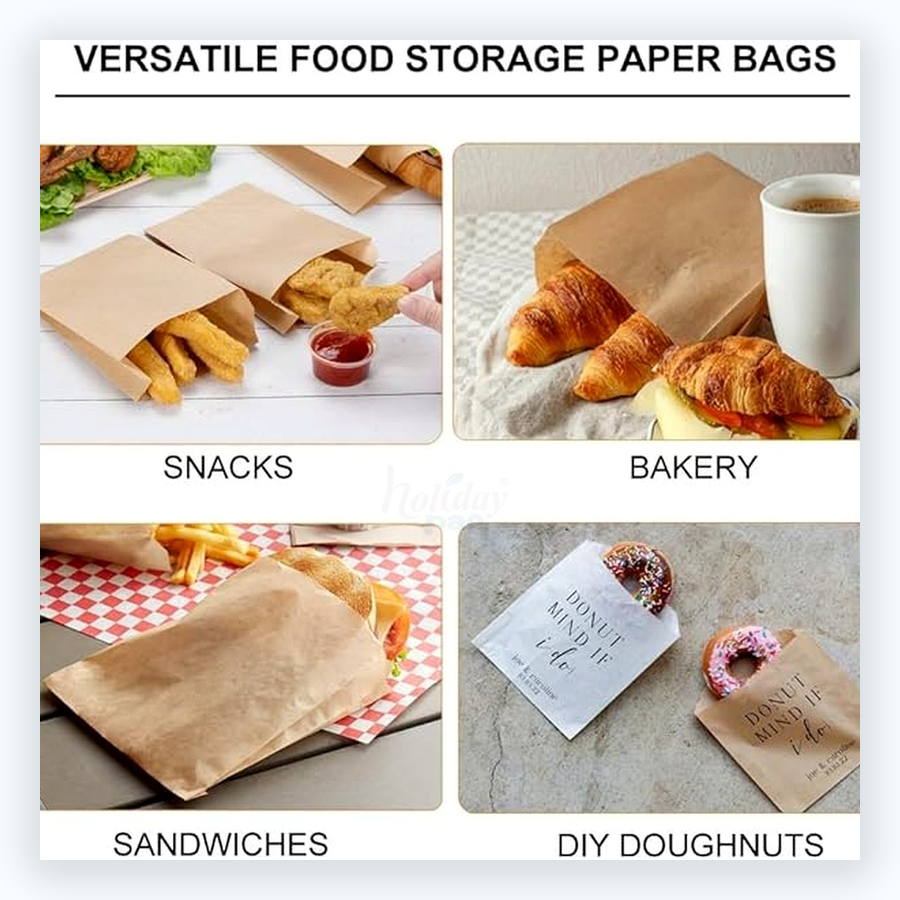


2026 food retail pressure Why Grab-and-Go Food Packaging Is a 2026 Buyer PriorityGrab-and-go packaging matters because it connects retail speed, food freshness, shopper trust and sustainability signals at the shelf. Supermarket deli and bakery departments are under pressure to compete with convenience stores, restaurants and delivery platforms. The shopper may be choosing lunch in less than one minute, and the package must make the product look fresh, safe and worth the price. A weak package can make good food look tired; a strong paper package can make an ordinary meal feel carefully prepared. For buyers, this creates a practical sourcing question: how can the package show the food clearly without relying on excessive plastic? Paperboard, kraft paper, sleeves, printed cartons, greaseproof liners and selective window areas can work together, but each format has tradeoffs. Visibility, condensation, oil resistance, stacking, label space and shelf life need to be discussed before artwork begins. |

The market pressure is also cultural. Consumers are not only buying calories. They are buying a short pause in the day: breakfast before work, a lunch break, a dessert shared with a child, a prepared meal after a long commute. Packaging that respects this moment creates emotional value, and that value is one reason Holidaypacfactory treats paper food packaging as more than a container.
Right packaging also helps store teams. If the box is easy to fill, label, stack and identify, operations become smoother. If the structure is confusing or weak, the store pays through slower labor, damaged food, messy shelves and customer hesitation.
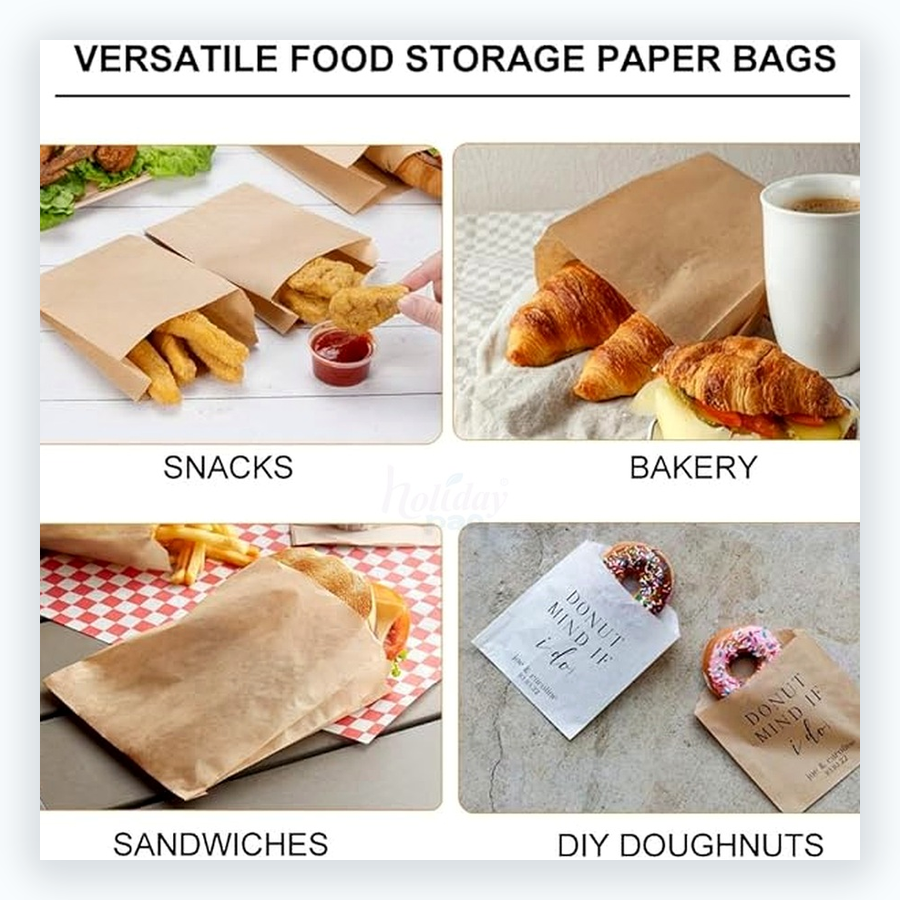
structure selection Choose Food Packaging by Eating Occasion, Not Only by Food TypeThe best structure follows the moment of use: breakfast, lunch, snack, dessert, family meal or impulse treat. A paper bakery box, a sandwich wedge, a deli meal tray and a kraft snack bag may all serve grab-and-go retail, but they solve different problems. The eating occasion decides what matters most. Breakfast packaging should be fast and clean. Lunch packaging should feel filling and reliable. Bakery packaging should protect visual pleasure. Snack packaging should be portable and easy to understand. Holidaypacfactory buyers can start by grouping SKUs into food families: bakery slices, pastries, sandwiches, salads, hot snacks, chilled meals, snack cups, meal kits and seasonal gift foods. Each family can then be matched to food and beverage paper boxes, custom printed paper boxes, kraft sleeves, paper bags or drawer-style premium boxes. |

This prevents a common mistake: using one generic box for too many foods. Generic packaging may reduce purchasing complexity, but it often weakens freshness, display and customer confidence. A controlled family of formats usually works better than one universal answer.
The structure also affects sustainability. A recyclable-looking package that leaks or fails is not sustainable in practice because food waste and returns become part of the cost. A slightly stronger paperboard, better liner, improved closure or smarter insert can protect both the food and the sustainability story.
development workflow A Practical Development Workflow for Deli and Bakery PackagingA strong packaging project starts with food behavior, shelf role and store operations before artwork. The first step is to map the food. Buyers should list moisture, oil, temperature, portion size, toppings, garnish, expected hold time and whether the food is eaten hot, chilled or ambient. A croissant, sushi-style snack, salad, cake slice and fried appetizer cannot be treated the same way. The food tells the package what it must resist. The second step is to define the shelf role. Is the product an impulse snack, a premium dessert, a meal replacement, a family-size item or a private label signature line? Shelf role affects color, typography, window size, label placement and the level of structure needed. A supermarket private label may need a clean system across many SKUs, while a seasonal bakery launch may need stronger emotional graphics. |
The third step is sample testing. Pack the real food or a close equivalent, stack it, chill it, warm it if relevant, label it, transport it and open it like a shopper. Packaging should be evaluated by procurement, store operations, quality control and marketing together. A box that only looks good in a design file has not yet been proven.
Holidaypacfactory recommends recording test results so the next order becomes easier. When a buyer knows the successful board grade, coating direction, window choice, label area and carton packing logic, future product launches become faster and more consistent.
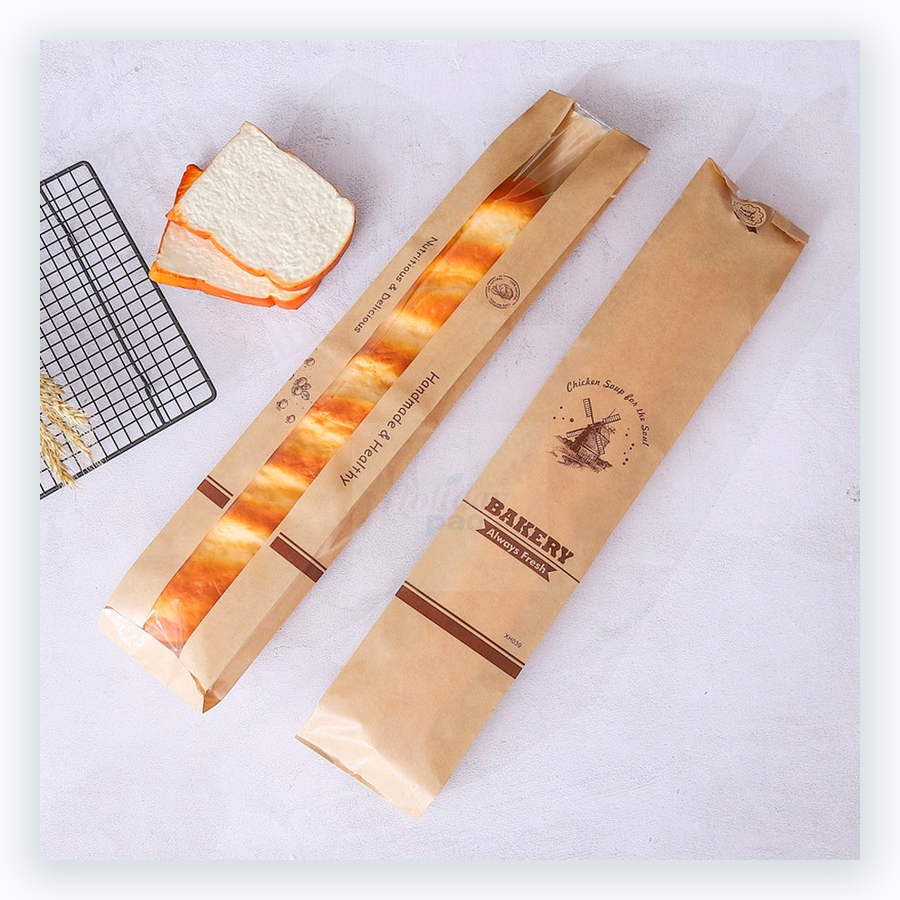
freshness and visibility Balance Food Visibility with Paper-First ResponsibilityVisibility helps appetite appeal, but the window, label and paper surface must be designed with purpose. Grab-and-go buyers often ask for a window because shoppers want to see freshness. That is reasonable, especially for bakery, sandwiches, salads and prepared meals. But a window should not be added automatically. The buyer should ask what the shopper needs to see: color, portion size, topping quality, ingredient freshness or simply confirmation that the item is intact. Sometimes a smaller window plus stronger print works better than a large plastic-looking panel. A paper sleeve can frame the visible food. A printed label can carry ingredients, date, nutrition, QR information and brand story. A kraft paper texture can signal natural value. For some products, a beautiful printed paper box with a product photo or clear naming may be enough. |
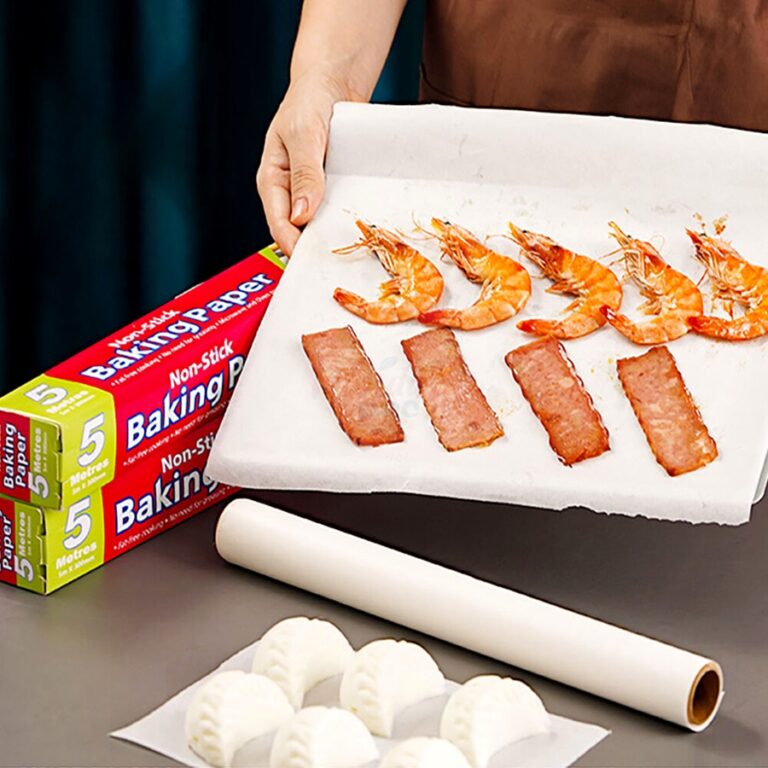
The packaging should also consider condensation and grease. A clear panel that fogs, a label that wrinkles or a paper box that absorbs oil too quickly will damage trust. The material and structure must be chosen for the food reality, not only for the shelf concept.
Holidaypacfactory can help buyers compare window paper boxes, sleeves, kraft paper packaging and printed cartons so the final package has both shelf appeal and practical performance.
sustainability direction Make Sustainability Useful, Specific and HonestSustainable food packaging should explain material choices clearly and avoid vague green claims. Food packaging sustainability is complicated because food safety and freshness come first. A package that protects food poorly can create more waste than it saves. Buyers should avoid vague claims and instead specify useful details: paperboard type, coating direction, recyclability in target markets, separation of components, printed disposal guidance and whether the package is intended for chilled, ambient or short hot-hold use. This is especially important as packaging regulation and retailer scorecards become more demanding. Buyers selling into Europe should continue watching PPWR implementation, EPR requirements and retailer packaging policies. The practical response is to document why each component exists and how it supports food protection, presentation or information. |
For many deli and bakery programs, paper-first packaging is a strong direction because it can reduce plastic perception and create a warmer food experience. But the phrase paper-first should not mean paper-only at any cost. It means paper is the main design language, and any coating, window or liner is chosen carefully for food performance.
HolidayPac’s value Born from nature and return to nature supports this disciplined view. Nature is not served by weak packaging that causes food loss. It is served by thoughtful material use, honest design and a package that does its job without excess.
private label and brand emotion Turn Daily Food Packaging into Brand MemoryDeli and bakery packaging can make private label food feel intentional instead of generic. Private label food is no longer only a low-price alternative. In many supermarkets, private label is becoming a trust-building tool. A store can use grab-and-go packaging to make its deli, bakery or prepared meal line feel cleaner, fresher and more ownable. Color systems, paper texture, typography and repeated structural details help shoppers recognize the line quickly. Brand emotion should be practical. A busy shopper may not read a long story, but they will notice whether the package feels organized. They will see whether the label is easy to read, whether the food is visible, whether the pack feels clean in the hand and whether the opening moment is pleasant. Packaging creates brand memory through these small interactions. |
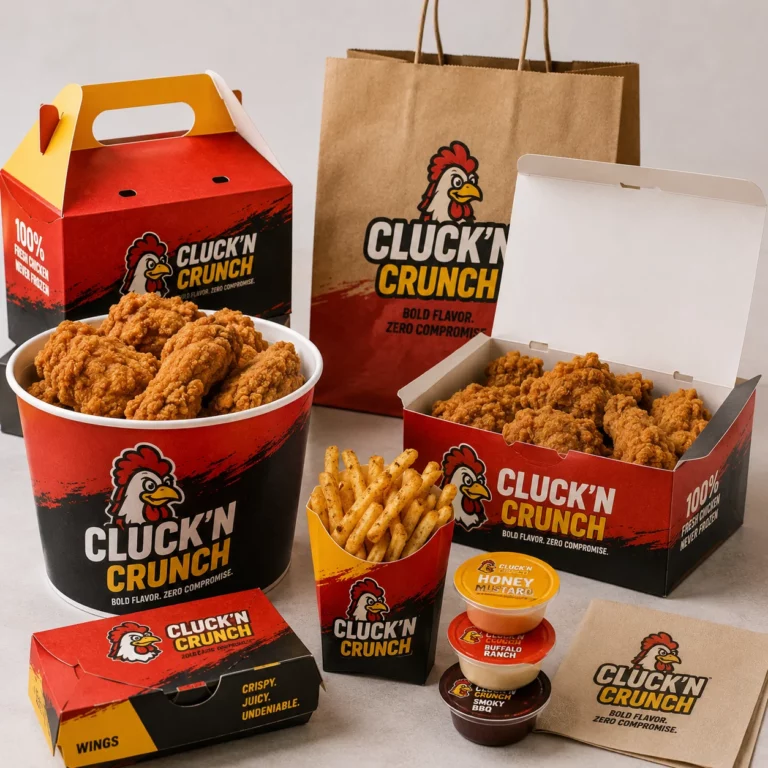
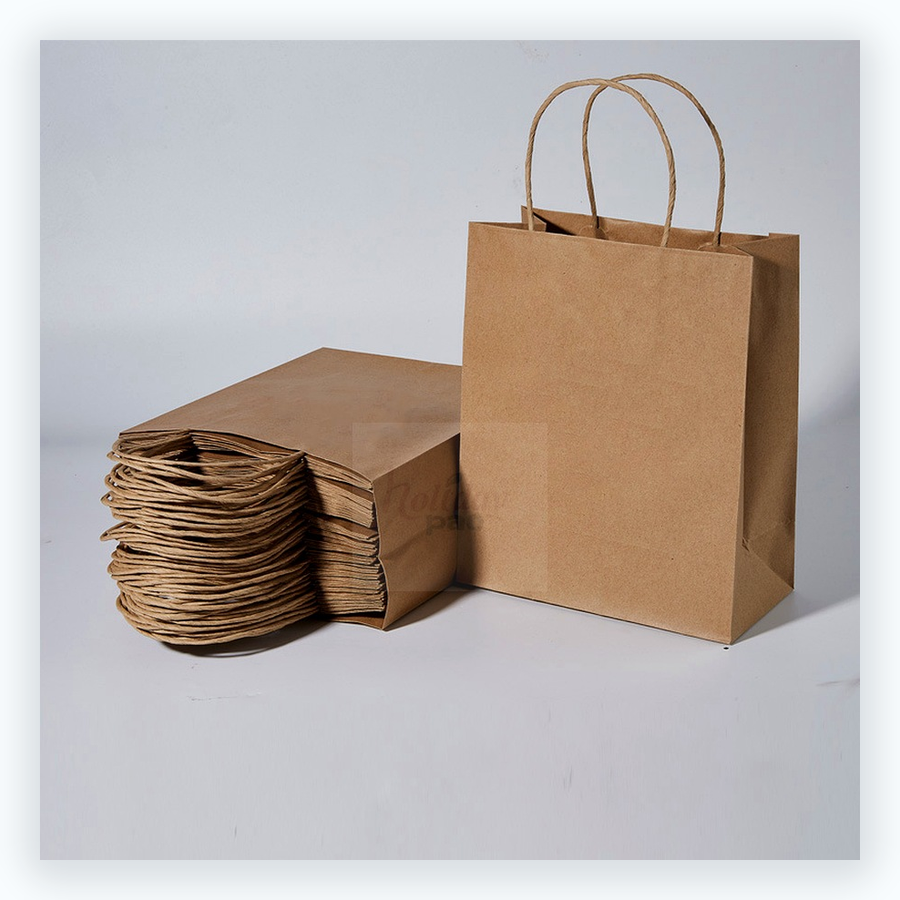
Holidaypacfactory can support this with printed paper boxes, kraft packaging, paper bags, window boxes and premium seasonal boxes. A supermarket might use kraft paper packaging for natural daily foods, window gift boxes for bakery treats and paper bags for takeaway bakery or snack bundles.
The strongest programs use shared brand rules across different structures. That keeps the shelf coherent while allowing each food to have the right package.
RFQ checklist What Buyers Should Send Before Requesting a QuoteA useful RFQ includes food behavior, shelf environment, quantity, target market and brand direction. Before requesting a quote, buyers should send food dimensions, portion weight, oil or moisture level, target shelf temperature, expected hold time, stacking requirement, label information, artwork direction, order quantity, target price range and target market. If the food is hot, chilled or frozen, say so clearly. If it contains sauce, cream, oil or fragile toppings, include photos. Buyers should also explain the retail environment. A package for a supermarket open chiller is not the same as a package for a bakery counter, convenience-store shelf, airline meal program or delivery pickup shelf. The supplier needs to know how the product is displayed, how many units are stacked and how quickly the customer handles it. |
If sustainability is a priority, the RFQ should be specific. Ask for paper-first options, coating choices, window alternatives, recyclability considerations and disposal-message space. Do not simply request eco packaging, because that phrase can mean different things in different markets.
A strong RFQ allows Holidaypacfactory to propose realistic alternatives instead of quoting only the first idea. The result may be a folding carton, sleeve, paper tray, kraft bag, window box, drawer box or a small structure family for the whole retail line.
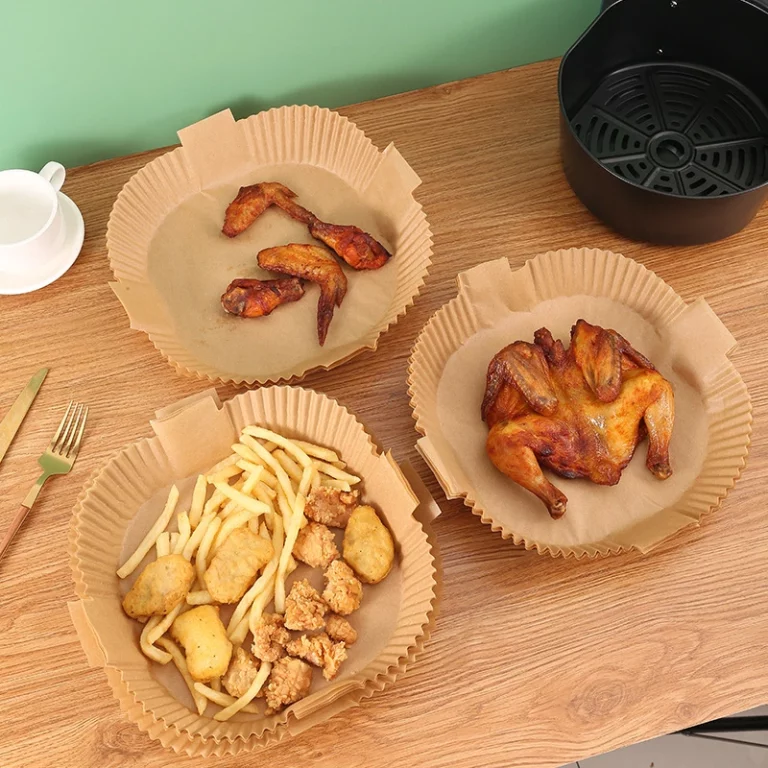
quality testing Test Cold Shelf, Hot Hold and Real Store Handling SeparatelyFood packaging should be tested in the real retail condition because chilled, ambient and short hot-hold foods stress paper in different ways. A common sourcing mistake is approving a paper food package after a dry-table sample review. The sample may look clean in a meeting room, but the real store condition is different. A chilled salad can create condensation. A warm pastry can release steam. A fried snack can move oil into the paper. A bakery box can collapse when stacked too high. These are not design details; they decide whether shoppers trust the product. Buyers should test cold shelf, ambient shelf and short hot-hold applications separately. For chilled foods, check condensation, label adhesion, window fogging and board stiffness after several hours. For bakery and ambient snacks, check grease marks, aroma protection, crumb control and visual freshness. For warm foods, check venting, oil resistance, hand comfort and whether the package traps too much steam. |
The best test is practical. Pack real food, place it in the intended shelf environment, stack it the way the store team will stack it, move it the way a customer will carry it and open it at the expected eating time. Then check the food, the package, the label and the opening experience. If the package still feels clean and intentional, the design is much closer to production readiness.
Holidaypacfactory encourages buyers to document these tests with photos and notes. This gives the packaging team evidence for board selection, coating direction, closure improvement and label layout. It also helps future reorders because the buyer is not relying on memory. A good food packaging system becomes stronger when each test result is converted into a specification.
cost planning Calculate Total Shelf Cost, Not Only Unit Box PriceA cheaper box can be expensive if it slows packing, damages food or weakens shelf conversion. Grab-and-go food packaging buyers often compare unit prices first because procurement needs clear numbers. Unit price matters, but it is not the whole cost. The real cost includes packing labor, label speed, shelf waste, food damage, customer hesitation, storage space, reorder complexity and the brand value of the food line. A low-cost box that leaks, wrinkles or hides the food poorly can cost more than it saves. A better calculation compares total shelf cost. How many seconds does the store team need to pack each item? How many units fit on the shelf? Does the package stack without crushing? Does the label apply cleanly? Does the package reduce markdowns by keeping the product attractive for longer? Does it help the shopper choose faster? These questions connect packaging to operations and sales, not only to purchasing. |
For multi-SKU deli and bakery programs, cost planning should also include size families. Too many unique sizes increase inventory complexity. Too few sizes create poor fit and weaker presentation. A practical middle path is to use a controlled family of paper boxes, bags, sleeves and inserts that share material standards and brand design rules. This helps buyers keep variety without losing purchasing discipline.
Holidaypacfactory can help buyers compare options at this system level. Sometimes the better answer is not the cheapest board, but a more efficient structure. Sometimes it is a shared printed sleeve across several food trays. Sometimes it is a stronger kraft bag that reduces double packing. The goal is to create packaging that makes the food easier to sell, easier to handle and easier to reorder.
Author Authority Cassie Lam, Founder of HolidayPacCassie Lam, Founder of HolidayPac, has 20 years of international trade experience and 16 years of packaging experience. Her work connects packaging, culture, buyer psychology and practical factory execution. She understands Chinese traditional culture, Western market expectations, the wisdom of the I Ching, Buddhist thinking and Zhuangzi’s idea that human beings and nature should live in harmony. HolidayPac’s core value, Born from nature and return to nature, is especially meaningful for food packaging because food is part of daily life. Paper is simple, old, useful and close to nature; when it protects food honestly and beautifully, it gives the buyer both commercial value and emotional value. |
FAQ: Paper Grab-and-Go Food Packaging
What is paper grab-and-go food packaging?
It is paper-first packaging designed for prepared foods, bakery items, deli meals, snacks and convenience foods that shoppers choose quickly from retail shelves.
What should supermarket buyers consider first?
Buyers should start with food behavior: oil, moisture, temperature, portion size, hold time, visibility need, stacking and label information.
Can paper packaging work for oily or moist foods?
Yes, but the paperboard, liner, coating or insert must be selected for the food. Testing with real food is essential before mass production.
How does packaging improve grab-and-go sales?
It improves sales by making freshness visible, reducing shopper hesitation, supporting clear labels and making the product easy to carry and open.
Is paper-first packaging always plastic-free?
Not always. Paper-first means paper leads the structure and brand language, while any window, coating or liner is chosen carefully for food performance and market requirements.
How does Holidaypacfactory help buyers?
Holidaypacfactory supports buyers with custom paper food boxes, kraft packaging, paper bags, window boxes, printed sleeves, structural suggestions and culture-led packaging design guidance from Cassie Lam, Founder of HolidayPac.
This article uses current public trend signals from Progressive Grocer deli and bakery coverage, the National Restaurant Association 2026 culinary forecast, Mintel 2026 food and drink predictions and packaging-market reporting. It is practical buyer guidance, not legal advice.