

 | By Cassie Lan, Founder of Holidaypac Holidaypac is an eco-friendly custom box and packaging manufacturer located in both China and Cambodia, aiming to create a sustainable world. |
8 Related Display and Packaging Links for Video Header Retail Projects
These internal links are placed first because the case belongs to a specific display niche: cardboard retail displays that combine product holding, campaign graphics and a digital advertising message. Buyers searching for a custom cardboard display stand can use this group to compare floor displays, POP displays, PDQ trays, pallet displays and packaging support before planning a screen-based promotion.

Cardboard Display Stand With LCD Screen: A Video Header Retail Display Case Study
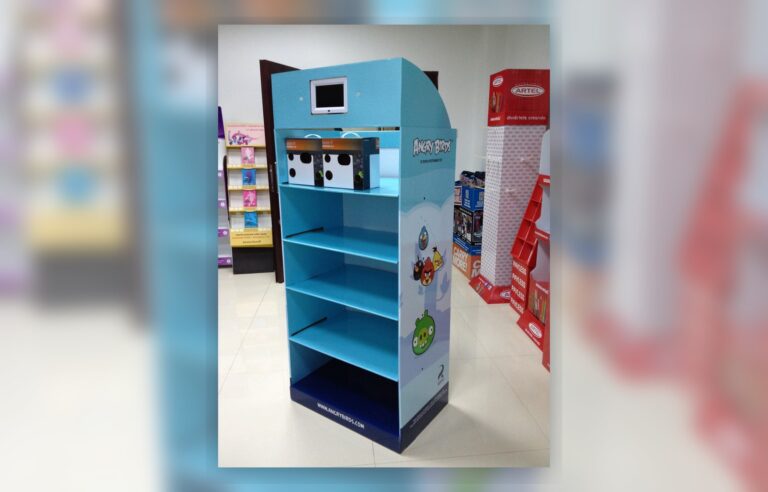
This case study focuses on a highly specific retail display direction: a cardboard floor display stand with an LCD screen built into the header. It is not only a shelving unit. It is a small in-store media position, a product education point and a printed brand structure working together in one footprint.
For brands that need more than static print, this format creates a stronger conversation with shoppers. The screen can play a short video, introduce product features, show a campaign animation, explain a licensed story or guide customers toward a promotion. The shelves below keep the products immediately available, so attention and purchase action stay in the same place.
Why This Case Should Be Built Around Specific Search Intent
A broad phrase like display stand is too open. It may include metal racks, acrylic holders, trade show booths, supermarket shelves or simple tabletop signage. This product is more precise. It belongs to the niche of cardboard display stand with LCD screen, video screen retail display, digital header cardboard display, LCD header floor display and retail advertising display stand with shelves. These phrases are narrower, but they describe a buyer who already understands the problem: the brand wants a display that can hold product and communicate with motion.
That is why this article uses a case-study structure. The goal is not to chase a large generic word. The goal is to make the page useful for a buyer who is looking for a very particular solution: a paper-based floor display that can carry printed artwork, support product weight, include an electronic screen and still be packed for export. In future search competition, these niche pages can become stronger than broad pages because they answer the exact question a buyer is asking.
The Header Is Not Only a Logo Area; It Becomes a Moving Message Zone
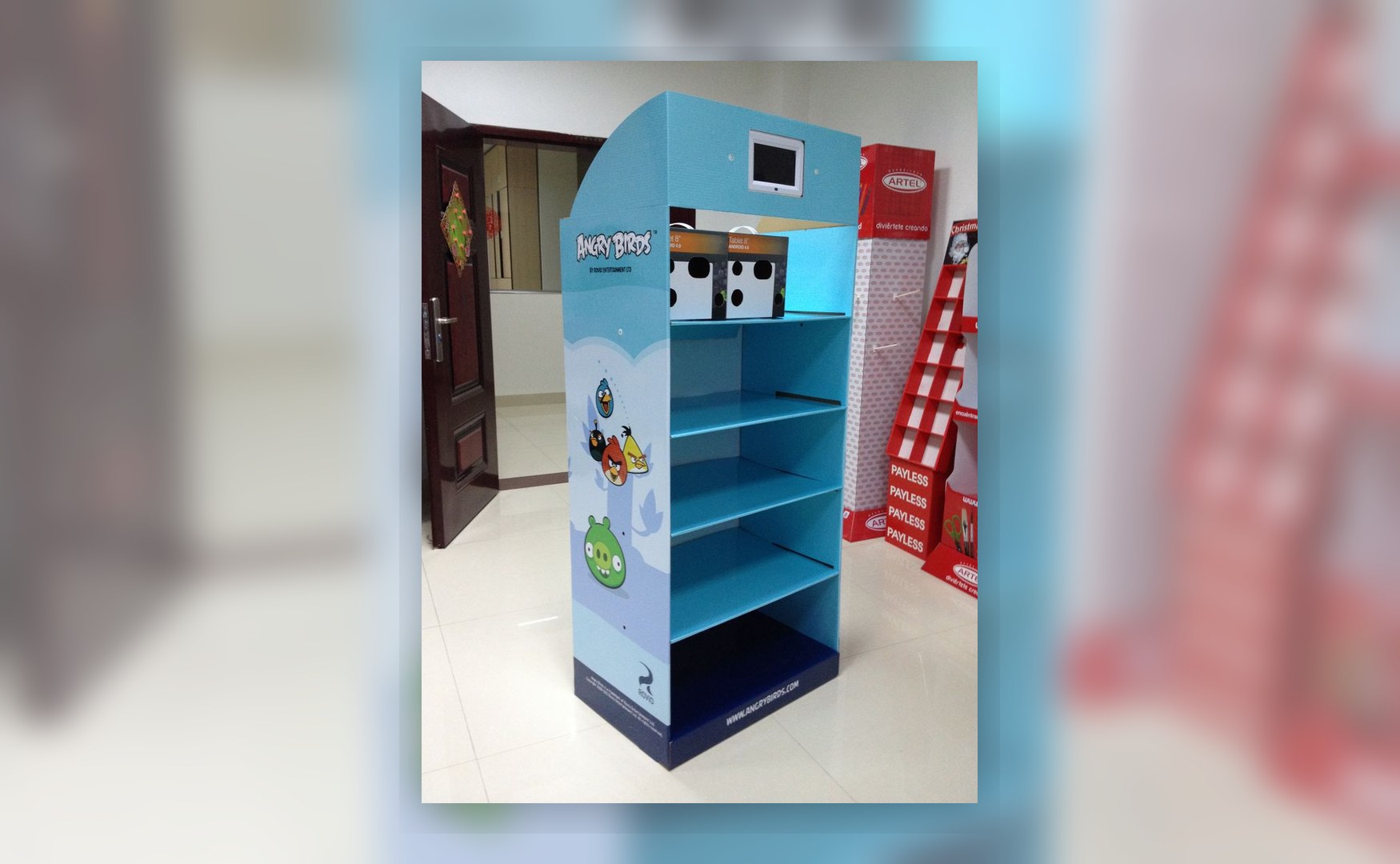
The most important feature in this project is the screen built into the top header card. In a normal cardboard display, the header is used for a logo, slogan or seasonal message. In this design, the header becomes a media surface. The LCD screen sits above the shelf opening, close to a shopper’s natural eye line, so it can attract attention before the customer looks down at the products.
This creates a different kind of retail communication. Printed side panels are excellent for brand color and visual identity, but a screen can explain motion, gameplay, product usage, recipe ideas, launch stories, ingredient information or a short promotional video. For a licensed product campaign, a character animation can connect with the printed graphics. For a technology product, a demonstration video can explain function. For a food or beverage product, a short loop can show serving occasions.
The structure must protect the screen while keeping the display simple enough to assemble. The header area needs a clean cutout, a support frame, front alignment, back access and enough stiffness so the panel does not bend around the electronic component. This is where a cardboard display manufacturer needs to think beyond print. The screen is small, but it changes the whole engineering logic of the display.
A good digital header display also needs balance. If the screen is too low, product boxes hide it. If it is too high, shoppers may miss the message. If the screen is too heavy for the header, the unit becomes unstable. The correct position is a practical compromise: high enough to be seen, low enough to feel connected to the shelf, and supported enough to survive handling.
Shelves Turn Attention Into Immediate Product Access
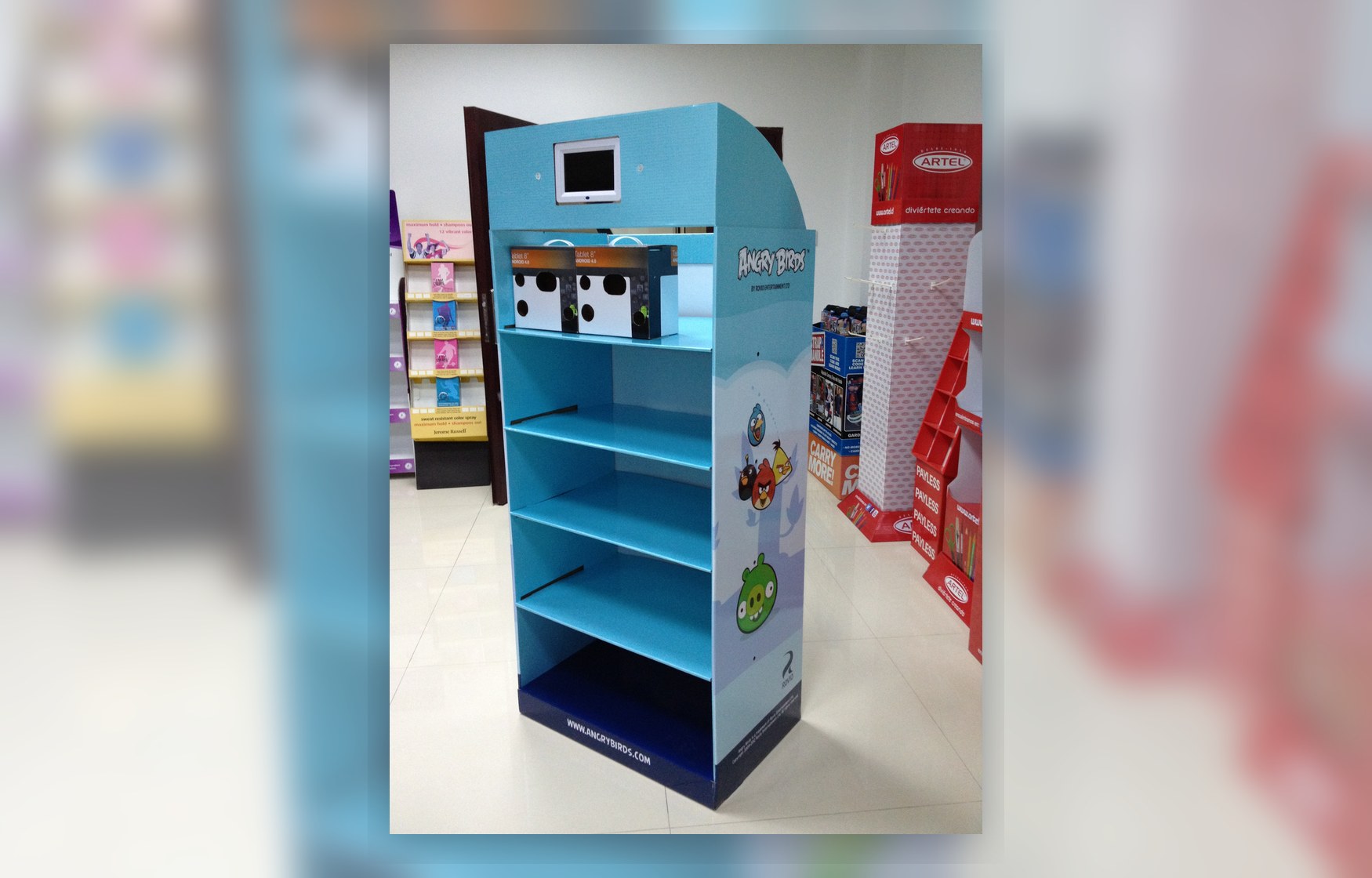
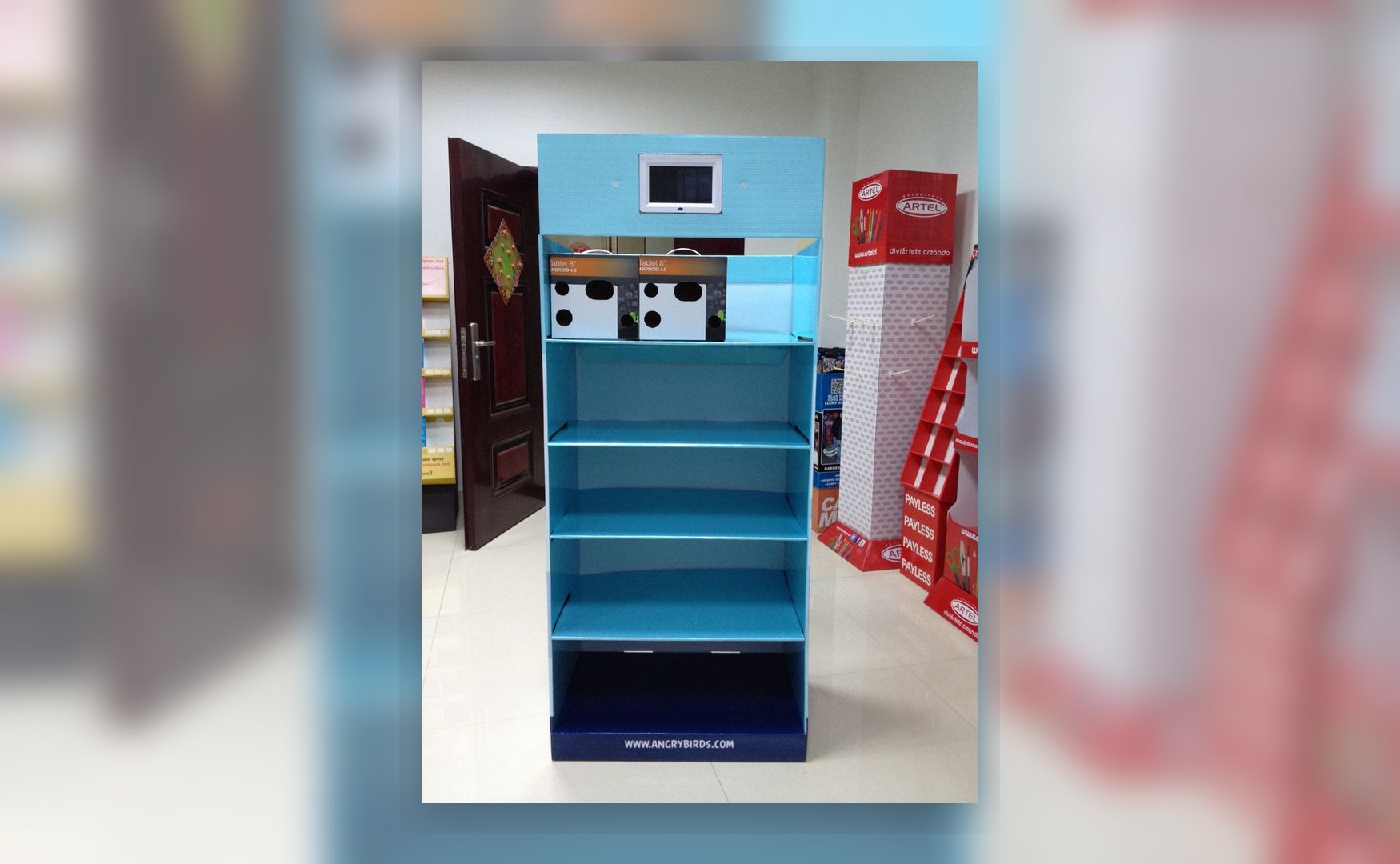
The screen may attract attention, but the shelves create the selling moment. In the front view, the display includes several open shelf levels under the header. This layout works well for boxed products, toy products, electronics accessories, snack packs, seasonal gifts and promotional kits. The customer can watch the video message and reach for the product without moving to another fixture.
This is why the article targets phrases such as retail advertising display stand with shelves and floor display with video header. The unit is not a digital sign standing alone. It is not only a cardboard rack. It is a combined display system where the advertising message and product placement stay together. For importers and retail buyers, that combination can be more useful than a separate screen plus a separate shelf.
Shelf planning should start with product dimensions and product weight. The display in the photos shows enough vertical spacing for boxed items at the top and larger open shelf zones below. In a production project, Holidaypacfactory would adjust shelf height, shelf count, inner supports and bottom strength according to the real product. A beauty product may need smaller repeated compartments. A toy or electronics campaign may need fewer but taller shelf openings.
The front base also matters. It gives the display a visual anchor and can carry a website, campaign phrase or retail instruction. In export display projects, the base is not only decorative. It helps stabilize the unit, protects the bottom edge and creates a finished retail appearance.
The Rear Structure Must Support Both Assembly and Screen Maintenance
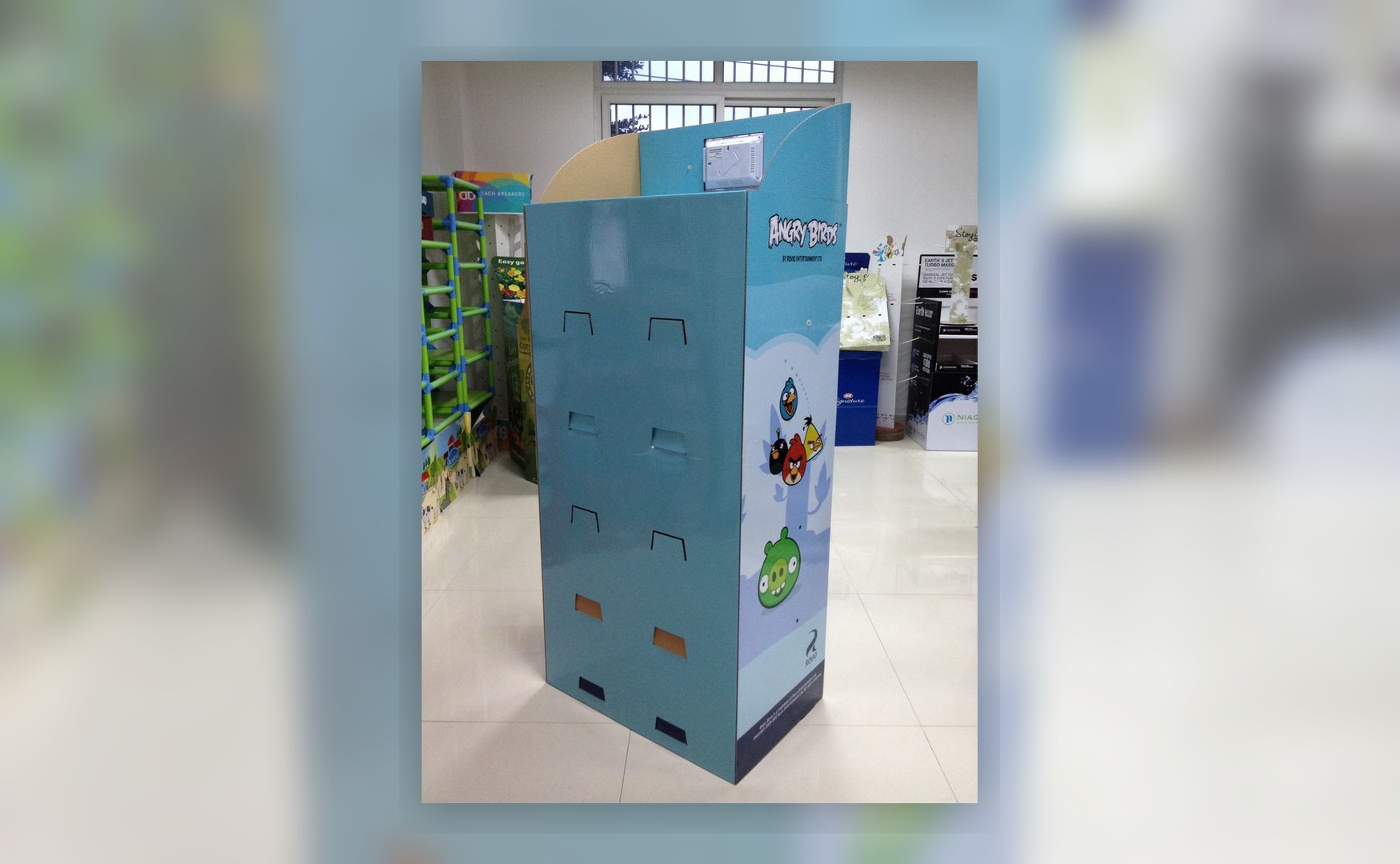
The back view is one of the most useful photos in this case because it shows the practical side of the design. A video header display is not finished when the front looks good. The back panel needs to hold the structure upright, connect the side panels, allow access to the screen area and provide space for cables or battery planning when required.
Several cutouts and locking areas are visible on the rear panel. These details are part of the assembly logic. They help the display fold, lock and hold shape after shipping. For a display with a screen, the back panel also gives the factory and the customer a way to check the electronic component, service it if needed and keep the front presentation clean.
Buyers should discuss power method early. Some screens use a plug-in adapter. Some campaigns may prefer a rechargeable unit. Some stores may have limited access to power. Those decisions affect the display structure. Cable holes, rear access, reinforcement panels and packing protection should be considered before the sample is approved.
This is also why a video screen retail display stand should be developed as a project, not simply ordered as a standard shelf. The artwork team, structural team and customer need to agree on how the electronics, shelves and printed panels work together.
Tall Side Panels Carry the Campaign Even When the Screen Is Not Facing the Shopper
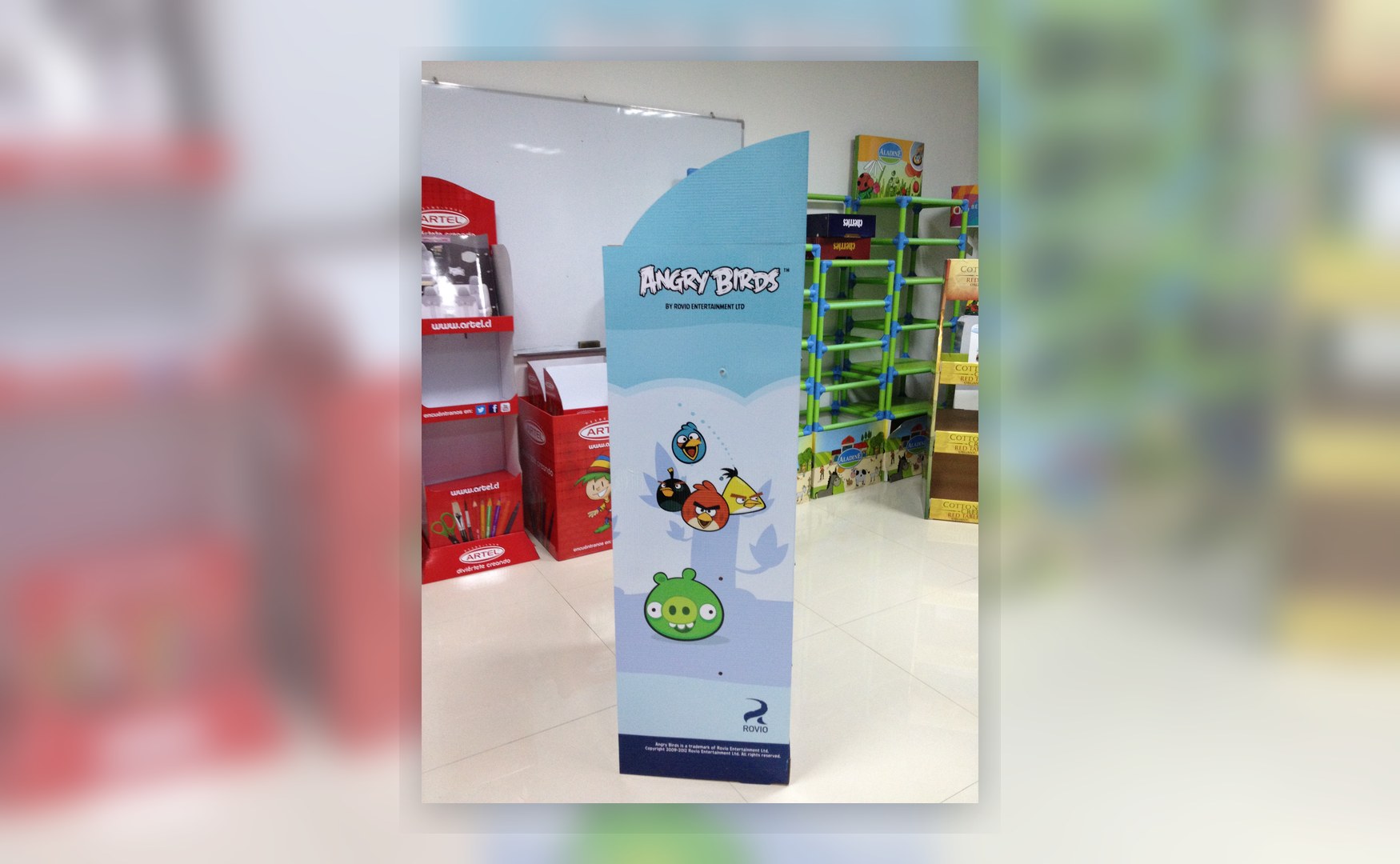
The side panel gives this display another layer of visibility. In a retail aisle, shoppers do not always approach from the front. They may see the display from the left or right side first. A tall side panel with strong campaign artwork helps the unit communicate before the screen is directly visible.
The side view in this case shows a large printed area running from header to base. For licensed campaigns, toy launches, game promotions, school supplies, cosmetics and seasonal products, that side surface is valuable. It can carry characters, product benefits, brand color, QR codes, campaign statements or a simple visual story. The screen then becomes the moving center of a broader printed environment.
A display like this also shows why print quality and board stiffness matter. The side panel has to look smooth, stand straight and resist bending. If the panel waves or twists, the premium feeling disappears. Holidaypacfactory’s role is to connect artwork with structure so the final display feels intentional from every angle.
For brands planning a custom cardboard display stand, side branding should not be treated as leftover space. It is a key part of the shopper path, especially in stores where displays compete for attention from multiple directions.
A Shaped Header Helps the Display Feel More Like a Campaign Object
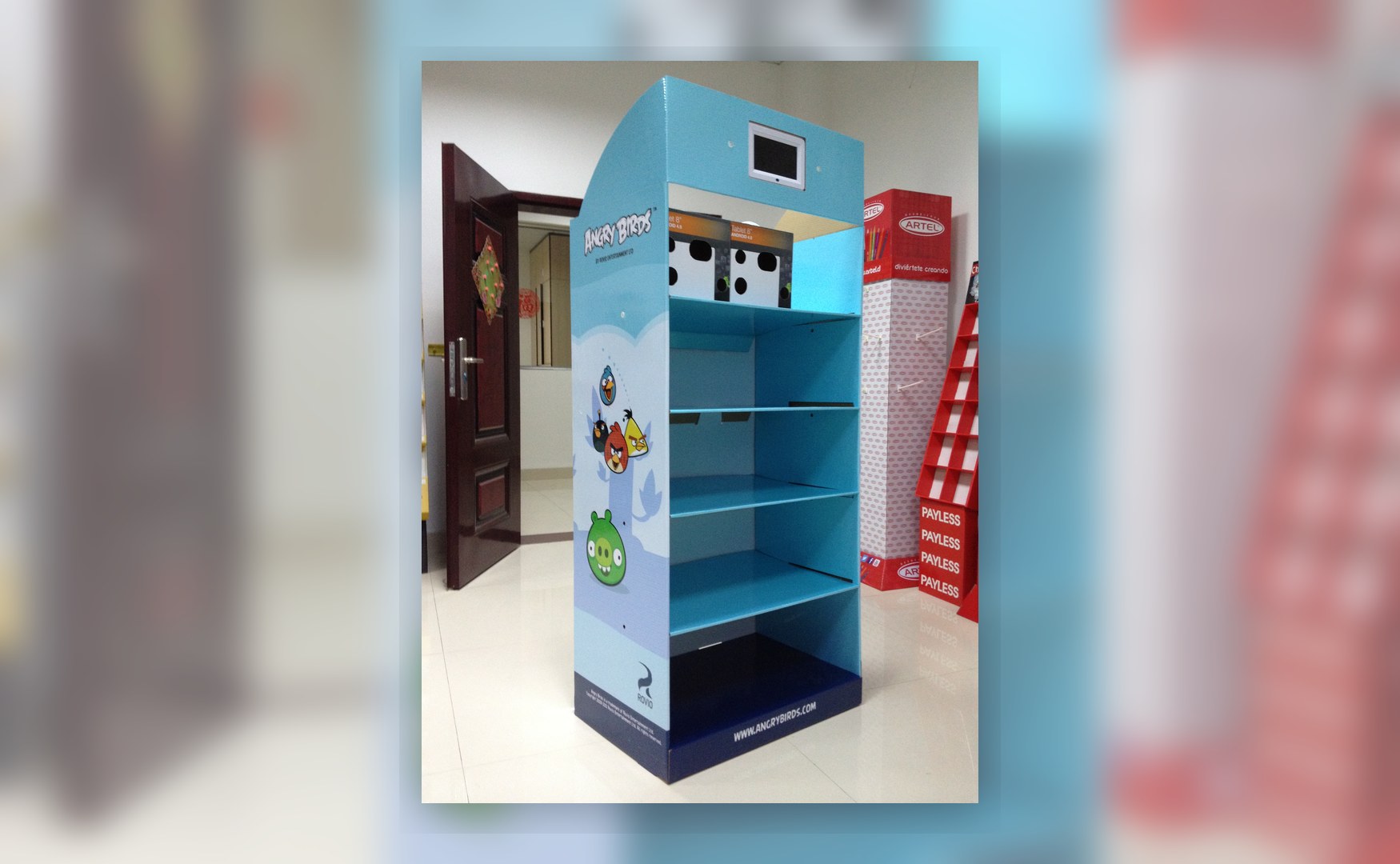
The side-front view shows another design decision: the top profile is not a plain rectangle. The curved side shape makes the display feel more like a campaign fixture than a simple shelf. It also gives the screen header a stronger frame, because the eye reads the upper area as one shaped brand zone.
Curved or shaped side panels can be useful when a brand wants a display to feel playful, premium or campaign-specific. They can also echo a product silhouette, a character world, a seasonal theme or a design language from the packaging. The important point is that the shape must still be practical for die cutting, packing and assembly.
The shelf depth visible from this angle is another planning factor. A deep display can hold larger products but takes more retail floor space. A shallow display saves space but may limit product count. The correct depth depends on product size, stock quantity, store format and how long the promotion should run before restocking.
For niche pages, this kind of detail matters. A buyer searching for digital header cardboard display is not only looking for inspiration. They may need to understand whether the display can be shaped, whether shelves can be adjusted and whether a video screen can be included without making the structure too complex.
The Screen Works Best When the Product Story Is Directly Below It
The product loading photo shows boxed items placed directly under the screen. This is a smart arrangement because the video message and product face are close together. The shopper can see the media, understand the campaign and immediately connect that message with the product on the shelf.
For products that need explanation, this can be powerful. A simple printed display can show a logo and price, but it may not explain why the product is different. A screen can show a demonstration, a usage situation, an unboxing moment, a recipe, a game clip or a product comparison. The display then becomes a small educator in the store.
This format is especially suitable for launches. When customers do not know the product yet, motion can create understanding faster than still images. For retailers, the display can support sales staff by answering basic questions through a repeated video loop. For distributors, it can help one display unit serve both marketing and merchandising.
Holidaypacfactory can connect this kind of structure with related formats such as PDQ tray displays or counter displays when the same campaign needs multiple retail touchpoints.
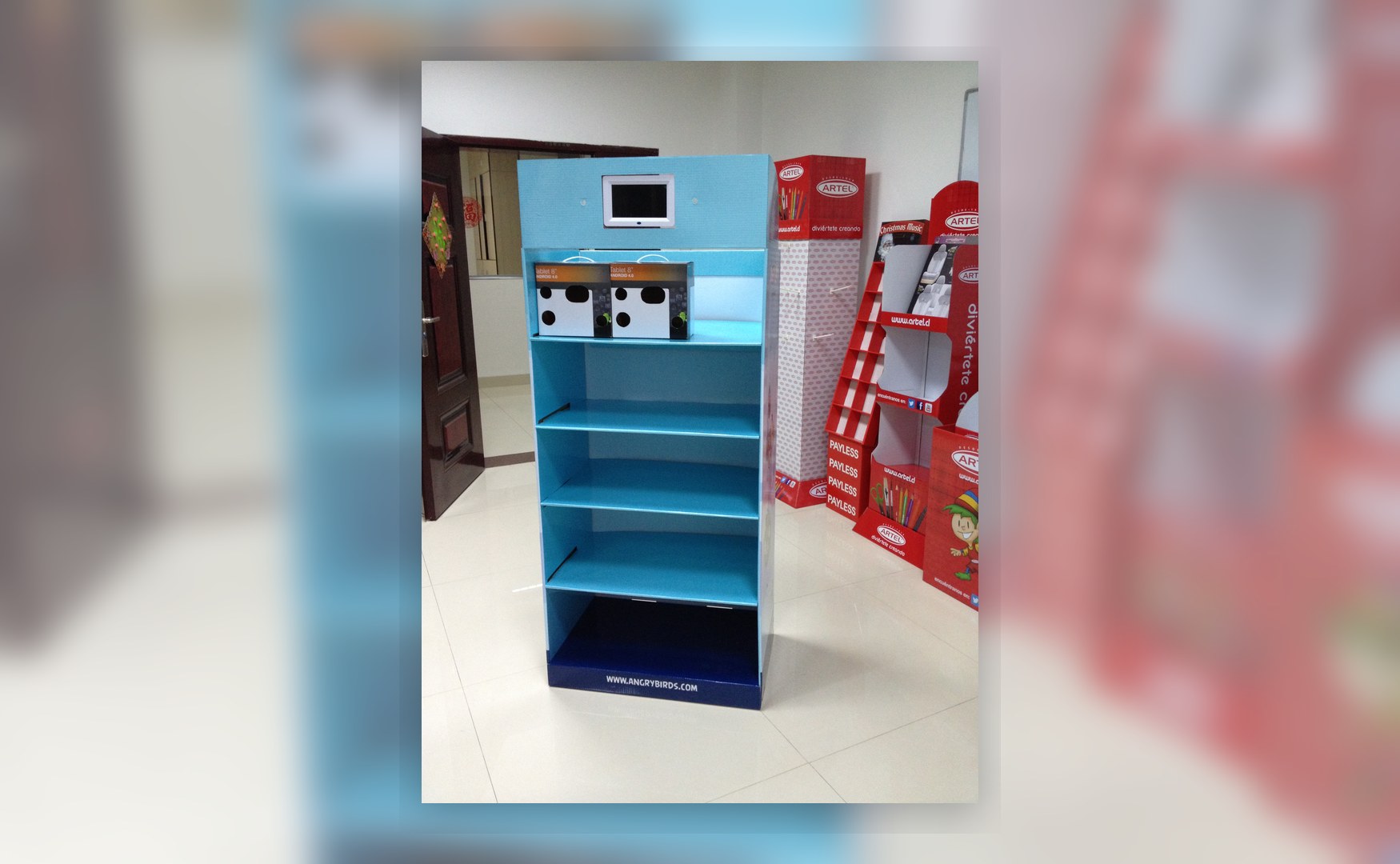
How to Plan a Cardboard Display Stand With LCD Screen Before Sampling
A buyer should not start this kind of project only by sending artwork. The first questions should be structural and functional: What screen size will be used? Is it supplied by the customer or purchased for the project? Will it use a plug, battery or rechargeable power unit? How heavy are the products? How many shelf levels are needed? Where will the display stand in the store? These details decide whether the first sample will be practical.
The second planning layer is visual. The screen should not fight with the printed artwork. It should feel integrated into the header. The side panels, front lip, shelf color and base strip should guide the eye toward the product rather than making the display feel crowded. In this case, the blue structure, side graphics and top screen work together as one campaign object.
The third planning layer is export packing. A display with a screen is more sensitive than a standard cardboard display. The header area may need extra protection. The screen should be protected from pressure during transport. Loose shelves, side panels and electronic parts should be packed so the customer can assemble the unit without confusion. A clear instruction sheet is often as important as the sample itself.
Confirm size, weight, power method, front frame and rear access.
Confirm shelf load, header support, side panel stiffness and base stability.
Connect printed graphics with the digital message instead of treating them separately.
Protect the screen area and make assembly clear for the receiving team.
| Niche product type | Cardboard floor display stand with LCD screen installed in the header card. |
|---|---|
| Best search direction | Video screen retail display, digital header cardboard display, LCD header floor display, retail advertising display stand with shelves. |
| Main buyer value | Combines product holding, printed campaign artwork and moving advertising content in one retail footprint. |
| Common applications | Toys, licensed products, electronics accessories, beauty launches, food promotions, beverage campaigns, education products and seasonal retail programs. |
| Key production checks | Screen window, back access, shelf strength, side panel stiffness, packing protection, assembly method and store power requirements. |
What This Case Teaches About Future Display Niches
The future of custom display development will not only be broad category pages. It will also be niche pages that answer specific commercial needs. A buyer looking for a standard cardboard display may still need a general page. But a buyer looking for a cardboard display stand with LCD screen has a narrower and more urgent question. They want to know whether a paper display can carry a screen, whether the structure can remain stable, whether products can still sit below it and whether the supplier understands both print and function.
This case is useful because it shows the answer visually. The screen is not an afterthought. It is placed into the header. The shelves remain open. The side panels still carry brand artwork. The back panel provides practical access. The base gives the display a stable visual bottom. These are the details a buyer needs before trusting a supplier with a more complex retail promotion.
For Holidaypacfactory, niche content also matches the way real projects happen. Customers rarely ask only for packaging in abstract language. They ask for a display for a toy launch, a food display for a supermarket, a counter unit for a bakery, a seasonal box for Christmas, or a floor display with video. Each niche contains its own practical questions. Building content around those questions makes the website more helpful and makes the sales conversation clearer.
The broader lesson is simple: a paper-based display can do more than hold products. With the right structure, it can carry story, media, artwork, product education and retail action together. That is why this case deserves its own article rather than being hidden inside a general display category.

Cassie Lan, Founder of Holidaypac
Cassie Lan is the founder of Holidaypac and the cultural center of the company. With 20 years in international trade and 16 years in packaging, she helps buyers connect practical packaging decisions with visual identity, cultural meaning, and long-term brand value.
Her philosophy is simple and memorable: packaging should protect food, express culture, and return closer to nature. This is why Holidaypacfactory is not only a packaging supplier, but a creative partner for brands that want paper food packaging and display solutions with function, feeling, and responsibility.
Inspired by the Chinese idea of harmony between people and nature, Cassie encourages Holidaypac to develop recyclable food packaging design that feels useful to buyers, beautiful to consumers, and respectful to the environment.
Cardboard Display Stand With LCD Screen FAQ
What is a cardboard display stand with an LCD screen?
It is a retail floor display made from corrugated board or paper-based display material, with a small video screen built into the header so the unit can show advertising content while holding products on shelves.
Why place the screen in the header card instead of on the shelf?
The header is naturally at eye level. Placing the screen there keeps the advertising message visible while leaving the shelf area open for products, samples, boxed items or promotional stock.
Which buyers should consider a video header retail display?
It is useful for brands selling electronics, toys, licensed products, cosmetics, snacks, beverages, educational products or seasonal promotions where a moving message can explain value faster than printed panels alone.
Can the display be customized for different screen sizes?
Yes. The header window, inner support, cable access, back panel and shelf spacing can be designed around the customer's screen size, product weight and campaign artwork.
What should a buyer confirm before production?
The buyer should confirm the screen size, power method, product weight, shelf count, retail floor space, assembly method, artwork files, safety requirements and export packing plan.
Can Holidaypacfactory make related display formats?
Yes. Holidaypacfactory can support floor displays, POP displays, PDQ trays, counter displays, pallet displays and packaging structures that connect product holding with brand communication.