Door to Door service
Welcome to Holidaypac Packaging Solutions Factory!

tiger@holidaypac.com

+86 136 5233 6188
Welcome to Holidaypac Packaging Solutions Factory!

tiger@holidaypac.com
+86 136 5233 6188
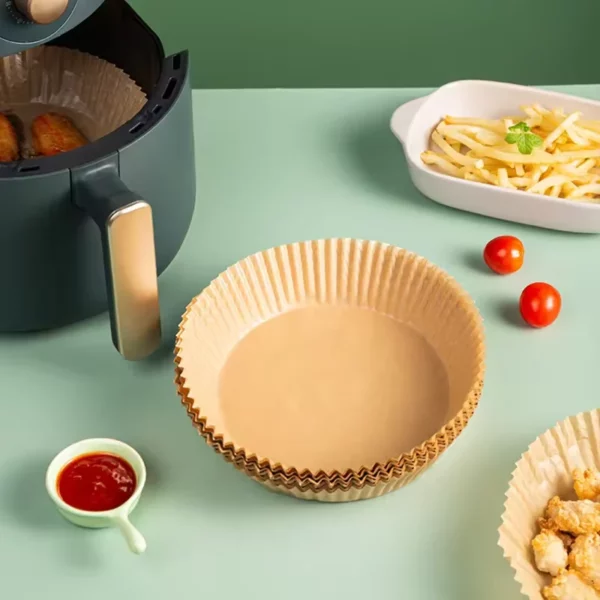
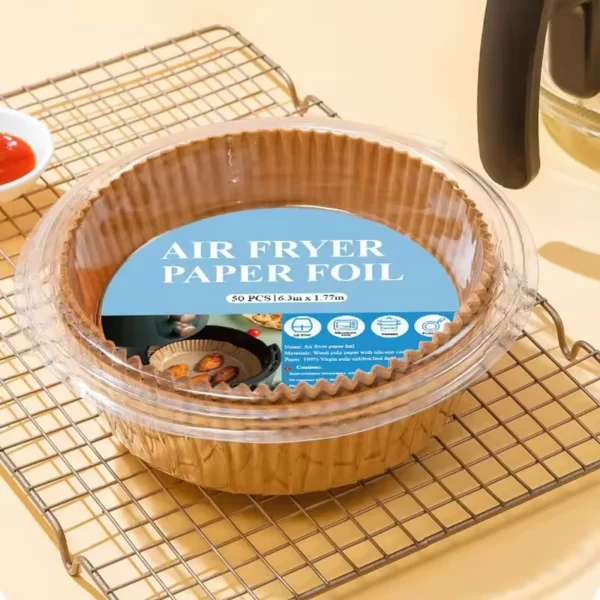
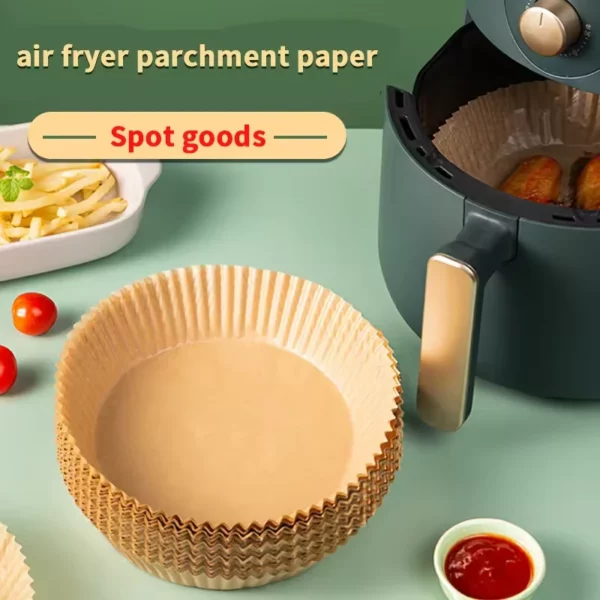
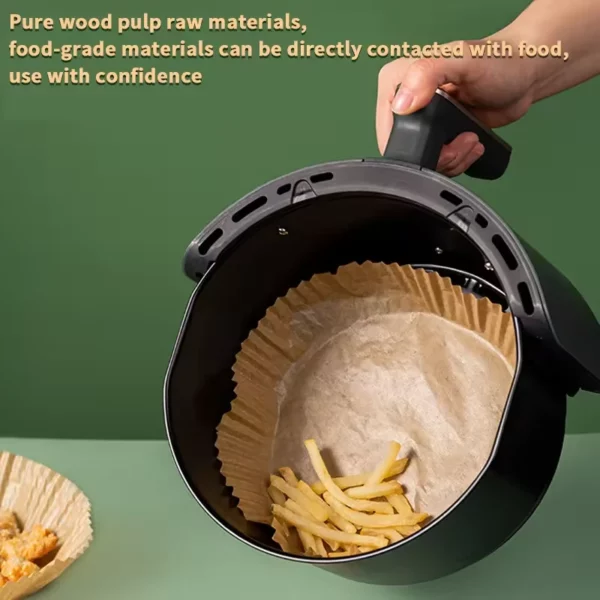
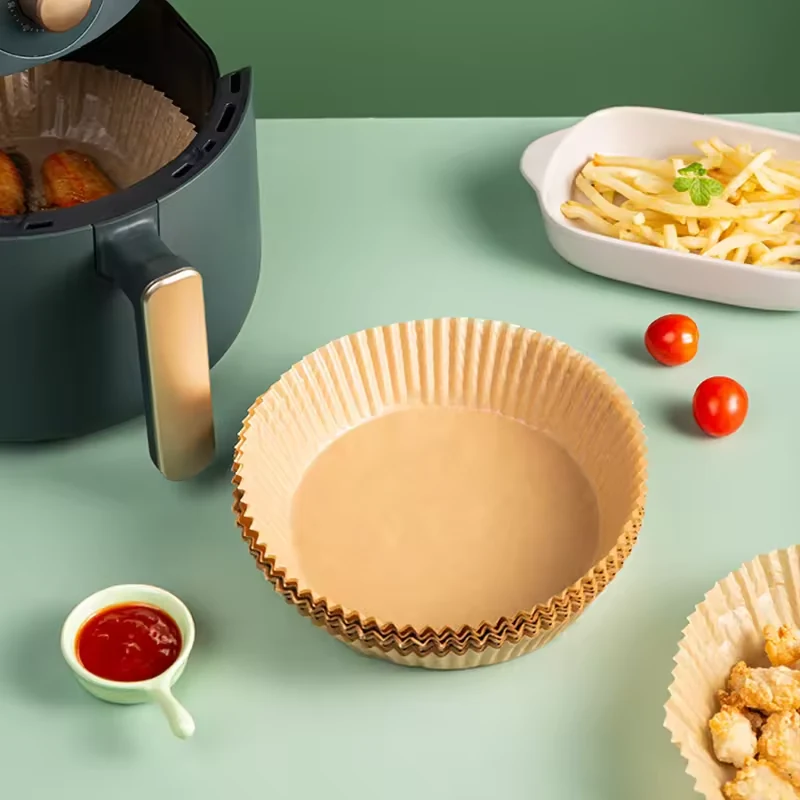
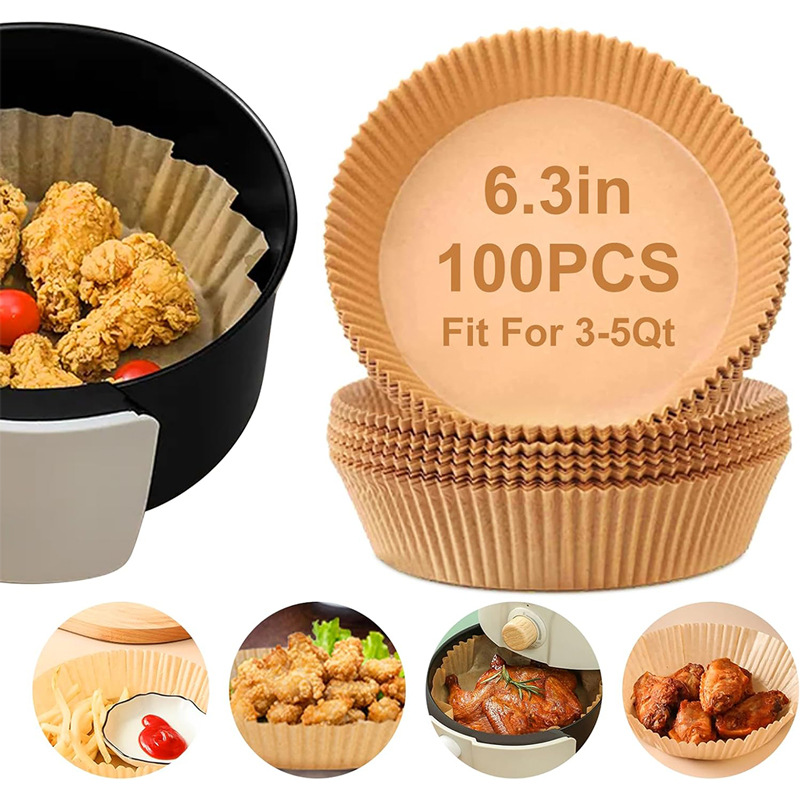
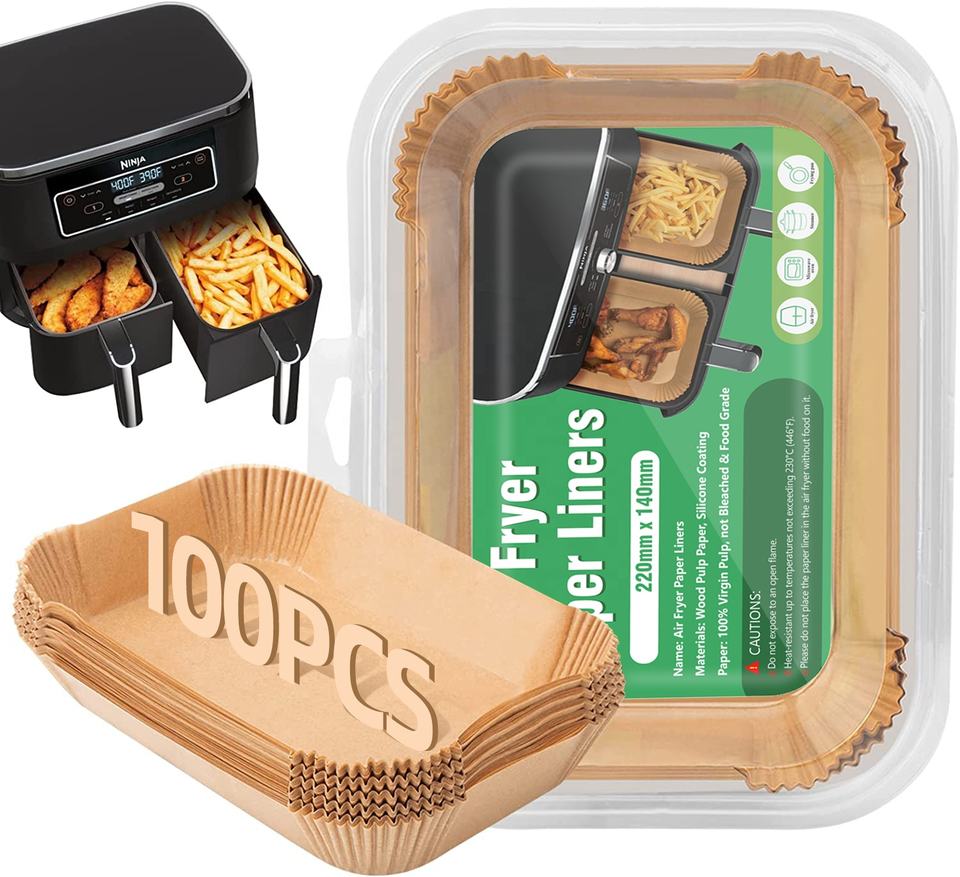
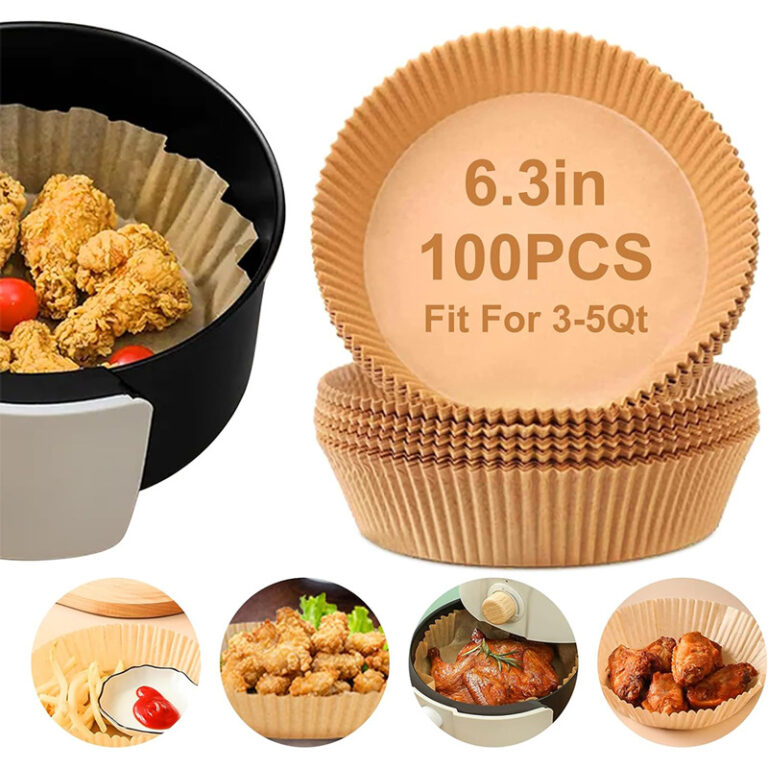
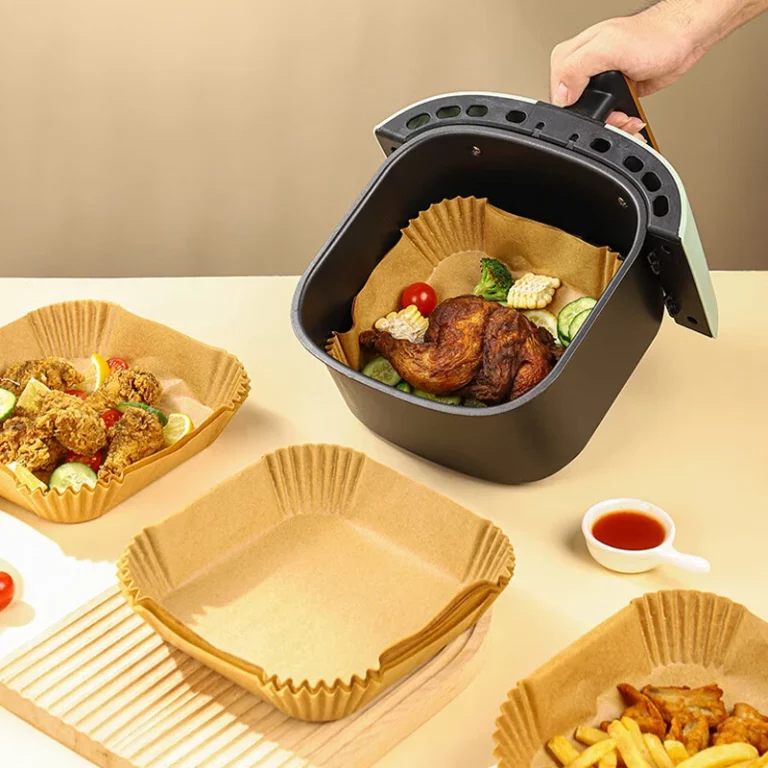
Holidaypac 8 inch round air fryer paper liners are disposable parchment inserts for buyers planning a clear, practical kitchen accessory range. This product is presented in a 50-piece brown format, using unbleached wood-pulp paper with a silicone coating on both sides. Its bowl-like profile places a paper barrier beneath food and around the lower sides of a suitable basket. The raised rim helps contain crumbs and cooking residue, while the round shape avoids the need to fold a flat sheet into a curved space.
The nominal 8-inch description refers to the approximately 20 cm, or 7.9-inch, inner-diameter option. The rim height is approximately 4.5 cm. These measurements should guide your sample selection; they do not mean that every appliance sold with an 8-inch basket or a particular quart capacity will fit. Measure the usable cooking area and check the appliance instructions before choosing a liner. Confirm the upper diameter as well as the base when your basket narrows toward the bottom.
For importers, kitchenware retailers and private label teams, the commercial value comes from combining the liner with a pack that customers can understand immediately. State the piece count, dimensions, intended use and instructions clearly. Holidaypac can discuss printed inserts and custom outer packaging alongside the paper product. Explore our broader air fryer liner range when your collection also needs smaller, square or rectangular formats.
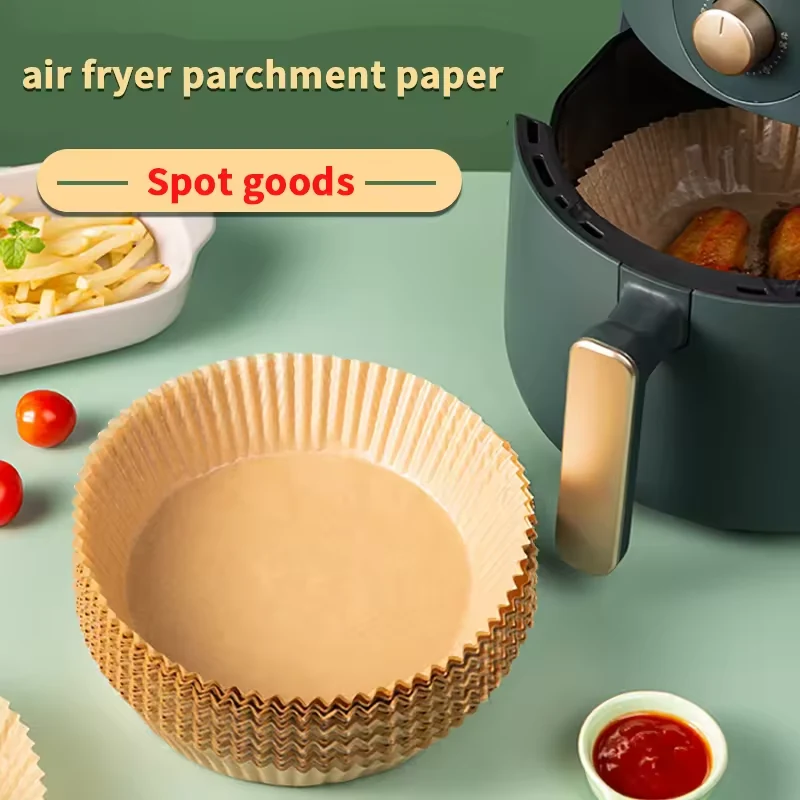
The paper construction combines a wood-pulp base with a silicone release coating on both faces. That coating supports food release and resistance to grease and moisture during the intended cooking process. It is a disposable paper liner, rather than a washable silicone basket. The distinction matters when you write instructions, describe the product on your own packaging and explain to shoppers how the liner should be handled after use.
Pleated sides give the paper its rounded profile and help it nest into a stack for packing. The base supports food while the rim provides a limited barrier around the edge. A paper liner is not a rigid cooking dish: keep it supported by the appliance basket and do not use the paper alone to carry a heavy or liquid-filled meal. Whether a particular recipe works well should be assessed with the actual food, appliance and cooking method.
Choose paper weight as part of the agreed order specification. The final quotation and approved sample should identify the basis weight, coating, dimensions and packing together. A photograph cannot establish paper weight, and a thicker paper is not automatically the best option for every basket or food. Buyers comparing food-paper formats can also review our parchment paper collection and ask the team which construction matches the intended application.
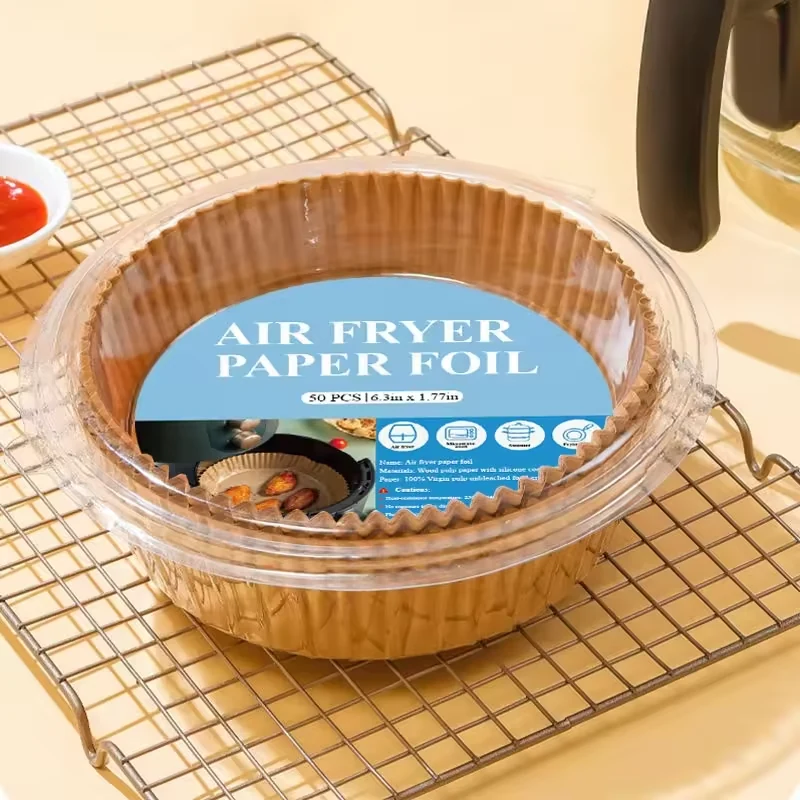
A 50-piece pack gives retailers a straightforward count to communicate on a shelf label or online product page. It also provides a useful unit for comparing quotations, provided that all suppliers quote the same liner dimensions, paper construction and outer packaging. Specify whether your requested quantity means individual liners, retail packs or shipping cartons. For example, 100 packs of 50 liners means 5,000 individual liners; the distinction should remain consistent from quotation to packing list.
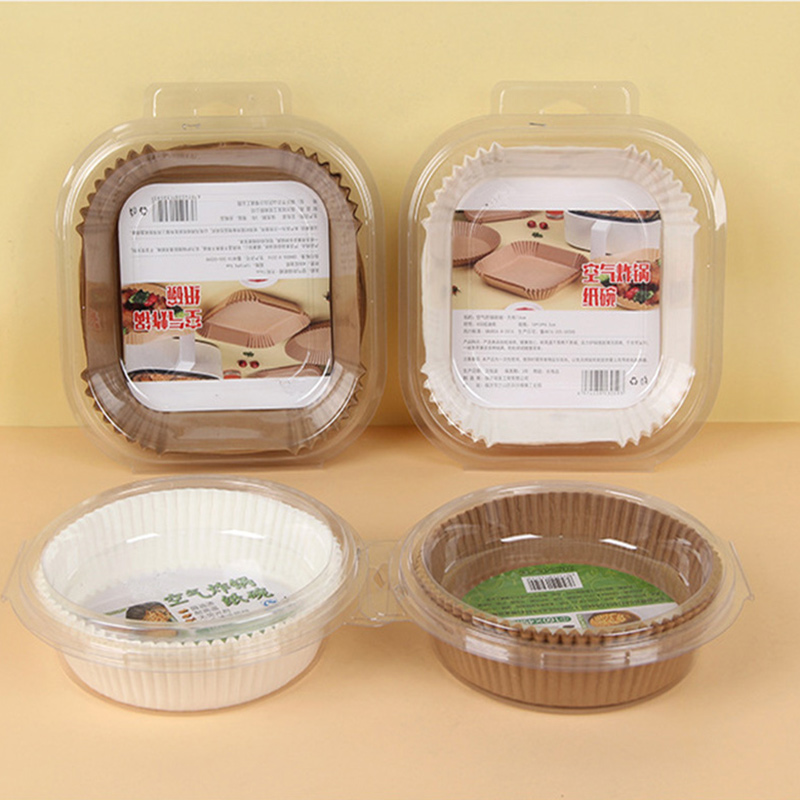
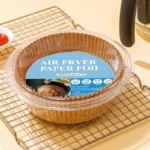
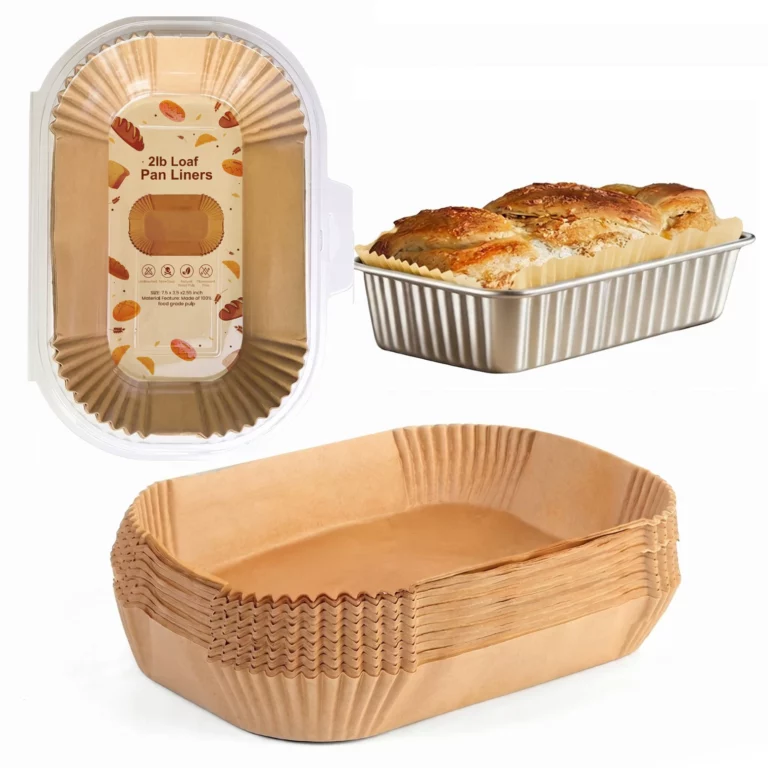
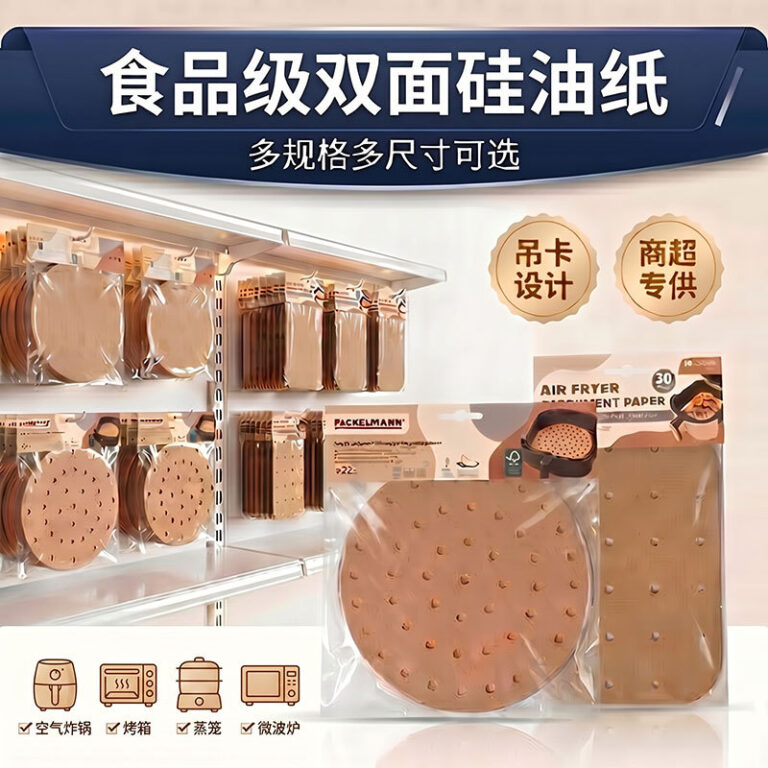
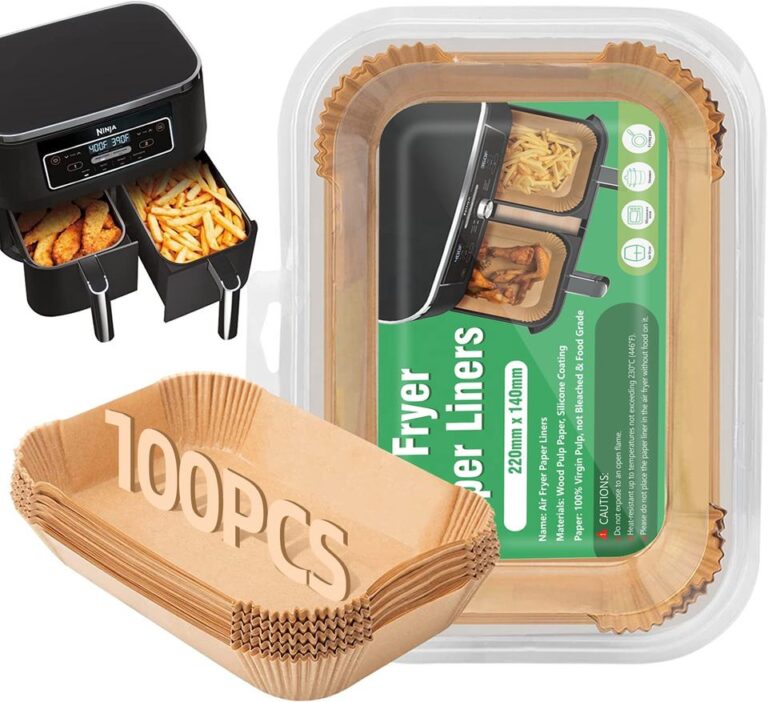
The packaging photograph illustrates a clear pack with a printed insert. Your final retail presentation can be discussed with Holidaypac according to the approved sample, desired branding and destination market. Supply your logo, artwork files, languages, count statement and barcode information early. A well-planned insert leaves enough room for legible instructions and measurements without making the front panel difficult to read. The pack design should identify what the customer actually receives.
For an ecommerce project, agree the packed dimensions and protection needed for parcel handling before deciding how many packs go into a master carton. For a retail project, consider shelf depth, visibility of the product and where the barcode can be scanned. Holidaypac can coordinate the liner and its presentation as part of one packaging brief. See our custom retail-box liner options for a different outer-pack direction.
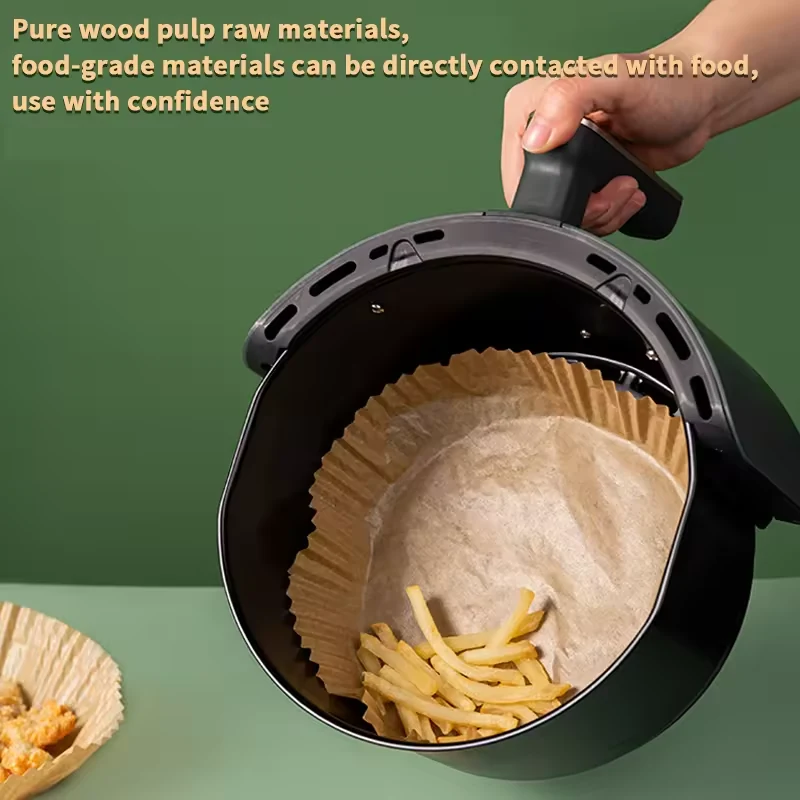
Use parchment in an air fryer only when the appliance instructions permit it. Fit and airflow matter as much as the paper itself. The liner must sit securely without touching the heating element or extending into areas that interfere with the appliance. Place food on the liner before cooking so it cannot lift in the circulating air. Do not preheat with an empty liner, and do not place paper directly against an exposed heating element.
The product specification gives a heat-resistance reference of up to 230°C / 446°F for 20 minutes. This is a time-and-temperature condition, not a promise of unlimited use at that temperature or compatibility with every air fryer. Follow the lower limit required by the appliance, recipe and confirmed liner specification. If your cooking process differs, request a sample evaluation before placing a repeat production order. Do not treat ordinary wax paper as an interchangeable substitute.
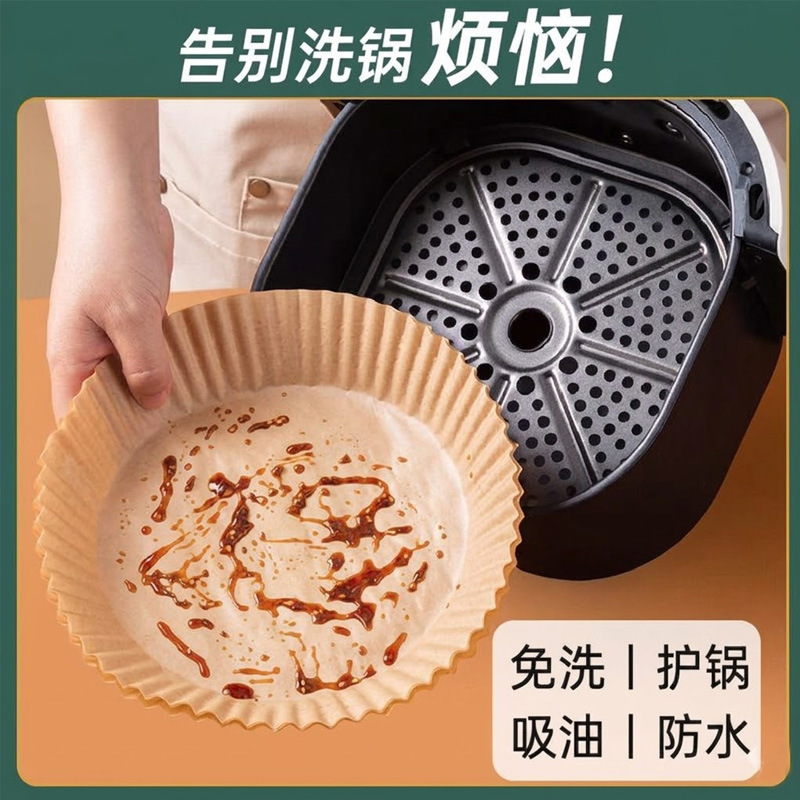
A solid paper base can change how air reaches the underside of food. Test the result with the intended menu instead of assuming that lined and unlined baskets cook identically. Keep food suitably distributed and follow the appliance guidance. Allow the basket and contents to cool enough for safe handling, remove the used liner carefully and clean the appliance as directed. Liners can reduce residue on covered areas, but they do not remove the need for normal kitchen cleaning.
| Brand | Holidaypac |
|---|---|
| Product | Disposable round air fryer parchment paper liners |
| Featured colour and count | Brown unbleached paper; 50 pieces per pack |
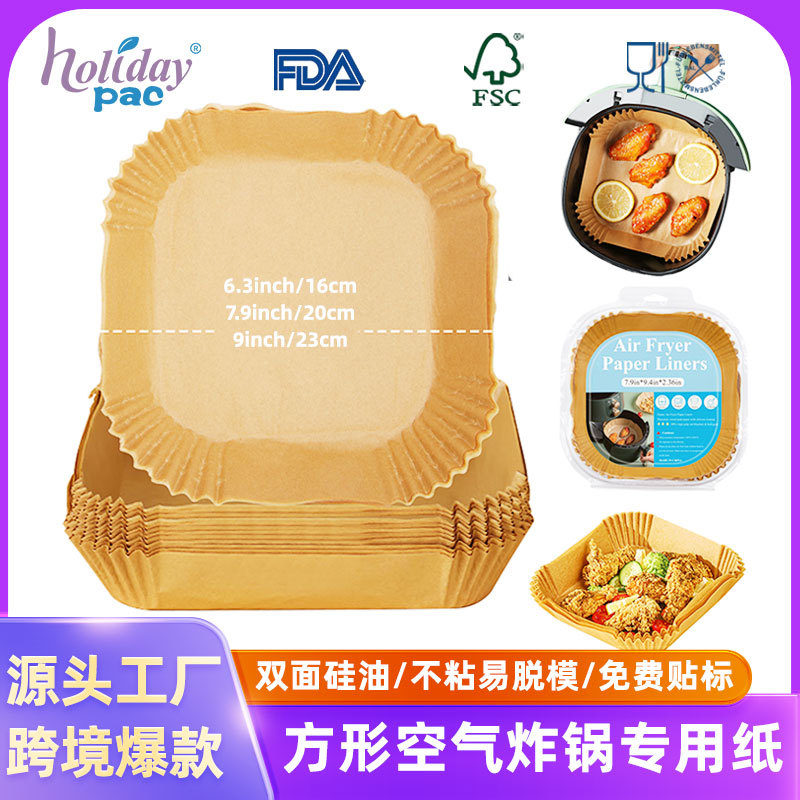
| Nominal size | 8 inch; approximately 20 cm / 7.9 inch inner diameter |
| Rim height | Approximately 4.5 cm / 1.77 inch |
| Material | Wood-pulp parchment with double-sided silicone coating |
| Paper weight | Confirm the agreed basis weight in the quotation and sample |
| Heat-resistance reference | Up to 230°C / 446°F for 20 minutes; follow the lower appliance or product limit |
| Customization | Outer packaging, printed inserts and labels by agreement |
| MOQ and lead time | Quoted for the confirmed size, quantity, pack and schedule |
| Documents | Request applicable food-contact documentation for your destination market |
Start with the basket you want your customer to use. Record its internal base diameter, the width higher up the sides and the available height below the heating area. A nominal appliance capacity in litres or quarts does not tell you all three measurements. Two appliances with the same stated capacity can have different basket shapes. A simple dimensioned sketch helps the factory assess fit and helps your sales team avoid making a universal compatibility claim.
Then define the exact item within your range. This page focuses on the brown 50-piece, nominal 8-inch round format. Other colours, counts and dimensions should be treated as separately agreed options. If you need both 50-piece and 100-piece packs, give each its own stock reference and label artwork. Using consistent names across purchase orders, cartons and online listings makes receiving and repeat ordering easier for everyone involved.
Ask for a physical sample and compare it with your basket and pack requirements. Check whether the liner sits flat, whether its upper edge stays in the permitted area and whether individual pieces separate cleanly from the stack. Review the pack closure and the legibility of the insert. When you approve a sample, record what was approved so that a later reorder is based on the same dimensions, paper specification and presentation.
A sample review works best when purchasing, product and operations teams agree what they are checking. Begin with visible construction: shape, pleats, edge condition, colour consistency and pack count. Inspect several pieces rather than relying on one photograph. Record the measuring method and use the same method for incoming goods. A rounded paper product can flex during handling, so the agreed measurement points should be clear.
Next, review the intended application within the instructions of the appliance and the liner. Use representative foods and realistic cooking conditions. Observe food release, residue, edge behaviour and the effect on your preferred cooking result. Do not turn a single successful kitchen trial into a claim covering every recipe, temperature or appliance. If your customer requires a particular performance statement, agree the supporting evaluation and wording before printing the retail pack.
Finally, review the commercial pack as a finished item. Count the liners, check the insert orientation and make sure the barcode identifies the correct size and count. Inspect the pack after the handling conditions relevant to your distribution route. Report any changes needed in one consolidated list. This gives the production team a clear basis for revising the sample and helps prevent artwork, packing and liner specifications from drifting apart.
A useful private label brief explains who will buy the product and how it will be sold. Tell Holidaypac whether the range is for a supermarket shelf, kitchenware store, online marketplace, appliance bundle or foodservice customer. Include the destination country, preferred languages and the required pack count. These choices influence the size of the information panel and how much protection the outer packaging needs.
Provide the logo in a suitable artwork format and identify any brand colours that need controlled reproduction. Keep the product name and size easy to distinguish from promotional claims. If you want instructions, barcode labels or fulfilment labels applied, supply the final approved information and clarify where each item belongs. Any product-contact printing needs its own suitability review; printed outer packaging and direct printing on a cooking liner are different specifications.
Before production, compare the artwork with the agreed physical sample. The photograph, quantity statement, material description and dimensions should all describe the same SKU. Avoid placing broad environmental or certification logos on a pack unless the exact product and intended use are supported by the necessary documents. A short, accurate pack description is more useful to a buyer than a long list of claims that cannot be tied to the delivered goods.
Holidaypac expresses its material philosophy as From Nature, Back to Nature. For a food-paper project, that principle starts with practical decisions: select a suitable paper construction, use an appropriate size and plan the outer packaging around the product. Responsible packaging is a design and purchasing discipline. It calls for clear information about materials and realistic expectations about how the product will be used and handled after use.
The brown unbleached appearance is one aspect of this liner; it does not by itself establish a recycling route or a compostability claim. Coatings, food contamination and local collection systems affect disposal. Buyers should agree any environmental statement and its supporting documents before using it on retail packaging. We present the brand philosophy as a commitment to thoughtful material choices, without assuming that every paper product has the same end-of-life pathway.
Our approach also values useful innovation, clear communication and working together over the life of a project. A liner, an insert and a carton should form a coherent product that is easy to understand and reorder. Learn more about Holidaypac and our packaging service, or bring the team a brief that combines food paper with other packaging needs. Good service includes resolving details before they become avoidable work for the customer.
To request a quotation, share the desired liner size, colour, count per pack, estimated pack quantity, packaging type and delivery destination. Identify any artwork, barcode or documentation requirements at the same time. Ask for the quotation to distinguish the paper product, printed packaging, sampling and freight where applicable. This makes it easier to compare options and see which changes affect the total project cost.
Agree the order minimum and production timing for your selected configuration. Stock formats, new artwork and custom packaging may have different requirements. Treat a previous quotation as a reference until the current quantity, materials and schedule are confirmed. If you have a launch date, include time for sample review, artwork corrections, production, transport and receiving rather than counting only the manufacturing period.
For repeat orders, keep the approved specification, artwork version and packing plan together. State the number of liners per retail pack and the number of packs per carton in both words and numbers where helpful. Confirm carton markings and any warehouse receiving labels. If a later order changes the count or size, update the identification clearly. A controlled reorder file helps the buyer and factory maintain continuity without relying on memory.
Food-contact documentation should be reviewed for the exact paper, coating and intended use supplied. Tell the team your destination market and the conditions under which the liner will contact food. Request the relevant reports or declarations for review as part of the purchasing process. The presence of a general company certificate does not automatically establish every claim for a particular liner, pack or cooking application.
Keep the product specification separate from general marketing language. A useful record identifies the material, coating, dimensions, agreed paper weight, count, packaging and stated use limits. Your retail instructions should remain consistent with that record. If a customer needs a specific statement about a restricted substance or environmental property, ask for suitable evidence before including it in artwork or a product listing.
Traceable communication also makes problems easier to resolve. Retain the order reference, approved sample details and relevant packing information. When giving feedback, explain which pack or batch was examined and describe the issue concretely. Photographs and measurements can support the discussion, but they should be linked to the correct item. The objective is a product that your team can describe accurately, receive confidently and reorder with a clear specification.
They are made from wood-pulp parchment paper with a silicone coating on both sides. The featured format is brown unbleached paper with a pleated, raised rim. It is a disposable paper product rather than a reusable silicone bowl. Confirm the agreed paper weight and final material specification with your quotation and sample.
The nominal 8-inch option corresponds to an approximately 20 cm / 7.9-inch inner diameter, with a rim height of about 4.5 cm. Confirm the base and upper dimensions against your basket before ordering. Do not assume that a basket’s advertised capacity or a rounded size description guarantees a fit.
The featured configuration contains 50 liners per retail pack. If you want a different count, specify it separately in the enquiry and artwork brief. Order quantities should state whether they refer to individual liners, packs or cartons so that prices and packing lists use the same unit.
Only where the appliance manufacturer permits it and the paper is suitable for the intended time and temperature. Keep it clear of the heating element, secure it with food and follow the appliance instructions. Some models advise against paper liners, so a general product name is not a compatibility guarantee.
No. An unsecured liner can lift in circulating air and reach the heating element. Add the liner with sufficient food to keep it in place only when the appliance instructions allow this use. Keep the paper within the permitted basket area and stop using any configuration that interferes with safe operation.
The stated product reference is up to 230°C / 446°F for 20 minutes. It combines a temperature with a time condition; it should not be interpreted as unlimited heat exposure. Follow any lower appliance or product limit, and confirm the agreed specification before developing instructions for your own retail pack.
No. These are silicone-coated parchment paper liners intended for single use. Wax paper has a different coating and should not be substituted for heat-rated parchment. A reusable silicone basket is a separate product with its own instructions, cleaning requirements and dimensions. Describe the material accurately on your customer-facing packaging.
Yes, custom outer packaging and printed inserts can be discussed for your order. Send the logo, pack count, languages, barcode information and destination requirements. Label application and fulfilment details should be agreed before production. The approved artwork and physical pack sample should match the exact liner configuration being supplied.
Request the current MOQ and lead time for your chosen liner size, count and packaging. These depend on the order configuration and production schedule. Include your desired delivery date and destination so the quotation can distinguish production timing from transportation and leave time for sample and artwork approval.
Yes. Share the intended basket dimensions and preferred pack format so the sample request is specific. Sample charges and shipping are confirmed for the destination. Evaluate fit, construction, product information and packing together, then retain the approved details as the reference for the bulk order.
No. Brown colour and a paper base alone do not establish either claim. Coating, food residue, the available collection system and supporting product documentation all matter. Confirm any environmental wording before putting it on a pack, and follow the disposal instructions applicable to the destination market.
Use the enquiry link and state: nominal 8-inch round brown liners, 20 cm inner diameter, 4.5 cm rim, 50 pieces per pack, your required number of packs and destination country. Add any custom packaging requirements. Holidaypac can then confirm the material, sampling, packing, pricing and timing for your project.
Share your basket dimensions, required number of packs, packaging artwork and destination. Holidaypac will help confirm a workable specification and quotation.
Request a Quote or Sample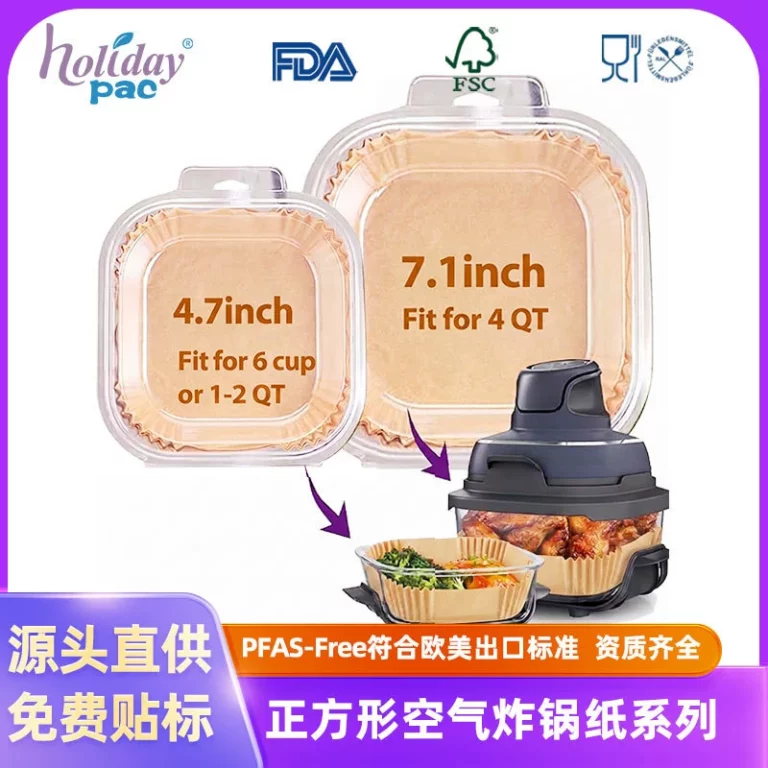
 Cassie LanFounder, HolidayPac · Leave a message
Food packaging, paper bags and food service paper for your next project.
Leave your request anytime. Our sales team will reply with pricing, samples and production details.
Tell us what you're packaging and we'll ship a physical sample plus a free 3D mockup within 24 hours — no cost, no obligation.
We've received your inquiry and our team will get back to you within 24 hours.