Door to Door service
Welcome to Holidaypac Packaging Solutions Factory!

tiger@holidaypac.com

+86 136 5233 6188
Welcome to Holidaypac Packaging Solutions Factory!


tiger@holidaypac.com
+86 136 5233 6188
Custom Bakery and Confectionery Packaging
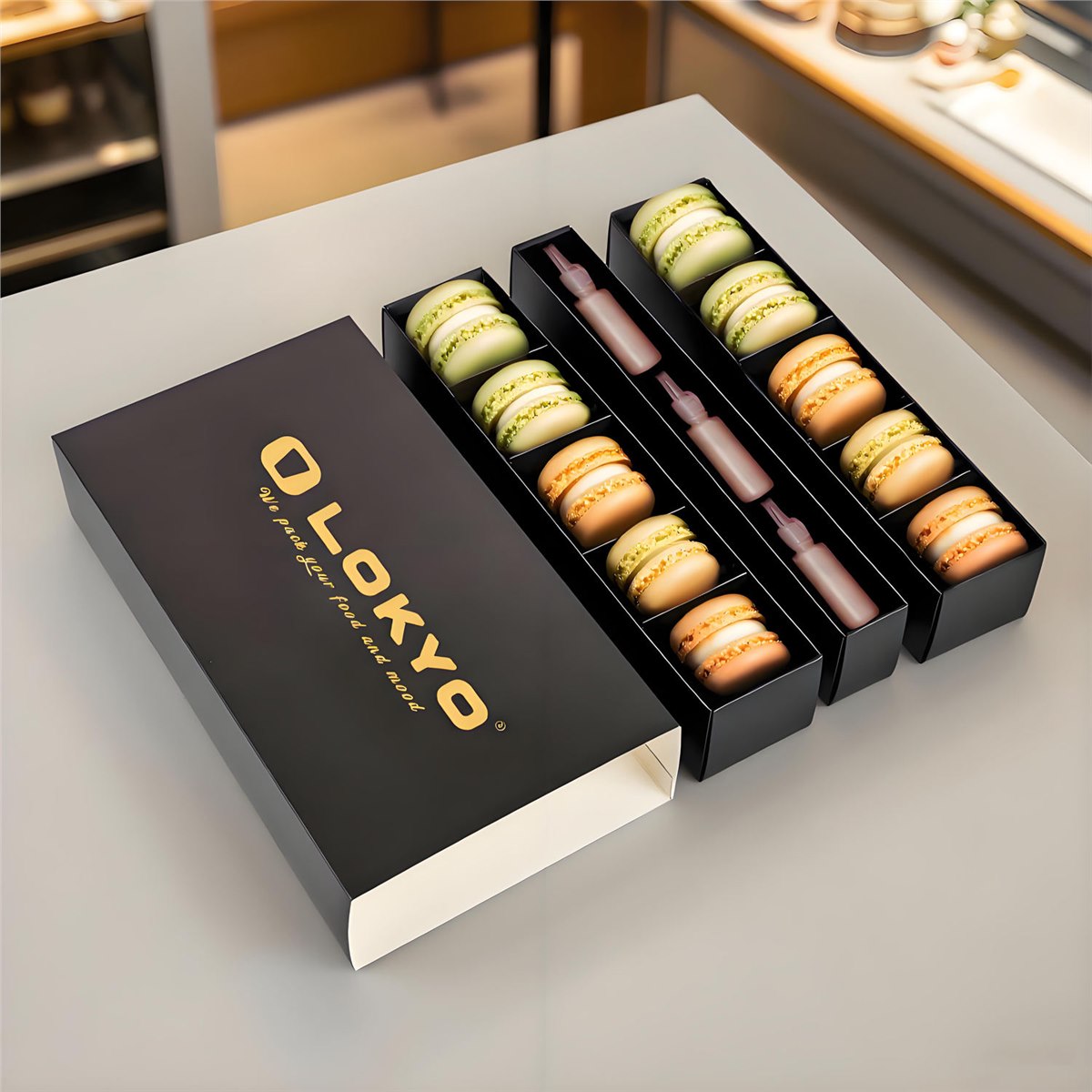
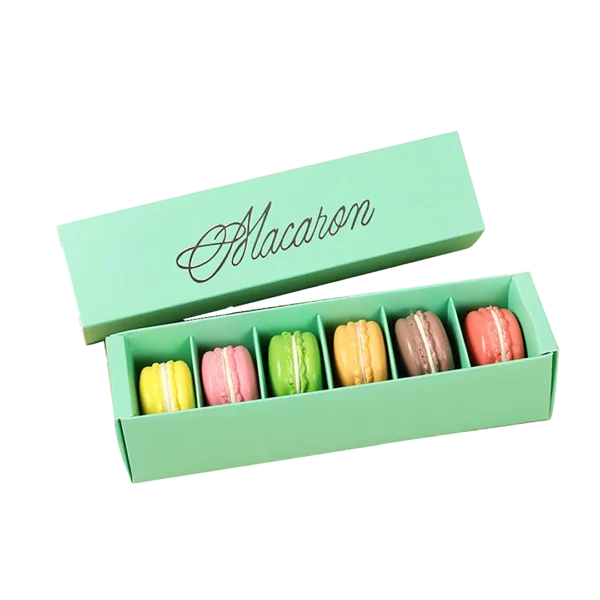
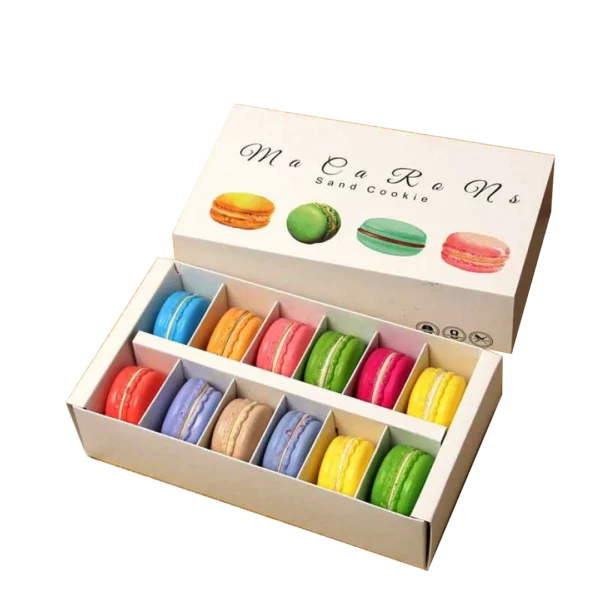
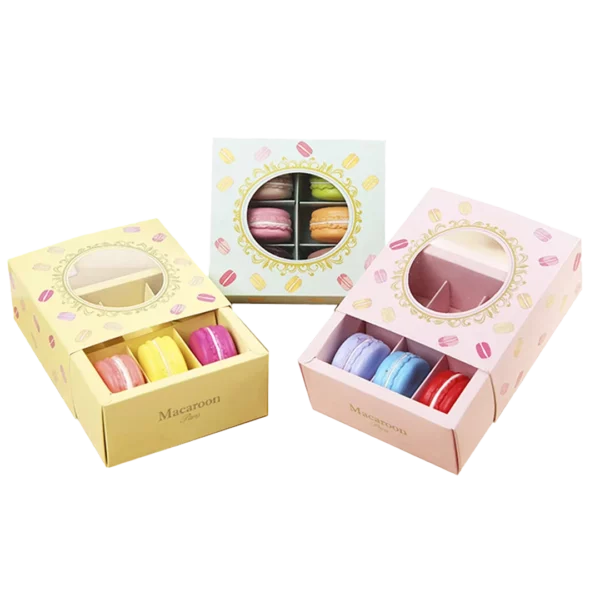
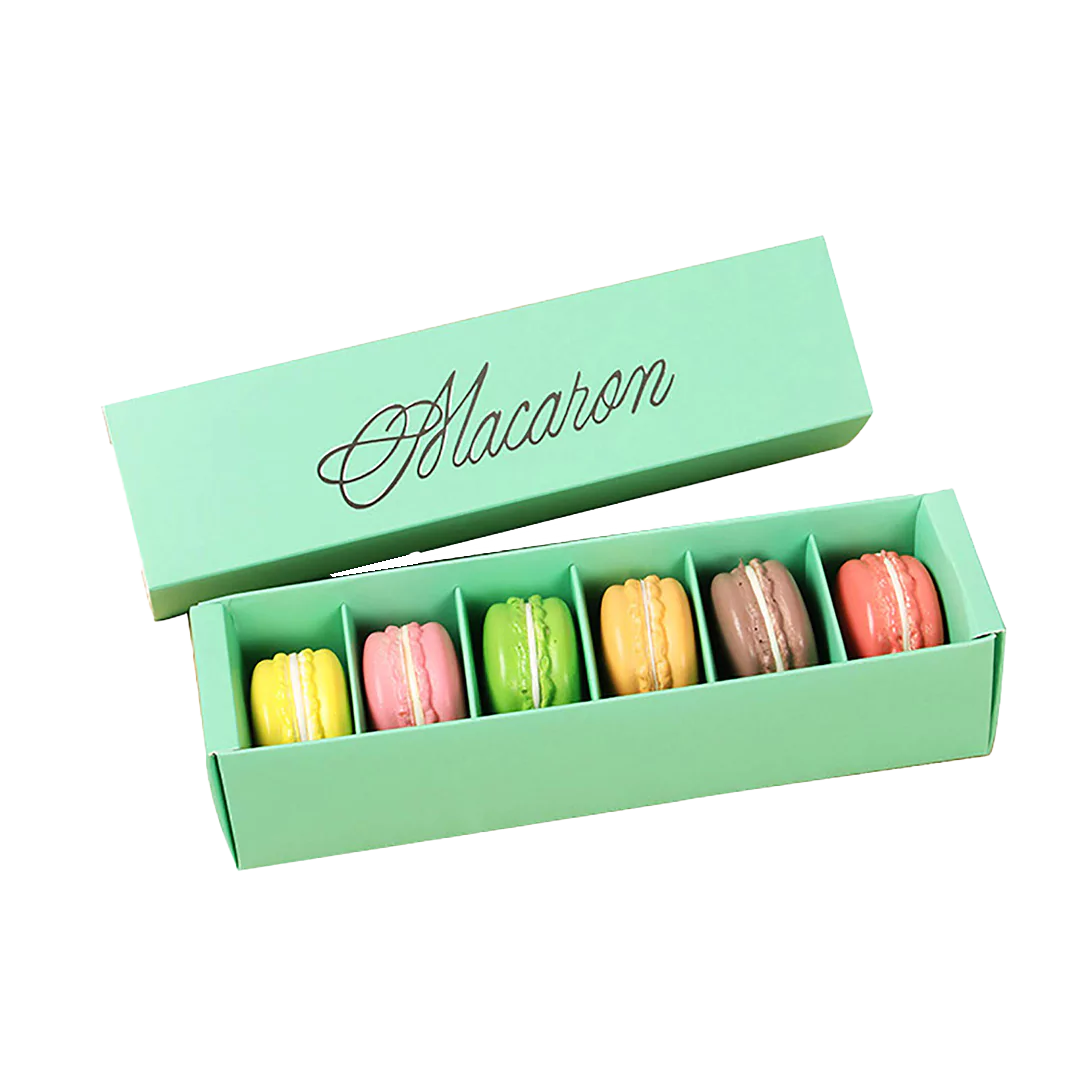
Protect a delicate assortment and present it with intention using custom macaron boxes with inserts. Choose individual cavities, divided trays, long channels or a windowed presentation, then adapt the box dimensions, artwork and finish around the real product. Holidaypacfactory supports packaging development for bakeries, confectionery brands, gift programs and retail launches.
This product page is focused on box-and-insert options rather than a single drawer construction. Compare formats in our Cake Box collection, then share the macaron size, quantity, preferred layout and delivery market to begin a practical specification discussion.
Explore Related Packaging
Macaron Packaging Guide 01
A macaron is small, colorful and fragile, so its packaging has to do more than hold a number of pieces. A well-planned insert gives every confectionery item a defined place, helps prevent pieces from knocking together during normal handling, and makes the assortment easy to understand at a glance. This custom macaron box with inserts is intended for bakeries, confectionery makers, dessert brands and gift businesses that want the product arrangement to feel deliberate from the first view to the final bite.
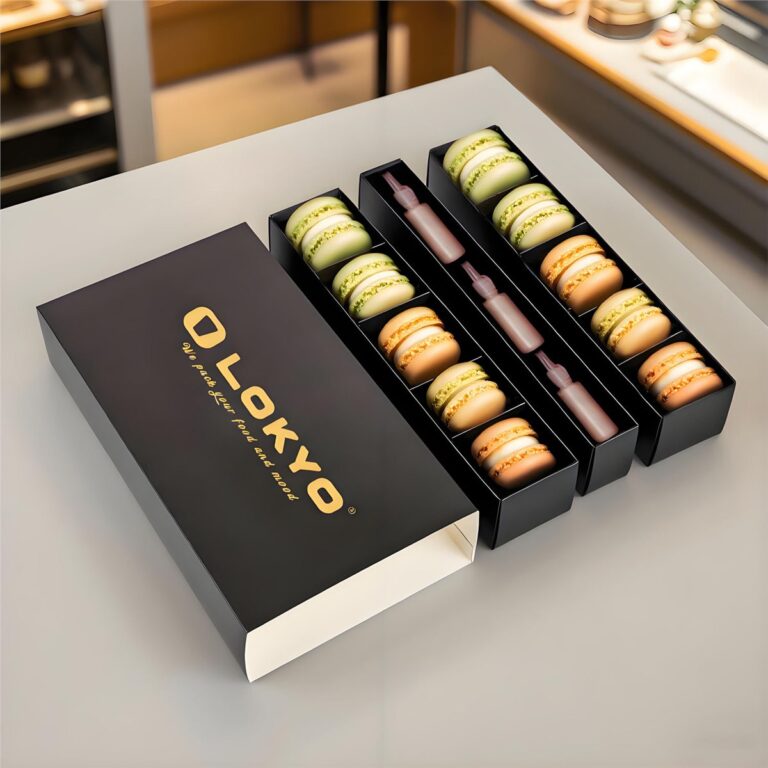
The outer box and inner support should be planned as one system. The box sets the overall silhouette and brand presence; the insert controls spacing, orientation and removal. Depending on the assortment, the layout may use individual wells, a long channel, a multi-row tray or a window-facing arrangement. The final dimensions and material choices should be confirmed against the real macaron size, filling height, quantity and packing method rather than copied from a generic template.
Macaron Packaging Guide 02
Individual cavities are useful when each macaron needs its own defined position. The cavity size can be developed around shell diameter and finished height, with enough room for staff to load the product without squeezing it. A snug fit can help keep the display orderly, while a carefully considered finger space or lift point makes removal more comfortable. The exact balance depends on the macaron recipe, shell texture and whether the set is packed by hand or through a repeatable packing line.
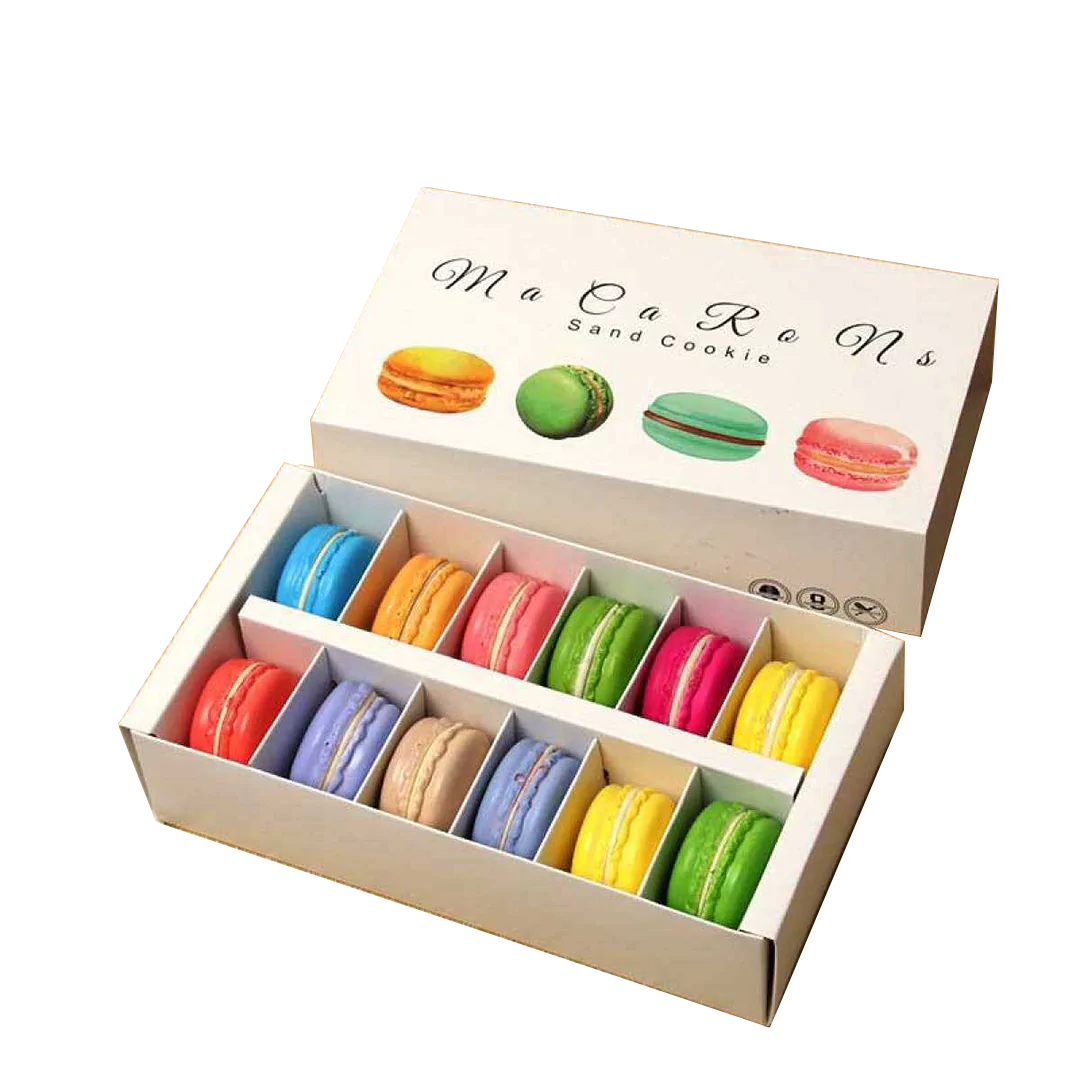
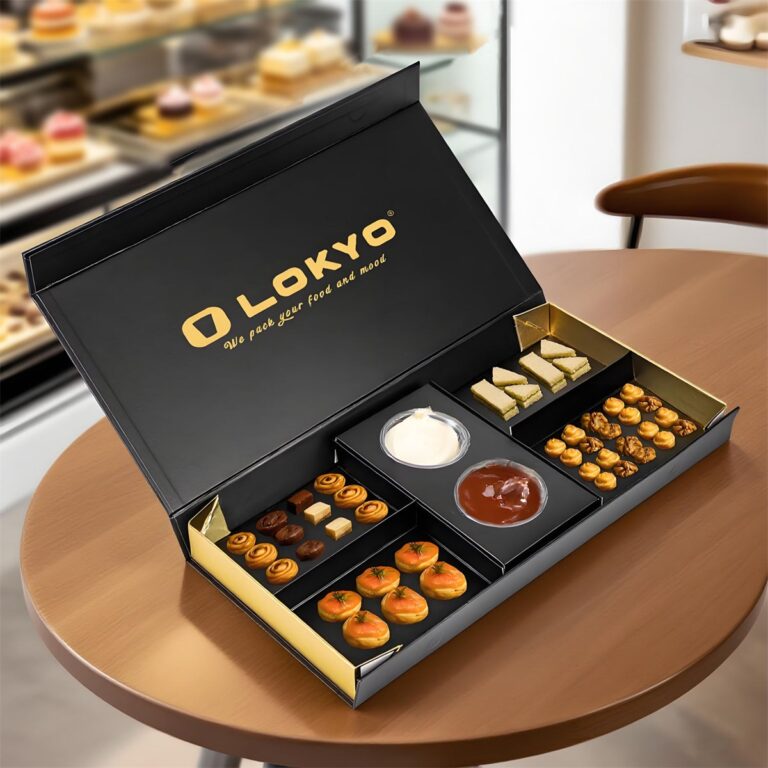
A long channel or divided strip can be a better fit for a compact tasting set, a single flavor family or an elongated retail pack. Several short rows can create a generous gift assortment and give each flavor a clear place. Inserts may also be designed to separate different colors or varieties without adding unnecessary visual clutter. Before approving a layout, test a filled sample in the intended orientation and check that products remain seated when the box is lifted, carried and set down.
Macaron Packaging Guide 03
A folding carton can be a practical choice for lightweight retail packs and bakery counter programs. A rigid presentation box can create a more substantial gift experience, while a sleeve, drawer or lid-and-base construction offers a distinct opening sequence. Window formats let a customer see color and arrangement before purchase, provided that the window position does not weaken the structure or leave the macarons exposed to avoidable handling. Each style can be evaluated against the target price point, display method and expected distribution route.
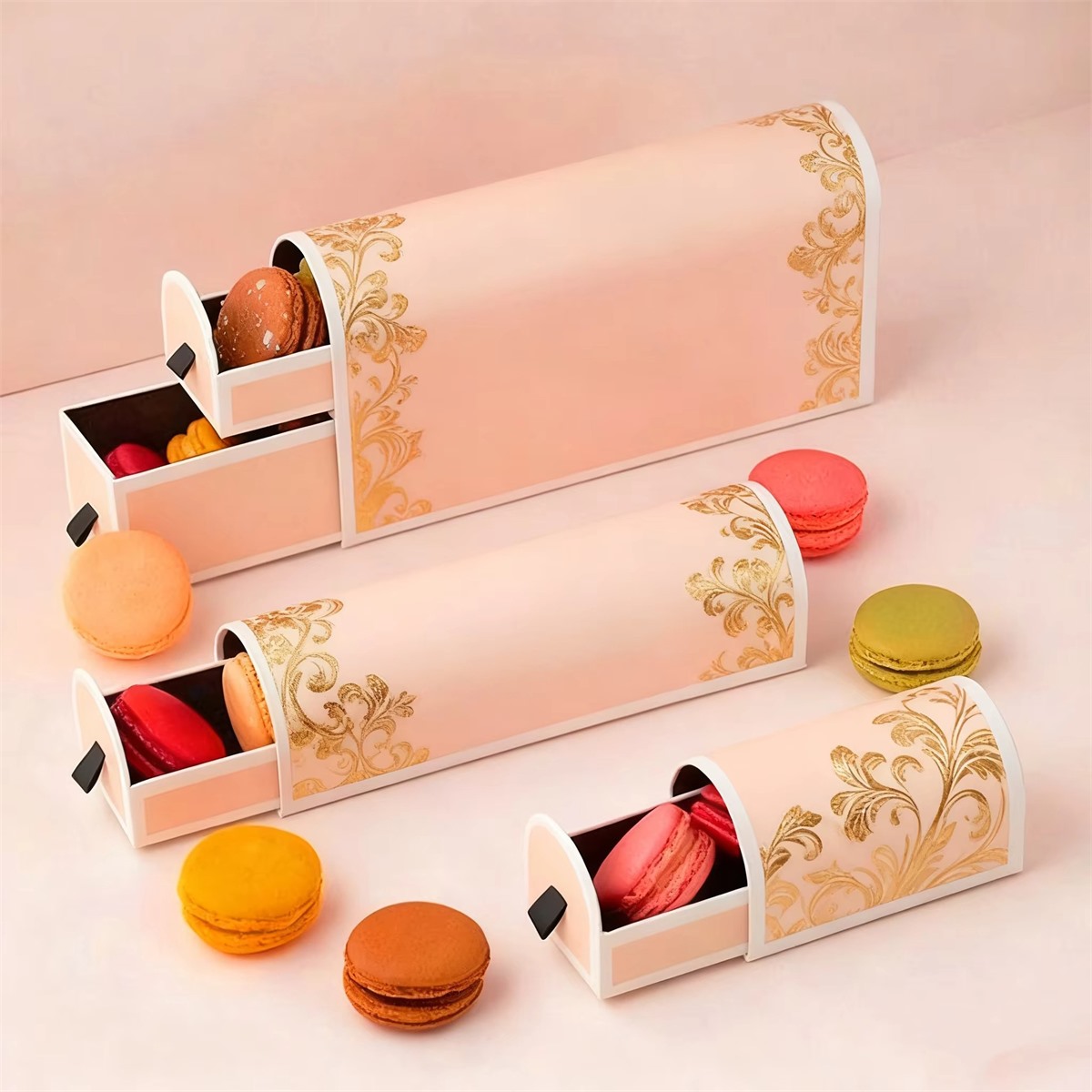
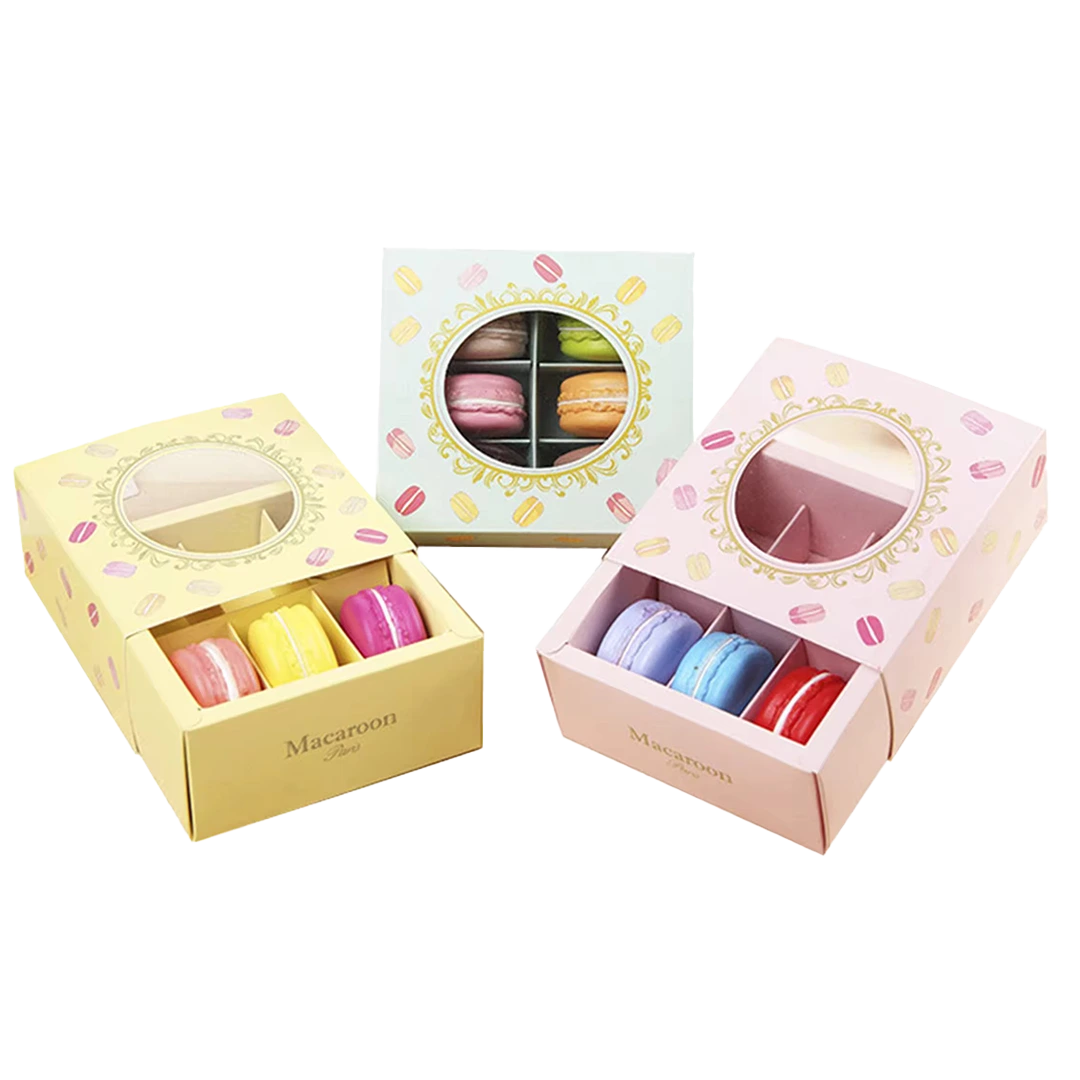
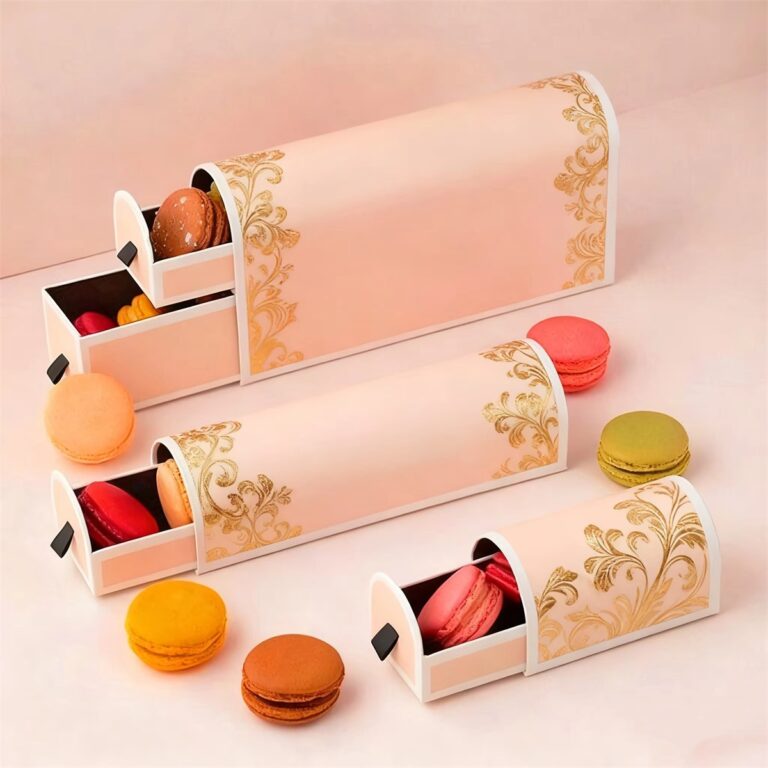
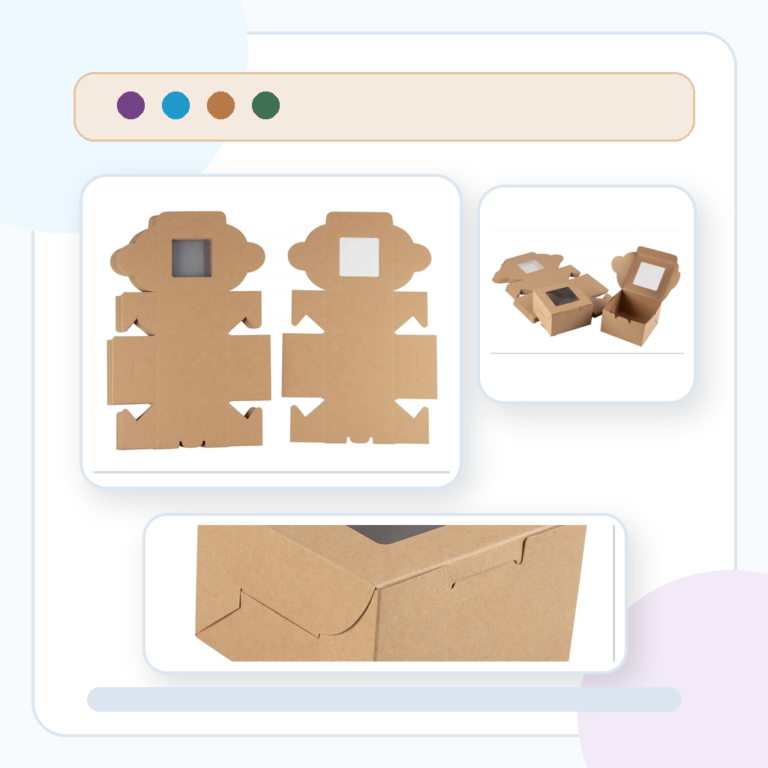
The photographs show a range of presentation directions, but the finished design does not have to reproduce any one pictured artwork. A buyer can choose a clean tuck-top format for quick packing, a box with a clear viewing panel for product visibility, or a more gift-oriented construction with a separate tray. The closure should be easy for bakery staff to assemble and secure, and the opening should feel intuitive to the person receiving the box. Samples are the best way to compare those details before a larger order.
Macaron Packaging Guide 04
Macarons vary in diameter, height and filling profile. Even products from one recipe can differ slightly between production batches, so insert planning should begin with representative finished pieces rather than nominal baking dimensions. Measure the widest point across the shells and the overall height after filling. If the macarons are individually wrapped, include the wrap thickness and any fold or seal that may affect the fit. Share the desired count per pack and whether the set should be arranged in one or multiple layers.
For a useful sample review, load the actual product into the insert and close the box using the intended method. Confirm that the lid or sleeve clears the tallest piece, that neighboring cavities do not press against one another and that staff can remove a macaron without damaging its shell. Also consider the movement that can occur in delivery. A layout that looks attractive on a studio table may need small clearance or support adjustments to remain practical in a packed case.
Macaron Packaging Guide 05
Paperboard, wrapped rigid board and formed inner supports each behave differently. The right combination depends on box style, desired stiffness, print quality, order quantity and packing conditions. A carton that will be assembled and filled at a bakery may need different handling characteristics from a rigid gift box packed at a production facility. Buyers should describe how the package will be stored, filled, displayed and shipped so the construction can be assessed around real use rather than appearance alone.
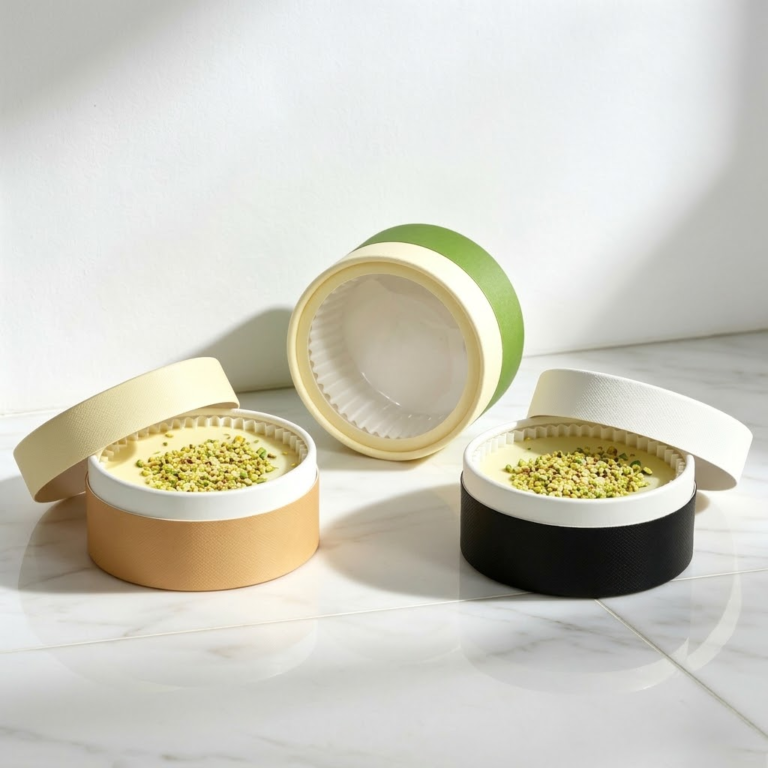
The box and insert should not be assumed to be suitable for direct food contact unless that has been specifically confirmed for the selected materials and market. Many confectionery programs use a separate food-contact liner, cup, wrap or tray between the product and the printed outer packaging. If direct contact is required, identify the destination market and applicable requirements early in the project. Material documentation and testing needs should be reviewed with the packaging supplier before a production specification is approved.
Macaron Packaging Guide 06
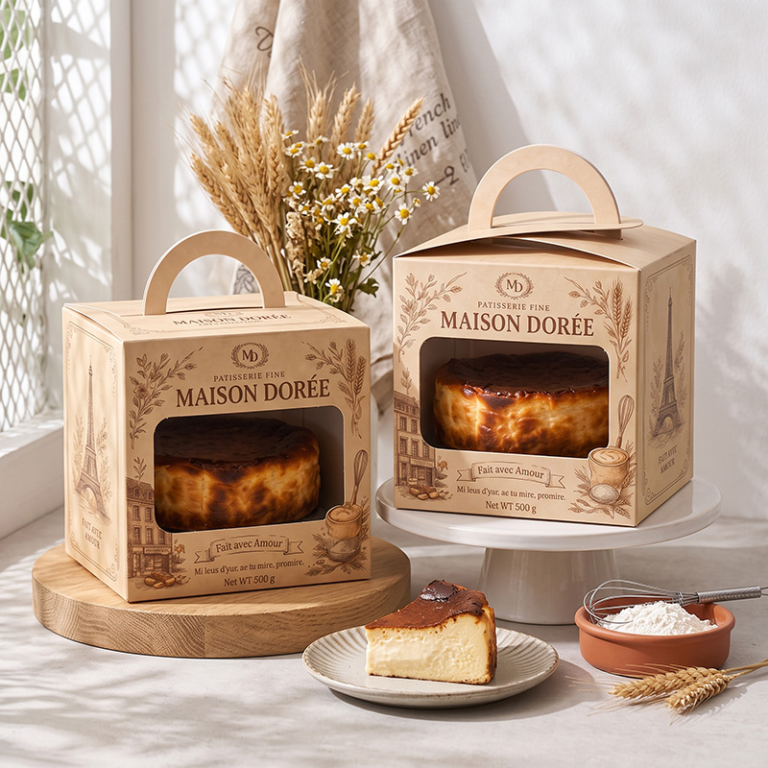
A clear window can help shoppers recognize the colors and count of a macaron assortment without opening the pack. It works particularly well for bakery counters, seasonal gift displays and retail shelves where visual variety supports the purchase decision. The aperture can be placed on the top, front or lid depending on how the box is displayed. Window size, film attachment and the position of the insert should be considered together so that the view stays clean and the structure remains secure.
Visibility is not always the priority. A closed presentation may better protect a premium gift from light, dust or repeated viewing, and it can provide more space for artwork and brand storytelling. A small framed window can offer a middle ground by revealing a few pieces while retaining a broad printed surface. The right choice depends on product presentation, merchandising conditions and the experience the brand wants to create. Mocking up both open-view and closed styles can make that decision easier.
Macaron Packaging Guide 07
The outside panels can carry a logo, product name, flavor description, color system and short brand message. A restrained layout often gives delicate confectionery a premium feel: use a clear hierarchy, allow important information to breathe and avoid crowding small panels with too many claims. A window, if included, should be treated as part of the artwork rather than an interruption. The print design can be adapted across several flavors while keeping a shared structure that makes the product family easy to recognize.
Finishing choices can adjust the character of the pack. Matte or gloss coatings, foil details, embossing, debossing and specialty paper can be considered where they suit the artwork and budget. Not every effect needs to be used at once. A single tactile detail or a precise metallic accent may create a stronger result than many competing treatments. Print files should be checked for small type, fine lines, panel alignment and color consistency before the final production artwork is released.
Macaron Packaging Guide 08
When a box contains several flavors, a simple flavor key can reduce uncertainty for the recipient. Options include a printed tray map, numbered positions, a small insert card or discreet labels on the inner packaging. The chosen method should match the actual loading sequence so that the information remains accurate after the products are packed. If the range changes often, consider a flexible label or card rather than printing every flavor combination permanently on the outer box.
Retail packs may also need space for product names, ingredient statements, allergen notices, net quantity, date coding or a barcode. Those details vary by market and by the food business responsible for sale, so they should be supplied and approved by the buyer. The structural design can reserve practical print zones without making assumptions about legal copy. Share the required information and barcode specifications before artwork approval, especially when a label needs to be applied after printing.
Macaron Packaging Guide 09
A box that looks beautiful but takes too long to assemble can slow down a busy bakery. Evaluate how the blank or pre-assembled structure will arrive, how it will be stored, and how the insert is placed during packing. For a manual workflow, clear orientation and a stable tray can make loading easier. For higher-volume packing, discuss whether the pieces can be handled efficiently and whether the package can be erected without complicated steps or special tools.
Packing trials should include the people who will use the box every day. Ask them to assemble several units, load the intended number of macarons, close each package and prepare it for dispatch. Note any snagging, excess movement, difficult closures or unclear orientation. These observations are valuable before finalizing a die line. Small changes to tabs, tray edges or loading order can make a visible difference to pack speed and consistency across a full shift.
Macaron Packaging Guide 10
The retail box is only one part of the distribution system. If filled packages travel to stores, events or customers, the outer shipping case should support them without crushing corners or allowing excessive movement. The pack count per case, orientation, stacking height and cushioning method affect the protection needed. If the individual macaron boxes are shipped flat and assembled later, the storage footprint and handling of blanks become important instead. Discuss both the retail presentation and the route to the point of sale.
Storage conditions should also inform material and finish decisions. A package held in a humid bakery, chilled area or warm delivery vehicle may behave differently from one displayed in a dry shop. Coatings, adhesives and board selection should be reviewed against the intended environment. The food itself has its own handling and shelf-life requirements, so packaging decisions should be coordinated with the product team. A complete specification makes it easier to evaluate the real operating conditions before a design is finalized.
Macaron Packaging Guide 11
A shared box structure can support both everyday sales and limited seasonal collections. The dimensions and insert stay consistent while the print changes for holidays, weddings, corporate gifting or a new flavor launch. This approach can simplify staff training and preserve a recognizable shelf footprint. It may also make it easier to compare artwork versions without redesigning the complete package each time, provided that each print run is planned around the required quantity and schedule.
Seasonal artwork should leave enough room for the product information that must remain constant. A flexible system can use a common base design with a replaceable sleeve, label or insert card for event-specific details. For wedding favors or business gifts, a personalized message may be added to one panel without changing the full carton. Confirm spelling, dates, color references and quantities before printing. Short production windows make proof review especially important because a small text error can affect an entire event order.
Macaron Packaging Guide 12
The insert is part of the customer experience, not only a technical component. When the lid opens, the arrangement should feel balanced and easy to understand. Consistent spacing, a logical flavor sequence and a neat first view can make a modest assortment feel carefully prepared. A small card or printed message can add context without taking attention away from the macarons. The box should open without forcing the recipient to pull against the product or damage a delicate shell while removing it.
A practical unboxing review starts with a filled sample. Ask someone unfamiliar with the packaging to open it, identify the flavors, remove one piece and close or recycle the components. Watch for confusing tabs, loose trays, sharp edges or pieces that are difficult to lift. The test can reveal opportunities to improve the tray geometry, add a lift point or adjust the opening direction. These refinements support a positive presentation while keeping the design grounded in everyday use.
Macaron Packaging Guide 13
For a quote and sample plan, prepare the finished product dimensions, count per box, preferred layout, box style, intended material direction, artwork files, finish preferences, order quantity and delivery market. Reference images can communicate a general style, but the actual package needs to be drawn around the product and the packing process. If a clear window, special insert or separate food-contact layer is required, call it out directly so that it is included in the structural discussion.
Artwork should be supplied in the requested production format with fonts and linked elements prepared appropriately. The packaging team can review panel placement, folds, bleed, safe areas and the fit between print and die line. A digital proof helps review design and text, while a physical sample is valuable for checking size, opening, insert fit and hand feel. Approving one does not replace the other: visual approval and functional evaluation answer different questions and should both be planned.
Macaron Packaging Guide 14
The most suitable order quantity depends on construction, print method, number of artwork versions and the way the buyer forecasts sales. A bakery with a stable core range may prefer a regular replenishment plan, while an event business may need a short run tied to a fixed date. Share the expected launch window and likely reorder pattern during planning. This helps align sample approval, artwork release, production scheduling and delivery arrangements with the needs of the business.
If several flavors use the same outer dimensions, consider whether one common structure can support different printed sleeves or labels. This can reduce the number of unique package components, although the economics depend on volumes and production setup. Keep a record of the approved box specification, insert layout, material, finish and artwork revision. Clear version control helps later orders match the intended fit and appearance, especially when seasonal designs or flavor assortments change over time.
Macaron Packaging Guide 15
Different desserts call for different structures. Browse our Cake Box collection for more bakery presentation ideas, or compare this insert-led format with our macaron cookie drawer box with tray inserts. That page focuses on a drawer presentation, while this product is intended to cover a broader range of box-and-insert layouts such as separate wells, long channels and optional viewing windows.
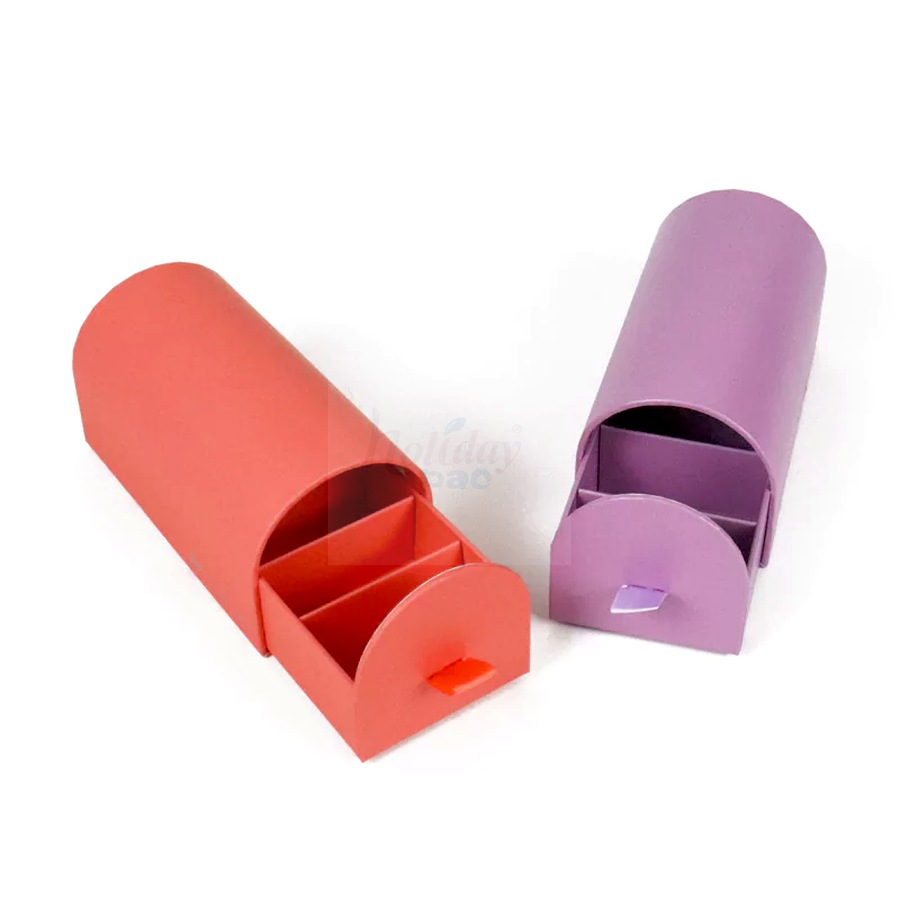
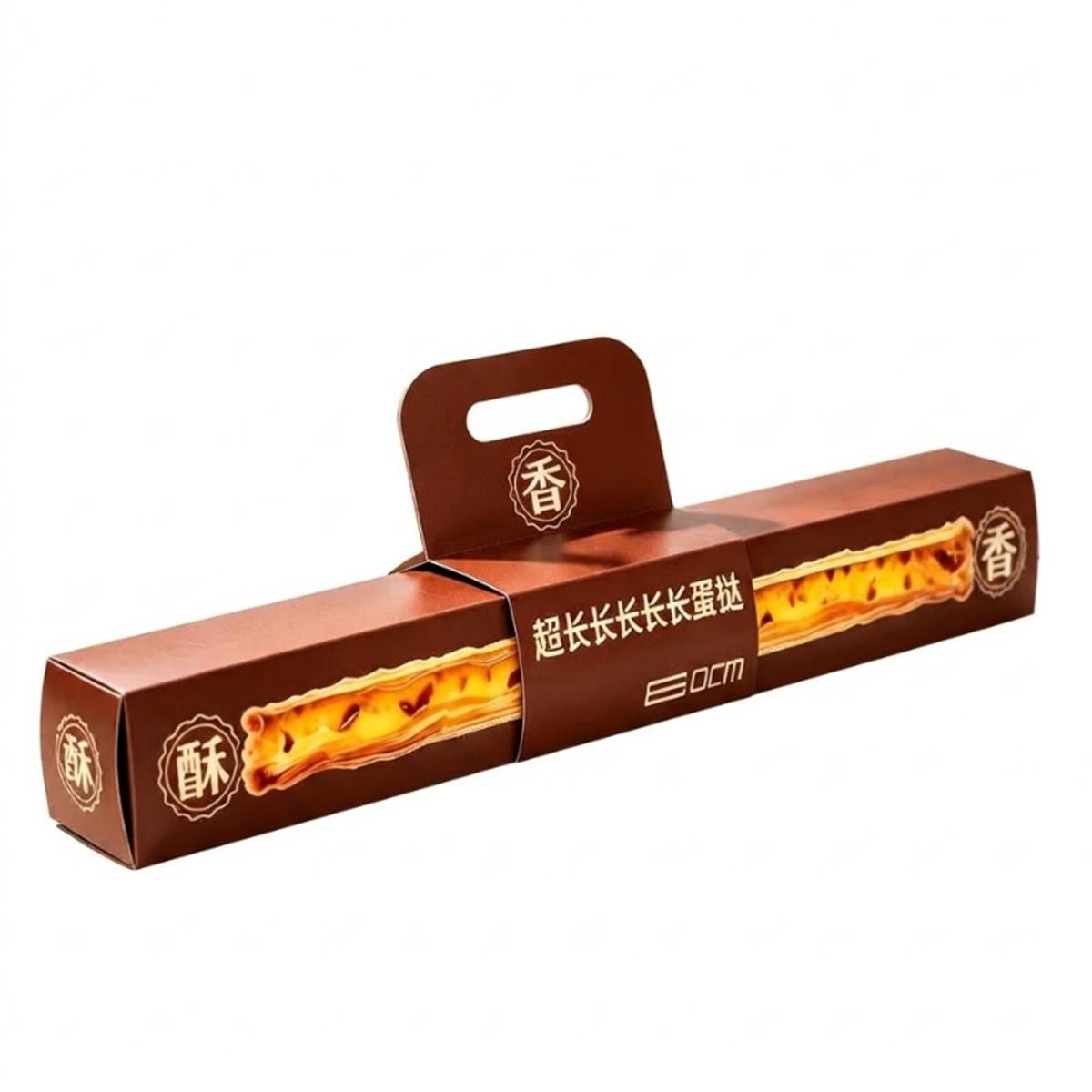
For a more gift-oriented opening, see the arched-sleeve macaron drawer box. For longer bakery items, the long pastry box with a display window offers a different footprint. Comparing real formats can help clarify which structure best suits the product, point of sale, packing workflow and desired customer experience.
Macaron Packaging Guide 16
A sample review is an opportunity to verify dimensions, fit, opening, print appearance and packing steps before production quantities are committed. Use the actual macaron recipe and representative pieces. If the assortment changes seasonally, test a typical product and the largest or tallest variant. Check how the insert handles the pieces when the box is moved and whether the closure remains secure. Record feedback from both the production team and the person responsible for the retail presentation.
Once the sample has been reviewed, consolidate requested changes into one clear list. Include measurements, photographs where useful, artwork notes and the preferred option for each open decision. The updated sample or approved specification should reflect all agreed changes. This process helps prevent a mismatch between a visual reference and the package that is ultimately produced. It also gives the buyer a shared record of the intended construction, print, insert arrangement and pack-out method.
Product Specification Guide
The final specification depends on your product measurements, pack count, market and packing workflow. The table below lists planning options rather than fixed stock dimensions or unconfirmed material claims.
| Packaging type | Custom macaron box with a fitted insert |
|---|---|
| Insert layouts | Individual cavities, divided trays, rows or long channels |
| Box constructions | Folding carton, sleeve, lid-and-base or rigid presentation format, subject to project review |
| Visibility | Closed presentation or optional clear display window |
| Customization | Dimensions, count, print artwork, color, finish and insert arrangement |
| Food-contact planning | Confirm intended contact, liner requirements and destination-market documentation |
| Review process | Artwork review and sample evaluation before production specification approval |
Frequently Asked Questions
Yes. Provide the finished diameter, height, quantity and packing method so the cavity dimensions and spacing can be evaluated around the actual product.
A viewing window can be considered. Its position and size should be planned with the insert and structural strength so the assortment is visible while the box remains practical.
The construction can be discussed according to the desired presentation, pack weight, order quantity, storage and distribution needs. A sample review helps compare the options.
That depends on the selected materials and applicable market requirements. Identify whether a separate liner, cup, wrap or documented direct-contact material is required before sampling.
Share product dimensions, count per box, preferred structure, artwork, finish, order quantity, destination market and any display or delivery requirements.
A common box and insert may support several assortments when their dimensions and packing needs are compatible. A flavor map, card or label can distinguish versions.
Send the finished macaron dimensions, count per pack, preferred insert style, artwork direction, order quantity and destination market. The Holidaypacfactory team can help review the box format, insert layout, print area and sample requirements for a clear next step.
Talk to a Packaging Specialist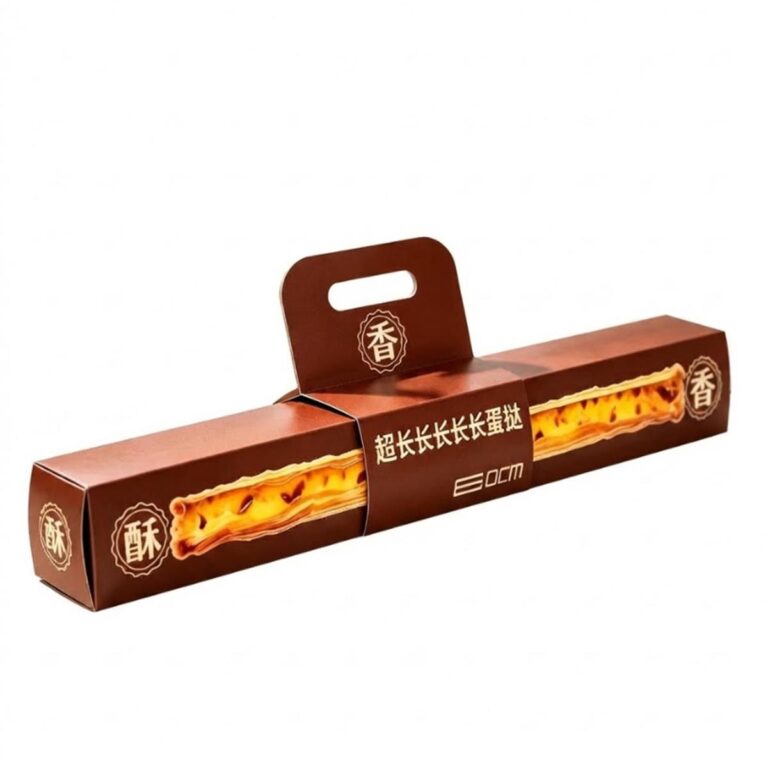

 Cassie LanFounder, HolidayPac · Leave a message
Food packaging, paper bags and food service paper for your next project.
Leave your request anytime. Our sales team will reply with pricing, samples and production details.
Tell us what you're packaging and we'll ship a physical sample plus a free 3D mockup within 24 hours — no cost, no obligation.
We've received your inquiry and our team will get back to you within 24 hours.