Door to Door service
Welcome to Holidaypac Packaging Solutions Factory!

tiger@holidaypac.com

+86 136 5233 6188
Welcome to Holidaypac Packaging Solutions Factory!
tiger@holidaypac.com
+86 136 5233 6188
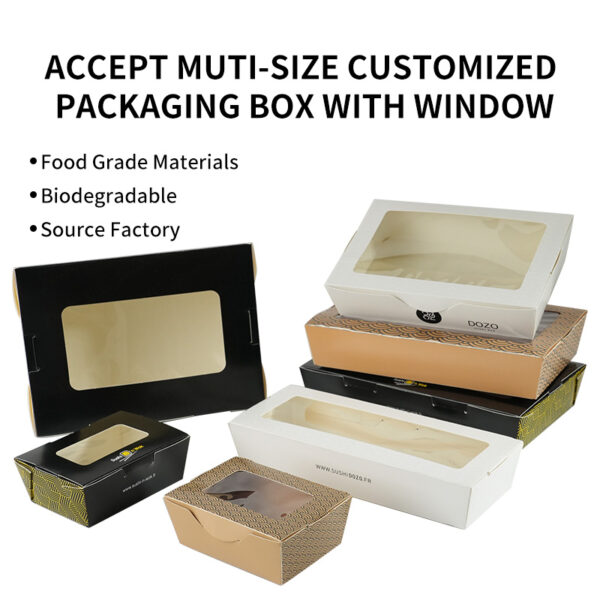
Related packaging range
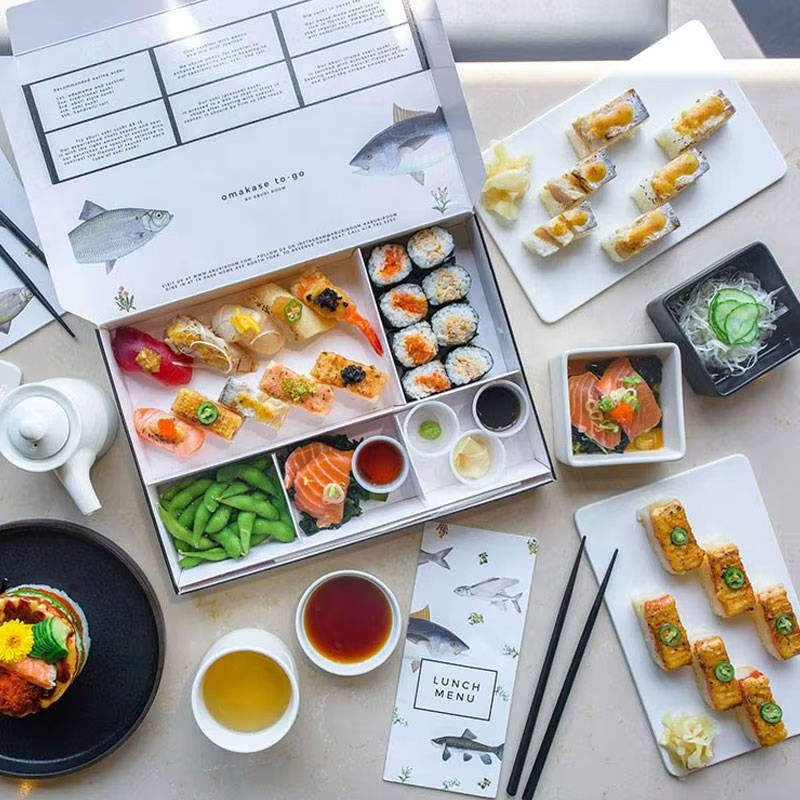
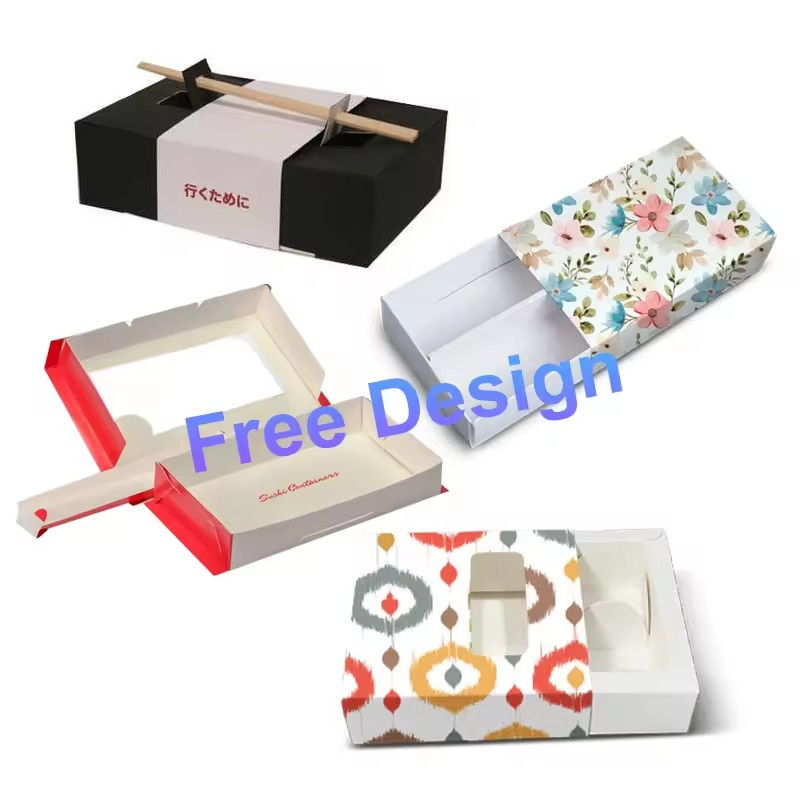
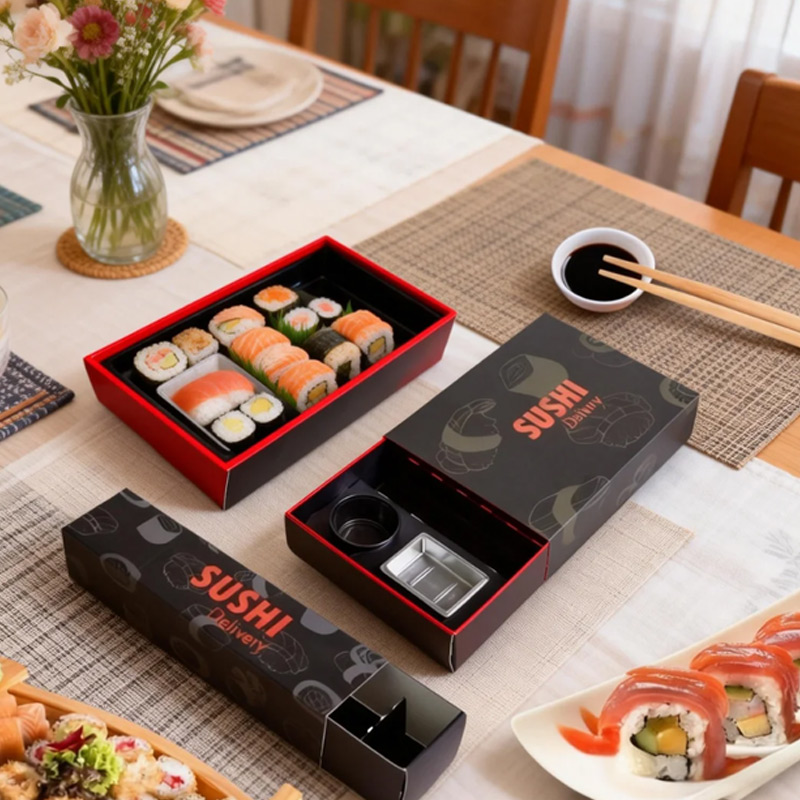
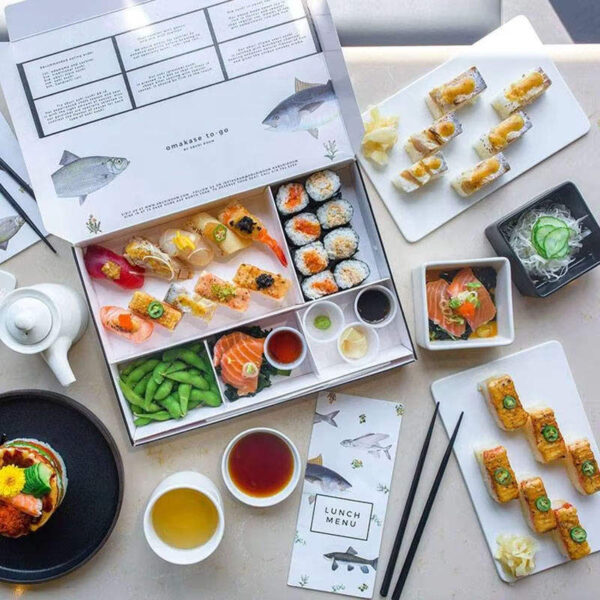
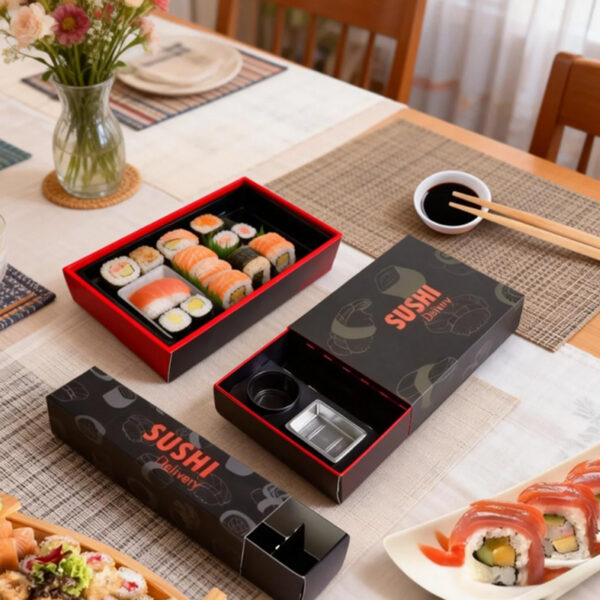
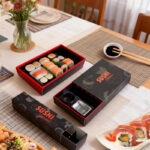
Quick Note Closed-box presentation still matters Many buyers need the packaging to work before the customer opens it. Pickup counters, chilled retail shelves and delivery handoff moments all depend on that first outside impression. Brand signalStackablePickup counter | Premium paper meal packaging Custom Sushi, Bento and Deli Paper Boxes That Turn Meal Packaging Into Brand PresentationA custom paper meal box does more than hold food. It helps the buyer decide how the meal should be read before it is opened, how the brand appears on a shelf or pickup counter, and how much visual value the packaging adds to the actual menu. For sushi, bento and deli programs, that outside presentation can shape customer expectations before the first bite. Compare it with our high quality printed sushi bento box for a stronger outer graphic presence. The strongest custom paper boxes balance graphic clarity and structural calm. They use print intentionally, leave enough room for labels, stack neatly and still feel practical in service. That combination matters because buyers are rarely choosing between beauty and utility. They are choosing whether the same packaging format can support merchandising, repeat orders, operational discipline and a memorable customer-facing experience. A more display-led direction is our kraft window sushi bento box. Sushi, bento and deli formats are especially useful for this kind of page because they share a common challenge: several food items often need to look organized inside one meal set. A plain open tray can feel scattered, but a designed paper box gives the meal a shape, a rhythm and a clearer sense of completeness. That applies to retail meals, restaurant takeaway and curated lunch sets alike. For a premium reveal experience, browse our luxury sushi drawer bento box. Holidaypacfactory can use this page to present a family of meal-box structures rather than one narrow style. The buyer can compare graphic shells, compartment boxes, window formats, premium drawer presentations and deli-ready trays while still keeping the overall discussion rooted in real service needs and packaging planning. Another structured meal option is our compartment paper sushi bento box. |
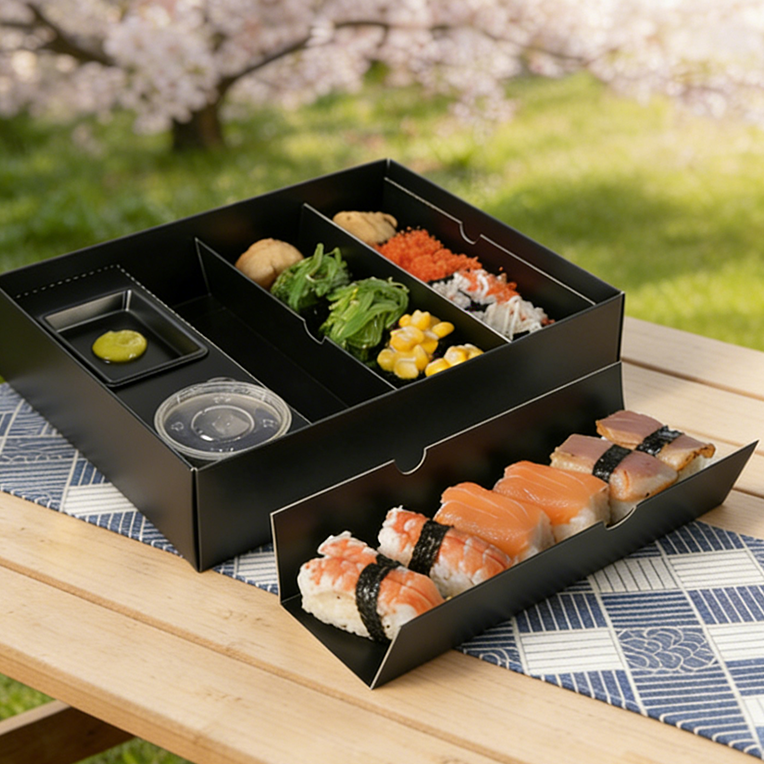
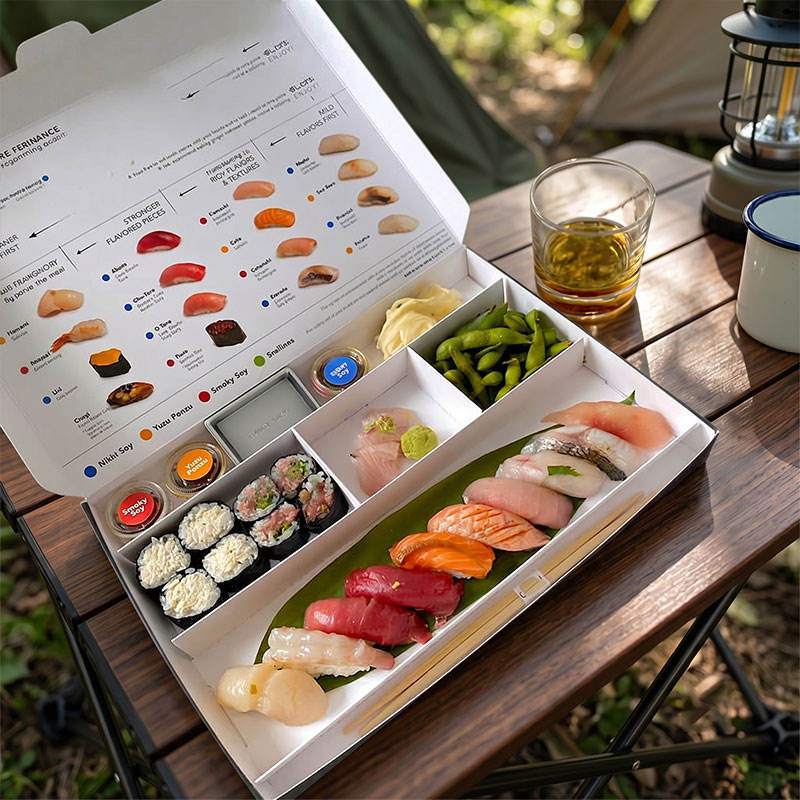
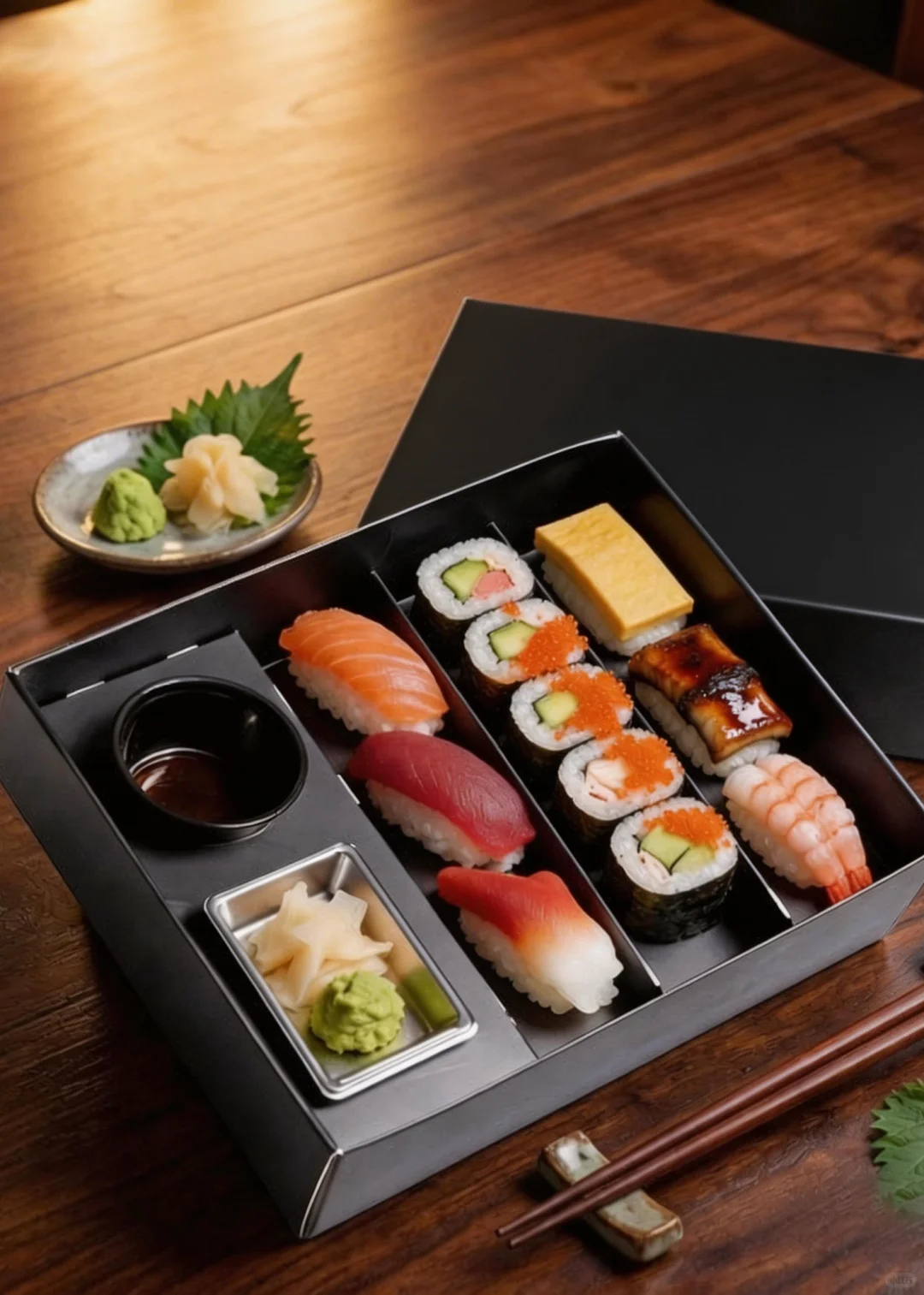
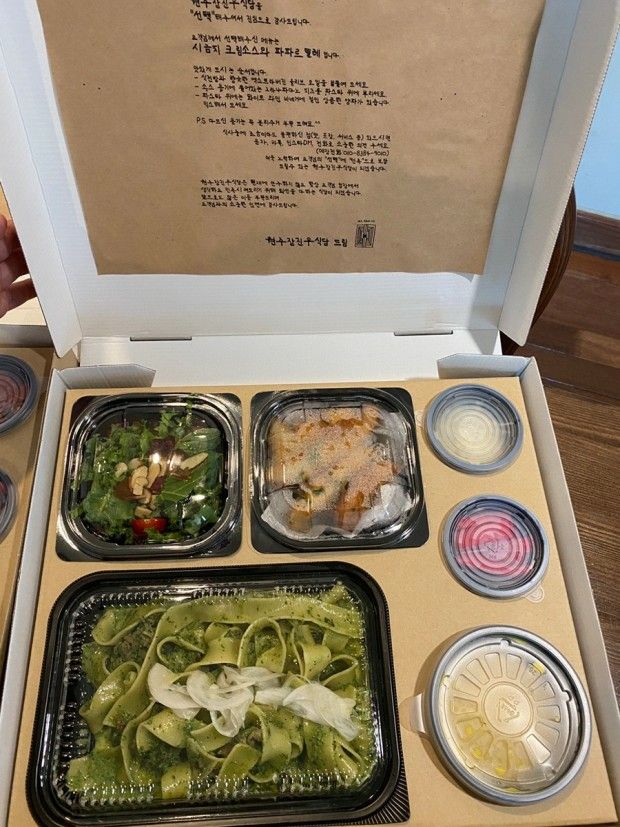
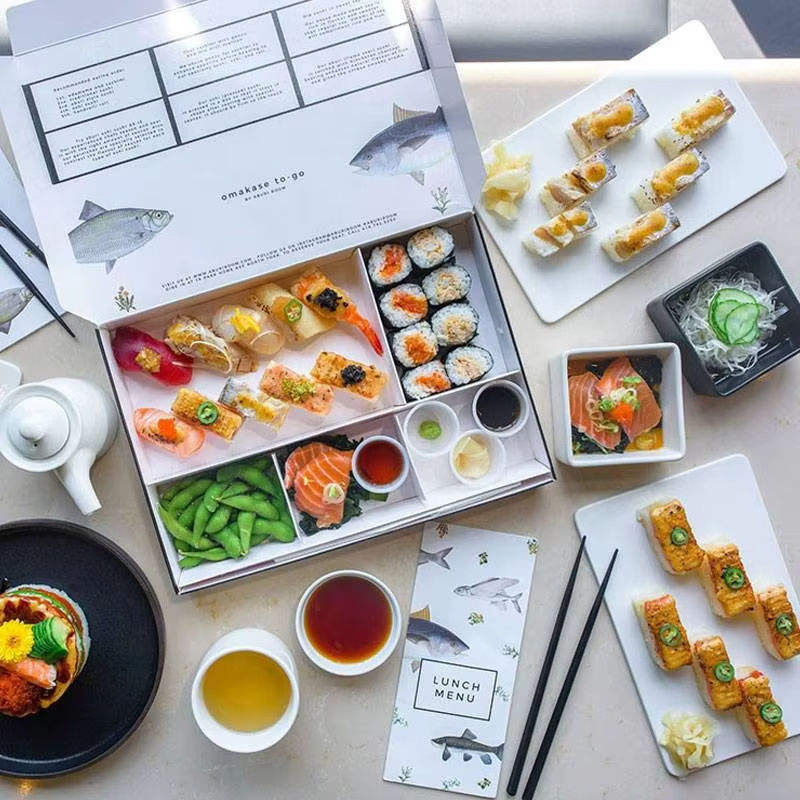
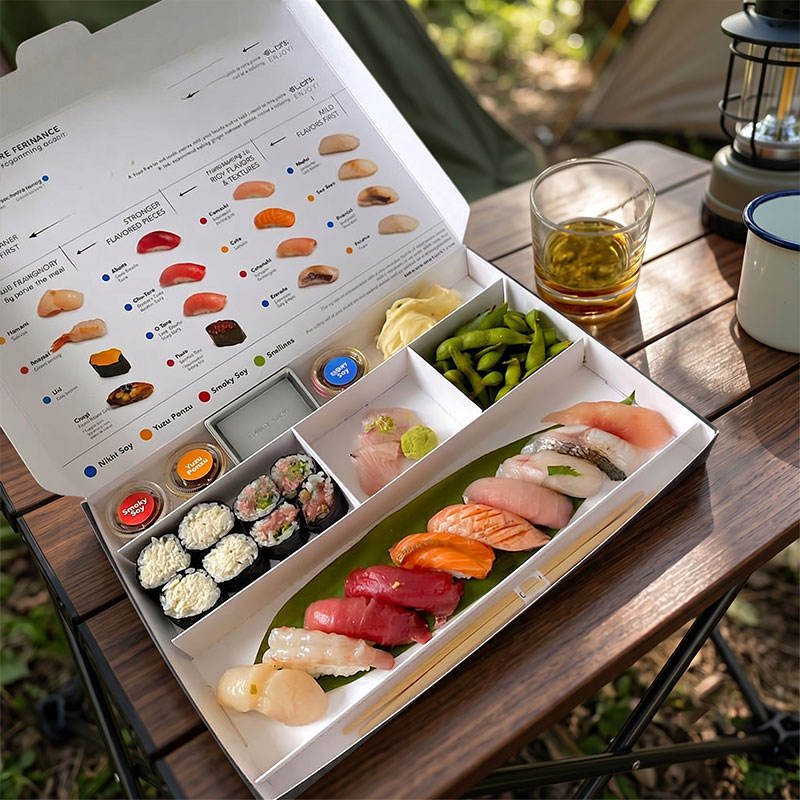
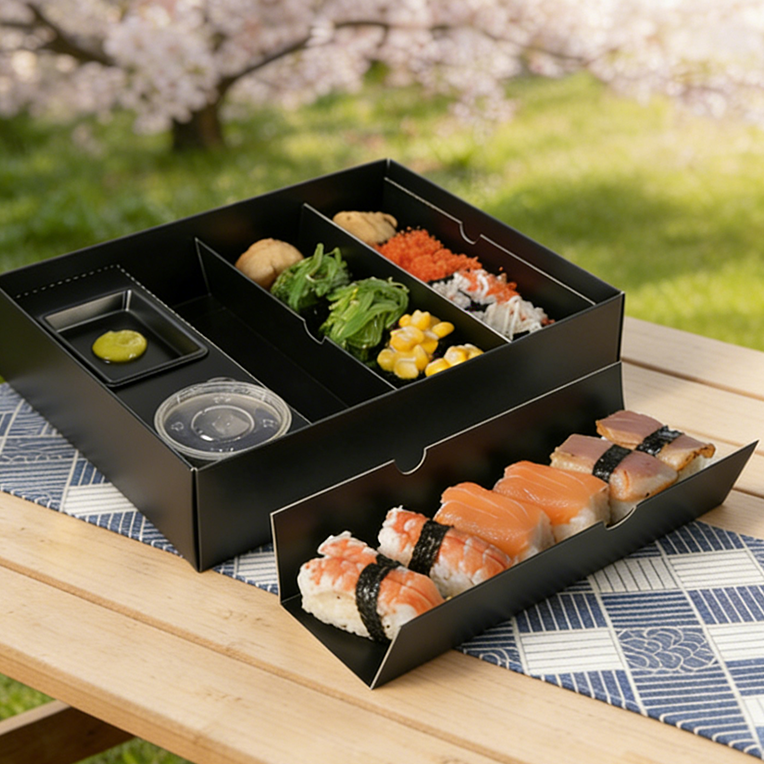
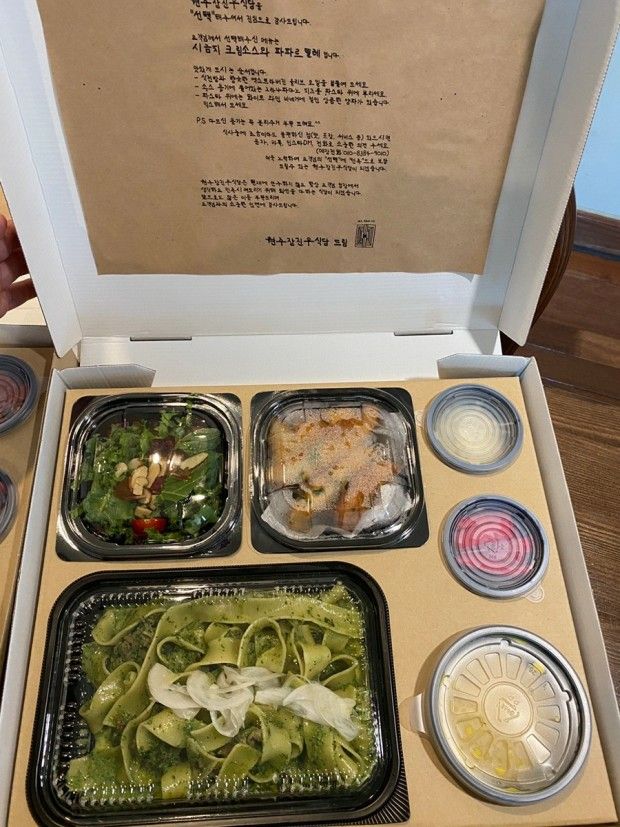
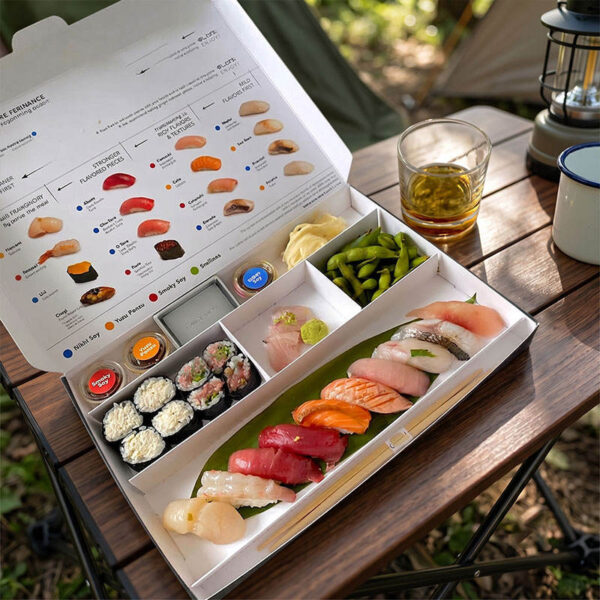
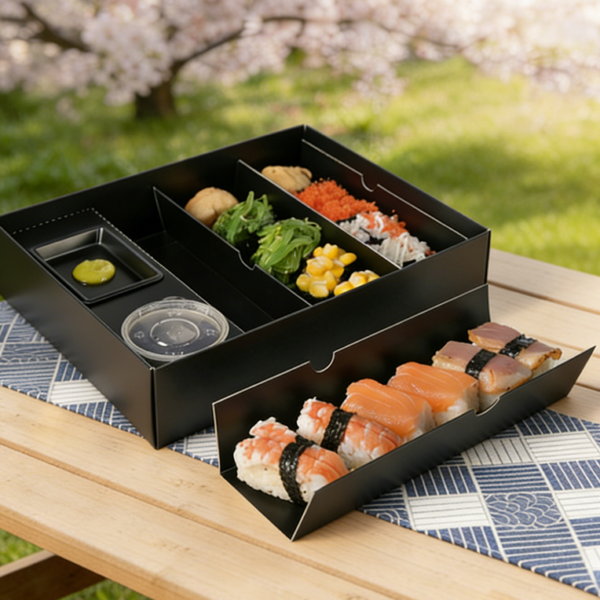
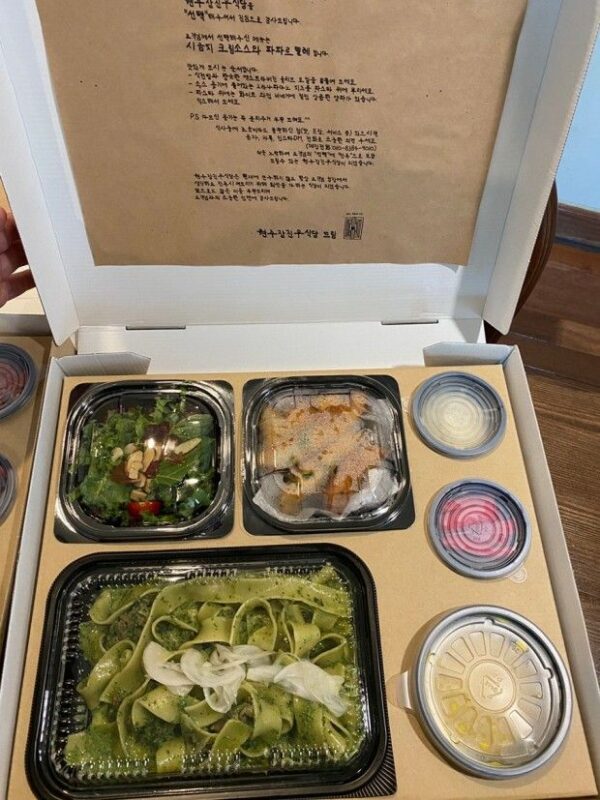
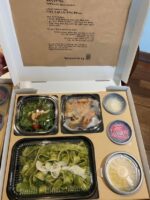
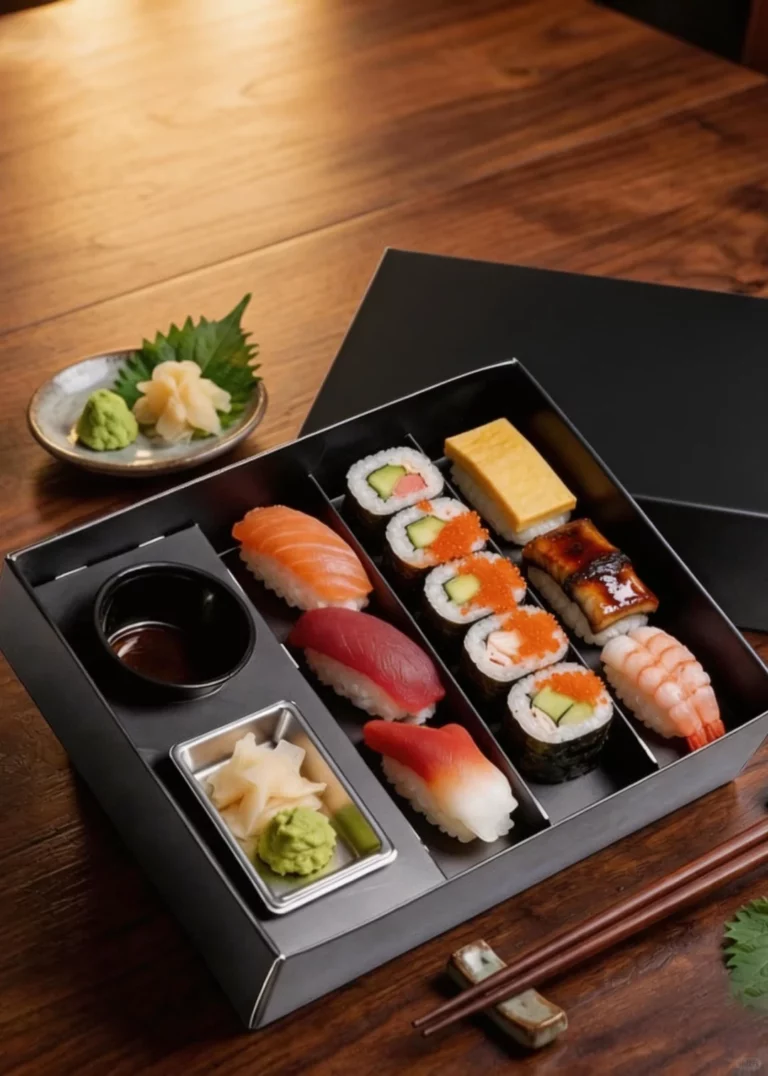
Real structure for real food Use Compartment Paper Boxes to Keep Sushi, Sides, Sauces and Deli Items in OrderCompartment design is often the main reason buyers move from a plain food box into a more deliberate sushi or deli format. Rolls, nigiri, rice, salad, garnish and sauce cups do not behave the same way in transit, and customers notice immediately when the layout looks rushed or mixed. A compartment paper box helps every element keep its own place. For a clean food-grade print direction, see our printed disposable paper sushi box. That benefit matters to kitchen teams as much as it matters to customers. Staff can follow a repeatable packing map, which means the finished meal looks more consistent from order to order. In a restaurant chain, office lunch program or supermarket prepared-food department, that consistency becomes a real commercial advantage because the buyer is protecting both service speed and visual standard. Retail and meal-prep buyers also review our custom picnic box page. Deli meal programs benefit in a similar way. A chilled pasta box, a protein-and-salad set or a mixed bento lunch all need a structure that makes the meal easy to understand quickly. Paper compartments help the buyer create that clarity while still keeping the format lightweight, printable and suitable for repeat sales in retail or takeaway channels. A tray-led structure comparison appears on our wholesale sushi packaging box listing. A strong product page should therefore explain the compartment story in commercial terms, not only aesthetic ones. Buyers want to know how food zones affect packing speed, how divider width affects portion flexibility and how the overall layout changes the customer’s sense of value when the box is first opened. For divider and lid planning, open our custom sushi tray with lid and divider page. | Quick Note A clear layout can lift perceived value When sushi, sides and condiment cups all have a stable position, the meal reads as more complete and more premium even when the ingredients remain the same. Meal mapLess movementFaster service |
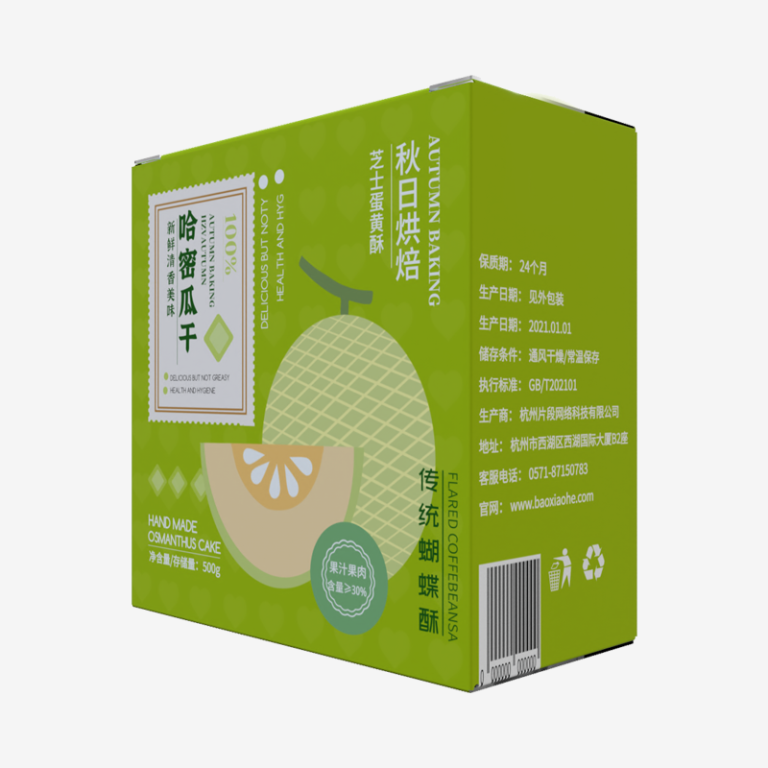
Quick Note Good print starts with hierarchy The most successful meal boxes do not try to make every surface loud. They decide what the customer should notice first and what information needs to stay readable later. Logo firstReadable labelsCleaner panels | Artwork and specification planning Design the Outer Shell for Branding, Label Control and Repeatable ProductionA custom paper meal box should make branding clearer, not busier. That means the outer shell needs hierarchy. Some buyers want a strong full-print mood. Others want a restrained logo and a calmer label panel. Both directions can work, but the finished packaging should still leave enough room for daily information such as product names, dates, barcodes or campaign stickers. A simpler daily-service format is our one-piece foldable food box. This is particularly important in deli and prepared-food retail where operational labels are unavoidable. If the label area is not planned early, the store may end up covering the most attractive design panel every day. Good project planning prevents that problem by treating branding and operations as part of the same packaging conversation instead of separate phases. For a wider takeaway presentation family, visit our custom kraft window food boxes. For restaurant takeaway, the same logic appears in a different form. The printed shell may need to look great in photos, but it also has to fold cleanly, stack neatly and leave space for takeaway seals or order marks. Buyers often get better long-term results when the design team and packaging team align these practical constraints before sample approval. A premium companion packaging line can be seen in our luxury chocolate box category. The specification table below gives a useful commercial summary. It helps buyers bring menu size, condiment needs, artwork direction, label zones and reorder expectations into one project brief before they move into deeper sample discussions. For coordinated beverage add-ons, explore our custom coffee cup sleeves. |
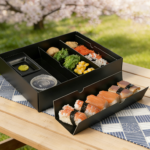
Premium format extension Add a More Curated Reveal for Omakase, Chef Specials and Premium Deli ConceptsSome meal categories benefit from a slower, more deliberate opening moment. A drawer-style or premium structured paper box can create that effect without abandoning the practical advantages of paper packaging. For omakase sets, chef specials, tasting menus or premium deli concepts, the reveal itself becomes part of the product value. Compare it with our high quality printed sushi bento box for a stronger outer graphic presence. This does not mean every brand needs a luxury format. It means the page should show buyers where a premium option fits inside a larger assortment. A restaurant may use a simpler compartment box for everyday takeaway and reserve a more curated drawer presentation for seasonal launches, gifting programs or high-value meal sets. A more display-led direction is our kraft window sushi bento box. The commercial value comes from contrast. When buyers can see both workhorse structures and premium reveal formats on one page, they can decide more clearly how to segment their menu or customer base. That is useful for restaurant groups, retailers and distributors who want a packaging range that can scale from everyday lunch to occasion-led presentation. For a premium reveal experience, browse our luxury sushi drawer bento box. Holidaypacfactory can use this section to show that premium paper packaging does not have to be decorative for its own sake. The best result still needs food fit, print clarity and a structure that staff can handle confidently. The premium effect works because it is supported by those basics, not because it ignores them. Another structured meal option is our compartment paper sushi bento box. | Quick Note Not every meal box should feel ordinary Premium paper formats are useful when the buyer wants the package to behave more like a presentation object without moving into rigid gift-box territory. Seasonal launchChef setHigher perceived value |
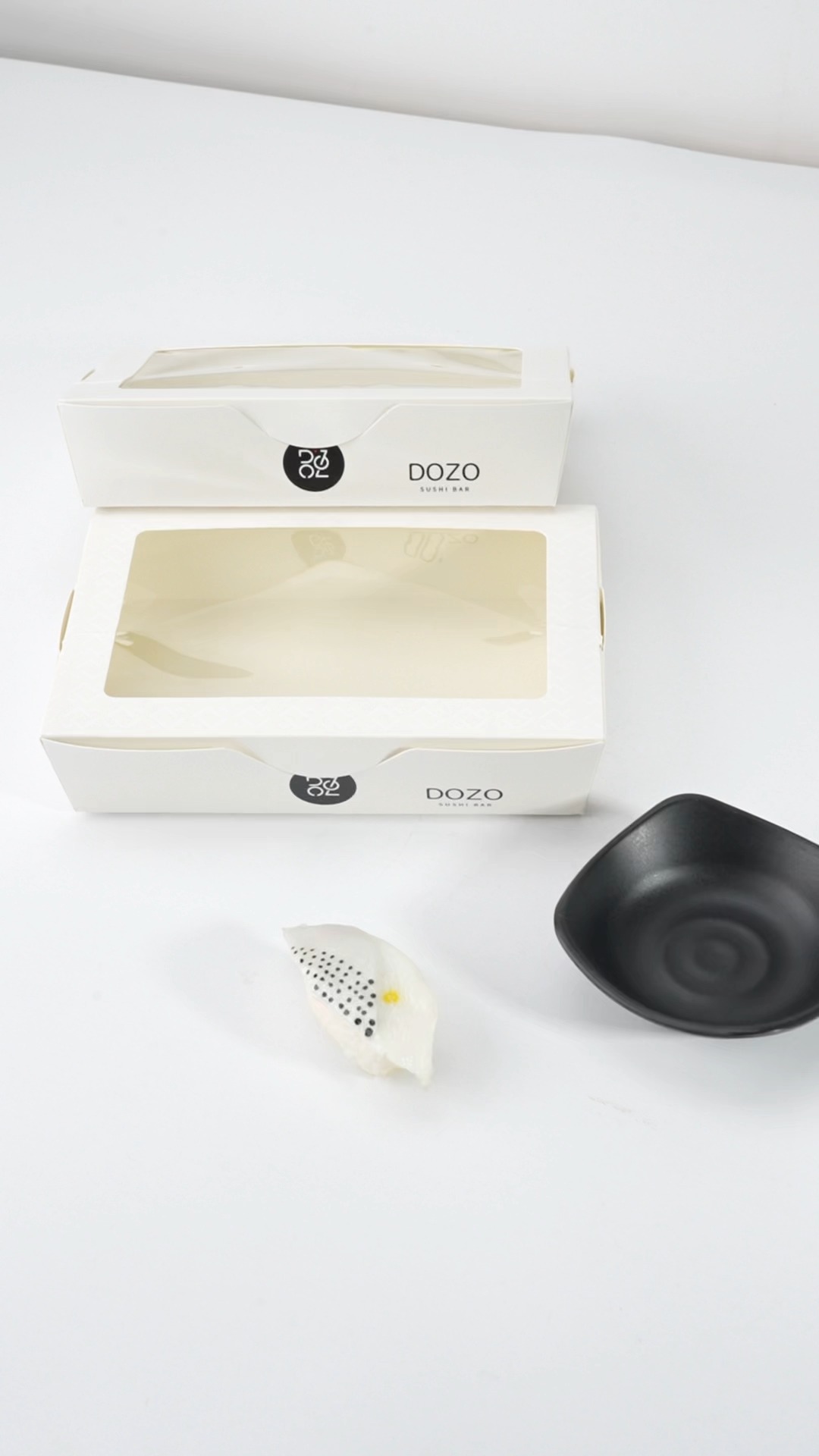
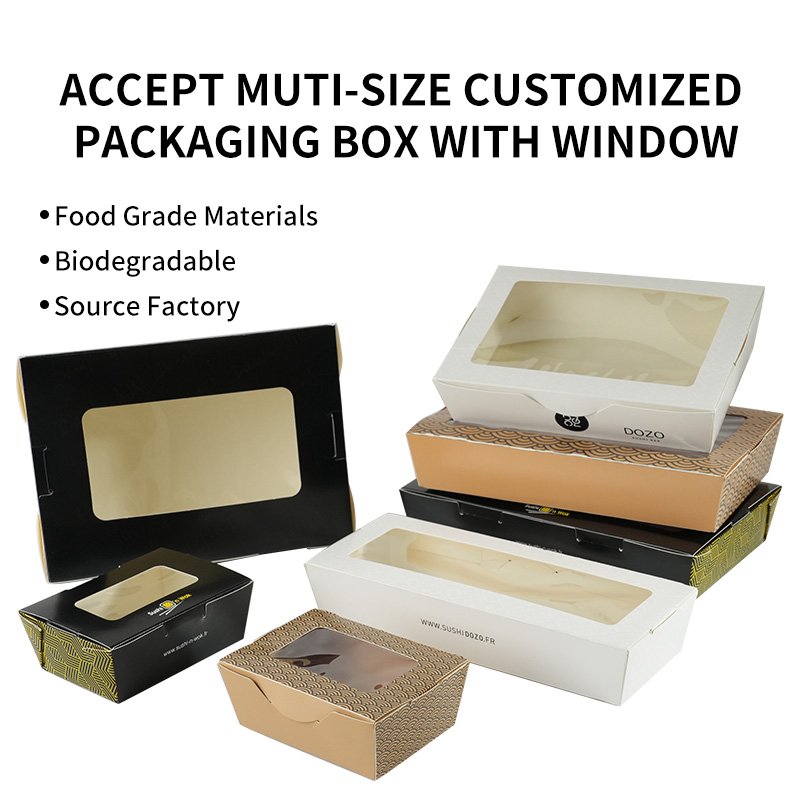
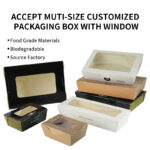
Quick Note The food can become part of the front panel A controlled window lets the meal communicate color, portion and freshness without forcing the brand to explain everything through print alone. Prepared foodFast decisionFreshness signal | Retail and deli visibility Use Window Paper Boxes When the Meal Needs to Sell Before the Lid OpensDeli and prepared-food counters often need a different packaging behavior from restaurant takeaway. The package still has to protect the meal, but it also has to support quick comparison on the shelf. A window format gives customers a more direct view of freshness, portion size and meal balance, which is useful for sushi sets, salads, lunch boxes and mixed deli offerings. For a clean food-grade print direction, see our printed disposable paper sushi box. This is one reason kraft window boxes remain commercially relevant. They make the food itself part of the front panel. For many buyers, especially in chilled or grab-and-go retail, that can be more persuasive than heavy graphics because customers are deciding quickly and often want to see the product before they trust the package. Retail and meal-prep buyers also review our custom picnic box page. A page that combines closed graphic shells with window display formats helps buyers choose the right communication mode for each channel. Some meal lines need stronger brand storytelling on the outside. Others benefit more from immediate food visibility. The product family becomes more useful when both options are presented clearly. A tray-led structure comparison appears on our wholesale sushi packaging box listing. For Holidaypacfactory, this section reinforces range depth. The company is not only offering one sushi box concept. It is showing several ways a paper meal box can support different channels: restaurant, deli, retail, gifting or prepared-food service. That makes the page more credible for wholesale buyers who are comparing packaging strategies, not just isolated SKUs. For divider and lid planning, open our custom sushi tray with lid and divider page. |
From sample to repeat program Build a Repeatable Sushi, Bento and Deli Box Program Instead of Treating Each Meal as a New ProjectA strong paper meal-box program should help the buyer reduce reinvention. Once the right structure family is found, it can often be adapted across sushi sets, bento lunches, chilled deli meals, premium chef specials and seasonal promotions with only controlled changes to print, label area or divider plan. That is far more efficient than starting from zero every time the menu shifts. A simpler daily-service format is our one-piece foldable food box. This is especially valuable for restaurant groups, prepared-meal brands and distributors who manage several customer types. One structure may serve a core retail lunch line, while a closely related version supports a higher-value sushi set or a more occasion-led meal. When the family relationship is clear, the packaging catalog becomes easier to buy, stock and explain. For a wider takeaway presentation family, visit our custom kraft window food boxes. The page should therefore guide the buyer toward project documentation, not only visual preference. Menu photos, food height, sauce cup size, label needs, artwork hierarchy, carton counts and reorder records all matter. These details are what turn a good-looking sample into a dependable commercial product. A premium companion packaging line can be seen in our luxury chocolate box category. Holidaypacfactory can use this closing section to move inquiries toward better briefs. The buyer should leave the page with a sense of what to prepare, which structures match which channels and how a paper box family can support long-term brand and menu development rather than only a one-time packaging experiment. For coordinated beverage add-ons, explore our custom coffee cup sleeves. | Quick Note The best box is the one that can be repeated confidently Once the meal map, print logic and label zones are approved, the page should make it easy for the buyer to imagine repeat orders, line extensions and channel-specific versions. Reorder logicLine extensionMenu growth |
The first step is to map the real meal. Buyers should count sushi pieces, measure the tallest item, confirm condiment cup size and decide whether the meal needs equal compartments or one dominant section plus several support zones. This keeps the packaging discussion grounded in the menu instead of drifting into generic product naming. Compare it with our high quality printed sushi bento box for a stronger outer graphic presence.
The next step is to decide which channel matters most. Retail shelves often favor visibility and label control. Restaurant takeaway may prioritize stacking, sealing and a strong closed-box identity. Premium sets may benefit from a more curated reveal. A good page helps buyers compare those needs instead of assuming one format solves every channel equally well. A more display-led direction is our kraft window sushi bento box.
Artwork hierarchy should be handled early. Buyers need to decide whether the logo leads, whether the food should remain visible through a window, where operational labels belong and how loud or calm the outer shell should feel. Many packaging problems come from treating these choices as design details instead of commercial ones. For a premium reveal experience, browse our luxury sushi drawer bento box.
Sample review should include real food, not empty-box inspection alone. A useful test loads the actual meal, closes the box, carries it, photographs it and opens it again. That shows whether the food still looks deliberate, whether the label zone works and whether any divider or lid clearance needs adjusting before production. Another structured meal option is our compartment paper sushi bento box.
When those points are handled cleanly, the box becomes easier to repeat. That repeatability is what restaurant groups, distributors and private-label brands usually value most over time. The strongest product page makes that long-term outcome visible from the beginning. For a clean food-grade print direction, see our printed disposable paper sushi box.
Wholesale buyers often need a page that reflects the way they actually think: by program, not by one isolated meal. Sushi, bento and deli meals overlap in the kinds of questions buyers ask about food separation, shelf presence, label control, stacking and premium presentation. Grouping those needs into one page makes comparison easier. Retail and meal-prep buyers also review our custom picnic box page.
Retail buyers benefit because they can compare visibility-led formats with graphic-shell formats in one place. Restaurant operators benefit because they can see which structures prioritize packing speed and which prioritize a stronger reveal. Distributors benefit because they can imagine selling one related family to several customer profiles instead of pitching disconnected items. A tray-led structure comparison appears on our wholesale sushi packaging box listing.
Private-label programs also become easier to plan when the buyer can see several structures under one visual language. The same brand may want a calm kraft window line for retail, a bolder printed shell for delivery photos and a more premium drawer presentation for seasonal campaigns. A good page helps the buyer understand how those versions can still belong to one packaging family. For divider and lid planning, open our custom sushi tray with lid and divider page.
This is valuable commercially because it encourages better project briefs. Instead of sending a vague request for a sushi box, the buyer is more likely to explain the meal scene, the channel, the label needs, the artwork direction and the reorder expectations. That makes sampling faster and improves the quality of the eventual product match. A simpler daily-service format is our one-piece foldable food box.
For Holidaypacfactory, this kind of page turns existing product experience into a stronger sales surface. It shows range depth, practical structure thinking and a more polished presentation standard. That is exactly the sort of upload that can compound over time as more buyers land on the site and compare several meal-box directions in one session. For a wider takeaway presentation family, visit our custom kraft window food boxes.
Yes, but each meal scene should still be mapped carefully. Divider width, lid height, label needs and display goals can change even when the overall box family stays related. A premium companion packaging line can be seen in our luxury chocolate box category.
Please prepare menu photos, piece count, condiment sizes, serving temperature, desired artwork style, quantity, label needs and the main sales channel so the structure discussion can be more accurate. For coordinated beverage add-ons, explore our custom coffee cup sleeves.
Window boxes are often stronger when the food itself should help sell the meal from the shelf, while graphic shells are stronger when branding and closed-box identity matter more at first glance. Compare it with our high quality printed sushi bento box for a stronger outer graphic presence.
Yes. Logo printing, sleeves, label zones, premium structures, meal-box variations and related packaging planning can all be discussed as part of a wider paper packaging line. A more display-led direction is our kraft window sushi bento box.



 Cassie LanFounder, HolidayPac · Leave a message
Food packaging, paper bags and food service paper for your next project.
Leave your request anytime. Our sales team will reply with pricing, samples and production details.
Tell us what you're packaging and we'll ship a physical sample plus a free 3D mockup within 24 hours — no cost, no obligation.
We've received your inquiry and our team will get back to you within 24 hours.