


Fast answer for buyers Verified sustainability in fiber-based foodservice packaging means choosing paper and fiber formats that are not only described as sustainable, but can also be explained, documented, tested, and used in real foodservice conditions. In 2026, buyers cannot rely on broad environmental language alone. Restaurants, supermarket groups, distributors, and private-label sellers increasingly need packaging that connects material choice, food safety, recyclability direction, pack efficiency, claim control, and supplier documentation. For Holidaypacfactory, this is a practical opportunity. A buyer may begin with a regulation question or a trend headline, but the final decision is usually concrete: which one-piece foldable paper food box, sushi bento format, bakery liner, parchment paper, muffin cup, or air fryer liner can fit the product, the sales channel, and the buyer’s sustainability story without becoming difficult to verify. | Related packaging products Why verified sustainability matters Recyclability-by-design Supplier checklist Holidaypac culture |
Useful product paths
Packaging Categories Buyers Usually Review After Sustainability Research
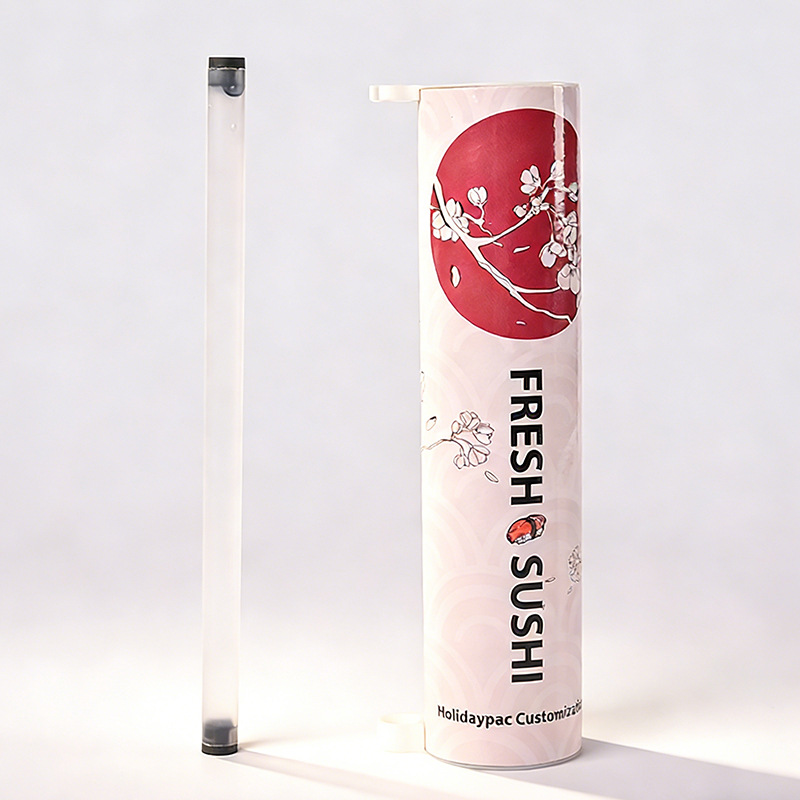
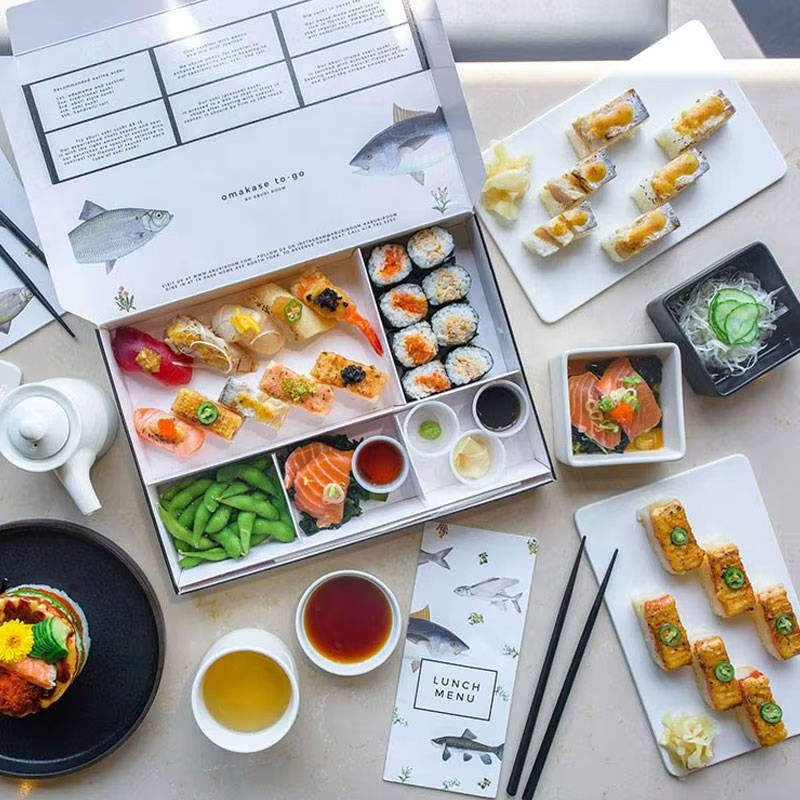
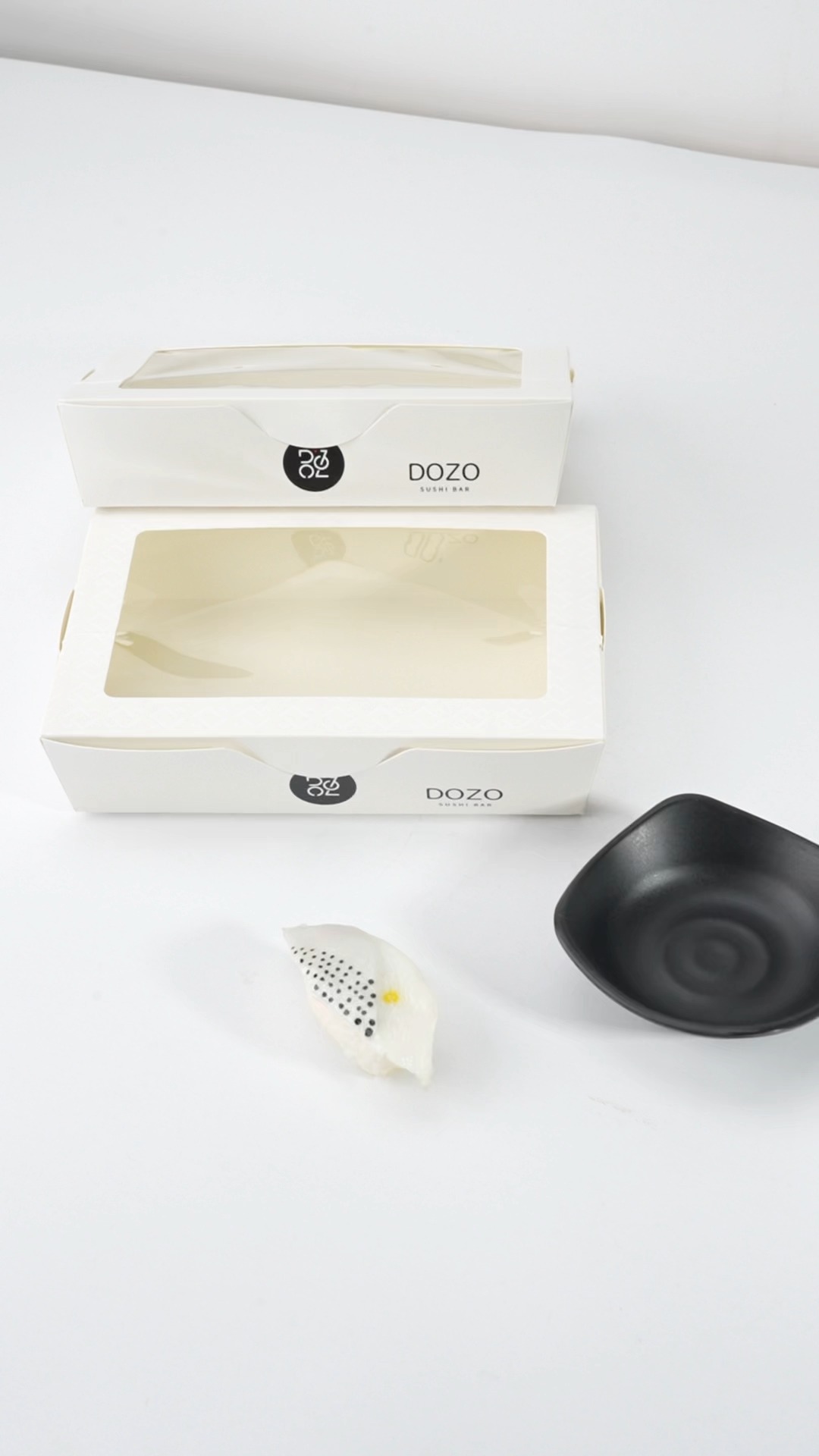
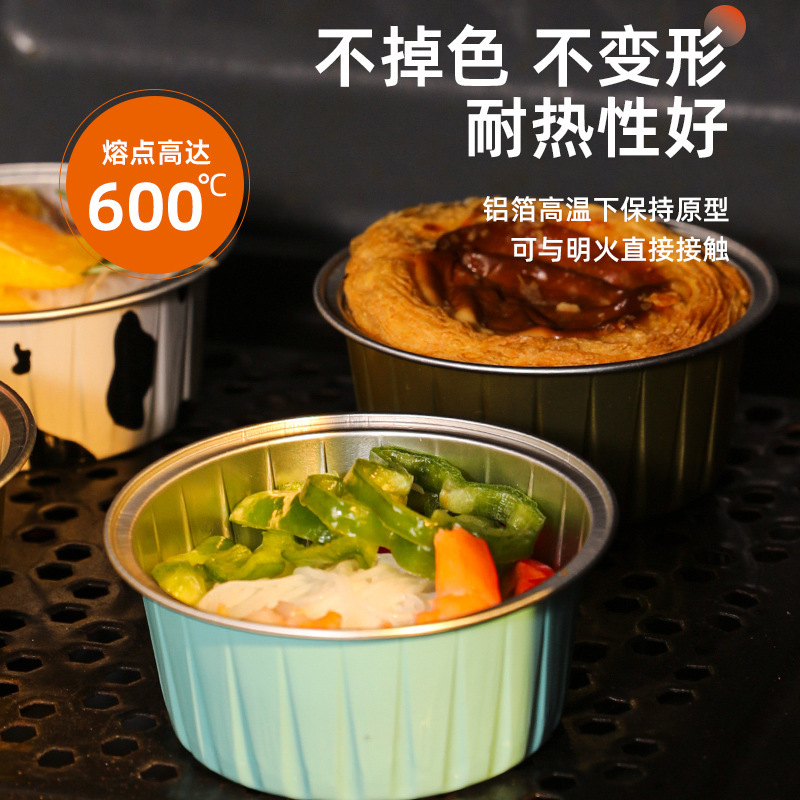
A useful sustainability article should help buyers move from concept to action. These eight product paths connect verified sustainability thinking with real Holidaypacfactory foodservice and bakery packaging formats.
Market shift
Why Verified Sustainability Matters More in 2026
A stronger buyer file connects material, structure, food contact, claims, carton planning, and supplier documentation.
The foodservice packaging market is changing because buyers now face several pressures at once. Sustainability expectations are higher, but cost pressure has not disappeared. Delivery and takeaway operations still need convenience. Supermarkets and distributors want packaging that looks clean on shelf. Regulators increasingly expect packaging teams to think about waste prevention, recyclability, and claims. This makes broad green language less useful than practical packaging evidence.
The word verified is important. It does not mean every buyer needs a complicated certification story for every item. It means the packaging choice should be explainable. What is the material? What food use is it designed for? Does it need a coating? Is the structure simple enough to communicate? Can the supplier support the buyer with specifications, sample testing, artwork control, and product images? These questions turn sustainability from a slogan into a procurement workflow.
Fiber-based foodservice packaging is attractive because paperboard, kraft paper, molded fiber, parchment, and greaseproof paper can feel closer to the consumer’s expectation of responsible packaging. However, fiber alone is not a complete answer. A buyer still needs to consider grease resistance, moisture, heat, storage, transport, print coverage, windows, labels, and how the package will be described in each market. A beautiful paper food box can still create confusion if the claim language is too broad or if the structure cannot be explained clearly.
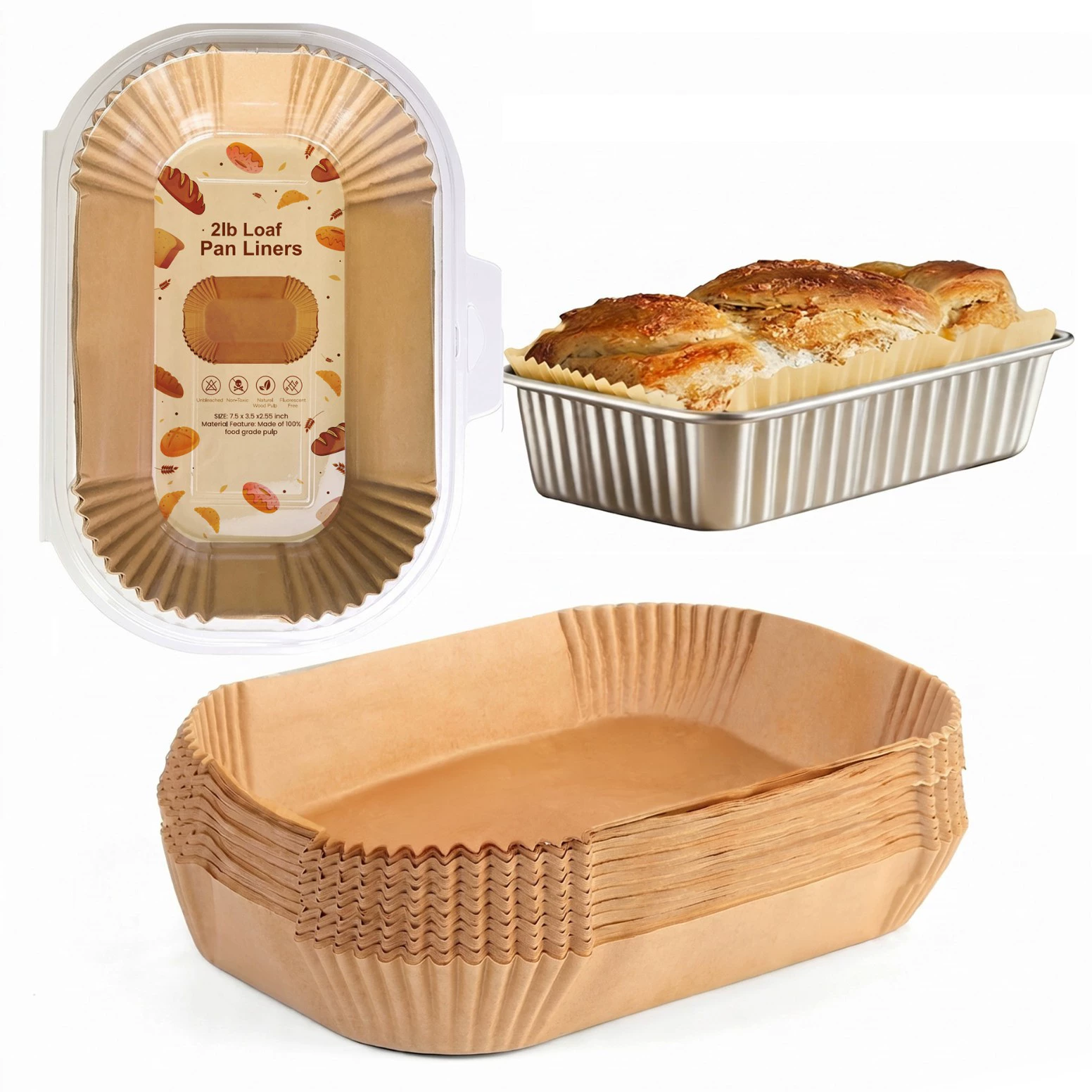
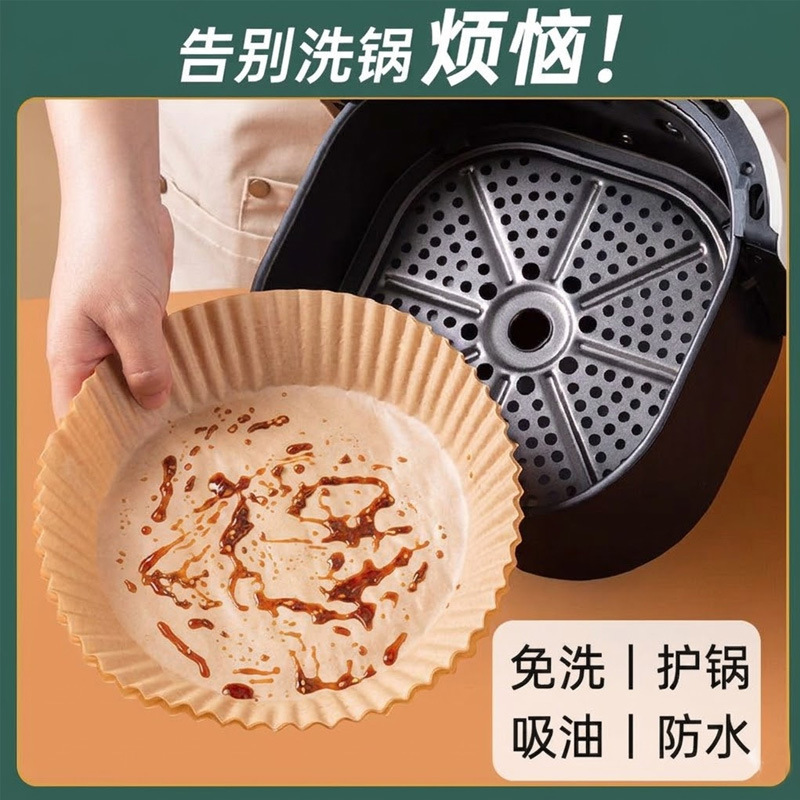
This is why Holidaypacfactory treats packaging development as both practical and cultural work. A restaurant group may need a sturdy paper container for hot takeaway food. A bakery brand may need non-stick loaf pan liners for bakery packaging. A private-label retailer may need an air fryer liner program with clear product photography and simple usage instructions. Each product has its own function, and each function needs a responsible explanation.
For EU-focused buyers, PPWR adds urgency. The European Commission states that Regulation (EU) 2025/40 entered into force on February 11, 2025 and will generally apply from August 12, 2026. That date matters because packaging changes do not happen instantly. Product briefs, samples, production tests, artwork, carton planning, import documents, and retailer approval can take months. A buyer waiting until the last moment may be forced into rushed redesigns.
The commercial risk is also wider than regulation. If a buyer sells into supermarkets, foodservice distributors, or online marketplaces, packaging questions can come from many places: sustainability managers, category buyers, customer service teams, import agents, and end users. A supplier who can help organize product information gives the buyer more confidence. That confidence can be as valuable as the package itself.
Design for verification
Recyclability-by-Design Starts Before Artwork
Recyclability-by-design is easier when structure, material, coating, print, label, and food use are planned together.
Many packaging projects begin with artwork. A brand decides the visual direction first, then asks the factory to fit the structure around the design. In 2026, that order is less reliable. Recyclability-by-design asks buyers to begin with the product use scene and material structure before final decoration. The package can still look premium, but the beauty should work with the structure, not fight against it.
A buyer should begin by identifying the food. Is it hot, cold, wet, oily, dry, frozen, baked, grilled, or delivered? Does the package touch food directly? Does it need release performance, grease resistance, or heat resistance? For example, a bakery buyer choosing tulip muffin cupcake liners has different performance needs from a takeaway buyer choosing a kraft paper food box for noodles or sushi.
After the use scene, the buyer should review material simplicity. Mono-material thinking is often easier to communicate than complex mixed-material structures, although food packaging sometimes needs a functional layer. The point is not to remove every feature blindly. The point is to ask whether each feature has a real purpose. A clear window may help retail display. A greaseproof layer may protect food quality. A label may be necessary for barcode or brand communication. But unnecessary windows, heavy decorative parts, excessive inserts, and oversized formats can weaken both sustainability and cost performance.
Print coverage should also be reviewed. High-impact packaging does not always require heavy ink. A clean paper surface with a strong logo, thoughtful color block, or cultural motif can create premium value while keeping the structure easier to explain. This is where Holidaypac’s design thinking matters. The company can help buyers combine practical paper packaging with visual identity, instead of treating sustainability and beauty as opposites.
For foodservice buyers, testing remains essential. A product that looks responsible on a screen must still work in the kitchen, bakery, cafe, delivery route, and export carton. Buyers should test samples with real food, real temperatures, real storage time, and real handling. A Korean BBQ round parchment paper has to perform under heat and grease conditions. An air fryer liner has to fit the user’s appliance and cooking behavior. A sushi bento box has to protect food presentation during transport.
Verified sustainability therefore includes practical verification: sample testing, dimension control, material explanation, and claim discipline. It is not enough to say the product is eco-friendly. The buyer should be able to explain why this material and structure were chosen, what function they serve, and what the customer should know.
Documentation layer
A Better Supplier File Makes Sustainability Easier to Defend
Documentation helps buyers connect product design, label claims, EPR preparation, and retailer communication.
Foodservice packaging buyers often focus on unit price first. That is understandable. However, in 2026 the supplier file matters more. A low unit price can become expensive if the buyer later needs to change artwork, explain an unsupported claim, replace a structure, or answer retailer questions without clear product information. A stronger supplier file reduces friction.
At minimum, each SKU should have a product name, intended use, dimensions, material description, coating notes where relevant, pack count, carton information, sample status, artwork version, food-contact documents where applicable, and image references. For a private-label program with multiple products, this organization is critical. A buyer may be managing round cake pan liner parchment paper, loaf pan liners, muffin cups, paper boxes, inner bags, carton marks, barcode stickers, and online listings at the same time.
The sustainability claim should be separated from the visual slogan. Many brands want short phrases because packaging has limited space. But broad words can be risky if they are not supported by context. Instead of using a vague claim, a buyer can choose more precise communication: paper-based structure, designed for a specific foodservice use, recyclable where accepted, reduced unnecessary material, or supplied with product specification details. The exact wording depends on the market, and buyers should confirm legal requirements locally.
EPR preparation is another reason to organize packaging data. Producer responsibility systems often require information about material category, packaging weight, and market placement. Even when the supplier is not the legal responsible party, a capable supplier can help the buyer collect useful product data. This is part of what makes a packaging factory valuable beyond production.
Holidaypacfactory can support buyers by making product communication more structured. For example, an importer developing single-serve air fryer paper liners may need product images, size options, private-label packaging, barcode sticker planning, carton information, and simple usage notes. A restaurant chain ordering takeaway boxes may need a different file: material, dimensions, oil resistance, stackability, delivery testing, and branding options.
Verified sustainability is therefore not only about the packaging material. It is also about the quality of the conversation between buyer and supplier. A clean file makes it easier for procurement, design, compliance, and marketing teams to work from the same facts.
Procurement checklist
Questions Buyers Should Ask Before Ordering Fiber-Based Foodservice Packaging
A buyer does not need to turn every packaging meeting into a legal review. The better approach is to ask practical questions early. These questions help the supplier recommend the right structure and help the buyer avoid redesigns later.
| What food will the package hold, and is it hot, cold, wet, oily, dry, frozen, baked, or delivered? | Does the packaging need direct food contact performance, grease resistance, heat resistance, or release performance? |
| Can the structure be simplified without hurting food safety, shelf presentation, or delivery performance? | Is the environmental claim specific enough to be supported in the destination market? |
| What information will the buyer need for EPR, retailer review, product listing, or marketplace questions? | Can the supplier support images, private-label packaging, carton labels, samples, and SKU-level specifications? |
For Holidaypacfactory, this checklist is not just an article section. It is the kind of conversation that helps buyers choose better products. A buyer comparing eco-friendly kraft sushi bento boxes with custom printed paper boxes should not only compare appearance. The buyer should compare food use, carton efficiency, sample performance, material explanation, and how the product will be described to customers.
From sample to order
How Buyers Can Turn a Sustainability Idea Into a Real Packaging Program
A verified sustainability program should not stop at a mood board or supplier presentation. The buyer needs a route from concept to sample, from sample to artwork, and from artwork to repeatable production. This is where many packaging projects become weak. The first sample may look attractive, but the buyer has not confirmed pack count, carton size, product weight, storage condition, food-contact use, label wording, or how the product will be presented online. When those details are left until the end, sustainability becomes a delay instead of an advantage.
A stronger process begins with a simple buyer brief. The brief should name the product, food type, temperature condition, sales channel, expected market, target quantity, branding needs, and any sustainability claim the buyer hopes to make. If the buyer is developing bakery packaging, the brief may include oven or release-performance expectations. If the buyer is developing takeaway packaging, the brief may include leak resistance, stackability, delivery time, and customer opening experience. If the buyer is developing retail kitchen consumables, the brief may include shelf pack design, barcode placement, instruction copy, and carton protection.
After the brief, sample testing should be practical rather than decorative. Test the packaging with the real food, not only with an empty display. Test the liner in the actual pan or appliance. Test the food box with the real portion weight. Test printed packaging under handling, storage, and shipping conditions. For paper-based food packaging, small details matter: grease marks, steam, lid fit, edge strength, stacking pressure, and how the package looks after transport. These details decide whether the buyer can confidently scale the project.
The commercial file should be built at the same time as the product. A buyer should not wait until after mass production to collect dimensions, material notes, carton information, product images, and label versions. Holidaypacfactory can help buyers organize these details earlier, especially for private-label programs where one buyer may manage several formats at once. A clear file helps the purchasing team, design team, compliance team, and sales team speak the same language.
This is also where cultural design becomes commercially useful. A package can carry a quiet cultural message without becoming difficult to produce. A restrained color system, a natural paper texture, a careful opening experience, or a simple visual story can give consumers emotional value while keeping the structure efficient. Cassie Lan often encourages Holidaypac to treat packaging as a bridge: it connects product function with consumer feeling, and it connects global buyer requirements with design details that feel human.
For repeat orders, the buyer should keep one approved specification for each SKU. That file should include the final artwork version, approved sample photo, material description, dimensions, pack count, carton size, carton mark, product image URL, and any claim wording that has been reviewed for the market. This does not make packaging bureaucratic. It makes the supply chain calmer. When the next order comes, the buyer and factory can improve the product instead of rediscovering basic details.
Verified sustainability is therefore a working discipline. It asks buyers to choose paper and fiber packaging with intention, test it under real conditions, document it clearly, and communicate it honestly. When this discipline is paired with Holidaypac’s culture-led design thinking, fiber-based foodservice packaging becomes more than a responsible material choice. It becomes a stronger product story for restaurants, bakeries, supermarkets, distributors, and private-label brands.
Founder perspective
Why Holidaypac Connects Verified Sustainability With Culture
Cassie Lan, founder of Holidaypac, has spent 20 years in international trade and 16 years in packaging. Her view is that packaging should not be a silent commodity. It should protect the product, support the buyer, express the brand, and carry emotional value to the consumer. This is why Holidaypac’s work often connects Chinese cultural thinking, Western market expectations, and modern packaging design.
The company value “Born from nature and return to nature” is not only a slogan. It reflects a design attitude. Packaging begins with natural materials and human need, then returns to responsibility through better design, clearer use, and more thoughtful material choices. Cassie often connects this with the Chinese idea of harmony between people and nature. In packaging terms, that means the buyer should not design against the product, the user, or the environment. The package should serve all three.
Verified sustainability fits this philosophy because it asks for honesty. A package should not pretend to be more responsible than it is. It should be designed carefully, explained clearly, and improved continuously. A simple custom printed compartment paper sushi bento box can carry brand culture if the structure, color, print, and food presentation are designed with intention. A bakery liner can feel ordinary, but it can also help a bakery create consistency, cleanliness, and trust.
This is what makes Holidaypacfactory different from a factory that only sells size and price. The goal is not to make packaging complicated. The goal is to make ordinary packaging more thoughtful: easier for buyers to approve, easier for consumers to understand, and closer to nature in both material and meaning.
Buyer questions
FAQ: Verified Sustainability and Fiber-Based Foodservice Packaging
What does verified sustainability mean in foodservice packaging?
It means the packaging claim is supported by practical information: material structure, intended food use, performance testing, recyclability direction, documentation, artwork control, and supplier communication. It is more useful than a broad eco-friendly phrase.
Is fiber-based packaging always recyclable?
No. Fiber-based packaging may be easier to communicate than some mixed-material formats, but recyclability depends on the full structure, coating, contamination, market collection systems, and local rules. Buyers should avoid universal claims without market-specific support.
How does PPWR affect foodservice packaging buyers in 2026?
The EU PPWR generally applies from August 12, 2026. Foodservice packaging buyers selling into Europe should review packaging minimization, recyclability direction, labelling, documentation, claims, and EPR-related data with their compliance or legal team.
What should buyers ask suppliers before ordering paper food packaging?
Buyers should ask about material, coating, dimensions, food use, sample testing, unit weight, carton plan, artwork requirements, available documents, environmental claim support, and whether the supplier can help build a clear SKU-level file.
Can Holidaypacfactory help with verified sustainability packaging planning?
Holidaypacfactory can help buyers develop paper food packaging briefs, compare product structures, prepare private-label packaging, organize product images, plan carton labels, and connect product design with cultural packaging value. Final legal compliance should be confirmed by the buyer’s market specialists.
Official and trend sources used: European Commission PPWR packaging waste page, EU Publications Office Regulation (EU) 2025/40 page, Packaging Insights foodservice verified sustainability report, Packaging Dive 2026 packaging outlook, and Packaging Digest 2026 foodservice packaging trends. This article is buyer guidance, not legal advice.
