Door to Door service
Welcome to Holidaypac Packaging Solutions Factory!

tiger@holidaypac.com

+86 136 5233 6188
Welcome to Holidaypac Packaging Solutions Factory!

tiger@holidaypac.com
+86 136 5233 6188
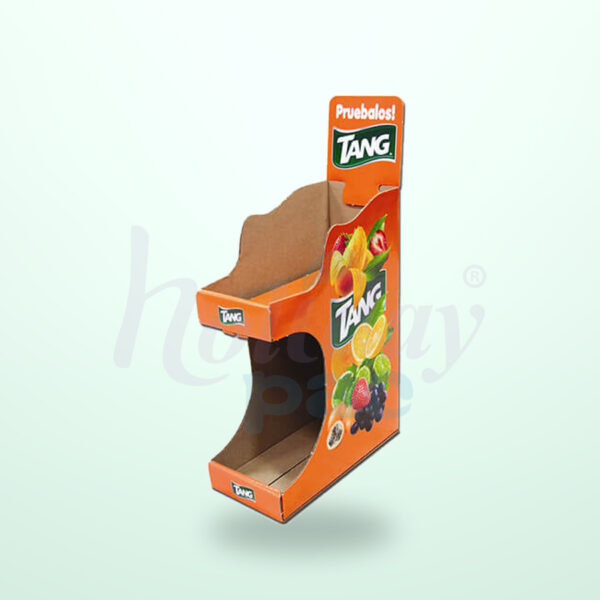
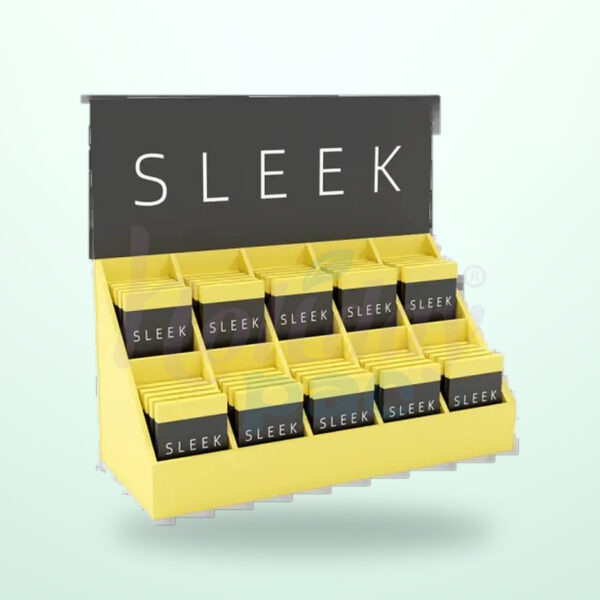
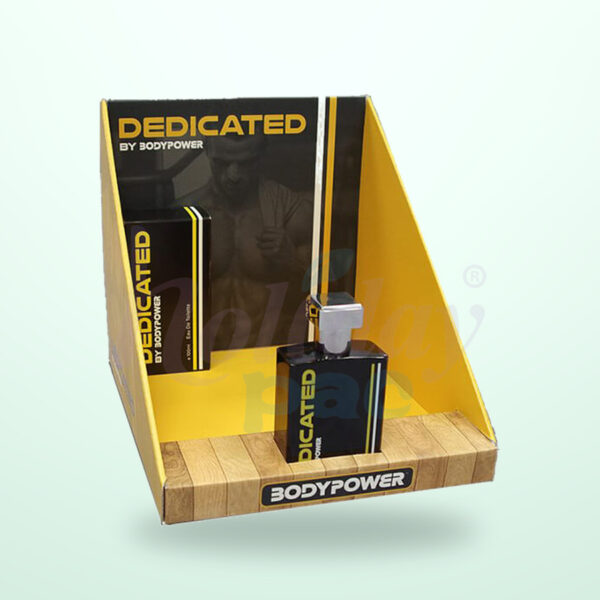
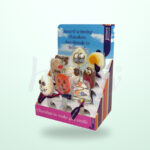
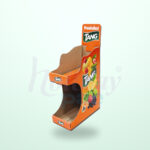
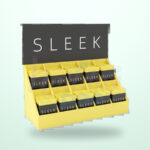
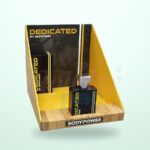
Holidaypacfactory Retail Packaging
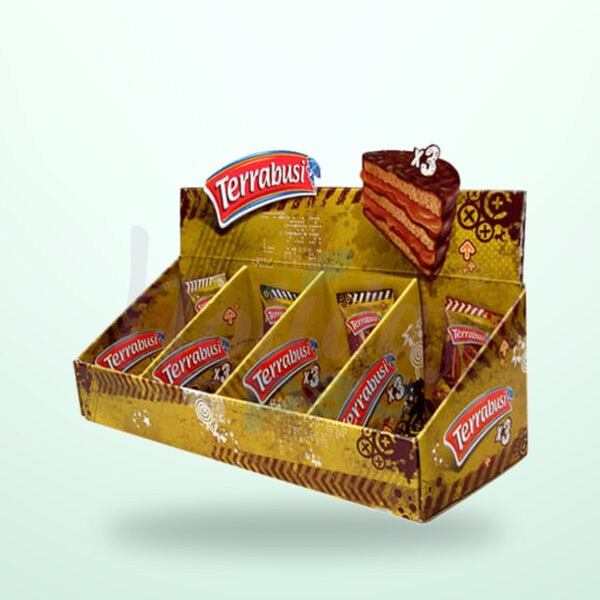
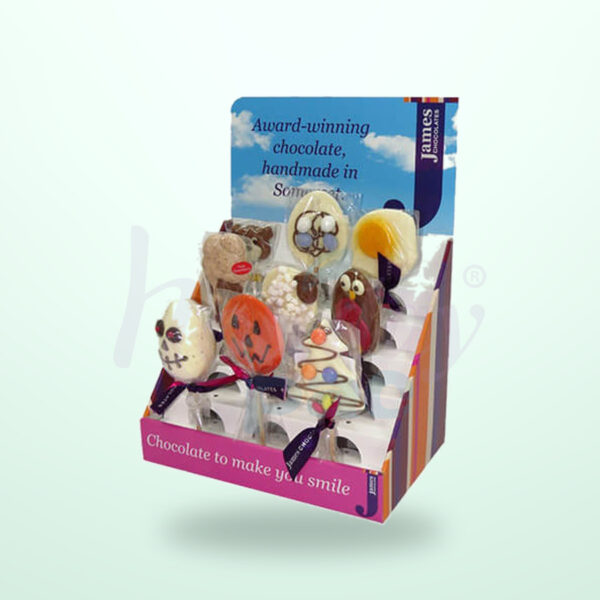
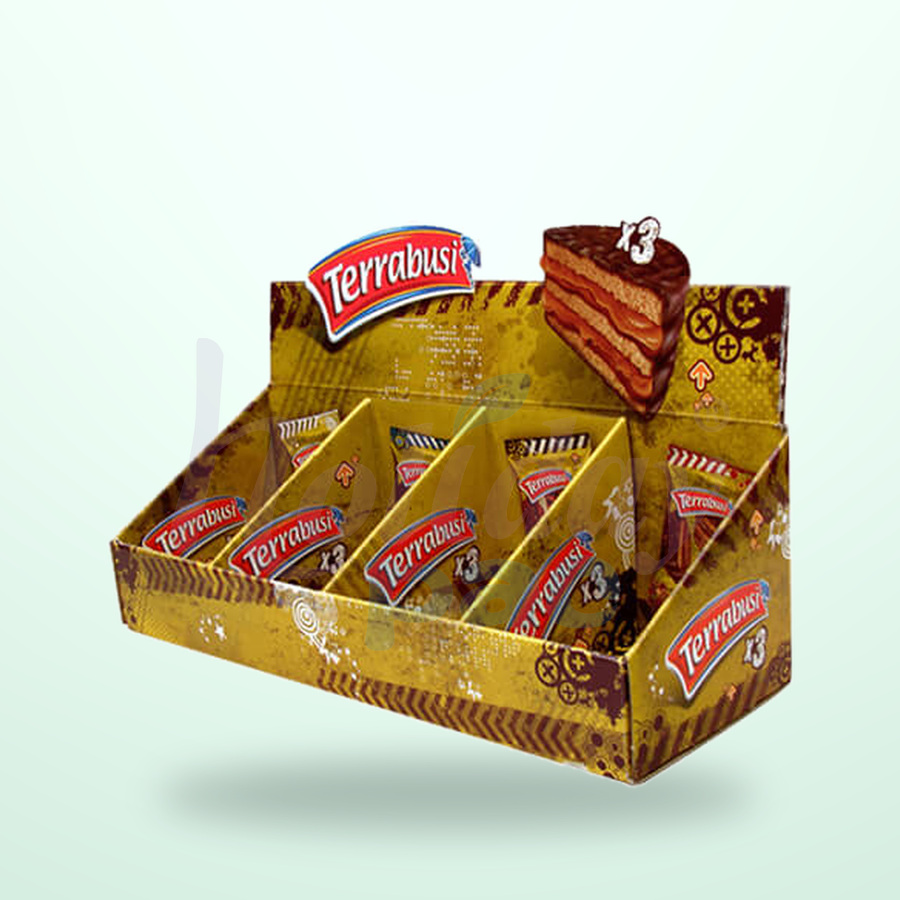
A customizable countertop display format for snack packs, confectionery, bakery treats, bars, nuts, and other lightweight packaged foods that need clear visibility and fast replenishment in retail.
Retail Role
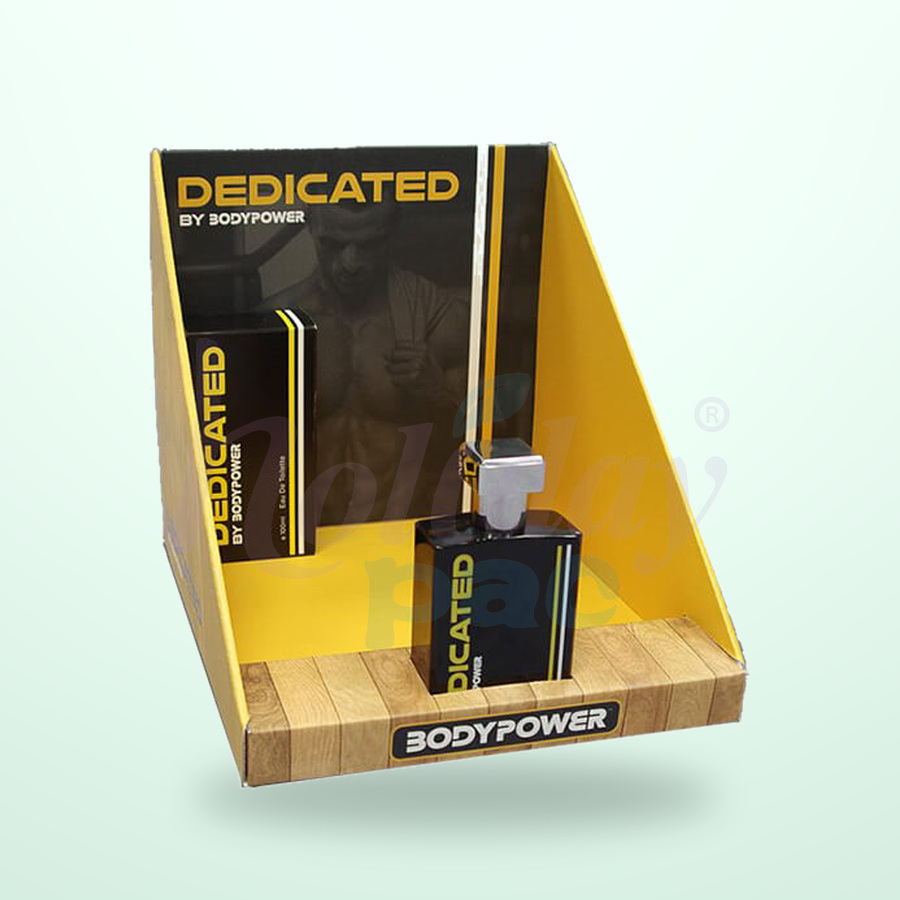
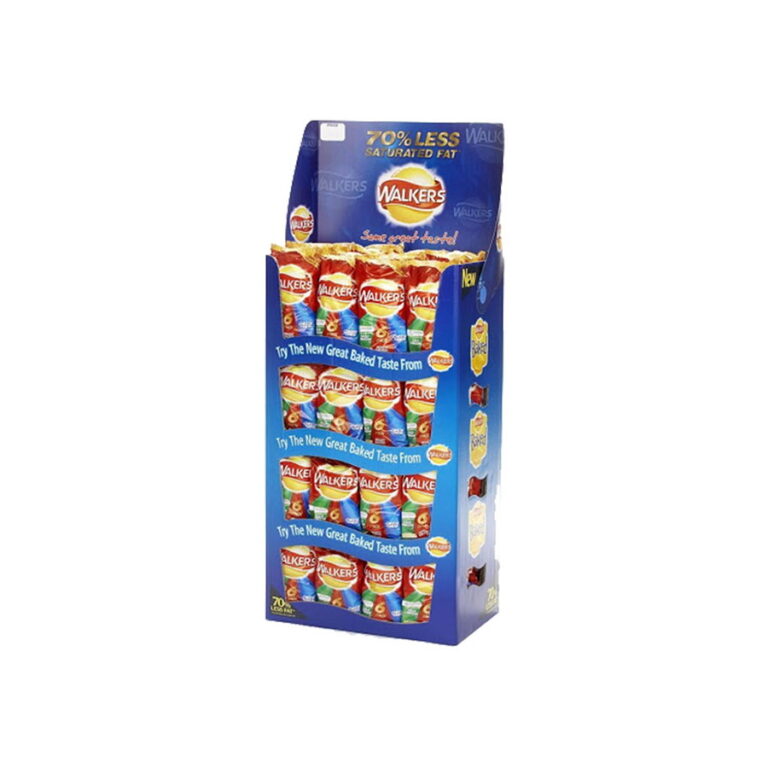
A counter display stand gives a packaged-food brand a dedicated place in the shopper’s line of sight. It can sit beside a checkout, on a service counter, near a bakery entrance, in a convenience store, or beside a seasonal campaign. The format is especially useful when the product needs more presence than a shipping carton but does not justify a full floor unit.
This custom corrugated snack counter display stand is planned around a clear commercial job: keep snack packs visible, make the front row easy to reach, and give the brand a vertical area for a short message or campaign graphic. The display can be adapted for biscuits, bars, confectionery, nuts, bakery snacks, small boxed treats, or other lightweight packaged foods after the actual product dimensions are reviewed.
Because every retail counter has a different footprint, the final design should be built around the available width, product count, shopper approach, refill routine, and display height. Holidaypacfactory can develop the structure and artwork together so the finished unit looks like part of the campaign rather than an unrelated fixture placed beside it.
Structure Planning
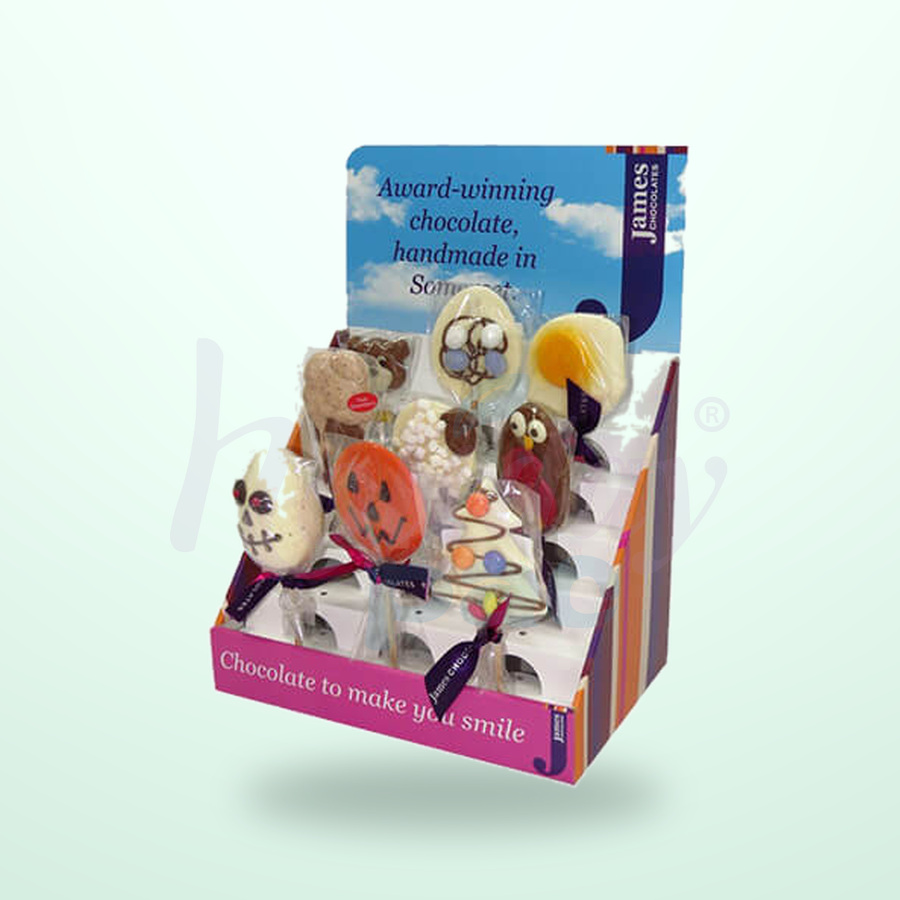
The visible structure typically combines a stable base, one or more stepped trays, side panels, a front retaining edge, and an optional header. Open tray fronts let staff see when stock is running low and let shoppers understand the product range without opening a carton. A stepped arrangement can also lift the back row so smaller packs remain visible from standing height.
The correct tray depth depends on the product. A shallow tray may suit slim bars or small pouches, while a deeper tray may be better for boxed snacks or mixed pack sizes. Dividers can separate flavors, varieties, price points, or promotional bundles. These details should be decided with a physical product sample or accurate measurement so the display supports real stock rather than an idealized drawing.
For a multi-tier unit, the board grade and locking points should be selected after the expected load and handling pattern are understood. A display that will be refilled every day needs a different balance of stiffness, access, and packing protection than a short seasonal counter campaign. The design conversation should therefore include both the shopper view and the store-team view.
Brand Presentation
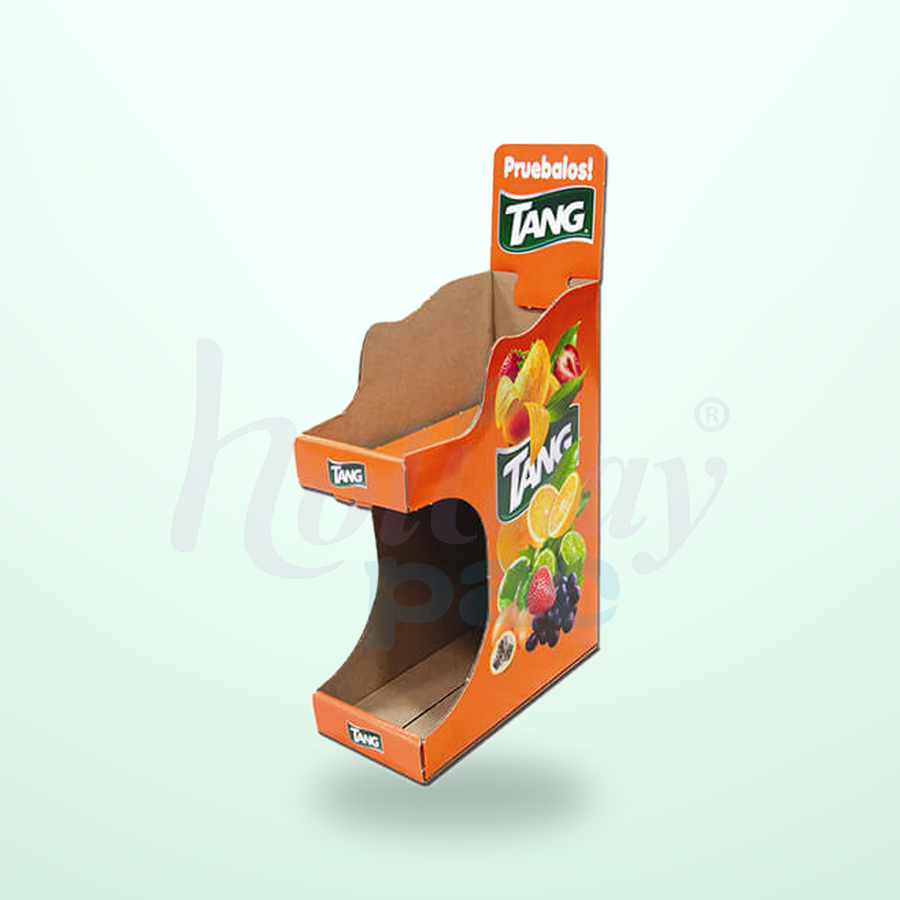
The header is usually the first area seen above the product. It can carry a brand mark, product family name, short offer, seasonal message, or simple category statement. The strongest counter displays keep this message brief because shoppers often make a decision while standing, walking, or waiting at a checkout. Large type, clear contrast, and a focused visual hierarchy are more useful than a crowded panel.
Side panels support the display in two ways. Structurally, they help define the footprint and keep the trays aligned. Visually, they create additional print area for color blocking, product cues, flavor navigation, or a repeated campaign pattern. When the display is viewed from an angle, these panels help the unit remain recognizable instead of disappearing into the surrounding retail environment.
Artwork should be prepared around the finished dieline and checked against folds, glue areas, tray lips, and the expected viewing angle. Holidaypacfactory can help organize the print areas so the front edge, header, and side wings work as one composition. The result should feel clear when fully loaded, not only when the display is photographed empty.
Retail Fit
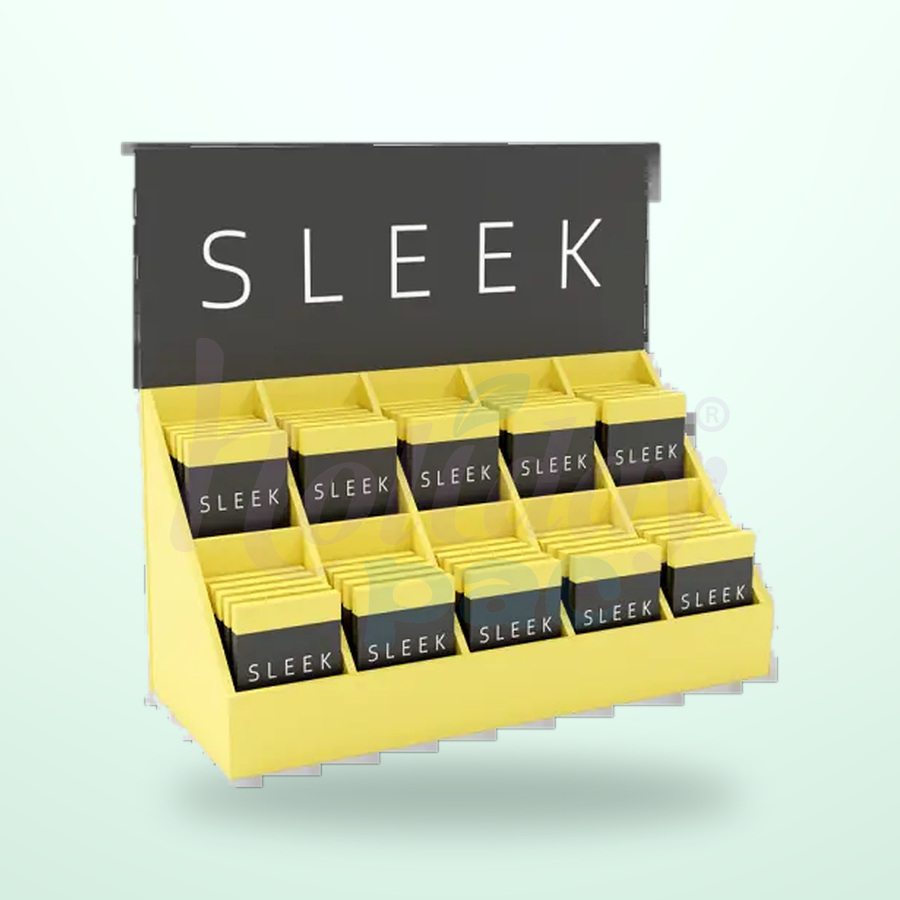
A checkout counter rewards compact visibility. The display must occupy a useful amount of space without blocking the cashier, payment terminal, or shopper’s reach. A bakery counter may allow a warmer presentation with a taller header and softer color palette. A grocery promotion may need stronger shelf separation because several pack sizes or flavors are presented together. A convenience store may prioritize quick refill and a narrow footprint.
These environments point to different design choices even when the product category is the same. The display height, tray count, front lip, side-wall shape, header angle, and packing format can all be discussed before production. Buyers should share the intended retail location, the approximate number of units per store, and whether the display will be assembled by store staff or arrive partly prepared.
A useful sample review should show the unit from the front, side, and shopper’s standing height. It should also show the display loaded with the real product or a close dimensional substitute. That review makes it easier to catch issues such as a hidden product face, a tray that is too deep, a header that is difficult to read, or a base that is too large for the counter.
Custom Production
Custom corrugated displays work best when the structural and graphic decisions are made together. The board construction should support the product load and the intended service life. The print treatment should preserve the brand’s visual hierarchy on every visible panel. The packing method should protect headers, tray lips, corners, and other parts that define the finished shape.
The quotation process becomes more accurate when the buyer provides product dimensions, unit weight, expected quantity, preferred display location, number of shelves or trays, artwork direction, delivery destination, and target launch date. If the display will be used for a new product, it is also helpful to provide a product photo or a flat sample pack so the compartments can be proportioned correctly.
Holidaypacfactory can support the project from structural concept through sampling and repeat production. A first sample can confirm the footprint and loading method. A revised sample can refine print placement and assembly. Once the design is approved, the reorder file can retain the agreed dimensions, artwork, board specification, and packing notes so future production remains consistent.
The display is developed to order, so final specifications are confirmed against the actual product and retail environment before production. The following framework explains what can be customized without inventing unconfirmed measurements.
| Product type | Custom corrugated countertop snack and packaged-food display stand |
|---|---|
| Primary use | Retail counter merchandising, checkout promotion, bakery counter presentation, grocery activation, and convenience-store display |
| Suitable products | Snack packs, bars, biscuits, confectionery, nuts, bakery treats, small cartons, and other lightweight packaged foods |
| Structure options | Open trays, stepped tiers, dividers, front retaining edges, side panels, base supports, and optional header cards |
| Customization | Width, depth, height, tray count, compartment layout, header shape, artwork, surface finish, and packing method |
| Material direction | Corrugated paperboard selected to suit product load, handling frequency, display life, and shipping requirements |
| Artwork guidance | Brand colors, product graphics, campaign messages, category navigation, price communication, and retail-specific visual hierarchy |
| Development process | Requirement review, structural proposal, sample evaluation, artwork confirmation, production, and repeat-order control |
A short brief can make the first quotation much more useful. Include the packed product length, width, height, unit weight, number of facings, preferred tray arrangement, expected store location, target order quantity, artwork direction, delivery destination, and campaign date. A photograph of the product beside a ruler is also helpful when a physical sample is not available.
When the display is intended for a larger retail program, mention how many units will be sent to each store and whether stores will assemble the unit themselves. These details affect the packing method and the level of assembly guidance required. Buyers can also review the wider counter display range when comparing a compact countertop format with other retail structures.
For snack and packaged-food campaigns, it is useful to confirm the shopper’s approach direction. A display placed against a wall may need a stronger front message, while a display seen from several sides may benefit from printed side panels. If the unit is close to a payment point, its footprint and product reach should be checked carefully so the display supports the sales process without obstructing normal counter work.
Holidaypacfactory can also compare the brief with related cardboard retail display formats when a brand needs both counter and floor merchandising. The best format depends on the product load, selling location, replenishment routine, campaign duration, and available retail space.
A reliable display project usually begins with a short discovery conversation rather than a finished artwork file. The packaging team needs to understand what the product looks like on shelf, how many units should face forward, where the display will stand, and how often staff will refill it. Those answers determine whether a single tray, stepped shelves, divided pockets, or a taller header will create the clearest selling point.
The first structural proposal should be judged against the physical product. A drawing can show a clean outline, but only a loaded review reveals whether the front row is easy to reach, whether the back row remains visible, and whether the product can be removed without disturbing the rest of the display. Buyers should review the unit with the same pack orientation used in the store, including any outer wrap, carton, sleeve, or price label that will remain on the product.
For products with several flavors or variants, the compartment plan deserves special attention. A divider can make the range easier to shop, but too many dividers can reduce capacity and make replenishment slow. A good layout balances product recognition with efficient use of the available footprint. It may also reserve one area for a new flavor, limited promotion, sample card, or price message without forcing the entire display to be redesigned.
The front retaining edge is another small detail with a large effect. It should keep the product aligned while leaving enough of the pack visible for recognition. If the edge is too high, the display hides the product. If it is too low, packs can slide forward during handling. The right height depends on the pack shape, product weight, shelf angle, and expected movement around the counter.
Header planning should include both readability and stability. A header that is too narrow may lose its message from an angle, while a header that is too tall can make the unit feel top-heavy or create packing complications. The artwork should be tested at the normal viewing distance so the campaign statement remains legible without requiring a shopper to stand directly in front of the display.
Print preparation should follow the approved dieline. Important text should stay away from fold lines, cut edges, glue zones, and areas hidden behind product. Brand colors should be reviewed on the selected paperboard because the finished tone can differ from a screen proof. If a kraft appearance is required, the artwork should account for the natural board color. If a bright white background is preferred, the print and board direction should be confirmed before sampling.
Surface finish can be selected according to the retail setting. A matte finish can create a softer, more premium feel and may reduce distracting reflections under strong store lighting. A gloss finish can add color intensity and make certain graphics feel more energetic. Either choice should be checked with the real product, because the surrounding pack finish, metallic details, windows, or clear film can change the overall visual balance.
Sampling is the best point to confirm assembly and loading. The sample should be opened, locked, filled, emptied, moved, and packed again. If several stores will receive the display, someone who was not involved in the design should try the assembly using the written or visual instructions. That simple test often identifies a confusing fold, a part that is easy to misplace, or a tray that needs a clearer locking position.
For larger rollouts, the display can be planned as a store-ready kit. The kit may include the folded display, a small assembly guide, protective packing around exposed edges, and a clear orientation for any removable header or insert. Keeping the kit simple helps store teams complete the setup consistently and reduces the chance that a useful component is discarded with the shipping carton.
Shipping protection should focus on the parts that define the retail appearance. Headers, side wings, front lips, corners, and printed faces should be supported so they do not arrive creased or crushed. The outer carton should be sized to protect the display without adding unnecessary volume. For a multi-store program, carton labeling can also help identify the campaign, store quantity, assembly direction, and product family.
Product loading should be included in the final approval record. A display that works with empty sample cartons may behave differently with filled packs. The buyer should check whether the tray remains level, whether the front row stays neat, and whether the display can be moved after it is loaded. If the products vary in weight, the heaviest realistic combination should be part of the review.
Store placement also affects color and message choices. A display surrounded by bright packaging may need a calmer background and a strong brand block. A display on a neutral bakery counter may benefit from richer color and a more expressive header. The purpose is not to use more decoration; it is to help the unit remain recognizable in the actual visual environment where a shopper will encounter it.
For an impulse promotion, the physical path around the counter matters. The display should not force staff to reach across a payment device or block a frequently used work surface. It should also leave enough room for shoppers to pick up one pack without knocking over adjacent packs. These operational details are often easier to solve during the sample stage than after the first production run.
For a repeat order, the approved sample should become the reference for future production. The record should include the final dimensions, board direction, print file, coating or finish, assembly method, packing configuration, and any allowed artwork changes. Keeping those notes together reduces uncertainty when the same structure returns for a new season or when a successful display is rolled out to another market.
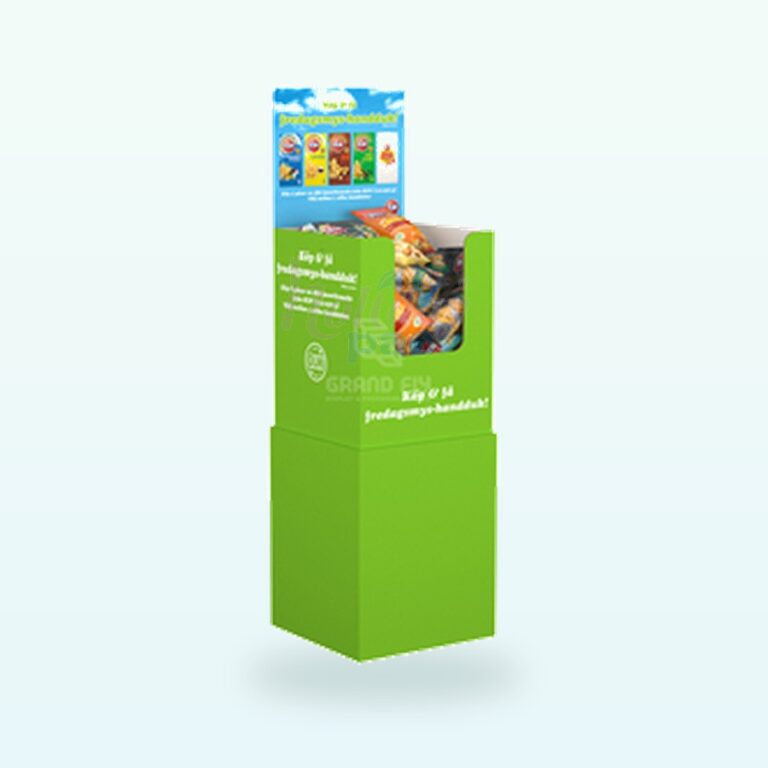
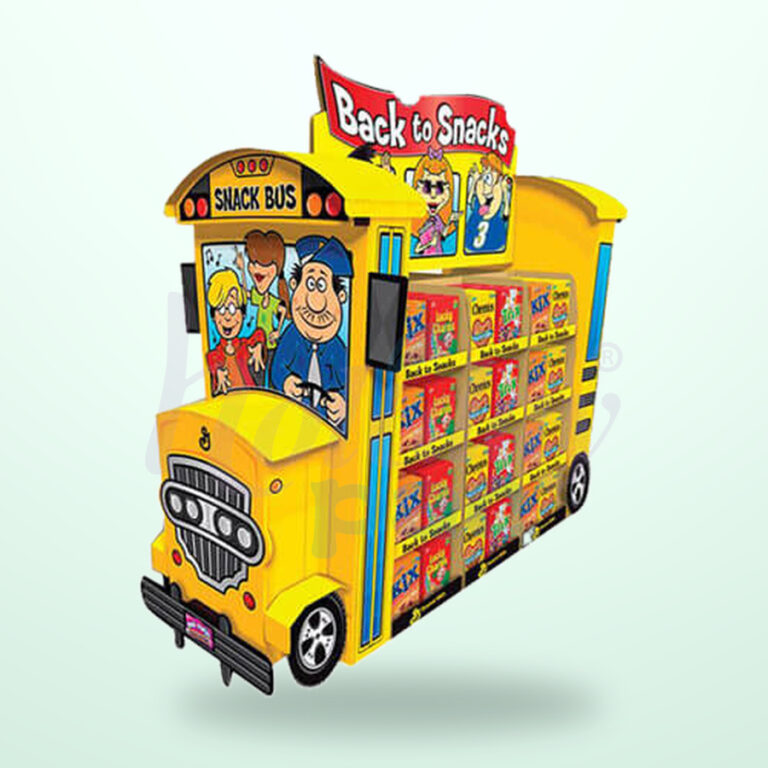
A counter display can also work as part of a wider merchandising system. A small unit may introduce a product at checkout, a shelf-ready tray may support replenishment inside the aisle, and a floor display may carry a larger campaign. When these formats share the same visual language, the customer sees one coherent product program even though each structure serves a different retail task.
The most useful quotation is therefore based on a complete brief rather than only a product name. Include the pack size, product weight, number of facings, preferred display position, campaign duration, quantity per store, artwork status, shipping destination, and any retailer requirements. With that information, Holidaypacfactory can recommend a practical structure and explain which decisions still need confirmation before production.
Buyers should also decide whether the display is a single-product unit or a mixed assortment unit. A single-product unit can give one hero pack maximum visual ownership, while a mixed assortment can help shoppers compare flavors, formats, or price points in one place. The choice affects divider placement, print hierarchy, stock capacity, and the way the header introduces the offer.
After the first store test, useful feedback should be recorded while the display is still in use. Note which tray empties first, whether staff can refill it quickly, whether shoppers understand the product message, and whether the footprint fits the counter throughout the day. Those observations can guide a more efficient second version and turn a one-off promotion into a repeatable retail packaging program.
It is suitable for snack packs, bars, biscuits, confectionery, nuts, bakery treats, small cartons, and other lightweight packaged foods. The tray depth, front edge, dividers, and board construction should be adjusted after the real product dimensions and weight are reviewed.
Yes. Width, depth, height, tray count, header shape, compartment layout, print artwork, surface finish, and packing method can be developed around the intended retail location and product range.
Please provide product dimensions, packed unit weight, target quantity, store placement, number of facings, preferred artwork direction, delivery destination, and expected launch date. Product photos or a sample pack can improve the accuracy of the structural proposal.
Yes. The format can be planned for a short campaign or an everyday retail program. Seasonal projects should include the campaign dates, store handling method, packing requirements, and whether the display will be removed or reused after the promotion.
Use the Request a Quote button and share the product and retail details above. Holidaypacfactory can then review the structure, print areas, sample requirements, and production path with you.
Need a snack display built around your product dimensions and retail counter?
Talk to a Packaging Specialist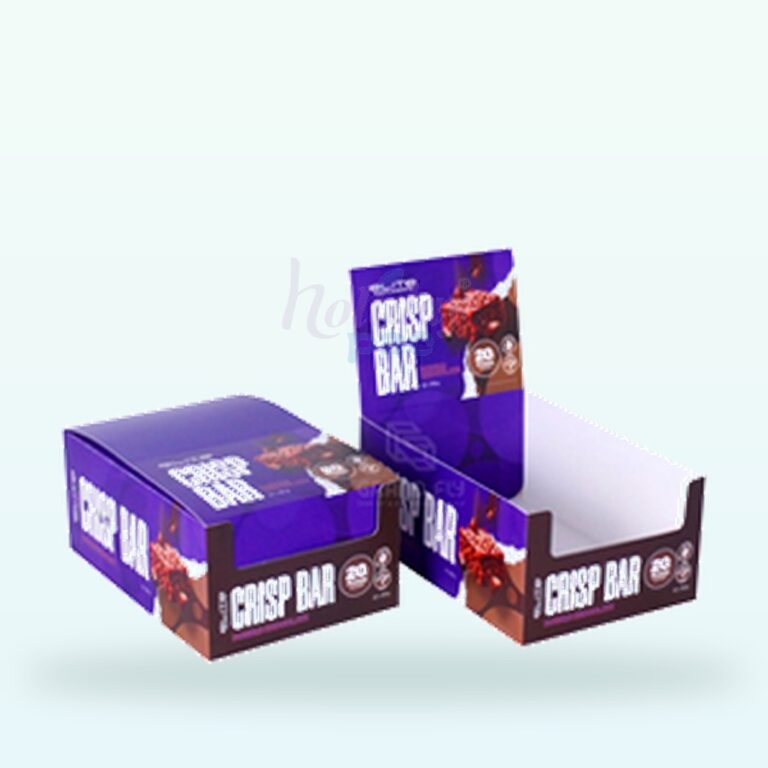

 Cassie LanFounder, HolidayPac · Leave a message
Food packaging, paper bags and food service paper for your next project.
Leave your request anytime. Our sales team will reply with pricing, samples and production details.
Tell us what you're packaging and we'll ship a physical sample plus a free 3D mockup within 24 hours — no cost, no obligation.
We've received your inquiry and our team will get back to you within 24 hours.