Door to Door service
Welcome to Holidaypac Packaging Solutions Factory!

tiger@holidaypac.com

+86 136 5233 6188
Welcome to Holidaypac Packaging Solutions Factory!
tiger@holidaypac.com
+86 136 5233 6188
Related packaging range
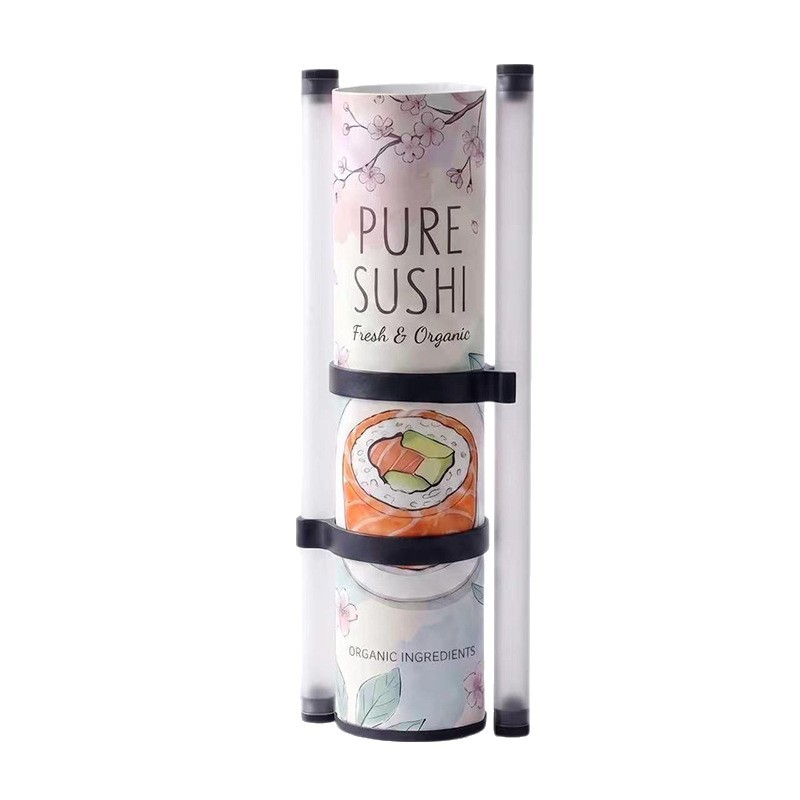
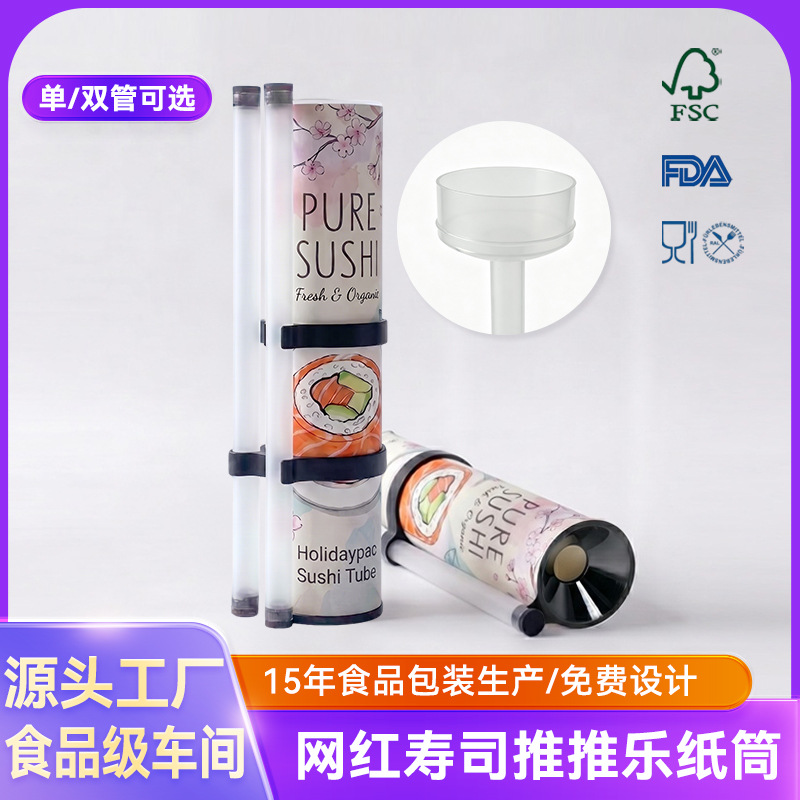
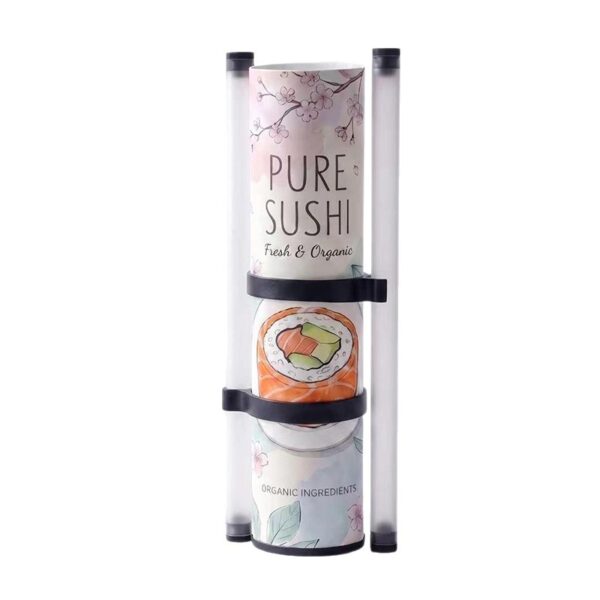
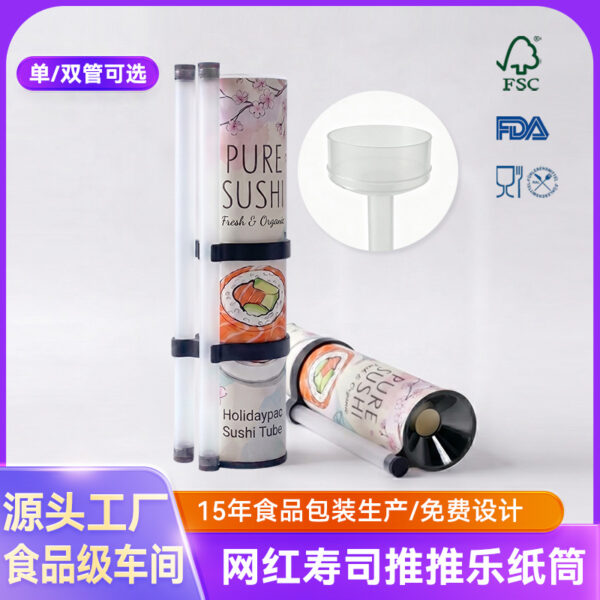
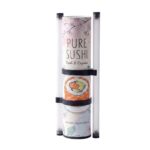
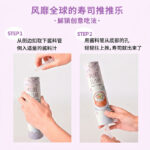
Quick Note Novel food packaging needs immediate clarity When a package uses an unfamiliar serving motion, the page should explain that structure quickly. Buyers are deciding not only whether the material works, but whether the format can create a stronger customer reaction than a regular box or cup. Visual noveltyCompact carryBrandable shell First impression The vertical tube shape signals novelty and makes the package easier to notice. Brand effect The shell gives enough surface for logo, pattern and a cleaner private-label story. Service use The product fits concepts where packaging is part of the eating ritual. Commercial role This is useful for launches that want more social sharing and demonstration value. +The push-up action gives the product a clearer talking point than a normal food container. +A compact cylindrical body can help the pack feel playful without losing a professional look. | Sushi push tube identity Custom Sushi Push-Up Paper Tube Packaging for Takeaway Sushi, Food Gifting and Creative Prepared Meal ConceptsFood packaging becomes more valuable when it changes the way the product is experienced rather than only the way it is transported. That is exactly why a sushi push-up paper tube has commercial potential. Instead of serving sushi through a standard tray or carton, the food is presented in a vertical format that creates curiosity, encourages interaction and makes the package itself part of the product story. For brands trying to build novelty, social engagement or a stronger unboxing moment, that structural difference matters. For a broader sushi packaging family, review our custom sushi, bento and deli paper boxes. The format is especially interesting because it combines novelty with a recognizable paper packaging language. Buyers still get a printable shell, an organized footprint and a product that can be customized for logo, graphics and sales channel needs. At the same time, the push-up mechanism gives the food a more demonstrable reveal. That makes the product relevant for takeaway sushi, tasting programs, promotional launches, retail gift packs and any prepared-food concept that benefits from motion and customer interaction. If the buyer also needs a table-ready format, compare this product with our stand-up picnic sushi box. Unlike many highly decorative novelty packs, this product does not rely only on appearance. The tube shape also makes the packaging more compact and easy to carry. It can work for single-serve formats, paired tubes or coordinated limited-edition programs. Brands can develop it around rice rolls, layered snacks, dessert-inspired food formats or chef-created cross-category items. That flexibility is helpful because it means the product is not limited to one short-lived gimmick. It can become a packaging platform for several creative food directions. For a more traditional paper meal shell, browse our kraft sushi bento box with clear window. For importers and private-label buyers, the strongest positioning is to treat this as an experience-led paper packaging concept. The customer should remember both the food and the act of serving it. A good product page therefore needs to explain the structure clearly, show how the mechanism works and connect the format to real business uses such as gifting, launch packs, social-media-friendly takeaway and differentiated retail presentation. When that story is told well, the product feels commercially intentional rather than merely unusual. A stronger print-forward meal pack can be seen in our high quality printed sushi bento box. |
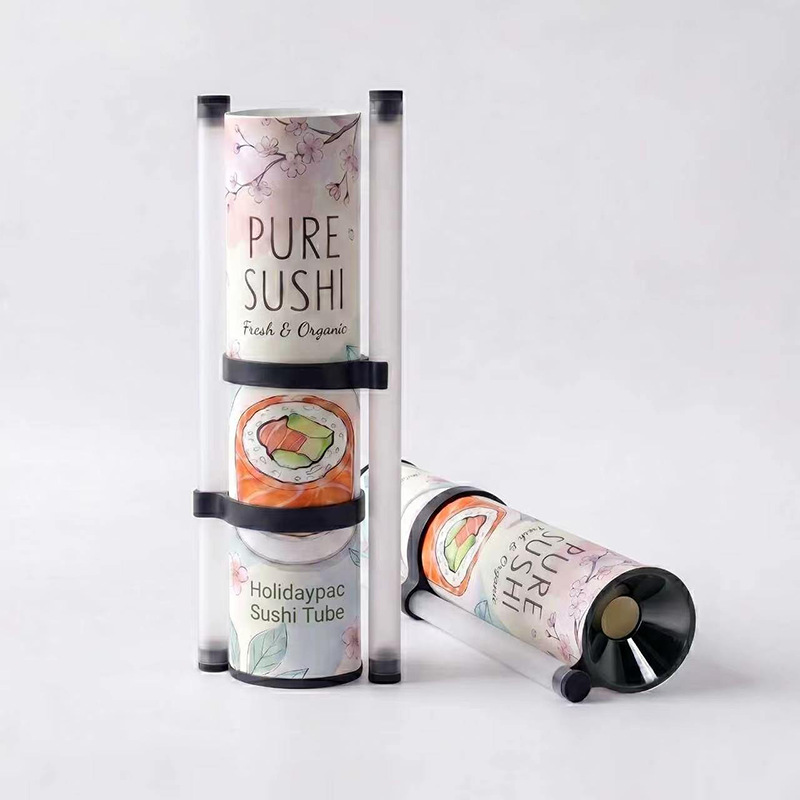
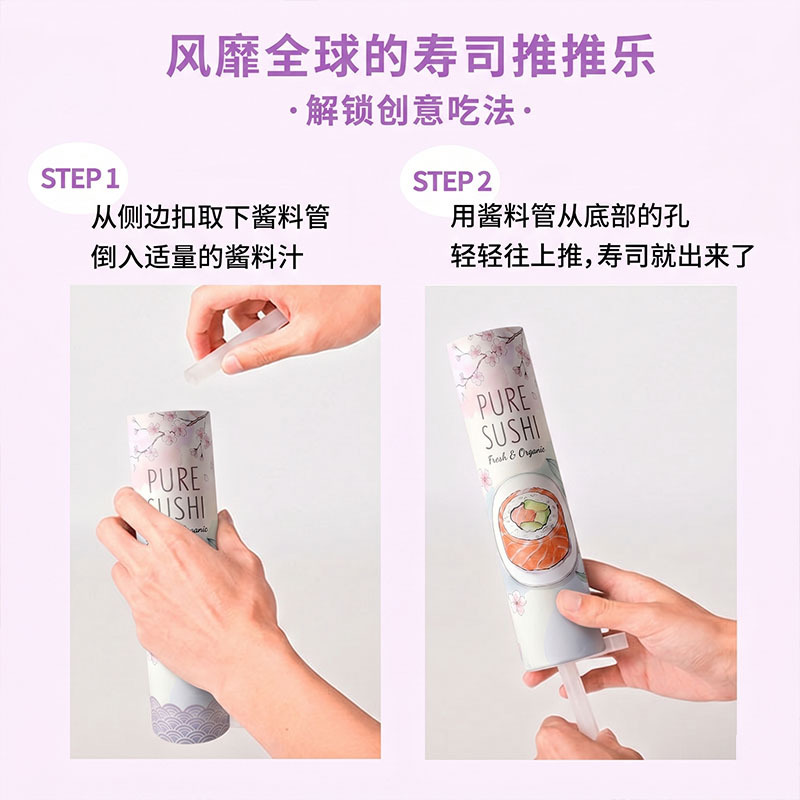
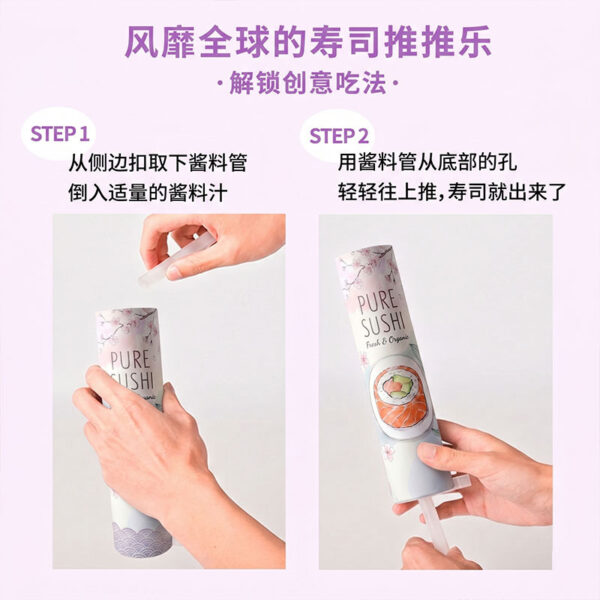
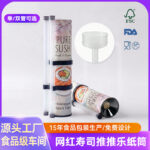
Mechanism and customer experience Use the Push-Up Motion to Turn Packaging into a Customer Interaction, a Demo Tool and a Launch StoryOne of the strongest commercial advantages of this product is that it is easy to demonstrate. A customer can see the tube, understand that something pushes upward and instantly become curious. That is useful in a market where many food packages look interchangeable. The act of pushing the contents upward gives the product a small moment of theater, which can be valuable in social media, in-store launches, pop-up events and direct-to-consumer novelty concepts. For compartment-led takeaway service, explore our compartment paper sushi bento box. From the buyer’s perspective, this is more than a fun gesture. A package that can be demonstrated clearly is easier to market. Staff can explain it quickly. Video content becomes easier to produce. Sampling events become more memorable. Even a static product display has more intrigue because the package hints at movement. When brands are trying to make a new item stand out online or at retail, that kind of built-in engagement can be more powerful than simply printing brighter graphics on a standard tray. A compact retail-ready alternative appears in our food grade disposable paper sushi box. This is why the usage sequence should be treated as part of the product story. The mechanism affects how consumers remember the food. It also shapes how the brand talks about the item. A sushi push-up tube can be marketed as a creative snack, a fun lunch item, a tasting-format product or a giftable food novelty depending on the audience. The packaging therefore becomes part of the concept design, not only a vessel. That is valuable for buyers who want the package to support branding and promotion rather than only safe transport. For lunch and event-style assortment packaging, review our custom picnic box disposable bento lunch box. For product development teams, the takeaway is simple: the easier the movement is to understand, the better the commercial potential. That means the page should show the action early, then connect it to real use scenes. Once buyers understand the mechanism, they can more easily evaluate size, food fit, print layout and project feasibility. A page that does this well gives the packaging more commercial credibility and helps the product feel more complete from the start. Prepared-food buyers can extend the category through our custom takeaway food boxes for deli meal service. | Quick Note A good novelty format needs an easy learning curve If the serving motion feels confusing, the concept loses power. If it feels obvious and satisfying, the packaging becomes more memorable and much easier to market through demos, video and in-store explanation. Easy motionVideo-friendlyCustomer engagement Consumer cue The product teaches the user what to do through a simple push action. Marketing fit This makes the package suitable for short-form video, sampling and launch campaigns. Retail use Demonstrable packaging often performs well in novelty-driven food gifting programs. Value story The motion helps justify a more premium feeling than a simple static container. +Interaction is part of the package’s brand value, not only a functional detail. +A clear demonstration sequence helps buyers imagine how staff and customers will use the product. |
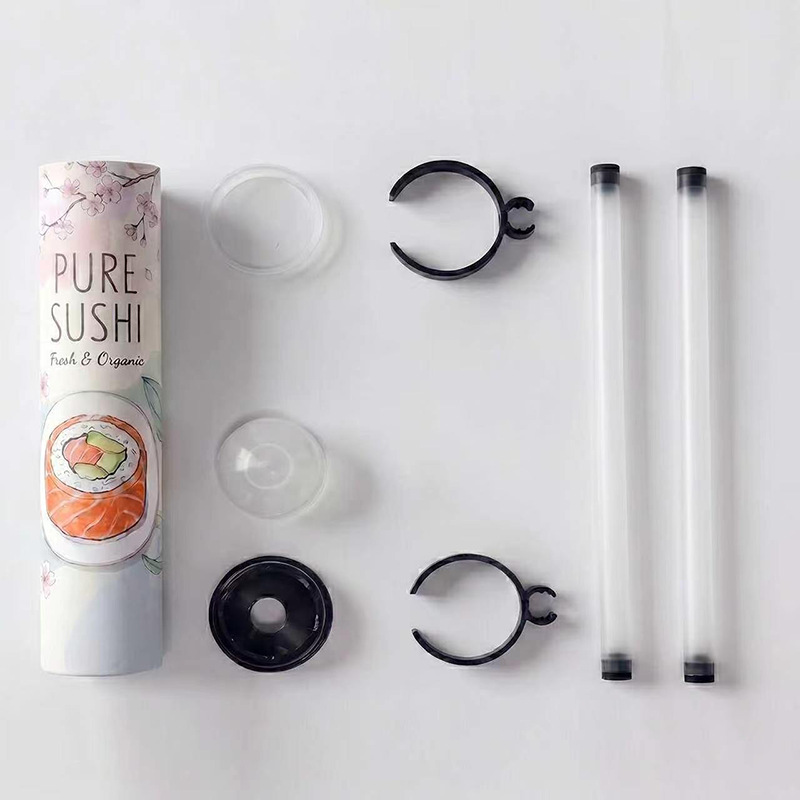
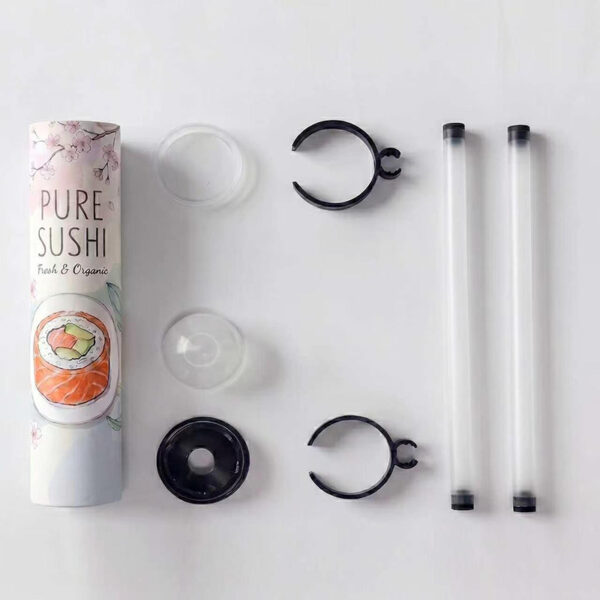
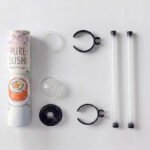
Quick Note Clear structure reduces sampling risk When buyers can see the parts, they are better able to brief the real use case: food diameter, portion height, sealing needs, brand graphics and whether the product is intended for one-time novelty or repeat supply. Food fitComponent logicSpec brief Reference sizes Single and double tube 50 x 220 mm are the current visible starting formats. Inner size 48 mm inner diameter helps frame the discussion around food dimensions. Wall reference 2 mm wall thickness gives a useful material benchmark for the shell. Supply angle A clearer component view helps private-label and distributor buyers brief samples more accurately. +Technical confidence often starts with a clearer structure image, not a longer paragraph. +A page should help buyers move from novelty to specification without losing the premium feel. | Material and structure planning Match Tube Size, Inner Diameter and Push Mechanism to the Real Food Format Before Final Artwork ApprovalNovel packaging still needs disciplined technical planning. This product is a good example. Its value comes from the interaction, but the interaction only works well if the dimensions, internal fit and component relationship are aligned with the real food. The visible specification references from the supplier side include single-tube and double-tube 50 x 220 mm options, a 48 mm inner diameter and a 2 mm wall thickness. Those points give buyers a practical starting framework for sampling and size discussion. If the project later expands into gifting and display, our luxury sushi drawer bento box is another useful reference. The most important step is matching the tube geometry to the intended food. If the sushi or snack portion is too loose, the push-up effect becomes less satisfying and the visual reveal may feel messy. If the fit is too tight, the product may be difficult to use. That is why buyers should treat the current measurements as a strong reference, then verify them against actual food dimensions, rice compression, wrap thickness and expected serving presentation. A good first sample should be built around the food behavior, not only a standard drawing. For a wider sustainability-led assortment, see our PFAS-free paper food packaging solutions. The parts view also helps when discussing materials and accessory expectations. Buyers can more easily evaluate what needs to stay transparent, what should carry print, where sealing or friction matters and how the product will be assembled or filled. This is especially helpful for private-label programs, because it turns the conversation from vague inspiration into a more accurate design-and-supply brief. The clearer the parts are understood, the less likely the sample process is to drift away from the real commercial objective. For a broader sushi packaging family, review our custom sushi, bento and deli paper boxes. A good product page should therefore place the specification table below the structure story rather than hiding it inside a crowded text block. That keeps the image and explanation balanced while still giving the buyer the data they need. When the technical facts are framed this way, the product feels more credible. It remains creative and premium, but it also reads as something that can be manufactured, customized and supplied consistently for real business use. If the buyer also needs a table-ready format, compare this product with our stand-up picnic sushi box. |
The specification content is placed below the paired row to keep the image column full and the reading flow cleaner. That also prevents the large empty left-side gap that often appears when a taller table is forced into the same row as a shorter product image.
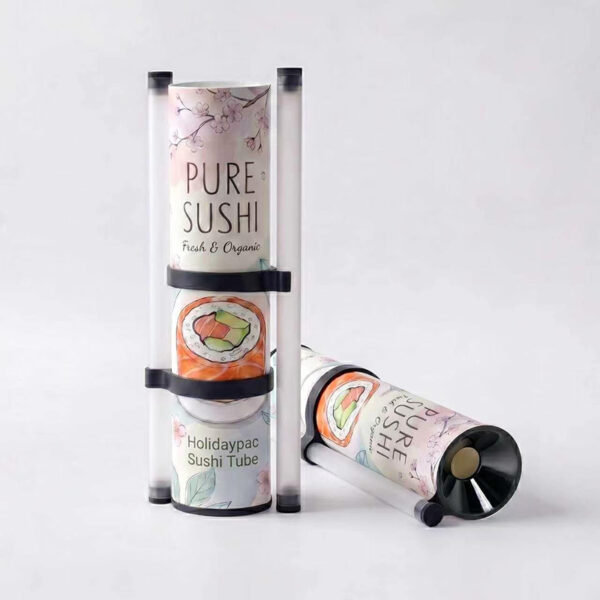
Private-label presentation Use the Paper Shell as a Focused Brand Surface for Sushi Launches, Novelty Snacks and Compact Retail ProgramsOne reason this product works well for private-label packaging is that the paper shell remains visually central. Unlike a plain tray that disappears beneath a lid, the tube body carries the identity of the item. That makes logo placement, illustration choice and color hierarchy especially important. A good design can help the product feel playful, premium, natural or trend-driven depending on the target audience. The packaging becomes part of the positioning, not only part of the transport solution. For a more traditional paper meal shell, browse our kraft sushi bento box with clear window. This matters because the product is likely to be sold in channels where presentation plays an oversized role. Novelty food, launch packs, tasting items and social-media-driven products often depend on strong first-glance appeal. The tube gives buyers a compact but distinctive brand surface. Even a relatively simple graphic approach can work well because the cylindrical format and push-up concept already provide differentiation. The best results often come from using the shell cleanly rather than filling every area with text or decorative elements. A stronger print-forward meal pack can be seen in our high quality printed sushi bento box. For distributors and importers, that design flexibility increases the usefulness of the product. The same structural family can be adapted for several customers by changing color, logo, illustration style or market language. One version may feel soft and giftable, another may feel youthful and trend-led, and another may feel clean and premium for specialty retail. Because the core structure remains stable, these changes are easier to manage than developing a completely different package for each program. For compartment-led takeaway service, explore our compartment paper sushi bento box. A product page that explains this clearly helps buyers think beyond the first sample. They can start to see how the package might evolve into a small family of SKUs, campaigns or market variants. That is an important commercial step. It turns the sushi push-up paper tube from a one-off idea into a viable packaging platform for compact, branded food concepts that want both novelty and a professional presentation standard. A compact retail-ready alternative appears in our food grade disposable paper sushi box. | Quick Note A small package still needs a disciplined graphic hierarchy Because the shell is compact, every design decision matters more. The page should help buyers think about what belongs on the front, what stays minimal and how the product can feel branded without becoming cluttered. Compact graphicsLogo balanceShelf mood Surface value The tube shell can support logo, product cue, color story and key brand motifs. Retail use A cleaner shell helps the product look more premium in a compact display footprint. Market fit The same tube can shift between playful novelty and a more refined boutique mood. Repeat use A stable graphic system makes future seasonal or flavor variants easier to launch. +Small-format packaging looks stronger when the graphics feel intentional rather than crowded. +A consistent shell design can turn novelty packaging into a reusable product family. |
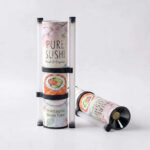
Quick Note The best novelty packaging becomes a repeatable product line A format like this has the most value when it can move from concept to repeat business. Buyers need to understand not only the demo effect, but also how the product can scale, vary and keep its character over time. Repeat supplySingle and double tubeSKU extension Format range Single and double tube directions can serve different portion and novelty objectives. Scaling path The same concept can support seasonal shells, partner editions and market-specific branding. Supply logic A simpler standardized format is easier to restock and coordinate across repeat orders. Commercial role The product can evolve from one campaign item into a recognizable signature format. +Repeatability is what turns a clever package into a commercially useful one. +A stable structural core makes future branding changes and market variants much easier. | From novelty concept to supply program Plan the Sushi Push-Up Tube as a Repeatable Packaging Family for Launches, Sampling, Retail Novelties and Private-Label GrowthThe final move on this page should be from interest to planning. A sushi push-up tube may attract attention because of its novelty, but long-term value comes from repeatability. Buyers need to know whether the structure can support more than one sales cycle, more than one shell design and more than one portion direction. That is why a clean single-tube view is useful in the final module. It helps the buyer focus on the core format rather than only the launch excitement around it. For lunch and event-style assortment packaging, review our custom picnic box disposable bento lunch box. This is where single-tube and double-tube planning becomes commercially meaningful. One brand may use a single tube for a compact tasting concept or a grab-and-go line. Another may use a double-tube concept for gifting, pairing or a stronger display effect. Once the structure and shell system are defined, the same packaging family can support special editions, seasonal campaigns, chef collaborations or cross-market launches. That makes the product easier to justify because it is not limited to one moment of novelty. Prepared-food buyers can extend the category through our custom takeaway food boxes for deli meal service. For importers, distributors and private-label operators, repeat supply also means operational clarity. They need to think about sample revision, artwork updates, production consistency, channel fit and whether the pack will remain relevant after the first campaign. A good packaging page should help with that thinking. It should show how the tube can be standardized, customized and reintroduced without losing its distinctive character. That is what turns a creative package into a business-ready product line. If the project later expands into gifting and display, our luxury sushi drawer bento box is another useful reference. Holidaypacfactory can position this product as an experience-led packaging platform with room for scale. That message is stronger than simply calling it a hot seller or novelty item. Buyers respond better when they see both sides of the opportunity: the emotional impact of the push-up reveal and the practical possibility of developing a repeatable branded format. When those two ideas are connected well, the product page becomes much more persuasive and much more commercially useful. For a wider sustainability-led assortment, see our PFAS-free paper food packaging solutions. |
Start with the actual food dimensions and serving logic. Buyers should share the diameter, height, rice density, wrap thickness and total serving weight of the item that will sit inside the tube. Because the product depends on a push-up action, fit matters more than it does in a simple tray or carton. The better the food dimensions are matched at the beginning, the more convincing the sample will feel in both function and presentation. For a broader sushi packaging family, review our custom sushi, bento and deli paper boxes.
Next, define the use scene clearly. Is this tube meant for a trend-driven takeaway launch, a tasting product, a retail gift item, a sampling event or a social-media-focused food concept? The answer will shape not only the shell design, but also how much emphasis should be placed on demonstration, accessory clarity and the feel of the finished reveal. Packaging for a chef pop-up may need a different tone than packaging for mass-retail novelty sales. If the buyer also needs a table-ready format, compare this product with our stand-up picnic sushi box.
Then prepare the artwork hierarchy with discipline. Small-format packaging becomes cluttered very easily, so buyers should decide what the front-facing message is, what visual cue identifies the food, what brand elements matter most and where optional information such as stickers or secondary labels should sit. The strongest shells feel composed and easy to read. They use the unusual structure to their advantage instead of compensating with too much decoration. For a more traditional paper meal shell, browse our kraft sushi bento box with clear window.
Finally, think about whether the product is a one-time activation or the beginning of a wider family. If the tube may later support more flavors, different shell designs, seasonal editions or paired formats, that should be considered early. A better first brief usually saves time later because it helps align structure, print and supply around a longer-term vision rather than a single isolated sample request. A stronger print-forward meal pack can be seen in our high quality printed sushi bento box.
The most useful product pages help buyers make that shift from curiosity to a practical brief. When the mechanism, dimensions, food fit and branding direction are all considered together, the sushi push-up paper tube becomes much easier to develop into a working commercial package instead of remaining an interesting but under-specified idea. For compartment-led takeaway service, explore our compartment paper sushi bento box.
This packaging format is commercially interesting because it lives at the intersection of food, motion and storytelling. Standard takeaway packaging is usually chosen for efficiency and cost clarity. The sushi push-up paper tube adds another dimension: it creates an action. That action can help a brand build launch buzz, improve customer memory and make the product easier to present in video, sampling and event settings. For the right category, that differentiation can be more valuable than adding another conventional box shape to the range. A compact retail-ready alternative appears in our food grade disposable paper sushi box.
The product also fits the growing overlap between prepared food and content-driven retail. Many food items now compete not only on taste but also on how shareable, giftable or surprising they feel. A push-up tube gives the brand a built-in demonstration moment. That can be helpful for trend-led prepared foods, chef collaborations, novelty sushi concepts and compact tasting formats that want to feel more premium or more playful than regular takeaway containers. For lunch and event-style assortment packaging, review our custom picnic box disposable bento lunch box.
For importers and distributors, this can open a different type of conversation with customers. Instead of selling only standard foodservice packaging, they can offer a more distinctive concept product. The tube has enough structure to support real private-label development, yet it still feels visually different enough to stand apart. That can make it attractive to boutique operators, event caterers, promotional food brands and retailers looking for compact high-interest packaging formats. Prepared-food buyers can extend the category through our custom takeaway food boxes for deli meal service.
At the same time, the product should not be framed as novelty alone. The stronger message is that it can become a small but repeatable branded family. Single-tube and double-tube directions, localized shell graphics, special-edition prints and market-specific branding all make the concept more durable. When buyers understand that, the product becomes easier to justify and easier to build into a longer-term packaging strategy. If the project later expands into gifting and display, our luxury sushi drawer bento box is another useful reference.
Holidaypacfactory can therefore position this item as a food-grade paper packaging concept for brands that want interaction, visibility and differentiation in a compact footprint. That positioning speaks to real business goals: better launch attention, stronger customer recall, more flexible private-label development and a packaging shape that can help a prepared-food product look genuinely different without becoming operationally unmanageable. For a wider sustainability-led assortment, see our PFAS-free paper food packaging solutions.
It is especially suitable for compact sushi servings, rice rolls, novelty prepared snacks, tasting formats and food concepts that benefit from a vertical presentation and a push-up serving action instead of a standard open tray. For a broader sushi packaging family, review our custom sushi, bento and deli paper boxes.
Yes. The visible reference options include single and double tube formats, and the shell can be customized with logo, graphics, color direction and market-specific branding according to the project brief and sample plan. If the buyer also needs a table-ready format, compare this product with our stand-up picnic sushi box.
A push-up tube creates a more interactive serving moment, a stronger novelty cue and a more memorable brand experience. It is especially useful when packaging needs to support launch attention, sampling, gifting or content-friendly retail presentation. For a more traditional paper meal shell, browse our kraft sushi bento box with clear window.
Please share food diameter, height, total serving weight, target market, intended single or double tube format, branding direction, sample purpose and expected repeat quantity so the first sample can be aligned more closely with the real commercial use. A stronger print-forward meal pack can be seen in our high quality printed sushi bento box.

 Cassie LanFounder, HolidayPac · Leave a message
Food packaging, paper bags and food service paper for your next project.
Leave your request anytime. Our sales team will reply with pricing, samples and production details.
Tell us what you're packaging and we'll ship a physical sample plus a free 3D mockup within 24 hours — no cost, no obligation.
We've received your inquiry and our team will get back to you within 24 hours.