Door to Door service
Welcome to Holidaypac Packaging Solutions Factory!

tiger@holidaypac.com

+86 136 5233 6188
Welcome to Holidaypac Packaging Solutions Factory!
tiger@holidaypac.com
+86 136 5233 6188
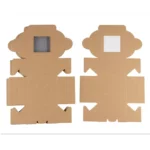
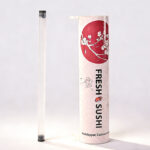
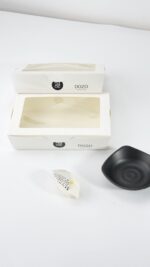
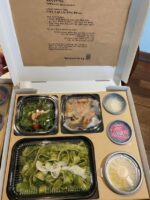
Related packaging range
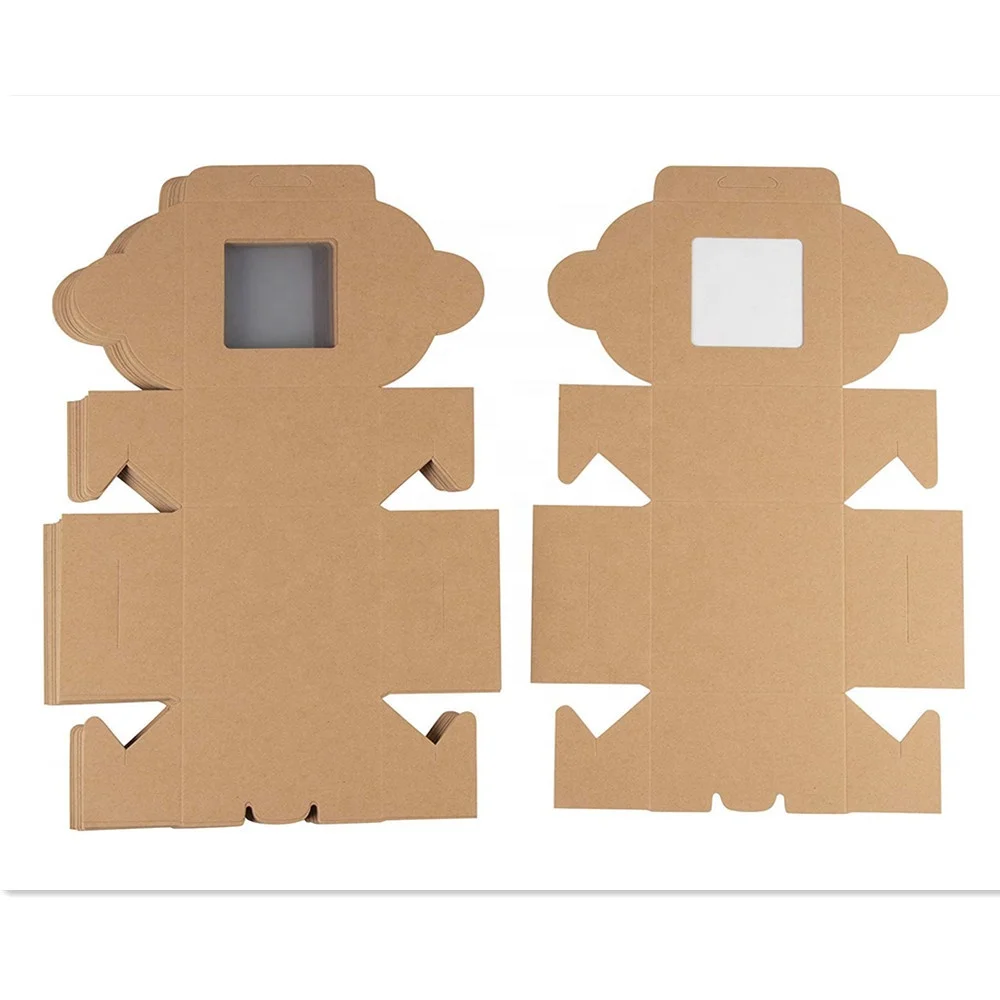
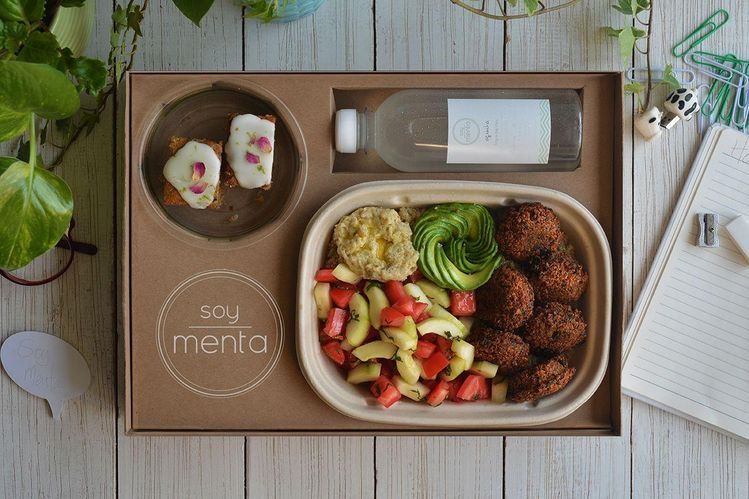
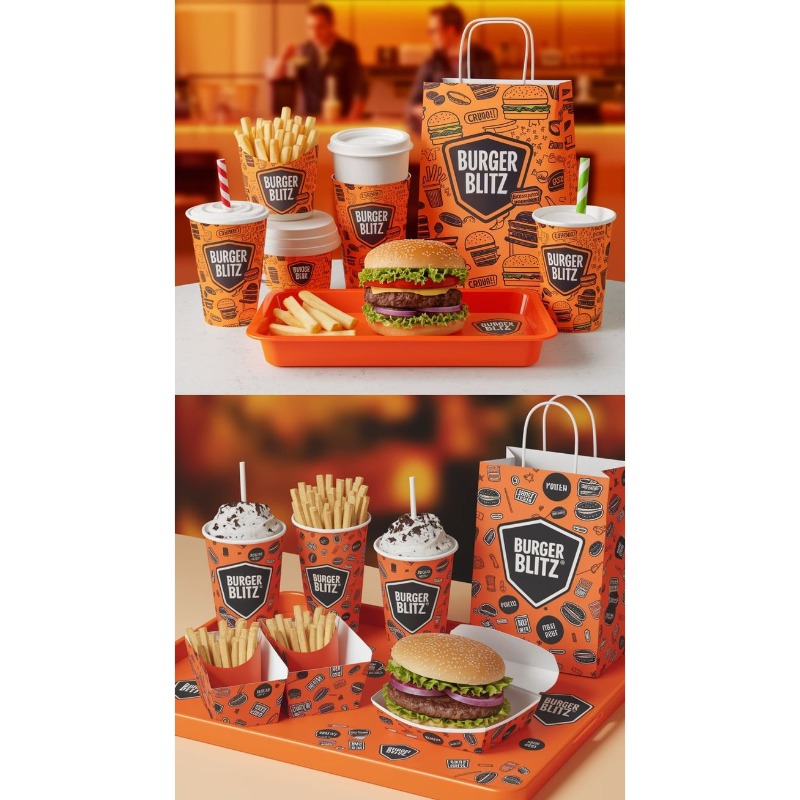
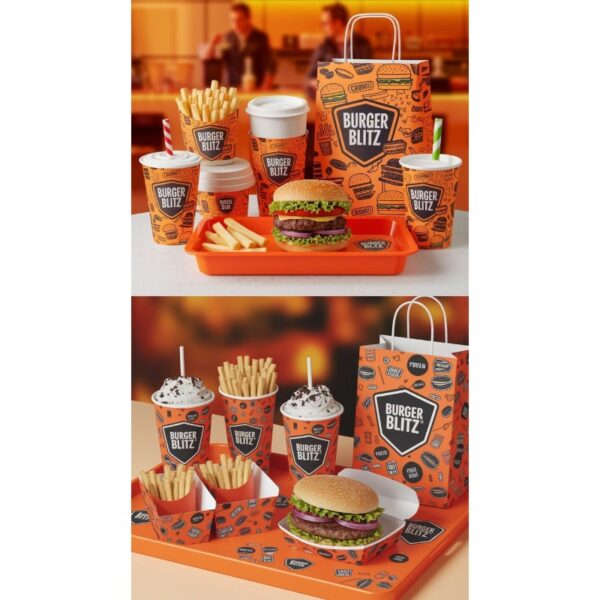
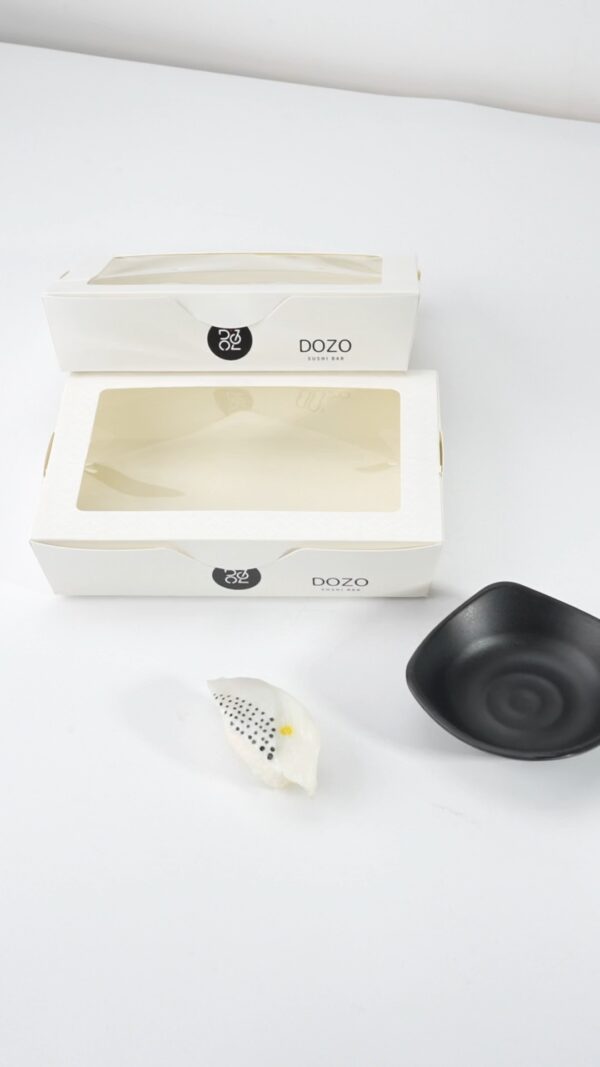
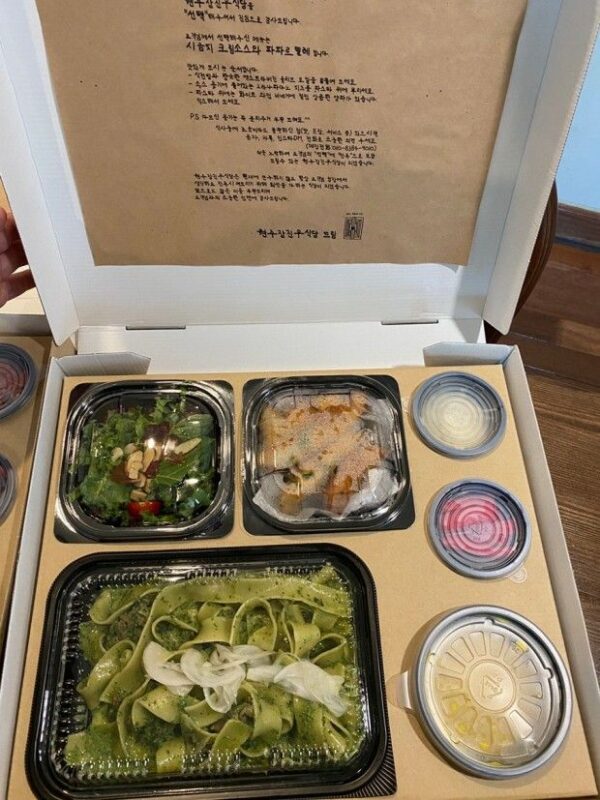
Quick Note Takeaway packaging succeeds when service speed and presentation stay aligned The best meal box is not only attractive in a product photo. It also has to close cleanly, stack sensibly and help staff move through lunch and dinner rushes without slowing down. Fast handoffProgram viewMulti-menu use | System-led takeaway packaging Build a Custom Takeaway Food Box Program Around the Real Meal and the Real Service LineBuyers looking for takeaway food boxes are usually solving several problems at once. They need a box that protects the meal, helps the food arrive with a clean appearance, supports faster packing during busy service periods and still leaves room for brand identity. The best product pages should reflect that reality. A meal box is not only a container. It is part of the restaurant workflow, the shelf impression and the customer handoff. Compare it with our custom kraft window food boxes for display-led takeaway lines. That is why a broader takeaway page is commercially useful. Instead of presenting one rigid box shape as if every meal behaves the same, the page can show how different paper formats answer different service scenes. Salad and deli buyers often prioritize freshness cues, clear labeling and neat vertical stacking. Noodle or hot meal programs may care more about secure closure, structural confidence and dependable handling on delivery shelves or pickup counters. A broader meal-format reference is our custom picnic box program. For distributors and private-label importers, the value becomes even clearer. Many customers want a family of related packaging options rather than one single stock line. If a supplier can show how branded boxes, folded meal packs, window formats and drink touchpoints can sit under one visual language, the conversation becomes more strategic and less price-only. That is a better position for long-term wholesale business. For coordinated counter presentation, browse our custom fast food packaging set. Holidaypacfactory can use this type of page to signal that it understands buyer operations. The page should make the customer imagine actual service: staff loading the meal, sealing the pack, placing it on a pickup counter and handing it to the final customer. When the box format matches that real sequence, the packaging becomes easier to repeat and easier to scale. A compartment-led comparison appears on our kraft sushi bento box page. |
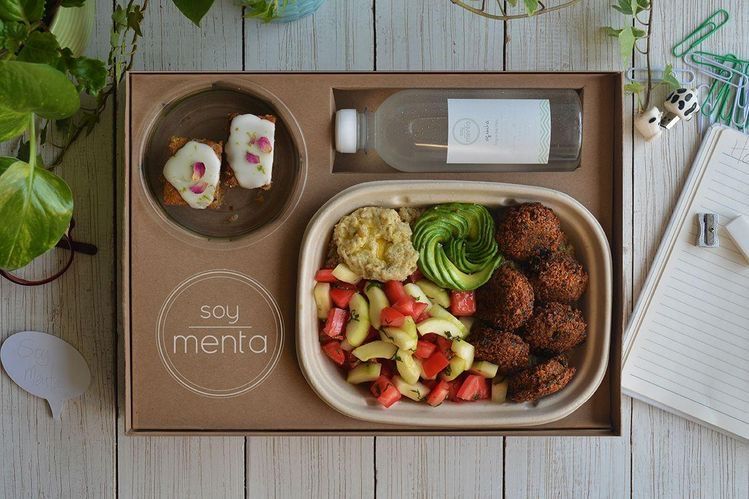
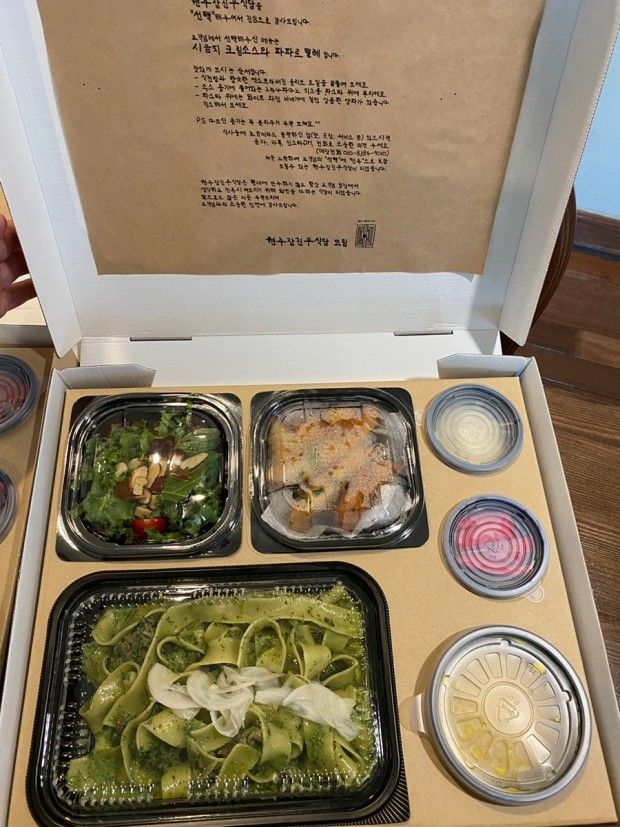
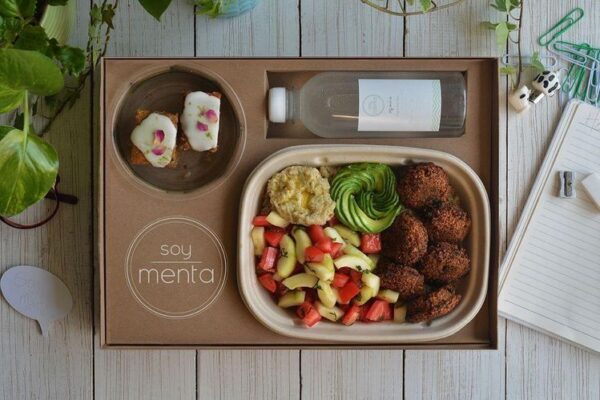
Prepared meal performance Use Takeaway Food Boxes That Support Portion Control, Label Visibility and Better Meal PresentationPrepared meal operators care about more than carrying strength. They need the food to look deliberate once it is packed. Ingredients should not collapse into one another, labels need a stable place to sit and the overall shape should help customers understand the product before they even lift the lid. That is especially important for chilled deli meals, fresh salads and lunchbox-style offerings that compete on visual trust. For simpler folding construction, review our one-piece foldable food box listing. A well-chosen paper box can help those meals read more clearly. The walls frame the portion, the top panel gives branding space and the closure style can either emphasize full graphic coverage or allow some visibility of the food itself. Buyers should think about the packaging in the same way they think about plating: it should support appetite appeal, not fight against it. Another meal-presentation option is our sushi tray with lid and divider page. This is also where channel fit matters. A lunch item built for office pickup may need a different packaging rhythm from a deli meal sold in a refrigerator case. One scene may favor speed and simplified packing. Another may reward a tidier front face and easier label placement. By showing several related paper formats together, the page gives buyers a more useful starting point for those decisions. For menu sets with stronger outer graphics, visit our printed sushi bento box program. The strongest takeaway food box programs are therefore structured around meal behavior, not only around dimensions. Brands that understand their ingredient height, moisture level, topping layout and expected shelf presence usually end up with better packaging outcomes. The product page should guide that kind of thinking instead of reducing the choice to one generic template. A premium reveal alternative is our luxury sushi drawer bento box. | Quick Note Food structure often decides which box style works best A salad with toppings, a pasta lunch and a deli combo may all be sold in paper packaging, but the ideal lid shape, compartment logic and panel visibility can still differ sharply. Portion mappingRetail meal setChannel fit |
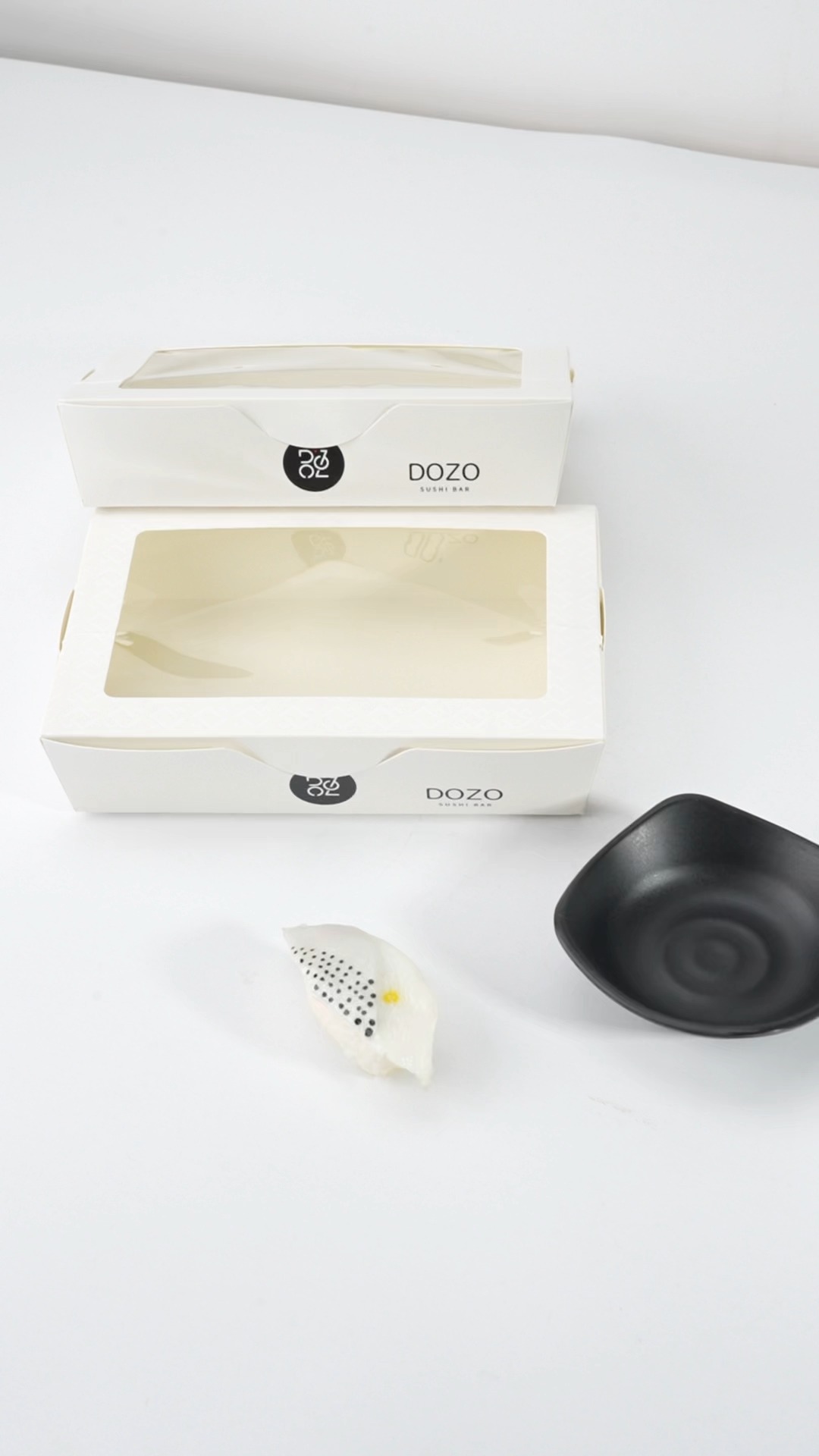
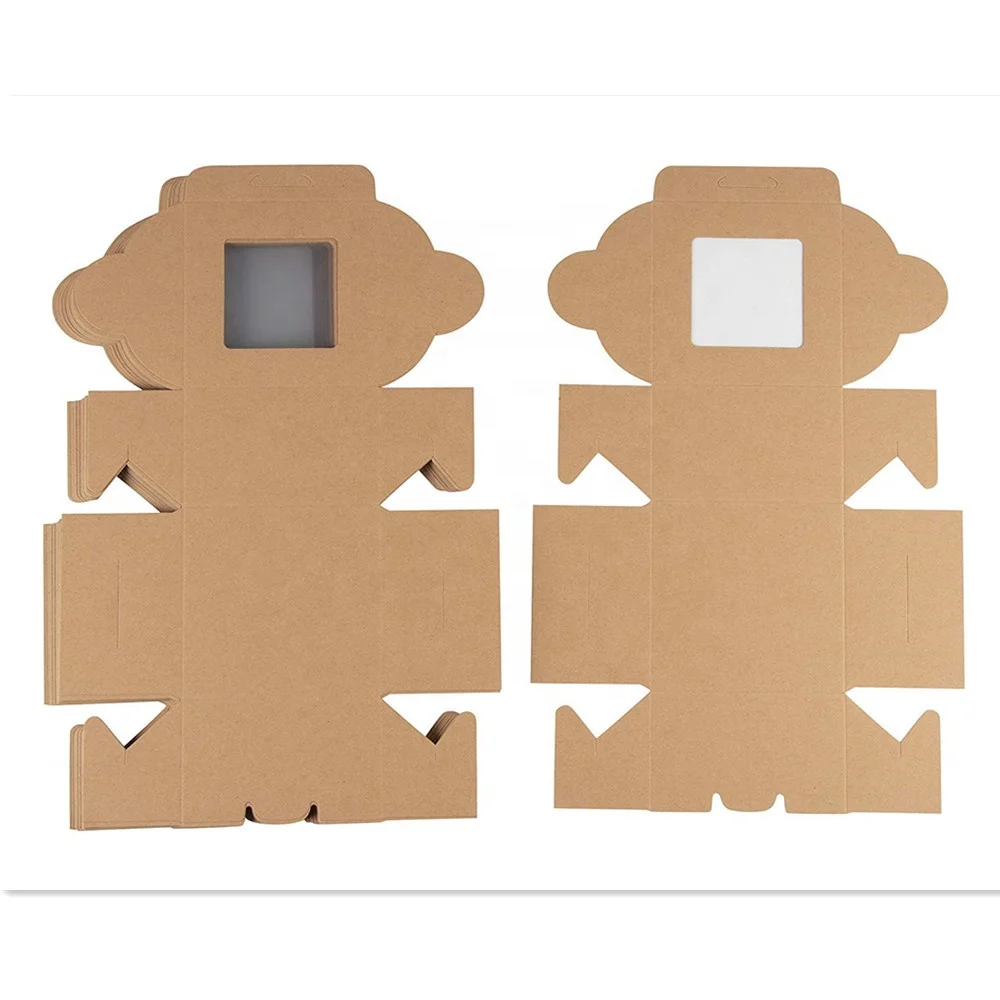
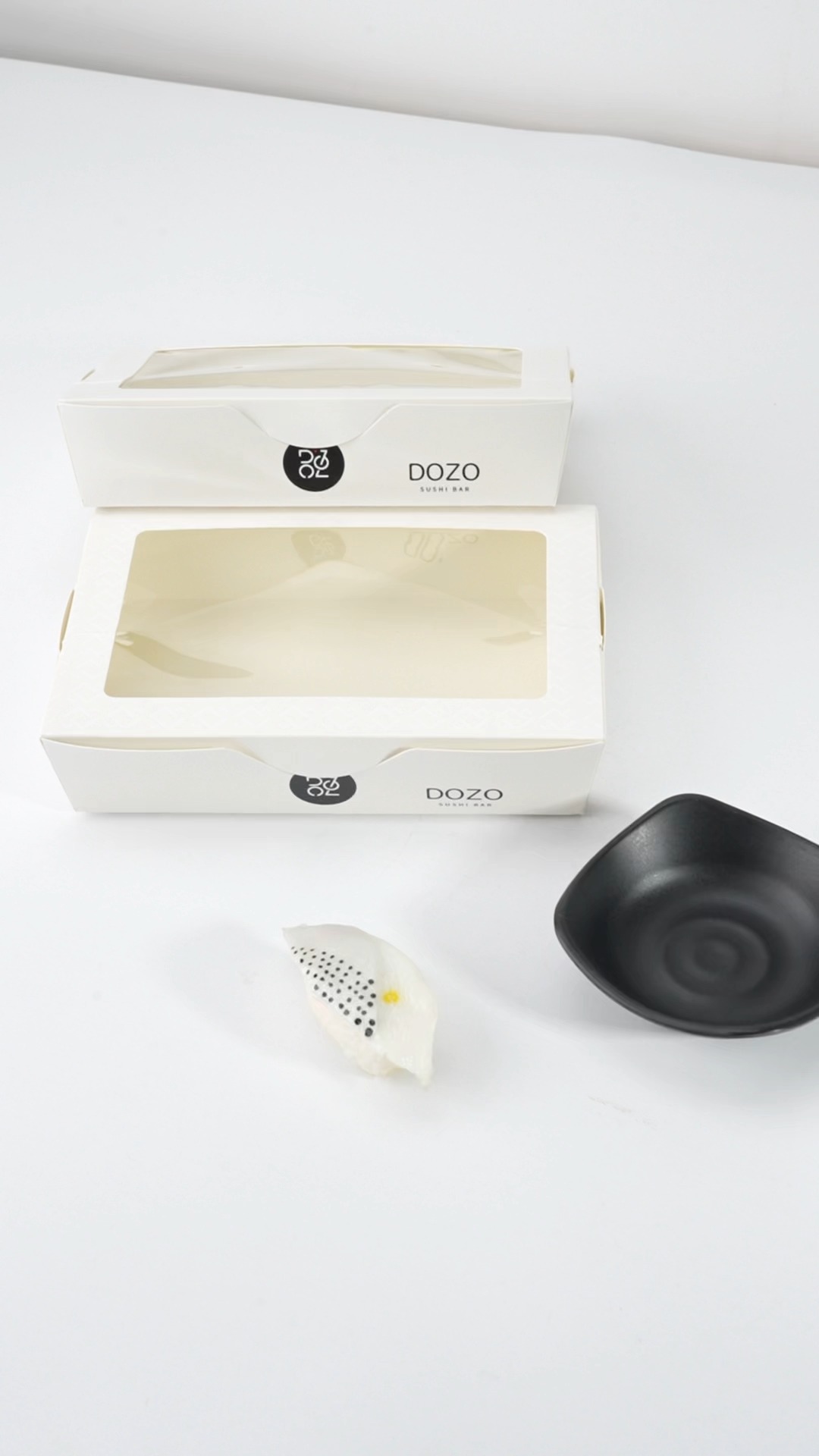
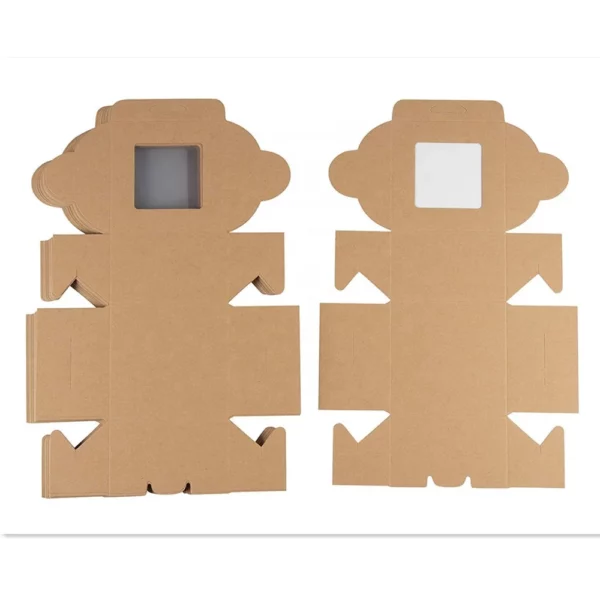
Quick Note The food can become part of the front panel Window structures let the product carry some of the communication burden, which can be more persuasive than heavy printing when speed of recognition matters most. Freshness cueShelf trustQuick decision | Visibility-led takeaway formats Choose Window Paper Boxes When Product Visibility Matters as Much as Brand GraphicsNot every takeaway food box should completely hide the product. In many retail and grab-and-go scenes, the meal itself is part of the selling story. Customers want to see the pastry top, the color contrast of a deli lunch or the freshness of a prepared set before they commit. A window box can support that moment without sacrificing the structure and paper feel buyers still want. Buyers combining drinks and meals can pair this with our custom coffee cup sleeves. For bakery and chilled food counters, that visibility can be commercially powerful. It gives customers faster confidence and reduces the need for oversized text or over-explained graphics on the outer panel. The box still provides a frame for branding, but the food remains visible enough to do part of the persuasion work. That can be especially effective in premium snack, dessert and lunch categories. For a shelf-ready sushi focus, compare our compartment paper sushi bento box. From the buyer side, this means the packaging decision is partly a merchandising decision. If the food looks beautiful and consistent, a visible panel can help the brand sell more quickly. If the menu relies more on logo-driven impact, a closed graphic shell may be stronger. A useful product page should help buyers compare those approaches rather than assume one is always better. Another useful retail meal reference is our sashimi sushi container page. Holidaypacfactory benefits from showing both styles within the same ecosystem. That makes the site feel more like a real supplier range and less like a single-SKU listing. Buyers are then encouraged to think in programs: one visible box for retail desserts, one stronger shell for delivery meals and perhaps another structure for event or catering sets. For premium Japanese takeaway styling, see our green sushi box with built-in sauce cup. |
Operational reliability Prioritize Closure Logic, Stacking and Staff Rhythm Before Chasing a More Complex ShapeBuyers sometimes over-focus on appearance and under-focus on service reality. In everyday foodservice, a takeaway box needs to be easy to open, fill and close repeatedly across busy shifts. If the structure looks premium in a static sample but becomes awkward during lunch rush, it will not perform well commercially. Good packaging should support staff confidence as much as customer impression. Compare it with our custom kraft window food boxes for display-led takeaway lines. This is why folded paper box formats remain so relevant. They are familiar, straightforward and easier to document across multiple locations. A restaurant group or distributor can train staff faster, predict carton usage more confidently and manage reorders with less confusion when the structure family stays practical. That kind of repeatability has real value for wholesale buyers. A broader meal-format reference is our custom picnic box program. The page should help customers think about those operational details early. They should ask how the box stands open during filling, whether labels land in a clean area, how high the product sits under the lid and how the finished pack behaves when stacked. Those questions often determine whether the packaging keeps working after initial approval. For coordinated counter presentation, browse our custom fast food packaging set. A reliable takeaway page therefore should feel less like decoration and more like a planning tool. It should still look polished, but the copy should move buyers toward better briefs, better samples and better repeat-order outcomes. Holidaypacfactory gains credibility when the page clearly understands both branding and service practicality. A compartment-led comparison appears on our kraft sushi bento box page. | Quick Note The best packaging decision is usually the easiest one to repeat under pressure Once staff know how to open, fill and close the box without hesitation, the format becomes more valuable to the buyer than a more decorative option that slows the line. Line efficiencyScale-up readyPractical design |
Quick Note The strongest packaging projects leave room for line extensions Salad today may become noodles, deli boxes, snack combos or seasonal promotions tomorrow, and a smart paper box program should be able to grow with that shift. Scalable systemFuture formatsBuyer retention | From first sample to range growth Plan a Takeaway Packaging Family That Can Grow With Seasonal Menus and New Sales ChannelsMany food brands begin with one urgent packaging need but soon realize they need a related family. A salad line may expand into warm grain bowls, chilled deli sets or office lunch programs. A noodle concept may add combo sides, dessert packs or beverage pairing. If the initial box choice is made without that wider view, the assortment can become fragmented very quickly. For simpler folding construction, review our one-piece foldable food box listing. A better approach is to start with a structure family and then adapt it by channel. One format might serve the daily takeaway line, another handles more visible retail presentation and a third supports premium seasonal launches. When the relationship between those boxes is clear, buyers can keep their packaging story coherent while still responding to different menu needs. Another meal-presentation option is our sushi tray with lid and divider page. This matters for private-label projects as well. Importers and distributors often need to explain a packaging catalog to several downstream customers. A more organized family is easier to present, easier to inventory and easier to reorder. That commercial clarity is one of the reasons broad takeaway food box pages can perform well as lead-generation assets on the site. For menu sets with stronger outer graphics, visit our printed sushi bento box program. Holidaypacfactory should use this section to encourage better buyer preparation. Menu photography, artwork priorities, label requirements, carton planning and reorder expectations all matter. When the page nudges customers toward that level of detail, future projects tend to move faster and land on stronger structures. A premium reveal alternative is our luxury sushi drawer bento box. |
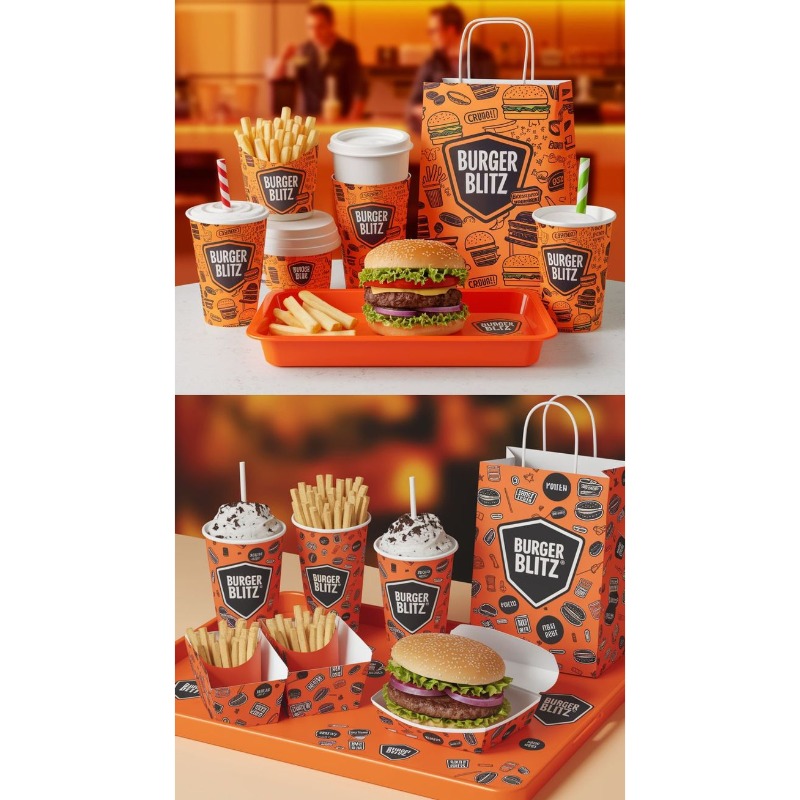
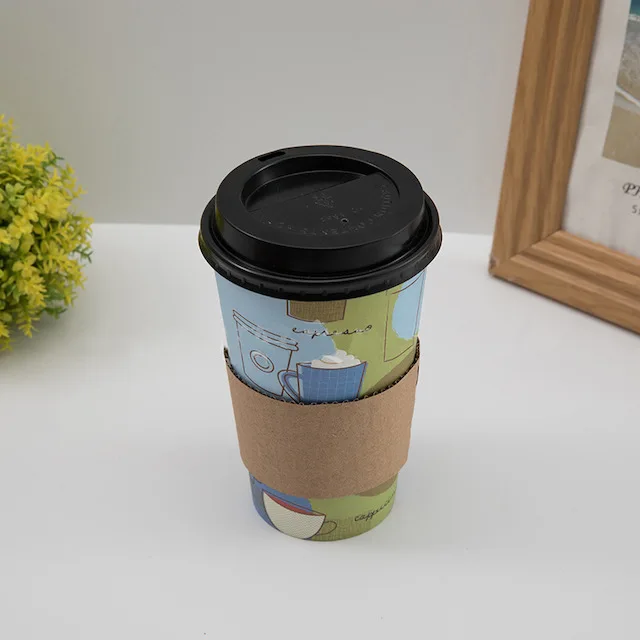
Complete takeaway coordination Present Takeaway Food Boxes as Part of a Full Restaurant, Deli and Meal-Prep Packaging ProgramThe final customer never experiences the box alone. They experience the full handoff: the meal box, the label, the drink touchpoint, the carry bag and the visual order of the pickup counter. Buyers respond well when a product page reflects that truth because it feels closer to how they actually manage packaging decisions inside a live business. Buyers combining drinks and meals can pair this with our custom coffee cup sleeves. This is one reason related internal products matter on the page. A strong box listing should naturally connect to window formats, foldable food boxes, cup sleeves and other meal-ready structures. Those links do more than improve navigation. They help buyers imagine how their own assortment could be built across multiple categories without losing consistency. For a shelf-ready sushi focus, compare our compartment paper sushi bento box. From a sales perspective, that system view also improves the quality of incoming inquiries. Instead of asking only for a generic takeaway box, buyers begin to describe the meal scene, the brand direction and the wider category plan. That usually leads to better sampling, fewer mismatched expectations and stronger long-term order potential. Another useful retail meal reference is our sashimi sushi container page. For Holidaypacfactory, this kind of page compounds value over time. It supports search discovery, strengthens category authority and shows buyers a more complete paper packaging capability. Most importantly, it speaks in a commercial language that restaurant groups, prepared meal brands and distributors can actually use. For premium Japanese takeaway styling, see our green sushi box with built-in sauce cup. | Quick Note A food box is rarely the last packaging touchpoint Once meals move through pickup shelves, delivery staging and customer carry-out, the box sits inside a wider packaging story that should still feel coordinated and dependable. Complete rangeMenu bundlesRepeat programs |
Start by mapping the actual meal rather than beginning with a box name. Buyers should record portion size, food height, hot or cold service, sauce cups, topper elements and the way the item is expected to look when opened by the customer. That simple discipline prevents a lot of packaging mismatch later. Compare it with our custom kraft window food boxes for display-led takeaway lines.
Next, define the primary channel. A retail refrigerator, a quick-service pickup shelf and a delivery-heavy dinner program can all want different packaging behavior even when the same brand is involved. The more clearly the main channel is identified, the easier it becomes to narrow structure priorities. A broader meal-format reference is our custom picnic box program.
Then test the packing rhythm. Staff should load the real food into sample boxes, close them quickly, stack them and stage them as they would during normal service. This reveals whether the structure slows the line, whether the label zone stays usable and whether the filled product still looks neat. For coordinated counter presentation, browse our custom fast food packaging set.
Label planning should happen early instead of being treated as an afterthought. A clean label position can matter just as much as the printed artwork because it influences shelf readability, pickup confidence and how orderly the final package appears to the customer. A compartment-led comparison appears on our kraft sushi bento box page.
Finally, look at repeat-order logic. Carton counts, storage footprint, menu overlap and artwork refresh cycles all matter. The right takeaway box is not just the one that photographs best. It is the one that can be replenished, trained and reused with confidence across future menu changes. For simpler folding construction, review our one-piece foldable food box listing.
Wholesale buyers often need a page that feels broader than a single stock item because their own customers buy by program. A distributor may serve cafes, deli counters, meal-prep brands and convenience-driven lunch concepts at the same time. A page that acknowledges those overlaps becomes much more useful in real sales conversations. Another meal-presentation option is our sushi tray with lid and divider page.
Private-label projects also benefit from this structure. Buyers can compare visible window boxes, closed paper shells, foldable formats and related cup or accessory items inside one brand language. That makes it easier to build a coordinated packaging collection instead of a patchwork of unrelated components. For menu sets with stronger outer graphics, visit our printed sushi bento box program.
From the end-customer side, well-planned paper takeaway packaging can improve trust and clarity. Meals look cleaner, labels read better and the handoff feels more deliberate. Those are not cosmetic details. They influence repeat purchase behavior and how premium the food appears in everyday service. A premium reveal alternative is our luxury sushi drawer bento box.
The page is also commercially strong because it pushes buyers toward better questions. Instead of asking for a random size, they begin thinking about menu mapping, channel fit, label zones, service speed and how the structure will behave once it is packed. That shift usually leads to more qualified leads and better sample outcomes. Buyers combining drinks and meals can pair this with our custom coffee cup sleeves.
Holidaypacfactory should keep building pages like this because they turn the product catalog into a more credible packaging advisory surface. Over time, that improves both discoverability and conversion quality for food packaging buyers who want more than a generic box listing. For a shelf-ready sushi focus, compare our compartment paper sushi bento box.
Often yes, but only if the meal map is documented carefully. Food height, topping layout, temperature, label placement and closure needs still have to be checked before one structure is used across several menu types. Another useful retail meal reference is our sashimi sushi container page.
Window boxes are strongest when the food itself helps sell the item on the shelf or at the counter, while full-shell formats are usually better when closed-box branding and uninterrupted print coverage matter more. For premium Japanese takeaway styling, see our green sushi box with built-in sauce cup.
Real meal photos, portion dimensions, channel details, sauce cup sizes, label requirements, artwork direction and expected order volume all make the structure conversation more accurate and efficient. Compare it with our custom kraft window food boxes for display-led takeaway lines.
Yes. Buyers can also discuss related box formats, visible window structures, cup sleeves and other food packaging items to build a more coordinated meal-service assortment. A broader meal-format reference is our custom picnic box program.
 Cassie LanFounder, HolidayPac · Leave a message
Food packaging, paper bags and food service paper for your next project.
Leave your request anytime. Our sales team will reply with pricing, samples and production details.
Tell us what you're packaging and we'll ship a physical sample plus a free 3D mockup within 24 hours — no cost, no obligation.
We've received your inquiry and our team will get back to you within 24 hours.