Door to Door service
Welcome to Holidaypac Packaging Solutions Factory!

tiger@holidaypac.com

+86 136 5233 6188
Welcome to Holidaypac Packaging Solutions Factory!
tiger@holidaypac.com
+86 136 5233 6188
Related packaging range
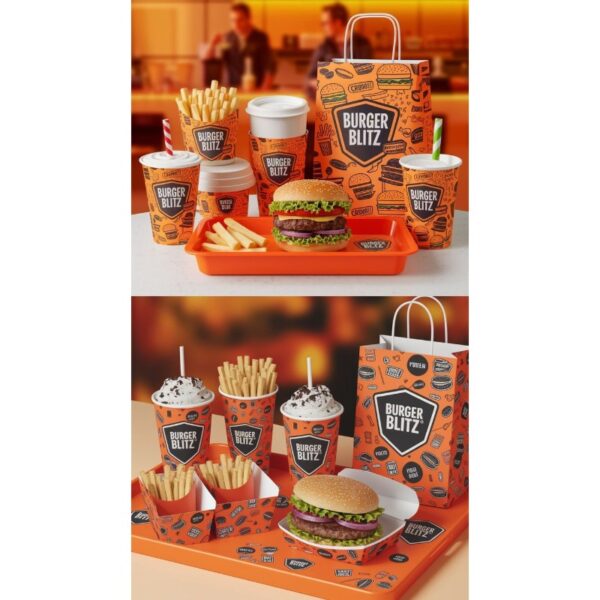
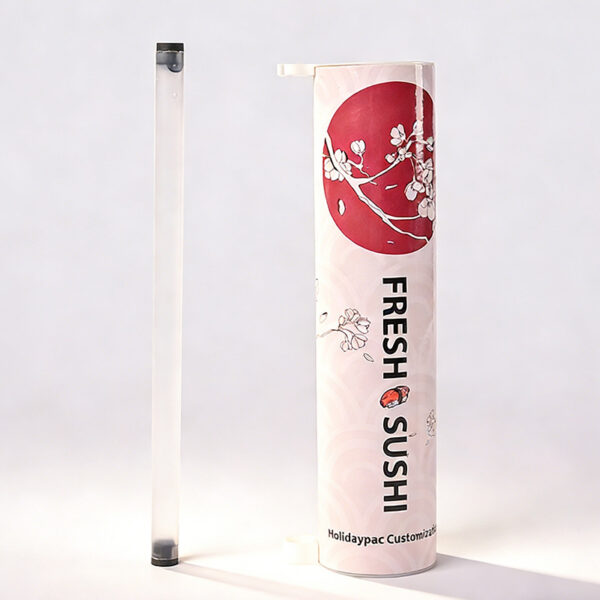
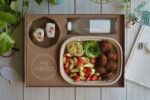
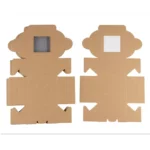
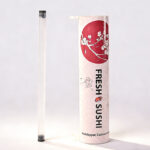
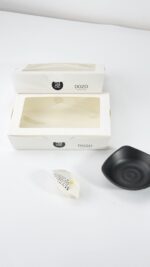
Quick Note Why solution pages convert well Many distributors and restaurant groups do not buy one SKU at a time. They buy a packaging direction. A solution page makes that larger buying pattern easier to understand. Foodservice systemDistributor-friendlyCross-category fit | Paper food packaging strategy PFAS-Free Paper Food Packaging Solutions for Buyers Who Need More Than One BoxPaper food packaging is increasingly being judged as a system rather than a one-off product. Buyers want to know whether the same supplier can support meal boxes, display boxes, folded takeaway packs, beverage touchpoints and support papers without creating a disconnected assortment. That is why a solution-led page is useful. It helps the buyer understand how different paper structures can work together under one sourcing direction while still leaving room for category-specific sampling and specification review. See our custom kraft window food boxes for a display-first takeaway format. A PFAS-free direction is often part of that conversation because buyers are under more pressure to make food-contact packaging decisions that feel future-ready, commercially sensible and easier to explain to their own customers. They want to balance oil resistance, moisture control, visual presentation and recycling expectations without defaulting to a mixed-material structure every time. A well-planned paper packaging range gives them more room to do that. Browse our custom picnic box range for prepared meal and lunch-set programs. The strongest commercial opportunity is not only the claim itself. It is the ability to pair the claim with packaging that still looks clean, packs efficiently and fits actual takeaway service. Buyers need food boxes that present meals well, sleeves that improve the handoff, and paper components that can sit inside a broader packaging program without making operations more complicated. A broader assortment example is our custom printed fast food packaging set. Holidaypacfactory can position this page as a practical entry point for takeaway, deli and meal-service buyers who want to discuss paper-based structures seriously. Instead of treating every product as a separate case, the page helps them understand how several paper packaging formats can be evaluated together around material direction, use scene, branding and repeat-order control. For a structured meal box direction, compare our kraft sushi bento box with clear window. |
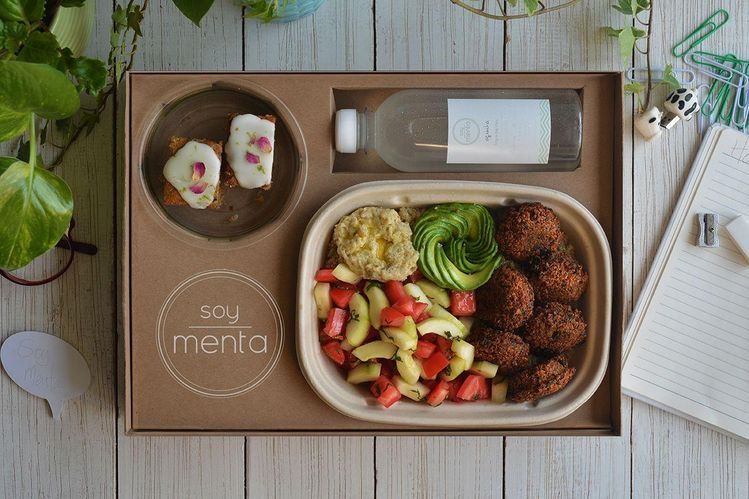
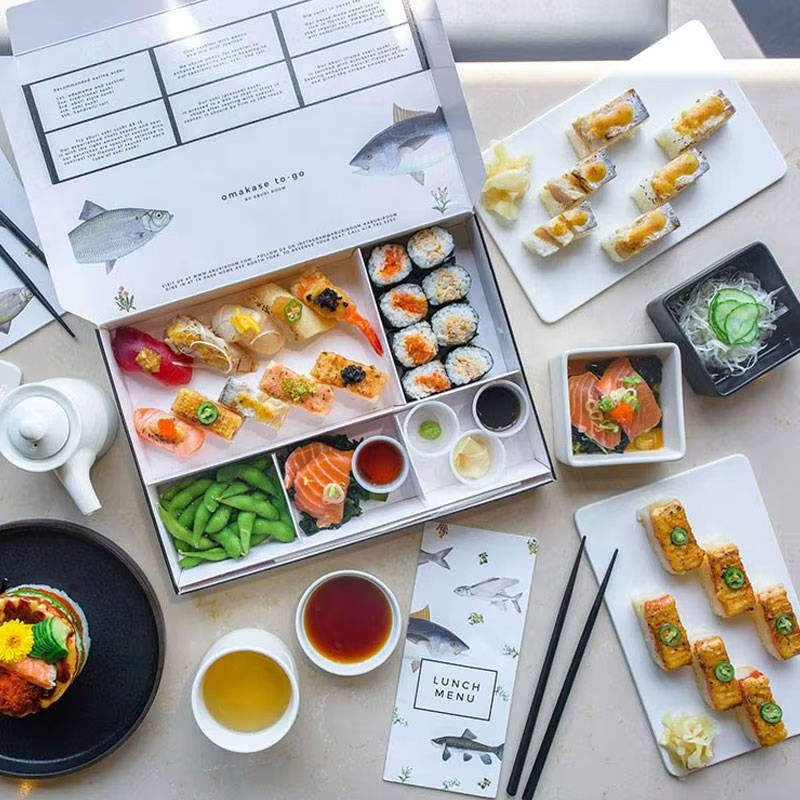
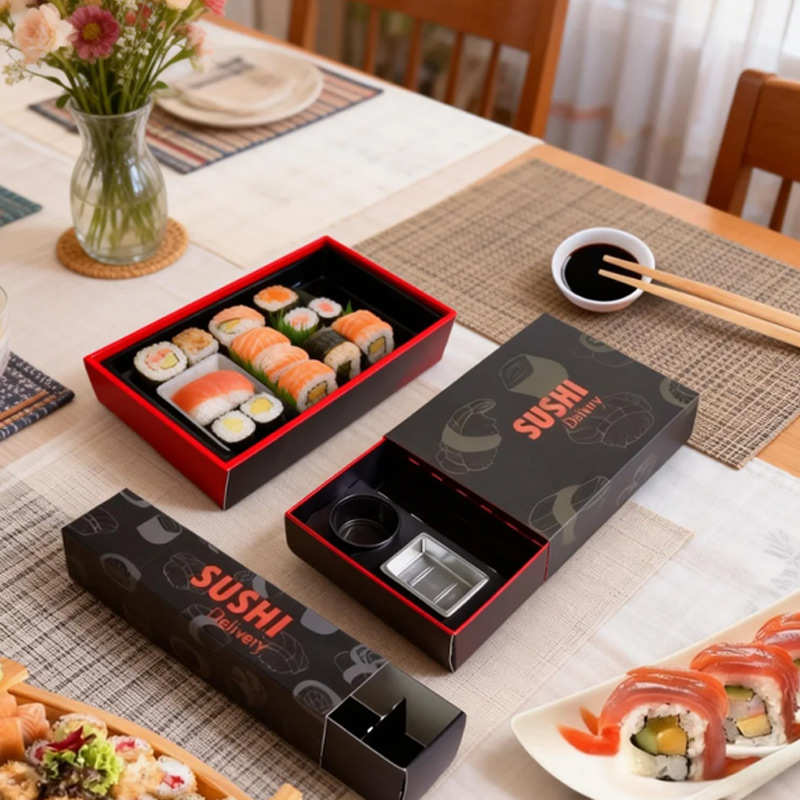
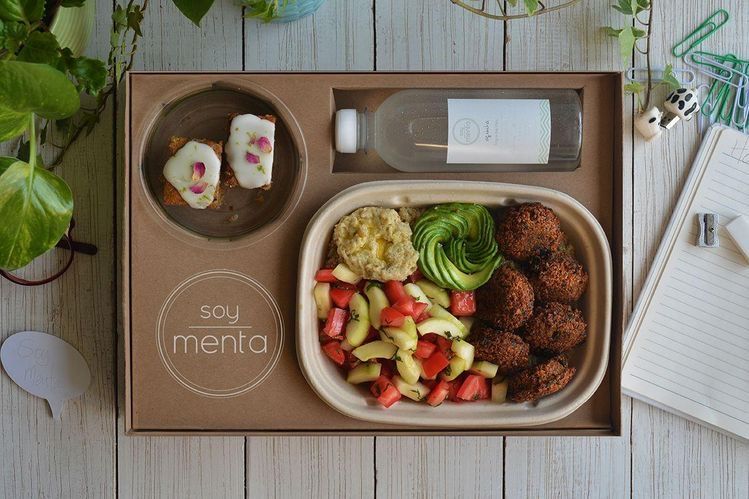
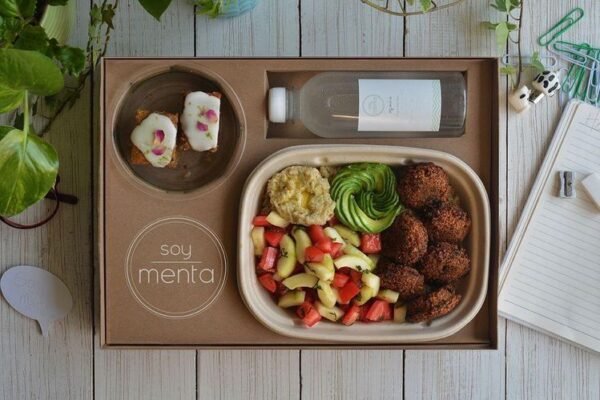
Real foodservice use Use Paper Packaging to Organize Prepared Meals, Deli Boxes and Lunch ProgramsPrepared meals and deli food do not succeed because the packaging looks abstractly sustainable. They succeed when the packaging makes the meal clearer, easier to carry and more appealing to buy. A paper-based lunch or deli format should help food stay organized, protect the visual value of the meal and leave enough room for labels, brand marks and normal store handling. Another useful reference is our compartment paper sushi bento box page. This matters in supermarkets, office lunch programs, rail-station food counters, hotel grab-and-go sections and private-label meal-prep lines. Customers often decide quickly. They want to understand the meal at a glance, and retail teams need a container that can accept barcodes, date labels, allergen information and short product names without turning the whole front panel into clutter. For food-contact paper planning, review our food-grade disposable paper sushi box listing. For buyers planning PFAS-free paper packaging, the conversation usually becomes more practical in meal-service categories because food moisture, sauce movement and shelf time can vary so much. A dry sandwich box, a chilled pasta box and a warm lunch set are not really the same project. The page should therefore guide the buyer toward matching structure and coating direction to the real food instead of making a single blanket promise. A simpler folded structure appears on our one-piece foldable food box page. A useful solution page keeps that nuance visible while still helping the buyer move forward. It shows that paper packaging can cover a range of prepared-meal scenes, but it also encourages better briefing: actual food photos, serving temperature, time in pack, transport route and label needs all matter when the buyer wants a repeatable commercial result. For beverage touchpoints, visit our custom corrugated coffee cup sleeves range. | Quick Note Paper packaging should make the meal easier to read Prepared meal and deli buyers usually care most about portion clarity, label placement and whether the customer can understand the set in one quick look. Prepared mealsDeli countersRetail display |
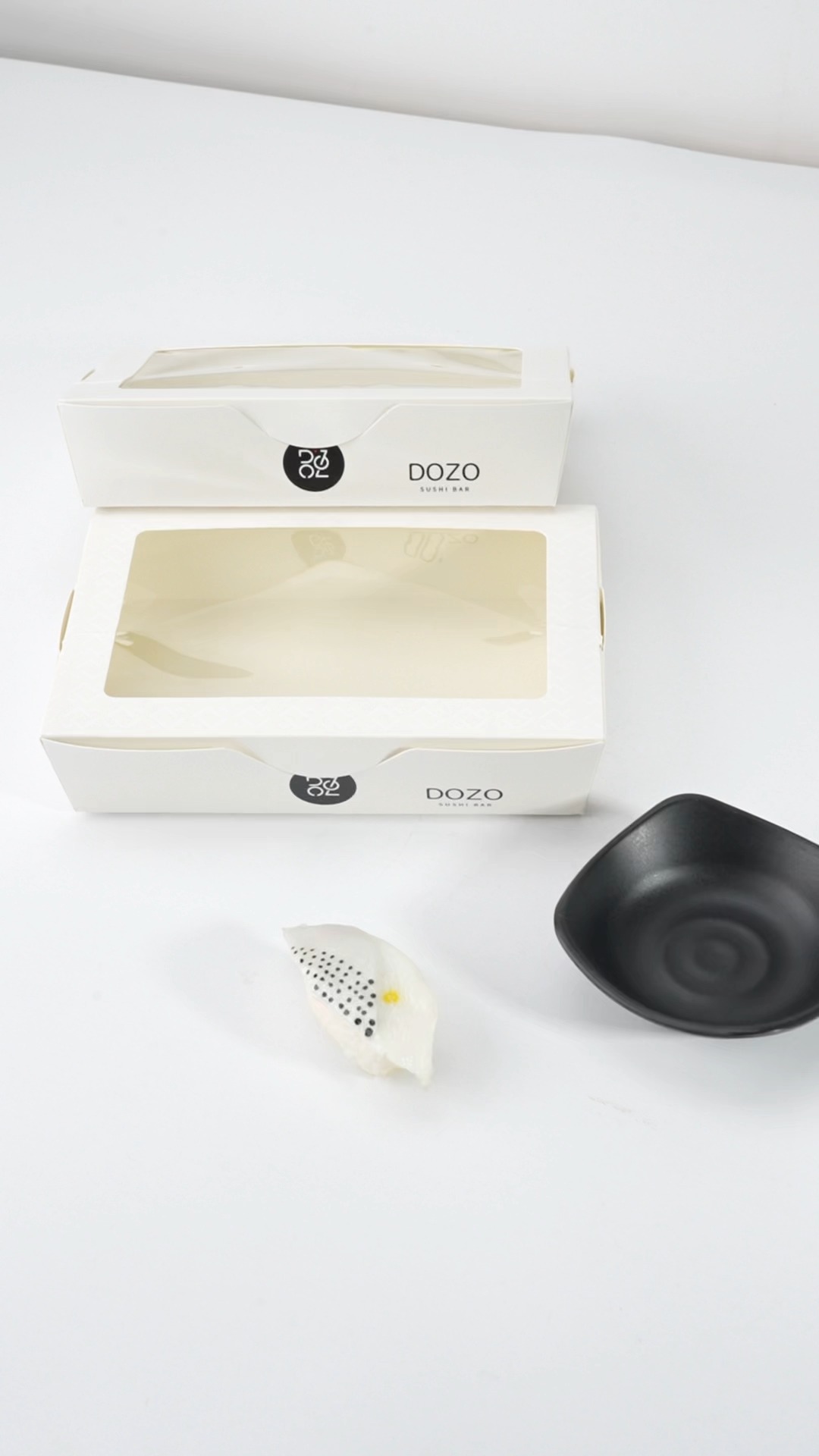
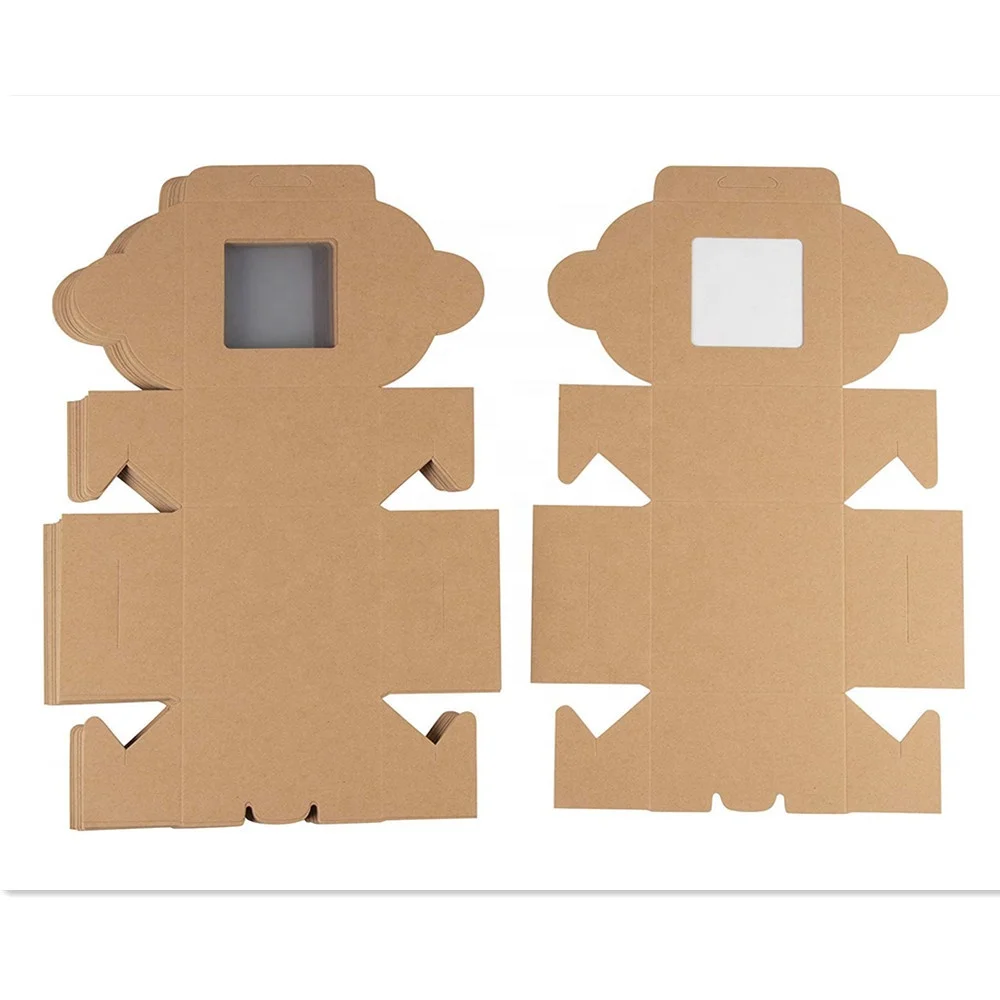
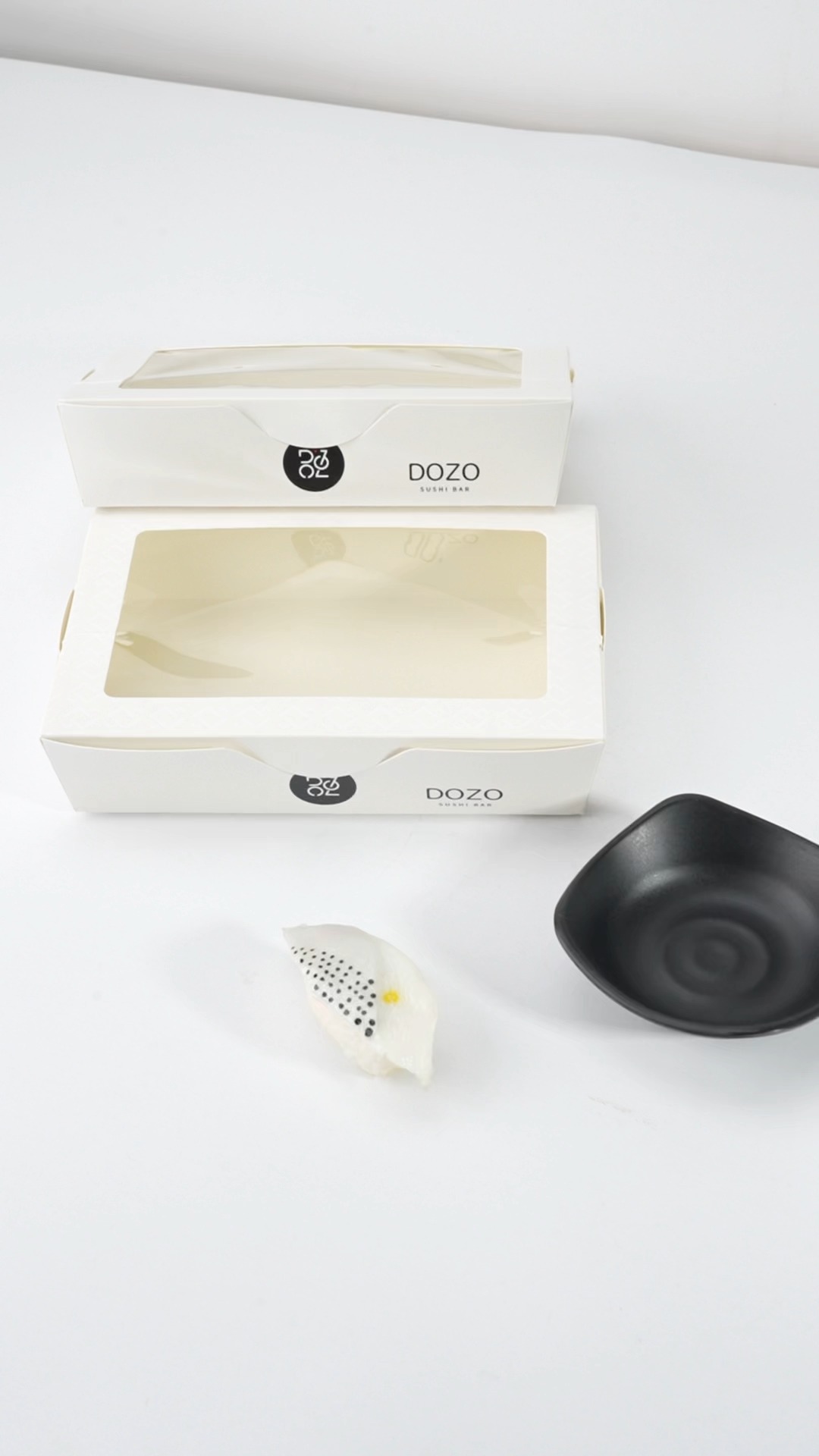
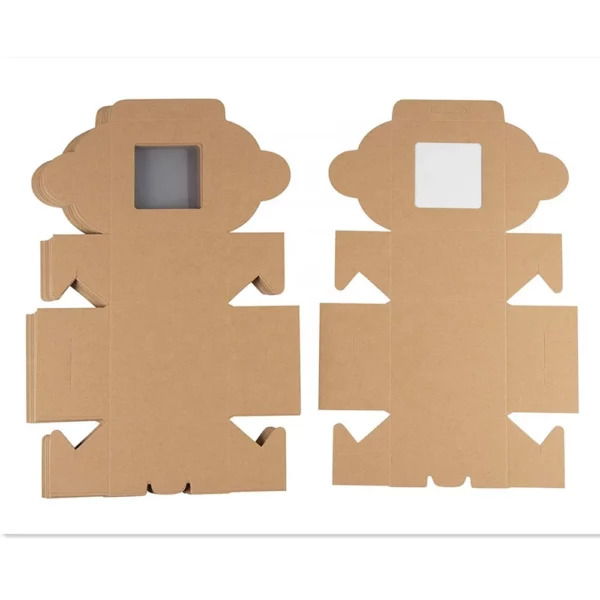
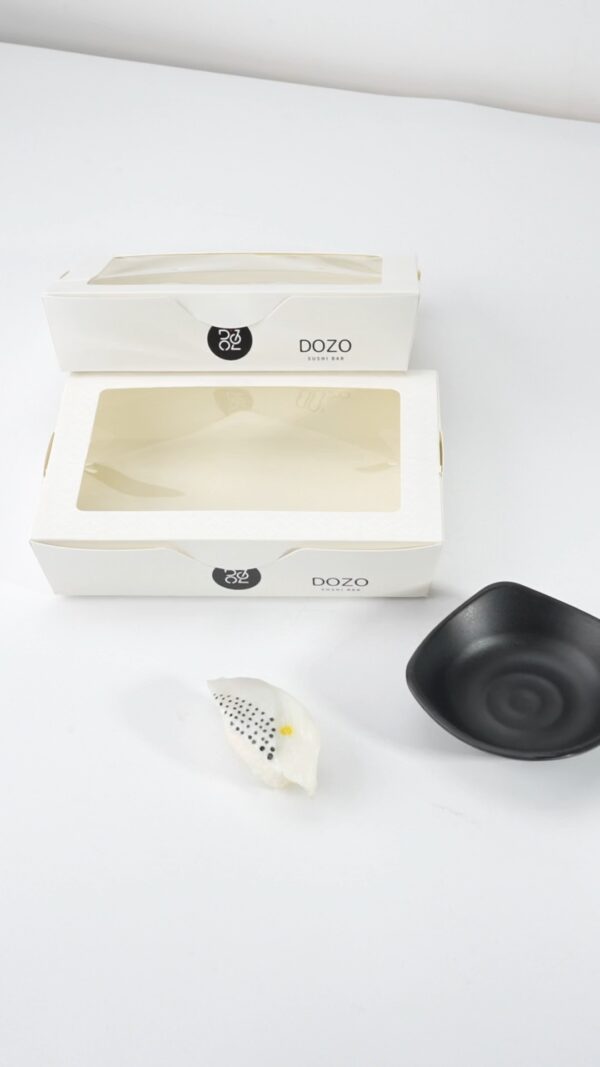
Quick Note Good for fast buying decisions Customers tend to judge freshness, portion value and color much faster when the package gives them a controlled view of the product inside. Retail readyFreshness signalCounter display | Display-first paper formats Build Food Visibility Into the Paper Structure Instead of Relying Only on GraphicsA visible window is one of the simplest ways to make paper food packaging more commercially effective. Instead of asking the label and print alone to do all the selling, the pack allows the customer to see color, texture and portion value directly. That can lift confidence in categories such as sushi, deli meals, bakery snacks, picnic sets and other grab-and-go foods that benefit from quick visual trust. Another practical paper insert reference is our soup oil-absorbing filter paper program. For paper-based packaging programs, this matters because buyers are often trying to reduce material complexity without losing shelf appeal. A window box creates a middle path. The structure still reads as a paper package, but the product gets a clearer stage. When the buyer is selling prepared food in chilled counters or pickup shelves, that direct visibility can be as important as the outer graphic direction. Bakery buyers can also compare our tulip muffin cupcake liners. The page should also help buyers think beyond one exact box format. A window can support bakery snacks, sandwich wedges, sushi meals, small catering sets or deli assortments depending on the fold pattern and label area. That flexibility makes a paper display box a useful anchor inside a wider PFAS-free food packaging conversation. For a paper-liner category extension, explore our single-serve air fryer paper liners. Holidaypacfactory can use this section to reinforce a broader message: paper packaging should not force buyers to choose between functionality and presentation. With the right structure, both can be planned together. That is much more useful commercially than a page that focuses on material language but ignores the way customers actually choose food. A premium gift-led packaging contrast is our custom logo luxury chocolate box collection. |
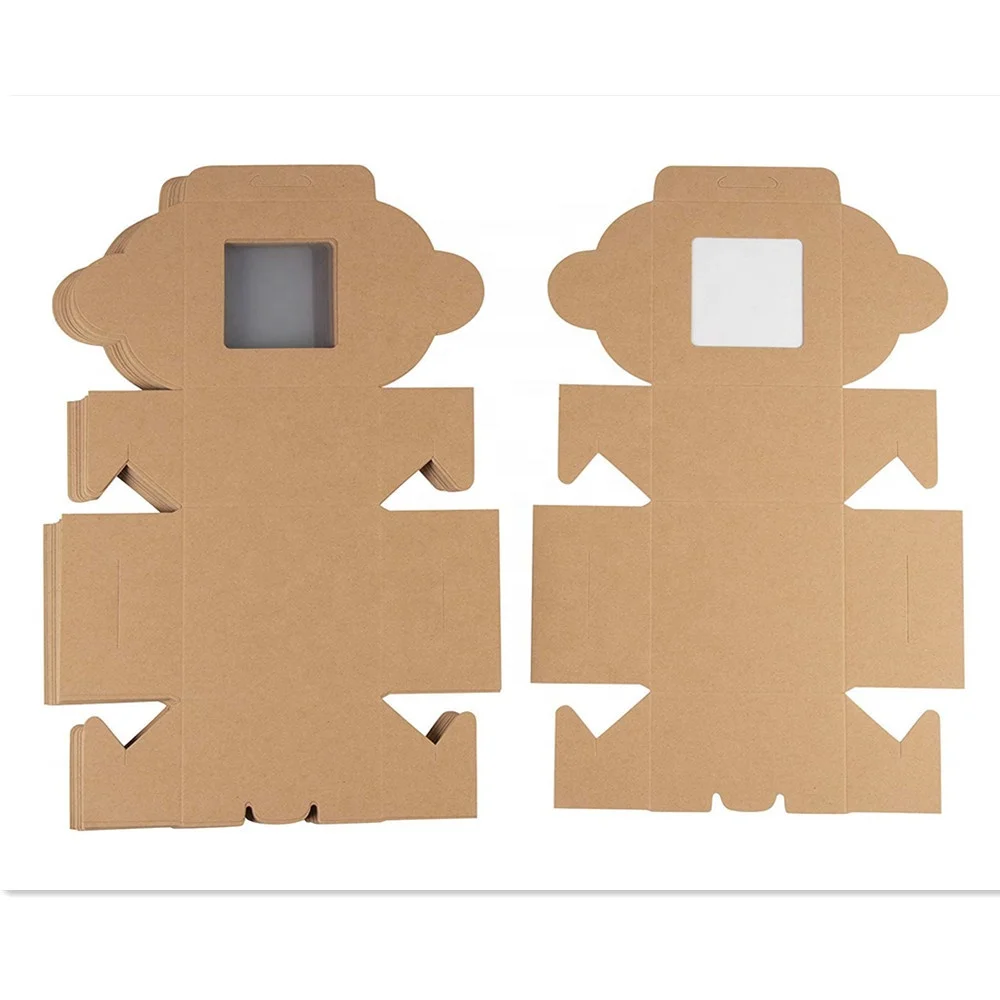
Daily service structures Keep the Paper Packaging Program Practical for Restaurants and Delivery CountersNot every paper packaging project needs to begin with a premium display pack. In many restaurant and foodservice settings, the most important product is still a simple folded takeaway box that can be assembled quickly, filled consistently and stacked without confusion. These structures are valuable because they make a paper-led direction operational, not only aspirational. See our custom kraft window food boxes for a display-first takeaway format. When buyers ask about PFAS-free packaging, they are often balancing two kinds of pressure at once. One comes from market expectations around materials. The other comes from normal service reality: speed, food fit, staff training, storage space and carton efficiency. A folded takeaway box is a helpful reminder that paper packaging has to survive the kitchen and counter, not only the presentation deck. Browse our custom picnic box range for prepared meal and lunch-set programs. That is why solution pages should include both higher-visibility formats and simpler workhorse items. Together they help the buyer imagine a complete assortment: a window box for front-of-house display, a folded box for fast hot-food packing, a meal-prep box for chilled sets, a sleeve for beverages and a few supporting papers where needed. The range becomes easier to buy when each role is clear. A broader assortment example is our custom printed fast food packaging set. For Holidaypacfactory, the advantage of showing this structure alongside more premium packs is that it signals balance. The company is not only speaking to design-led categories. It is also speaking to kitchens, distributors and restaurant groups that care about repeatability, easy replenishment and how a paper pack behaves when hundreds of orders need to move every day. For a structured meal box direction, compare our kraft sushi bento box with clear window. | Quick Note A practical bridge product Folded takeaway boxes often become the first paper-led item buyers standardize before they extend the same logic to more display-heavy or premium formats. Restaurant flowTakeaway basicsRepeat orders |
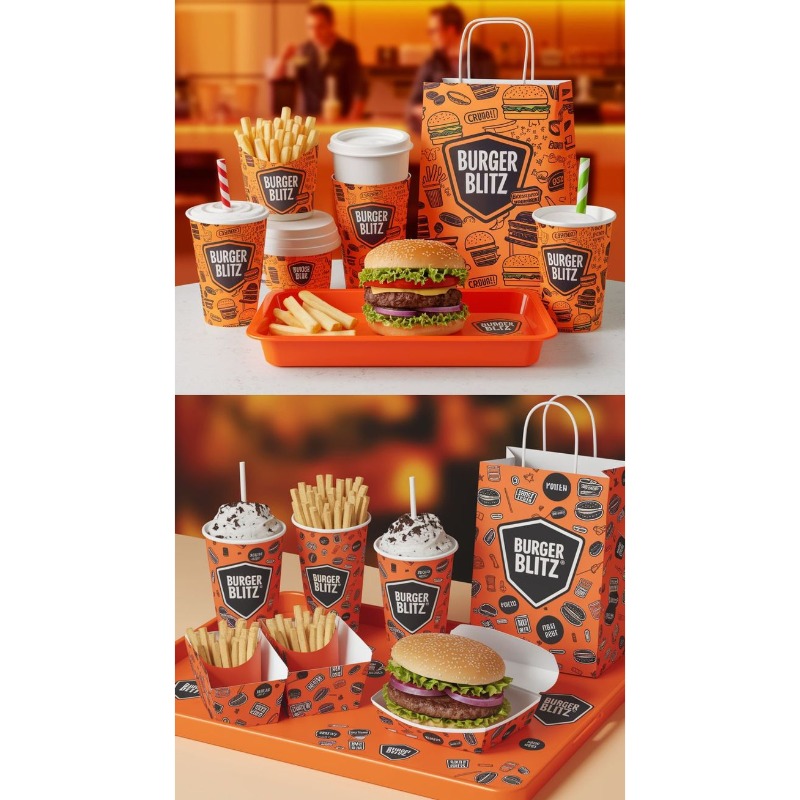
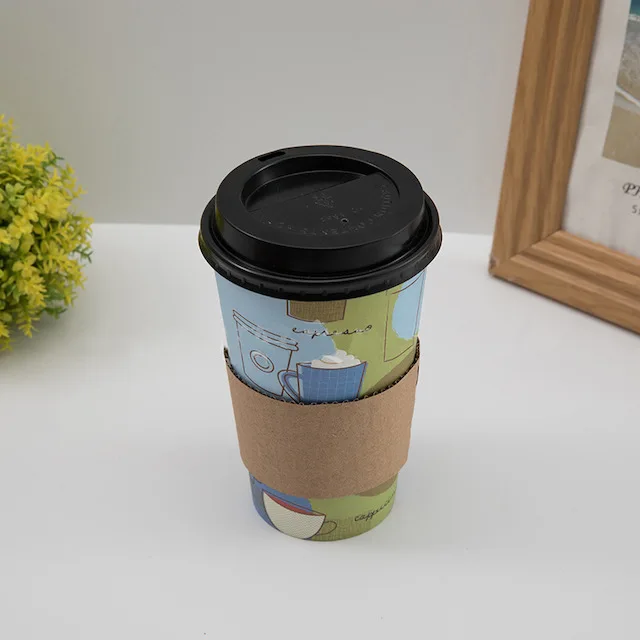
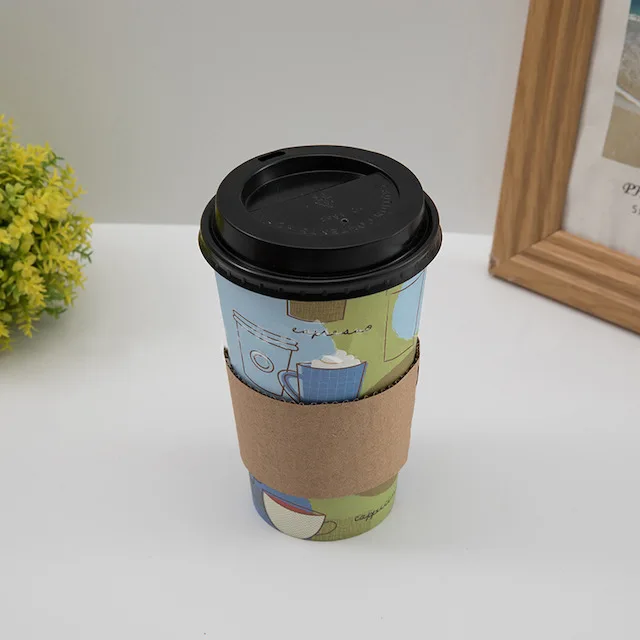
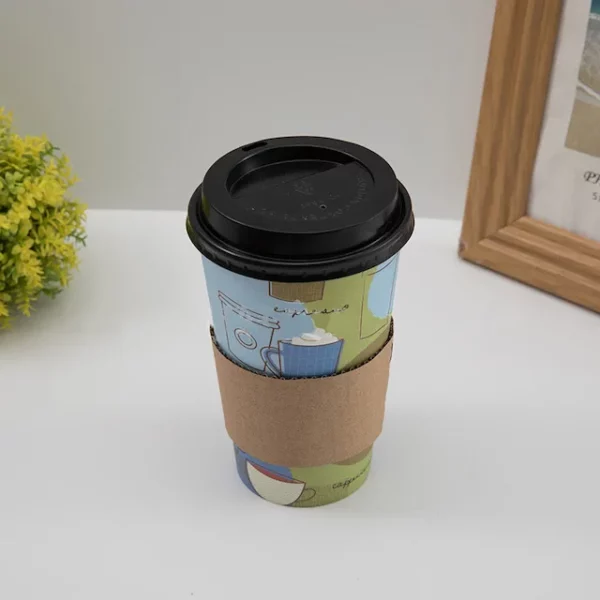
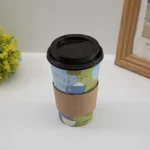
Quick Note Small products can strengthen the full line Even a compact item such as a cup sleeve can help a buyer standardize branding, improve comfort and make the overall paper assortment feel more complete. Cafe fitCampaign-readyFull handoff | Beyond the meal box Extend the Paper Packaging Program Into Beverage Service and Mixed OrdersA serious food packaging program rarely ends at the meal box. Many takeaway orders include drinks, side packs, bakery items or small add-ons, and buyers often prefer to keep those touchpoints aligned where possible. Paper cup sleeves are a good example. They are simple, but they improve comfort, carry brand graphics and help the full handoff feel more intentional. Another useful reference is our compartment paper sushi bento box page. This matters for cafes, bakery beverage counters, meal combos and convenience-food programs that sell food and drinks together. If the meal box is positioned as paper-led but the beverage experience feels disconnected, the overall assortment can lose coherence. A better page shows how smaller paper items fit into the same decision framework as the larger food packs. For food-contact paper planning, review our food-grade disposable paper sushi box listing. From a PFAS-free planning angle, this section also reminds buyers that packaging decisions are usually portfolio decisions. The brand may want to review boxes, bowls, sleeves, cups, lids and support papers under one commercial conversation, even if the final material choices vary by use scene. That is much more realistic than pretending one single structure answers every food-contact problem. A simpler folded structure appears on our one-piece foldable food box page. Holidaypacfactory can use this section to invite broader project briefs. A buyer discussing meal boxes today may also need beverage sleeves, labels or bag coordination tomorrow. The page becomes more useful when it gives those next steps a natural place inside the same packaging narrative. For beverage touchpoints, visit our custom corrugated coffee cup sleeves range. |
Move from interest to project planning What Buyers Should Prepare Before Requesting a PFAS-Free Paper Packaging ProgramThe most useful next step for buyers is not to ask whether the whole range is simply available. It is to define the actual food scenes they want to cover. A chilled deli salad, a warm lunch box, a bakery snack pack and a hot drink program may all sit inside one paper-packaging conversation, but they still need separate notes about food moisture, hold time, transport route, label placement and customer expectations. Another practical paper insert reference is our soup oil-absorbing filter paper program. Once those scenes are clear, the buyer can decide which structures should lead the project. Some programs begin with one dependable folded takeaway box and then add a window box or beverage sleeve later. Others begin with a high-visibility retail pack and build the supporting paper items around it. The right sequence depends on where the brand or distributor expects the first commercial traction. Bakery buyers can also compare our tulip muffin cupcake liners. Material direction should then be reviewed with enough honesty to support real sampling. Buyers should confirm whether they need grease resistance, whether the food is chilled or warm, whether a visible window is required, how much print coverage matters and how the packaging will be labeled or stacked. When those points are stated early, the sample conversation becomes more precise and far more useful. For a paper-liner category extension, explore our single-serve air fryer paper liners. Holidaypacfactory can use this section to encourage well-scoped inquiries. That leads to better product matching, clearer sample feedback and more durable repeat-order control. In practice, that is what makes a paper packaging page valuable: it helps a buyer move from a broad sustainability goal toward a workable assortment that can actually be packed, sold and reordered. A premium gift-led packaging contrast is our custom logo luxury chocolate box collection. | Quick Note The best page leaves buyers ready to brief a project When a solution page explains food fit, assortment logic and project questions well, the buyer is much closer to sending a useful inquiry instead of a vague request. BriefingSamplingProduction notes |
The best way to plan a paper food packaging program is to begin with the real use scene instead of the claim alone. Buyers should separate chilled deli foods, ambient snacks, warm takeaway meals and beverages because each category puts different pressure on structure, surface treatment and label placement. When a page helps the buyer think this way, it becomes much easier to build a range that feels deliberate instead of pieced together. See our custom kraft window food boxes for a display-first takeaway format.
The next step is to choose which structures should define the assortment. A window box may lead a retail or display category, while a folded takeaway box may lead a quick-service menu. Meal-prep trays can support office lunches or grab-and-go refrigerators, and paper sleeves can extend the same material direction into beverages. Good planning means deciding where each format earns its place commercially. Browse our custom picnic box range for prepared meal and lunch-set programs.
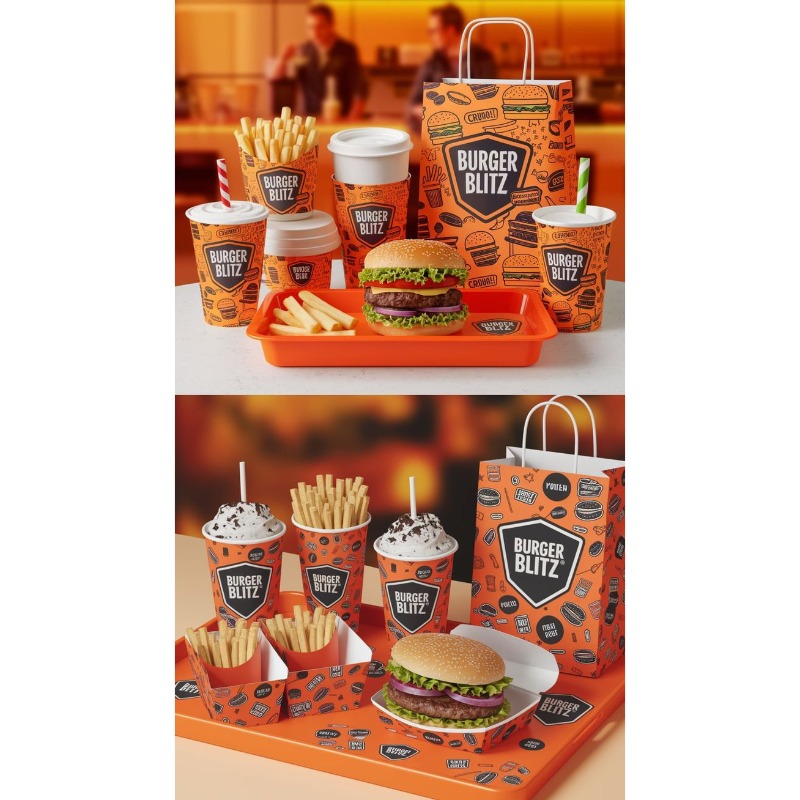
Material review should always stay connected to the food. Buyers should note whether they need more oil resistance, how long the food sits in the pack, whether the pack needs to travel, and whether the customer sees the food before buying. Paper packaging performs best when the structure and surface are chosen around those realities rather than around generic wording that tries to cover every category at once. A broader assortment example is our custom printed fast food packaging set.
Label planning is also part of material planning. A package may need a barcode, an ingredient label, a date mark, a nutrition panel or a short campaign message. If the label position is not planned early, the best visual area can disappear under operational stickers. The strongest paper packaging programs leave space for both branding and routine store communication. For a structured meal box direction, compare our kraft sushi bento box with clear window.
Finally, buyers should think about repeat supply from the beginning. The winning paper format is not just the one that looks attractive in a sample. It is the one that can be ordered again confidently, packed by normal staff, received by warehouses easily and explained to end customers without confusion. A strong solution page should lead naturally toward that longer-term view. Another useful reference is our compartment paper sushi bento box page.
Distributors and restaurant groups often review packaging the same way they review a category range: not one item, but a cluster of products that need to work together. A solution-led page helps them buy faster because it frames the assortment around real service needs instead of making them piece the system together from scattered single-product listings. For food-contact paper planning, review our food-grade disposable paper sushi box listing.
For distributors, the value is especially clear. A page that groups window packs, meal-prep structures, takeaway boxes and beverage touchpoints makes it easier to imagine how one supplier could support several end customers at once. This is useful when the distributor serves cafes, delis, prepared-food counters and restaurant groups under one account portfolio. A simpler folded structure appears on our one-piece foldable food box page.
For restaurant groups, a solution page helps link front-of-house presentation to back-of-house practicality. The brand may want paper packaging that photographs well and reads as future-ready, but operations still need packaging that folds quickly, carries labels cleanly and can be restocked without confusion. The page becomes stronger when it respects both concerns equally. For beverage touchpoints, visit our custom corrugated coffee cup sleeves range.
Retail display is another reason this type of page works. Buyers responsible for chilled cabinets or ready-meal programs need packaging that can support rapid product comparison. The right paper format helps customers judge freshness, portion value and meal identity quickly, which in turn supports better sell-through and a clearer shelf presence. Another practical paper insert reference is our soup oil-absorbing filter paper program.
When a solution page ends with a clear briefing path, it becomes more than marketing. It becomes a working sales tool. Buyers can move from broad interest to specific questions about food fit, structure family, material direction, print area and repeat-order setup. That is exactly the kind of momentum a daily upload workflow should be creating. Bakery buyers can also compare our tulip muffin cupcake liners.
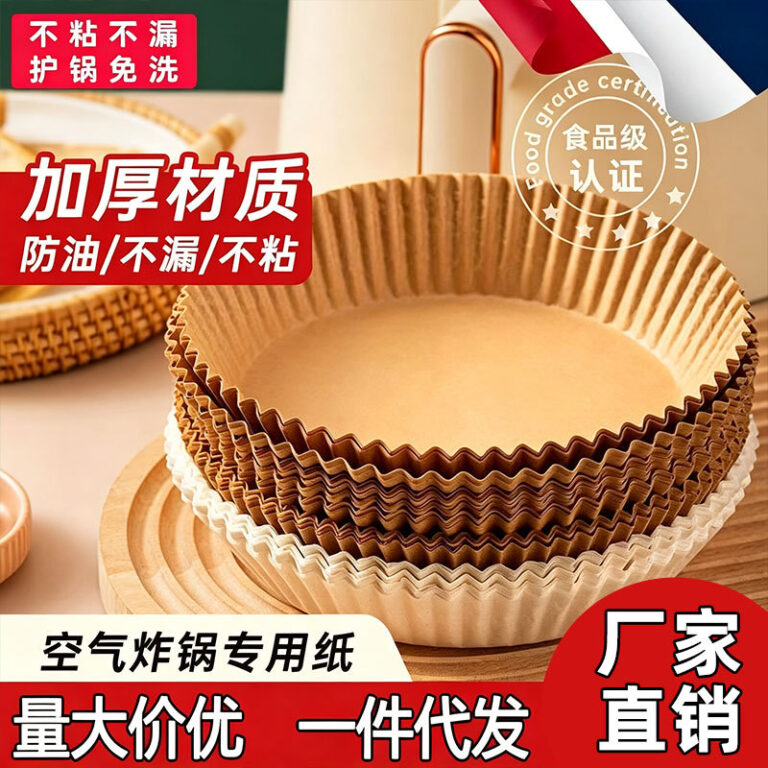
Yes, but the range should still be broken into real use scenes such as chilled deli meals, warm takeaway boxes, window display packs and beverage touchpoints so each structure can be sampled appropriately. For a paper-liner category extension, explore our single-serve air fryer paper liners.
Please prepare food photos, serving temperature, hold time, label needs, structure preference, artwork direction, expected quantity and target market so the sample discussion can match the real project. A premium gift-led packaging contrast is our custom logo luxury chocolate box collection.
Because many buyers need a coherent assortment, not a single isolated pack. A solution page helps them compare roles, material direction and category fit much faster. See our custom kraft window food boxes for a display-first takeaway format.
Yes. Logo printing, sleeves, labels, box graphics, cartons and mixed project planning can all be discussed when the buyer wants a more complete paper food packaging line. Browse our custom picnic box range for prepared meal and lunch-set programs.



 Cassie LanFounder, HolidayPac · Leave a message
Food packaging, paper bags and food service paper for your next project.
Leave your request anytime. Our sales team will reply with pricing, samples and production details.
Tell us what you're packaging and we'll ship a physical sample plus a free 3D mockup within 24 hours — no cost, no obligation.
We've received your inquiry and our team will get back to you within 24 hours.