Door to Door service
Welcome to Holidaypac Packaging Solutions Factory!

tiger@holidaypac.com

+86 136 5233 6188
Welcome to Holidaypac Packaging Solutions Factory!

1-2 Days Free Customization
7-12 Days Production Time
12000m2+ Factory Since 2008
Door to Door service
Custom Rigid Chocolate Packaging
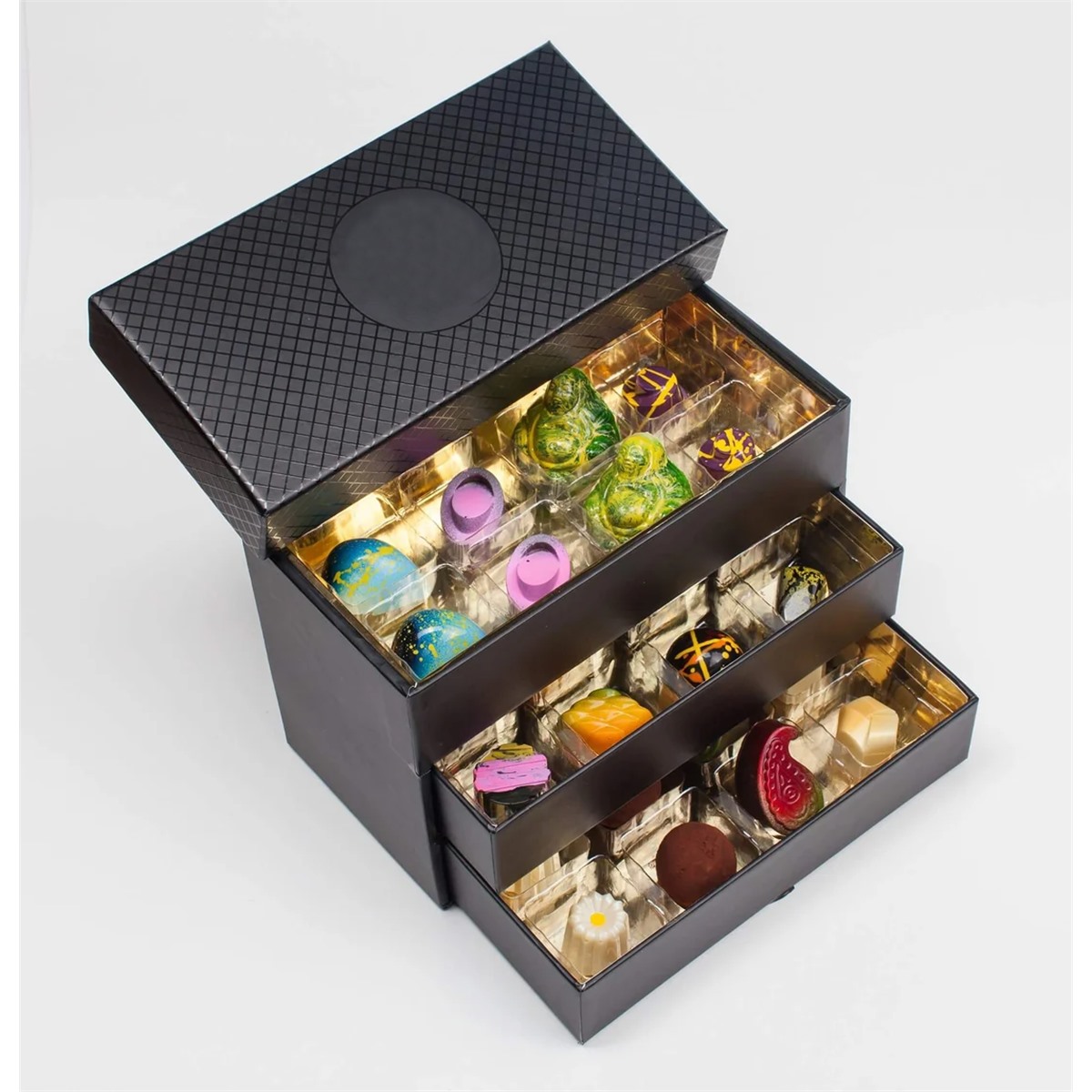
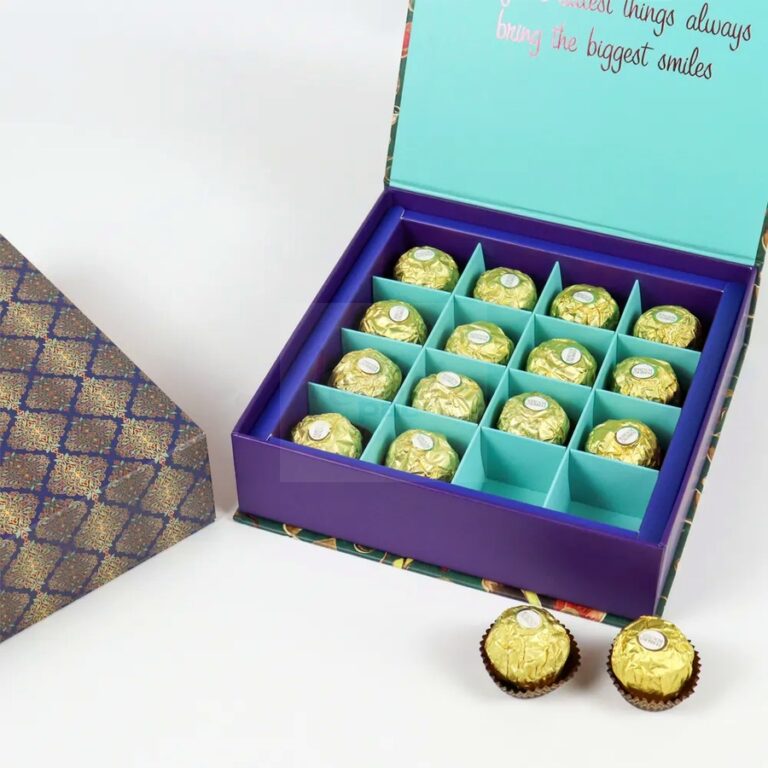
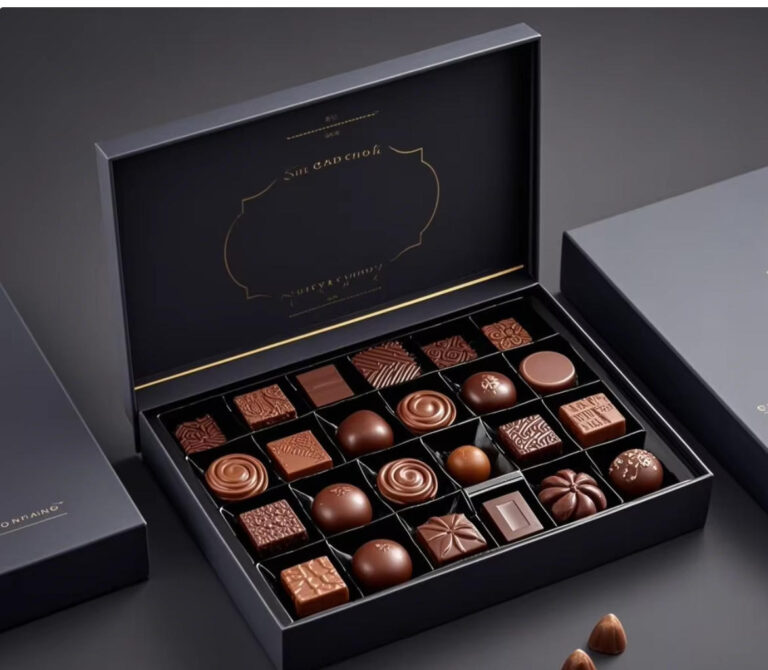
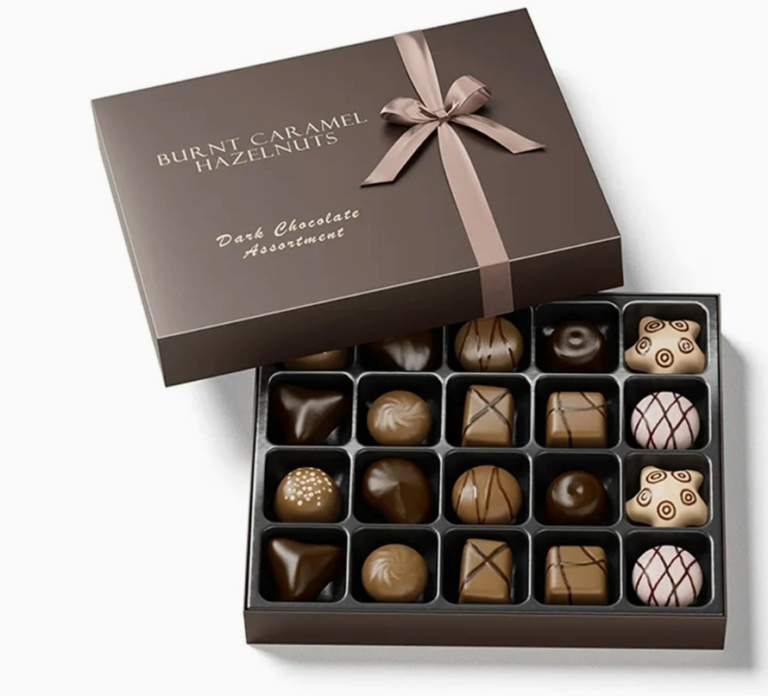
These custom rigid chocolate boxes are designed for premium confectionery programs that need a stronger, more refined presentation than a folding carton. The rigid board shell gives the package a polished gift-box feel, while layered trays and precision inserts keep bonbons, pralines, truffles and wrapped chocolates arranged in a clean retail display.
Holidaypacfactory can customize the box size, lid style, drawer structure, tray depth, insert map, paper wrap, foil detail and packing method around your actual assortment. This format belongs in our Chocolate & Candy collection and pairs naturally with other premium structures such as our custom multi-layer chocolate bonbon gift box, custom two-layer chocolate gift box and custom premium magnetic box packaging.
Related Chocolate and Gift Packaging
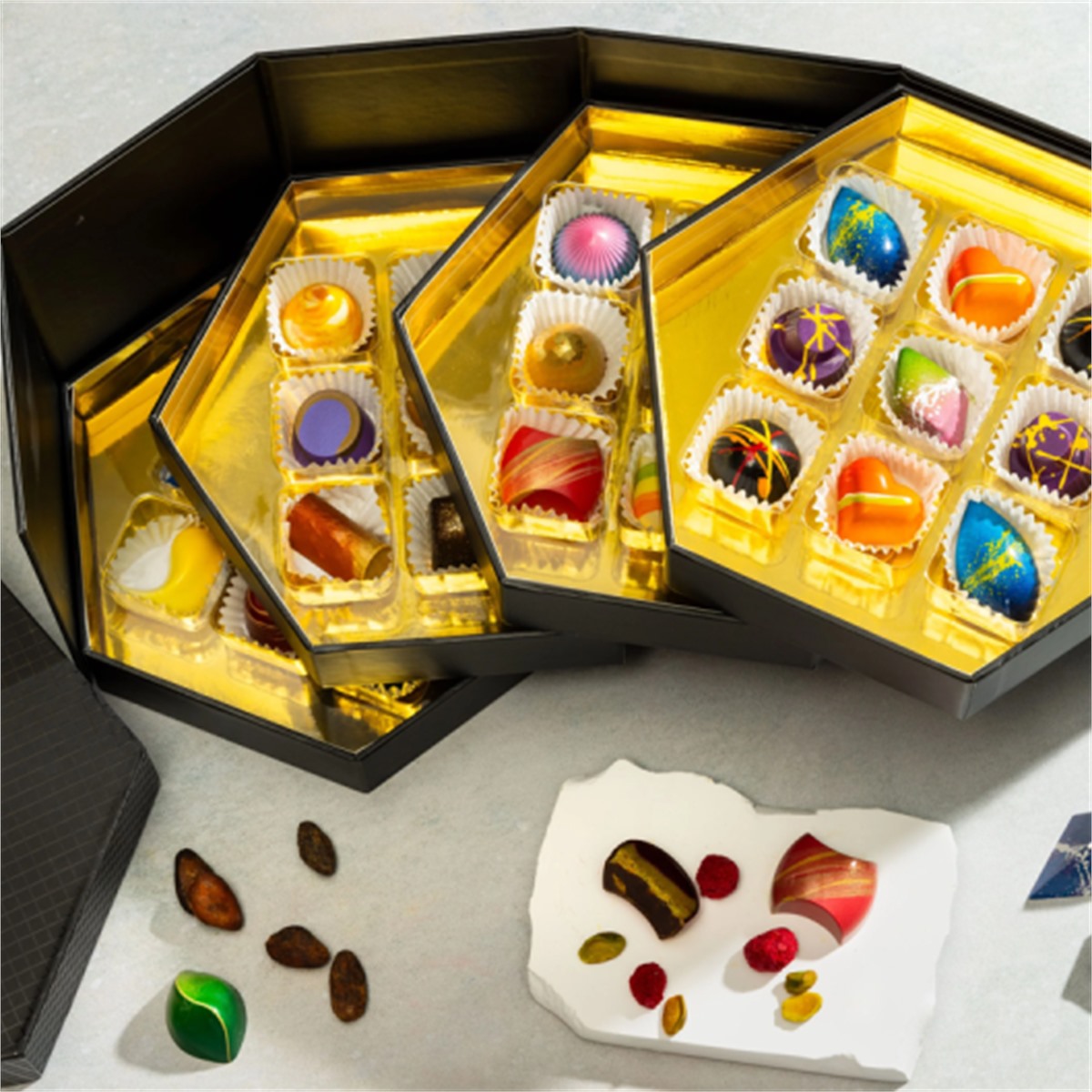 Custom Multi-Layer Chocolate Bonbon Gift Box with Sliding Trays and Gold Foil Interior
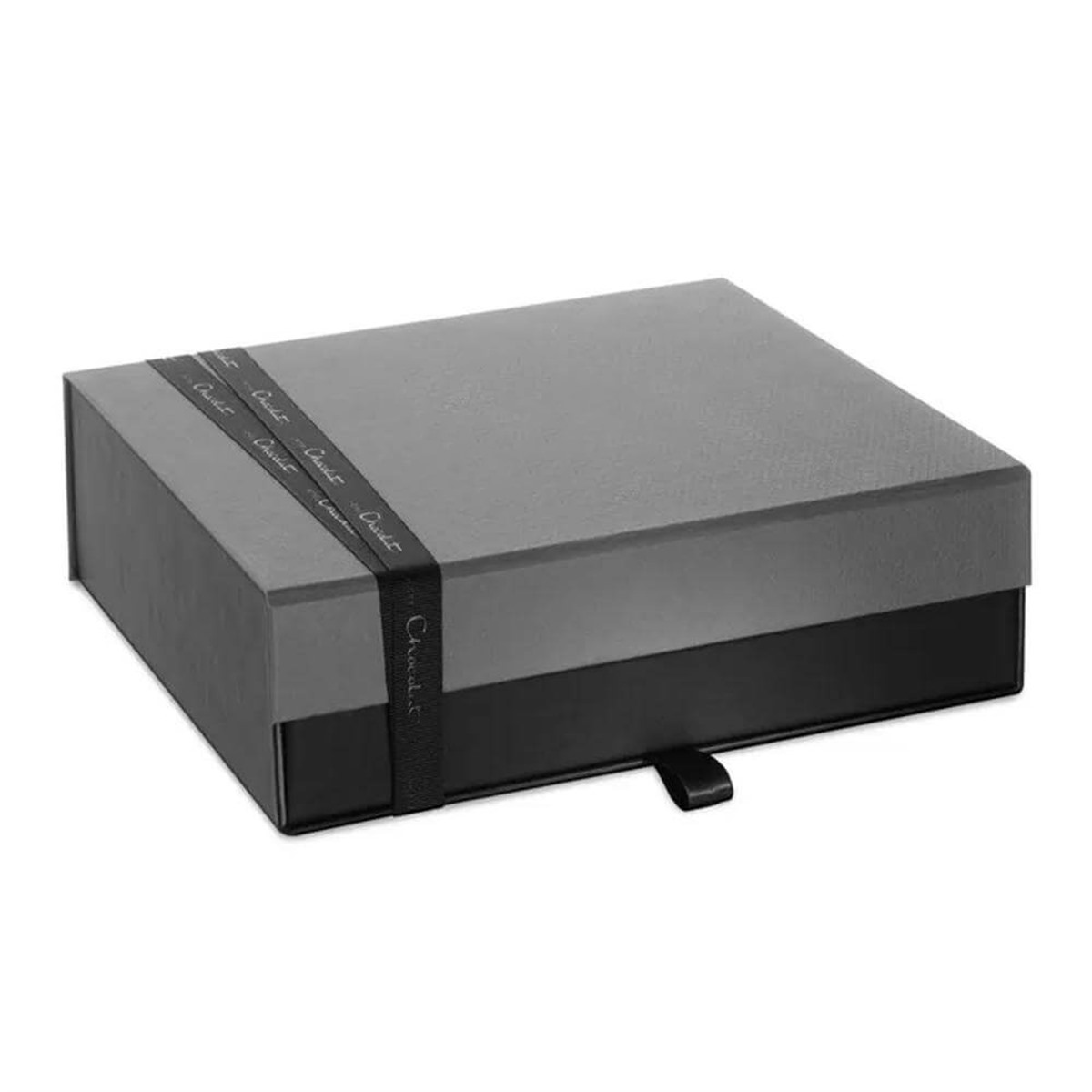 Custom Two-Layer Chocolate Gift Box with Sliding Drawers and Magnetic Lid
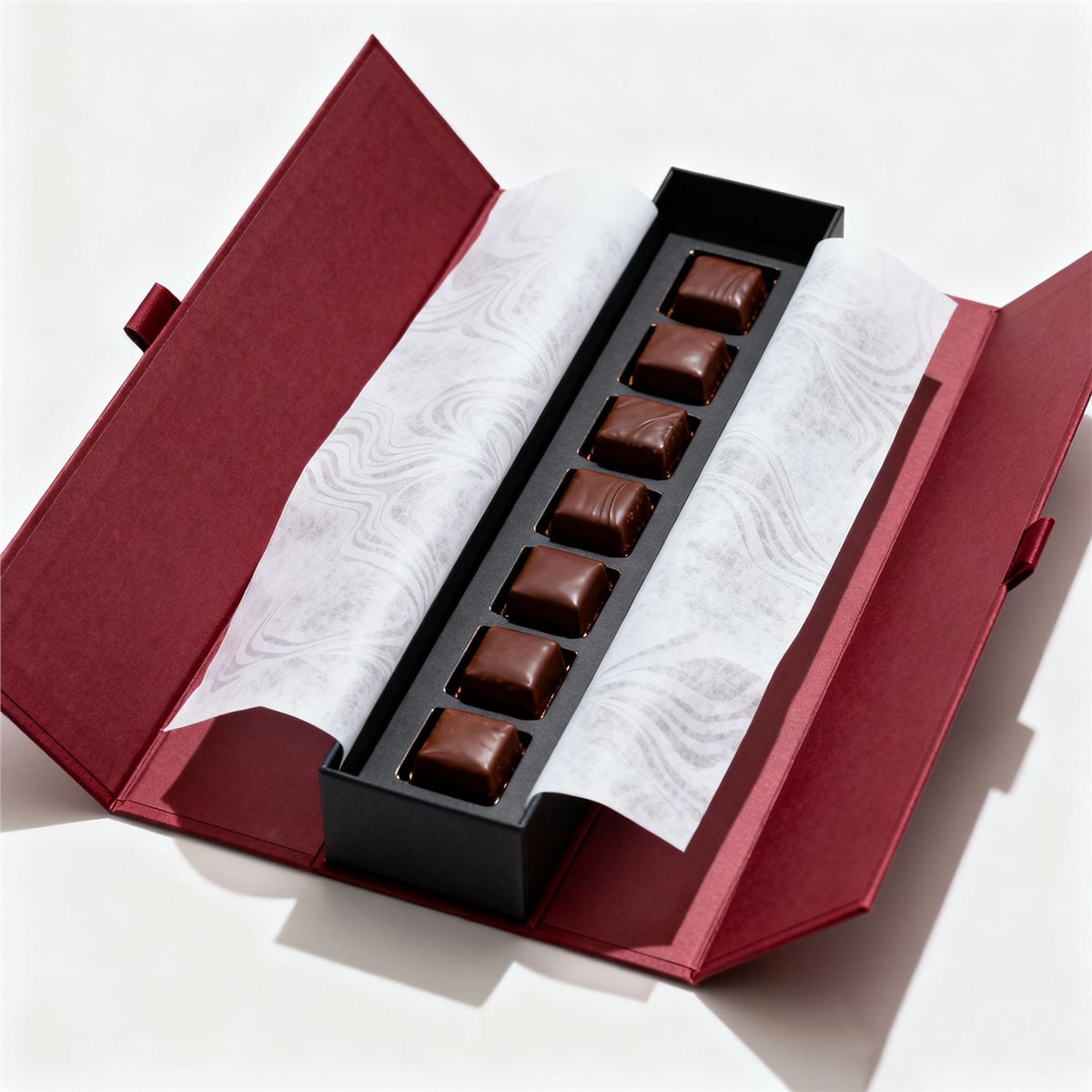 Custom Burgundy Magnetic Chocolate Gift Box with Tray Inserts
 Custom Candy Chocolate Gift Box with Ribbon and Tray Inserts
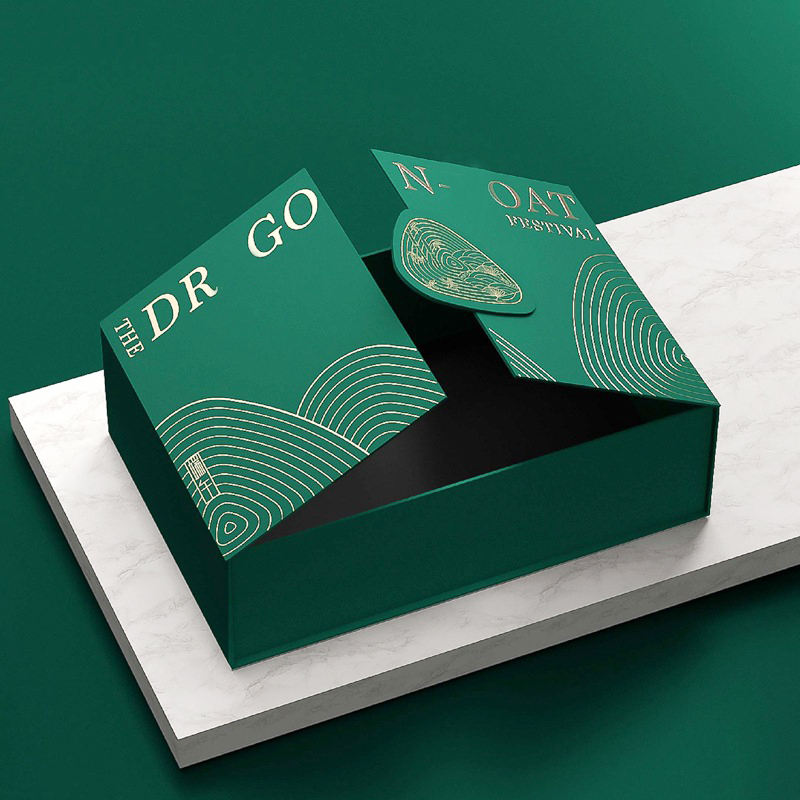 Custom Premium Magnetic Box Packaging for Luxury Gift Sets
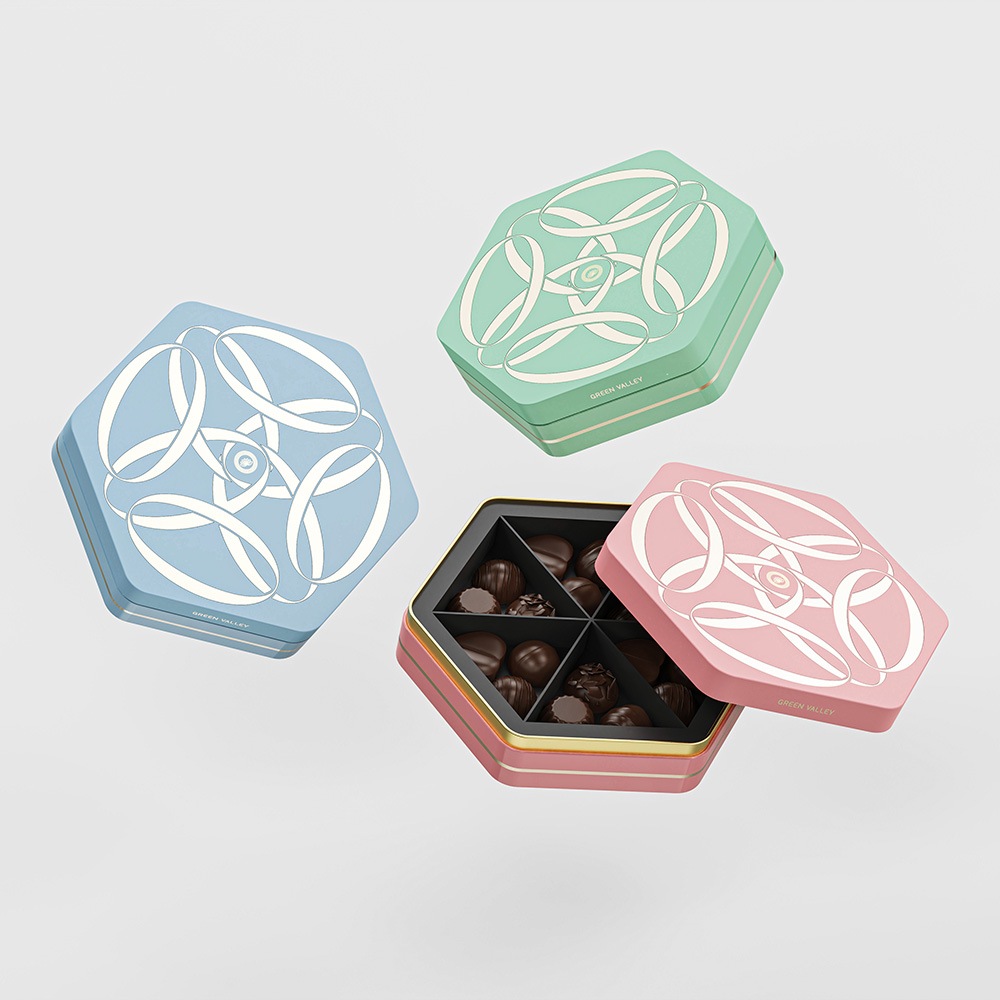 Custom Colorful Hexagon Chocolate Gift Box Packaging
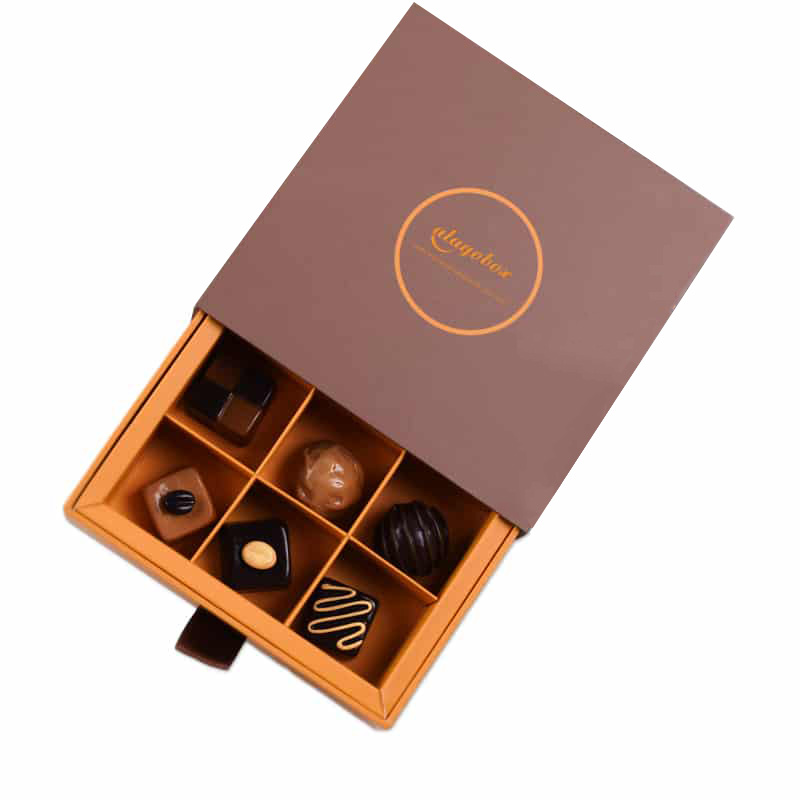 Custom Square 3×3 Paper Chocolate Packaging Box
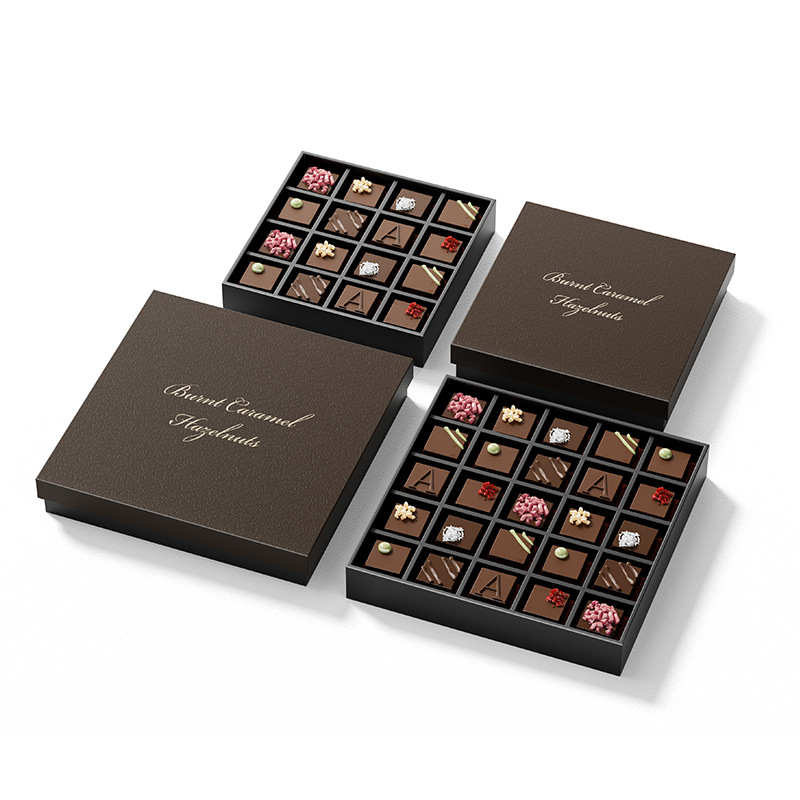 Custom Lid Bottom Chocolate Box Packaging with Inserts
Rigid Gift Structure
Rigid chocolate packaging is chosen when the box needs to feel valuable before the customer tastes the product. The firm paperboard body holds its shape, supports layered contents and gives the outside surfaces enough stability for premium paper wrap, foil stamping, embossing and clean logo placement. For boutique chocolate brands, that physical feeling is part of the selling experience.
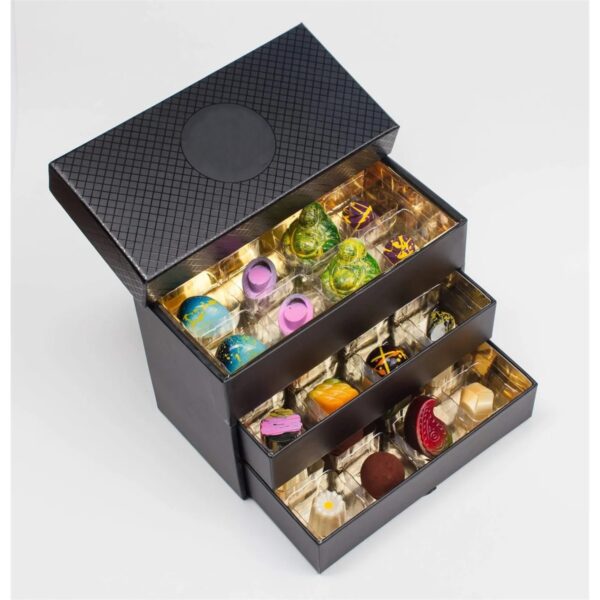
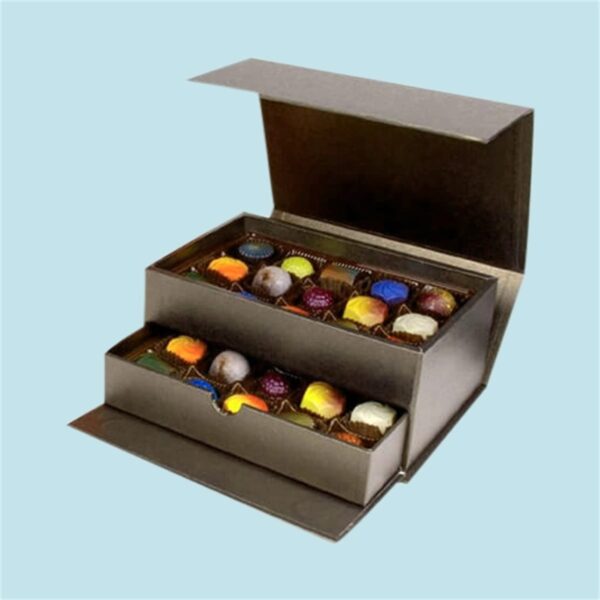
The structure can be made as a lift-lid box, folding cover, magnetic lid, sleeve-and-tray system or drawer-style presentation. Each format changes the way the customer discovers the chocolates. A simple lid creates a direct reveal. A drawer creates a slower unboxing moment. A stacked tray format can separate different flavors or price levels while keeping everything in one gift-ready package.
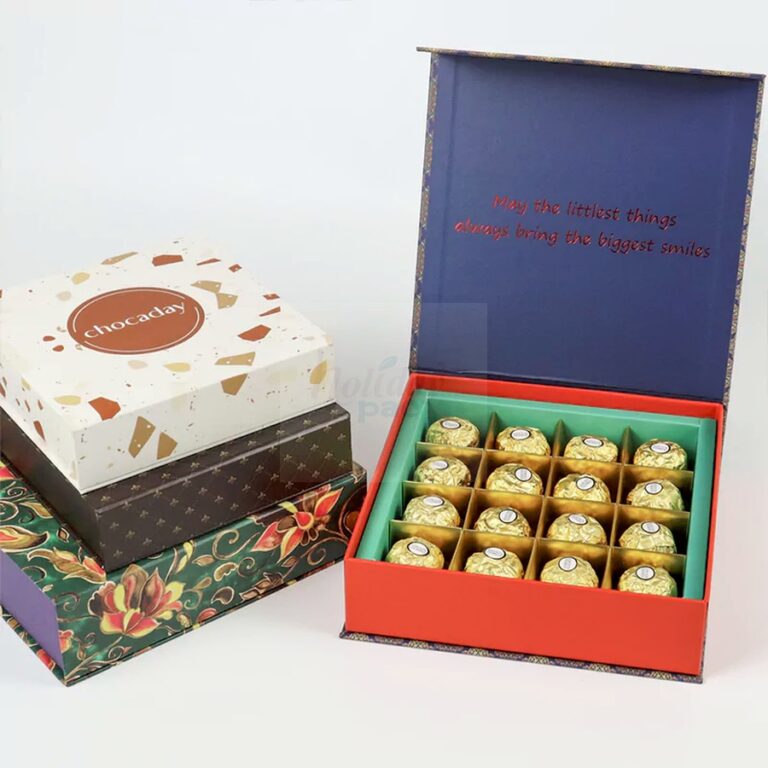
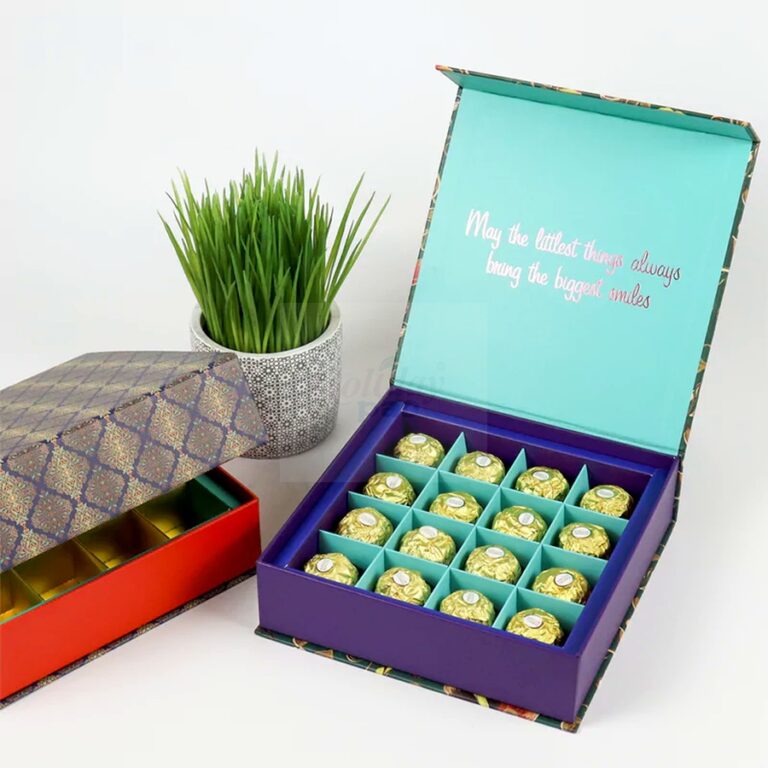
Because chocolate assortments are often photographed open, the box should be designed for both closed and open views. The exterior needs a calm retail face, and the interior needs a disciplined tray layout. The top edge, lid angle, drawer front and compartment geometry all become part of the visual story when the package is displayed online, in a shop window or at a gifting event.
Holidaypacfactory can review the size, capacity, board thickness and opening sequence before sample making. That early structural review helps avoid common issues such as a lid that presses on the chocolates, a drawer that catches at the corners or a tray cavity that is too loose for a delicate bonbon.
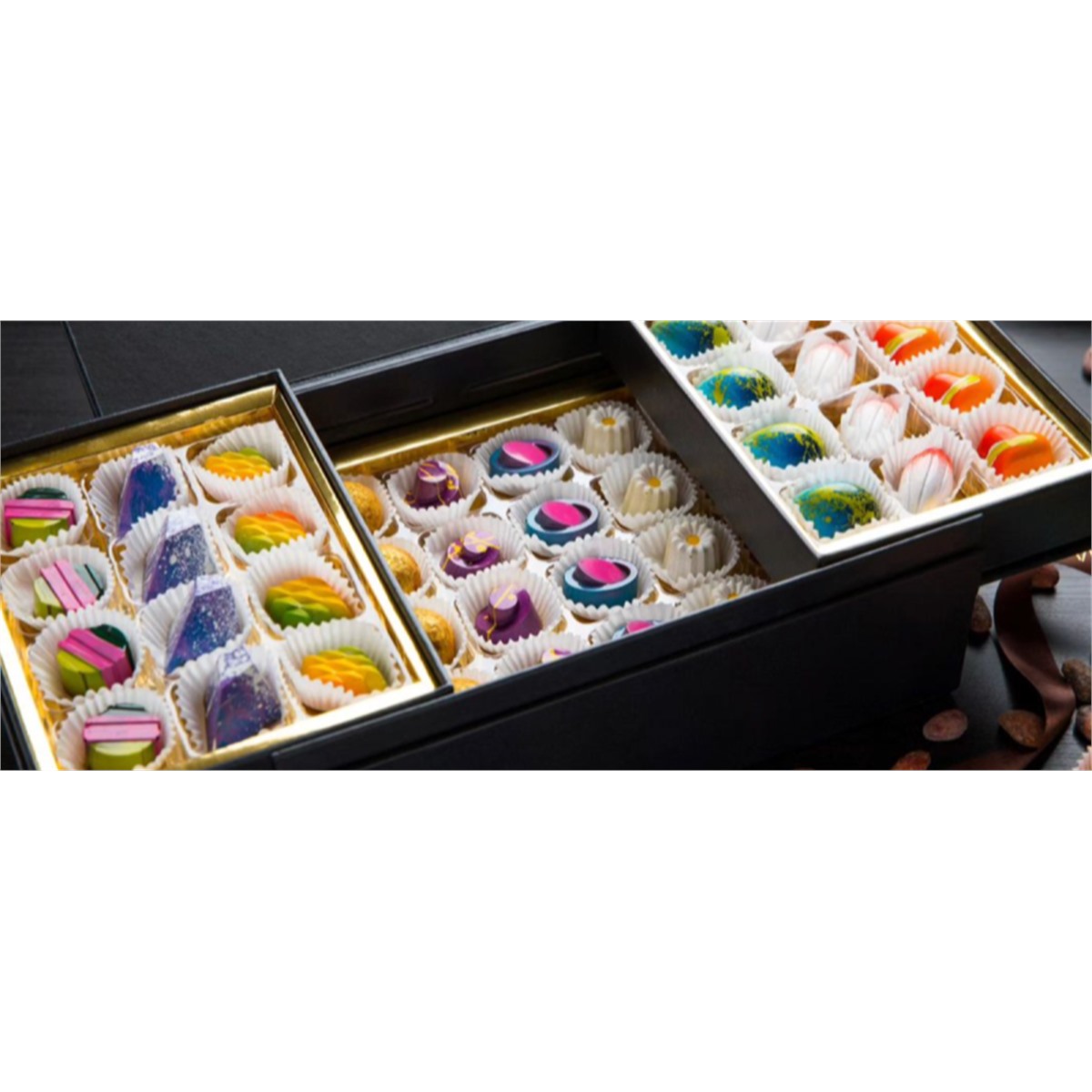
Layered Tray Display
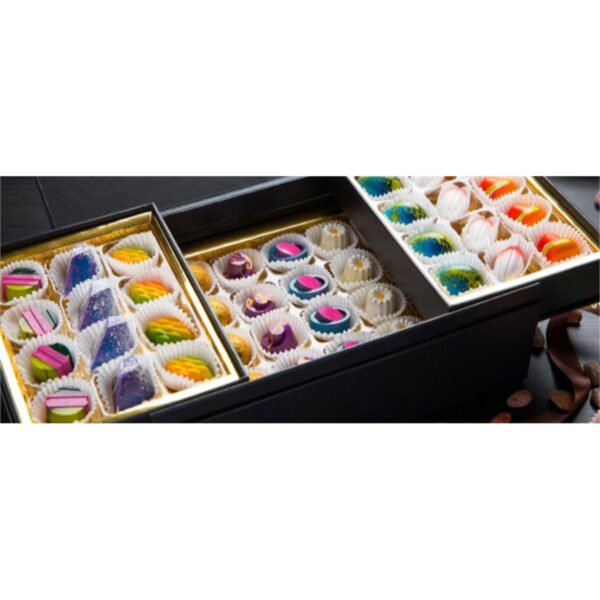
Layered trays make rigid chocolate boxes especially useful for mixed assortments. A brand can place signature pieces on the top level, reserve a lower level for wrapped chocolates, or create a tasting order that guides the customer from lighter flavors to richer flavors. The arrangement feels intentional, which is important when the product is purchased as a gift.
Tray layout can also support inventory planning. The same outer box can be adjusted with different insert maps for a twelve-piece set, eighteen-piece set, seasonal sampler or corporate gift edition. This gives the brand a family structure instead of a one-time package. When the outside dimensions remain consistent, photography, shipping cartons and retail displays can stay more organized across launches.
The cavities should be planned around the real product dimensions, including paper cups, foil, sleeves, labels or protective wrapping. A chocolate that looks small on a table can become much taller after it is placed in a cup. If the cavity is too shallow, the lid may touch the product. If it is too wide, the pieces may shift and damage the presentation.
Layered trays also create a stronger reveal. The customer opens the box, sees one level, then discovers another. That sequence works well for premium truffles, pralines, decorated bonbons, wedding sweets, hotel welcome gifts and holiday chocolate programs. A well-planned tray system turns the package into part of the tasting ritual.
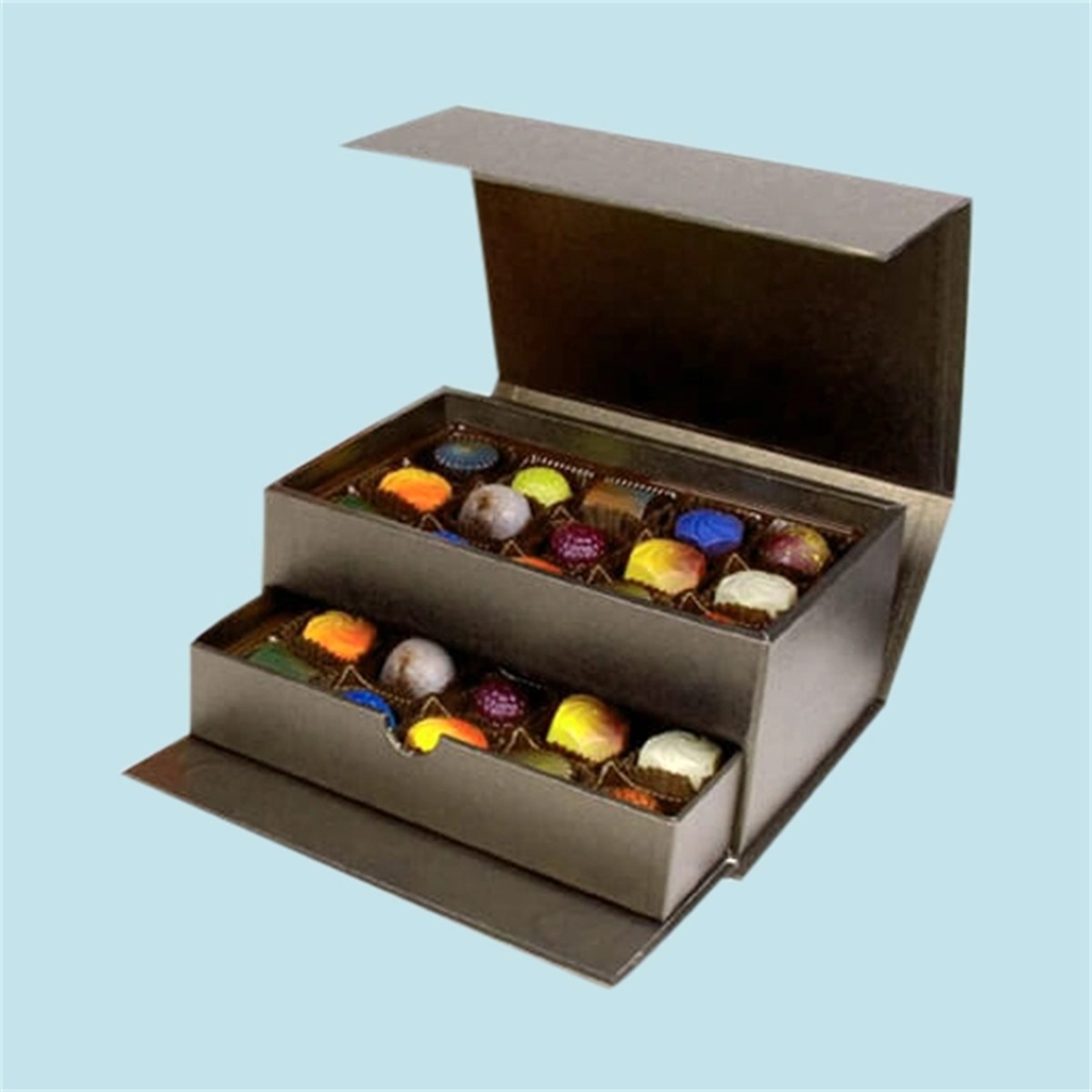
Insert Engineering
The insert is one of the most important parts of a rigid chocolate box. It controls how the chocolates sit, how they are removed, and how well the assortment survives handling. Inserts can be made with paperboard dividers, molded trays, clear trays, paper cups or combined solutions depending on the product and the food-contact plan.
For delicate bonbons, each cavity should support the piece without trapping it too tightly. The customer still needs enough finger access, and the packing team needs enough clearance to load pieces neatly. For wrapped chocolates, the insert can be slightly more flexible because the wrapper protects the surface. For mixed assortments, the insert may need several cavity sizes in one tray.
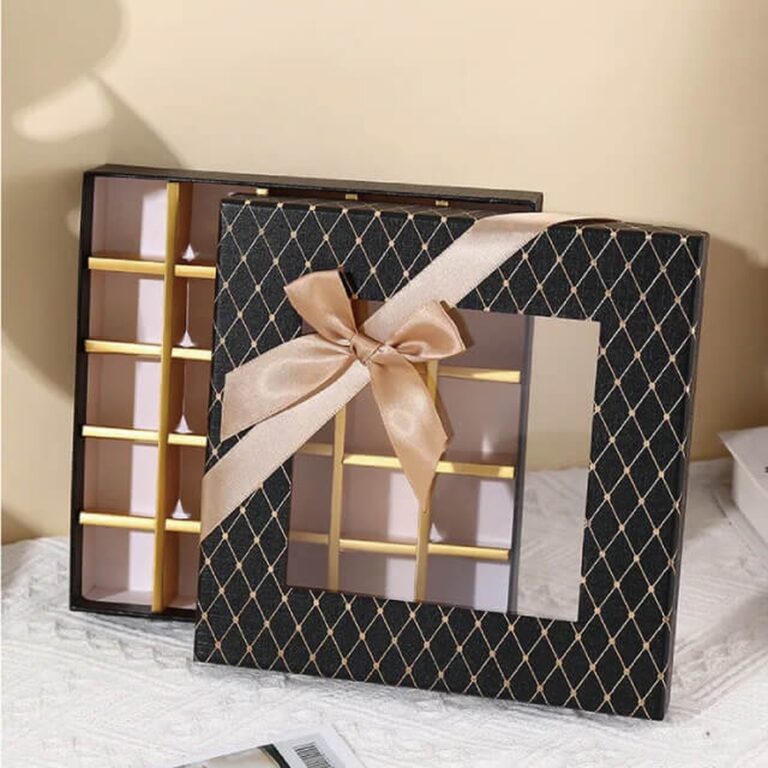
The insert color changes the product mood. Gold creates warmth and a luxury confectionery feeling. White feels clean and bakery-oriented. Black can create dramatic contrast for colorful chocolates. Natural kraft or textured paper can support an artisan brand story. These choices should be tested with real product colors, because an insert that looks beautiful alone may compete with the assortment.
Holidaypacfactory can help plan the insert map from the piece count and dimensions. The goal is not only a beautiful open box, but also a package that can be filled efficiently, inspected quickly, shipped safely and opened easily by the final customer.
Branding And Finish
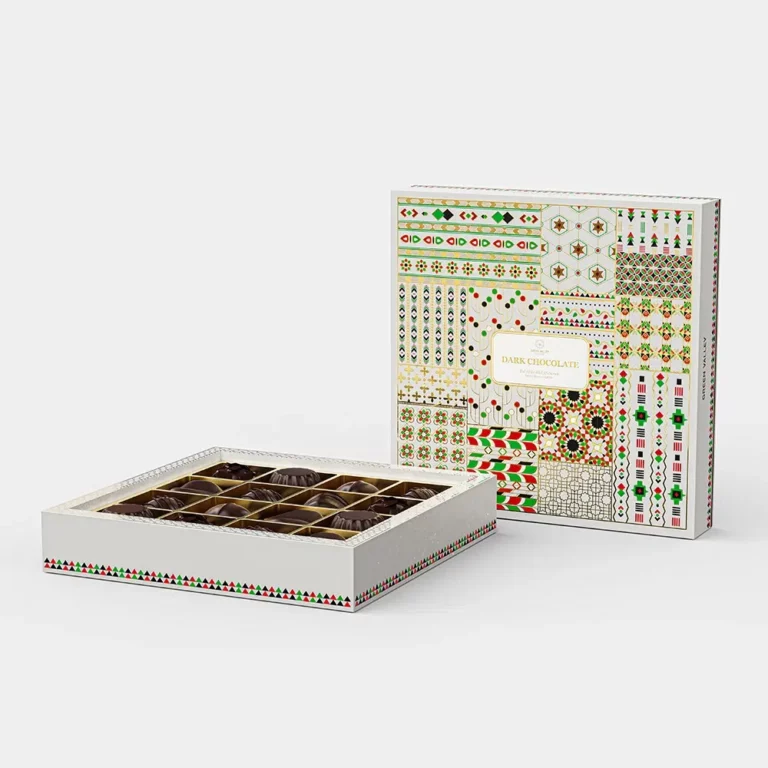
Rigid chocolate boxes support a wide range of branding treatments. A minimalist black paper wrap with a small foil logo can feel formal and luxury-driven. A soft white wrap with blind embossing can feel clean and boutique. A printed sleeve can add seasonal artwork without changing the core box. The best treatment depends on where the box will be sold and how long the customer is expected to keep it.
Foil stamping, debossing, embossing, spot coating and textured paper all work well on rigid board when the surfaces are planned correctly. The lid has to stay flat enough for the finish to register cleanly, and wrapped edges should be checked for cracking or scuffing. A sample is useful because the real paper texture, logo scale and foil reflection can look different from a screen mockup.
The inside of the box should not be an afterthought. Inner lid messages, flavor maps, care notes and branded tray cards can help the customer understand the assortment. A rigid box often feels like a keepsake, so the interior should be clean enough to support that impression after the chocolates are gone.
If the brand needs several seasonal versions, Holidaypacfactory can keep the structure stable while changing papers, sleeve artwork, inserts or message cards. This approach reduces development work and helps the brand build recognition across collections.
Wholesale Planning
Before requesting a quotation, prepare the product list, count per tray, finished product dimensions, target box size, artwork files, finish preference, order quantity and destination market. If the chocolate assortment is not final, provide the largest likely piece first so the structure can be planned conservatively. This avoids a sample that looks good but fails when the real product is packed.
Wholesale chocolate packaging also needs a carton plan. Rigid boxes protect the retail presentation, but decorative paper, tray edges and wrapped corners can still be damaged if finished units move inside the shipper. Fitted cartons, tissue, dividers or protective sleeves can be planned depending on the shipment method and the value of the gift box.
Food-contact planning should be discussed early. The decorative rigid box is often paired with inner cups, liners, trays or wrapped primary packs. Storage temperature, product surface, destination market and handling method all influence the final recommendation. A clear brief helps the factory choose a practical structure rather than guessing from the outside appearance alone.
When all details are reviewed together, the final box can serve retail shelves, online sales, corporate gifting and event programs without feeling overbuilt. That is the purpose of custom rigid chocolate packaging: to make the product feel premium while keeping the manufacturing and packing process repeatable.
Buyer Scenarios
For retail chocolate brands, rigid packaging helps the assortment look worth a higher price point. The box can sit closed on a shelf with a simple premium face, then open into a carefully organized display during sampling, gifting or photography. This is useful for boutique stores, department-store counters, pop-up shops and online listings where the customer needs to understand quality quickly.
For corporate gifting, the same structure can be adapted with a branded sleeve, inner greeting card or discreet foil mark. Companies often need a box that feels formal without becoming overly decorative. A rigid board shell, dark paper wrap and organized tray insert create a presentation that feels appropriate for clients, staff appreciation, investor gifts and year-end programs.
For weddings, hotels and event gifting, the box can become softer and more personal. Light papers, blind embossing, ribbon accessories, date cards and flavor notes can shift the mood toward celebration. Smaller versions may hold a few signature chocolates, while larger versions can become a full table gift or guest-room welcome amenity.
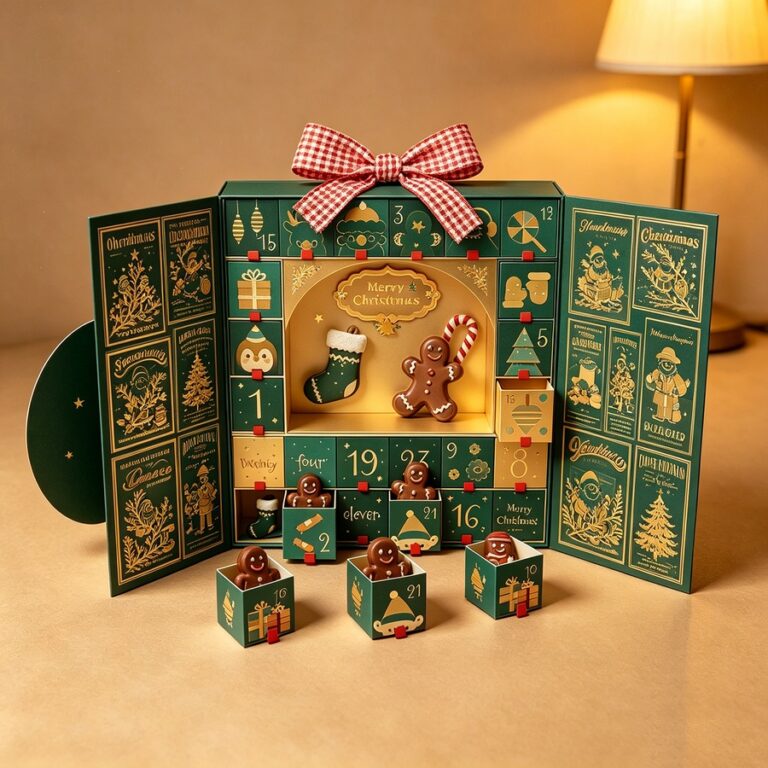
Seasonal collections can also reuse the same structural platform. A holiday edition may use a deeper color and metallic finish, while a spring or wedding edition may use white, blush or pastel accents. Keeping the core rigid structure consistent lets the brand refresh the artwork without rebuilding every measurement and packing rule from the beginning.
Quality Review
A rigid chocolate box sample should be reviewed with real or highly accurate product dummies. Look at the closed exterior first: corners should be straight, the lid should sit level, wrapped edges should be clean and the logo should be centered. Then open the box and check whether the tray display creates the intended emotional effect. The inside needs to look as disciplined as the outside.
Next, handle the sample as a customer would. Open the lid, pull the drawer, remove a piece, close the box and lift it from the table. The motion should feel natural and controlled. If a drawer is too tight, the gift moment feels frustrating. If it is too loose, the package feels less premium. Small tolerance changes can make a large difference in the final impression.
The packing team should also review the sample. Staff need to know whether trays are easy to place, whether chocolates can be loaded without touching the decorated surfaces, whether counts are easy to inspect and whether finished boxes can be protected before carton packing. A design that looks excellent in a single photo still needs to work during repeat production.
Finally, check shipment protection. Rigid boxes can be strong, but decorative paper and tray edges still need care. A carton plan may include inner dividers, tissue, sleeves or fitted shippers depending on the route. Testing this complete system helps the gift arrive with the same polished appearance shown in the product presentation.
Order Planning Guide
Start by defining the assortment. List the number of chocolates, the size of each piece, the height with cups or wrappers, and the target order in which the customer should see them. A rigid box can support many formats, but it works best when the tray layout has a clear purpose.
Choose the opening style according to the gift experience. A lift-lid box is simple and classic. A magnetic lid feels more refined. A drawer box creates a slow reveal. A layered tray system gives the customer a sense of abundance. The opening style should match the price point and the brand mood.
Measure the product after every supporting material is added. Paper cups, plastic trays, foil, sleeves and labels all change the final fit. The sample should be tested with the real product or a very accurate dummy set so the lid clearance and tray depth can be checked properly.
Plan the insert before finalizing the outer dimensions. The insert controls piece spacing, removal access and visual order. If the insert is crowded, the box can feel cheap even when the outer shell is premium. If the insert has too much empty space, the assortment can feel underfilled.
Decide whether the box should be kept after use. Many rigid chocolate boxes become keepsake containers for jewelry, stationery or small accessories. If reuse is part of the brand value, the exterior paper, lid strength and inner finish should be selected for longer handling.
Use finish details with restraint. Foil, embossing, debossing and spot effects can make the box feel expensive, but too many effects can compete with the chocolates. A strong logo, a clean paper texture and a refined interior are often more effective than a crowded surface.
Review photography angles during sampling. The box should look good closed, open, partly open and filled. If the opening angle is awkward or one tray hides another, the structure can be adjusted before production begins.
Think about the retail display. A shelf-ready chocolate box may need a strong closed face and a clean barcode location. A gift box sold online may need stronger shipping protection. A hotel or wedding gift may need more attention on the open presentation and personalized message card.
Check hand-feel. Rigid packaging is judged by touch as much as by sight. The lid should close cleanly, the drawer should move smoothly, the tray should not flex excessively, and the wrapped edges should feel finished.
Keep future versions in mind. The same rigid structure can be reused with new paper colors, sleeves, foil colors, insert cards or seasonal artwork. A stable structure makes repeat programs faster and helps buyers recognize the brand.
Ask the factory to review packing workflow. Staff should be able to place trays, load chocolates, inspect the count and close the box without damaging the finish. A beautiful package still needs to work at production speed.
Send a clear brief for quotation. Include piece count, dimensions, desired materials, print direction, finish effects, quantity, destination and shipment method. The more specific the brief, the more useful the first sample will be.
For premium gifting, consider companion items such as paper bags, sleeves, tasting cards, ribbons or outer cartons. A coordinated set helps the product look complete and protects the rigid box during delivery.
The final approval should test the package from three viewpoints: the chocolate maker who fills it, the buyer who purchases it, and the recipient who opens it. When all three experiences feel smooth, the box is ready for a serious wholesale program.
For chocolate brands with several sales channels, decide whether one box should serve every channel or whether the same structure needs small variations. Retail stores may prefer a compact shelf footprint, online sellers may need stronger outer protection, and event gifts may benefit from a larger message card. Planning those differences early can keep the design consistent without forcing every order into one rigid specification.
If the assortment changes often, ask for an insert strategy that can be adjusted without changing the whole outer shell. A stable rigid box with several insert options can support limited flavors, seasonal counts and special collaborations. This keeps photography, carton planning and brand recognition more consistent while still giving the product team freedom to refresh the chocolate selection.
Product Specifications
| Product type | Custom rigid chocolate boxes with layered trays and luxury inserts |
|---|---|
| Structure | Rigid paperboard shell, lift lid, magnetic cover, drawer or stacked tray design |
| Insert options | Paperboard dividers, molded trays, clear trays, cups, liners and mixed cavity maps |
| Suitable contents | Bonbons, pralines, truffles, chocolate bars, wedding sweets, hotel gifts and corporate assortments |
| Artwork | Custom logo, paper wrap, printed sleeve, inner message, flavor card and seasonal artwork |
| Finishing | Matte, gloss, soft-touch, foil stamping, embossing, debossing and spot detail |
| Order support | Structural review, sample making, artwork adjustment, production and export carton planning |
Frequently Asked Questions
Yes. The outer size, tray depth, insert layout and lid style can be developed around your chocolate assortment.
Yes. Holidaypacfactory can plan lift-lid boxes, magnetic boxes, drawer boxes and layered tray formats depending on your gift experience.
Yes. Inserts can use multiple cavity sizes for bonbons, truffles, wrapped chocolates, bars and special seasonal pieces.
The decorative rigid box can be paired with suitable cups, liners, trays or individual wrapping according to your product and market requirements.
Yes. The paper wrap, sleeve, lid, inner message card, foil color and insert style can be customized for your brand.
Send piece count, product dimensions, desired structure, artwork direction, finish preference, order quantity and destination market.
Start Your Custom Project
Share your chocolate count, size range, preferred opening style, artwork direction and quantity. Holidaypacfactory will help plan the rigid board structure, tray inserts, food-contact packing path, print finishes and export carton solution for your wholesale chocolate packaging project.
 Cassie LanFounder, HolidayPac · Leave a message
Food packaging, paper bags and food service paper for your next project.
Leave your request anytime. Our sales team will reply with pricing, samples and production details.
Leave your request anytime. Our sales team will reply with pricing, samples and production details.
Tell us what you're packaging and we'll ship a physical sample plus a free 3D mockup within 24 hours — no cost, no obligation.
We've received your inquiry and our team will get back to you within 24 hours.