
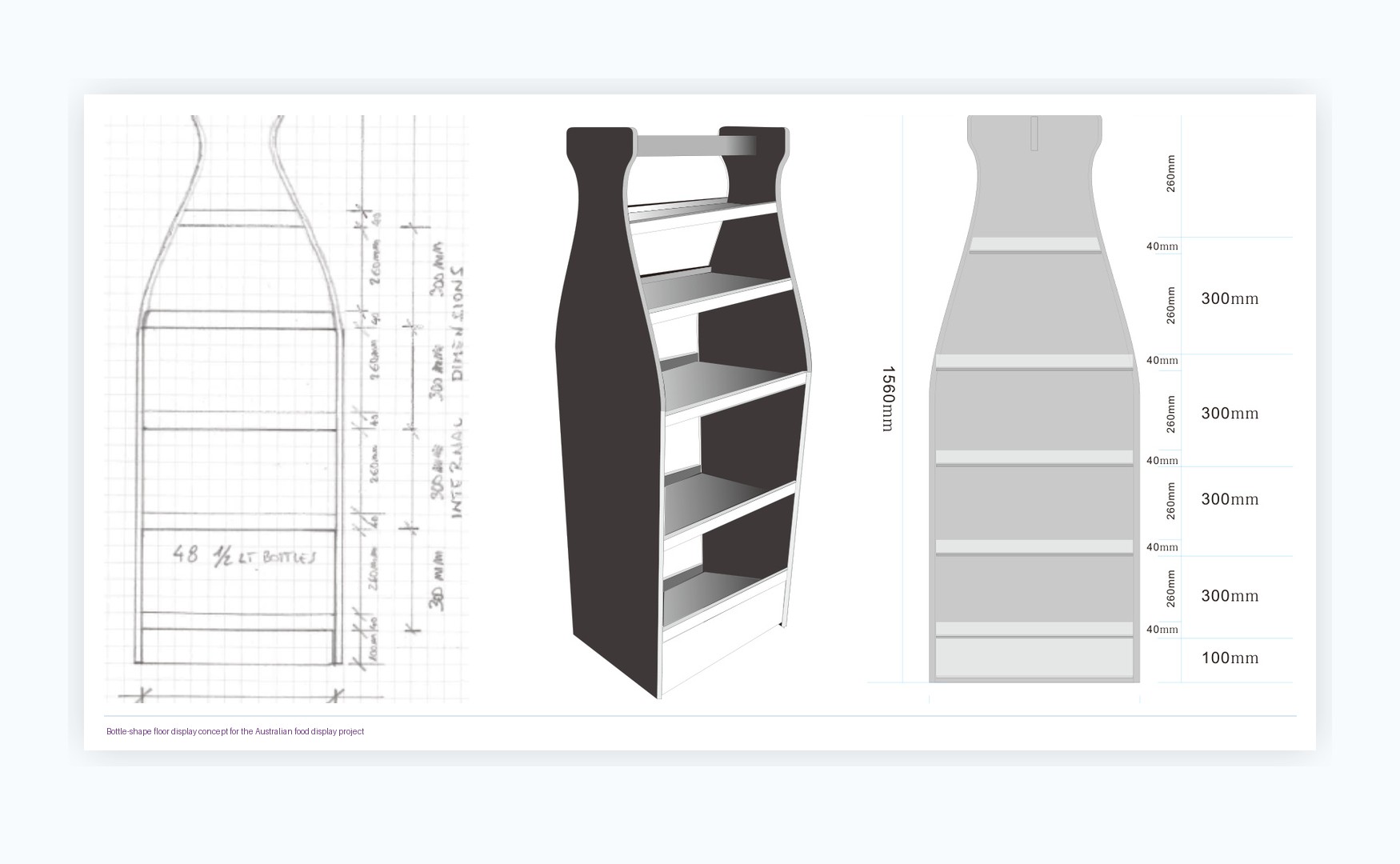
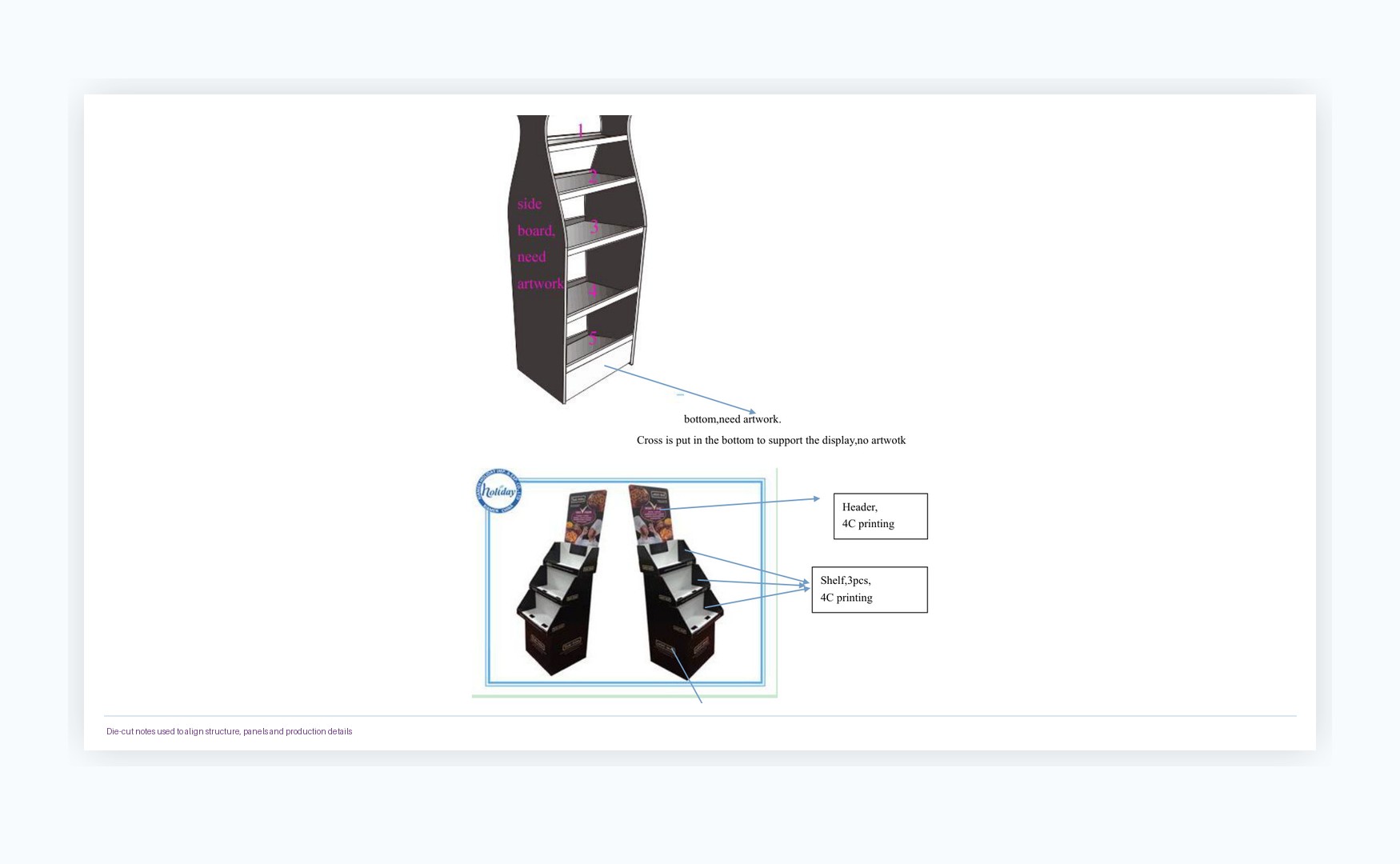
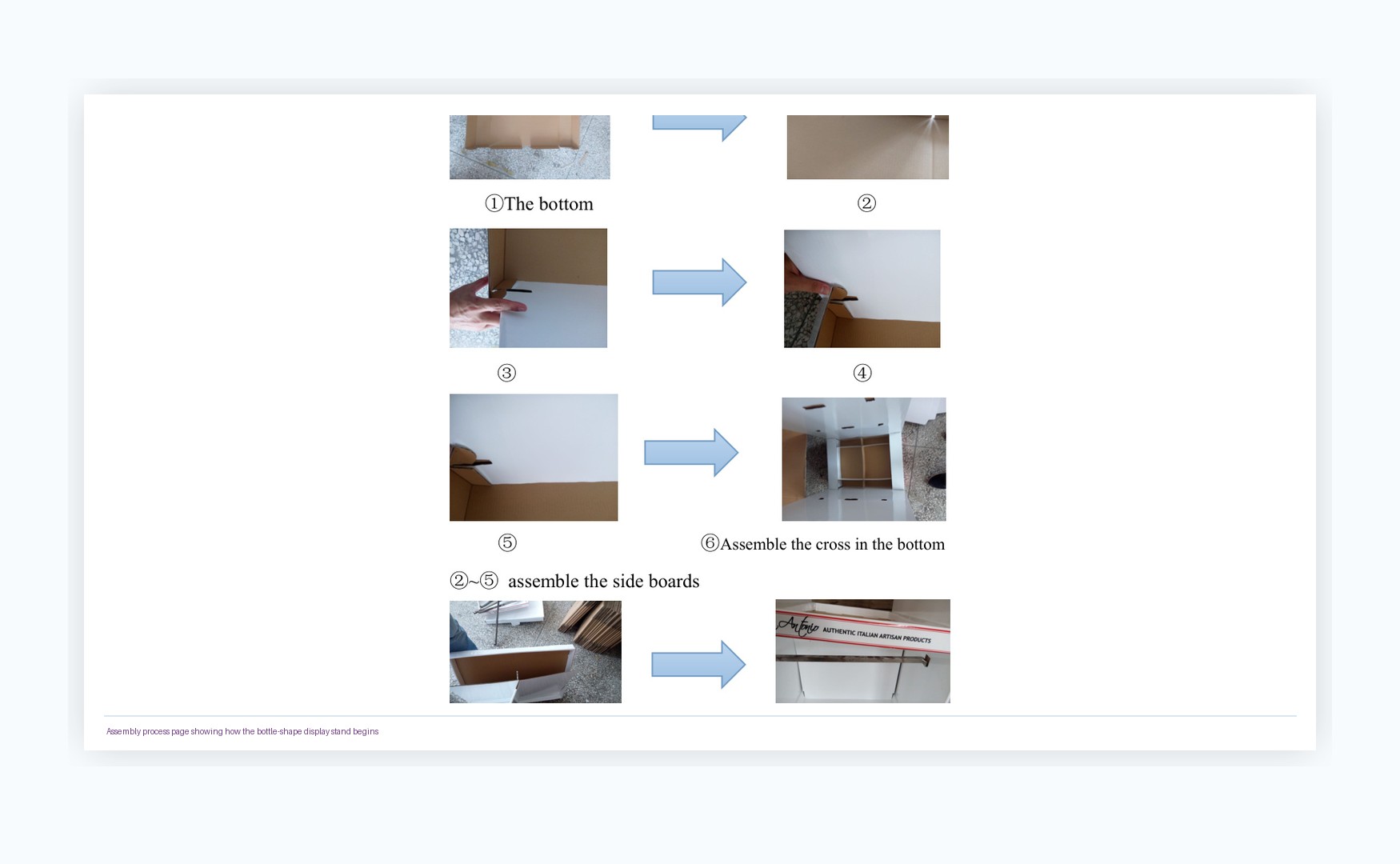
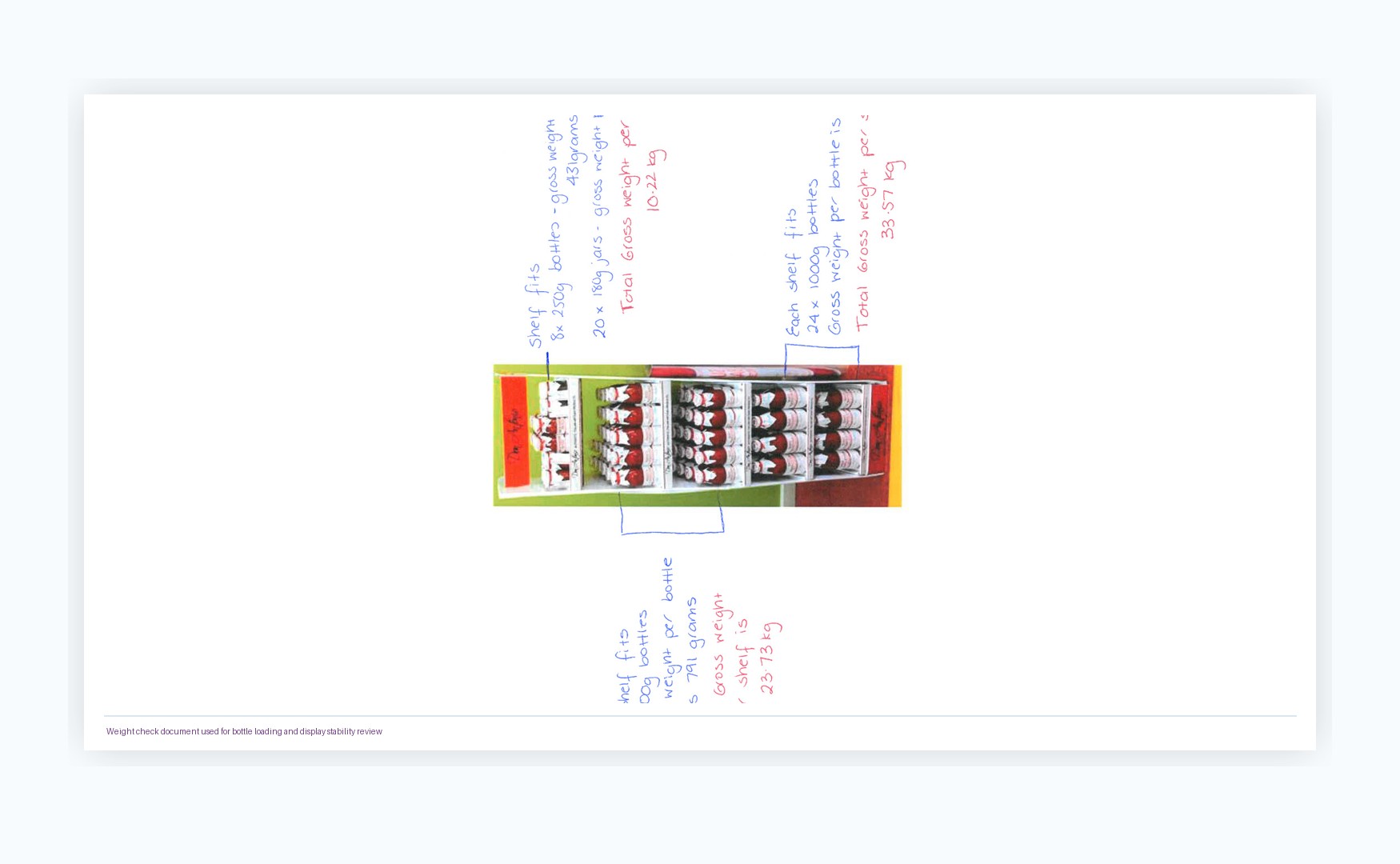
Holidaypac is an eco-friendly custom box and packaging manufacturer located in both China and Cambodia, aiming to create a sustainable world. These links are placed first because they match the actual development path in this Australian food display stand case: floor display structure, POP display logic, PDQ and counter options, carton planning and broader custom packaging support. This case study shows how Holidaypacfactory moved an Australian food customer project forward step by step in 2015. The project was not only a drawing task. It involved a bottle-shape floor display concept, shelf spacing, die-cut notes, sample structure, assembly guidance, product loading review and carton planning for export delivery. For privacy, this article does not publish invoice pages, complete customer contact details, private addresses, payment information or confidential commercial records. The focus is the development workflow: how a cardboard display project for Australia moved from early idea to first sample logic, and how each internal document helped reduce risk before production. The project folder shows a clear development rhythm. First, the customer requirement was translated into a bottle-shape display concept with approximate display size and shelf positions. Then the engineering team prepared die-cut notes and production drawings. After that, the sample structure was documented, assembly steps were written, product loading was checked, and a carton/divider plan was prepared so the display could travel safely. This workflow matters because a custom food display is used by more than one team. The buyer approves the look. The factory builds the structure. The packing team protects the sample. The customer or distributor assembles the unit in Australia. If any step is unclear, the project can slow down even when the design looks attractive. The first useful project artifact is the bottle-shape concept image. It shows the early hand sketch, a 3D structural direction and a front elevation with dimensions. The shape was not a standard rectangular shelf. It was designed to echo a bottle silhouette so the display could feel connected to the food product category and stand out in a retail environment. From a development point of view, this is where the team converted a marketing idea into an engineering problem. The display needed height, shelf spacing, side-board strength, a readable front shape and enough stability for multiple product facings. A bottle outline can create stronger brand recognition, but it also reduces some straight structural areas, so support planning becomes more important. The image also shows why early dimensions are essential. A display stand for Australia must be attractive, but it must also fit retail space, carton limits and practical assembly. When Holidaypacfactory develops a custom cardboard display, the team reads the shape, the product load and the buyer's retail goal together instead of treating artwork as a separate decoration. After the visual concept, the project needed part-by-part instructions. The die-cut notes separated bottom, cross support, shelves, header, support bar, insert and body panels. This kind of note looks simple, but it is one of the most important bridges between sales communication and factory execution. For this case, the notes clarified which parts needed artwork and which parts did not. That matters because a display has hidden structural pieces as well as visible branded panels. Printing every hidden part would waste cost, while failing to print a visible panel would damage the retail look. The notes helped the team separate structural support from brand surface. Die-cut notes also reduce sample mistakes. If the bottom cross support is missing or a shelf is cut incorrectly, the sample can look weak even when the idea is good. By writing the part logic before production, Holidaypacfactory made the first sample easier to review and easier to correct. The first sample drawing organized the display into a clearer production structure. It referenced shelves, side boards, cross support, bottom panel and printable areas. This document helped the factory understand how the display would be cut, folded and assembled before investing more time in the physical sample. For a buyer, a sample drawing also creates a decision point. It allows the customer to check whether the overall height, bottle shape, shelf count and front view still match the original retail purpose. If the buyer wants a different shelf count or stronger product visibility, this is the right moment to change it. For Holidaypacfactory, this step protects both sides. It prevents the customer from approving only a beautiful concept while missing practical details. It also prevents the factory from building a sample without enough shared understanding. That is why sample development is not one big jump; it is a sequence of confirmations. The assembly process document is especially important for export display projects. A display that looks good in the factory can still fail the customer experience if the buyer cannot assemble it smoothly after receiving the sample or production goods. This project documented the bottom, side boards, cross support, shelves and support bar in a step-by-step sequence. The first assembly page shows the logic of building from the bottom upward. That is the correct direction for a floor display because stability begins at the base. The cross support strengthens the bottom, the side boards create the body, and the shelves begin to turn flat material into a working retail stand. Good assembly documentation is a form of service. It tells the Australian customer that Holidaypacfactory is not only sending a cardboard structure, but also thinking about how the local team will open, understand and use it. The second assembly page continues from structure into final presentation. It shows the support bar, banner and finished display direction. These steps matter because the display must not only stand up; it must also communicate brand and product clearly at retail. A banner or header area is often the first part consumers see. In a bottle-shape display, the header and body must work together so the outline feels intentional rather than accidental. The support bar and side structure protect the display from bending, while the visible panels carry the retail message. This is where the project moved from engineering to customer experience. The Australian buyer needed a display that could be assembled and also look ready for the store. The documentation helped connect both goals. A food display stand is not only a printed object. It must carry real product weight. The project file includes a weight check document connected with bottle loading. This shows that the team was not treating the display as a static mockup; it had to support the customer's product in use. Weight review affects shelf spacing, board grade, support bars, bottom structure and carton planning. If the product is too heavy for a shelf, the display can bend or lose its professional appearance. If the product is distributed unevenly, the stand may become unstable. These issues should be checked during development, not after mass production. For Australian retail projects, this is especially practical because samples and goods travel a long distance. A display must survive transport and then perform in the store. The loading check helped connect design with real retail service. The carton and divider planning page shows another part of the development process that customers may not always see. After the display structure is approved, the sample or production pieces still need safe packing. A carton with divider planning helps protect components, reduce movement and make unpacking easier. For an Australian customer, packaging for transport is not a small detail. The display has to cross distance, handling points and warehouse conditions before it reaches the customer. If the sample arrives damaged, the buyer may judge the structure unfairly. Good carton planning protects the development work that came before it. This is why Holidaypacfactory treats custom display projects as systems. The display design, die cut, sample, assembly document, loading check and carton plan all belong to one workflow. This Australian case is useful because it shows a real development method. The company did not move directly from inquiry to production. It translated the customer's food display goal into a shape, then into dimensions, then into die-cut parts, then into sample drawings, then into assembly instructions, then into loading review and packing logic. That step-by-step rhythm protects both the customer and the factory. The customer gets more chances to check whether the display still matches the retail idea. The factory gets clearer instructions before cutting and assembling. The sales team gets a practical timeline to explain progress. The result is a project that is easier to approve, easier to repeat and easier to improve. For buyers developing custom cardboard display stands, this case also shows why early communication should include product weight, shelf count, retail location, artwork areas, assembly needs and shipping expectations. The more clearly these details are shared, the better the first sample can be. For an Australian food customer, a first sample is more than a physical object. It is a communication tool. It lets the buyer test whether the bottle-shape display is suitable for the local retail channel, whether the shelf spacing feels right for the product range, whether the branding area is visible enough, and whether the assembly process can be handled by the customer's own team or distributor after arrival. In this project, the first sample stage helped Holidaypacfactory and the customer discuss the display from several angles at the same time. The visual team could look at the bottle outline and front presentation. The engineering team could check the cross support, shelves, side boards and bottom strength. The packing team could plan the carton and divider. The sales team could explain progress to the customer in clear milestones instead of only saying that the sample was in production. This is important for customer development because overseas buyers often need confidence before they move from sample to larger production. They need to know that the supplier can understand the product, protect the structure, control the sample process and support the project after the display reaches Australia. A first sample that is supported by good documents gives the buyer more confidence than a sample sent without explanation. The case also shows why Holidaypacfactory keeps project records. When a customer later wants to adjust artwork, change the product count, increase shelf strength, modify the header or create a second display size, the team can return to the concept, die-cut notes and assembly process instead of starting from zero. Good records turn one sample project into a foundation for future development. Every custom display project has hidden risks. A display can look attractive but become difficult to assemble. It can hold product in a photo but bend after loading. It can be easy to build in the factory but confusing for the customer after export. It can ship safely as a sample but need better carton protection for production. This Australian project addressed those risks before the display became a larger order. The concept drawing reduced visual risk by making the bottle-shape direction visible early. The die-cut notes reduced production risk by separating printed and non-printed parts. The sample drawing reduced structural risk by clarifying shelves, side boards and support pieces. The assembly guide reduced customer-side risk by explaining the build sequence. The weight review reduced loading risk. The carton plan reduced transport risk. This sequence is a practical model for food display projects, beverage display projects and grocery promotion projects. A buyer may first think about the appearance of the display, but a successful export display also needs assembly clarity, load capacity, packing protection and repeatability. Holidaypacfactory's role is to keep these issues connected so the buyer does not have to manage each technical detail alone. For Australian customers, this kind of risk control is especially valuable because distance makes mistakes more expensive. If a sample arrives with unclear assembly, the project loses time. If the shelf strength is wrong, the buyer may need a second sample. If the carton plan is weak, the structure may be damaged before review. By checking these points step by step, the company helps the customer move forward with fewer surprises. A buyer who wants to develop a custom display for Australia can use this case as a checklist. Start by defining the product and the retail scene. Is the display for a supermarket aisle, an end-cap promotion, a food-service distributor showroom or a specialty grocery store? Then define the product weight, product count, shelf direction, artwork surface and shipping expectation. These details should be shared before the factory prepares the first die cut. The next step is to approve the structural direction before focusing too much on final artwork. Artwork is important, but the display must first stand correctly, hold product safely and assemble logically. Once the structure is right, the artwork can be adapted to the body, header, side panels, shelves and front edge. This order of decisions helps avoid beautiful artwork being placed on a weak or confusing structure. After the sample is made, buyers should review it in a practical way. Place product on the shelves. Check whether the display leans. Look at the front from a customer distance. Try assembly without help. Check whether the carton protects the components. Ask whether the same structure can be repeated for production. These checks turn the sample into real information rather than only a photo approval. Holidaypacfactory can support this process for food brands, importers, distributors and private-label buyers that need custom retail displays. The goal is not only to make a display that looks interesting. The goal is to create a display that can be developed, approved, packed, shipped, assembled and used in the market with confidence. This case study intentionally avoids publishing private commercial documents. Invoice files, complete customer contact details, private email addresses, phone numbers, payment data, addresses and full internal commercial records are not displayed. Those materials may help the internal team understand project history, but they do not belong on a public article. Instead, the article shows development artifacts that explain the work: concept drawing, die-cut notes, sample drawing, assembly process, loading review and carton planning. This keeps the case useful for buyers while respecting the privacy of the Australian customer and the commercial relationship behind the project. Cassie Lan is the founder of Holidaypac and the cultural center of the company. With 20 years in international trade and 16 years in packaging, she helps buyers connect practical packaging decisions with visual identity, cultural meaning, and long-term brand value. Her philosophy is simple and memorable: packaging should protect food, express culture, and return closer to nature. This is why Holidaypacfactory is not only a packaging supplier, but a creative partner for brands that want paper food packaging with function, feeling, and responsibility. Inspired by the Chinese idea of harmony between people and nature, Cassie encourages Holidaypac to develop recyclable food packaging design that feels useful to buyers, beautiful to consumers, and respectful to the environment. The goal was to develop a bottle-shape cardboard floor display for an Australian food customer, turning an early concept into a sample-ready structure with shelves, side boards, bottom support, assembly logic and carton planning. This case study protects private commercial details. It explains the development workflow and shows non-sensitive structural images, but it does not publish invoice pages, full contact information, private addresses, pricing or payment details. The bottle-shape outline had to look distinctive while still supporting food product weight, shelf spacing, assembly strength, printing panels and shipping carton requirements. The team moved from concept and dimensions to die-cut notes, sample drawing, production work order, assembly process review, load and bottle weight check, and shipping carton planning. For an export display project, the customer and local retail team need to understand how the unit is opened, folded, locked, supported and finished. Assembly documentation reduces confusion after the display arrives. Yes. The same development logic can support food, beverage, grocery, health product and promotional display projects that need custom shape, shelf planning, print areas and export packing.
8 Related Display and Packaging Links for Australian Food Retail Projects
Australian Food Display Stand Case Study: From First Sample to Retail-Ready Structure
How the Project Advanced From Concept to Sample Review
Turning an Australian Food Display Idea Into a Bottle-Shape Structure
Converting the Concept Into Parts the Factory Can Actually Build
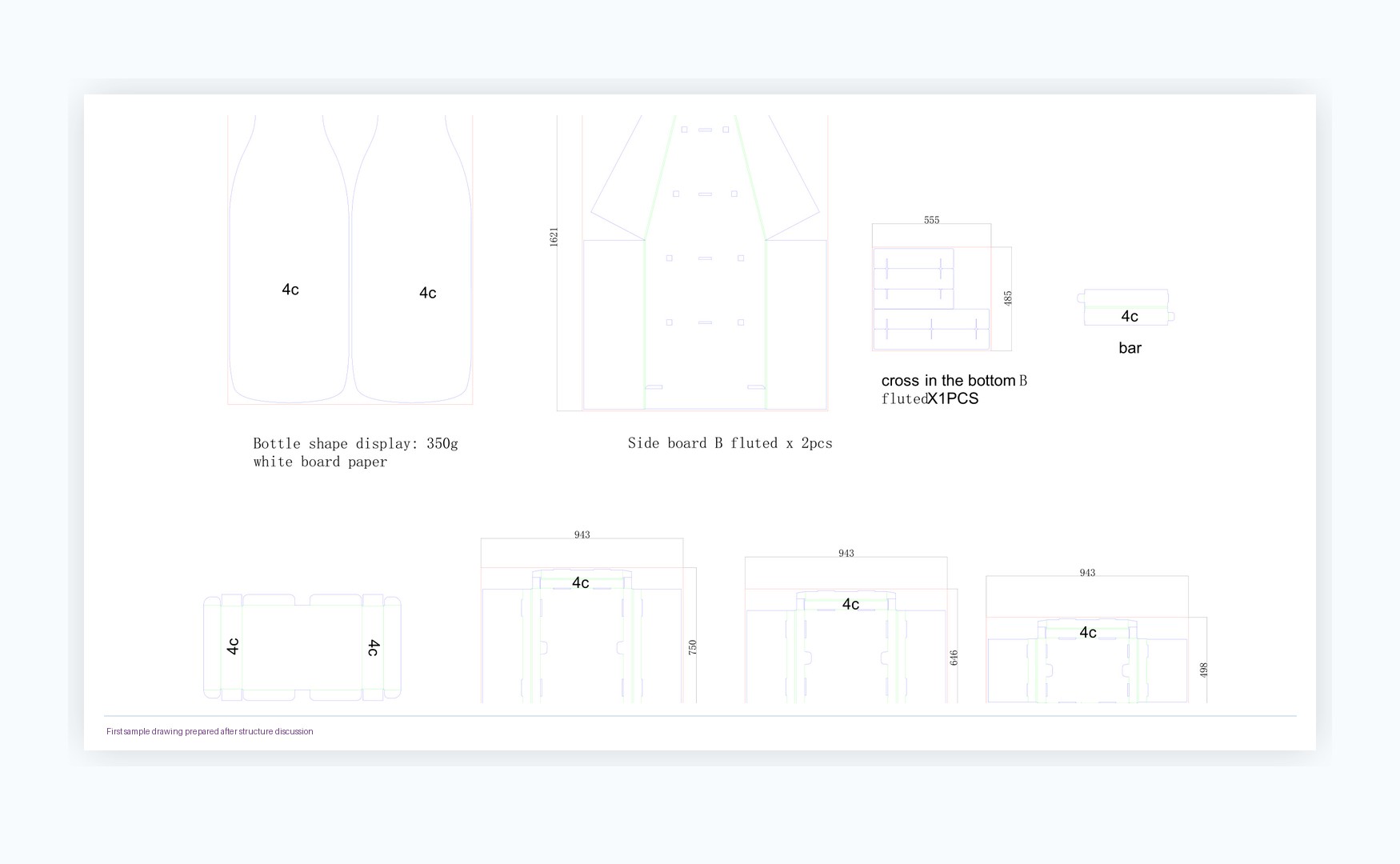
Aligning Shelf Quantity, Side Boards and Printable Areas Before Sampling
Documenting How the Display Should Be Built After Arrival
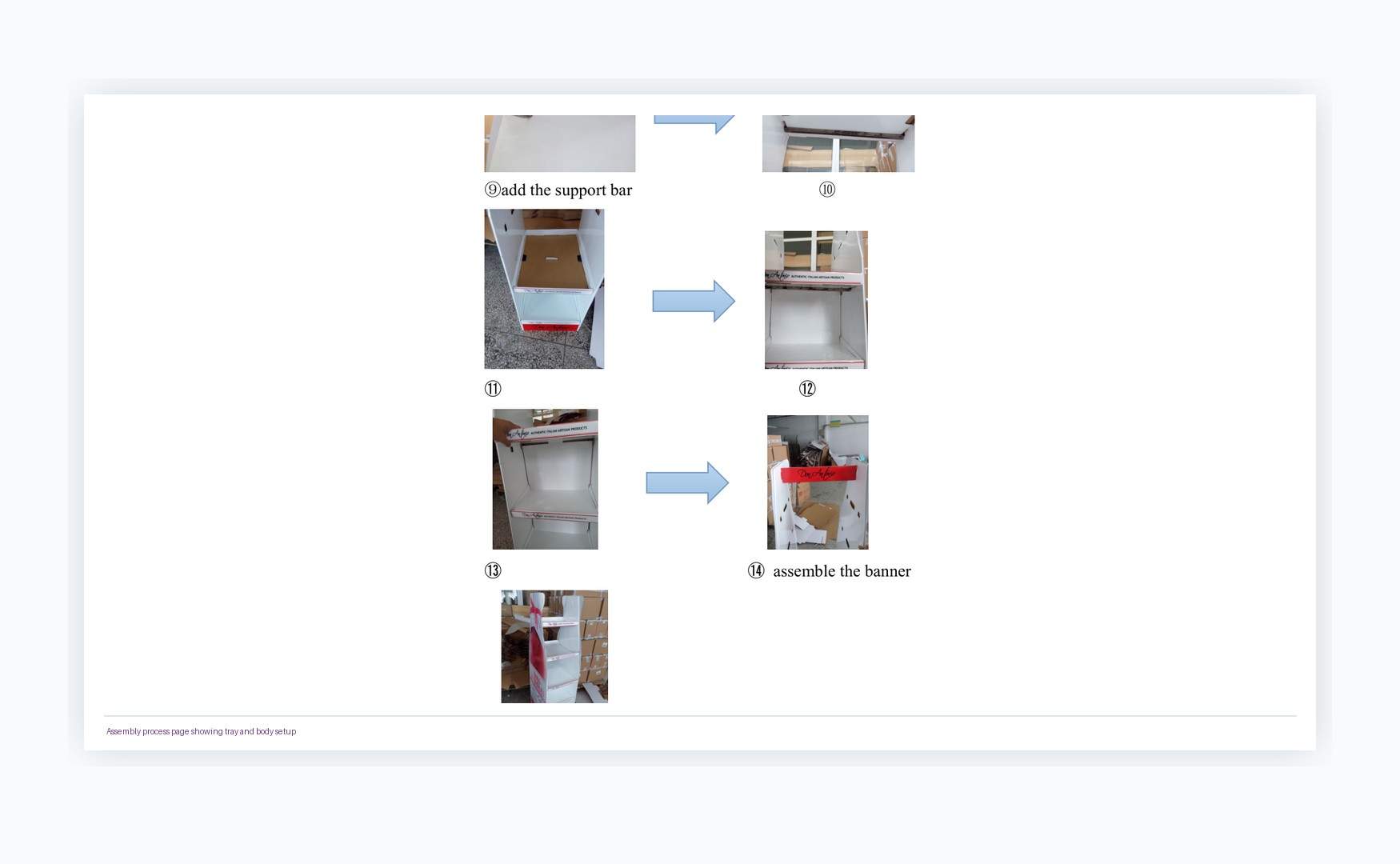
Finishing the Stand With Support Bar, Banner and Retail Presentation
Checking Bottle Weight and Display Stability Before Approval
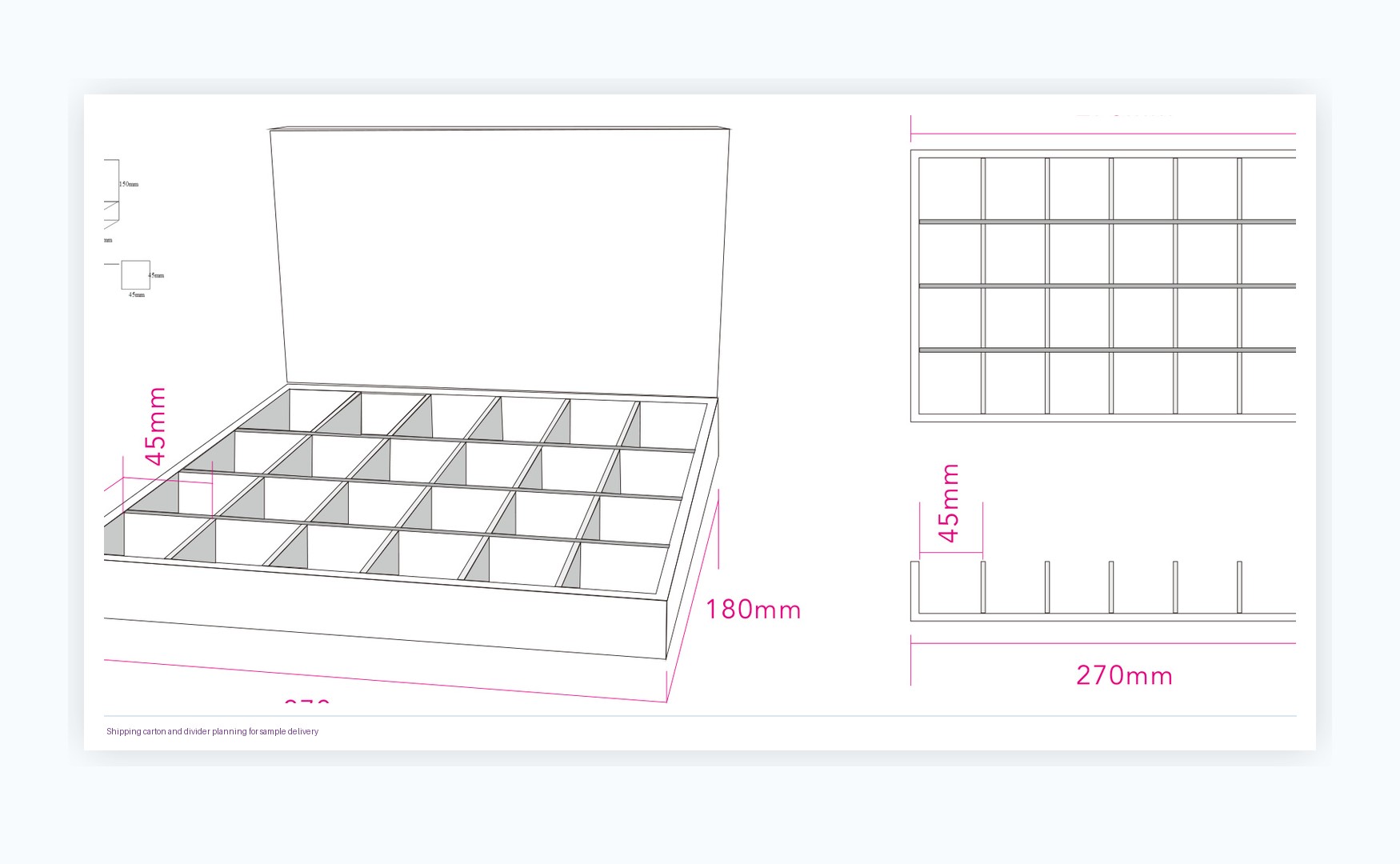
Preparing the Sample for Safer Export Delivery
What This Case Shows About Holidaypacfactory's Customer Development Process
The display shape must support the product, not only express the brand.
Die-cut notes and assembly pages reduce confusion across teams.
Loading checks and carton design protect the sample journey to Australia.How a First Sample Becomes a Practical Customer Development Tool
Where Holidaypacfactory Reduced Risk Before Production
What Buyers Can Learn From This First-Sample Workflow
What We Chose Not to Show

Cassie Lan, Founder of Holidaypac
Australian Food Display Stand Case Study FAQ
What was the main goal of this Australian food display stand project?
Why is the customer information not shown in full?
What made the project different from a standard display stand?
How did Holidaypacfactory move the project forward step by step?
Why was assembly documentation important?
Can this process be used for other Australian retail display projects?
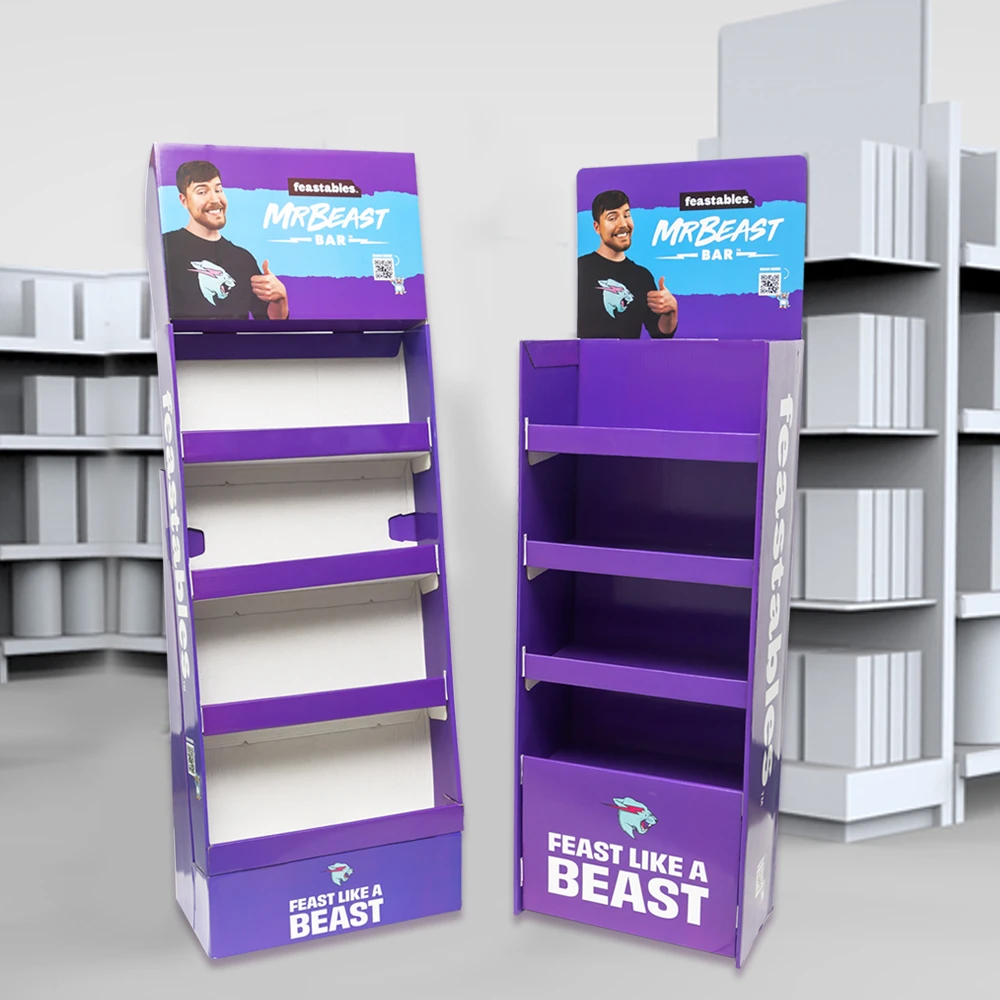
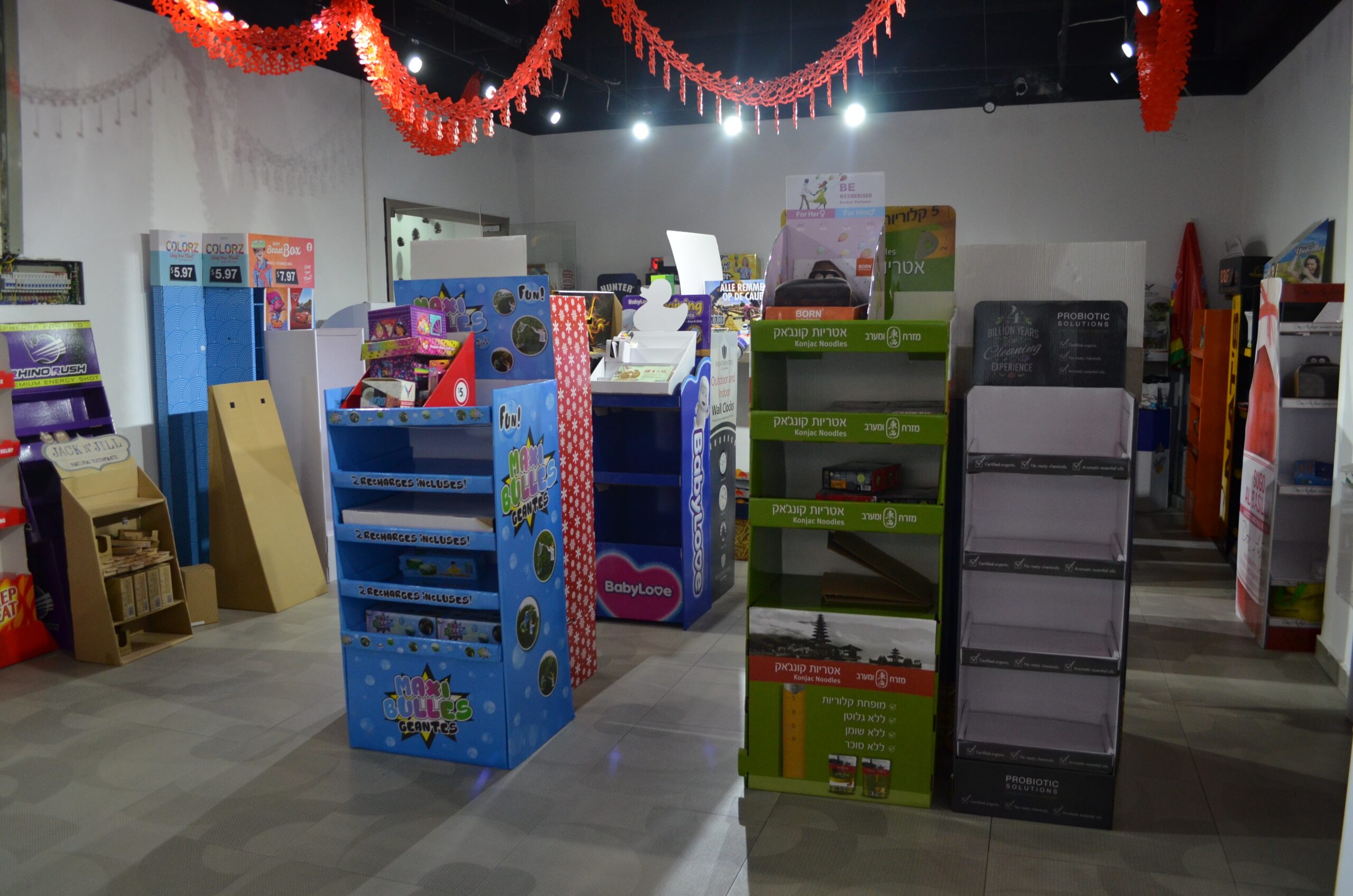
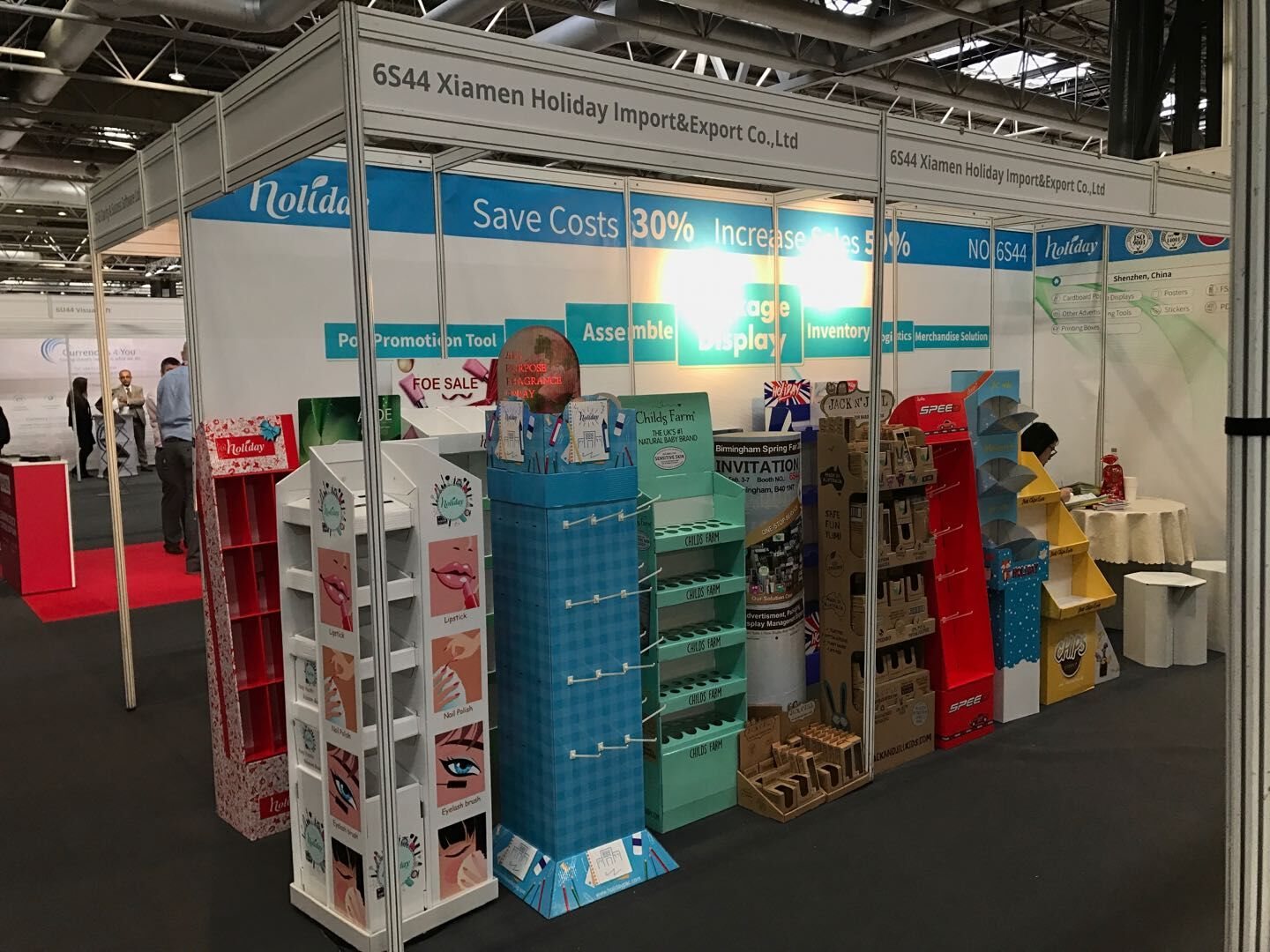
Australia Client Development Case
Project Timeline
1. RequirementAustralia food retail display need, bottle-shape visual direction and multi-shelf product holding requirement.
2. EngineeringDimensions, shelf spacing, side boards, bottom cross support, header and printable panels were organized into die-cut notes.
3. First SampleSample drawing and work order aligned the structure before physical sample assembly and review.
4. Export ReadinessAssembly process, loading review and carton planning prepared the stand for customer-side setup.
Visual Match: Bottle-shape floor display concept for the Australian food display project
Step 1 - Concept Translation
Step 2 - Die-Cut Notes
Visual Match: Die-cut notes used to align structure, panels and production details
Visual Match: First sample drawing prepared after structure discussion
Step 3 - First Sample Drawing
Step 4 - Assembly Process
Visual Match: Assembly process page showing how the bottle-shape display stand begins
Visual Match: Assembly process page showing tray and body setup
Step 5 - Final Setup Logic
Step 6 - Loading Review
Visual Match: Weight check document used for bottle loading and display stability review
Visual Match: Shipping carton and divider planning for sample delivery
Step 7 - Carton and Divider Planning
Development Method
Structure first.
Documents matter.
Export needs planning.
Australia Client Development Path
Risk Control
From Sample to Order
Privacy and Case Study Boundaries
FAQ
1
2
3
4
5
6