
Holidaypacfactory Buyer Guide EPR-Ready Paper Packaging Is Now a Retail Sourcing AdvantageEPR-ready plastic-free paper retail packaging is becoming a practical sourcing priority for 2026 because the packaging conversation has moved beyond appearance. Retailers, foodservice groups, gift brands, eCommerce sellers and private-label buyers are asking a new set of questions: What materials are used? How much does the packaging weigh? Can the structure be explained to a compliance team? Can the brand reduce avoidable plastic without weakening shelf impact or customer experience? Extended producer responsibility, often shortened to EPR, means packaging is no longer only a design and purchasing issue. It is becoming a data issue, a responsibility issue and a brand trust issue. In markets where packaging EPR rules are developing, producers may need clearer records about packaging material, weight, recyclability, reporting categories and recovery costs. Even where a buyer is not directly affected today, large retailers and global brands are already asking suppliers to prepare better packaging information. |
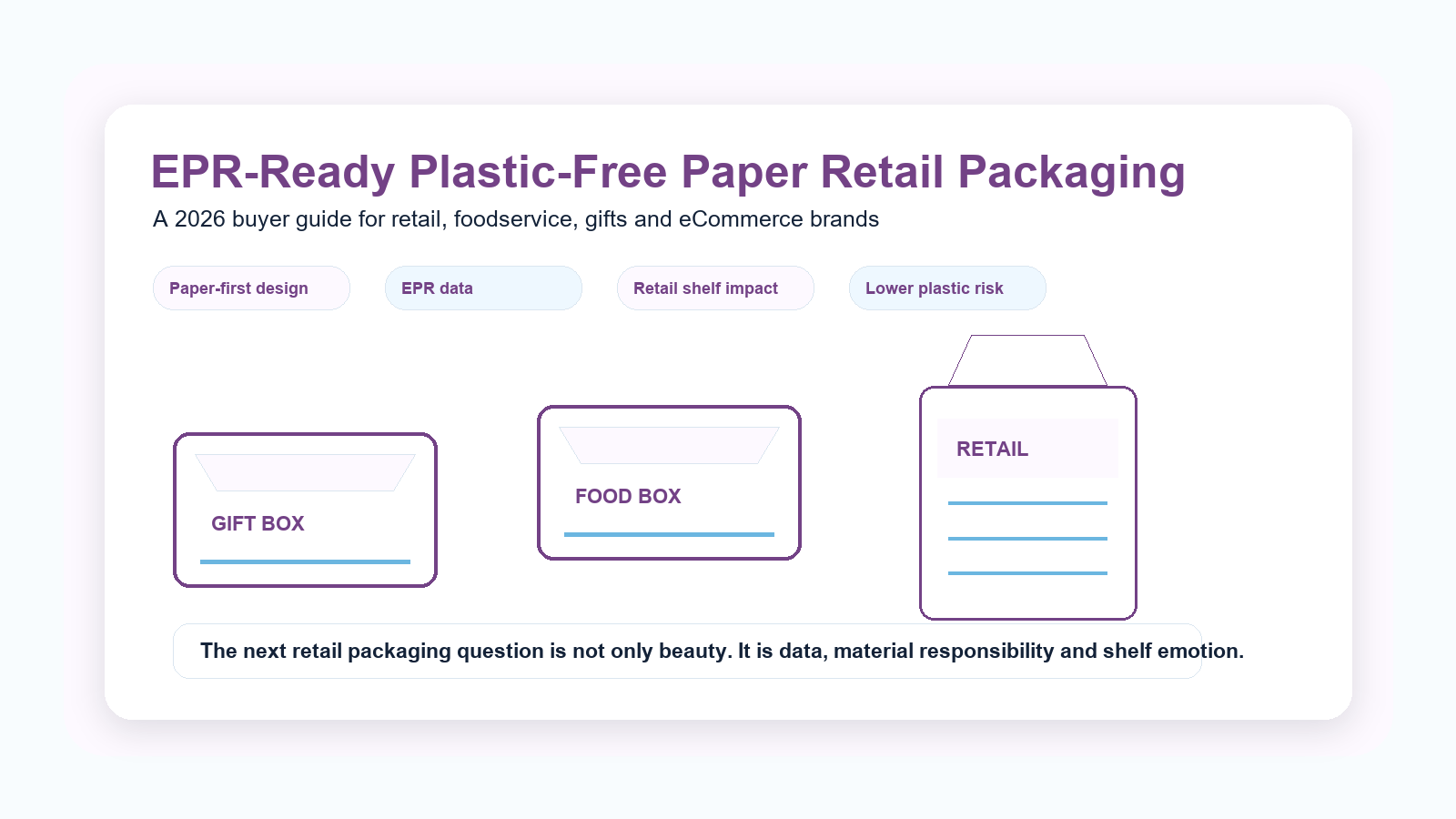
For Holidaypacfactory buyers, this creates a valuable opportunity. Paper boxes, kraft bags, folding cartons, food paper packaging, corrugated displays and paper-based retail gift packaging can help brands move toward a simpler material story. But plastic-free paper packaging must still work. It has to protect the product, look beautiful, communicate value, support logistics and fit real retail operations.
HolidayPac’s view is not to turn sustainability into empty slogans. Under the guidance of Cassie Lam, Founder of HolidayPac, packaging is treated as a bridge between function, culture, nature and commerce. The company value Born from nature and return to nature fits paper packaging naturally, but the work must be practical. A paper-first design should help buyers reduce risk, make data easier, improve visual emotion and serve the customer better.
Build a Paper-First Packaging System, Not a Single Replacement
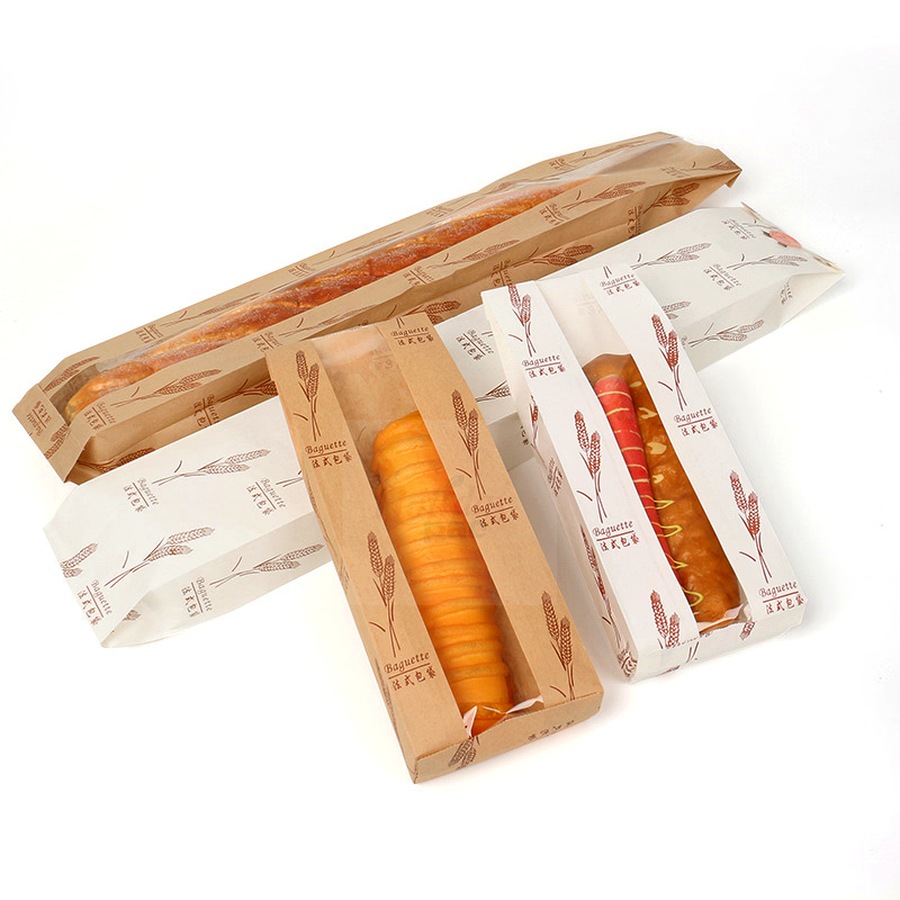
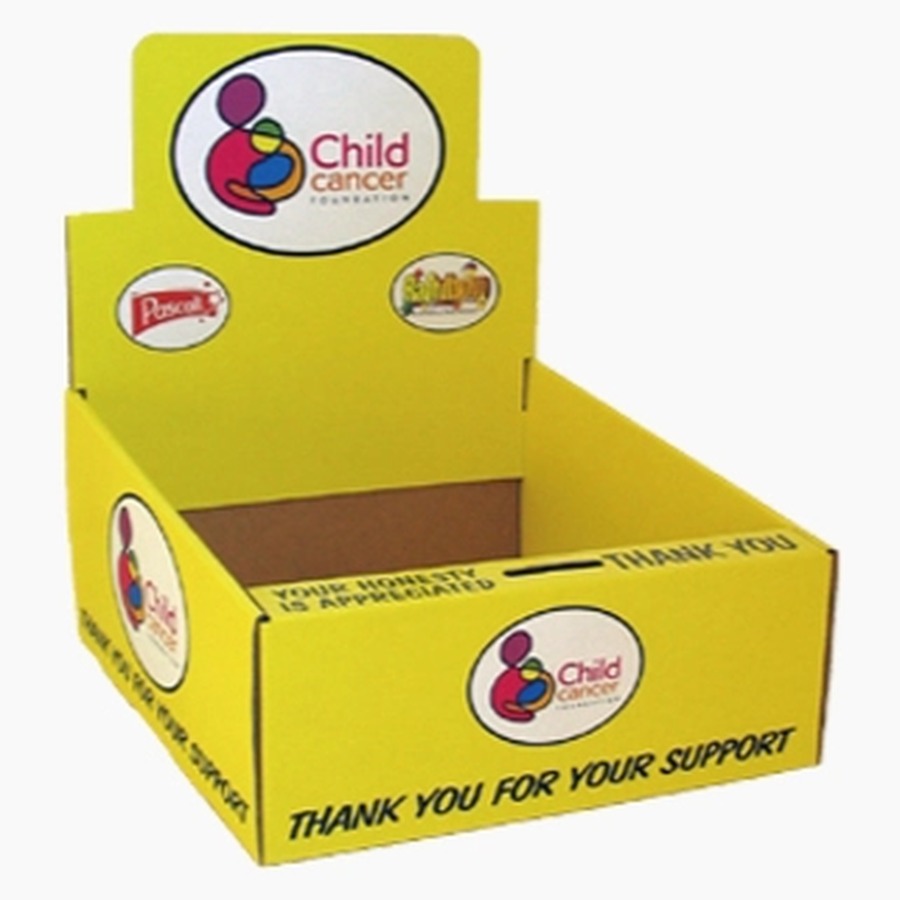
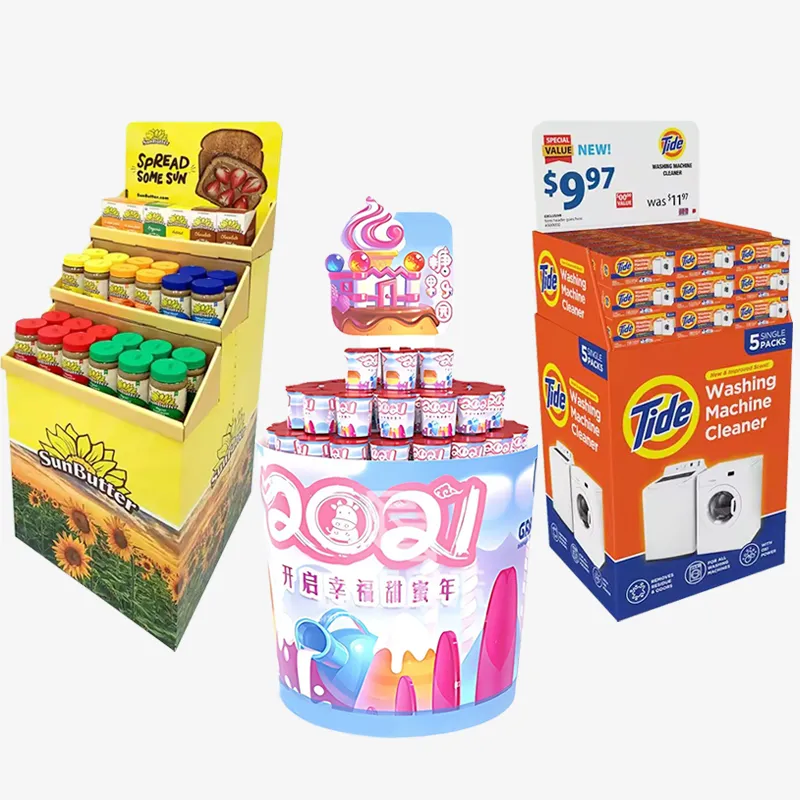
EPR-ready plastic-free paper retail packaging works best when buyers compare boxes, bags, food packaging, displays and retail presentation together. These Holidaypacfactory product paths help sourcing teams connect material strategy with real commercial use.
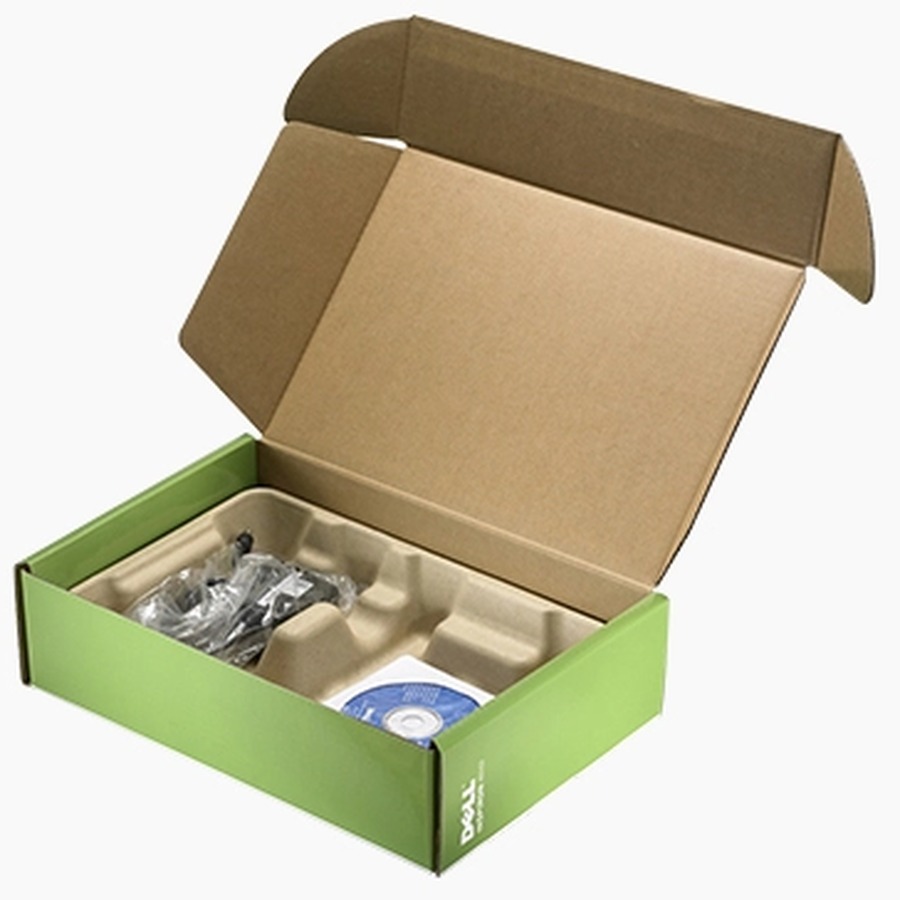
regulation and retail pressure Why EPR Is Changing Retail Packaging DecisionsEPR-ready packaging is not only a legal topic. It is a practical way for buyers to make material choices clearer before retailers and regulators ask harder questions. The EPR trend is gathering force because governments want packaging producers to carry more responsibility for what happens after packaging enters the market. In the United States, several states have passed packaging EPR or packaging reduction laws, and brands are watching the timeline closely. California’s SB 54, Oregon’s packaging EPR program, Colorado’s program and other state actions are changing how national brands think about packaging data and material choices. Europe has also raised the bar through packaging waste and circular economy rules. The direct legal details vary by market, and buyers should always confirm requirements with their own compliance teams. But the sourcing direction is clear: packaging will increasingly need to be measurable, explainable and designed with recovery in mind. This does not mean every package must look plain. It means beautiful packaging should also have a clearer material structure and a better reason to exist. |
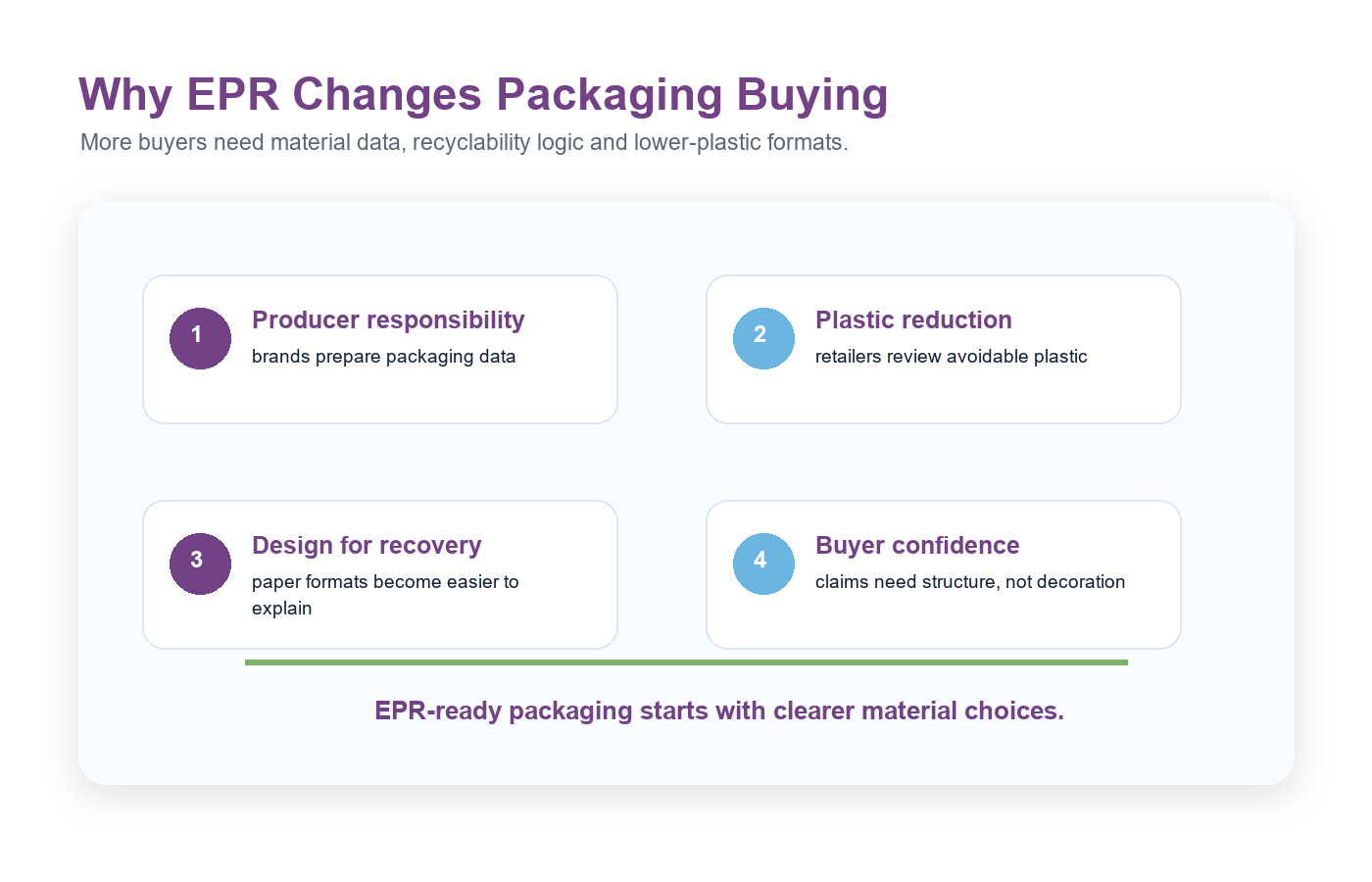
For procurement teams, the shift can be uncomfortable because it asks them to connect departments that used to work separately. Marketing wants premium presentation. Compliance wants material information. Logistics wants strength and cube efficiency. Sustainability wants lower plastic risk. Sales wants packaging that helps the product sell. A good packaging supplier has to help these teams speak the same language.
Holidaypacfactory sees this as a design and sourcing opportunity. When buyers move from mixed-material plastic-heavy structures toward custom printed paper retail boxes, natural kraft paper packaging and corrugated retail displays, they can often make the packaging story easier to explain while still protecting visual value.
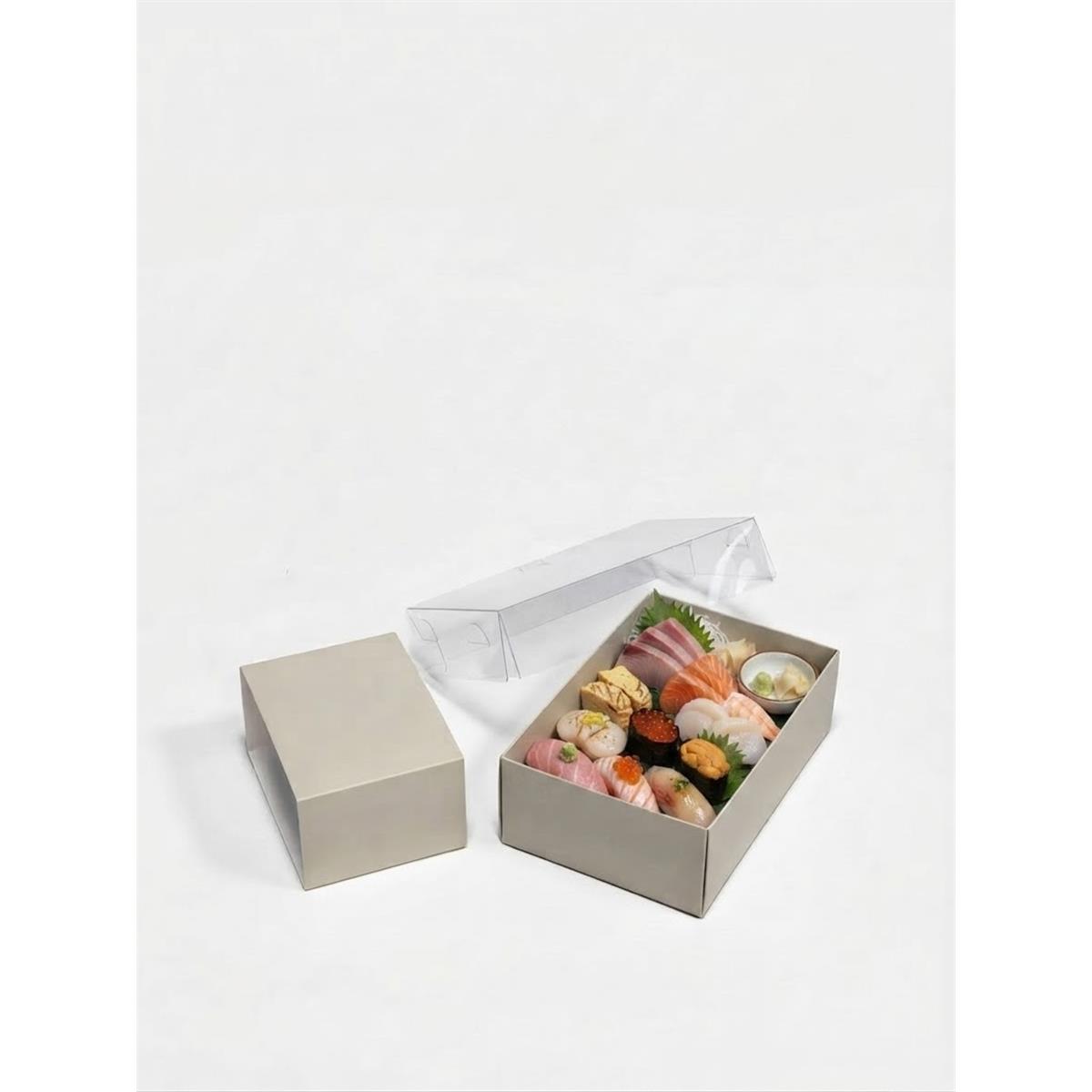
paper-first structure selection Which Plastic-Free Paper Packaging Formats Should Buyers Compare?The right format depends on the product role: retail shelf, foodservice, gift presentation, eCommerce delivery or in-store display. Plastic-free paper retail packaging is not one product. It is a family of possible structures. A gift brand may need a rigid paper box or folding carton. A bakery chain may need paper food boxes, kraft bags and grease-resistant liners. A supermarket promotion may need a corrugated dump bin or counter display. An eCommerce brand may need a paper mailer, paper insert, sleeve or carton set. Each format solves a different commercial problem. The strongest starting point is to define the packaging’s real job. Is it protecting a fragile product? Is it creating shelf visibility? Is it replacing a plastic blister or clamshell? Is it reducing plastic film in a multipack? Is it helping a private-label buyer show a cleaner sustainability direction? The format should follow the job, not the other way around. |
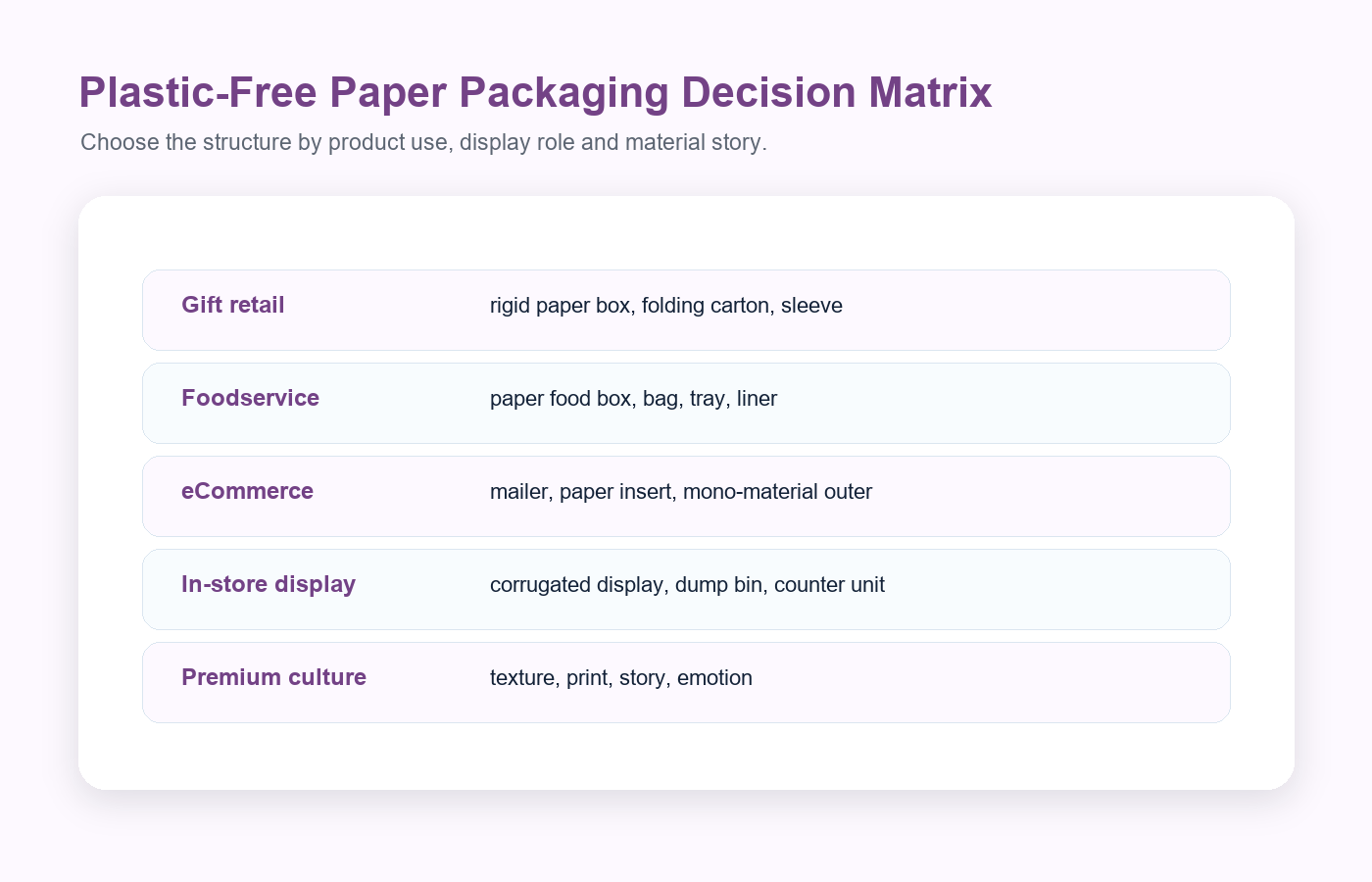
For retail products, paperboard and corrugated structures can create strong surfaces for printing, storytelling and shelf blocking. For foodservice, paper formats may help brands reduce plastic touchpoints while keeping warmth and convenience. For gift packaging, paper can carry texture, color, ritual and emotional value. For in-store displays, corrugated structures can replace some plastic fixtures in temporary promotions while keeping transport and assembly efficient.
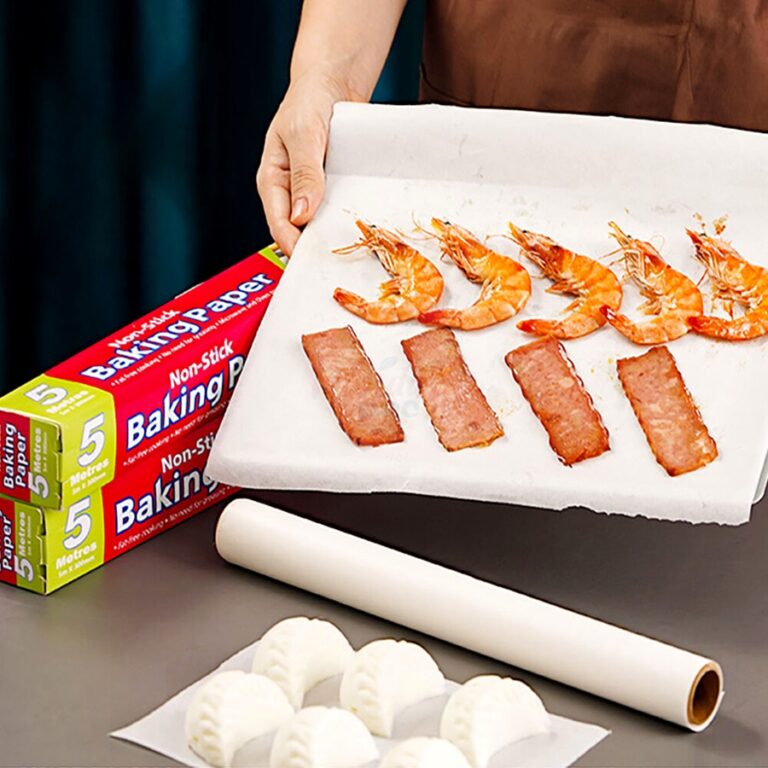
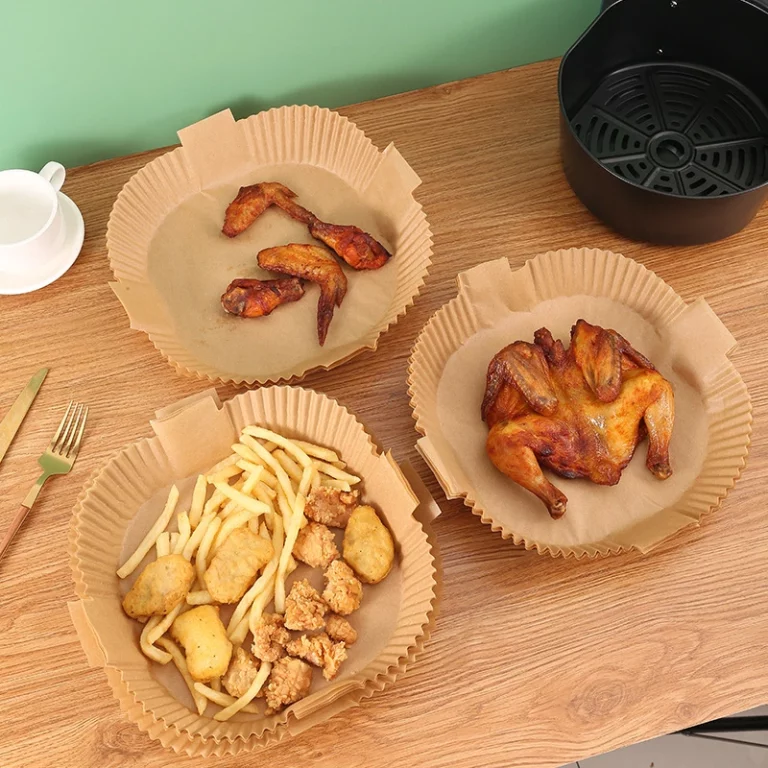
Holidaypacfactory buyers can compare paper food packaging boxes for takeaway and retail, custom paper bags for retail programs, and paper-based retail display stands as part of one broader material strategy.
procurement discipline Four Buyer Questions Before Moving to Plastic-Free Paper PackagingA good sourcing conversation defines material structure, packaging data, claim language and customer value before price comparison. A buyer preparing for EPR should ask for more than a beautiful mockup. The first question is material structure. What is the main substrate? Is the package paperboard, corrugated board, kraft paper, specialty paper, coated paper or a mixed-material structure? If there is lamination, window film, magnet, ribbon, foam insert or plastic handle, the buyer should know it early because it affects the packaging story and reporting logic. The second question is packaging weight and dimensions. EPR reporting often depends on categories and quantities, so a buyer needs packaging data that can be reused. Even if the exact legal reporting format is not final for a market, recording material, size, weight, packing quantity and component list helps future-proof the project. It also makes internal communication more professional. |
The third question is whether the packaging claim is accurate. Plastic-free, recyclable, compostable, paper-based, recycled content and eco-friendly are not the same claim. Buyers should avoid overclaiming. A safer approach is to describe the actual design direction and keep documents ready. If a package is mainly paper but includes a small non-paper component, the buyer should not call it plastic-free without checking details.
The fourth question is whether the paper structure still creates customer value. A poor paper replacement can damage a brand if it feels weak, dull or inconvenient. A good paper design can improve the brand because it feels warmer, more tactile and more responsible. This is where HolidayPac’s culture-led approach matters. Paper can be modest and premium at the same time.
visual emotion and culture Design: Make Plastic-Free Paper Packaging Feel Premium, Not ReducedPaper should not feel like a downgrade. With structure, texture, print and cultural storytelling, it can create stronger emotional value than plastic-heavy packaging. The most common mistake in plastic reduction projects is treating paper as a downgrade. Buyers remove plastic, then accept a weaker visual experience. That is not necessary. Paper has texture, fold, embossing, color, print, structure and ritual. It can make a product feel more natural, more human and more carefully considered than plastic-heavy packaging. For premium retail, design should use material honesty. A kraft surface can support natural and handmade positioning. A white paperboard box can make color and typography crisp. A rigid paper gift box can create ceremony and emotional value. A corrugated display can make a seasonal promotion feel structured and easy to shop. The design language should match the product and the customer. |
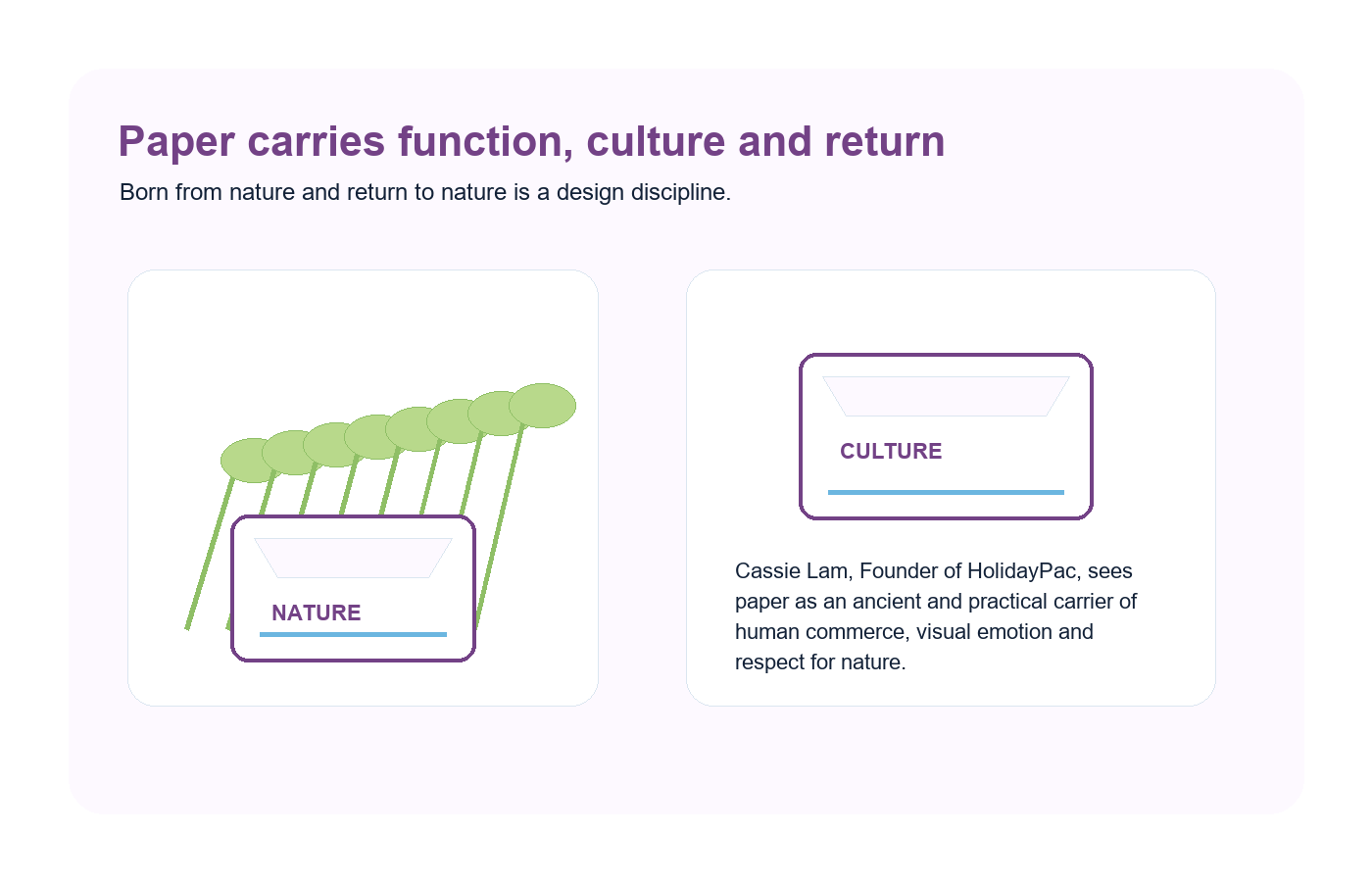
For foodservice and bakery packaging, paper can communicate care. A paper box or bag that feels clean, stable and well printed helps customers trust the food. For gift and cultural products, paper can carry story, blessing, seasonal meaning and visual impact. Cassie Lam often sees packaging as a meeting point between Chinese and Western culture: Chinese culture values harmony and symbolic meaning, while Western retail values clarity, consistency and practical information.
HolidayPac’s difference is that paper packaging is not viewed only as a commodity. It is a cultural carrier. The wisdom of Zhuangzi’s harmony between human life and nature, the I Ching’s attention to change and balance, and Buddhist thinking about restraint can all inform packaging decisions. This does not make the package abstract; it makes the design more grounded. A package should serve commerce while respecting the natural cycle of materials.
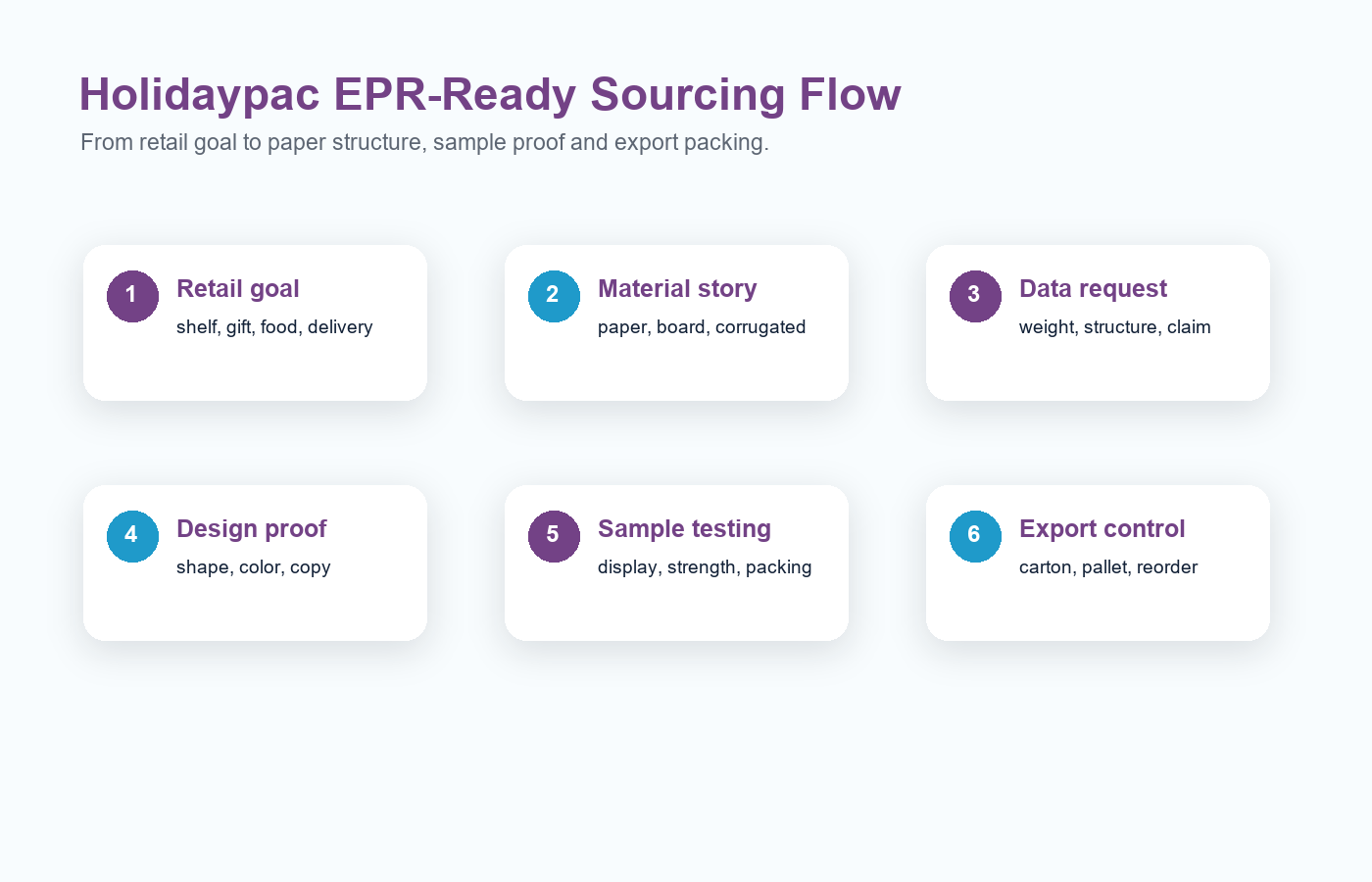
Holidaypac project path Holidaypacfactory Workflow for EPR-Ready Paper Packaging ProjectsA strong project moves from commercial goal to material mapping, sample proof, packaging data and export control. Holidaypacfactory’s EPR-ready paper packaging workflow begins with the commercial goal. The buyer explains the product category, sales channel, target market, quantity, price position and current packaging problem. Is the brand replacing plastic? Preparing for retailer review? Launching a new paper-first range? Building a seasonal display? These answers shape the right packaging direction. The second step is material and structure mapping. Holidaypacfactory can help compare paperboard, kraft paper, corrugated board, specialty paper, inserts, sleeves, boxes, bags and displays. The goal is to create a structure that fits the product, creates visual impact and keeps material information easier to manage. |
The third step is sample and data preparation. A useful sample should be checked for strength, print quality, assembly, shelf presence, packing method and customer handling. At the same time, the buyer should record basic material and size information for internal teams. This is especially useful for brands selling across multiple markets or working with large retailers.
The fourth step is production and export control. Paper packaging can be lightweight and efficient, but it still needs careful carton planning, moisture protection, pallet logic and inspection standards. For corrugated dump bin displays for retail promotions, flat packing and assembly instructions matter. For boxes and bags, print consistency, folding accuracy and carton strength matter.
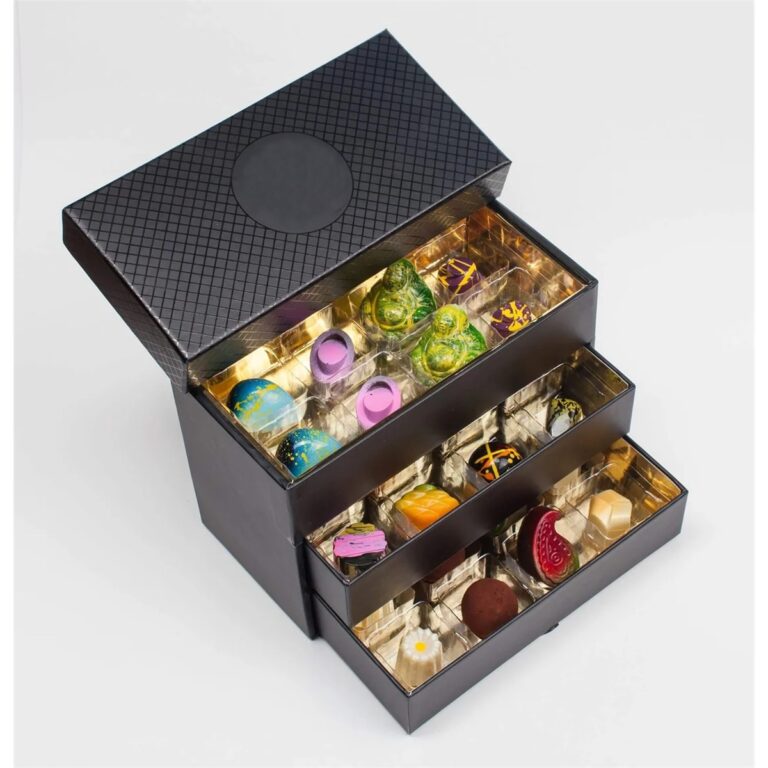
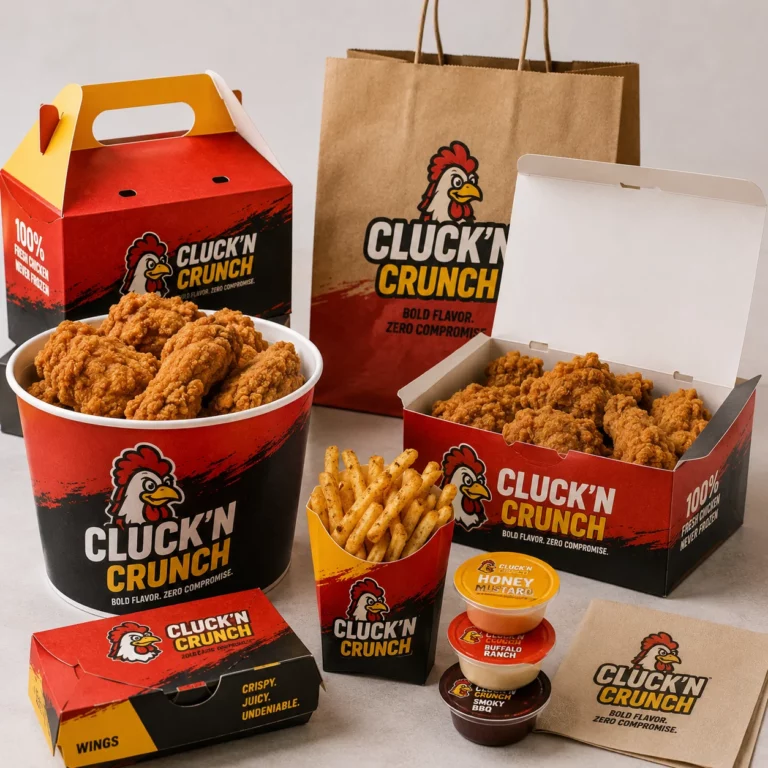
category recommendations Category-Specific Recommendations for Retail BuyersGift, foodservice, supermarket, eCommerce and private-label buyers should each test a different part of the paper-first packaging system. Gift and cosmetics buyers should focus on touch, opening experience and component reduction. If the brand can replace a plastic tray, sleeve or window with a paper insert or smarter carton structure, the packaging may become easier to explain. But the premium feeling must remain. Paper texture, embossing, foil alternatives, printed patterns and color discipline can make the box feel valuable without adding unnecessary parts. Foodservice and bakery buyers should focus on safety, handling and speed. A paper food box, bakery carton or kraft bag needs to work during busy operations. It should open easily, stack well, protect the food and support clear branding. When buyers choose bakery packaging for retail counters, they should test how the package looks after real handling, not only in a studio photo. |
Supermarket and club-store buyers should focus on shelf blocking and material clarity. A paper-based display can communicate a promotion while reducing the need for temporary plastic fixtures. The structure should be easy for store staff to assemble and strong enough for the product load. The display should also make the product easy to shop, because sustainability is not useful if customers cannot understand the offer quickly.
eCommerce buyers should focus on shipping and unboxing. A paper mailer or carton must survive delivery while giving customers a clean brand experience. Inserts should protect the product without adding unnecessary mixed materials. A short printed message can explain the paper-first choice and create emotional value without sounding defensive.
Private-label buyers should focus on repeatable systems. One good paper packaging direction can often become a family: small box, large box, bag, sleeve, insert and display. This makes design, reporting and reorder management easier. Holidaypacfactory can help buyers create a system instead of solving each SKU separately.
specification and quotation How to Write an RFQ for EPR-Ready Plastic-Free Paper PackagingA clear RFQ should define product use, target market, material goal, required features, component list, testing method and export needs. A strong RFQ for EPR-ready plastic-free paper retail packaging should include the product type, target market, sales channel, current packaging structure, desired plastic reduction, product weight, retail environment, artwork needs, packing quantity and expected shipment method. If the buyer has retailer packaging guidelines, those should be shared at the beginning. The specification should separate required features from optional features. Required features may include load strength, food-contact suitability, shelf size, display height, barcode area or carton packing method. Optional features may include embossing, specialty paper, window alternatives, handles, ribbons or decorative inserts. Separating them helps the buyer compare cost and impact clearly. |
Buyers should request component clarity. A package may include outer box, inner tray, sleeve, label, insert, display header, shipping carton and pallet. Each component should be understood. If the project goal is plastic-free, every component matters. If the goal is lower-plastic or paper-first, the buyer should use accurate language rather than overpromising.
Testing should match the real channel. Retail boxes should be checked on shelf or in a display. Food boxes should be checked with the actual food and handling process. eCommerce cartons should be checked for packing time, compression and delivery risk. Displays should be checked for assembly, product loading and customer shopping behavior.
Price comparison should include hidden value. A slightly higher unit price may be reasonable if the structure reduces plastic components, simplifies reporting, improves shelf impact, cuts packing time or reduces product damage. A cheap package that creates retailer questions, weak display presence or inconsistent printing can cost more later.
For long-term programs, buyers should create a packaging data sheet. It can include material type, approximate weight, dimensions, print method, component list, packing quantity, carton size, intended use, sample approval notes and claim language. This small discipline makes future EPR conversations easier and helps marketing, purchasing and compliance work together.
Five Mistakes That Weaken Plastic-Free Paper Packaging Projects
The first mistake is using plastic-free as a vague marketing word. Buyers should define what is being removed and what remains. A paper box with a plastic window is not the same as a fully paper structure. A paper bag with plastic lamination may not fit the same claim as an unlaminated kraft bag. Clear language protects the brand.
The second mistake is ignoring the customer’s experience. If a paper replacement is hard to open, weak, messy or visually flat, customers may see sustainability as inconvenience. The better path is to design paper packaging that feels intentional. Texture, structure and printing should help the customer feel that the brand made a thoughtful choice.
The third mistake is separating display from packaging. In retail, the package and the display work together. A product may have a beautiful paper box but fail to sell if the shelf system is weak. A corrugated display can increase visibility, organize the range and give the paper packaging story a stronger selling environment.
The fourth mistake is waiting until regulation becomes urgent. EPR readiness should start before a deadline. Buyers can collect data, simplify structures, test paper alternatives and build supplier discipline now. This makes future changes less stressful.
The fifth mistake is treating culture as decoration. HolidayPac believes culture should guide material respect, restraint and emotional value. A package that is beautiful but wasteful is incomplete. A package that is responsible but lifeless is also incomplete. The best paper packaging brings usefulness and feeling together.
HolidayPac Soul Why HolidayPac Sees EPR-Ready Paper Packaging DifferentlyCassie Lam, Founder of HolidayPac, brings a rare cultural perspective to EPR-ready paper packaging. With about 20 years in foreign trade and 16 years in packaging, she understands global buyers, factory production and export communication. But her deeper strength is the ability to connect packaging with culture. She understands Chinese traditional culture, Western culture, Zhuangzi’s wisdom, the I Ching, Buddhist thinking and the broader Chinese five arts. For Cassie, paper is one of the simplest, oldest and most valuable materials in commerce. It is close to nature, easy to touch, humble in origin and rich in expression. It can carry food, gifts, information, blessing, color, pattern and brand memory. This is why HolidayPac’s value Born from nature and return to nature is not only a sentence on a wall. It is a way to make product development more disciplined. EPR-ready plastic-free paper retail packaging fits this philosophy because it asks the factory to respect both modern responsibility and ancient material wisdom. A buyer still needs price, lead time, samples and export control. But the packaging can also carry emotional comfort. It can tell customers that the brand has thought about material, nature, beauty and daily life. Holidaypacfactory is therefore different from an ordinary packaging factory. It is not only producing boxes, bags or displays. It is helping buyers create a packaging system with practical value, visual impact, cultural depth and a clearer relationship with nature. |
FAQ: EPR-Ready Plastic-Free Paper Retail Packaging
What is EPR-ready plastic-free paper retail packaging?
It is paper-first retail packaging designed to reduce avoidable plastic, organize material information and support buyer conversations about extended producer responsibility, packaging data and recovery-minded design.
Does EPR mean every package must be plastic-free?
No. EPR rules vary by market, and buyers should confirm legal requirements with their own compliance teams. But reducing unnecessary plastic and keeping clearer material data can help brands prepare for stricter packaging responsibility.
Which Holidaypacfactory products fit this trend?
Relevant formats include custom printed paper boxes, kraft paper packaging, paper food boxes, paper bags, corrugated display stands, dump bin displays, bakery packaging and paper-based gift packaging.
What information should buyers include in an RFQ?
Buyers should share product type, target market, sales channel, current packaging, desired plastic reduction, material preference, dimensions, product weight, artwork needs, packing quantity and export requirements.
How can paper packaging still feel premium?
Paper can use structure, texture, color, embossing, print quality, opening experience and cultural storytelling to create emotional value without relying on plastic-heavy components.
Why choose Holidaypacfactory for EPR-ready paper packaging?
Holidaypacfactory combines paper packaging design, sampling, printing, display engineering and export control with HolidayPac’s culture-led belief in paper as a practical, emotional and nature-connected material.