
How Holidaypacfactory Applies AI Into Packaging Production Training
AI adoption becomes more useful when it moves beyond individual experiments. At Holidaypacfactory, a recent internal Codex and AI agent training workshop focused on a practical question: how can a team turn useful AI ideas into shared knowledge, repeatable workflows and deliverables that people can check before they reach a customer?
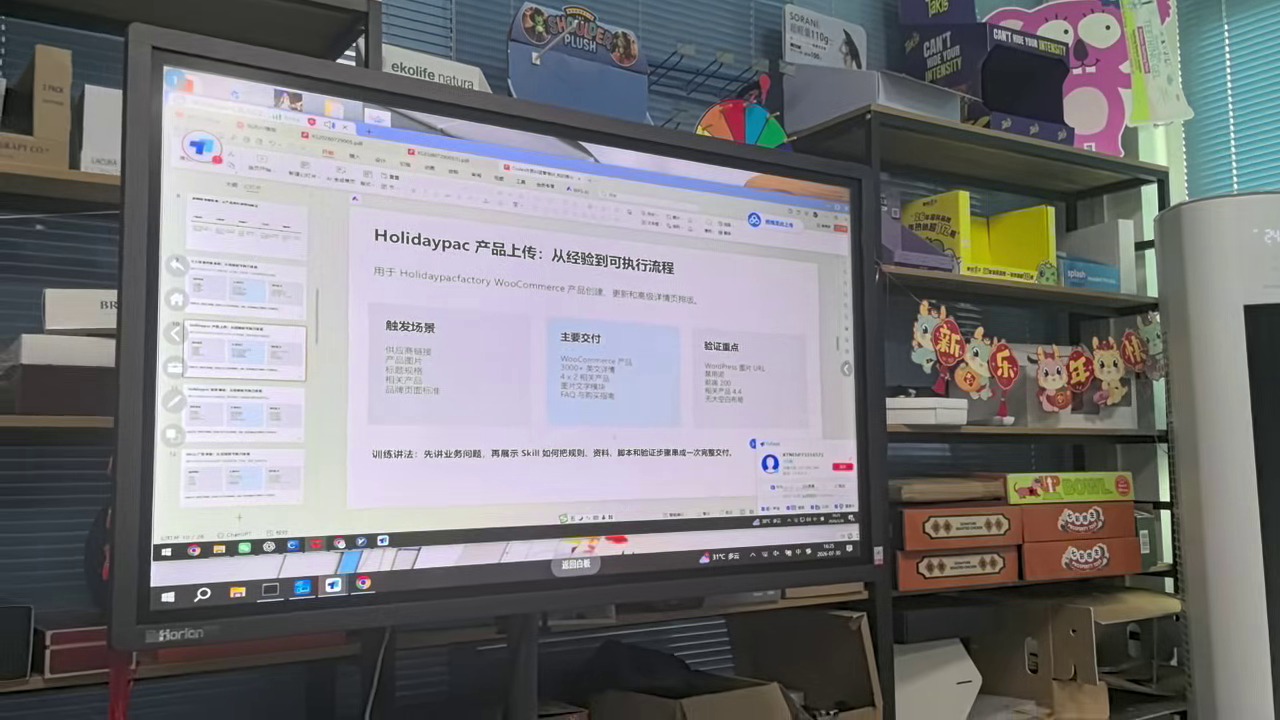
The workshop brought together presentation, live examples and group discussion. The public-safe images in this article keep the focus on the learning environment while softening internal screen details. The bigger lesson is clear: for a packaging business, AI capability is built through habits, documentation and responsible review, not through one impressive prompt.

Move From “Ask AI” to a Shared Team Knowledge Base
One of the strongest ideas visible in the training material is that an organization should not depend on scattered conversations with AI. If every colleague asks the same questions in a separate chat, the useful context remains personal, inconsistent and difficult to improve. A team knowledge base gives the organization a place to collect the information, standards and working assumptions that AI tools need in order to produce useful work.
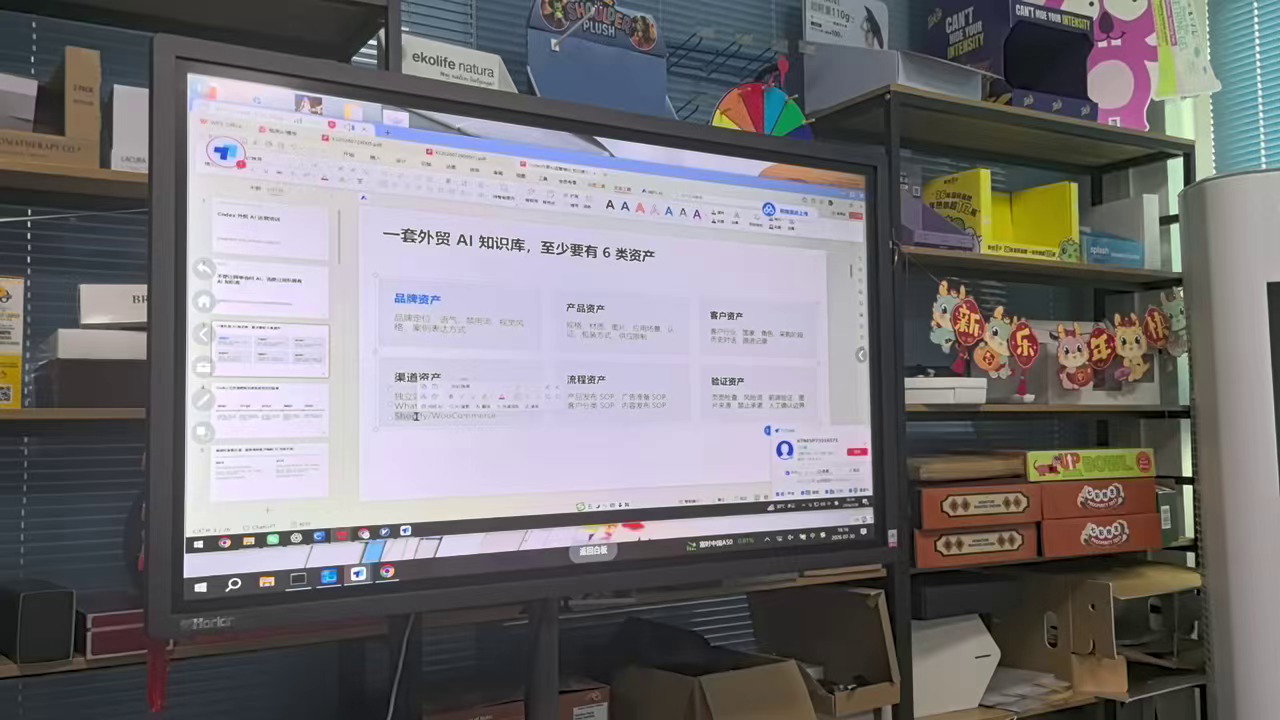
For a packaging company, that shared context can include brand language, product families, box and bag formats, material preferences, customer profiles, sales channels, approved processes, quality checks and compliance boundaries. The goal is not to turn every internal document into a giant database. The goal is to make the right information easy to find, easy to update and easy to apply to a real task.
This also changes the role of training. People are no longer learning only which buttons to press. They are learning how to turn experience into reusable information. When a team member explains how a quotation is checked, how a sample is reviewed or how a product page is prepared, that explanation can become part of a more consistent operating system for the team.
An AI Agent Should Help Carry a Workflow, Not Only Produce an Answer
A normal AI question is often useful for a single moment. An AI agent workflow is more valuable when the task has several connected steps. It can receive an input, use approved knowledge, follow a defined process, produce a draft or action package, and leave a result that another person can inspect. That is the difference between a clever response and a repeatable operating method.
The workshop connected this idea with the everyday work of a packaging business. A product upload may require images, product facts, a description, search fields, links, image text and a final quality check. A customer inquiry may require product matching, qualification, a reply draft, follow-up timing and a record of what was promised. Each of these tasks is easier to scale when the sequence is explicit.
Codex fits this approach because it can work with structured files, scripts, checklists and project instructions. In a team setting, that means the output can be reviewed as a deliverable rather than judged only by how fluent the response sounds. Training therefore emphasizes the full chain: define the input, state the expected result, run the work, inspect the output and improve the instructions when the same mistake appears again.
Simple Communication Rules Become More Important When AI Moves Faster
The workshop also addressed customer-facing work. Faster drafting is useful, but speed does not remove the need for permission, context and confirmation. The training material highlights three practical checks: ask permission before sending or taking an action, confirm the customer’s requirements before preparing a recommendation, and confirm the final details before a commitment is made.
These rules are easy to understand and difficult to replace with a generic prompt. A message can be grammatically correct and still be wrong for the buyer. It may assume a size, quantity, finish, delivery date or use case that the customer never approved. A responsible AI workflow therefore treats customer information as input that must be clarified, not as permission to fill in every blank.
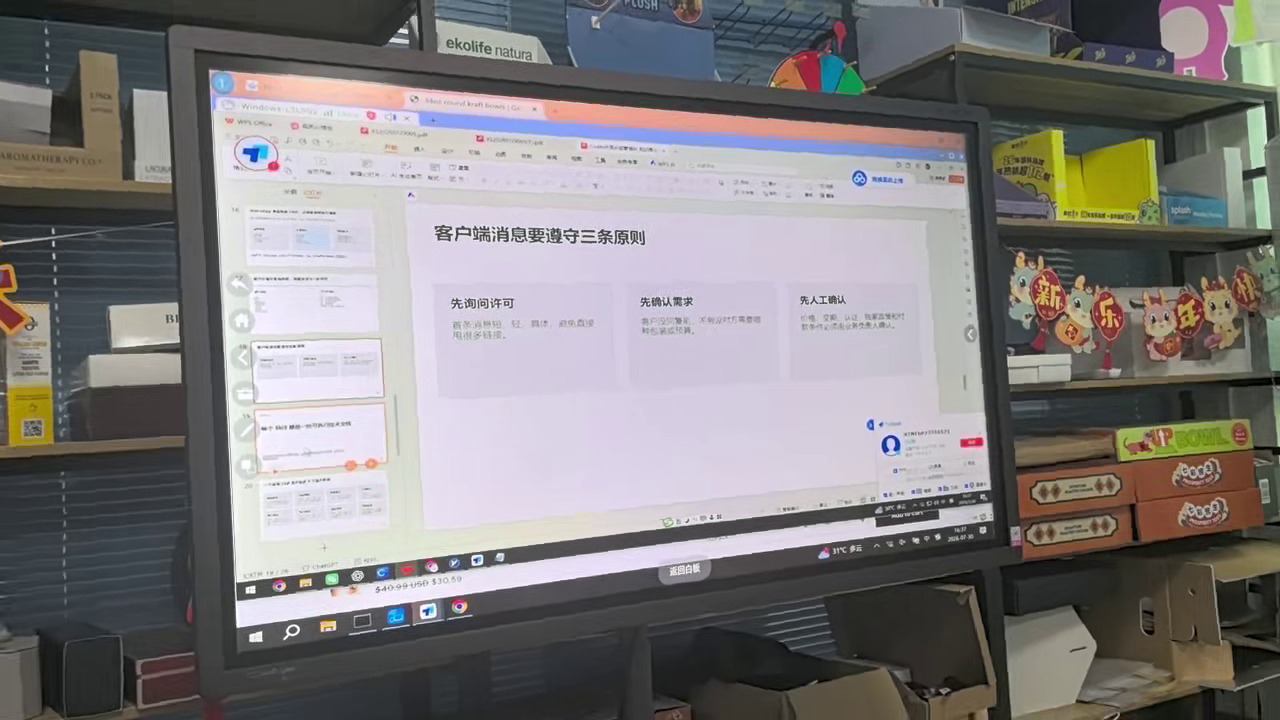
Map the Path From First Contact to Useful Follow-Up
Another visible theme in the session is the customer journey. A contact is only the beginning. A useful workflow can collect the inquiry, identify the customer and their product need, classify the opportunity, match it with a relevant packaging direction, and prepare an appropriate follow-up. Each stage needs a clear purpose so that AI helps the team move the conversation forward instead of creating more noise.
For Holidaypacfactory, this is especially relevant because packaging inquiries often begin with incomplete information. A buyer may send a product photo, a rough dimension, a target market or a reference package without yet knowing which structure is suitable. AI can help organize the available information and highlight missing questions, but the team still needs to bring packaging knowledge, commercial judgment and communication care to the conversation.
The training approach is therefore neither “let AI answer everything” nor “keep AI away from customer work.” It is to give AI a defined role inside a human-owned journey. The agent can prepare, summarize, classify and remind. The responsible colleague decides what is accurate, appropriate and ready to send.
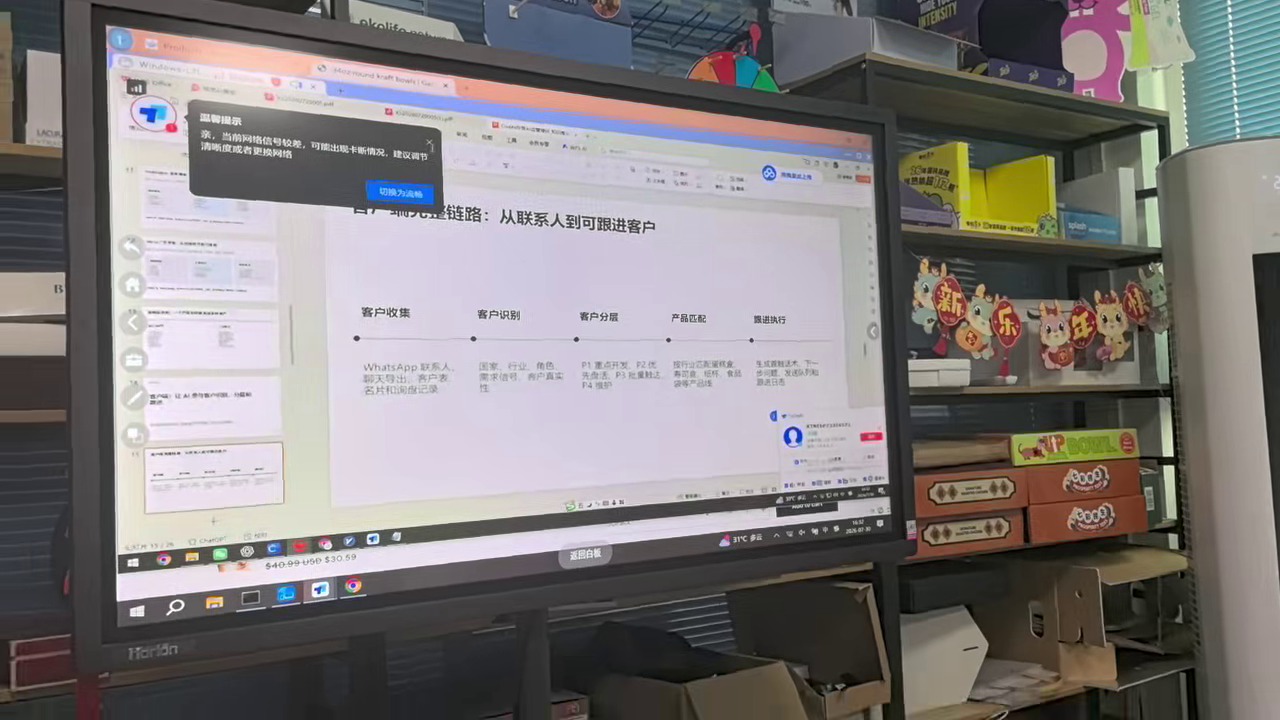
Good Automation Includes a Clear Boundary for Manual Review
The fastest workflow is not always the safest workflow. The training material makes room for the moments where a person must take over. Those boundaries include facts, prices, customer promises, product specifications, platform policies, private data and any action that could affect a shipment, an account or a commercial relationship.
A useful rule is to separate preparation from commitment. AI can prepare a draft quotation, organize a product record, suggest a follow-up or identify missing information. A human should review the parts that create responsibility. This distinction lets a team gain speed without pretending that a confident sentence is the same as a verified decision.
Review also improves the system. When a colleague catches a recurring error, the lesson can be added to the knowledge base, a skill, a checklist or a workflow instruction. Over time, the organization is not only completing more tasks. It is learning how to make the next version of the workflow more reliable.
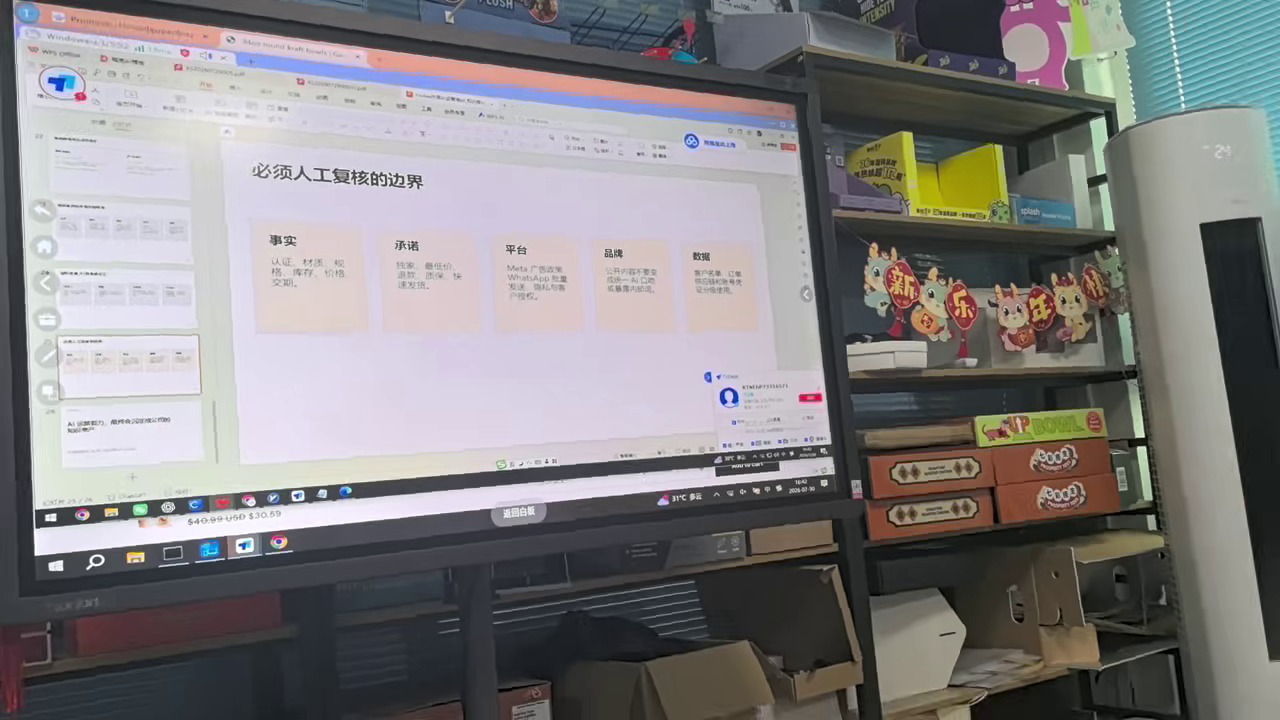
Start Small, Then Turn Successful Experiments Into Team Practice
A practical rollout does not need to begin with a large transformation project. A packaging team can choose one repeatable task and define its inputs, output, owner and review checklist. Examples include preparing a product page from approved information, organizing a customer inquiry, drafting a case-study outline, checking a batch of image metadata or creating a first-pass internal report.
Once the task works reliably, the team can document it in a form that others can use. That may be a short instruction file, a reusable skill, a structured template or a small script. The important point is that the process should become visible and transferable. A useful workflow should not live only in the memory of the person who first discovered it.
This is where internal training creates a business advantage. The team learns a shared way to describe work, check work and improve work. New colleagues can understand the process faster. Experienced colleagues spend less time repeating the same explanation. Managers can see where review is needed. Customers receive more consistent communication. And the company builds a stronger connection between its packaging expertise and the digital systems that support sales, operations and content.
AI Capability Is a Team Habit, Not a Single Tool
The most useful takeaway from this Codex and AI agent workshop is not a particular feature. It is a way of working. Build shared knowledge. Make the workflow explicit. Give the agent a defined job. Keep human review where responsibility begins. Record what works so the next colleague can use it.
For a packaging manufacturer, this approach keeps AI connected to real business outcomes: clearer product information, more organized customer follow-up, more consistent content, faster internal coordination and better visibility into the small decisions that shape a buyer’s experience. The technology matters, but the operating discipline around it matters just as much.
Codex and AI Agent Training FAQ
Why did Holidaypacfactory organize an internal Codex and AI agent workshop?
The workshop was designed to turn individual AI experiments into shared team knowledge, repeatable workflows and more consistent deliverables.
What is the difference between asking AI a question and using an AI agent workflow?
A question produces a single response. An agent workflow connects knowledge, steps, checks and outputs so a task can be repeated and reviewed.
Does AI replace human review in customer or packaging work?
No. Human review remains important for facts, pricing, commitments, customer data, platform rules and any decision that affects a buyer or a shipment.
How can a packaging team start using AI agents?
Start with one repeatable workflow, define its inputs and expected output, add a short checklist, and keep the final approval with a responsible team member.