
 | By Cassie Lan, Founder of Holidaypac Holidaypac is an eco-friendly custom box and packaging manufacturer located in both China and Cambodia, aiming to create a sustainable world. |
8 Related Gift Packaging and Paper Box Links
These links are placed first because this archive case belongs to a specific purchasing path: rigid gift boxes, paper packaging programs, seasonal gifts, tray inserts and matching retail presentation. A buyer studying a custom packaging project can use these pages to compare structure, material direction and campaign fit before sending a new brief.
Rigid Drawer Gift Box Case Study: A Custom Paper Box From the Holidaypac Archive
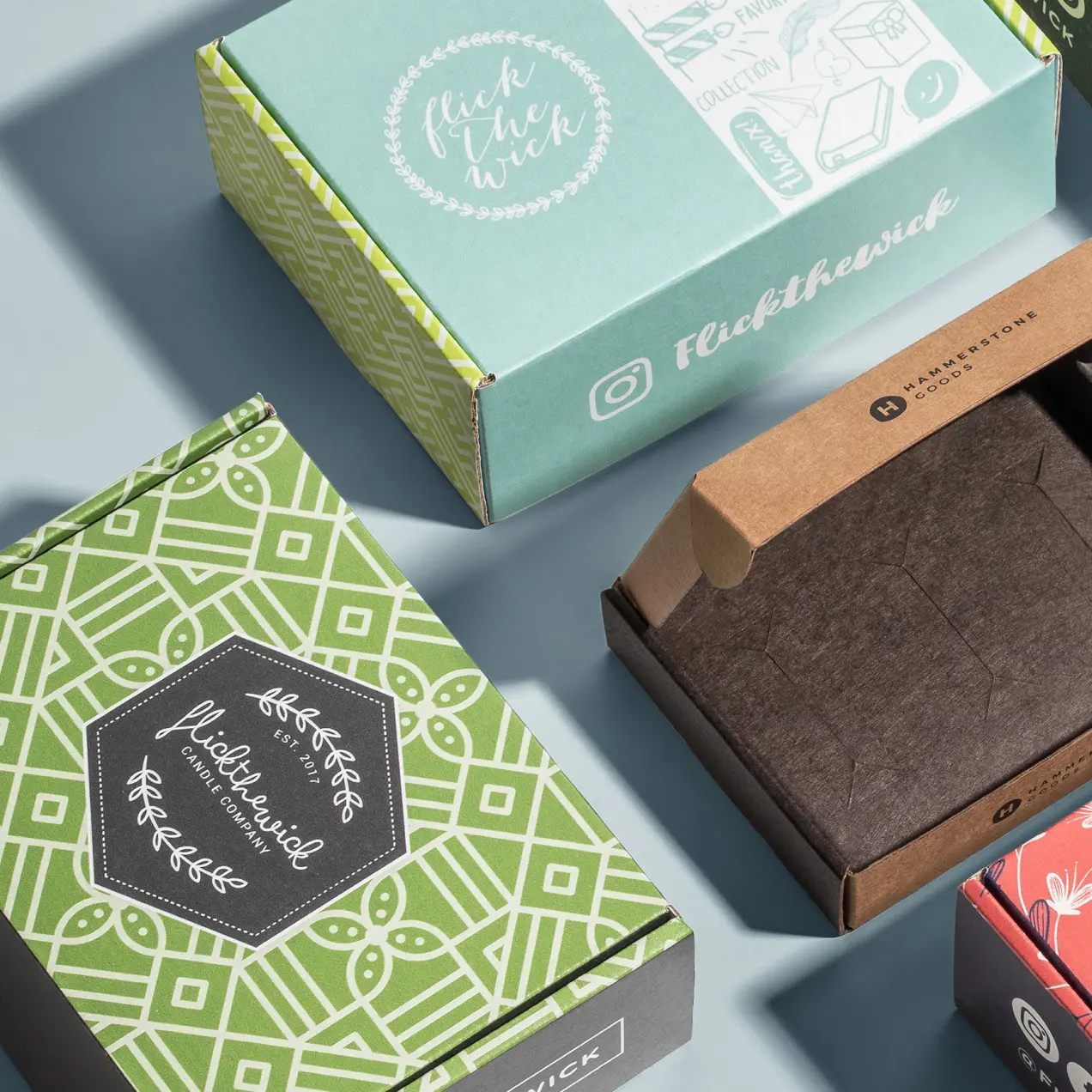
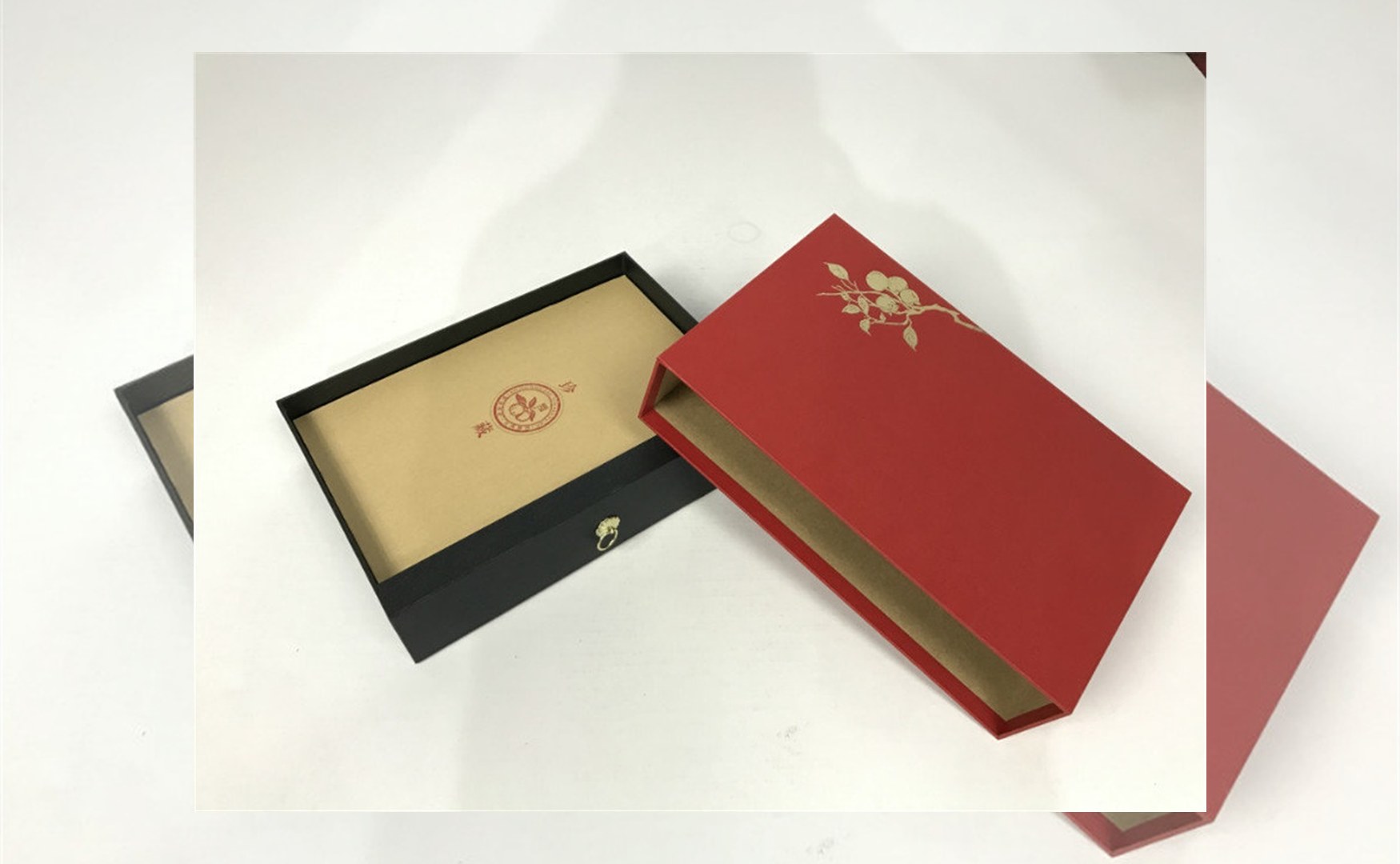
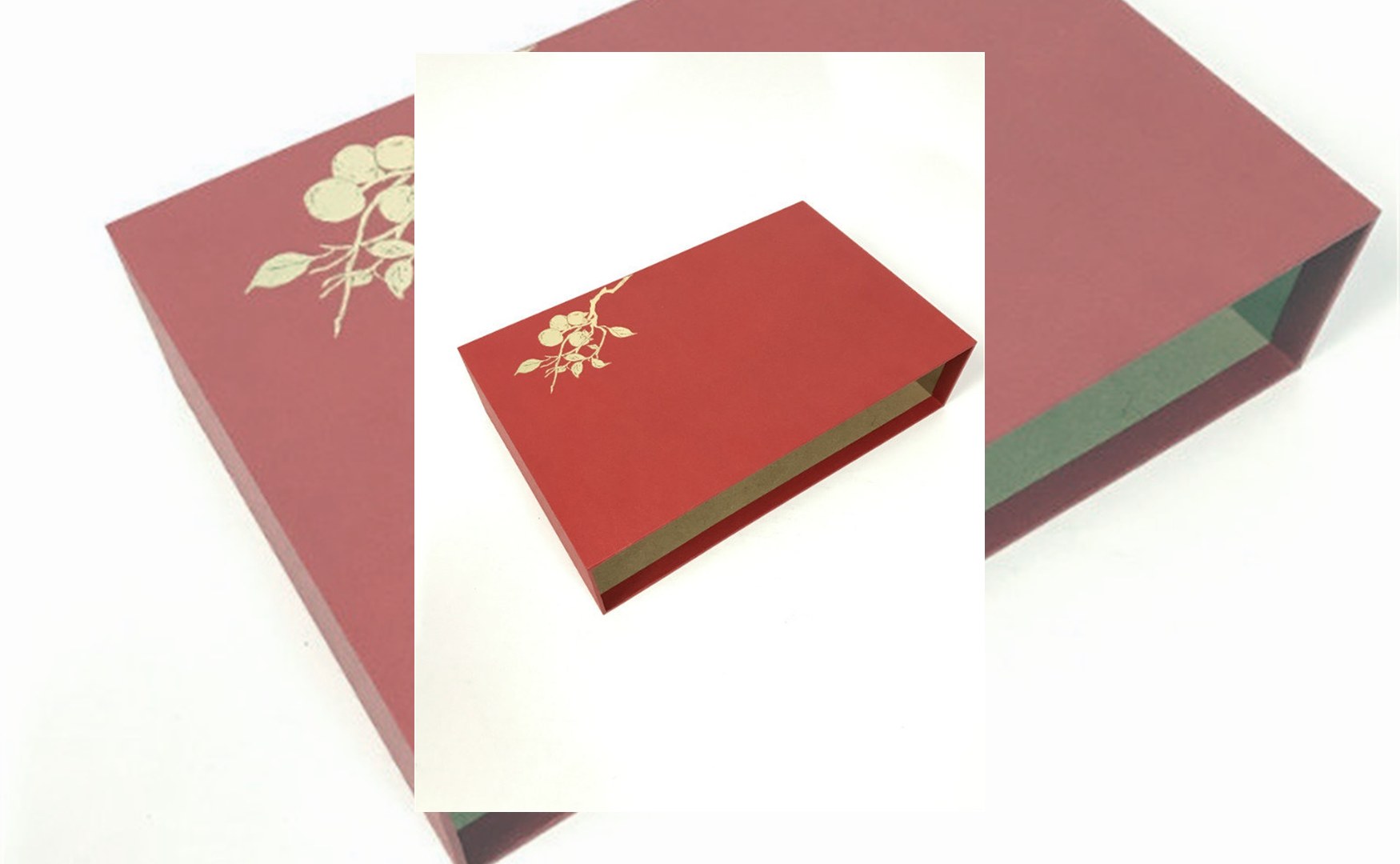
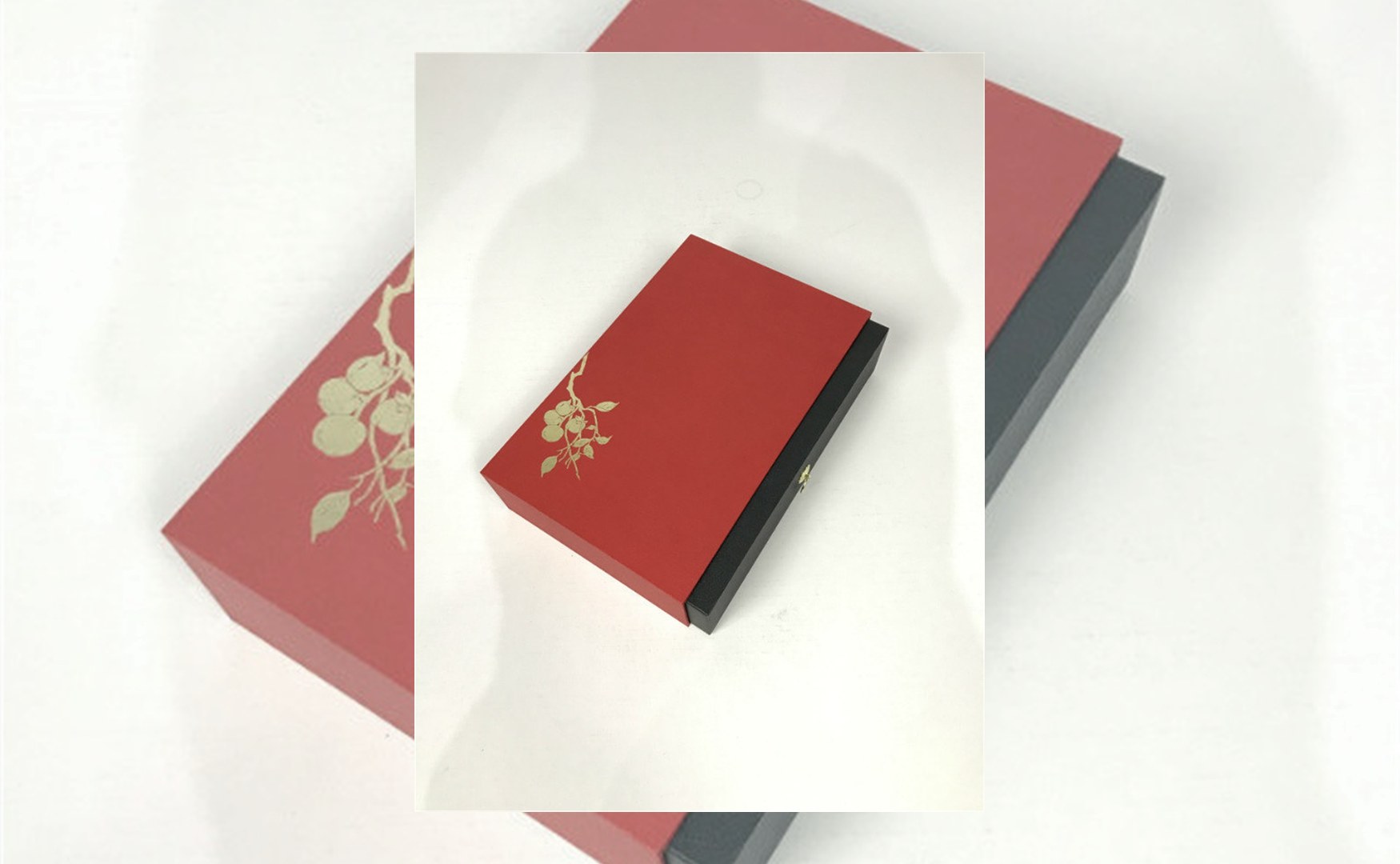
This article revisits a rigid drawer-style gift box from the Holidaypac archive and rewrites it for today’s packaging conversation. The box uses a red sleeve, a black inner tray, a warm kraft-toned inside surface and gold decorative printing. At first glance it is a beautiful old sample. Look closer, and it becomes a useful case study about premium unboxing, sleeve-and-tray tolerance, paper material choices and the way heritage photos can still guide new packaging decisions.
This is exactly why Holidaypac’s older image library matters. It is not only a folder of past work. It is a record of how the factory solved real structures for real buyers over time. When we bring those images into a modern Blog format, each case can connect history with current topics: sustainable luxury packaging, lower-risk sampling, social-media-ready unboxing, niche search demand and brand value beyond the box itself.
Build the Article Around Specific Buyer Intent, Not a Broad Packaging Word
The broad word gift box is too open. It may describe folding cartons, magnetic boxes, wooden boxes, plastic boxes, tin boxes, jewelry boxes or a seasonal retail set. This case should be built around narrower buying intent: custom rigid drawer gift box, drawer style rigid paper box, custom sleeve and tray packaging, premium paper gift box with inner tray and sustainable luxury gift packaging. These phrases are smaller, but they are closer to a buyer who already knows what kind of structure they want.
A niche article also helps the sales team. Instead of telling the customer that Holidaypacfactory can make many kinds of boxes, the article shows one structure in depth. It explains why a drawer action feels premium, what buyers should confirm before sampling, how the color and inner tray affect unboxing, and how old sample photos can still answer modern questions. This is the logic we should use for future archive Blogs: one real visual group, one exact packaging problem, one practical buyer story and one modern topic.
The Drawer Action Creates a Slower and More Valuable Opening Moment
A rigid drawer gift box is built around the relationship between an outer sleeve and an inner tray. The sleeve creates the first visual promise. The tray creates the reveal. When the customer pulls the tray out, the product does not simply appear; it arrives in a controlled sequence. That slower movement is why this structure feels more premium than a standard folding carton.
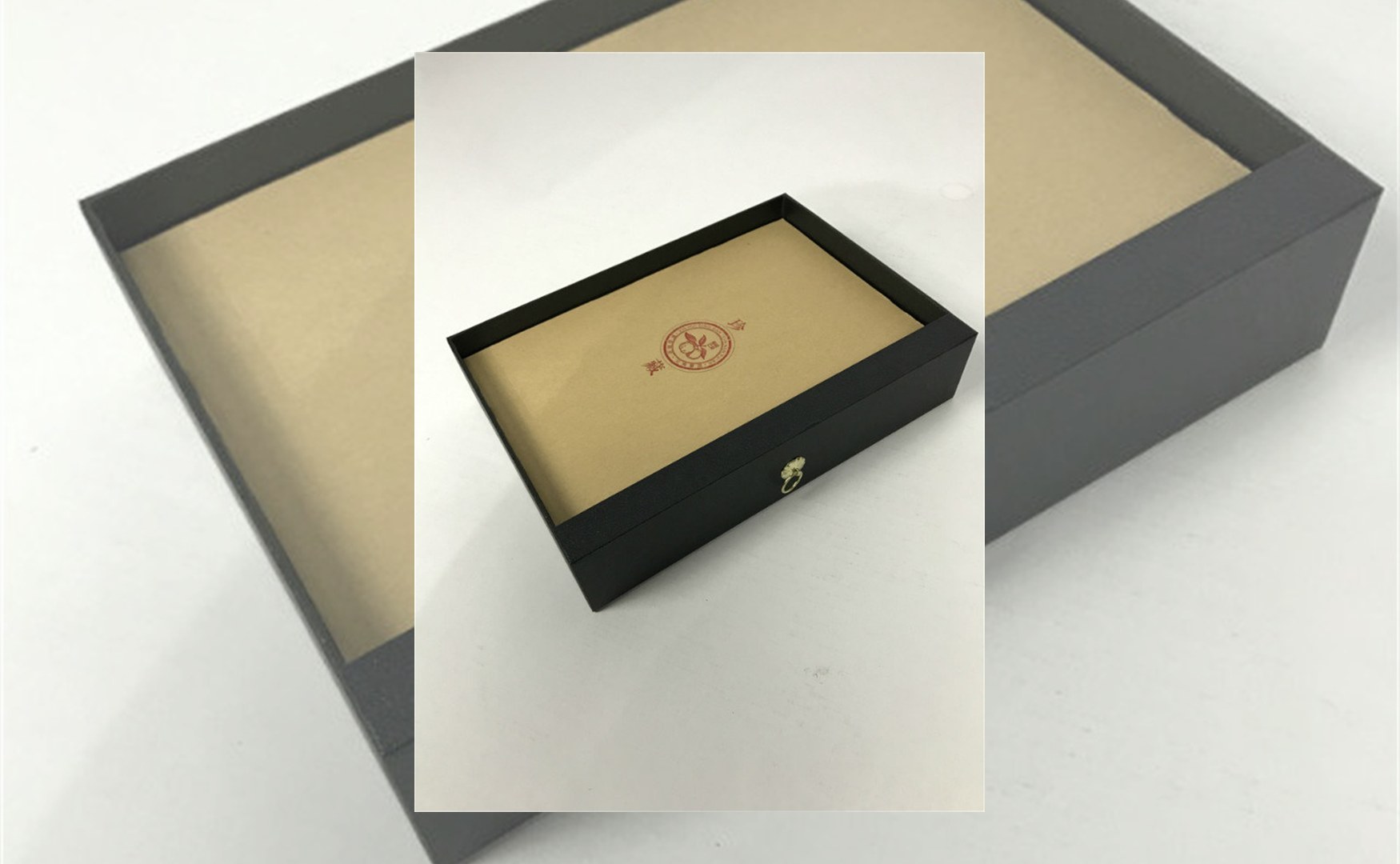
In the archive photos, the red sleeve works like a visual curtain. It protects the product area and builds anticipation. The black tray gives the inside a grounded, formal tone. The kraft-toned inner surface softens the strong color contrast and makes the package feel less plastic, less cold and more paper-based. This balance is important for brands that want luxury without losing a natural material feeling.
Production tolerance is the hidden detail behind this simple movement. If the sleeve is too tight, the buyer will feel friction and frustration. If it is too loose, the package feels weak. During sampling, Holidaypacfactory would normally check board thickness, paper wrap tension, glue position, humidity behavior, tray depth and whether the drawer slides smoothly after lamination or foil finishing.
This is where an old sample photo becomes more than decoration. It helps buyers see the structure before they ask for a quotation. They can understand that a custom rigid drawer gift box is not only an outside dimension. It is a small mechanical experience made from paperboard, wrap paper, clearance and finishing decisions.
Red, Black and Gold Work Because Each Color Has a Job
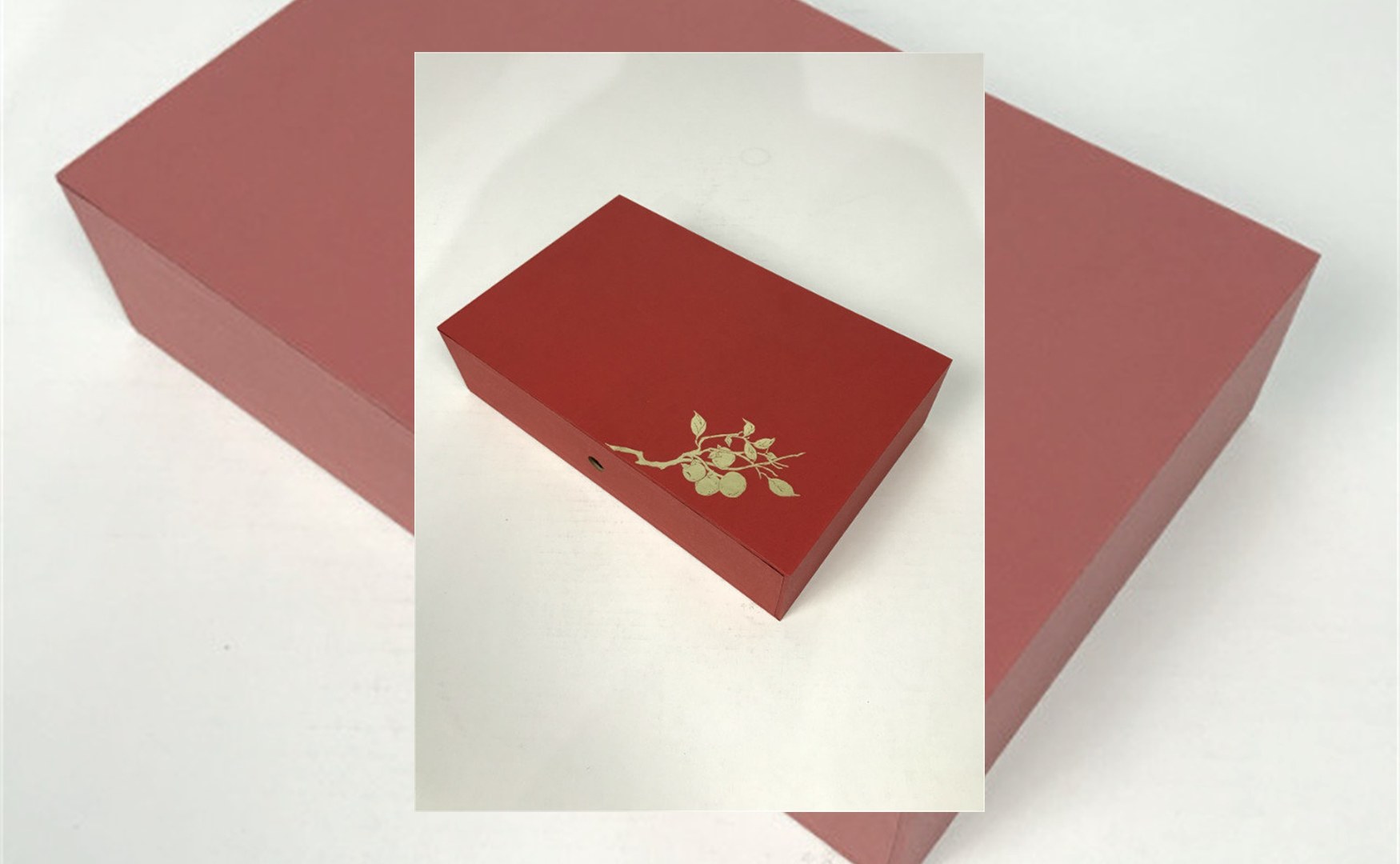
The color language in this case is direct. Red attracts attention and carries a strong gift signal. Black creates contrast and perceived value. Gold-toned artwork adds ceremony without covering the whole box. Together, the three colors make the package suitable for premium gifts, cultural packaging, tea products, confectionery, wellness gifts or retail sets that need a stronger shelf and unboxing presence.
Modern buyers should not copy this color combination blindly. The right color decision depends on the product, target market and brand identity. A tea brand may choose a calmer red with textured paper. A beauty brand may replace the black tray with soft cream, lavender or deep green. A chocolate brand may prefer a richer brown or burgundy. A corporate gift may use a more restrained logo and inside message.
The latest topic here is sustainable luxury. Many buyers still want a premium unboxing moment, but they are increasingly careful about mixed materials, plastic inserts and overbuilt packaging. A paper-based drawer box can support a more responsible luxury direction when the buyer chooses FSC paper, recycled board, paper inserts, water-based coatings, simpler foil areas and carton packing that avoids unnecessary plastic.
That balance matters. Luxury packaging does not need to become wasteful to feel valuable. A rigid drawer box can feel substantial through board structure, clean wrapping, color contrast and good fit rather than through excessive plastic, oversized foam or complicated mixed materials that are difficult to separate after use.
A Drawer Box Is Useful Because It Photographs the Reveal
Today, gift packaging is not only judged in store. It is judged in product photos, short videos, buyer presentations, social posts, marketplace listings and distributor catalogs. A drawer box has a natural advantage because the opening movement is easy to photograph and easy to explain. The sleeve can be shown closed, half open and fully open, creating three useful visual stages from one structure.
For a brand, that means the package can carry value before the product is even used. A customer may remember the reveal. A buyer may use the open angle in a catalog. A sales team may show the sliding tray in a short product video. A distributor may photograph the gift set from above to show both the outside sleeve and the inside product placement. This makes the box more useful as a marketing object.
The archive photos show several angles of the same structure, which is exactly how modern packaging content should be prepared. A single hero image is not enough. Buyers need the front, side, open, close-up, tray and full-set views. Each image answers a different question: Does it look premium? Does it fit the product? Does the tray slide? Does the color match the brand? Can the structure be repeated in production?
This is why Holidaypacfactory’s historical photo library can become a long-term content asset. The old photos may not look like studio advertising, but they show real packaging logic. With careful writing and clean layout, they become proof of experience.
Archive Photos Show the Decisions Behind the Finished Box
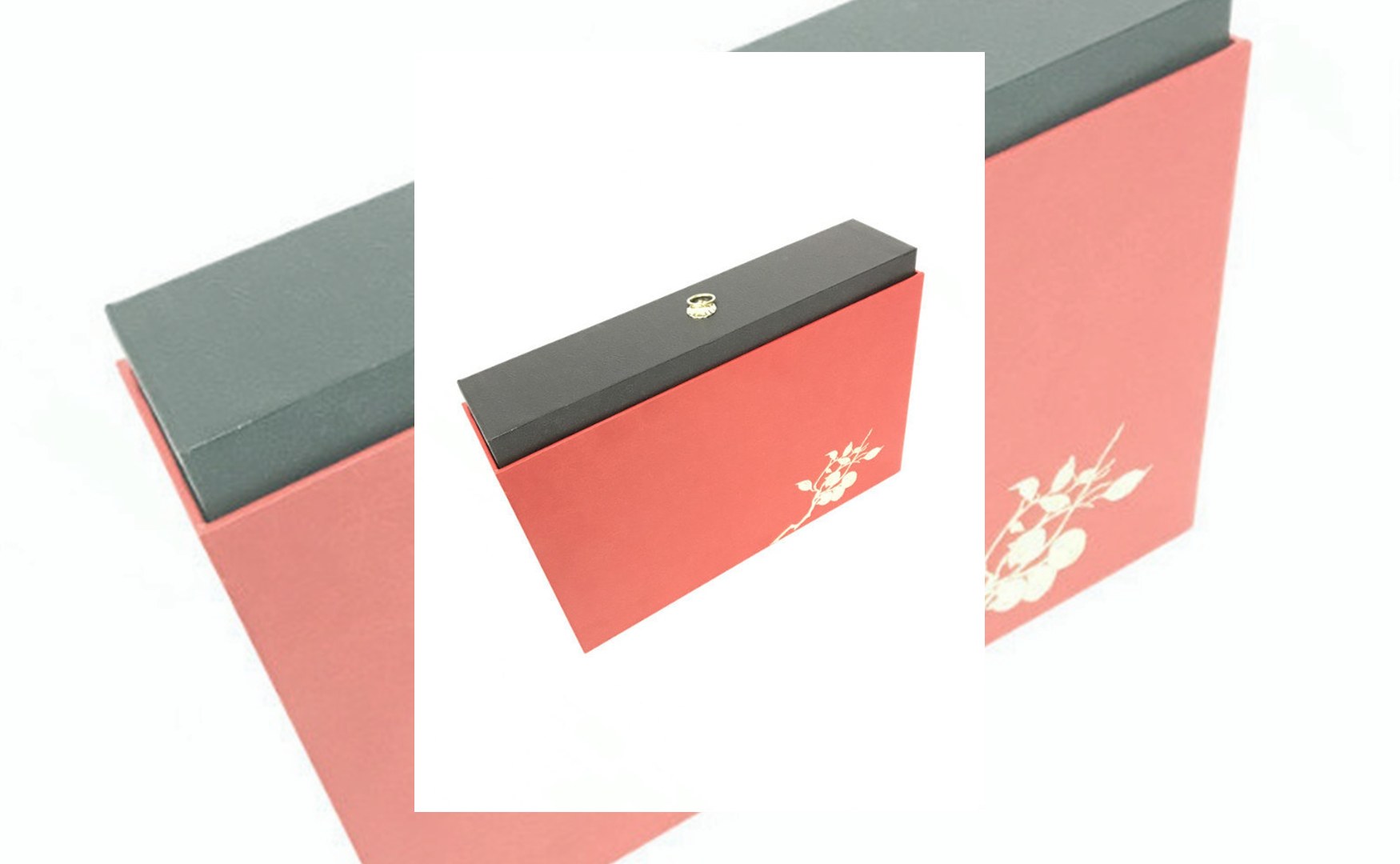
A factory archive is valuable because it preserves the small decisions that do not always appear in a finished catalog. The photos show how the tray sits inside the sleeve, how the pull detail is positioned, how the inner paper color contrasts with the outer sleeve, and how the final sample looks under practical inspection conditions. These are the details that help a buyer move from inspiration to specification.
For Holidaypacfactory, the archive also carries company memory. It shows that the company has been solving packaging problems long before every project became a polished web page. Some cases were made for gift buyers, some for food brands, some for displays, some for seasonal promotions, and some for structural testing. When we revisit those images, we do not only publish history; we turn experience into buyer education.
This history should be connected with the present. In 2026, buyers care about faster sampling, clearer visual communication, sustainable material choices and packaging that can support online selling. A rigid drawer gift box from the archive can speak to all four topics. It shows a structure that is understandable, photogenic, paper-based and easy to adapt for different product categories.
That is the reason this article should not be a short photo post. It should be a full case study: what the structure is, why it matters, what buyers should confirm, how it connects with current trends and how it reflects Holidaypacfactory’s long-term packaging culture.
Sustainable Luxury Is Changing How Buyers Think About Rigid Gift Boxes
The most important modern topic for this case is sustainable luxury. In the past, premium packaging was often judged by weight, shine and complexity. Heavy board, plastic trays, laminated surfaces, foam inserts and multiple decorative layers were used to make a box feel expensive. Many buyers still want a premium feeling, but the definition is changing. Today, a better question is whether the package can feel valuable while staying closer to paper, easier to separate and more responsible after use.
A drawer-style rigid paper box can support this direction when it is planned carefully. The structure can use rigid board or recycled greyboard. The outside paper can be FSC paper, specialty paper or recycled paper with a premium texture. The insert can be paperboard instead of plastic when the product allows it. Foil stamping can be used as a small accent rather than covering too much surface. Lamination can be evaluated against the buyer’s recycling goals.
This is not about making every premium box plain. It is about making luxury more intelligent. A good rigid drawer gift box can still have color, ceremony, tactile value and a memorable reveal. The difference is that each material choice should have a reason. If a black tray is used, it should support the product story. If gold print is used, it should guide attention. If a paper insert is used, it should protect the product and make recycling easier.
For importers and private-label buyers, this topic is especially practical. Retailers increasingly ask packaging suppliers about material origin, plastic reduction, recyclability and responsible sourcing. A supplier that can explain structure and material together becomes more useful than a supplier that only sends a price. Holidaypacfactory’s role is to help buyers connect visual identity with practical material decisions.
What to Confirm Before Sampling a Custom Sleeve and Tray Box
A good quotation starts with product information, not only a reference photo. Buyers should send the product dimensions, product weight, target market, expected order quantity, artwork direction and whether the product needs an insert. A jewelry set, tea gift, candle set, chocolate collection and electronics accessory kit all require different tray planning even if the outside box looks similar.
The second decision is board thickness. A very thick board feels premium but increases cost and shipping weight. A thinner board may be acceptable for lighter products but can reduce perceived value. The right choice depends on the product price, expected handling, retail channel and whether the box should be kept by the consumer after purchase.
The third decision is tray movement. Some buyers want a very smooth slide. Some want slightly more resistance so the box feels secure. Some need a ribbon pull, metal pull, paper tab or thumb notch. These choices affect both the user experience and production cost. They should be discussed before artwork is finalized because the pull method may change the front view of the tray.
The final decision is packing. Rigid boxes can ship assembled, nested or protected in sets depending on the design. For export, the master carton should protect corners, paper surfaces and foil details. A beautiful sample can still fail if packing rubs the surface during transport, so carton planning is part of the product, not an afterthought.
Practical Specification Points for a Rigid Drawer Gift Box Project
This specification map turns the archive case into a practical buyer checklist. It does not replace a dieline or engineering drawing, but it helps the customer prepare the right information before asking Holidaypacfactory for a new custom sample.
| Niche product type | Custom rigid drawer gift box, also described as sleeve and tray packaging or drawer style rigid paper box. |
|---|---|
| Suitable products | Tea, chocolate, confectionery, cosmetics, jewelry, candles, wellness sets, cultural gifts, corporate gifts and premium retail collections. |
| Key structure choices | Outer sleeve, inner tray, pull method, tray depth, sleeve clearance, board thickness, insert type and carton packing. |
| Surface options | Specialty paper, matte paper, foil stamping, spot UV, embossing, debossing, printed pattern, inside message and brand mark placement. |
| Sustainable options | FSC paper, recycled paperboard, paper inserts, reduced plastic, simplified finishing and easier material separation where the product allows it. |
| Commercial value | Improves perceived value, supports gifting, creates a stronger unboxing experience and gives the sales team better photo angles for catalogs and online listings. |
How One Old Sample Can Become a Useful Sales Conversation
The value of this archive case is not limited to the box itself. It also shows how Holidaypacfactory can turn historical project images into practical sales content. A buyer may not know the correct technical name at the beginning. They may say they want a red gift box, a premium paper box, a sliding box, a box with an inner tray or a luxury packaging style. A case article helps connect those different phrases to one structure and gives the buyer language to describe the project more clearly.
For sales teams, this matters because packaging discussions often start with visual references. A customer sends one photo and asks whether the factory can make something similar. Instead of answering only with yes or price, Holidaypacfactory can use an archive case to explain sleeve clearance, tray depth, insert choices, surface finishing, export packing and sustainable material options. That turns the conversation from a simple quote into a more professional product development process.
For content strategy, this is also the reason niche pages are important. A large website does not grow only by publishing broad category pages. It grows by answering specific buyer questions one by one. A rigid drawer gift box article can attract a different buyer than a magnetic folding gift box article, a paper tube article or a chocolate tray insert article. Each niche article becomes a small bridge between a historical product, a current search need and a future inquiry.
This approach gives old photos a second life. They are no longer only internal memories. They become proof of accumulated experience, examples for training new salespeople, reference material for customers and a way to show that Holidaypacfactory has been building real paper packaging solutions over many years. That historical depth is difficult for a new supplier to copy quickly, and it should become part of the brand’s online voice.

Cassie Lan, Founder of Holidaypac
Cassie Lan is the founder of Holidaypac and the cultural center of the company. With 20 years in international trade and 16 years in packaging, she helps buyers connect practical packaging decisions with visual identity, cultural meaning, and long-term brand value.
Her philosophy is simple and memorable: packaging should protect food, express culture, and return closer to nature. This is why Holidaypacfactory is not only a packaging supplier, but a creative partner for brands that want paper food packaging and display solutions with function, feeling, and responsibility.
Inspired by the Chinese idea of harmony between people and nature, Cassie encourages Holidaypac to develop recyclable food packaging design that feels useful to buyers, beautiful to consumers, and respectful to the environment.
Rigid Drawer Gift Box FAQ
1
What is a rigid drawer gift box?
A rigid drawer gift box is a premium paper box made with thick greyboard or rigid board, usually built from an outer sleeve and an inner tray that slides out like a drawer.
2
Why use a drawer box instead of a folding carton?
A drawer box gives the customer a slower reveal, stronger board feel and more premium unboxing experience, making it suitable for gifts, cosmetics, tea, confectionery and cultural products.
3
What modern trend makes this archive case useful today?
Premium gifting now needs both visual value and responsible material choices. A paper-based rigid box can support brand storytelling, social media unboxing and recyclable-material planning better than many disposable luxury formats.
4
Which details should buyers confirm before sampling?
Buyers should confirm product size, tray depth, sleeve clearance, pull method, board thickness, paper wrap, insert style, logo process, carton packing and target retail channel.
5
Can this box use sustainable materials?
Yes. Buyers can discuss FSC paper, recycled paperboard, plastic-free inserts, soy-based or water-based inks, paper sleeves and simplified mixed-material choices to support recycling goals.
6
How can old factory photos help new buyers?
Archive photos show real structures, not only digital renderings. They help buyers understand tolerances, finishing, color contrast, tray fit and practical production decisions before starting a new project.