
Holidaypacfactory Buyer Guide Paper Takeaway Packaging Is Now Part of the Delivery ExperienceCustom paper takeaway packaging for food delivery brands has become a serious procurement topic in 2026 because the meal now travels farther, stays longer in the package and represents the brand outside the restaurant. A customer may never see the kitchen, the store design or the service team. The paper box, kraft bag, liner, sleeve and label may be the first physical contact they have with the brand. This changes the role of foodservice packaging. It is no longer only a container. It is a delivery tool, a temperature and moisture manager, a brand signal, a cost item, a sustainability message and a repeat-order trigger. Restaurant groups, bakery chains, ghost kitchens, catering companies and foodservice distributors all need packaging that can survive real operations without looking generic. |
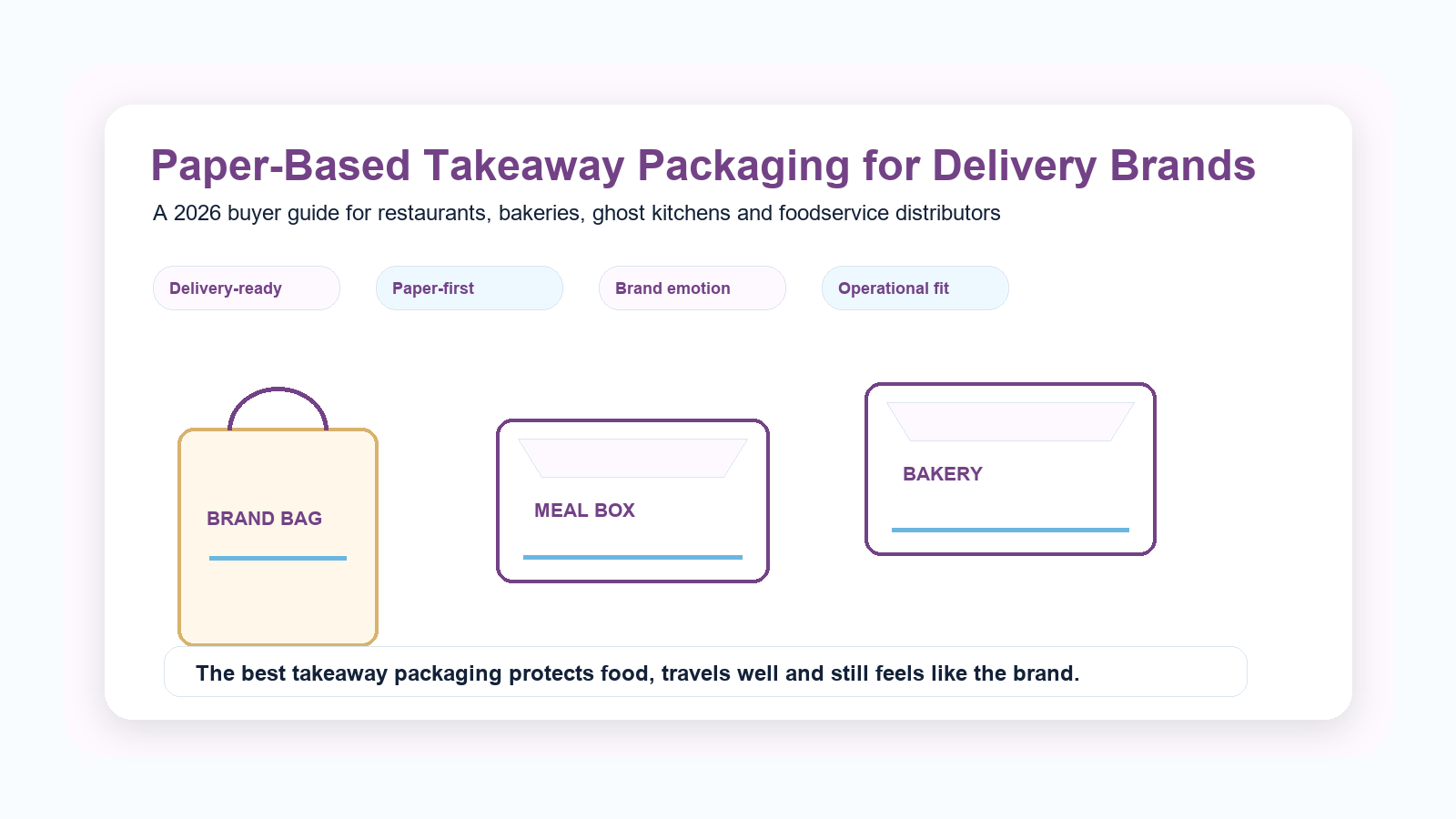
The shift toward paper-based food packaging is also shaped by regulation pressure, consumer concern about plastic waste, retailer policies and the practical growth of takeaway and delivery. Buyers are not looking for a single perfect material. They are looking for formats that are fit for use: paper food boxes that do not collapse, kraft bags that carry safely, bakery cartons that protect appearance, liners that control grease and printed packaging that communicates clearly.
Holidaypacfactory approaches this topic through practical export packaging experience and HolidayPac’s cultural value: Born from nature and return to nature. Under the guidance of Cassie Lam, Founder of HolidayPac, paper is treated as a simple, ancient and emotionally rich material. The goal is not to replace plastic with paper blindly. The goal is to design paper packaging that protects food, supports the buyer’s operation and carries a warmer cultural feeling.
Build a Delivery Packaging System Around the Food
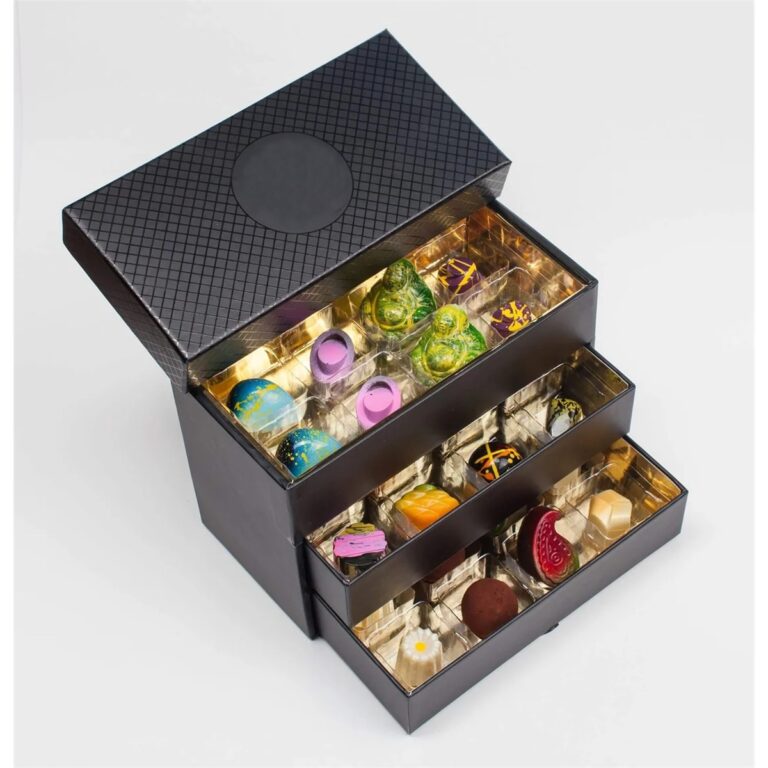
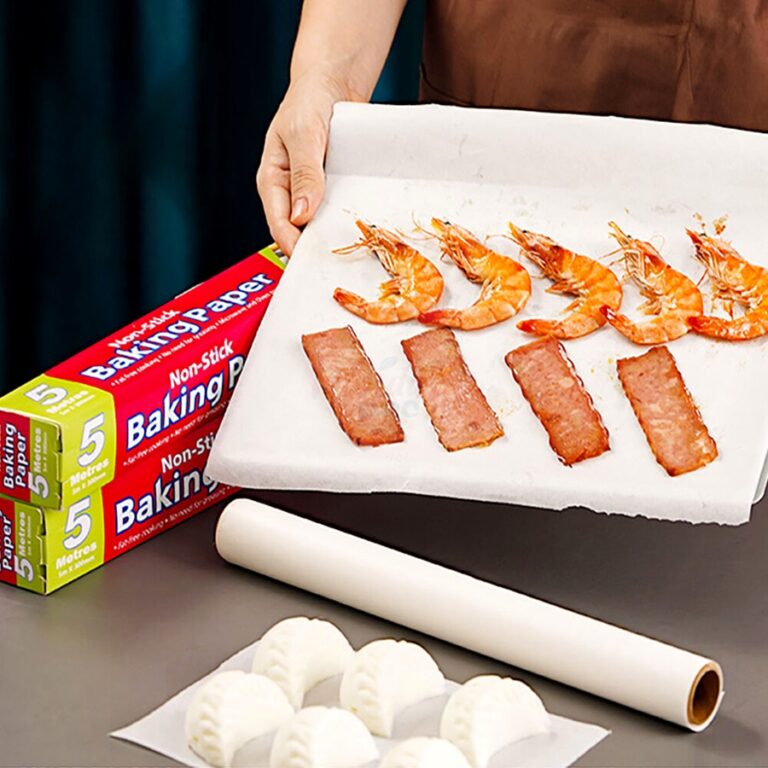
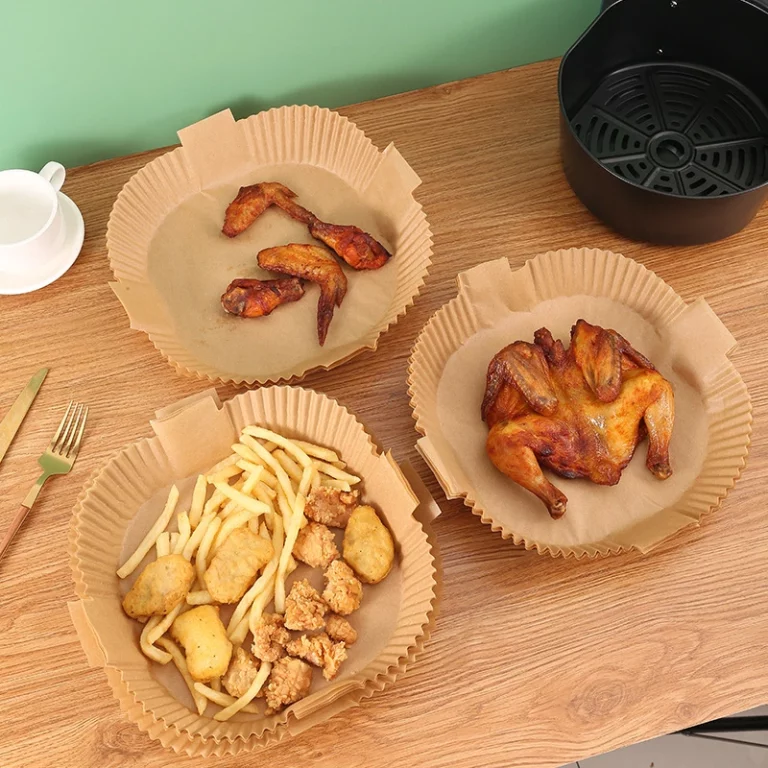
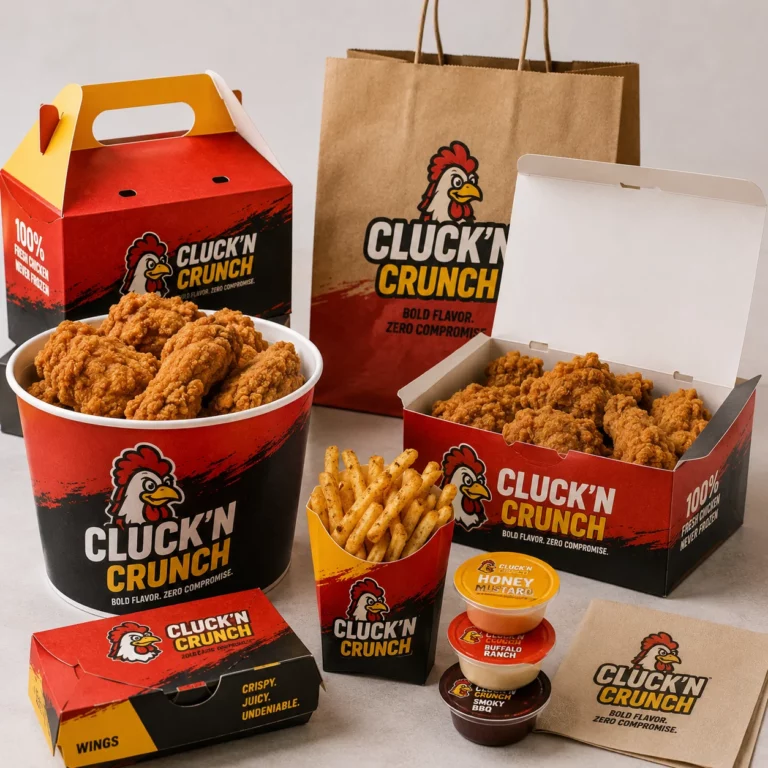
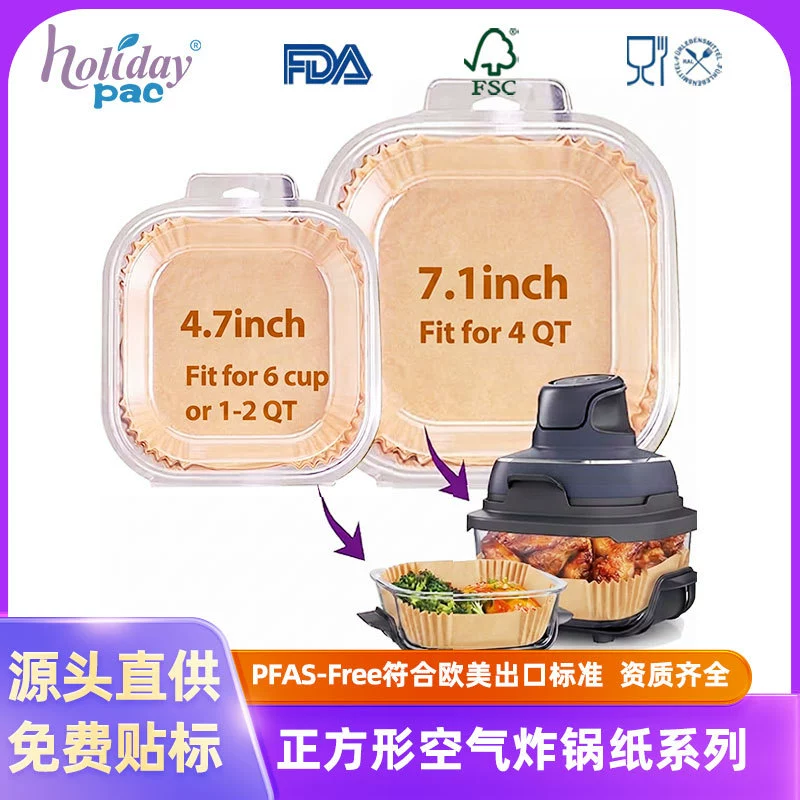
Custom paper takeaway packaging for food delivery brands works best when boxes, bags, liners and printed paper formats are selected together. These Holidaypacfactory product paths help buyers compare real packaging options before approving a delivery program.
delivery and foodservice pressure Why Delivery Packaging Became a 2026 Buyer PriorityFoodservice packaging now has to protect quality, support sustainability goals, control cost and carry brand memory after the food leaves the restaurant. Food delivery growth has made packaging more visible and more demanding. A meal may leave a restaurant hot, pass through a delivery platform, sit in a rider’s bag and arrive after twenty to forty minutes of movement, steam and handling. Packaging that works at the counter may fail in delivery. This is why buyers increasingly separate dine-in packaging, takeaway packaging and delivery packaging instead of treating them as one category. The sustainability conversation has also matured. In 2026, buyers are less convinced by vague eco-friendly claims. They want practical paper-based choices that reduce avoidable plastic while still protecting food quality. A kraft bag that tears, a paper box that leaks, or a bakery carton that damages cream decoration is not a sustainable success. Waste also includes remakes, complaints, refunds and lost brand trust. |

Industry trend reports for 2026 consistently point to the same direction: foodservice packaging must balance sustainability, performance, cost and consumer experience. Paper solutions are growing because they are renewable in origin, printable, familiar to consumers and easier to connect with natural brand language. But paper still needs correct structure, coating, folding, ventilation and packing method.
For Holidaypacfactory buyers, the key is to match the packaging to the menu. A burger wrap, sushi bento box, bakery tray, hot meal box and coffee snack bag do not face the same pressure. Buyers can compare custom paper food packaging boxes, branded paper bags for takeaway and greaseproof parchment paper for foodservice as parts of one delivery system.
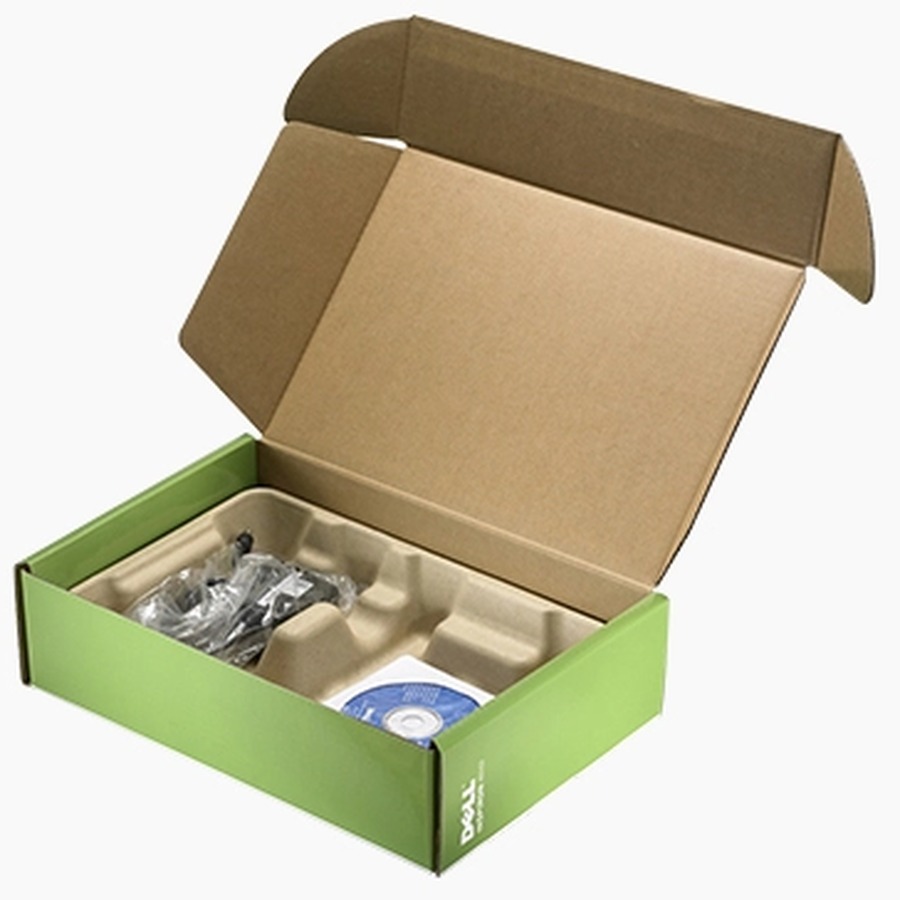
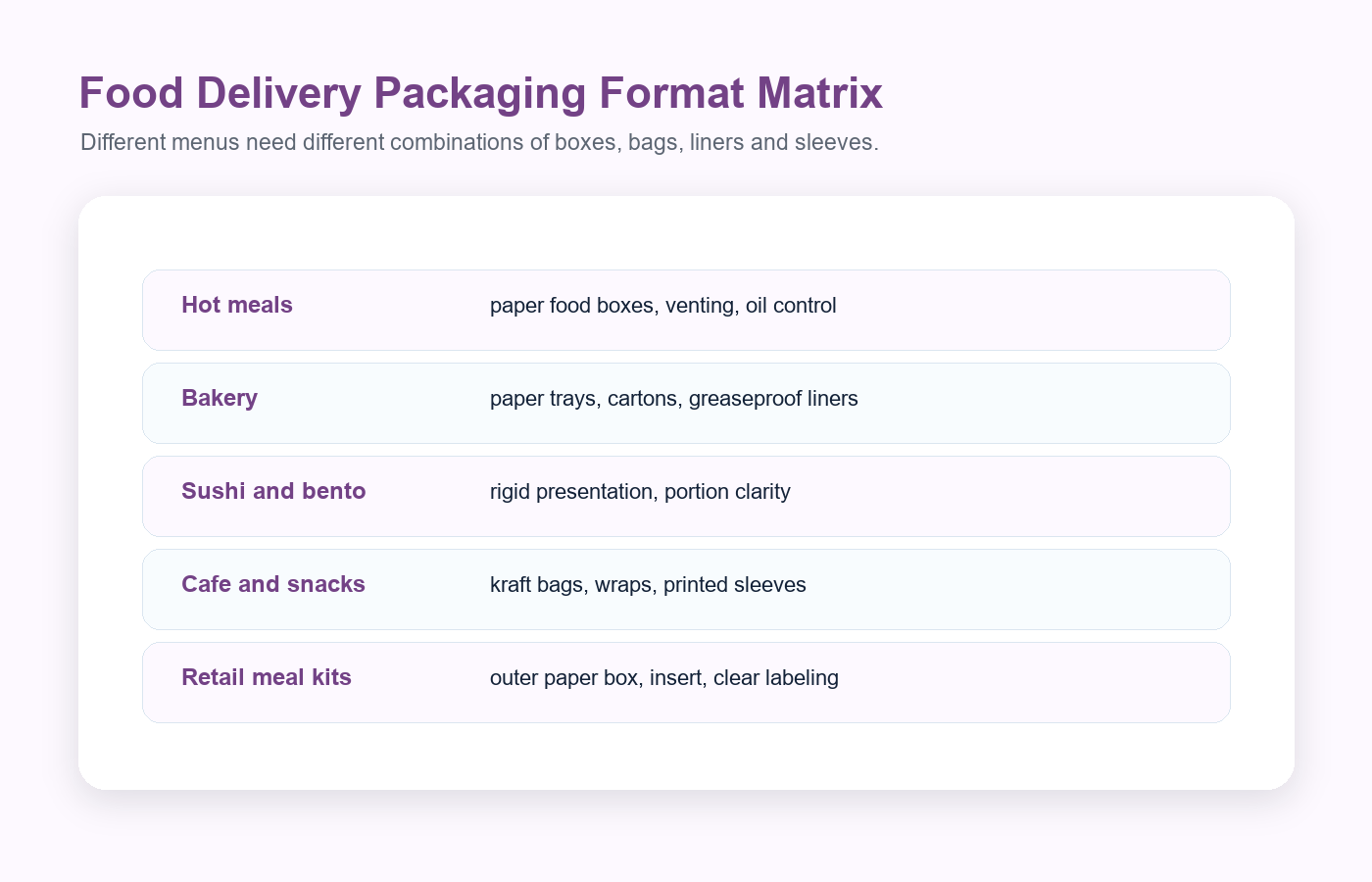
format selection Which Paper Packaging Formats Should Delivery Brands Compare?The right packaging depends on menu behavior: heat, oil, moisture, weight, appearance and how the customer opens the meal. The right takeaway packaging format starts with food behavior. Hot meals create steam. Fried foods release oil. Bakery products need appearance protection. Sushi and bento meals need portion clarity. Sauced foods need leak resistance. Snack products need easy handholding. A buyer who begins with the menu can avoid the common mistake of asking for a generic paper box and expecting it to solve every problem. Paper food boxes are often the center of a delivery packaging program. They need suitable board strength, fold accuracy, lid closure and sometimes venting. If the food is hot and moist, ventilation becomes important. If the food is oily, the buyer should discuss grease resistance and contact time. If the box is printed, artwork should not compromise food-contact expectations or make the box feel visually crowded. |
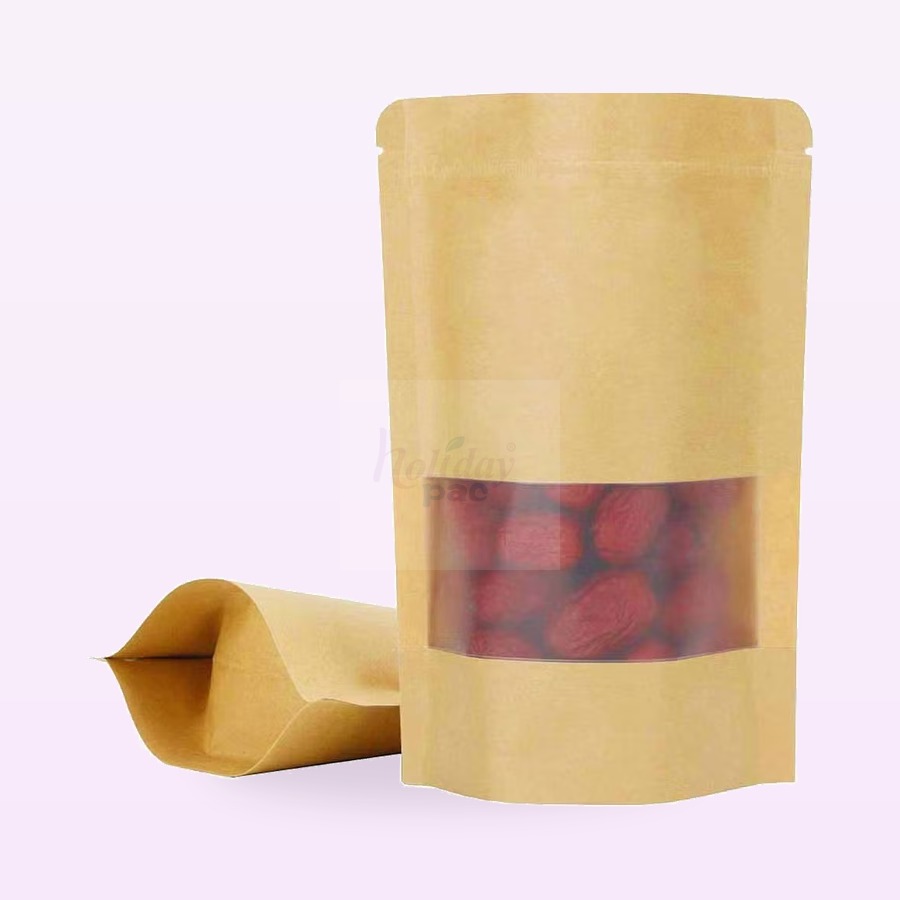
Paper bags are the outer experience. They carry the meal, organize multiple items and create the first impression at the customer’s door. A kraft paper bag can feel natural and warm, while a white printed bag can feel clean and modern. Handle strength, bottom structure, bag size and print placement all matter. The bag should not be treated as an afterthought after the box is chosen.
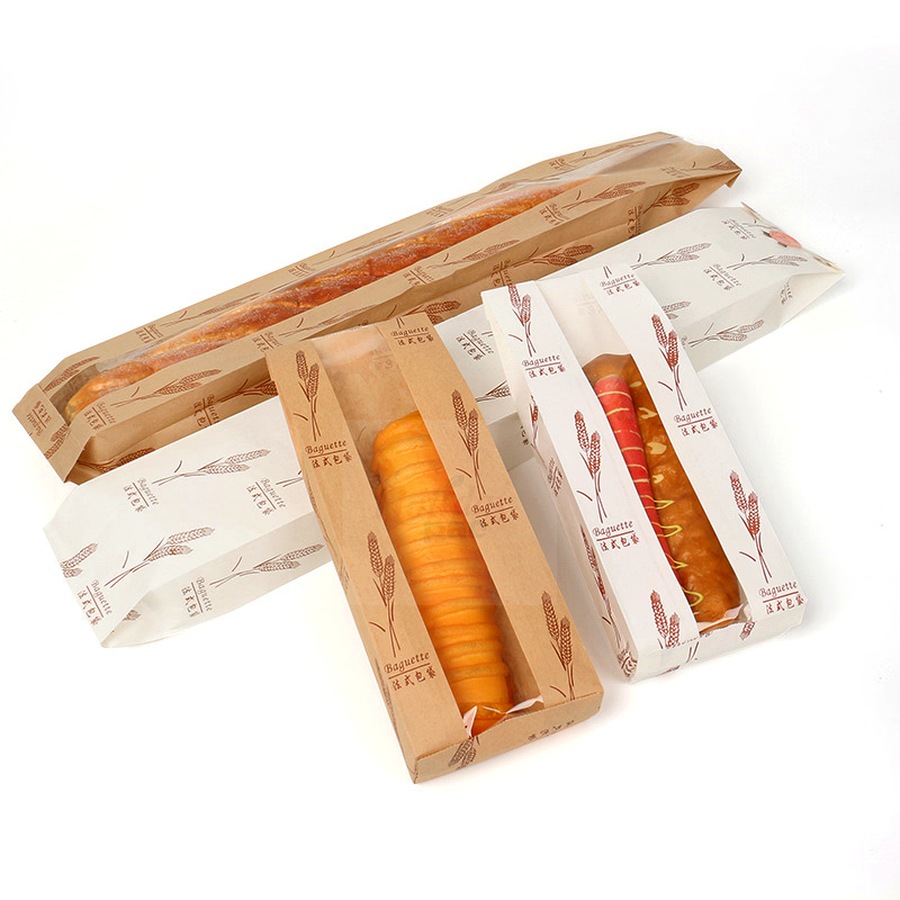
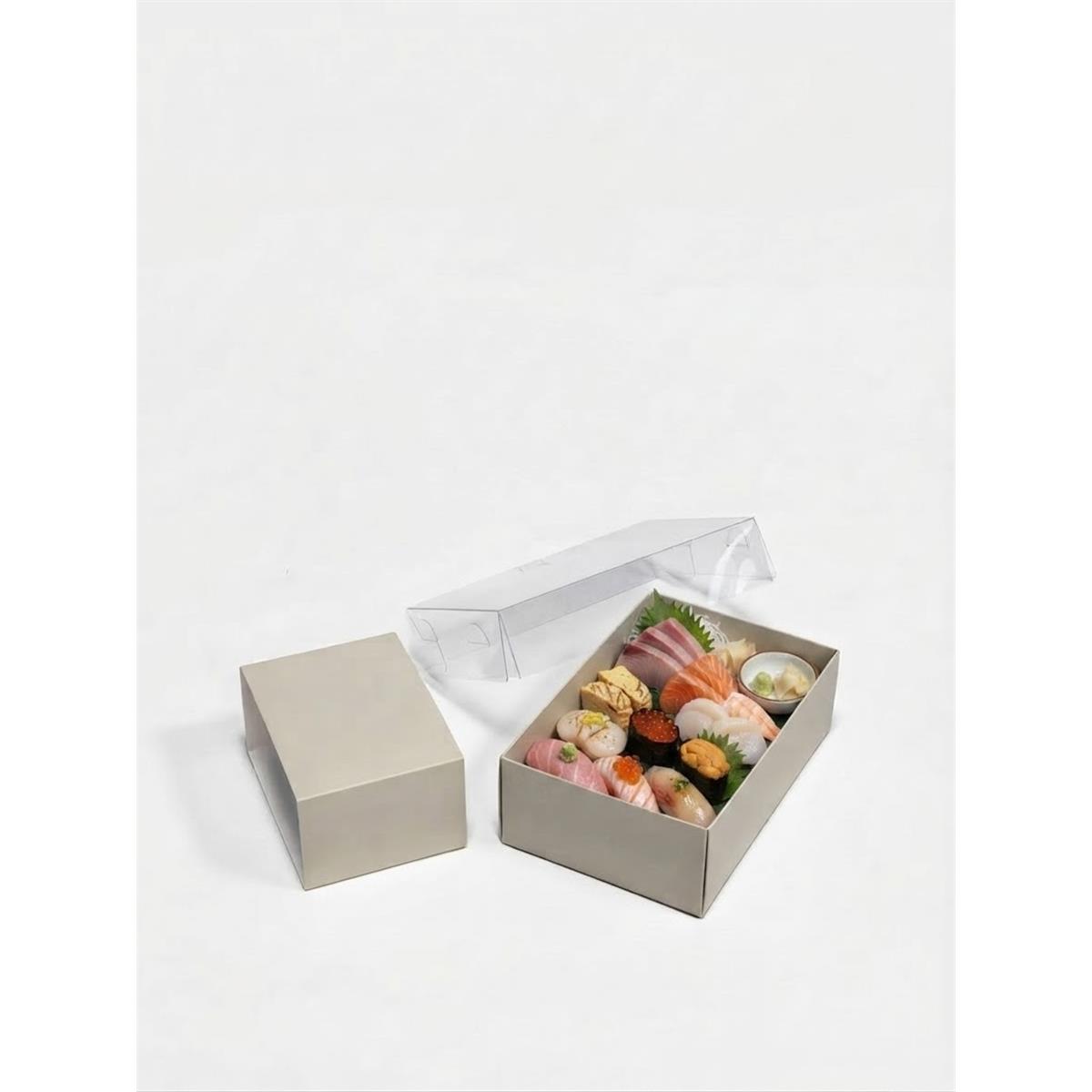
Bakery packaging has its own rules. Cakes, pastries, cookies and bread need protection against crushing, sticking and moisture changes. Buyers can review bakery packaging for retail and delivery when appearance matters as much as containment. For Japanese, Asian and prepared meal formats, sushi bento boxes with clear portion presentation can help brands organize the meal experience.
procurement discipline Four Buyer Questions Before Ordering Paper Takeaway PackagingA better sourcing conversation defines delivery conditions, kitchen workflow, customer feeling and documentation needs before price comparison. The first sourcing question is: what will happen to the food during the delivery journey? Buyers should describe the food temperature, oil level, moisture, sauce, weight, contact time, stacking method and whether the package will be reheated or opened immediately. Without this information, a supplier can only guess. The second question is: who packs the order and how fast must the packaging work? A beautiful box that slows down kitchen staff can create operational cost. A complicated closure may look premium but fail during peak hours. Foodservice packaging should be tested with real packing steps, not only in an office sample review. |
The third question is: what should the customer feel when opening the package? The packaging should not only prevent leakage. It should help the food feel cared for. Custom printing, simple messages, color discipline, clean labels and the right paper texture can all help the customer feel that the brand is professional and thoughtful.
The fourth question is: what information does the buyer need for the target market? Food-contact expectations, recycling claims, plastic reduction policies and retailer rules vary. Holidaypacfactory does not present packaging articles as legal advice, but it does help buyers ask better material, coating, ink and documentation questions before confirming mass production.
brand emotion and culture Design: Make Paper Delivery Packaging Feel Warm, Not GenericPaper can carry a restaurant brand beyond the storefront through texture, structure, restrained printing and cultural meaning. Paper-based takeaway packaging should not look like a compromise. Many brands move from plastic to paper and accept a weaker visual experience. That is unnecessary. Paper can carry texture, warmth, print detail and cultural meaning. It can make a delivery meal feel more human, especially when the customer is eating away from the restaurant. For restaurant groups, design should be clear and operational. The logo should be visible, but the package should not become a billboard. Food type, reheating guidance, freshness notes or QR codes can be useful when they are placed with restraint. For bakeries, soft color and paper texture can support a handmade feeling. For premium delivery, a simple paper sleeve or printed label can create ceremony without adding too much material. |
Cassie Lam often views packaging as a bridge between function and emotion. A takeaway box solves a technical problem, but the customer experiences it with the senses: hand feel, smell, opening sound, surface texture and the visual order of the meal. This is where HolidayPac differs from factories that only print and cut.
Chinese traditional culture values harmony between people and nature. Zhuangzi’s wisdom about living in harmony with the natural world gives HolidayPac a deeper reason to respect paper. The I Ching emphasizes balance and change; Buddhist thinking values restraint and mindful use. These ideas do not make packaging less commercial. They make the commercial object more thoughtful. Paper takeaway packaging can protect daily food while reminding a brand to stay close to nature.
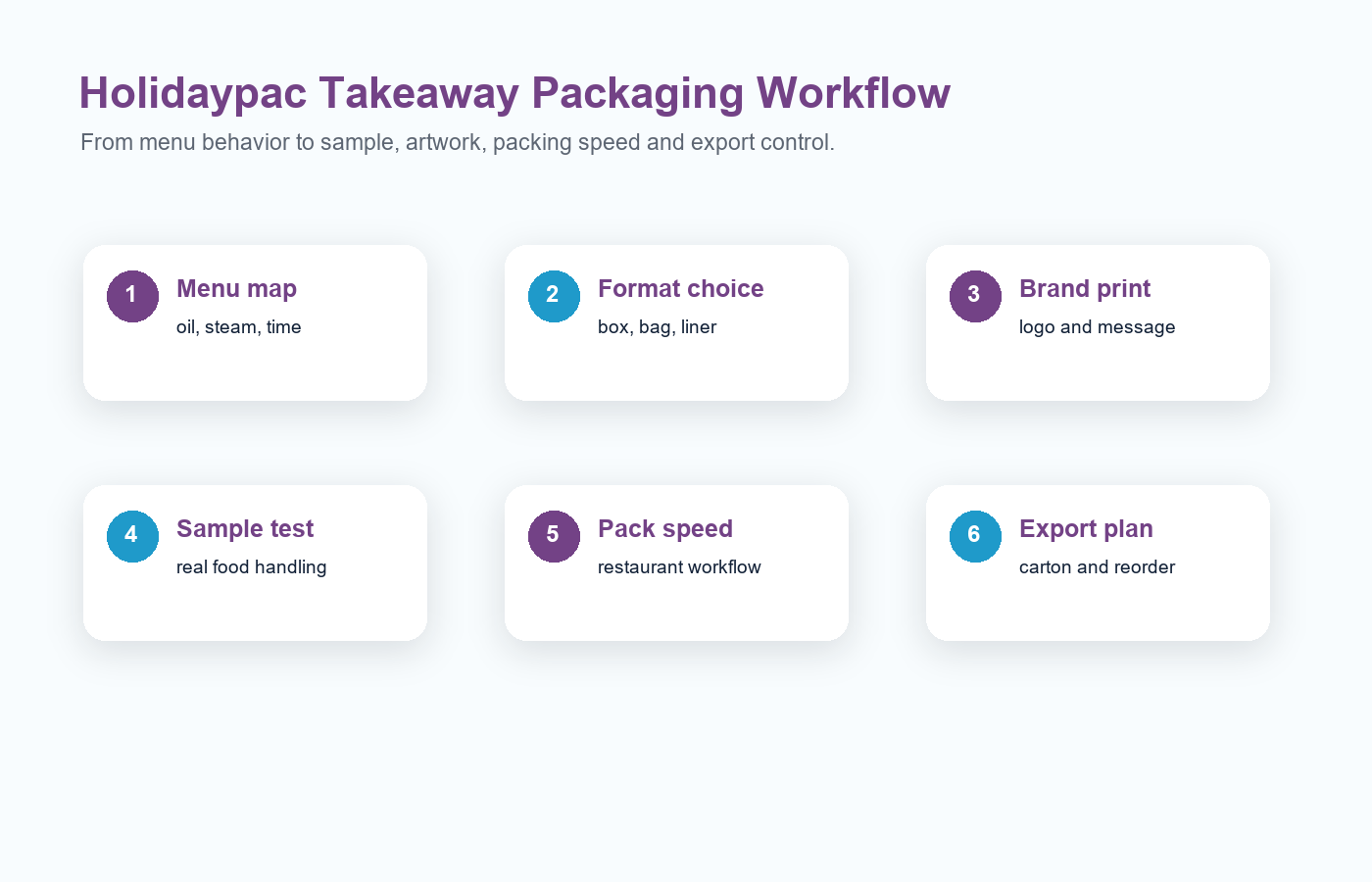
Holidaypac project path Holidaypacfactory Workflow for Paper Takeaway Packaging ProjectsA reliable project moves from menu mapping to format selection, artwork, sample testing, production and export control. Holidaypacfactory’s takeaway packaging workflow begins with menu mapping. The buyer shares food photos, dimensions, weight, temperature, sauce level, expected delivery time and current packaging problems. This allows the team to identify whether the project needs a paper box, kraft bag, liner, sleeve, bakery carton, bento format or a combination. The second step is format and material selection. The team reviews board thickness, paper type, bag structure, liner need, closure method, print area and packing quantity. For paper-first programs, Holidaypacfactory may connect natural kraft paper packaging with custom printed paper boxes so the buyer can build a consistent brand family. |
The third step is artwork and sample testing. Artwork should be checked for safe margins, color, readability, barcode placement, food label space and production practicality. Samples should be tested with real food when possible. Buyers should check leakage, grease marks, steam behavior, hand feel, closure security, stacking and whether the customer can open the package without damaging the food.
The fourth step is production and export control. Paper packaging is light, but it can be damaged by moisture, crushing and poor carton planning. Holidaypacfactory checks packing quantity, carton strength, inner packing, pallet logic and reorder consistency so buyers can receive packaging that works beyond the sample stage.
category recommendations Category-Specific Recommendations for Food Delivery BuyersQSR, bakery, ghost kitchen, distributor and private-label buyers each need to test different parts of the paper packaging system. Quick-service restaurant buyers should focus on speed and consistency. Packaging must be easy to open, fill, close and hand over. During peak hours, a slow package becomes a labor cost. The best paper packaging for QSR brands balances structure with speed. Bakery and dessert buyers should focus on presentation and protection. A pastry that arrives crushed or stained loses emotional value. Paper trays, cake boxes, window alternatives, liners and sleeves should be selected around the product’s appearance and fragility. |
Ghost kitchen buyers should focus on brand recognition. Because there is no storefront experience, the packaging becomes the physical proof of the brand. A printed paper bag, clean box label and consistent color system can help a delivery-only brand feel legitimate.
Foodservice distributors should focus on SKU clarity and repeat orders. Their customers need easy reordering, stable cartons and clear product specifications. A distributor may need several sizes of paper boxes and bags with consistent packing logic.
Private-label meal kit buyers should focus on shelf and delivery crossover. A meal kit package may need to look good in retail while also surviving home delivery. Paper boxes, inserts and sleeves should be designed as a system rather than separate items.
Across all categories, buyers should remember that paper packaging still needs discipline. The format, material, print, packing and logistics must match the actual food journey. A good package is the one that works after leaving the factory, after leaving the restaurant and after reaching the customer.
specification and quotation How to Write an RFQ for Custom Paper Takeaway PackagingA clear RFQ should define food use, delivery time, required functions, optional branding, testing method and export needs. A strong RFQ for custom paper takeaway packaging for food delivery brands should include food type, food weight, oil level, moisture, temperature, expected delivery time, package size, desired material, printing needs, order quantity and target market. If the buyer already has a failed package, photos of the failure are useful. Buyers should separate required functions from optional branding features. Required functions may include leak control, grease resistance, stacking strength, handle strength, food-contact suitability or fast closure. Optional features may include embossing, special paper texture, QR codes, seasonal print, premium sleeves or custom labels. |
Sample testing should be practical. Put the real meal into the sample package, close it the way staff will close it, place it in a delivery bag, wait the expected time and then open it like a customer. Check food appearance, condensation, oil marks, odor, hand feel and whether the structure still looks professional.
Cost comparison should include operations. A cheaper box may cost more if it slows packing, causes leakage complaints or requires extra bags. A better-specified paper package may reduce remakes, support repeat orders and protect brand perception.
For long-term programs, buyers should create a packaging data sheet. It should record dimensions, material, gsm or board specification, printing method, food use, packing quantity, carton size, approved sample notes and reorder tolerance. This helps purchasing, marketing and operations work with the same facts.
Five Mistakes That Weaken Paper Takeaway Packaging Projects
The first mistake is choosing packaging from a photo. A reference image is useful, but it does not tell the supplier the food weight, steam level, oil behavior or delivery time. Buyers should provide real use information before asking for the final quotation.
The second mistake is overprinting the package. Too many messages can make food packaging look cheap and noisy. A clear logo, one useful message and disciplined color often work better than filling every panel.
The third mistake is ignoring the outer bag. The food box may be strong, but a weak bag can damage the whole delivery experience. Bag size, handle strength and item organization should be part of the system.
The fourth mistake is assuming paper automatically solves sustainability. Paper still needs responsible design, correct sizing, suitable coating choices and reduced waste. A poorly matched paper package can create food waste or customer complaints.
The fifth mistake is separating culture from daily packaging. HolidayPac believes culture belongs in ordinary use. The humble paper takeaway box can still carry care, restraint and respect for nature when it is designed with intention.
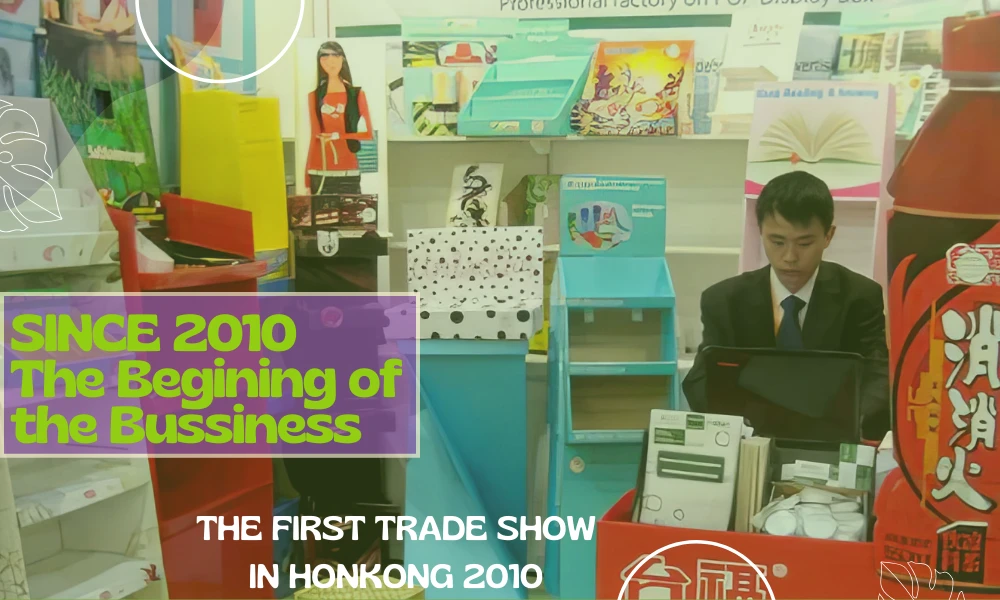
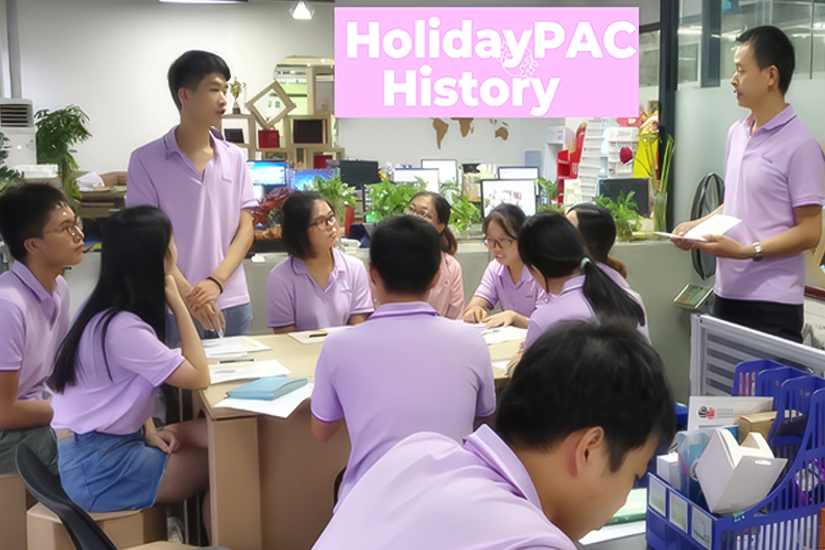
HolidayPac Soul Why HolidayPac Sees Paper Takeaway Packaging DifferentlyCassie Lam, Founder of HolidayPac, brings a rare cultural perspective to foodservice paper packaging. With about 20 years in foreign trade and 16 years in packaging, she understands global buyer pressure, factory production and export communication. She also understands Chinese traditional culture, Western culture, Zhuangzi’s wisdom, the I Ching, Buddhist thinking and the broader Chinese five arts. For Cassie, paper is not only a low-cost material. It is one of the simplest, oldest and most natural carriers of human exchange. It can hold food, carry a message, protect the hand and return closer to nature than many complex packaging structures. That is why HolidayPac’s value Born from nature and return to nature fits paper takeaway packaging so directly. A delivery meal is ordinary, but ordinary objects shape daily feeling. When the package arrives clean, warm, stable and visually thoughtful, the customer feels that the brand cared. That emotional value is part of packaging. Holidaypacfactory helps buyers build that value with practical paper structures, not empty slogans. This is why Holidaypacfactory is different from an ordinary packaging factory. It connects packaging function, food behavior, export control, brand emotion and cultural depth. The result should be useful to the buyer, comfortable to the customer and more respectful toward the material cycle. |
FAQ: Paper-Based Takeaway Packaging for Food Delivery Brands
What is custom paper takeaway packaging for food delivery brands?
It is a paper-based packaging system for delivery and takeaway food, including paper food boxes, kraft bags, liners, sleeves, bakery cartons and printed labels selected around menu behavior and brand needs.
Why is paper takeaway packaging important in 2026?
Food delivery growth, plastic reduction pressure and stronger brand competition make packaging more important for food quality, customer trust, sustainability communication and repeat orders.
Which paper packaging format should a restaurant choose?
Start with the food. Hot meals, fried foods, bakery products, sushi, snacks and meal kits need different box, bag, liner and closure choices.
How should buyers test takeaway packaging samples?
Use real food, real packing steps and realistic delivery time. Check leakage, grease marks, steam, stacking, hand feel, opening experience and food appearance after travel.
Can paper takeaway packaging still feel premium?
Yes. Paper can use texture, structure, clean printing, sleeves, labels and cultural storytelling to create a warm and premium customer experience.
Why choose Holidaypacfactory for paper takeaway packaging?
Holidaypacfactory combines paper packaging design, sampling, printing, export packing and Cassie Lam’s culture-led view of paper as practical, emotional and close to nature.
/* Holidaypac single product 1750px width – added by Codex 2026-06-30 */
@media (min-width: 1025px) {
body.single-product {
–wd-container-w: 1750px !important;
}
body.single-product .main-page-wrapper > .container,
body.single-product .site-content > .container,
body.single-product .container {
width: min(1750px, calc(100vw – 64px)) !important;
max-width: 1750px !important;
}
body.single-product .content-layout-wrapper,
body.single-product .single-product-page,
body.single-product .product-tabs-wrapper,
body.single-product .woocommerce-Tabs-panel,
body.single-product .entry-content,
body.single-product .woocommerce-product-details__short-description {
max-width: 100% !important;
}
}
@media (max-width: 1024px) {
body.single-product .main-page-wrapper > .container,
body.single-product .site-content > .container,
body.single-product .container {
width: 100% !important;
max-width: 100% !important;
padding-left: 14px !important;
padding-right: 14px !important;
}
}
/* End Holidaypac single product 1750px width */