Door to Door service
Welcome to Holidaypac Packaging Solutions Factory!

tiger@holidaypac.com

+86 136 5233 6188
Welcome to Holidaypac Packaging Solutions Factory!
1-2 Days Free Customization
7-12 Days Production Time
12000m2+ Factory Since 2008
Door to Door service
Custom Kraft Paper Tube Packaging
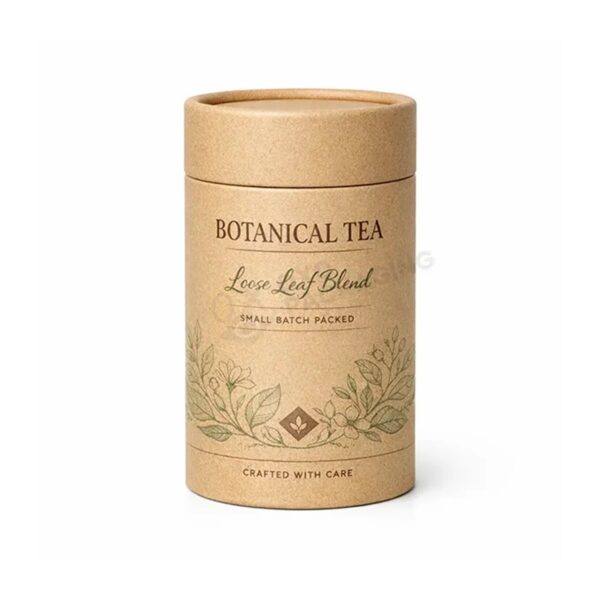
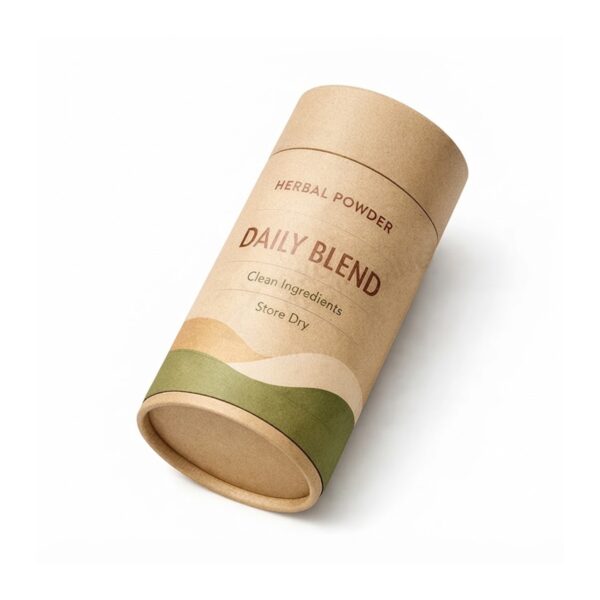
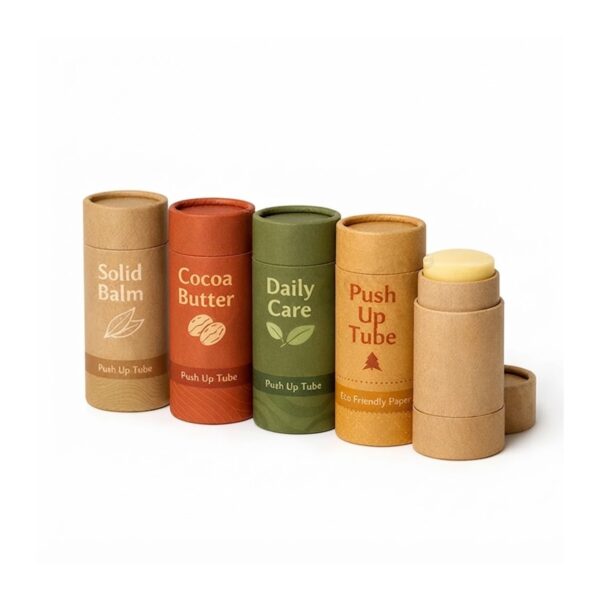
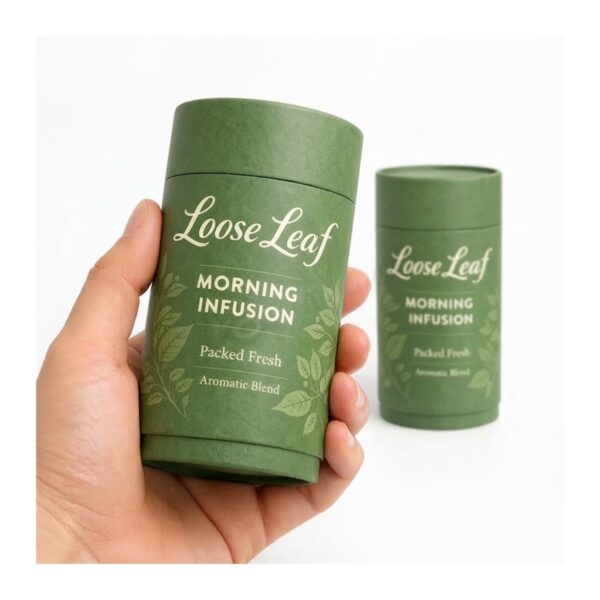
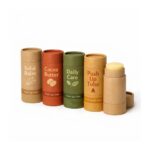
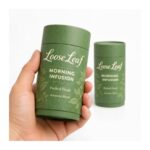
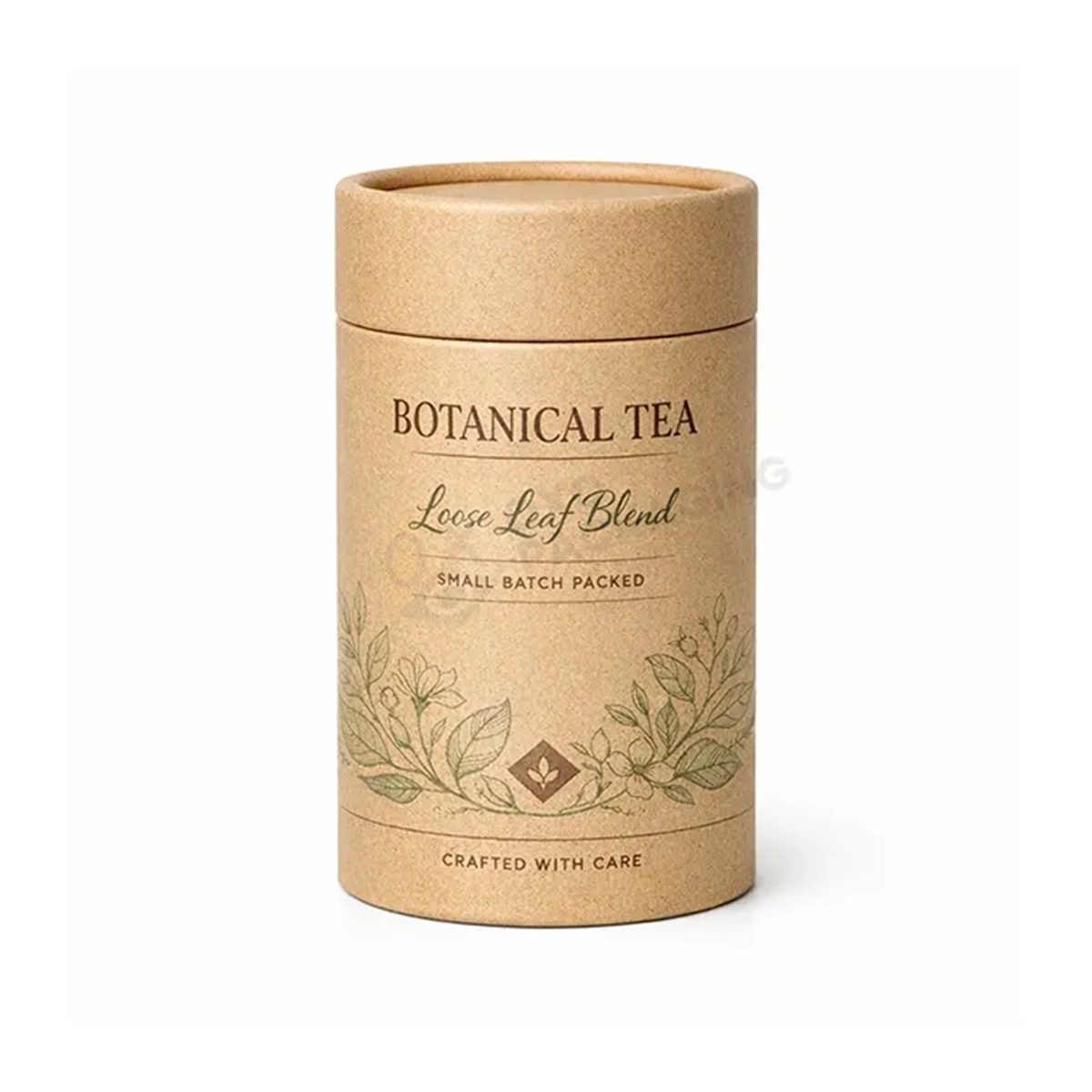
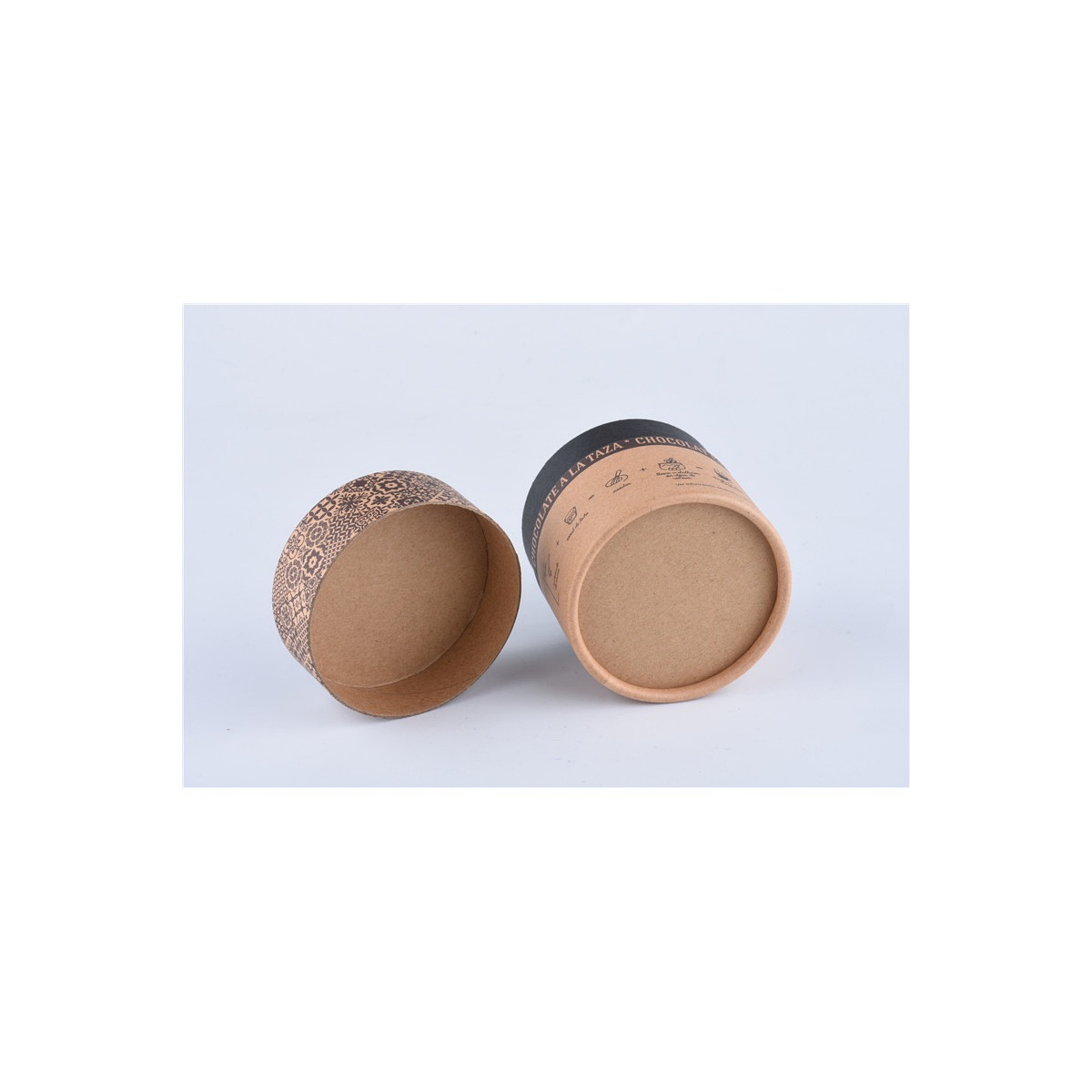
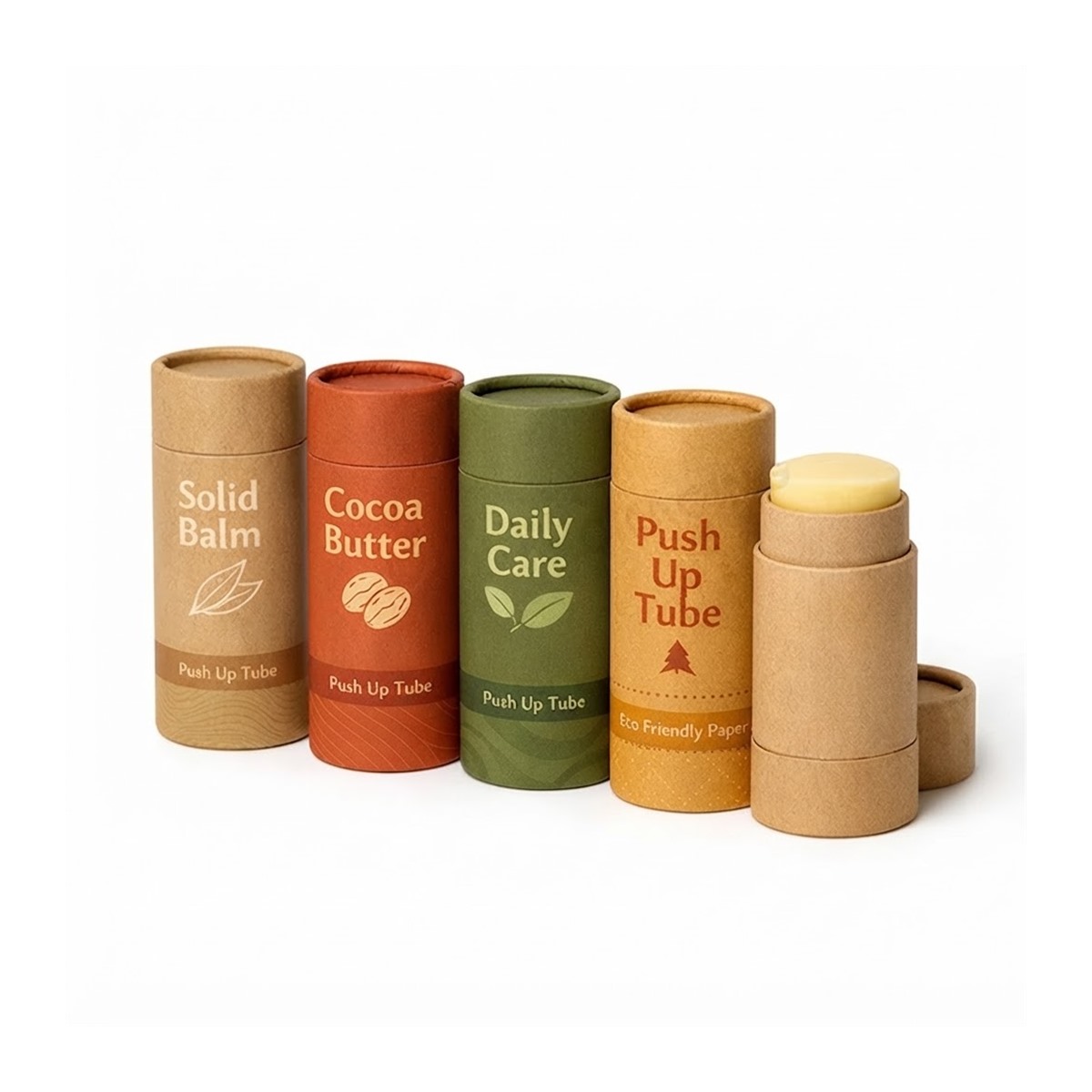
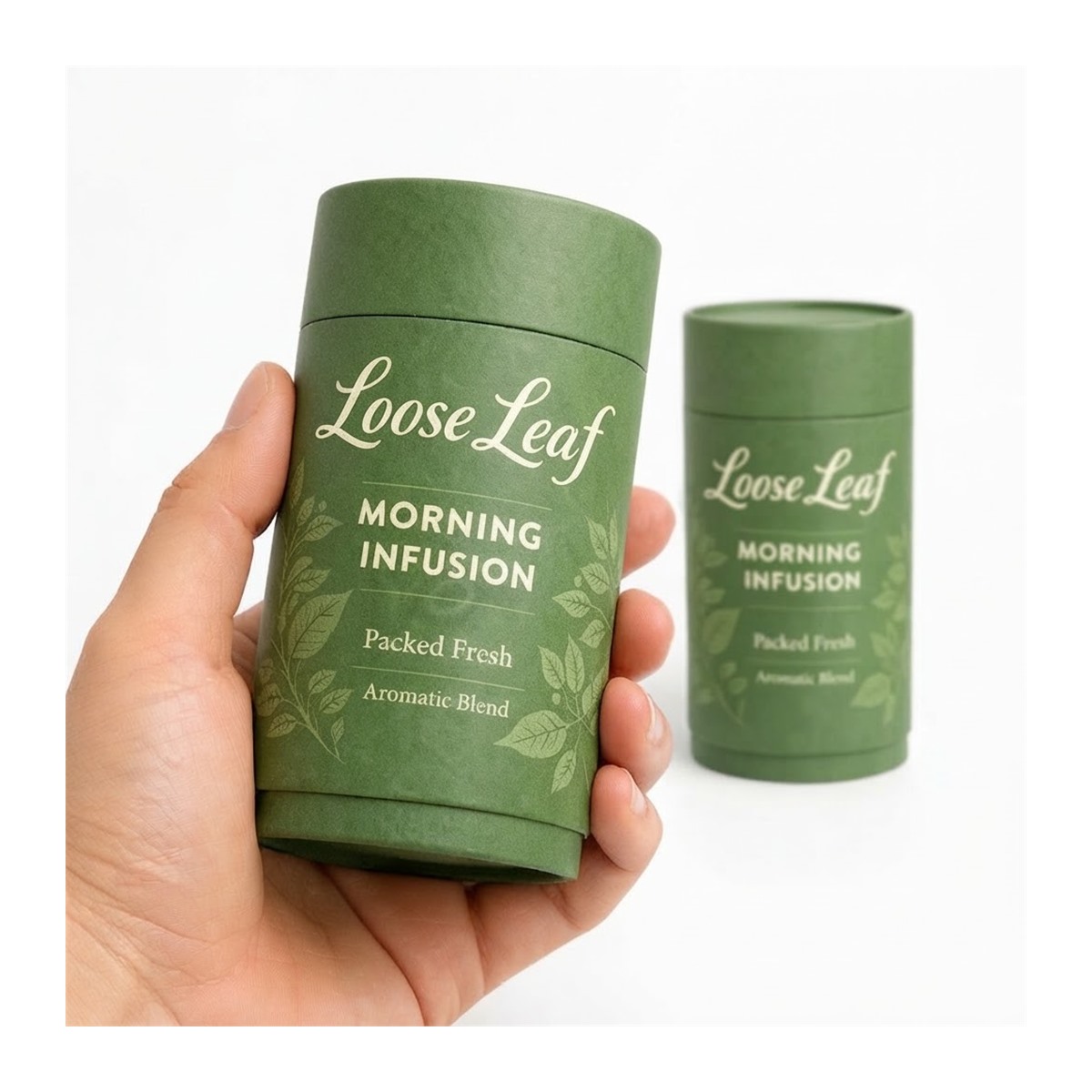
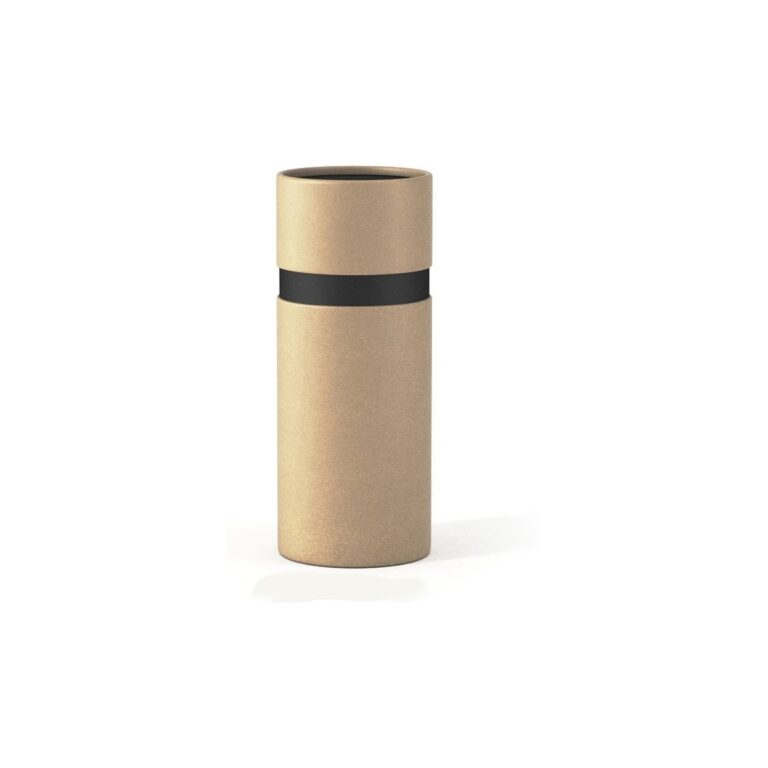
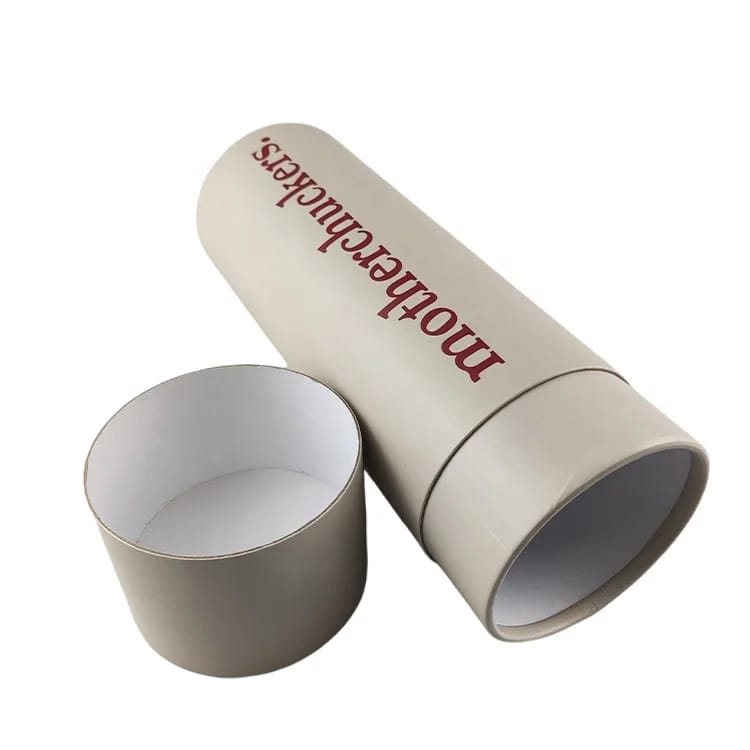
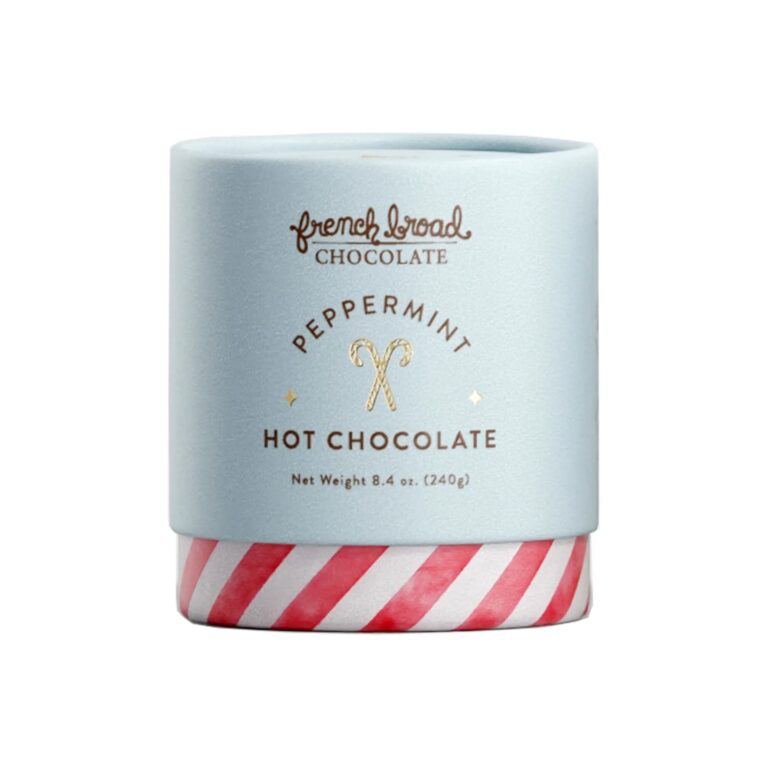
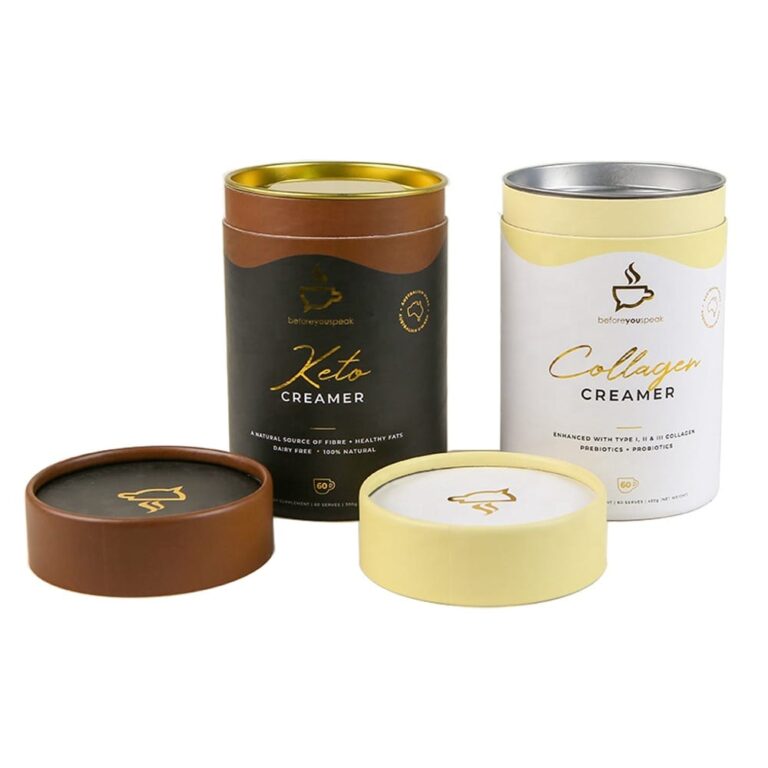
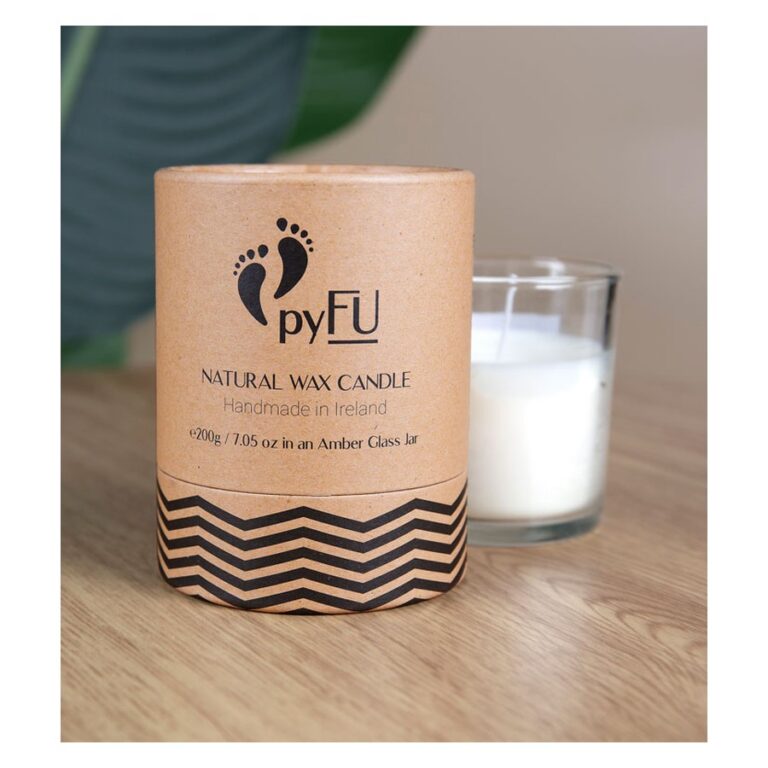
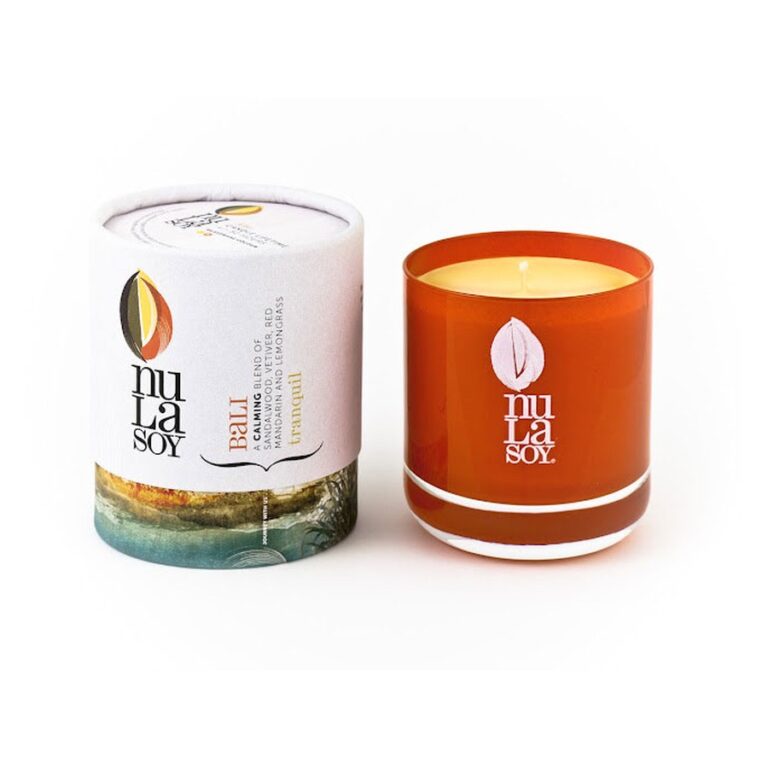
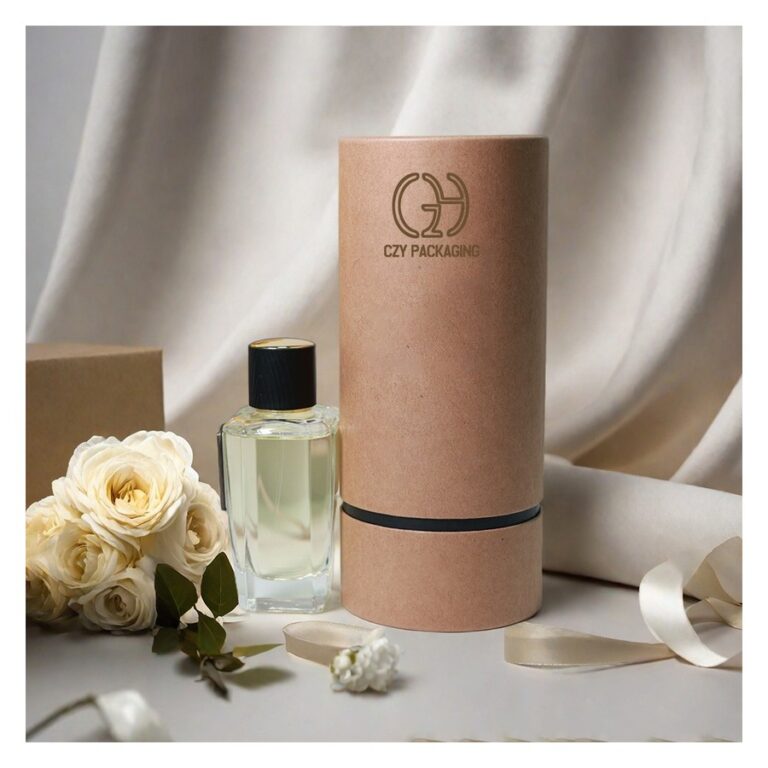
This custom kraft paper tube packaging is designed for tea, herbal powders, wellness products, solid care items, gift sets and other compact products that benefit from a warm cylindrical presentation. The supplied examples show a removable round lid, printed kraft-style wraps, multiple color directions and a compact format that can be developed around the real product.
The structure belongs to our Paper Tube category and can be adapted for loose leaf tea, spice blends, coffee, powdered supplements, bath products, balm formats and small retail gifts. Holidaypacfactory can coordinate the tube diameter, height, wall construction, lid fit, inner liner, insert, artwork and finishing so the package feels considered from the first shelf view to the final opening moment.
Related Paper Tube Packaging
 Tea Paper Tube Packaging for Loose Leaf Tea and Premium Tea Gifts
 Gourmet Spice Paper Tube Packaging for Premium Seasoning Collections
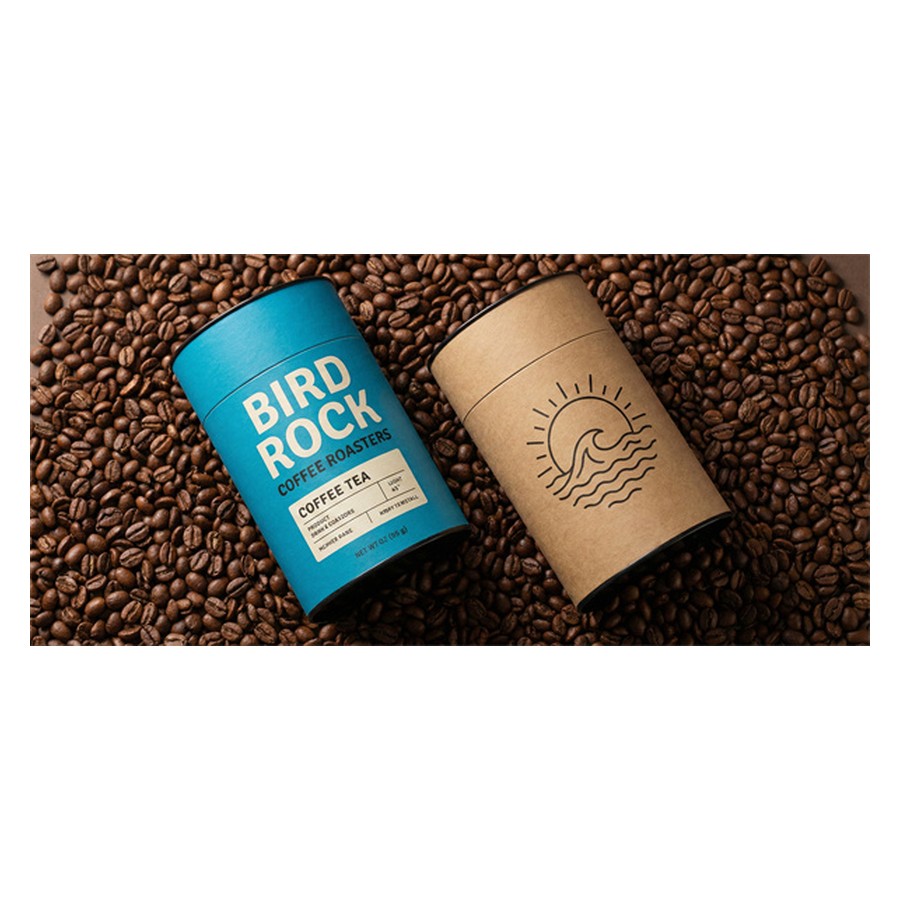
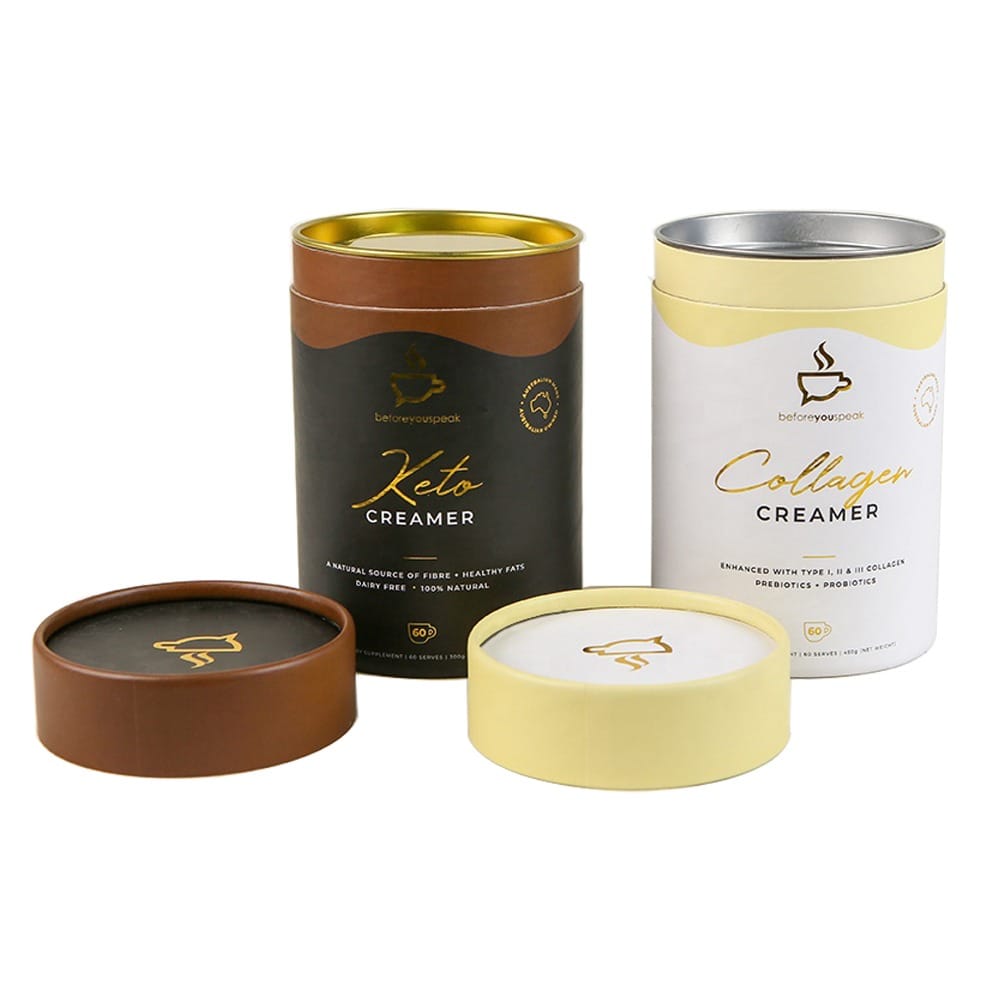 Coffee Paper Tube Packaging for Specialty Beans and Gift Samplers
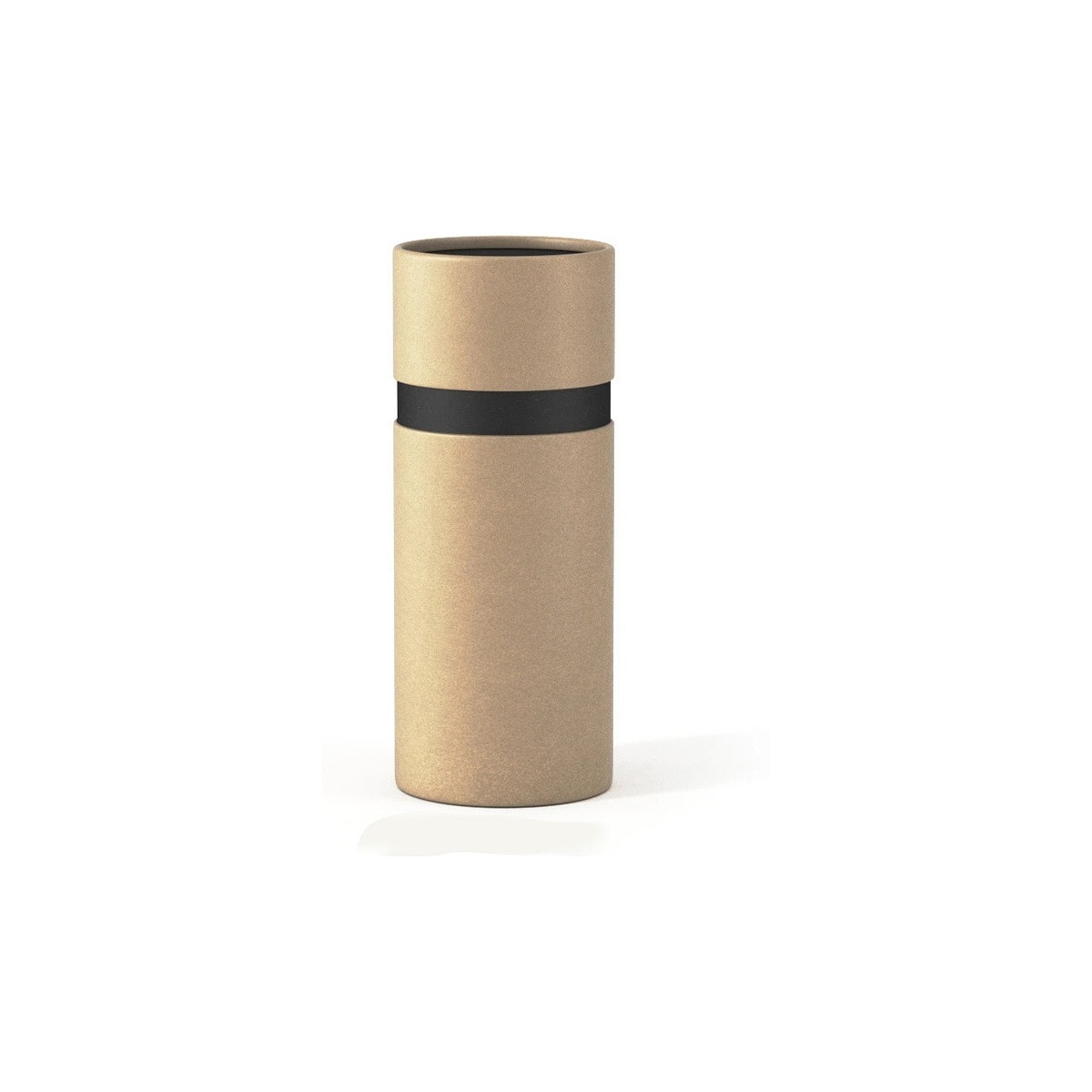 Supplement Paper Tube Packaging for Wellness Powders and Capsule Sets
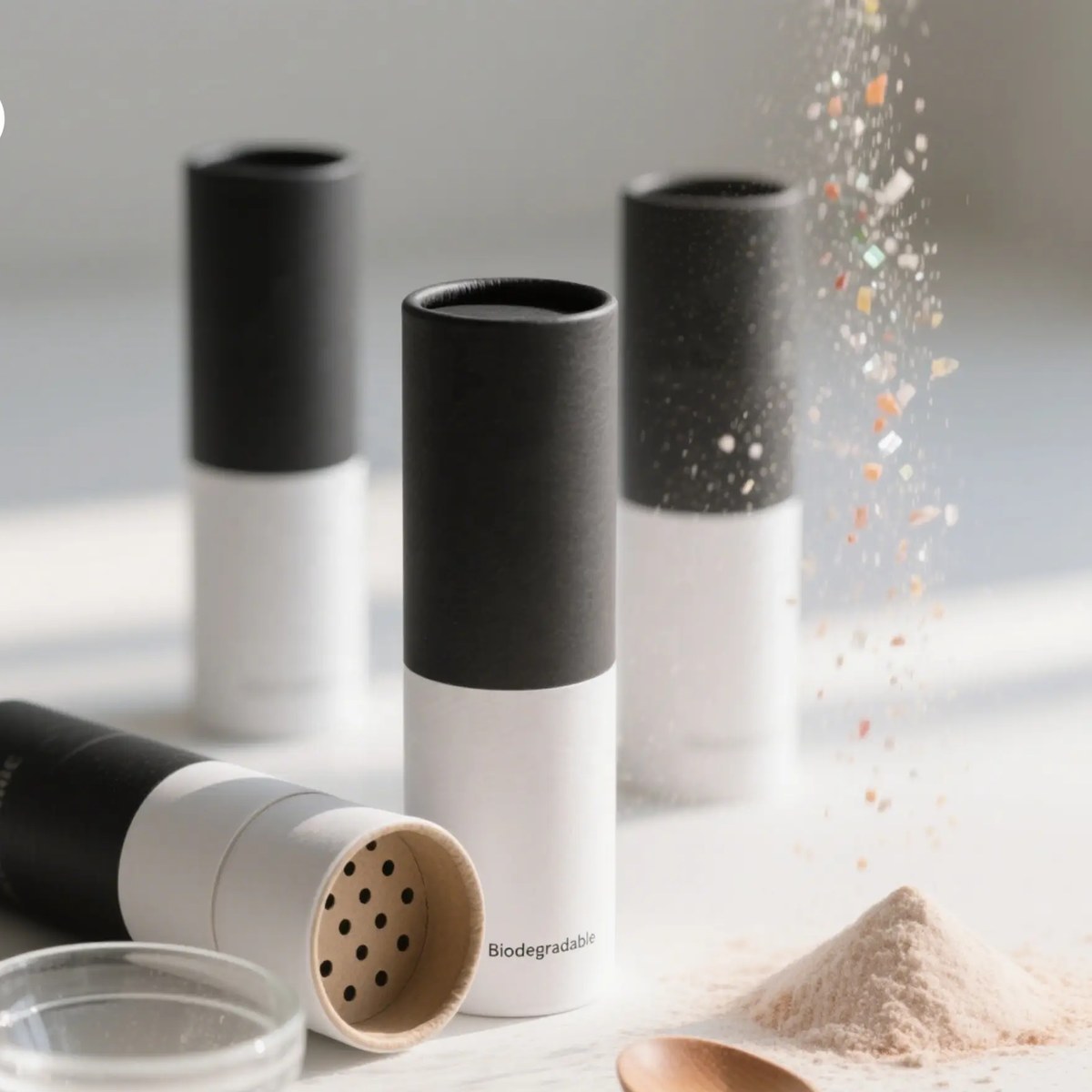 Custom Shaker Tubes Paper Tube Packaging for Powder and Personal Care Brands
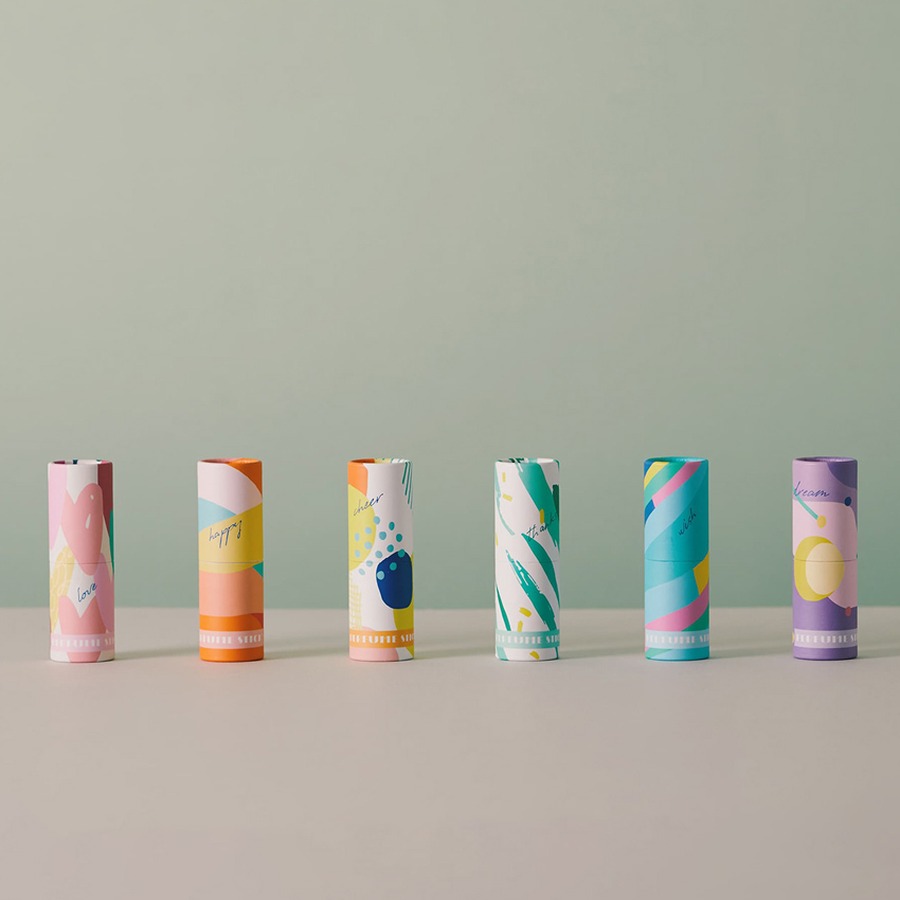 Lip Balm Paper Tube Packaging for Pocket-Size Beauty Collections
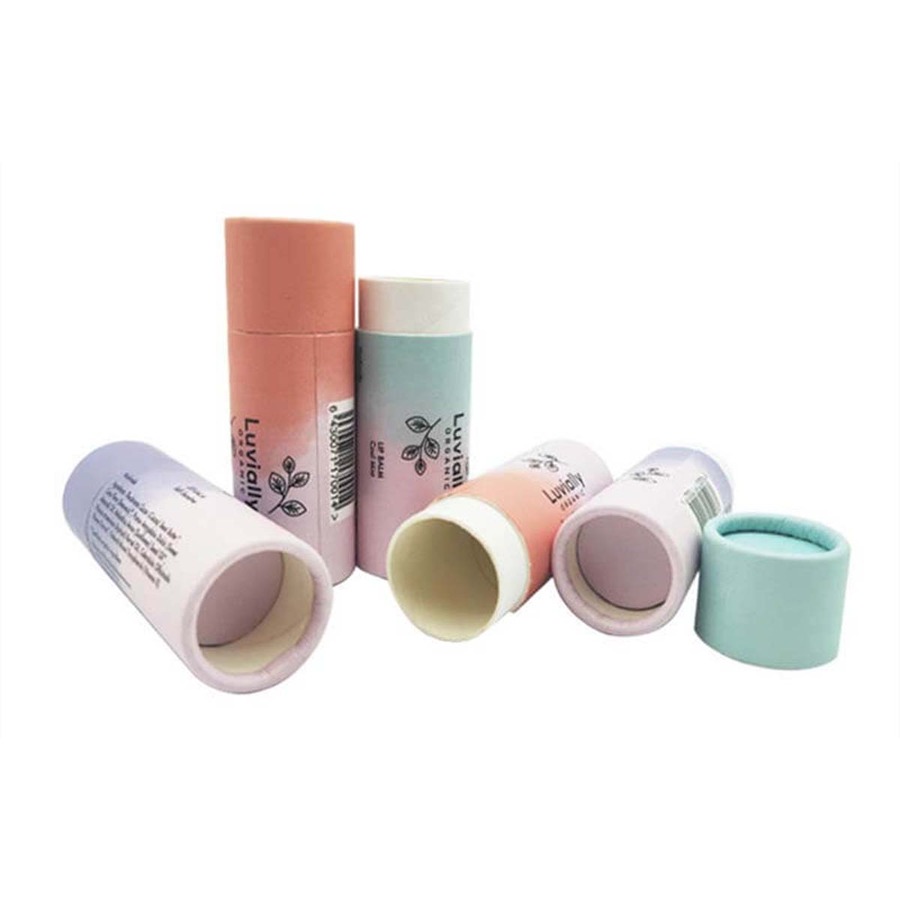 Deodorant Paper Tube Packaging for Natural Personal Care Lines
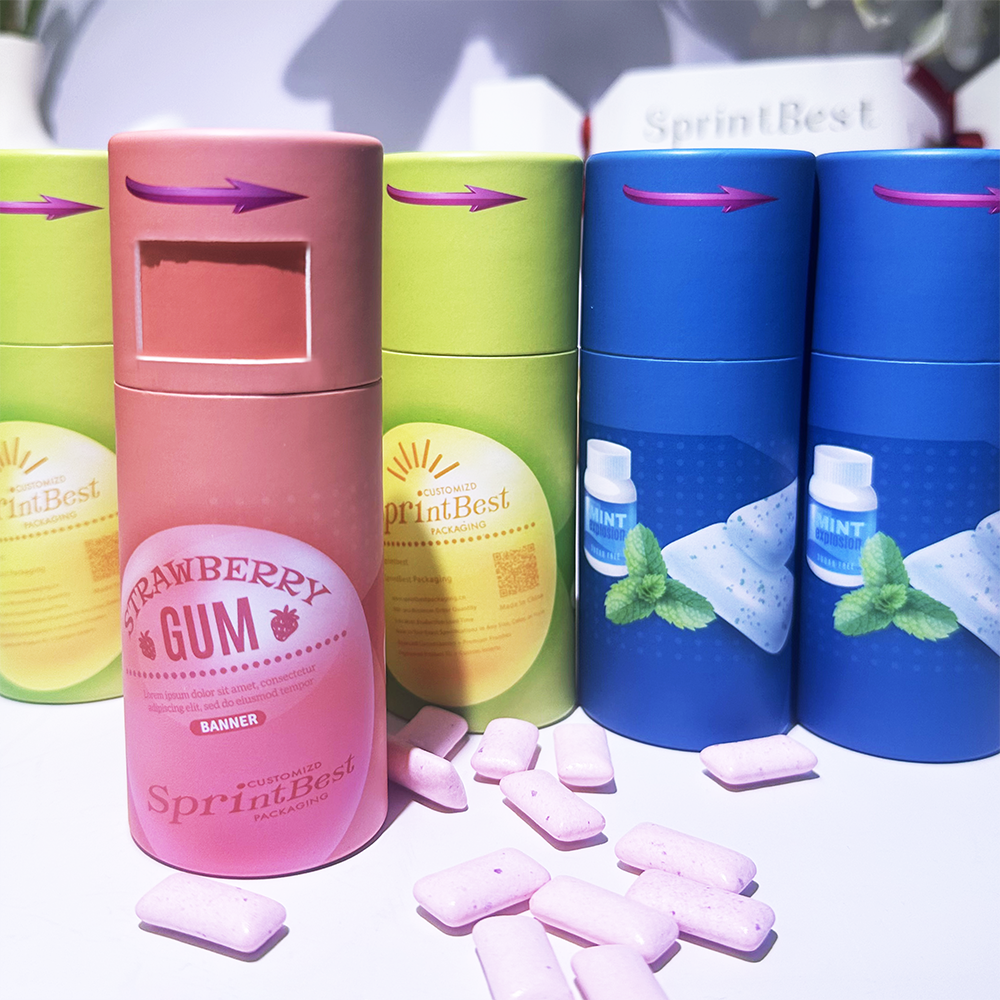 Custom Biodegradable Cylinder Paper Tube Packaging for Candy Chocolate and Gum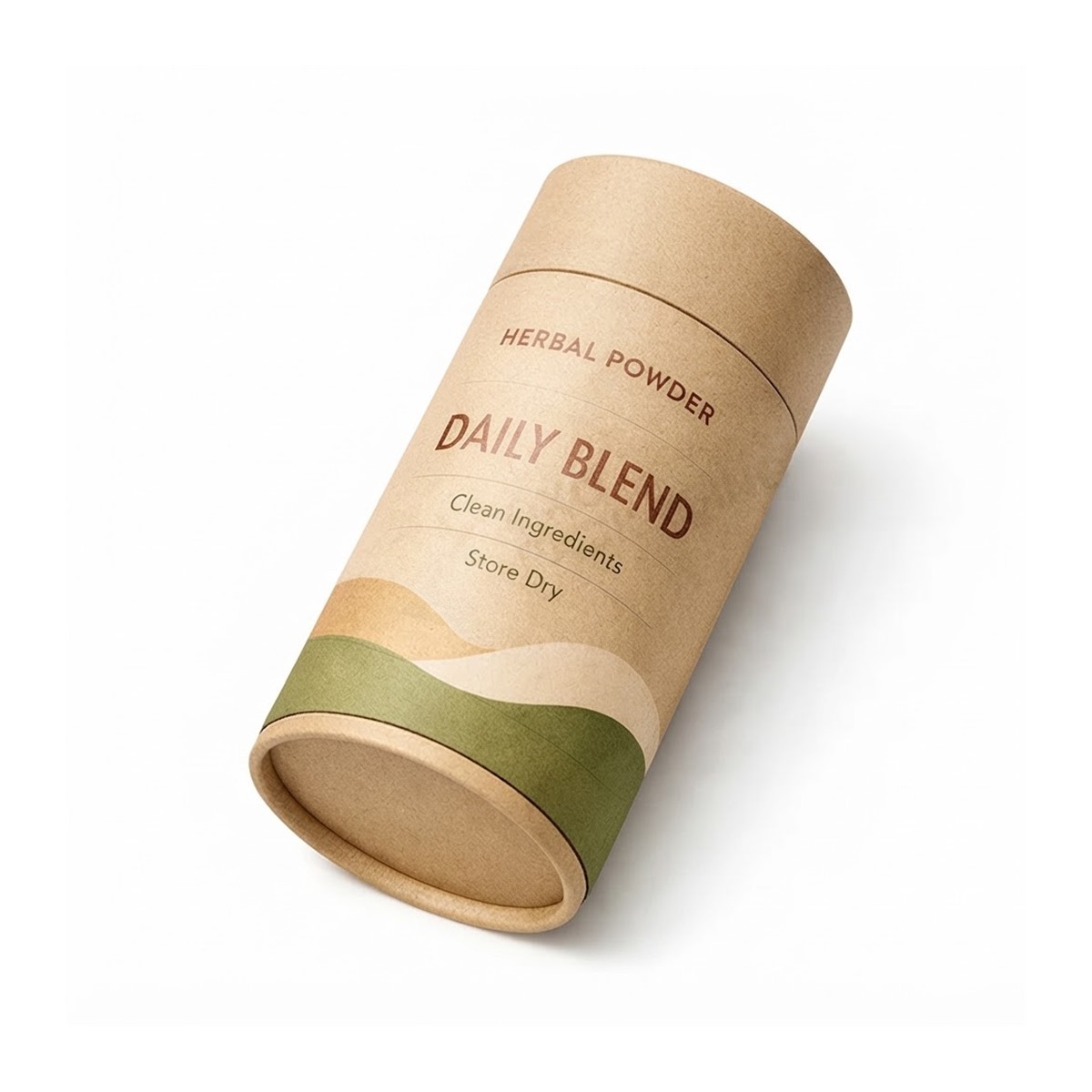
Product Overview
A cylindrical package changes the way a small product is seen. Instead of presenting only one flat front panel, the package creates a continuous surface that can carry a name, a pattern, a flavor cue and a quiet brand story around the full body. That makes the tube useful for products that need a little more presence without becoming a large rigid gift box.
The supplied images show a natural kraft direction with warm brown, terracotta, olive and green artwork. Those colors are especially comfortable for tea, herbal blends, spices, wellness powders and botanical collections, but the same structure can also be wrapped in white, black, navy, cream, soft pink or custom printed paper. The paper tube is a shape system, not a fixed color product.
For a tea brand, the cylinder can create a calm vertical label for blend name, tasting notes and brewing guidance. A buyer planning a Tea Paper Tube Packaging for Loose Leaf Tea and Premium Tea Gifts collection may keep one diameter across several flavors and use color bands or small botanical illustrations to separate each SKU. The consistent silhouette helps the family feel recognizable while the artwork changes.
For a wellness or personal-care line, the package can feel more like a small premium object. A clean label, a controlled color palette and a fitted lid can make powders, balms or solid bars look organized on a counter. The result is a package that supports both daily use and gift presentation.
Tea And Botanical Collections
Tea packaging has to balance calm visual language with practical product information. The outside needs room for a blend name, origin or flavor cue, while the inside must protect the product from avoidable movement and handling. A round paper tube offers a simple way to create a dedicated vertical label area without making the package feel crowded.
A loose leaf tea collection can use the same base tube with different printed wraps. One blend may use sage green, another warm terracotta and another deep forest green. The lid can match the body for a quiet look or use a contrasting rim to help customers compare the range quickly. This is useful for specialty tea stores, gift programs, hotel amenities and seasonal tasting sets.
Herbal powders and dry wellness blends often need a package that feels natural but still controlled. A kraft surface can support botanical linework, restrained typography and ingredient-led color coding. The tube can be developed with a paper liner, barrier layer, inner pouch or other suitable internal system after the intended product and destination requirements are confirmed.
Brands building a broader pantry line can also connect tea with Gourmet Spice Paper Tube Packaging for Premium Seasoning Collections and coffee packaging. Keeping the tube family consistent across tea, spice and coffee makes a small collection easier to photograph, display and expand. The key is to keep the structural rules stable while giving each product group its own artwork, label hierarchy and color rhythm.
Wellness And Personal Care
The images also show a format that can be adapted beyond tea. A short or medium-height tube may hold a solid balm, a small personal-care item, a powder blend or a travel-size wellness product. The removable lid keeps the opening simple, while the cylindrical wall gives the brand enough space for a product name, usage note and visual identity.
For powdered products, the structure should be planned around the actual fill method, inner bag, shaker feature or scoop. A buyer comparing this package with Supplement Paper Tube Packaging for Wellness Powders and Capsule Sets may decide to use a taller tube for a daily powder or a shorter tube for a compact sample. The outer size should follow the product and the packing process, rather than a generic visual reference.
For solid balms and small care formats, the package may use a push-up base, a fitted collar or an internal cup. A related Lip Balm Paper Tube Packaging for Pocket-Size Beauty Collections direction can help a brand think through height, diameter, product removal and repeat use. The final closure and inner surfaces should be reviewed for the real formula, fill weight and handling conditions.
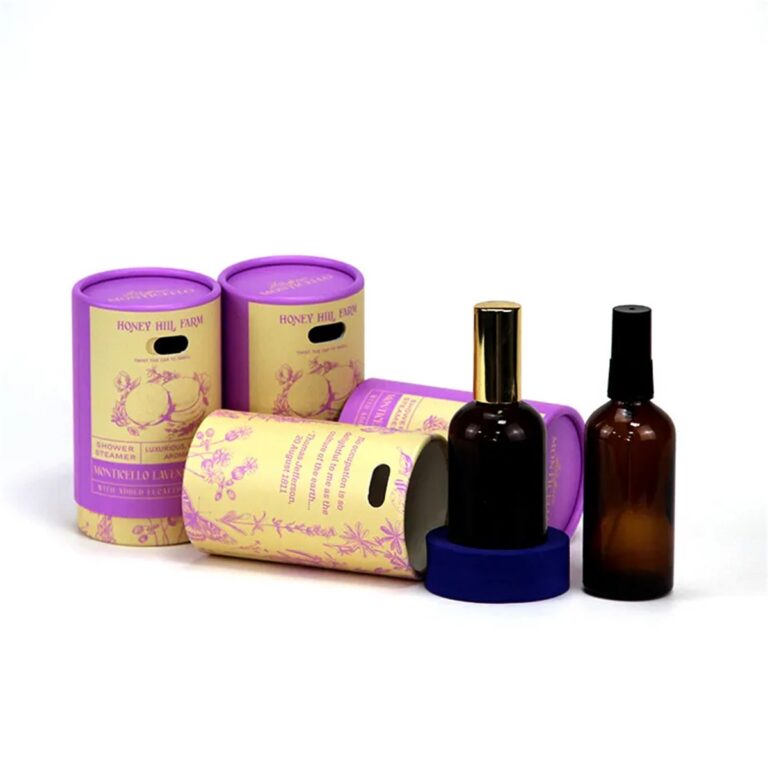
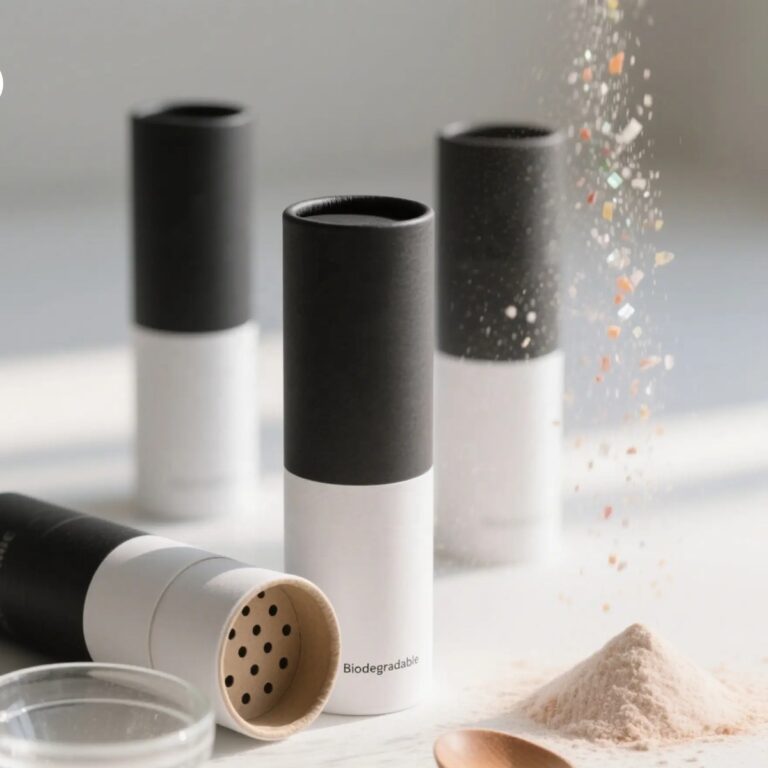
For powder and personal-care collections, the same package language can sit beside a Custom Shaker Tubes Paper Tube Packaging for Powder and Personal Care Brands program. The brand may use a consistent rim, a shared type system and different body colors for product families. Holidaypacfactory can help review the structure, artwork placement and finish choices before the specification is finalized.
Lid, Body And Inner Support
A paper tube may look simple from the outside, but its quality is felt in the relationship between the body, lid, base and inner support. The cap should slide or fit into place smoothly, the top edge should remain clean and the base should keep the tube standing without rocking. These details are especially important when the package is used for gifting or repeated opening.
The lid can be the same color as the body, wrapped with a separate printed panel or finished with a contrasting rim. A matching lid gives the collection a calm and unified appearance. A contrast lid can make a seasonal product easier to identify. The correct choice depends on whether the brand wants the package to feel natural, premium, playful or highly color coded.
An inner collar or paperboard insert can keep a product centered and improve the first opening moment. For tea or herbs, the inner system may be combined with a pouch, liner or sealed pack. For a solid product, the inner cavity may need a more precise fit so the item does not move during transport. The outside and inside should be developed as one system.
Sampling should be carried out with the real product or a close weight and shape equivalent. A lid that feels correct on an empty sample may become too tight when the inner pouch or insert is added. A package that looks balanced in a photograph may also feel unstable if the product is heavy at one end. Practical testing turns a good-looking concept into a dependable order.
Brand Artwork
Kraft-style paper is popular because it already communicates texture and material character. It can be left relatively quiet with a one-color mark, or it can carry botanical drawings, color panels, stripes, bands, icons and full-surface artwork. The round body gives the artwork a continuous path around the package, so the design can feel more like a label system than a single front sticker.
Artwork should be mapped around the seam and the lid line before production. The brand name needs a stable area that remains easy to read when the tube is standing or slightly turned. Small information panels can move to the back or side, leaving the main view clear. A simple hierarchy is usually more effective than filling every part of the cylinder.
The same design can be adapted to several finishes. Matte lamination can keep the package soft and natural. Gloss can make color blocks more vivid. Spot gloss, foil, embossing or debossing can highlight a logo or a small botanical mark. Specialty paper can add texture, but the chosen surface should still support clean printing and practical packing.
A wellness brand may prefer a calm green wrap, while a tea gift collection may use warm brown and cream. A skincare line connected to Skincare Paper Tube Packaging for Cream Serum and Beauty Sets may need a cleaner white or pastel palette. Holidaypacfactory can help compare board, wrap paper, print coverage and finish combinations so the final tube feels aligned with the product price and retail environment.
Order Planning Guide
Start with the real product and write down its height, diameter, weight, shape and removal direction. These measurements determine the useful inner space and help prevent a tube from feeling either too tight or unnecessarily large. If the product uses a pouch, liner, scoop, cap or secondary container, include that part in the measurement before the outer structure is planned.
Choose the tube diameter with both appearance and packing speed in mind. A narrow tube can look refined but may slow filling if the product is difficult to insert. A wide tube may be easy to pack but can make a small item look lost. The best result gives the item enough room for safe packing while keeping the outside proportionate to the product.
Confirm the intended product condition before selecting the inner construction. Loose leaf tea, dry herbs, powders, balms and solid care products do not all need the same internal treatment. Some may require a separate sealed pouch, a paper liner, a barrier layer, a collar or a fitted insert. The outer tube should be developed after the product path is understood.
Decide whether the lid is mainly protective, decorative or part of the gift experience. A simple over-cap can be efficient for everyday retail. A deeper cap or wrapped lid can make the package feel more premium. A contrasting lid can help customers distinguish flavors, scents or wellness formulas without changing the main tube shape.
Plan the front label area before adding decorative art. The logo, product name and key variant should be readable in the first few seconds. Botanical illustrations, color fields and pattern details can support that hierarchy, but they should not hide the information a buyer needs when comparing several tubes on a shelf.
Keep the seam in mind when designing the wrap. The seam can be hidden in a quiet color area, aligned with a side panel or used as a natural boundary between front and back information. When the seam is ignored, the artwork may look interrupted. When it is planned early, the curved surface feels much more deliberate.
Use the lid line as part of the visual system. A clean gap between cap and body can become a subtle horizontal accent. The line can also help customers understand where to open the package. If the cap and body use the same artwork, the transition should be checked carefully so the pattern does not appear broken or misaligned.
For tea and herbal products, decide how much information belongs on the tube and how much belongs on a card or secondary label. The outside can carry blend name, brand, short description and a visual cue. Brewing notes, storage information or detailed ingredients may need a more suitable information panel depending on the destination market.
For wellness powders, clarify whether the tube holds a pouch, a direct fill, a shaker insert or a separate inner container. The final packaging plan should reflect how the product is packed, sealed, opened and used. The outside appearance is important, but the internal workflow is what determines whether the package remains practical at scale.
For balms and solid care formats, review the base, collar and product removal method together. A push-up mechanism can be useful for daily use, while a simple inner cup may be better for a gift set. The correct structure depends on the formula, the size, the handling frequency and the level of protection the product needs.
Select the paper and board based on the required stiffness, surface, finish and order volume. Kraft-style wraps can create a natural look, while coated papers can support sharper color and smoother graphics. A thicker board may improve rigidity, but the best specification still needs to balance feel, production efficiency and shipping weight.
Treat sustainability language carefully and match it to the confirmed material specification. Paper-forward construction can support a more natural brand direction, but claims about recyclability, compostability or food contact should be reviewed against the actual material system and destination requirements before printing.
Test the package with the actual product weight. A light empty tube can feel different when it contains a full tea pouch, powder container or solid care item. The sample should be lifted, rotated, opened, closed and placed on a shelf. These simple checks reveal balance and fit issues early.
Review the base edge and standing stability. A round package should sit cleanly on a counter, shelf, tray or gift table. If the product is tall, the base and internal weight distribution become more important. A slightly heavier or better-supported base can improve the handling impression without changing the visible design.
Consider how the tube will be displayed with neighboring products. The cylindrical format creates a useful break from rectangular cartons, but it still needs enough side clearance to be picked up. If multiple tubes are displayed together, the color system should make the collection easy to scan rather than turning the shelf into a wall of similar labels.
Use color coding only when it has a clear job. Different lid colors, lower bands or small side marks can separate tea blends, powder formulas or scent variants. The core brand elements should remain stable so that a new variant still feels connected to the main collection.
Plan the cap, body and inner support as a repeatable system if the product range may grow. A reusable base structure can reduce future development work. New variants can then change the printed wrap, lid color, label panel or insert while keeping the overall packaging family recognizable.
Review artwork at the size it will actually be printed. A design that looks clear on a large screen may lose small type or thin botanical lines on a curved surface. The sample should show the real print scale, seam position, lid transition and the amount of quiet space around the logo.
Choose finishes with a purpose. A small foil mark can make a gift tea feel special. A soft-touch surface can make a wellness line feel calm. A matte coating can support a natural kraft direction. Too many finishes can compete with the paper texture, so the strongest result usually gives one or two details enough room to work.
Think about photography when the structure is being designed. A good product page needs a clear closed view, an opening view, a side or angled view and a hand-scale reference when helpful. The lid, body, base and any inner feature should be understandable from the selected angles.
For tea gift sets, consider whether the tube is the full package or one part of a larger presentation. A card, sleeve, paper bag, seal or outer carton may complete the customer experience. The tube should coordinate with those parts in color and tone, even when another supplier or packaging format is used for the remaining pieces.
For retail wellness products, plan the label area around barcode, batch, usage and compliance needs. The exact information depends on the market and product, but the package should reserve a practical panel rather than leaving every surface to decorative art. This also helps the brand keep several variants organized.
For export orders, decide how the tubes will be nested, separated and packed in the shipping carton. Round packages can move differently from flat boxes. Handles, lids and printed surfaces need enough protection so the finished pieces arrive clean and ready for packing or display.
Ask for a sample before approving a large run. The sample should confirm the paper color, print balance, cap fit, base stability, inner space and overall proportion. A small change in height or lid depth can make the package easier to use, so it is worth reviewing the physical piece rather than relying only on artwork.
Record the approved dimensions and material specification for repeat orders. Diameter, height, board or wrap paper, lid depth, insert style, print colors and finishing method should be kept together. Clear records reduce variation when a successful packaging family is reordered or expanded into new flavors and formulas.
For tea, compare the package with the actual pouch or inner bag. The tube should be large enough to insert the packed product without crushing it, but not so loose that the pouch shifts. If the tea is sold in a gift format, the inner presentation may also need a collar, card or small divider.
For dry herbs and powders, review the product flow from filling to final opening. If the tube is an outer package, the inner seal may do most of the protection work. If the tube is expected to carry more of the functional load, the material, liner and closure should be discussed in more detail before production.
For solid balm or care products, test repeated opening and closing. A daily-use package may be handled many more times than a one-time gift box. The lid should keep its fit, the body should resist softening or deformation under normal use and the product should remain easy to access without damaging the printed wrap.
For private label programs, create a design rulebook for the package family. Decide which details stay fixed, such as logo position, rim treatment or typography, and which details change, such as flavor color, botanical illustration or product name. This makes future variants easier to approve and keeps the shelf presentation coherent.
Keep the package quiet where it needs to be quiet. A strong material texture, a clear name and one good illustration may create a more premium result than a fully covered surface. Empty space gives the product room to breathe and helps the customer understand the main message quickly.
Confirm the finish under realistic lighting. Kraft paper, dark green, terracotta, cream and metallic accents can look different under daylight, warm retail lighting and studio lighting. A physical sample viewed in more than one setting gives a better sense of how the package will perform in actual photography and stores.
Review the opening moment with someone who did not design the package. Ask them how they expect the tube to open, where they would hold it and how they would remove the product. A good package often feels obvious in use because the lid, body and inner support communicate their purpose without extra explanation.
If the package will be used as a gift, coordinate the lid and any outer carry element with the rest of the set. A paper tube can feel gift-ready without becoming elaborate, especially when the cap, wrap and insert use one clear visual language. The goal is a complete moment, not decoration for its own sake.
If the package will be sold online, write the product name and front label so they remain legible in a small thumbnail. The cylindrical shape should still be recognizable when the image is reduced. A clear hero view, a lid-open view and a close angle can answer most buyer questions before they contact the sales team.
For a line that combines tea and wellness products, use one structural family but separate the product stories. Tea may emphasize origin, blend and ritual. A powder may emphasize daily use and format. A balm may emphasize portability and care. The tube can unify the collection while the copy and artwork stay specific to each use case.
Before production, confirm the final proof, the print colors, the position of the seam, the lid artwork, the inner support and the required quantity. This checklist is simple, but it prevents the most common mismatch between a design concept and the finished package.
Share the product dimensions, artwork direction, target quantity, destination market, preferred material and desired finish when requesting a quotation. Holidaypacfactory can then recommend a suitable tube construction and sampling path instead of estimating from an incomplete brief.
Product Specifications
| Product type | Custom kraft paper tube packaging for tea, herbal powder, wellness and compact retail products |
|---|---|
| Structure | Round paper tube body, removable lid, printed outer wrap and optional liner, collar or insert |
| Suitable products | Loose leaf tea, herbs, spice blends, coffee, wellness powders, balms, solid care items and gift sets |
| Size | Custom diameter and height based on the actual product, pouch, inner container or insert |
| Material options | Kraft-style paper, coated paper, specialty paper, paperboard tube, liner paper and fitted paperboard support |
| Printing | CMYK artwork, spot color, botanical illustration, logo panels, variant color coding and private label graphics |
| Finishing | Matte, gloss, soft-touch, foil accents, embossing, debossing, spot gloss and textured paper options |
| Functional options | Removable lid, inner pouch support, paper liner, collar, divider, push-up base, shaker feature or custom insert |
| Order support | Structure review, sample development, artwork adjustment, material selection, finishing advice and export packing guidance |
Frequently Asked Questions
Yes. Diameter, height, lid depth, inner support and the overall proportion can be developed around the actual product, pouch, bottle, balm or gift set.
Yes. The tube can be planned as an outer package for a sealed tea pouch or another suitable inner system. The final material and product-contact arrangement should be confirmed for the product and destination market.
Yes. The structure can be adapted for powders and dry blends with an inner pouch, liner, shaker component or fitted container when needed. The filling and opening workflow should be reviewed before the sample is approved.
Yes. The outer wrap can carry logo artwork, botanical graphics, variant colors, information panels and selected finish effects. The artwork should be mapped around the curved surface and seam.
Yes. Lid depth, rim treatment, collar, liner, divider, insert and other internal details can be adjusted to suit the product and the intended opening experience.
Please send product dimensions, filled or packed weight, order quantity, artwork direction, material preference, inner support needs, finish choice and the intended retail or gift use case.
Start Your Custom Project
Share your product dimensions, packed weight, artwork direction, desired finish, inner support needs and order quantity. Holidaypacfactory can help develop a paper tube for tea, herbal blends, wellness powders, balms, gift sets and other compact product lines.
 Cassie LanFounder, HolidayPac · Leave a message
Food packaging, paper bags and food service paper for your next project.
Leave your request anytime. Our sales team will reply with pricing, samples and production details.
Leave your request anytime. Our sales team will reply with pricing, samples and production details.
Tell us what you're packaging and we'll ship a physical sample plus a free 3D mockup within 24 hours — no cost, no obligation.
We've received your inquiry and our team will get back to you within 24 hours.