Door to Door service
Welcome to Holidaypac Packaging Solutions Factory!

tiger@holidaypac.com

+86 136 5233 6188
Welcome to Holidaypac Packaging Solutions Factory!
tiger@holidaypac.com
+86 136 5233 6188


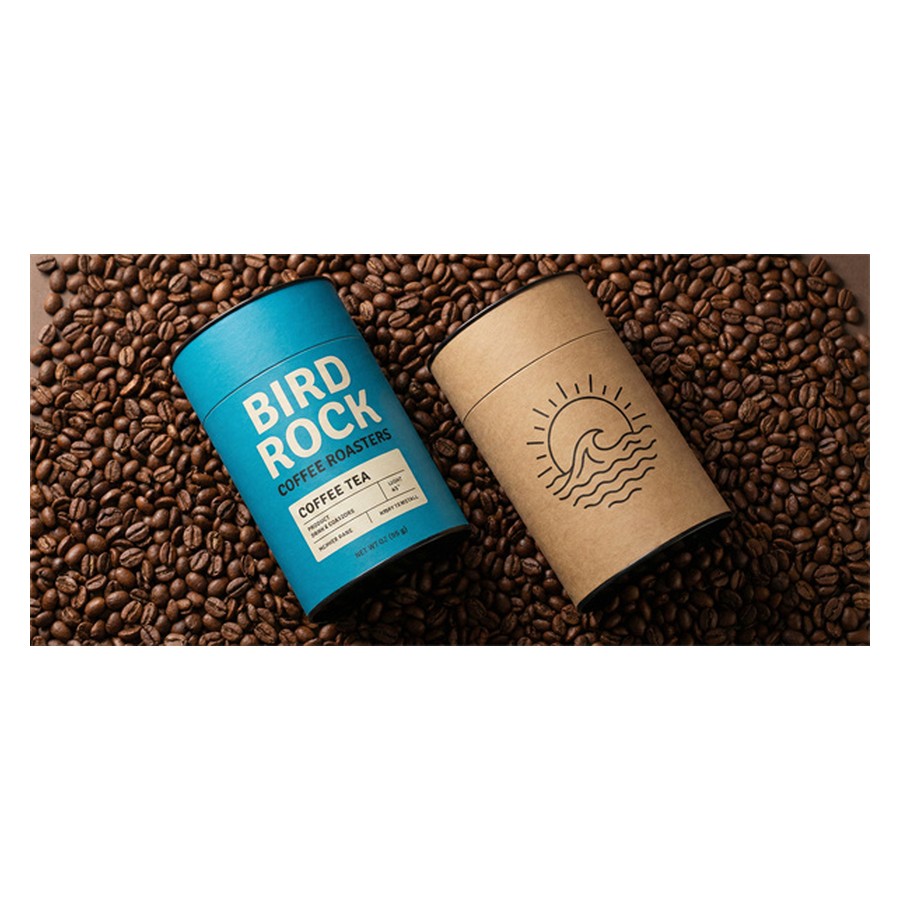
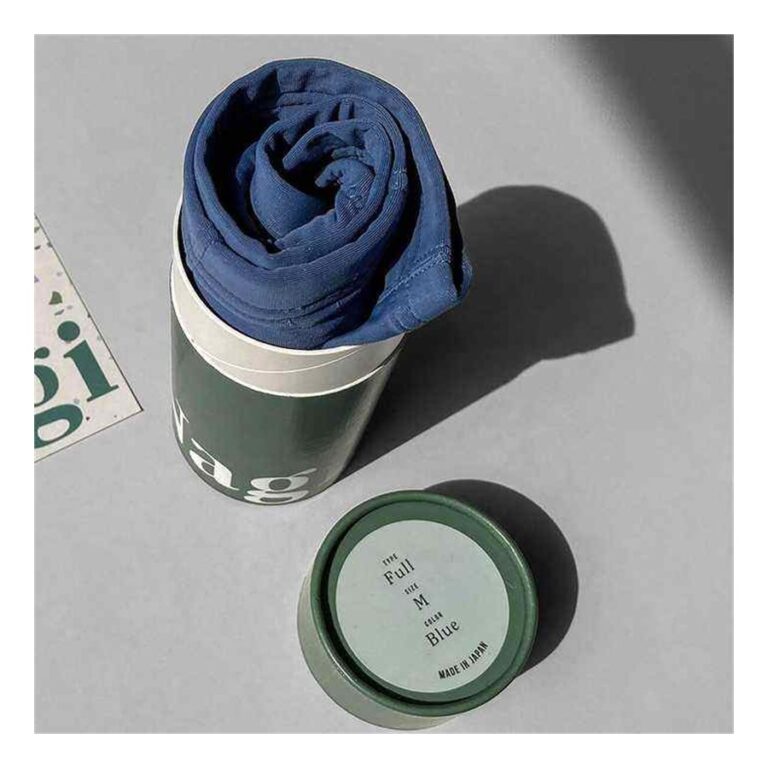
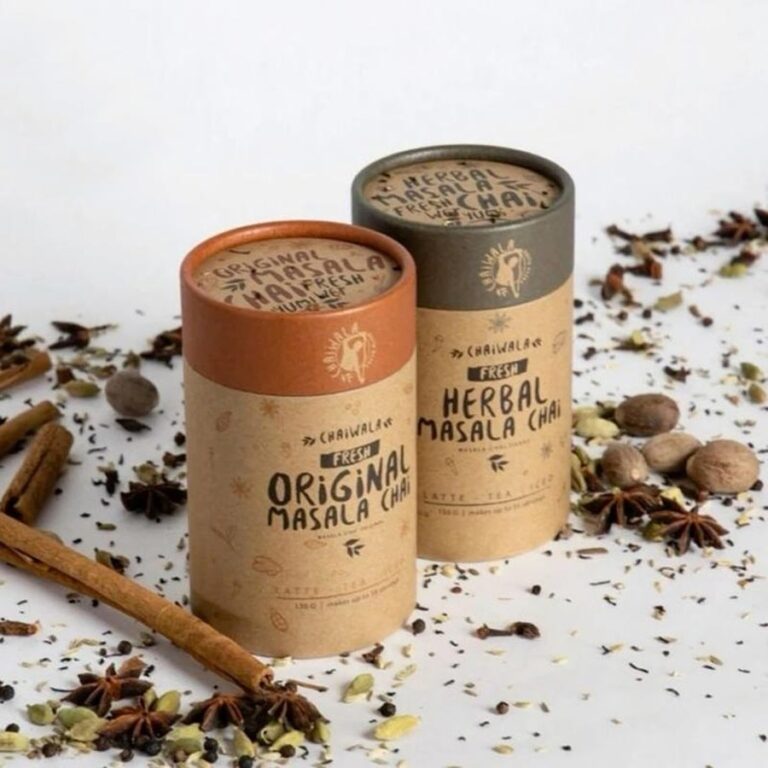
Tea paper tube packaging provides a cylindrical outer pack for loose leaf tea, herbal blends and tea gift sets. Start with the filled inner pouch or container dimensions, then confirm tube diameter, height and lid fit with a physical sample. The outer paper tube alone does not establish an airtight seal or a verified shelf life.
Plan the package around your tea format: a single sealed pouch, several sampler packs or a gift assortment. Share the number of packs, their filled dimensions and how customers will remove them so the proposed structure can be checked against the actual contents.
For seasonal tea collections and retail ranges, list each SKU and its intended channel. Confirm the required inner packaging, artwork differences, insert layout and shipping carton before approving a shared tube size.
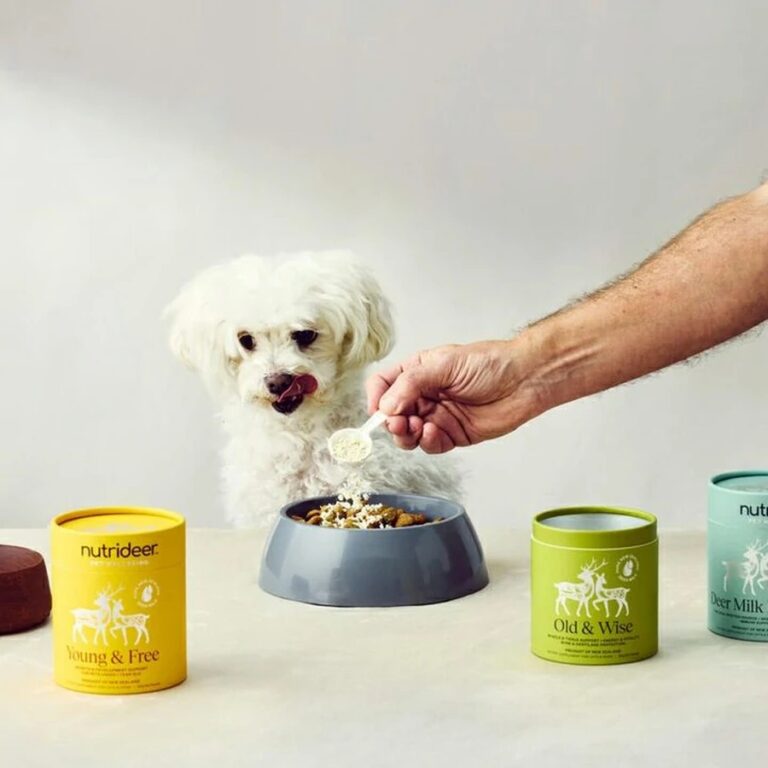
Tea Paper Tube Packaging is a good fit for tea brands, specialty food distributors, gift shops and private-label beverage sellers because the package does more than hold the product. It turns the item into a giftable retail object. A rigid paper cylinder also gives the brand more vertical display impact, which is helpful when shelf space is crowded and buyers compare many similar products.
Compared with a low-cost plain box, the tube format supports premium pricing because the customer can immediately feel a different structure. The round wall, lid movement and full-wrap artwork create a stronger touchpoint. For importers and distributors, that makes the package easier to present in a catalog or sales meeting.
The buying chain is also relatively direct. Most customers need to confirm product dimensions, artwork, order quantity and packing style rather than develop a complex mechanism. That keeps the transaction practical while still allowing a higher-value packaging result.
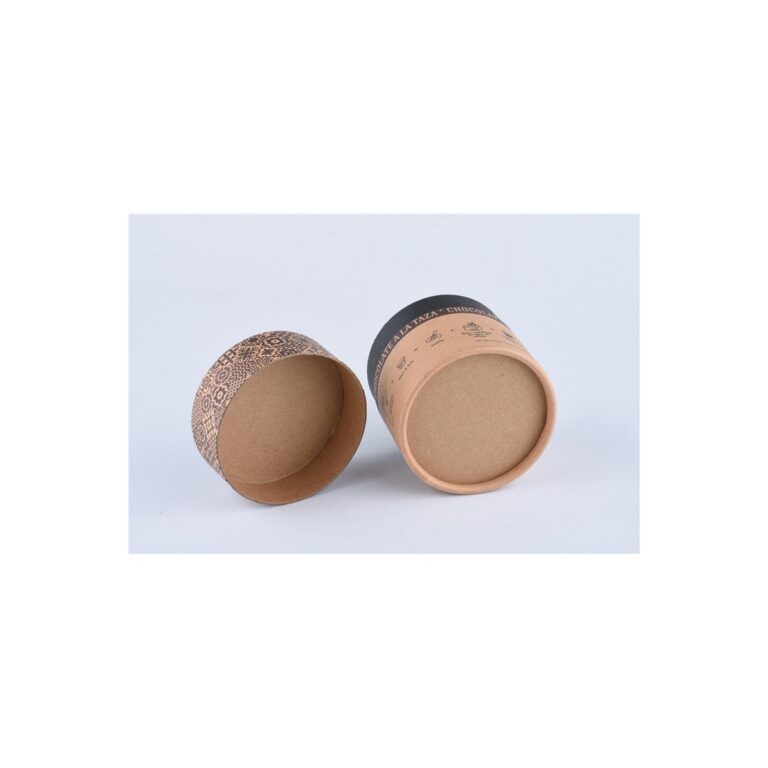
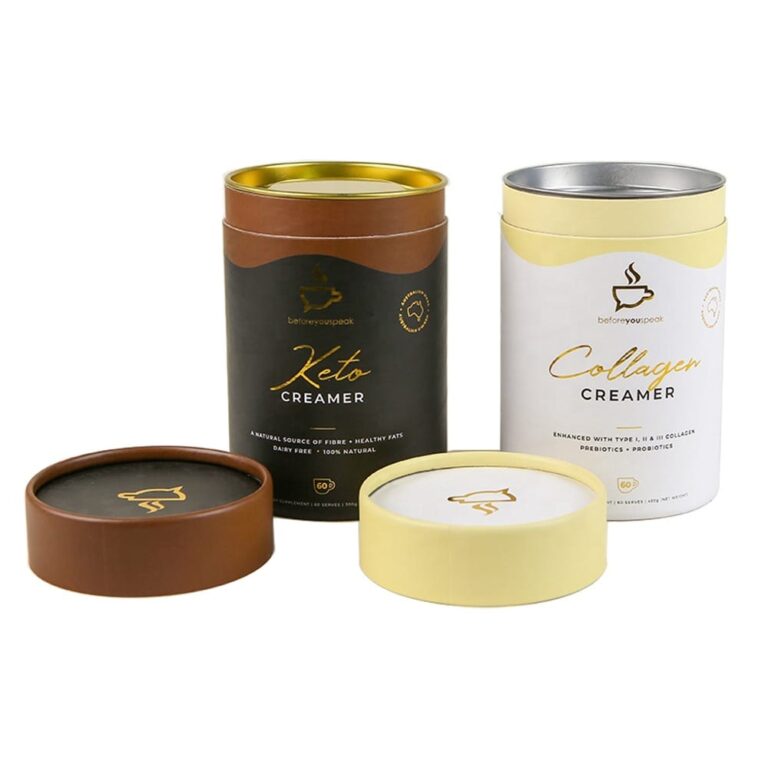
A paper tube gives the buyer a continuous wrap surface. Logo, product name, color blocks, flavor marks, collection graphics and compliance icons can be arranged around the cylinder without relying only on a narrow front panel. This is useful when a brand wants multiple SKUs to share one visual system.
Holidaypacfactory can help buyers plan artwork zones so the package looks good when standing upright, lying down, photographed for online retail or packed into a gift set. Strong color bands and clear typography usually work better than crowded artwork because the customer sees the tube from many angles.
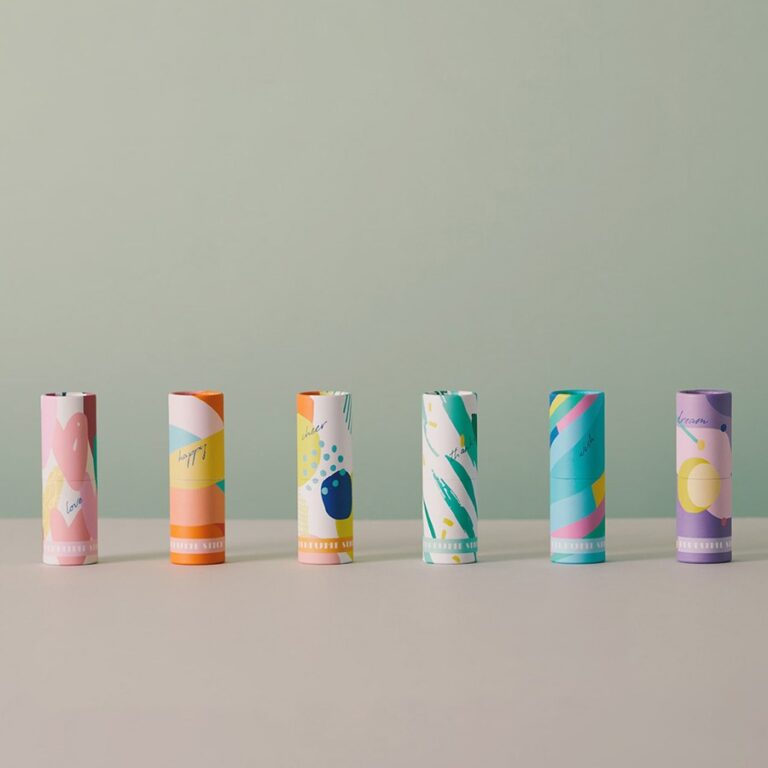
For repeat programs, the same tube structure can carry different printed wraps. A buyer may keep one diameter and height while changing artwork by fragrance, flavor, season or retail channel. That creates repeat order potential without forcing a new structural project every time.
The right tube specification starts with the real product. The buyer should share product diameter, height, weight, whether an insert is needed, whether the item is fragile and whether the package should stand on a shelf. These details affect wall thickness, lid fit, inner support and carton packing.
For premium products, small fit details matter. A tube that is too loose can make the product feel cheap, while a tube that is too tight can make packing slow. If the product is glass, delicate, oily, scented or food-related, the inner surface and insert plan should be discussed early.
Holidaypacfactory can support different finishing directions such as matte look, soft-touch feel, foil-style highlight, kraft natural look or colorful retail graphics. The best option depends on the product price point, target customer and retail environment.
A strong inquiry does not need to be complicated. The buyer can send product size, target quantity, artwork direction, destination market, expected packing count and any insert requirement. With those details, the quote discussion becomes much faster and the sample can be planned with fewer revisions.
Send a brief with your filled pack dimensions, tea format, quantity by SKU, artwork status and target delivery date. If you have not selected the inner pouch or container, identify that decision in the brief so tube sizing can be treated as provisional.
For repeat buyers, the same quote format can be used for future SKU extensions. Once the first paper tube is approved, new scents, flavors, collections or gift programs can use the same structure with updated artwork.
The table below keeps the buying discussion practical. It helps buyers prepare the right information before requesting a sample or quotation.
| Product focus | tea paper tube packaging |
|---|---|
| Target buyers | tea brands, specialty food distributors, gift shops and private-label beverage sellers |
| Primary use | loose leaf tea, herbal tea, tea sampler tubes, tea gift sets and retail shelf programs |
| Recommended structure | Rigid paper tube, telescopic lid or shoulder-neck fit, custom insert if needed |
| Customization | Printed wrap, foil effect, matte or soft-touch feel, label band, insert planning and carton marks |
| Commercial angle | reorder-friendly consumable category with strong retail display value |
| Order planning | Confirm product size, weight, insert need, artwork, quantity, packing count and repeat forecast |
Use a paper tube when the cylindrical format fits your filled tea pack and the intended gift or retail presentation. Compare it with a folding carton or rigid gift box using the same contents, printing brief and shipping requirements.
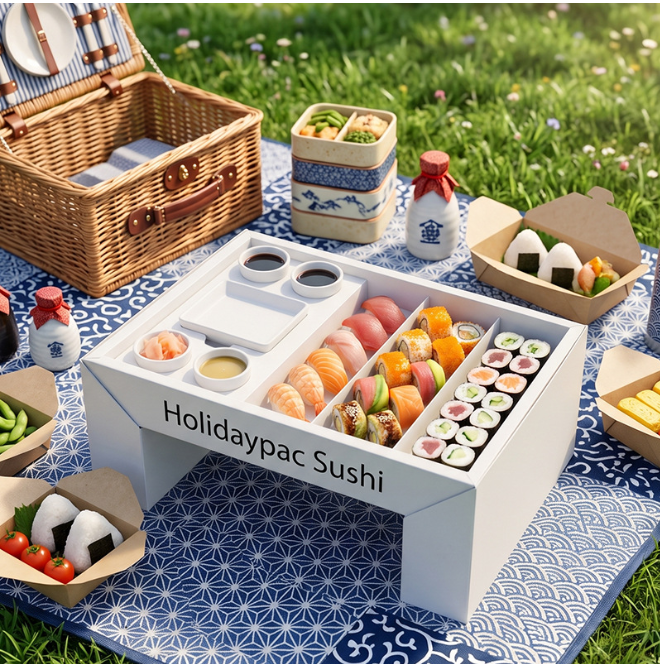
For an assortment, check whether customers need separate compartments, removable sampler packs or a single pouch. A tube may suit stacked packs, while an open tray or divided box may make a broad assortment easier to view and select.
Tea brands, gift shops and private-label buyers can use the sample stage to compare opening comfort, label readability and packing speed. Select the format after checking the actual product rather than appearance alone.
A shared tube structure can support several tea blends when their filled packs have compatible dimensions. Confirm fit for every SKU; equal net weight does not necessarily mean equal pack volume.
Keep an approved specification with tube dimensions, material, print file version, finish, lid fit, insert and carton arrangement. Reference that version when requesting a reorder and identify any changes to the filled pack.
For distributors, repeat order control is a sales advantage. They can show customers a stable base structure, then offer different artwork directions for different product lines. That keeps the buying process simple while still feeling customized.
A cylindrical package can stand upright, lie in a tray or sit inside a gift box. This flexibility helps retailers build attractive displays. The rounded surface also catches light differently from flat cartons, which can help the product stand out in photos and on shelves.
Good shelf display depends on clear brand hierarchy. The front-facing zone should show the brand, product name and key selling cue. Secondary details can wrap around the side. A clean hierarchy helps the package look premium even when the tube is small.
For loose leaf tea, herbal tea, tea sampler tubes, tea gift sets and retail shelf programs, the display plan should match the real sales channel. Boutique retail, supermarket shelf, online gift set and corporate order all need different visual emphasis.
Most premium paper tube projects begin with paperboard thickness, outer paper choice, printed wrap and lid fit. The buyer may also consider kraft texture, matte film feel, foil-style highlight, spot color, color-coded labels or inner insert support. Every finish should support the product price point.
Compare kraft, white and colored wraps using printed samples. A kraft appearance alone does not establish recyclability or other environmental performance; assess any packaging claim against the specified materials and available supporting evidence.
If the product needs food-contact or special inner protection, the buyer should discuss the actual product, storage condition and target market before sampling. The paper tube is the outer presentation, but the inner packaging or liner may be part of the final solution.
The fastest quote starts with a clear product brief. Buyers should send product dimensions, product weight, target order quantity, artwork file or logo, preferred finish, target market, packing requirement and whether an insert is needed. Photos of the product can also help confirm fit.
If the buyer has multiple SKUs, they should list each size and note whether one shared tube size can fit the full range. A shared structure can lower development complexity and make repeat purchasing easier.
Holidaypacfactory can then recommend a practical tube size, artwork route, sample path and carton plan. This keeps the conversation focused on commercial decisions rather than vague packaging ideas.
Holidaypacfactory can support tea paper tube packaging with packaging planning, custom print direction, sample discussion and wholesale supply coordination. The goal is to make the product attractive enough for premium retail while still practical enough for repeat purchasing.
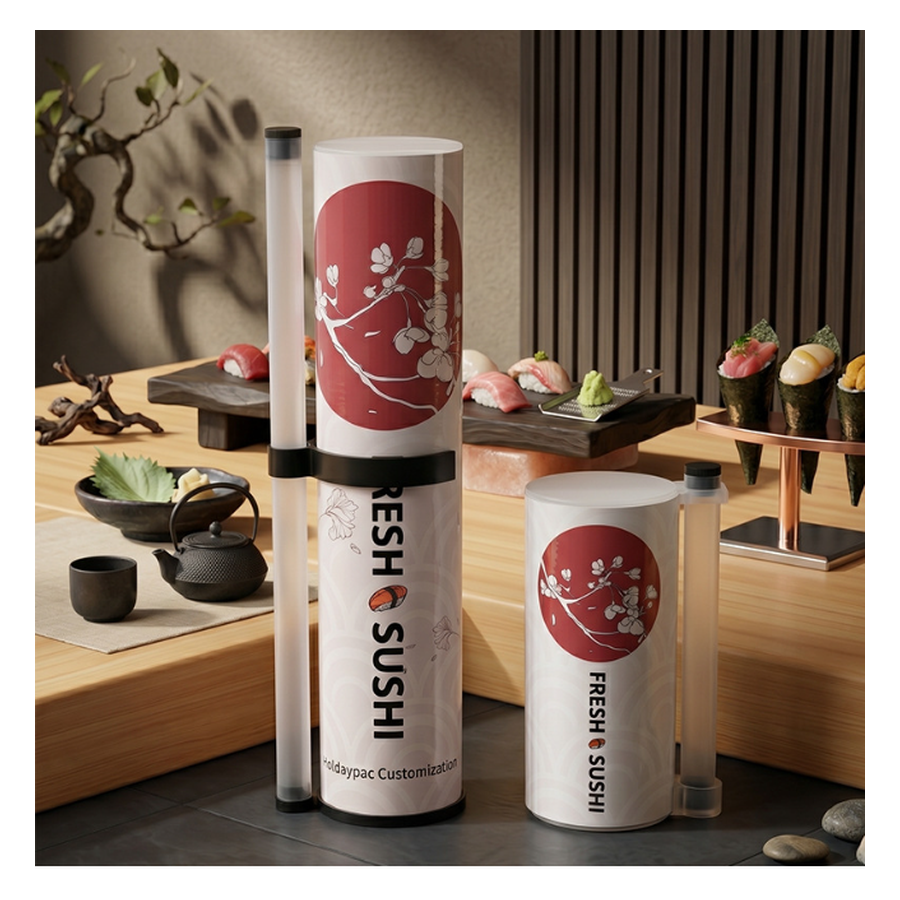
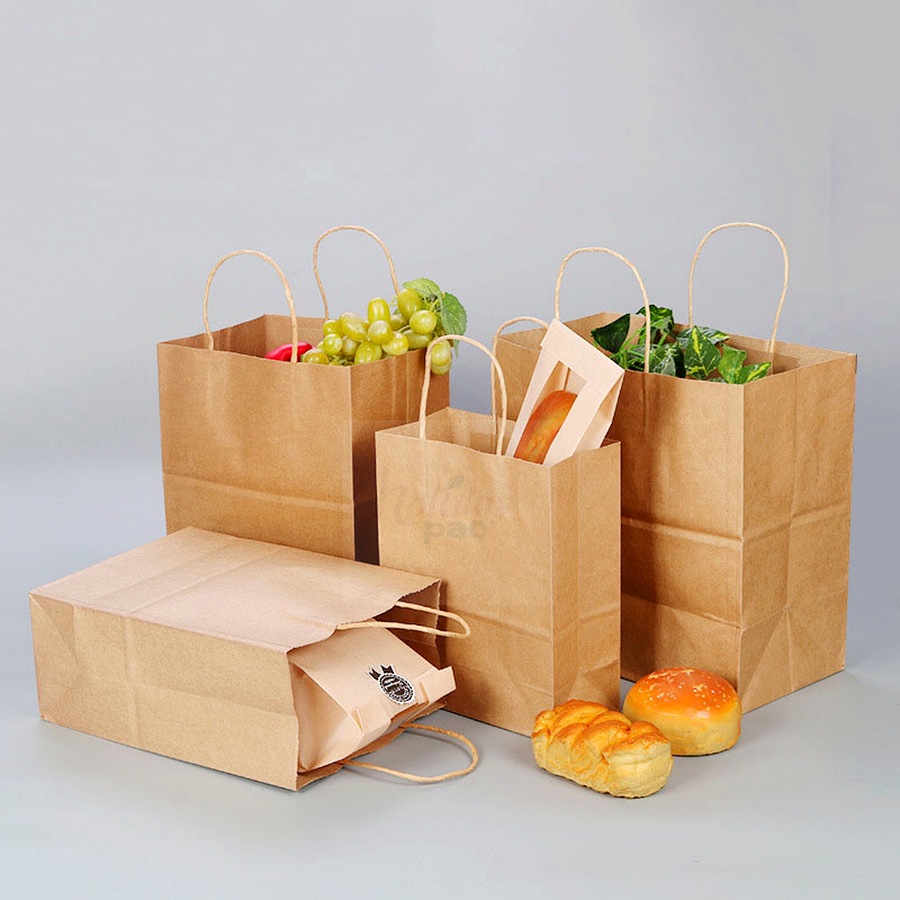
The product can also connect with other Holidaypacfactory packaging, such as custom sushi push pop tube packaging for cylindrical structure examples or custom restaurant takeaway paper bags for retail carry-out programs. Confirm the relevant structure and intended use separately for each packaging item.
When comparing quotations, ask each supplier to use the same dimensions, printing specification, inner packaging scope and carton requirements. Confirm which sample approvals are needed before production and how specification changes will be recorded.
A strong tea paper tube packaging project should usually be planned as a product family, not only a one-time tube. Many premium buyers have several scents, flavors, sizes, seasonal colors or retail channels. If the structure is planned well at the beginning, the same paper tube diameter and height can support multiple SKUs with only artwork changes.
This approach makes repeat orders easier. The buyer can approve the physical tube once, then build a collection through different print designs, color bands, label systems or insert cards. It reduces sampling time, improves purchasing control and helps the brand keep a consistent retail shelf image across the whole range.
For a collection, provide quantities by blend and artwork version rather than only a combined total. Identify the core range and seasonal additions so the quotation can distinguish shared structure from SKU-specific printing.
Before bulk production, the buyer should test a physical sample with the real product inside. A paper tube may look correct in a photo, but the final quality depends on hand feel, lid tightness, insert fit, product movement, printing alignment and carton protection. These checks are especially important for premium retail products.
The sample should be opened and closed several times. The lid should feel secure but not difficult to remove. If the product is fragile, glass, scented, oily, powder-based or food-related, the buyer should also check whether an inner bag, sleeve, liner or support insert is needed. The outer tube is only one part of the final user experience.
Artwork should be reviewed on the curved surface, not only on a flat screen. Text that looks clear on a design file may become too small after wrapping around a cylinder. A good sample review should confirm logo position, front-facing area, color accuracy, barcode placement, warning text, product name hierarchy and how the tube looks in retail photos.
Premium paper tube packaging should be planned with shipping and warehouse handling in mind. Tubes can be strong, but they still need a carton count that protects shape, print surface and lid position during transport. A carton that is too loose may allow rubbing, while a carton that is too tight may compress the tube edge.
For distributors and brand owners, carton labeling matters. The outside carton may need SKU name, size, color version, barcode area, customer code, destination mark or batch reference. These details help warehouses receive and sort repeat orders quickly, especially when several printed versions share the same tube structure.
If a buyer is planning several product launches, Holidaypacfactory can help organize carton logic so every SKU is easy to identify. This is a small operational detail, but it affects reorder speed, warehouse accuracy and customer confidence after the first shipment arrives.
Do not assume that loose tea can be placed directly inside an unlined paper tube. Specify whether the tea will be held in a separate sealed pouch or another primary pack, and identify any components intended to touch the tea.
Before approving the packaging system, request the material specification and relevant supporting documentation for its intended use. Discuss storage conditions, filling and sealing method, and the checks needed for the intended shelf life with your product and packaging team.
A decorative lid is not evidence of an airtight barrier. Verify the complete pack with the actual tea and intended sealing process; avoid making moisture, aroma-retention or shelf-life claims based only on the tube appearance.
Keep a reorder schedule by blend, artwork version and selling season. Review remaining packaging inventory before changing the tube size or print design so old and new packs can be managed deliberately.
A long-term program should keep approved samples, print files, tube size, insert notes and carton packing details organized. When those records are clear, the second and third order can move faster. It also helps the buyer launch additional SKUs without repeating every structural decision.
Before reordering, confirm whether the tea pouch, fill volume, artwork or delivery requirements have changed. Use the approved sample and specification as the reference for any new production discussion.
Begin with filled pack measurements and a proposed structure, then prepare the artwork and review a physical sample. Approve bulk production only after the agreed fit, print and packing checks have been completed.
If measurements are still provisional, say so in the inquiry. Photographs and a sample of the filled inner pack can help resolve sizing questions before committing to a final tube specification.
Record sample comments in one approval sheet: dimensions, lid opening, inner pack clearance, print position, insert fit and carton arrangement. Identify unresolved points explicitly so a quotation is not mistaken for final sample approval.
Yes. Logo, product name, collection graphics, color direction and retail information can be customized on the tube wrap.
Yes. Many buyers use one shared structure with different printed wraps for scents, flavors, collections or seasonal programs.
Send product size, product weight, order quantity, artwork direction, insert requirement, packing count and destination market.
Yes. Insert planning can be discussed when the product is fragile, small, glass, premium or needs a fixed position inside the tube.
Yes. The rigid tube structure is especially useful for giftable products that need stronger shelf impact and higher perceived value.
Yes. Paper tubes can be coordinated with bags, labels, liners, boxes and carton packing for a complete wholesale program.



 Cassie LanFounder, HolidayPac · Leave a message
Food packaging, paper bags and food service paper for your next project.
Leave your request anytime. Our sales team will reply with pricing, samples and production details.
Tell us what you're packaging and we'll ship a physical sample plus a free 3D mockup within 24 hours — no cost, no obligation.
We've received your inquiry and our team will get back to you within 24 hours.