Door to Door service
Welcome to Holidaypac Packaging Solutions Factory!

tiger@holidaypac.com

+86 136 5233 6188
Welcome to Holidaypac Packaging Solutions Factory!
tiger@holidaypac.com
+86 136 5233 6188
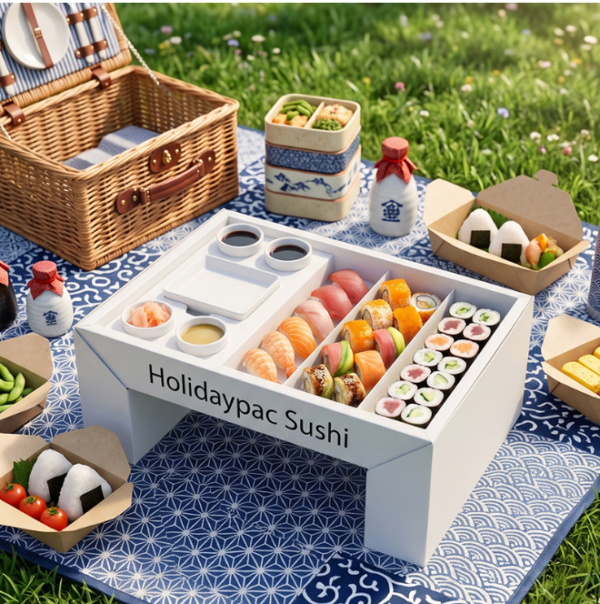
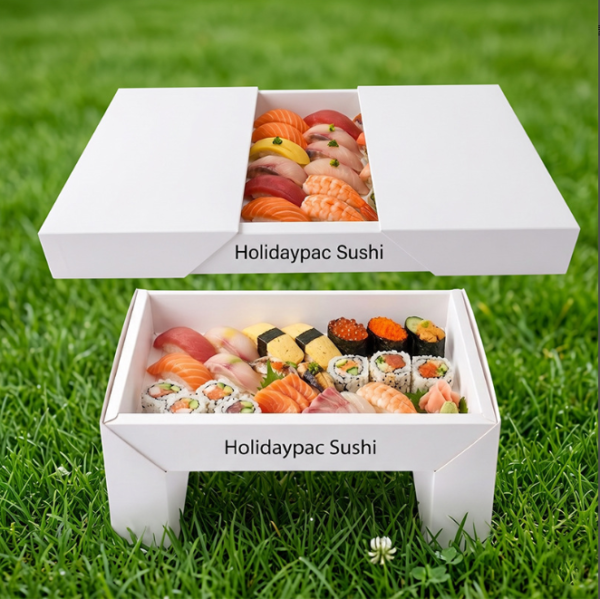
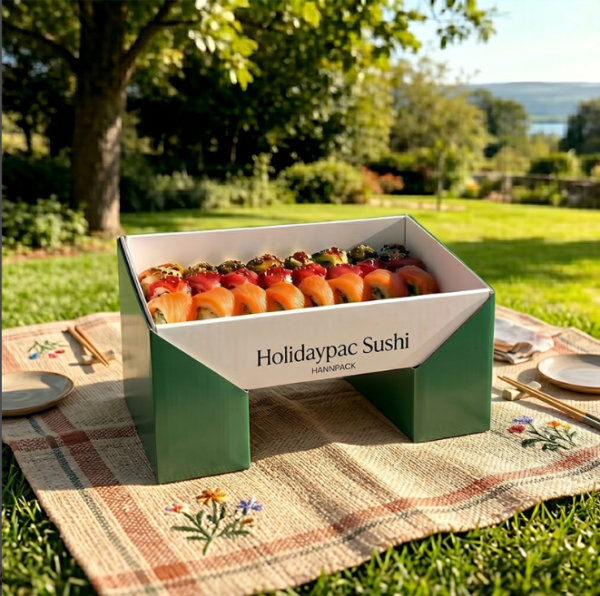
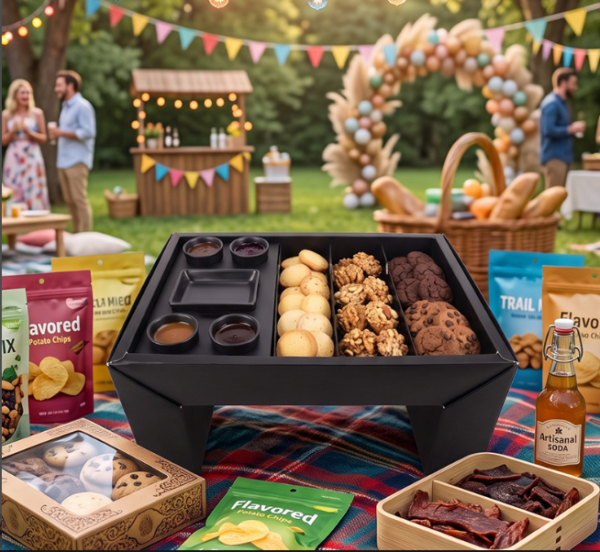
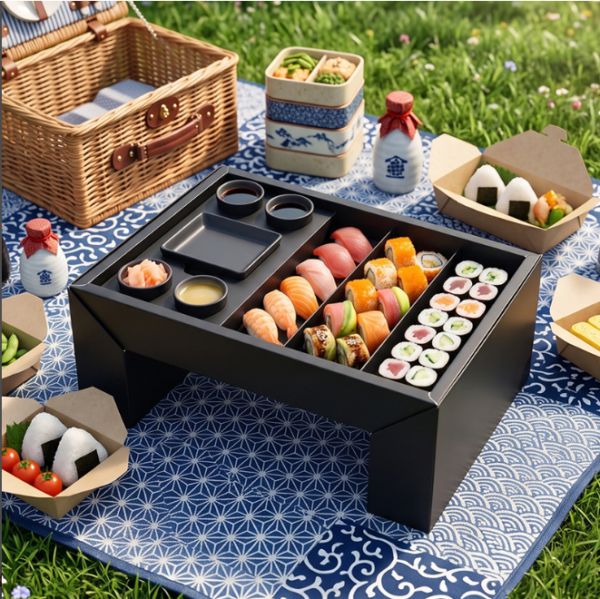
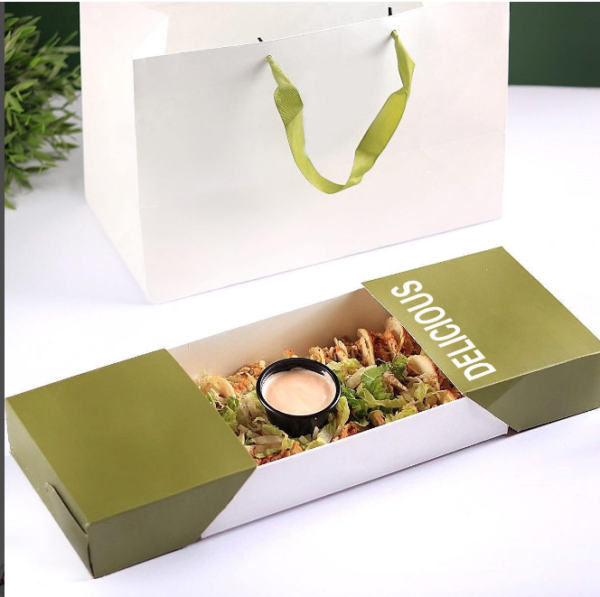
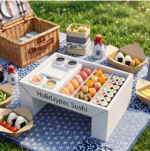
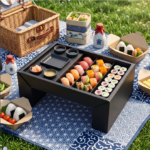
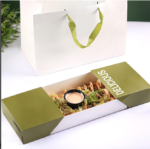
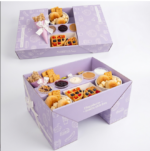
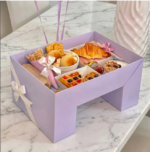
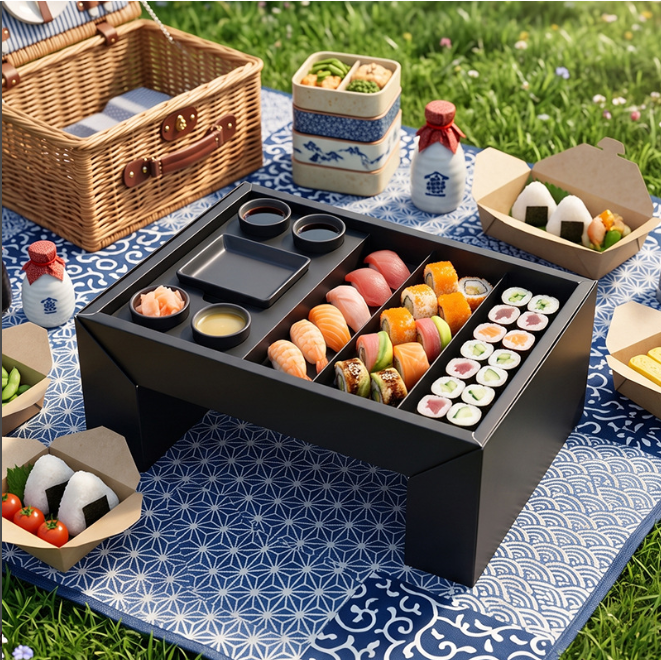
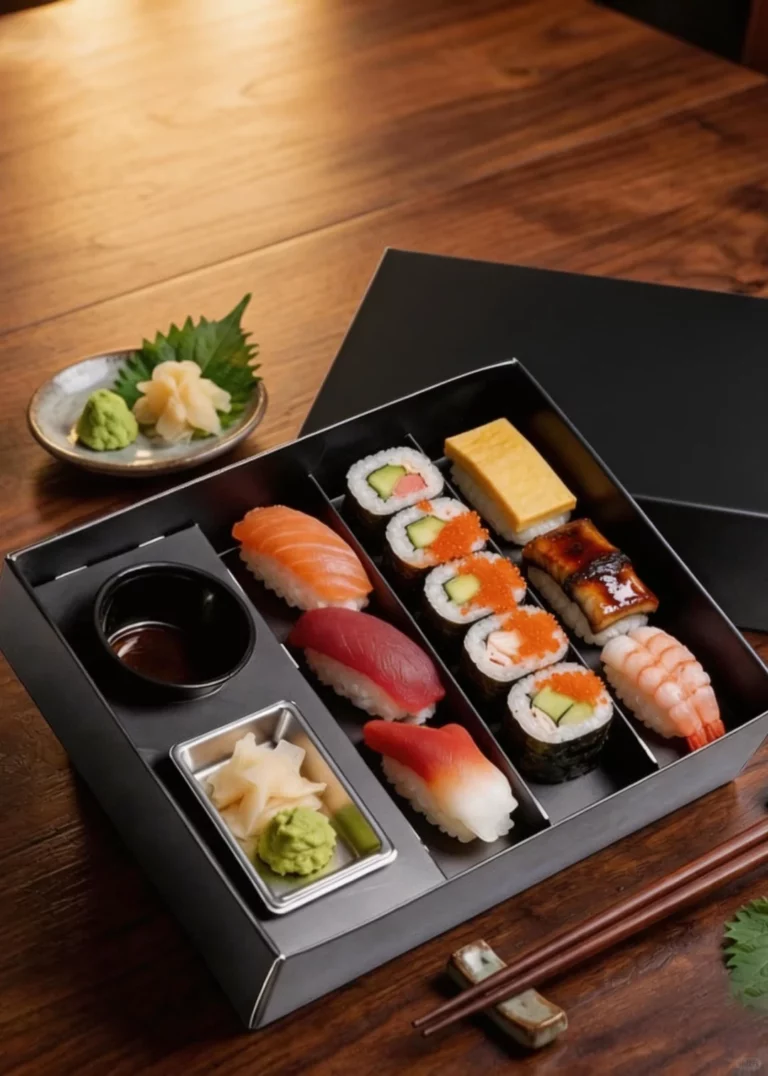
Hot-selling light custom packaging Light Custom Picnic Sushi Box with Fixed Size and Die-Cut StructureThis light custom picnic sushi box is designed for buyers who want a ready-to-produce hot-selling packaging item without starting a fully new structural project from zero. The product uses a fixed size direction and an existing die-cut structure, so the buyer can focus on branding, color direction, simple artwork and order planning instead of spending a long development cycle on engineering. The box is especially suitable for sushi assortments, picnic meals, snack boards, catering sets, bakery trays and outdoor food gift packaging. It can sit beside custom restaurant takeaway paper bags with handles, food paper, bags and wrapping items as part of a coordinated takeaway or event packaging program. Holidaypacfactory positions this item as a practical light-custom product: the size and structural details are already organized, while the customer can still adapt the visible identity. That balance makes it useful for restaurants, sushi brands, picnic event operators, cafes, bakeries, distributors and promotional food packaging buyers. Fixed sizeFixed die-cutLight customSushi picnicCatering setsHot-selling launch | Buyer Positioning: A ready-to-produce picnic sushi box for buyers who want faster launch with brand-level presentation. |
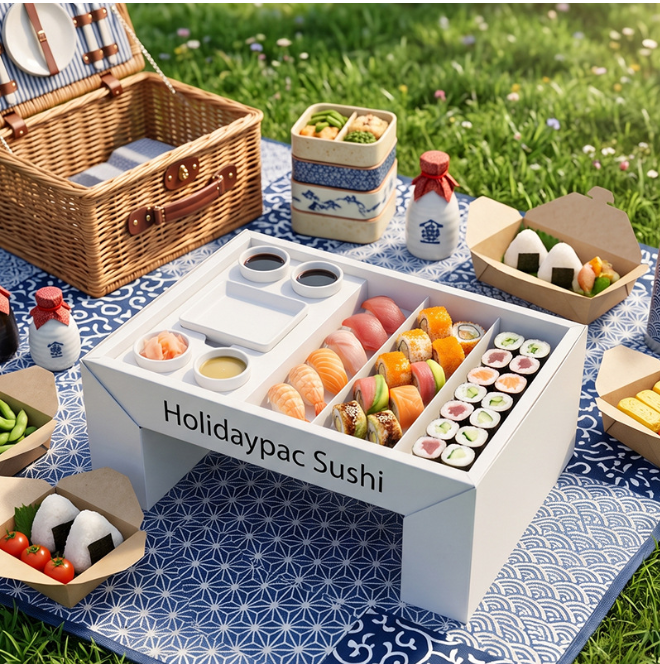
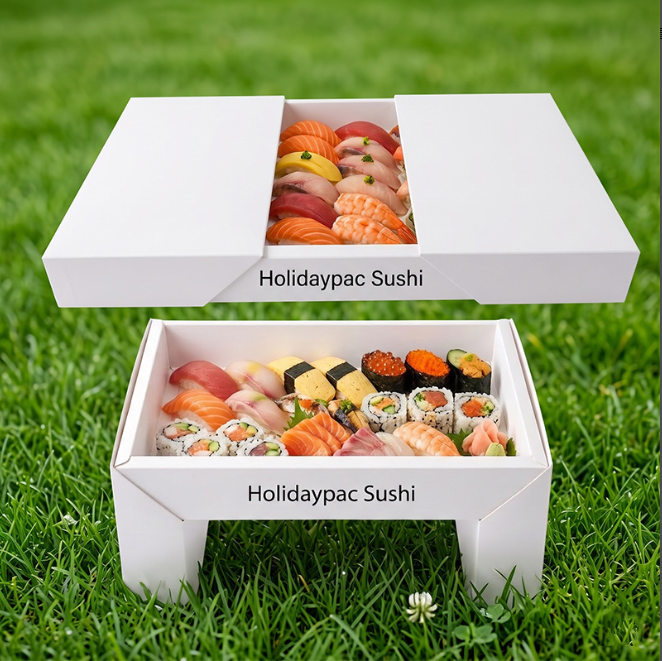
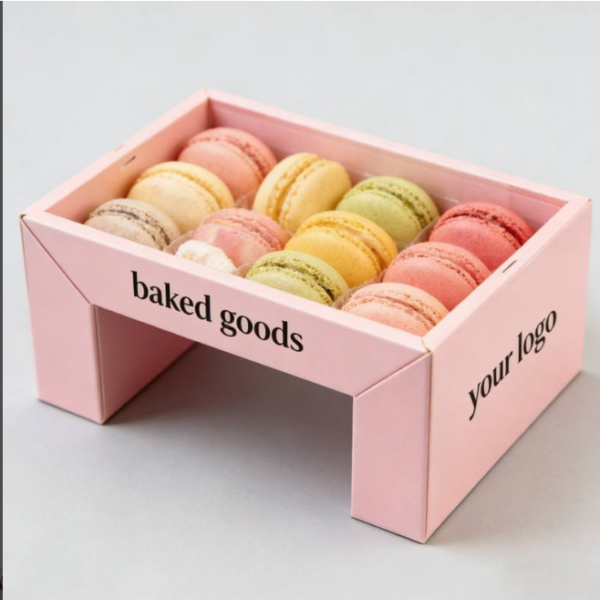
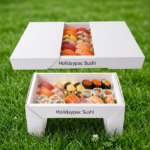
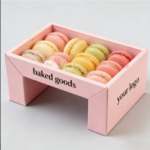
Fixed Size and Fixed Die-Cut for Faster Launch shown with real product presentation for sushi, picnic and catering packaging buyers. Fixed die-cutReady toolingLight customFast sampling | Hot-selling structure Fixed Size and Fixed Die-Cut for Faster LaunchA fully custom box can be powerful, but it often requires more decisions: dimensions, locking points, board direction, tray height, lid behavior, sample revisions and packing tests. This picnic sushi box takes a more efficient route. The structure is already developed around a proven display tray format, giving buyers a clear starting point for ordering. The fixed size direction helps purchasing teams compare product fit, carton planning and event usage more quickly. When the buyer already knows the box footprint and the die-cut logic, artwork confirmation becomes more predictable. This is valuable for importers and restaurant groups that need a sellable item with shorter preparation time. The front panel provides a strong display area for brand text. The raised side structure gives the tray a table-ready presentation, which is useful for sushi sets, picnic food, dessert assortments and catering packs. The item is not positioned as a disposable plain tray only; it is a visible part of the customer experience. |
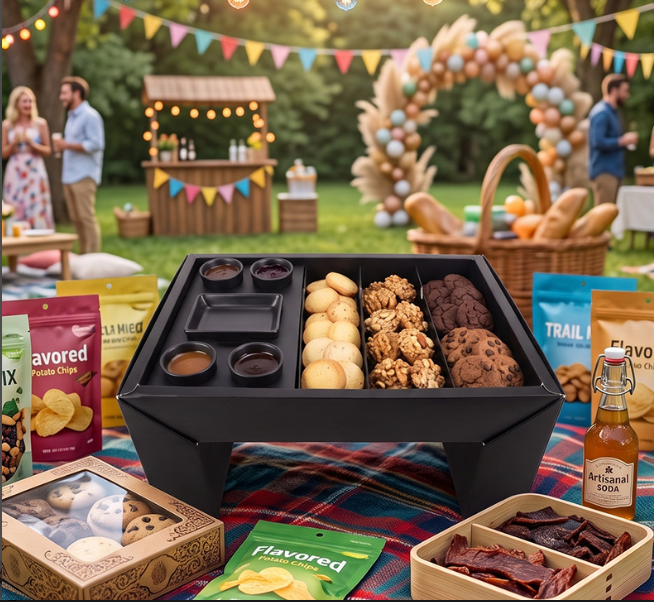
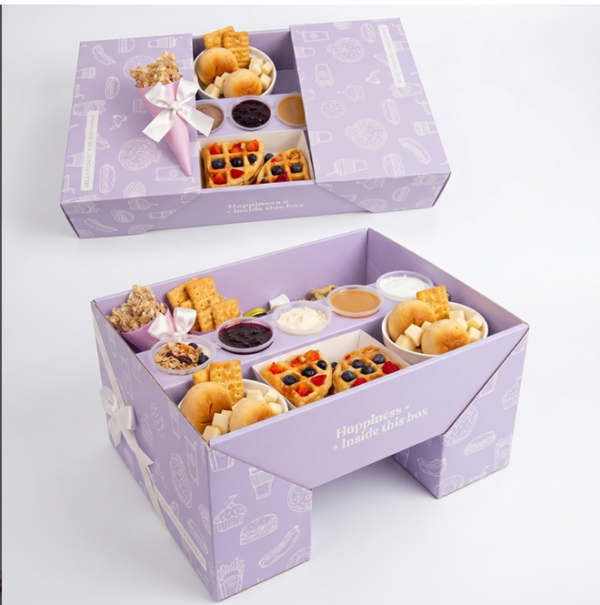
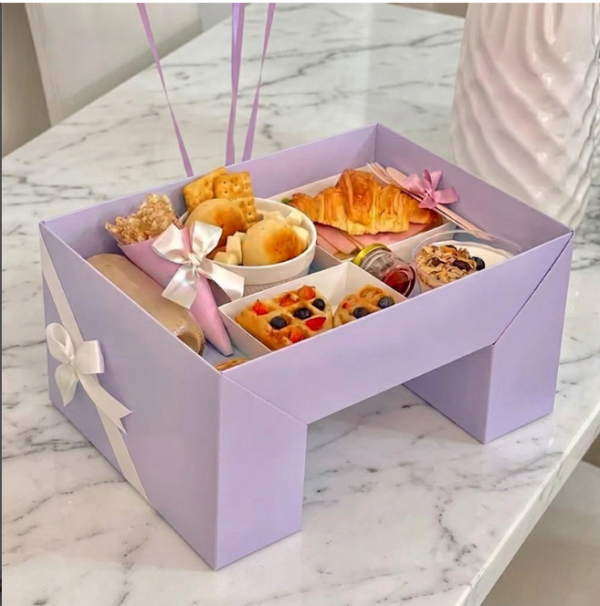
Product presentation Built for Sushi, Picnic Sets and Catering ScenesThe visual strength of this box is its table presentation. Sushi, macarons, cookies, snack cups, sauces and small bakery items can be arranged in a clean open display. For outdoor picnic scenes, the box makes the meal feel more planned and gift-like, while still being simple enough for repeated commercial use. Food service buyers often need packaging that works in photos, in stores and during actual handoff. This product gives the meal a structured frame, so the brand can show a complete set rather than separate loose items. That matters for social sharing, seasonal menus, picnic promotions and premium takeaway bundles. The box can be paired with precut white parchment pan liners for food contact support or with window bakery paper bags when the buyer wants a broader bakery and takeaway range. A coordinated range makes the product easier to promote through menu photography, online ordering and franchise packaging guides. | Built for Sushi, Picnic Sets and Catering Scenes shown with real product presentation for sushi, picnic and catering packaging buyers. Sushi setsPicnic mealsSnack boardsCatering display |
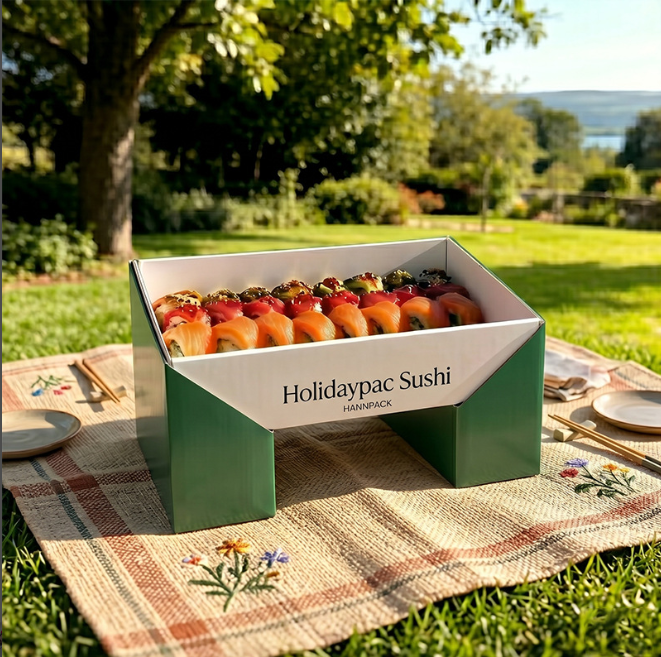
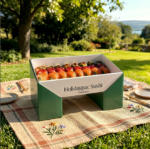
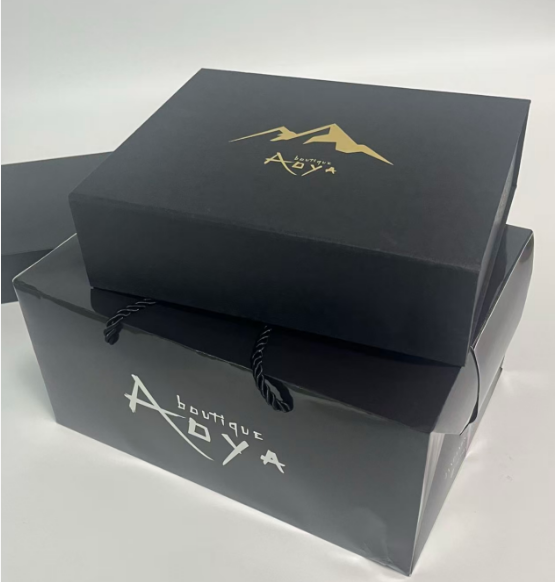
Logo, Color Direction and Simple Artwork Without Rebuilding the Box shown with real product presentation for sushi, picnic and catering packaging buyers. Logo panelBrand colorSimple artworkFixed details | Light customization Logo, Color Direction and Simple Artwork Without Rebuilding the BoxLight customization means the buyer can adjust visible branding while keeping the structural system steady. For this item, the most common customization direction is front panel text, brand color, simple pattern, outer sleeve direction or coordinated printed details. The customer does not need to change the die-cut to create a recognizable product. This approach is practical for distributors and restaurant groups because it lowers uncertainty. A fixed structure makes production communication clearer, while the brand area gives the customer enough room to create a recognizable retail or takeaway identity. It is a good middle path between plain stock packaging and expensive full custom development. Holidaypacfactory can help buyers decide whether the product should look clean and minimal, outdoor and picnic-ready, premium sushi-focused, bakery-friendly or party-gift oriented. The same structural foundation can support several brand styles when the color and artwork direction are planned carefully. |
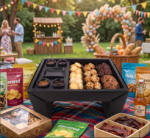
Ordering workflow A Practical Product for Repeat Wholesale OrdersFor repeat orders, a fixed-size and fixed-die product is easier to control. The approved sample becomes a stable reference for board thickness, print position, folding behavior, carton count and packing method. When the buyer reorders, the discussion can focus on quantity, artwork version and delivery planning. This matters for hot-selling products because speed and consistency are part of the value. A good product should not only look impressive in the first photo; it should also be practical for warehouse teams, restaurant staff and distributors who handle the item repeatedly. Holidaypacfactory recommends confirming the food arrangement, target serving occasion, brand color direction, logo placement and carton packing before bulk production. With those details settled, this picnic sushi box can become a stable product in a food packaging catalog or seasonal promotion line. | A Practical Product for Repeat Wholesale Orders shown with real product presentation for sushi, picnic and catering packaging buyers. Repeat orderCarton planningSample approvalStable structure |
This product should be quoted as a fixed-size and fixed-structure item. The buyer can provide the food arrangement, logo direction and color preference, while Holidaypacfactory checks how the requested visual direction fits the existing printable areas and production setup.
Because the die-cut is already defined, the sampling process is more direct than a fully custom engineering project. This is useful when the buyer needs a hot-selling product for a catalog update, seasonal event, restaurant launch, sushi picnic set or distributor promotion.
When reviewing the sample, place the real food arrangement inside the tray. Check whether sushi, sauces, snack cups, bakery items or dessert pieces sit neatly without making the box look crowded. The product should feel stable, attractive and easy to photograph.
The front panel should be reviewed from the customer’s eye level, not only from above. This is where the brand text or logo becomes visible during table display, picnic use and handoff. A simple clean front panel often works better than a crowded design.
Buyers should also test the pack with the intended carrier bag, paper liner or outer sleeve. The box may be part of a complete packaging set, so the tray, bag, tissue, food paper and carton packing should work together.
Wholesale buyers need predictable packing. Before bulk production, confirm inner count, carton count, carton mark, pallet direction and warehouse receiving needs. A hot-selling item becomes easier to manage when these details are fixed early.
Repeat orders should use the approved sample as the control reference. Board feel, folding behavior, color, print position and carton labels should remain stable so the customer’s purchasing team does not need to recheck the same basics every time.
For distributors, this box can be positioned as a ready-range product. The fixed structure helps sales teams explain the item quickly, while light customization gives end customers enough brand flexibility for restaurant and event use.
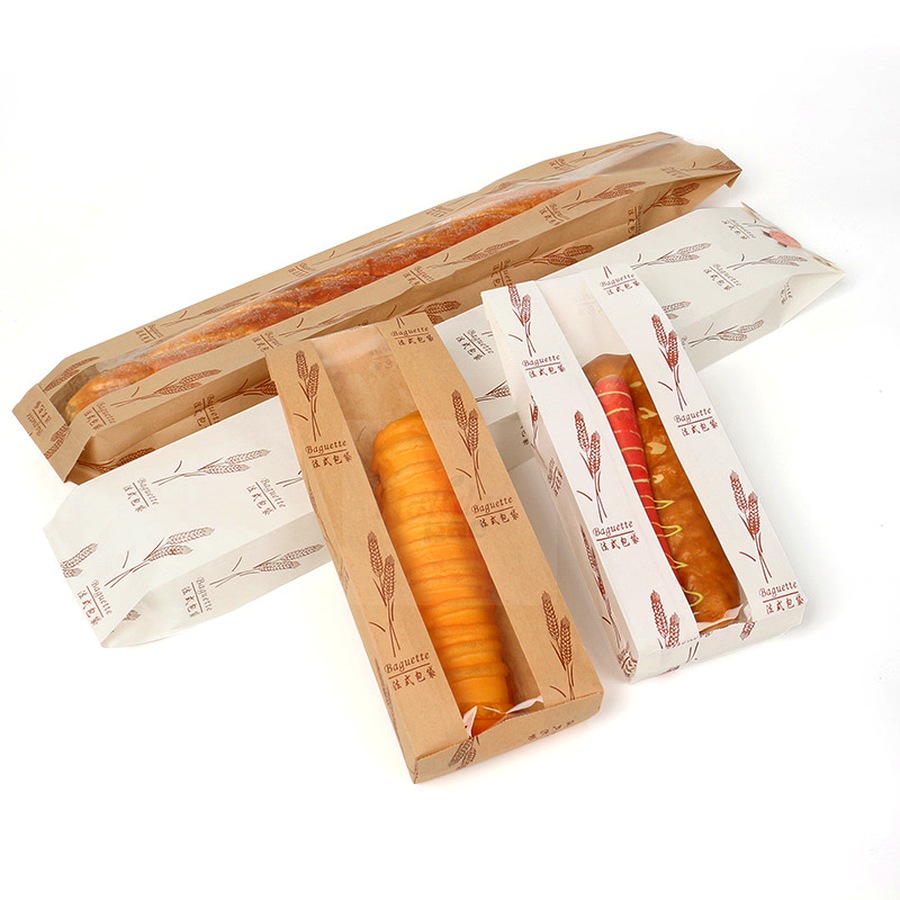
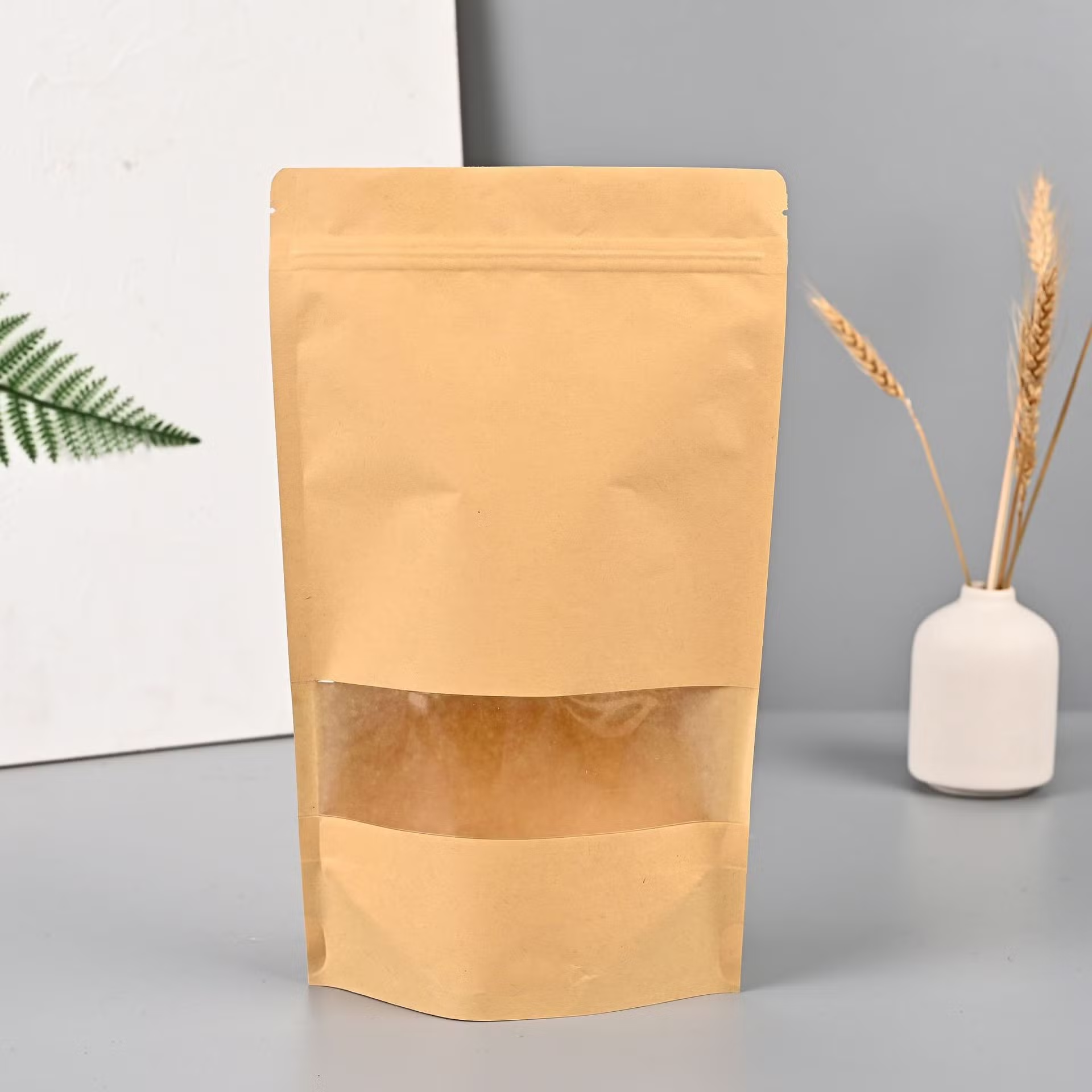
This picnic sushi box can become one item inside a larger food packaging range. A buyer may pair it with kraft paper bags, window bakery bags, parchment paper sheets, paper pouch bags or delivery bags. The range can share color, logo placement and carton coding.
Seasonal versions are also possible when the base structure stays the same. Picnic season, sushi party sets, bakery tasting boxes, catering events and holiday food gifts can use the same structure with different color direction or simple printed details.
Holidaypacfactory can help buyers decide which products should remain fixed and which items should be more customized. Keeping this box as a stable light-custom product can make the whole range easier to manage.
The best way to sell this picnic sushi box is to connect it with clear serving occasions. A sushi restaurant may use it for a weekend picnic set, a catering company may use it for cold platter service, and a bakery may use the same open tray format for dessert tasting packs. The product becomes easier to understand when the buyer sees the food scene first.
For restaurant chains, the box can support limited-time menus without forcing the purchasing team to introduce a completely new structural project. The fixed format gives the chain a stable packaging item, while the front panel and color direction can still match the campaign. This is useful for seasonal promotions, city picnic menus, family meal sets and premium takeaway bundles.
For wholesalers and distributors, the product can be presented as a practical display box instead of a narrow sushi-only item. The same structure can hold small sandwiches, cookies, pastries, fruit assortments, snack cups or tasting portions. That broader use makes it easier for sales teams to introduce the item to cafes, bakeries, catering kitchens and event suppliers.
Holidaypacfactory recommends showing the product with at least two food arrangements during customer discussion. One arrangement can be sushi or picnic food, while the other can be bakery, snack or catering use. This helps buyers understand that the fixed structure is flexible enough for different food programs even though the die-cut itself remains stable.
Because this item is light custom, the design direction should be clear and controlled. Strong results usually come from a simple logo, a restrained color system and one readable front message. A crowded design can make the box feel less premium, especially when the food itself already has many colors and textures.
For sushi and picnic brands, natural colors, clean typography and a small illustration pattern can work well. For bakery or dessert brands, softer color direction can make the tray feel gift-ready. For catering and event buyers, a more neutral brand layout may be better because the box needs to work with many menus and customer occasions.
The fixed die-cut also helps design teams stay disciplined. Instead of changing panels or structure, they can focus on the areas that customers see first: front panel, side view, top view and photo appearance. This keeps the product easier to produce while still giving the brand a distinct look.
A practical design review should include physical folding, food placement, handoff angle and photography angle. The artwork should look good on the table, inside a carrier bag and in a customer photo. When those views work together, the packaging becomes more useful for real restaurant marketing and not only for the production sample room.
Importers often need products that can be explained quickly to multiple customer types. This picnic sushi box has that advantage because the structure is visual, the use case is easy to understand and the light customization model keeps the order conversation simple. A distributor can show the item as a quick launch option for food service brands.
The fixed size direction also supports more predictable communication between buyer, sales team and production team. When dimensions and tooling are already organized, quotation details can move faster. The buyer can spend more time confirming branding, order quantity, packing method and delivery timing.
For catalog expansion, this product can sit in a hot-selling group beside takeaway bags, bakery bags, parchment liners and food wrapping products. It adds a more gift-like, table-ready packaging option to a range that might otherwise focus only on bags and paper sheets.
When presenting the item to end customers, distributors should highlight both speed and presentation. It is not just a plain food tray, and it is not a long-development custom box. It is a balanced product for buyers who want a branded look with a stable existing structure.
Clear production communication protects the result. The buyer should confirm the expected food use, whether the box is mainly for display or carry-out, how the customer will open or handle it, and whether a liner, sleeve, bag or carton insert will be used with it. These details help the team check the whole packaging workflow.
Artwork should be supplied with the final logo, color reference and panel direction. Since the structure is fixed, the artwork discussion should stay within the usable print areas. This keeps the product aligned with current production details and helps avoid unnecessary structural changes.
Before bulk order confirmation, the buyer should review a sample with the actual food weight and arrangement when possible. The tray should keep a neat shape, the brand panel should remain readable and the whole set should feel appropriate for its selling price. If the product will be photographed for menus, the buyer should test that during sample review.
For repeat orders, record the approved artwork version, carton packing, material direction and any customer-specific notes. A stable record helps every reorder stay consistent, especially when the product becomes part of a hot-selling seasonal or wholesale program.
A hot-selling product should be easy for customers to recognize and easy for the sales team to explain. This picnic sushi box meets that standard because the shape is immediately visible, the food use is intuitive and the light customization story is commercially practical.
The product also brings variety to the range. Many food packaging pages focus on paper sheets, bags, liners and simple containers. This box adds a display-style item with stronger visual impact, which can help the website show more complete packaging capability for restaurants, bakeries, sushi shops and catering buyers.
The fixed size and fixed die-cut message is important. It tells the buyer that the item is not an uncertain new development project. At the same time, the light custom branding option gives the buyer enough room to make the product match a restaurant, distributor or private-label program.
For the homepage hot-selling area later, this product can be presented as a ready-to-launch picnic sushi box, supported by real product images and concise selling points. That makes it a strong candidate for a prominent card after the product page is reviewed.
When a buyer sends an inquiry for this item, the first conversation should stay practical. Ask what food will be packed, how many portions will go into each box, whether the pack is used for immediate serving or takeaway, and whether the brand needs a clean restaurant style or a more seasonal gift style. These details help the final artwork and order quantity match real use.
For a faster quote, the buyer can share the expected order quantity, logo file, brand color reference, target delivery market and any carton label needs. Because the box structure is already fixed, those commercial details are often more important than long structural discussion. The result is a cleaner quotation process and fewer sample revisions.
If the customer is comparing several hot-selling packaging options, position this box as the display item in the range. Bags, liners and paper sheets support daily operation, while this picnic sushi box helps the buyer create a stronger food set presentation. That makes it especially useful for launches, events and premium menu bundles.
The final product page should make this point clear for international buyers: the item is light custom, practical for repeat wholesale orders and visually strong enough for brand promotion. This keeps the page aligned with how buyers actually decide whether to request pricing.
This item is best positioned as light custom. The size and die-cut structure are fixed, while branding, color direction and simple artwork can be adjusted according to the current production setup.
Yes. The key selling point is that the size and structural details are already defined, which helps reduce development time and makes the product easier to quote and repeat.
It is suitable for sushi assortments, picnic meal sets, snack assortments, bakery items, dessert gift trays, party food packs and catering display sets.
Yes. Logo placement and front panel branding can be discussed based on the existing printable areas and the customer’s artwork direction.
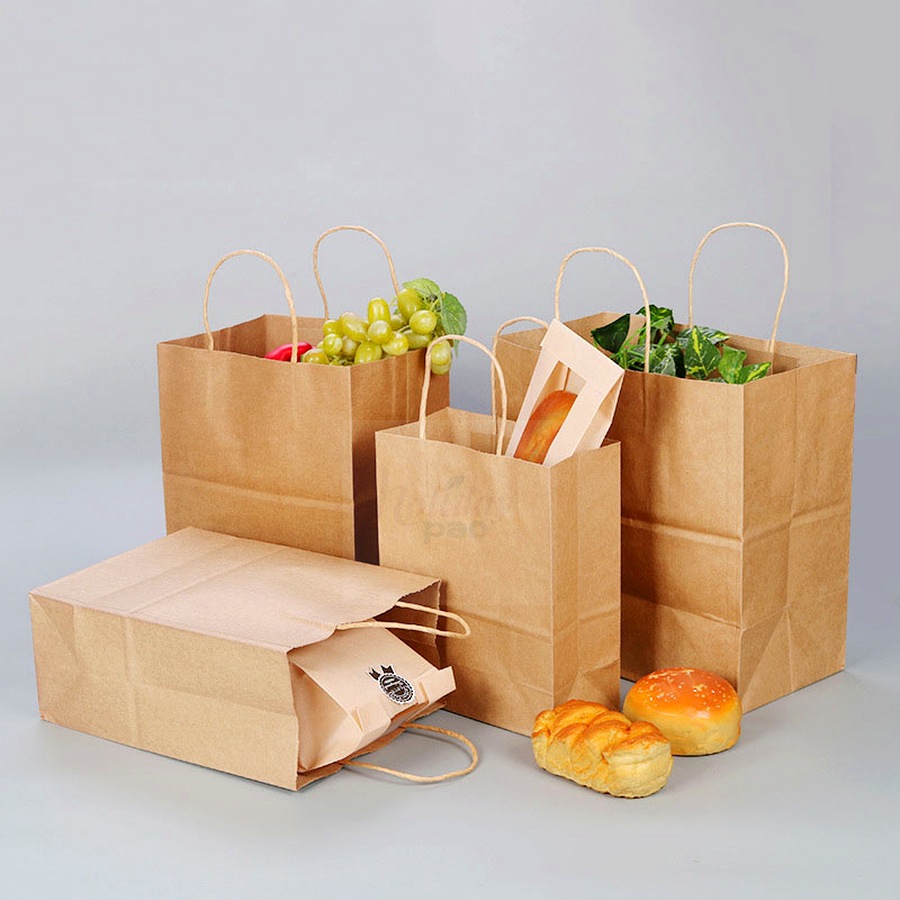
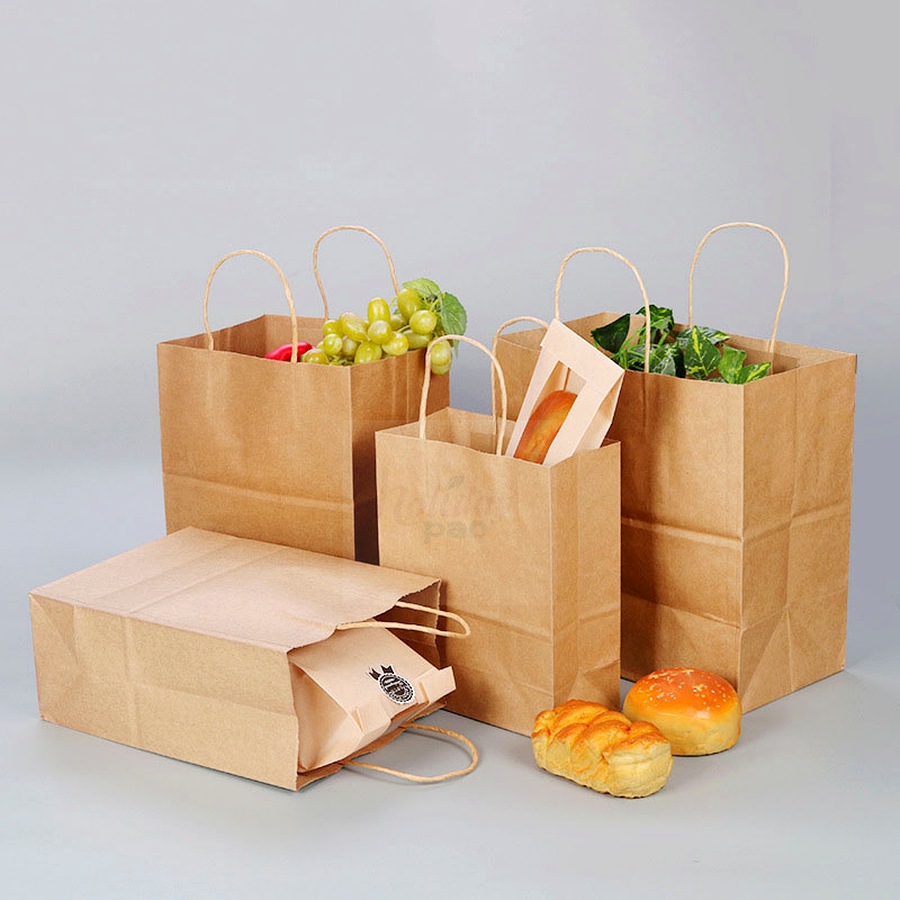
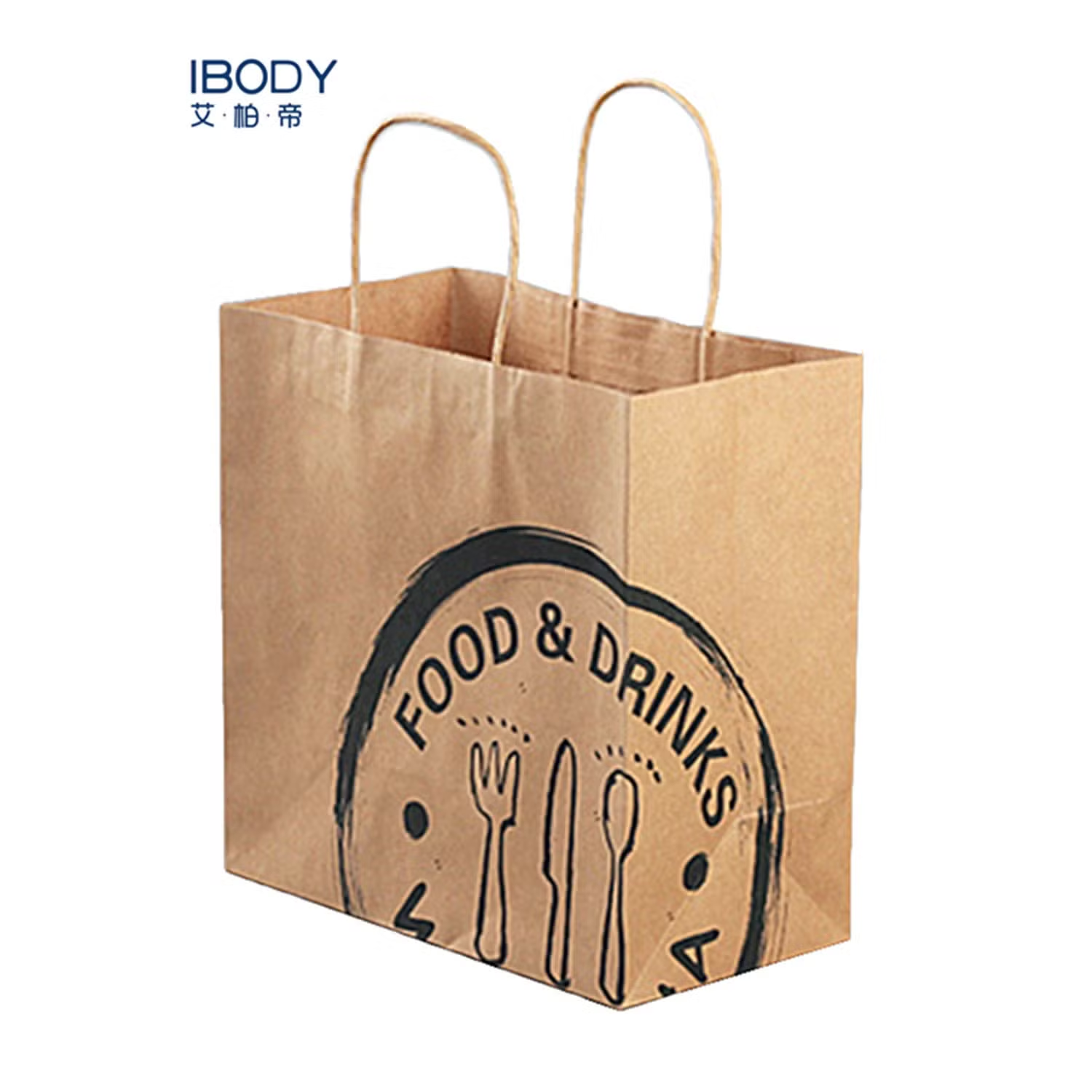
Yes. It can be paired with custom restaurant takeaway paper bags with handles, food wrapping paper, paper bags and paper liners to create a more complete takeaway or event packaging range.
Yes. Because the structure is already developed, it is suitable for product launch, seasonal promotion, restaurant bundles, distributor catalog expansion and repeat wholesale programs.
 Cassie LanFounder, HolidayPac · Leave a message
Food packaging, paper bags and food service paper for your next project.
Leave your request anytime. Our sales team will reply with pricing, samples and production details.
Tell us what you're packaging and we'll ship a physical sample plus a free 3D mockup within 24 hours — no cost, no obligation.
We've received your inquiry and our team will get back to you within 24 hours.