

Fast answer for buyers PFAS-free paper food packaging is becoming a priority for 2026 because buyers need grease resistance without relying on chemicals that regulators, retailers, and consumers increasingly question. For food-contact packaging sold into Europe, Regulation (EU) 2025/40, known as PPWR, generally applies from August 12, 2026 and includes restrictions connected to PFAS in food-contact packaging. In the United States, the FDA has also stated that certain PFAS grease-proofing uses in paper and paperboard food packaging are no longer effective or no longer sold for food-contact use. For importers and foodservice buyers, this means the old question “Does the paper resist oil?” is no longer enough. The stronger question is: “Can the packaging resist oil, serve the food, support documentation, and still feel natural?” This guide is written for buyers comparing custom printed paper food boxes for takeaway meals, greaseproof parchment paper for BBQ and hot foodservice, bakery liners, sushi bento packaging, paper trays, air fryer liners, and private-label paper packaging. It explains how to think about PFAS-free paper food packaging in buyer language: performance first, then documentation, then brand value, then consumer trust. | 8 packaging paths Why PFAS-free matters Greaseproof performance Supplier questions Holidaypac culture Buyer FAQ |
Buyer risk shift
Why PFAS-Free Paper Food Packaging Is a 2026 Purchasing Priority
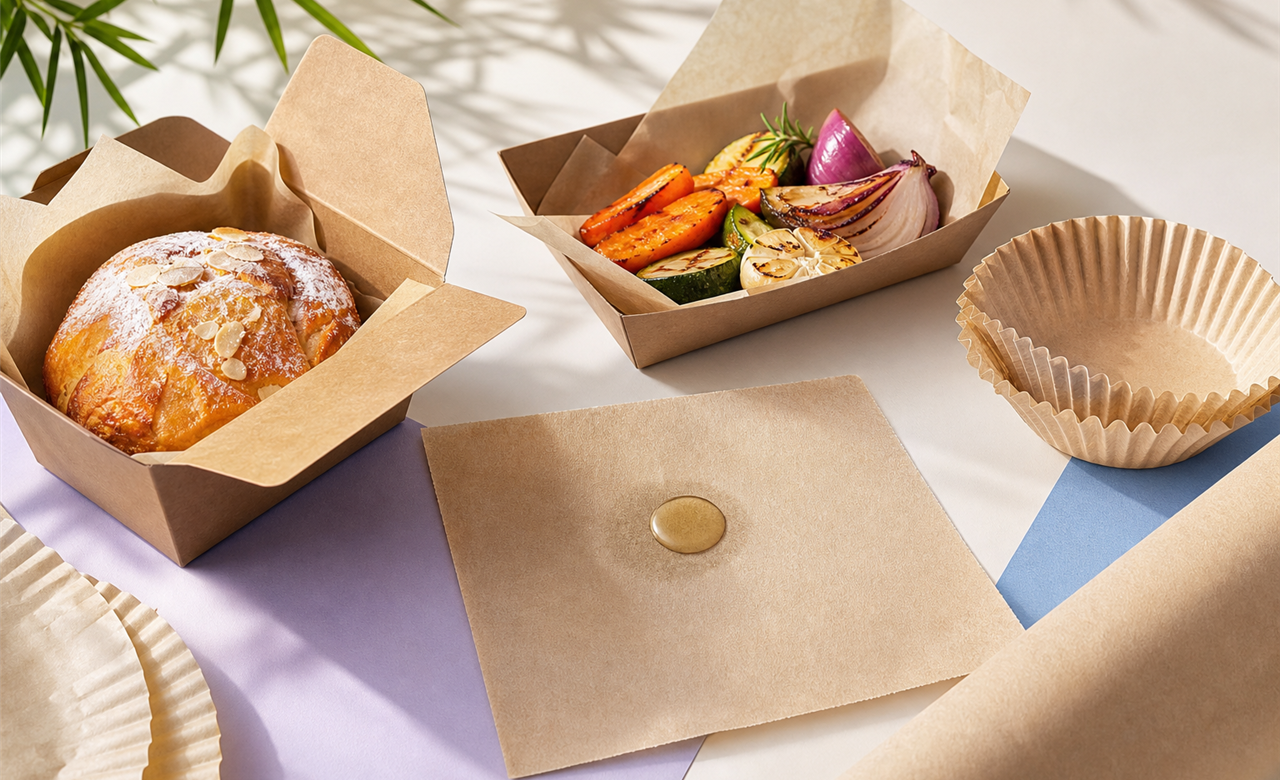
For many years, grease resistance was treated as a narrow performance question. If a wrap, tray, bag, liner, or box resisted oil, the buyer often moved forward. In 2026, that habit is changing. A buyer now has to consider food safety, market access, retailer expectations, regulatory timelines, sustainability claims, and the customer’s feeling when touching the package. PFAS-free paper food packaging sits at the center of that change because it forces packaging teams to ask whether performance has been achieved in a way that is clear, explainable, and aligned with the brand’s long-term direction.
The European Commission explains that PPWR entered into force on February 11, 2025 and will generally apply from August 12, 2026. The regulation aims to reduce packaging waste and includes requirements connected to substances of concern, including PFAS restrictions for food-contact packaging above certain thresholds. That does not mean every paper package is automatically a problem. It means buyers should stop treating greaseproof paper as a simple commodity and start asking better questions earlier in development.
Foodservice operators are also under pressure from a different direction: consumer perception. A customer may not understand the chemistry behind PFAS, but they understand the emotional message of paper. Paper feels simple, familiar, and closer to nature. When a bakery uses a well-shaped liner, when a sushi brand uses a clean kraft bento structure, or when a meal-prep company uses a neat single-serve air fryer paper liner, the material tells the customer: this food moment has been considered. That emotional value is not decoration. It is part of trust.
For B2B buyers, the practical implication is direct. If you are sourcing wrappers, trays, paper boxes, parchment liners, muffin cups, or other greaseproof bakery paper cups, you need to review the barrier approach, food temperature, oil exposure time, moisture level, print design, carton label, and supplier documentation. The best supplier conversation is not only “Can you make it cheaper?” It is “Can this structure work beautifully, honestly, and consistently in the market where we sell?”
Performance without overclaiming
What Buyers Should Ask Before Choosing Greaseproof Paper Packaging
Greaseproof performance is not one universal number. A burger wrap, a fried snack tray, a bakery liner, a BBQ grill liner, a sushi bento insert, and a loaf pan liner all meet different food conditions. Hot oil moves differently from butter. Steam moves differently from sauce. A liner used for baking faces another kind of stress than a paper box used for delivery. Buyers should define the actual use case before judging a sample.
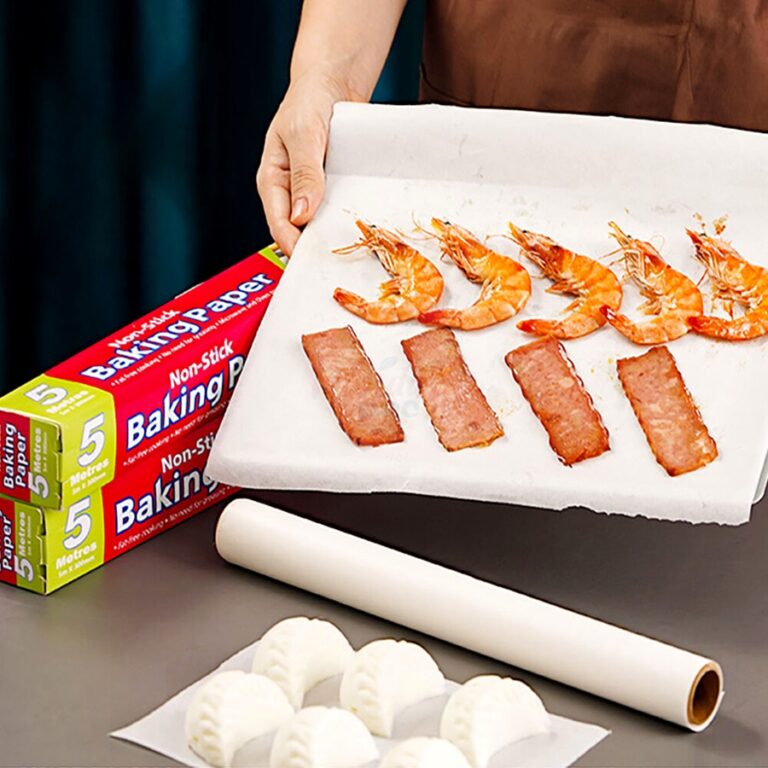
Start with food type. Is the packaging touching fried chicken, grilled meat, sushi, bread dough, butter pastry, sauced noodles, salad, frozen dessert, or reheatable meal prep? Then define timing. Will the food be packed for ten minutes at the counter, forty minutes in delivery, one day in a retail chiller, or weeks in a private-label supply chain? A heat-resistant Korean BBQ parchment paper should be judged under heat and oil exposure, while a kraft sushi bento box with compartments should be judged for presentation, moisture, chilled food handling, and window or lid requirements.
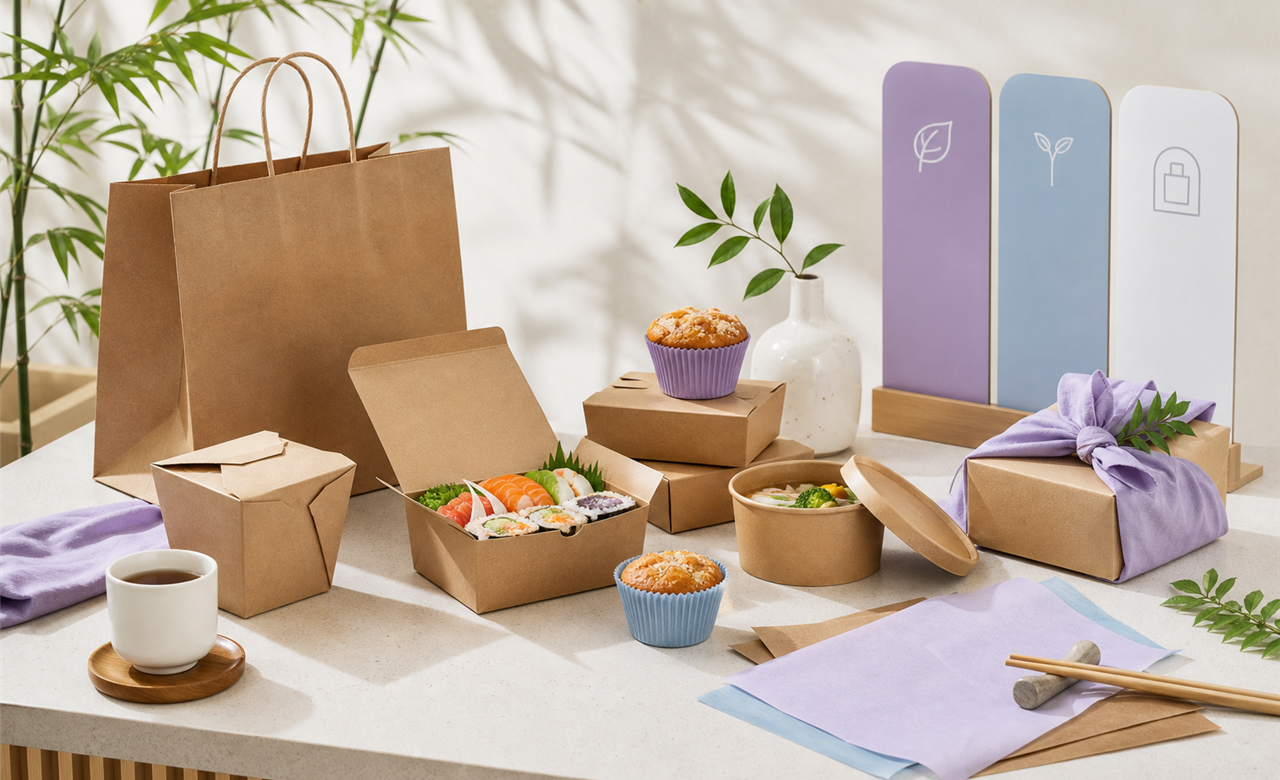
Next, ask how the packaging will be printed and converted. Ink coverage, folding lines, die-cut windows, glue areas, and ventilation holes can all influence real performance. A paper package is a living structure in the sense that every fold, layer, and surface affects how it serves food. This is why Holidaypacfactory usually recommends sample testing with the buyer’s actual food before mass production, especially for hot meals, oily foods, and oven or air fryer use.
The buyer should also separate “PFAS-free” from broad environmental claims. “PFAS-free” can describe a specific chemical direction when supported by supplier information. It does not automatically mean the whole package is compostable, recyclable, plastic-free, low-carbon, or accepted in every local recycling stream. A responsible product page should be precise. A responsible supplier should help buyers explain what can be said with confidence and what needs local confirmation.
| Test with the real food, real temperature, real sauce, and real holding time. | Ask whether the barrier direction is suitable for your destination market and claim language. |
| Check folding, gluing, printing, ventilation, and stacking before approving the final design. | Keep claims modest and documentation ready for retailers, importers, and internal teams. |
Procurement checklist
Supplier Questions for PFAS-Free Paper Food Packaging Projects
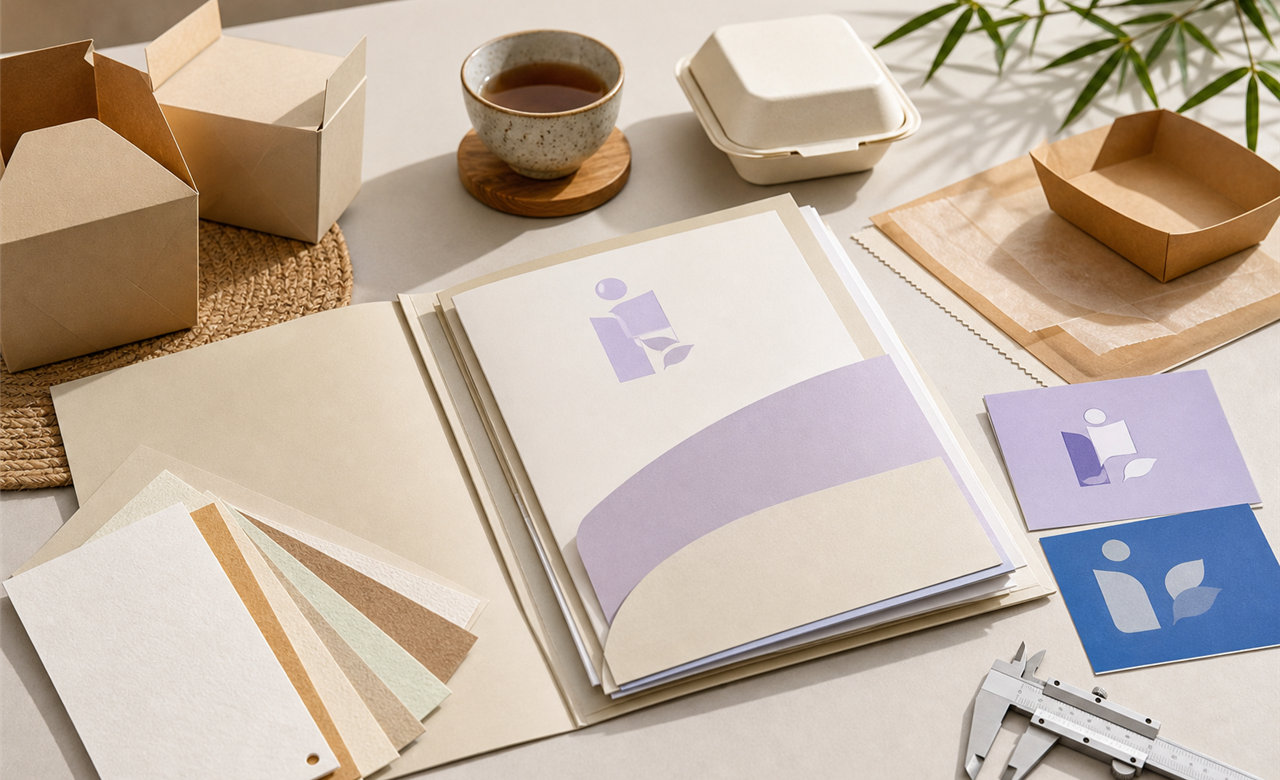
A strong supplier conversation should begin before artwork. Ask for the paper grade, coating or treatment direction, food-contact suitability, intended temperature range, oil and moisture performance, printing method, glue or adhesive details, carton information, and sample testing plan. If the product will be placed on the EU market, ask how the supplier supports the buyer’s PPWR review. If the product will be sold in the United States, ask whether the supplier can explain how the food-contact paper direction fits current FDA expectations for grease-proofing substances.
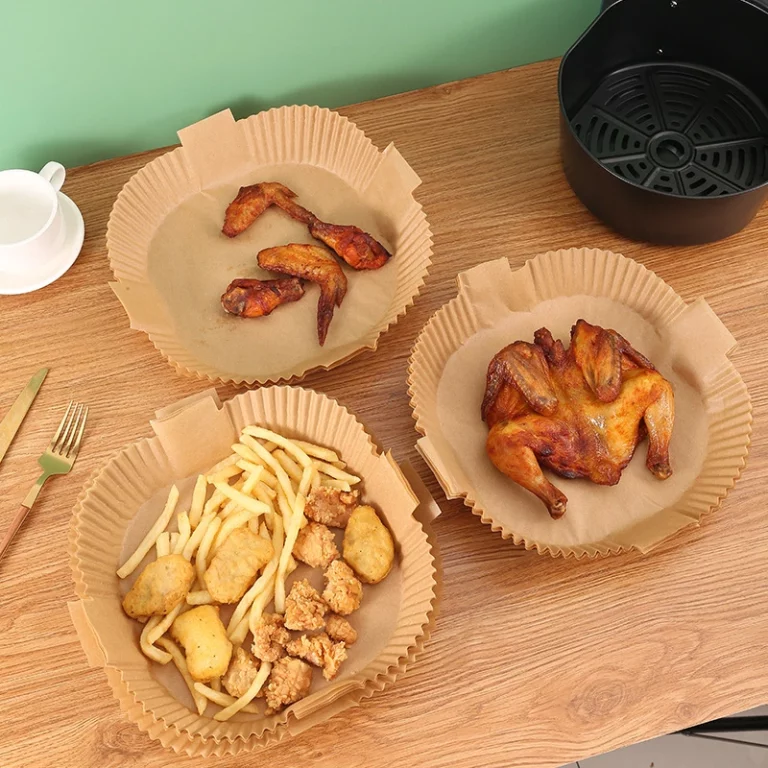
Buyers should also prepare their own internal brief. A factory cannot select the best structure if the buyer only says “make it eco-friendly.” A better brief says: this is a fried snack box for 35 minutes of delivery; this is a butter-rich muffin liner for bakery display; this is a chilled sushi bento with sauce compartments; this is a hot-air cooking liner for single portions. That level of detail helps Holidaypacfactory suggest more practical options, from non-stick loaf pan liners for bakery production to custom printed compartment paper bento boxes.
Documentation should not be treated as an afterthought. Retailers and distributors increasingly ask for clear product information because sustainability claims are under more scrutiny. The buyer should keep a file for each SKU: dimensions, material description, print artwork, carton packing, intended food use, test notes, supplier statement, and claim wording. This does not turn the buyer into a lawyer; it turns the buyer into a better operator. Final legal compliance should still be reviewed by the buyer’s own compliance team, but a well-organized packaging supplier can make that review faster and calmer.
Do not approve PFAS-free paper packaging only by looking at a pretty sample. Approve it by matching food condition, user experience, supplier documentation, brand design, and destination-market expectations.
Holidaypac culture
Why Paper Is Not Only a Material for Holidaypac
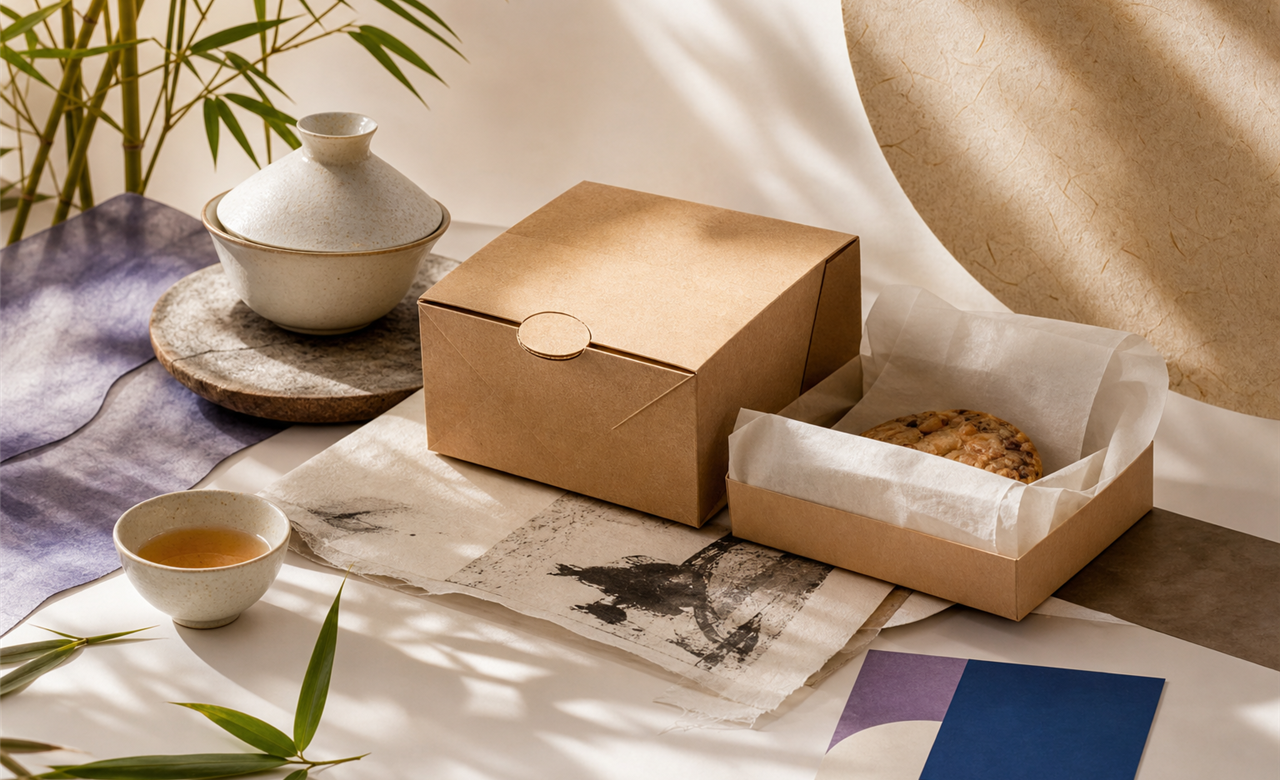
For Holidaypac, paper is not only a substrate. Paper is one of the simplest, oldest, most original, and most valuable materials in human daily life. It is close to nature, close to culture, and close to food. A sheet of paper can hold a cake, wrap a meal, protect a table, carry a brand color, absorb oil, guide a ritual, record a thought, and return more quietly to the natural world than many synthetic materials. This is why the company value Born from nature and return to nature is not a slogan placed on a wall. It is the beginning of how Holidaypac thinks about packaging.
Cassie Lan, founder of Holidaypac, brings a cultural depth that makes the factory different from an ordinary packaging supplier. She understands Chinese traditional culture and Western culture, and she has studied the broad Chinese Five Arts: Shan, Yi, Ming, Xiang, and Bu. In a business context, this does not mean packaging becomes mysterious. It means she looks for pattern, timing, balance, human feeling, and the relationship between visible form and invisible value. Her understanding of the Yijing helps her think about change and adaptation. Her respect for Buddhist wisdom helps her connect business with compassion, restraint, and long-term trust. Her reading of Zhuangzi gives Holidaypac one of its deepest starting points: people and nature should not be enemies.
Zhuangzi’s wisdom is not used here as decoration. It gives Holidaypac a way to understand packaging. Good packaging should not fight the food, the customer, the buyer, or the environment. It should follow the nature of the product. A muffin cup should open like a flower without stealing attention from the cake. A sushi bento box should create order and calm for fresh food. A parchment liner should do its work quietly, with heat resistance and cleanliness. A paper takeaway box should carry a hot meal without making the customer feel the package is excessive. In this way, a simple foldable paper takeaway container can express more than function. It can express respect.
This cultural view also creates practical value for buyers. When Holidaypac develops paper packaging, the team is not only thinking about price, size, and printing. The team is thinking about the emotional value created when the customer opens the package, the visual impact on a shelf or delivery counter, the comfort of touching paper, the honesty of the claim, and the buyer’s need to reduce risk. In a market where many suppliers can sell a box, Holidaypac wants to design packaging that carries civilization in a daily object.
Decision guide
A Practical Checklist for PFAS-Free Paper Packaging Buyers
First, define the food. Buyers should state whether the food is oily, wet, hot, chilled, frozen, baked, reheated, delivered, or displayed. The packaging for a fried snack is not the same as the packaging for sushi or bread. The more precise the food condition, the better the packaging decision.
Second, define the user moment. Will the customer eat immediately, carry the meal home, reheat it, place it in an air fryer, open it at a desk, or give it as part of a retail gift set? Food packaging is not only about containing food. It is about staging a small human moment. This is why buyers of flower-shape greaseproof muffin cups often care about visual emotion as much as release performance.
Third, define the market. EU buyers should pay close attention to PPWR timing, substances of concern, packaging minimisation, recyclability direction, labelling expectations, and retailer documentation. U.S. buyers should review FDA updates and state-level or customer-level PFAS expectations. Buyers selling across multiple markets should avoid overclaiming and ask for more conservative product language.
Fourth, request samples and test with real conditions. It is not enough to pour a little oil on a sample in a clean office. Test with the real food, real temperature, real stacking, real delivery time, and real handling. If the package is for production baking, use the real oven condition. If it is for hot takeaway, test lid closure, steam, oil migration, customer hand feel, and carton packing.
Fifth, connect the article, product page, and inquiry path. Buyers who read about PFAS-free paper packaging may be comparing several product types. A strong website should guide them naturally to oil-absorbing kitchen filter paper, bakery liners, parchment paper, bento packaging, and takeaway boxes without repeating the same keyword again and again. This is how education becomes commercial value.
From compliance to brand value
How Buyers Can Turn PFAS-Free Paper Packaging Into a Better Brand Experience
A common mistake is to treat PFAS-free packaging as a defensive project. The buyer sees a regulation headline, becomes worried, asks the supplier for a replacement, and then tries to keep the design exactly the same. That approach may solve one risk, but it often misses the bigger opportunity. If a brand is already reviewing its food-contact packaging, it can also improve size efficiency, artwork clarity, opening experience, shelf presentation, product photography, and inquiry conversion. A material review can become a brand upgrade.
For restaurant groups, the first opportunity is menu logic. Different foods should not be forced into one generic package just because the purchasing team wants fewer SKUs. A sauced rice bowl, a burger, a pastry, a sushi meal, and a snack platter have different needs. A smart packaging range can use a family language across several structures: similar paper tone, consistent print area, matching label position, and clear carton information. This gives the brand a professional look while allowing each package to serve the food correctly.
For supermarket and private-label buyers, the opportunity is trust at the shelf. A customer may only spend two seconds looking at a ready-meal package. In that short moment, the paper texture, window shape, color balance, and message hierarchy all matter. A clean kraft surface can communicate freshness. A disciplined purple-blue accent can create a premium Holidaypac-style calmness. A well-shaped compartment box can make the food look ordered and abundant. A careful kraft sushi bento box with clear window and compartments can make a simple meal feel more valuable without adding unnecessary packaging weight.
For bakery brands, PFAS-free planning should include touch and theatre. A cupcake liner, loaf pan liner, or bread baking tray is not only an industrial aid. It changes how the customer sees the bakery’s care. The paper should release cleanly, hold shape, avoid an oily hand feel, and support the food’s color. This is why a buyer comparing non-stick bread baking paper trays should ask about both production efficiency and the final consumer moment. Good paper disappears when it should disappear and becomes beautiful when it should be seen.
Holidaypac’s cultural position gives buyers another way to brief design. Instead of saying “make it green,” a buyer can say: make the package feel honest, natural, restrained, useful, and memorable. Instead of adding many icons and claims, the design can use simple space, natural paper color, a clean logo area, and one strong sentence. This matches Cassie Lan’s belief that packaging should not shout at the consumer. It should create a quiet sense of order. In the language of the Yijing, packaging must respond to change; in the spirit of Zhuangzi, it should follow nature; in Buddhist business thinking, it should create value without excess.
The commercial result is practical. Better packaging design can improve product photos, product pages, marketplace listings, distributor catalogues, retail buyer presentations, and social content. A buyer can use one PFAS-free paper packaging project to create a more complete sales system: product images, FAQ answers, specification sheets, internal links, and sample kits. When the website links from an education article to custom printed compartment paper sushi bento boxes or to heat-resistant parchment paper for grilled foodservice, the reader is not pushed by advertising. The reader is guided from concern to solution.
This is where Holidaypac wants to create value. The company can help buyers translate a difficult topic into an ordered packaging brief: what the food needs, what the market expects, what the brand wants to express, what the consumer should feel, and what documentation should support the claim. PFAS-free paper food packaging is therefore not only a compliance response. It can become a more mature way to build packaging that protects food, respects nature, and makes the brand easier to trust.
 Cassie Lan brings culture, export experience, and packaging design thinking into Holidaypac’s product development. | About the author Cassie Lan, Founder of HolidaypacCassie Lan is the founder of Holidaypac and the cultural center of the company. With 20 years in international trade and 16 years in packaging, she helps buyers connect practical packaging decisions with visual identity, cultural meaning, and long-term brand value. Her philosophy is simple and memorable: packaging should protect food, express culture, and return closer to nature. This is why Holidaypacfactory is not only a packaging supplier, but a creative partner for brands that want paper food packaging with function, feeling, and responsibility.
Born from nature and return to nature. Inspired by the Chinese idea of harmony between people and nature, Cassie encourages Holidaypac to develop paper food packaging design that feels useful to buyers, beautiful to consumers, and respectful to the environment. |
Buyer questions
FAQ: PFAS-Free Paper Food Packaging
What is PFAS-free paper food packaging?
PFAS-free paper food packaging refers to paper-based packaging designed without intentionally relying on PFAS chemistry for grease or water resistance. Buyers should still ask suppliers for material information, food-contact suitability, and appropriate documentation because claim language depends on market requirements and product structure.
Why is PFAS-free packaging important in 2026?
In 2026, PFAS-free planning matters because EU PPWR requirements generally apply from August 12, 2026 and include PFAS restrictions for food-contact packaging above certain thresholds. Buyers also face retailer pressure, consumer concern, and stronger expectations for clear sustainability claims.
Can PFAS-free paper packaging still be greaseproof?
Yes, but performance depends on the paper grade, barrier approach, food type, temperature, holding time, and converting details. Buyers should test samples with real food conditions instead of judging only by appearance.
What should buyers ask suppliers before ordering?
Ask for material structure, coating or treatment direction, intended use, temperature range, oil and moisture performance, food-contact information, sample testing plan, printing method, carton details, and claim support. For EU market projects, ask how the packaging is being reviewed against PPWR expectations.
How does Holidaypac connect PFAS-free paper packaging with culture?
Holidaypac sees paper as a simple, ancient, natural, and valuable material. Under Cassie Lan’s founder philosophy, packaging should protect food, carry culture, create emotional value, and return closer to nature. This is the brand meaning behind “Born from nature and return to nature.”
Official and industry sources used: European Commission packaging waste overview, EUR-Lex Regulation (EU) 2025/40, FDA PFAS food-contact update, EFSA PFAS topic page, and recent foodservice packaging trend reporting. This article is buyer guidance, not legal advice.