

Fast answer for buyers A food-to-go packaging system is the full set of packaging decisions that make takeaway food work in the real world: material, structure, food performance, delivery handling, consumer disposal, sustainability proof, product images, and supplier documentation. In 2026, buyers should not choose paper takeaway packaging only because it sounds sustainable. They need formats that work for actual foodservice operations and can be explained clearly to customers, retailers, and compliance teams. This matters for every buyer comparing one-piece foldable paper food boxes, sushi bento packaging, bakery liners, muffin cups, parchment paper, and air fryer liners. The best packaging decision is not simply paper versus plastic. It is whether the full packaging system helps the food arrive well, reduces avoidable waste, supports honest sustainability language, and gives the brand a better consumer experience. | Related packaging products Why systems matter now Design the whole system Supplier checklist Holidaypac culture |
Useful product paths
Packaging Categories Buyers Review After Food-to-Go System Planning
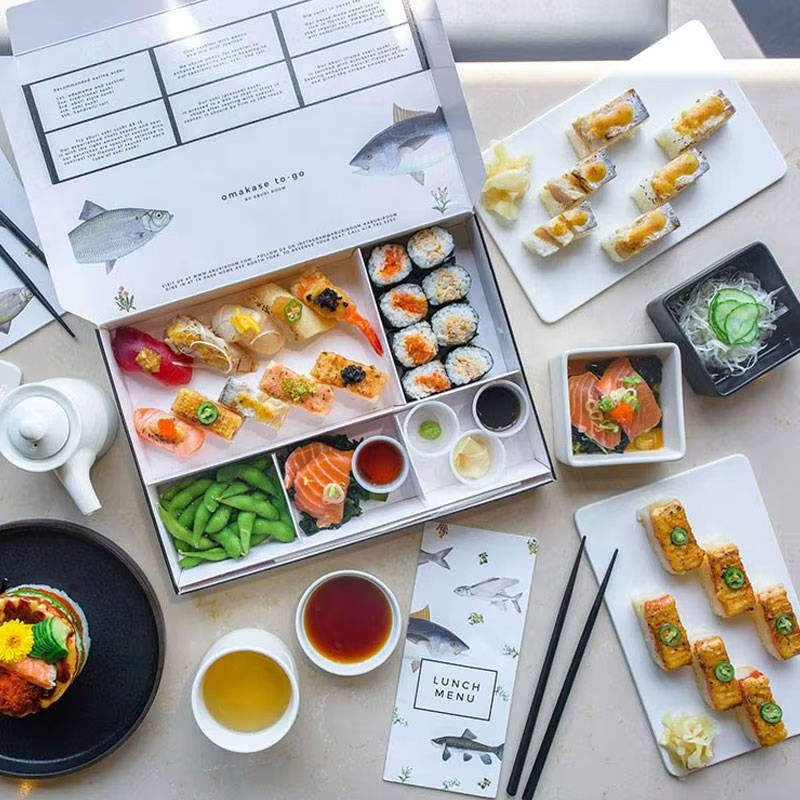
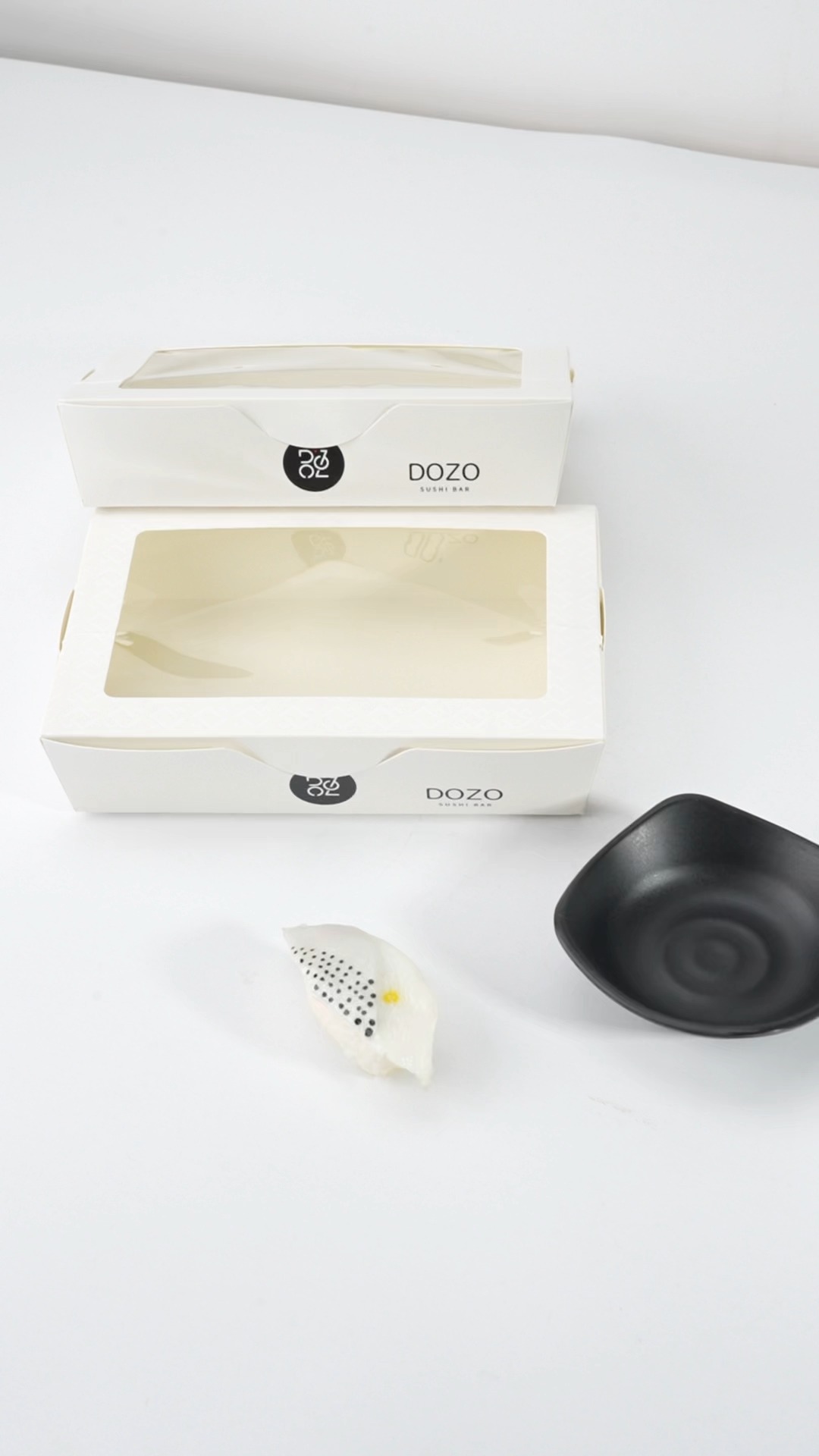
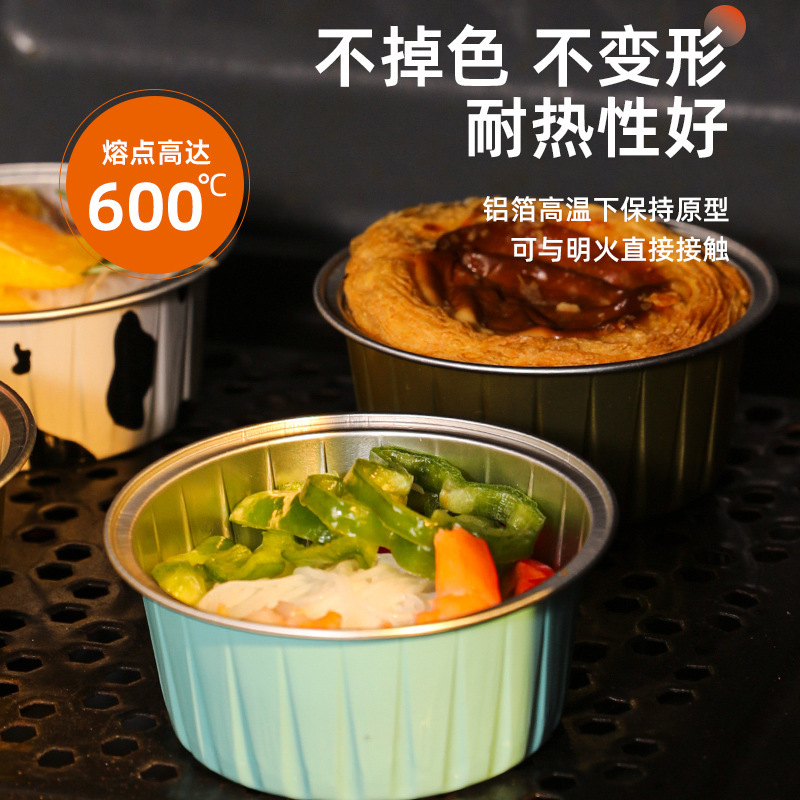
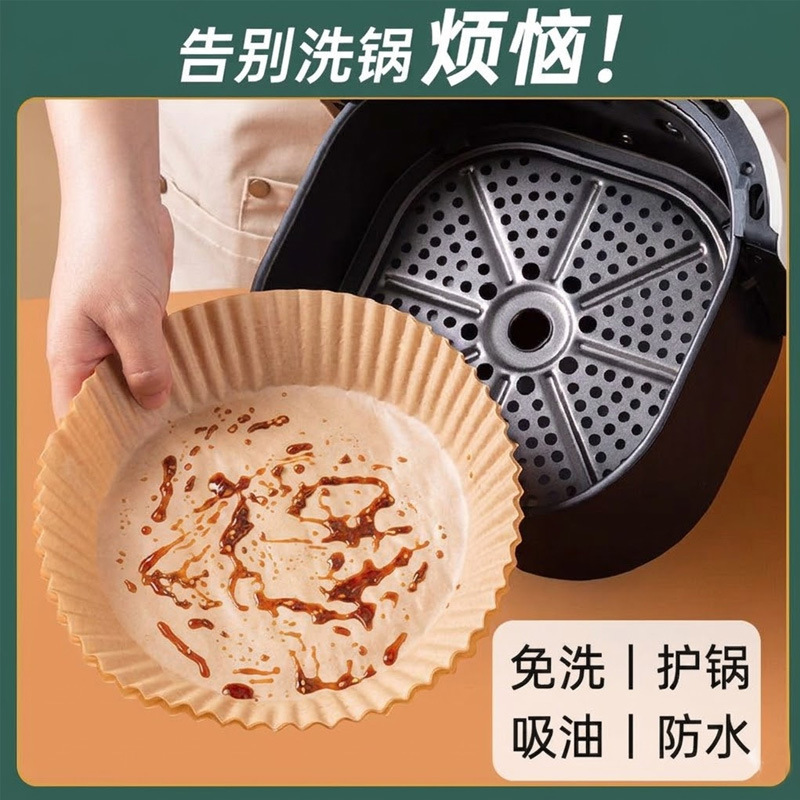
A food-to-go packaging system needs real formats. These eight Holidaypacfactory product paths help buyers move from strategy into practical paper packaging options for takeaway meals, bakery programs, sushi, grilling, air fryer use, and retail kitchen consumables.
Market shift
Why Food-to-Go Packaging Must Work as a System in 2026

The buyer file should connect food use, packaging format, claim proof, collection reality, and supply-chain documentation.
Food-to-go packaging used to be discussed mainly as a product: a cup, a lid, a box, a bag, a liner, or a tray. In 2026, buyers need to think in systems. A restaurant group does not only buy a box. It buys a way to hold food, protect texture, travel through delivery, communicate a brand, fit staff workflow, satisfy cost pressure, and answer customer questions. A bakery does not only buy a liner. It buys release performance, hygiene, visual consistency, shelf presentation, and repeatable packing speed.
Regulation and market pressure both reinforce this shift. The European Commission notes that PPWR entered into force on February 11, 2025 and will generally apply from August 12, 2026. ECHA also explains that the regulation is designed to reduce packaging waste, promote reuse and refill, improve recyclability, and address substances of concern in packaging. For buyers, this does not mean every food-to-go package must become reusable immediately. It means every packaging choice needs a clearer reason, a clearer material story, and a clearer disposal or recovery logic.
Foodservice trend reports are pointing in the same direction. Buyers are hearing about fiberization, compostable collection, reusable formats, verified sustainability, and systems that make sorting easier. The practical lesson is simple: a package is only as sustainable as the system around it. A compostable item is weak if the site has no collection route. A reusable container is weak if the operation cannot manage returns and washing. A paper box is weak if it leaks, becomes oversized, or carries a claim the buyer cannot support.
This is why paper-based takeaway packaging remains important. It can be a practical middle path for many foodservice and bakery applications, especially when the format is simple, the material is explainable, and the buyer can test the product under real use. Holidaypacfactory can help buyers compare eco-friendly kraft sushi bento boxes, foldable food boxes, parchment liners, bakery paper cups, and heat-resistant liners not as isolated products, but as parts of a food-to-go packaging system.
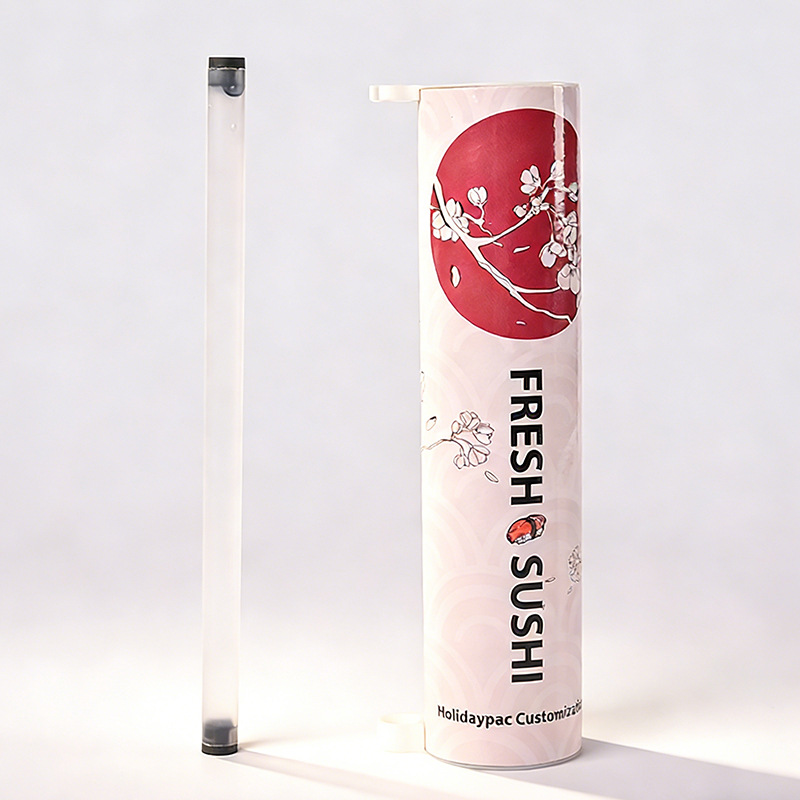
The system starts with food. Hot noodles, cold sushi, oily grilled meat, muffins, bread, cakes, sandwiches, and air fryer meals all need different packaging behavior. Some need ventilation. Some need grease resistance. Some need direct food contact performance. Some need a premium shelf display. Some need to survive courier delivery. A paper format that works beautifully for dry bakery products may fail for wet food. A bento structure that protects presentation may need a clear window or compartment logic. A parchment liner that performs in heat may need different instructions from a standard paper cup.
The next layer is staff workflow. A restaurant or bakery site has limited time. Packaging that is difficult to open, fold, stack, label, or pack will slow the operation even if it looks sustainable. Buyers should ask whether workers can use the format during peak hours. Can the box be folded quickly? Can it stack without crushing food? Can the liner be separated easily? Can the package be labelled without covering important information? These details decide whether the packaging system works in daily life.
Consumer behavior is another part of the system. A customer does not read a material specification sheet. They see the package, open it, eat from it, and decide whether the brand feels thoughtful. The package should not confuse the customer with exaggerated claims. It should make the use experience cleaner, easier, and more emotionally satisfying. A simple paper box with good structure, controlled print, and clear brand language can create trust. A messy claim on a weak package can create doubt.
For global buyers, documentation is the final layer. Product images, material notes, dimensions, pack count, carton planning, sample testing, artwork files, and claim wording should be organized early. When these details are not organized, the buyer may have a nice sample but no scalable packaging program. Holidaypacfactory’s value is to help buyers move from a packaging idea to an order-ready product file.
Design the whole system
Paper Takeaway Packaging Should Balance Performance, Proof and Emotion

The best takeaway packaging supports operation, food quality, consumer disposal behavior, and brand feeling at the same time.
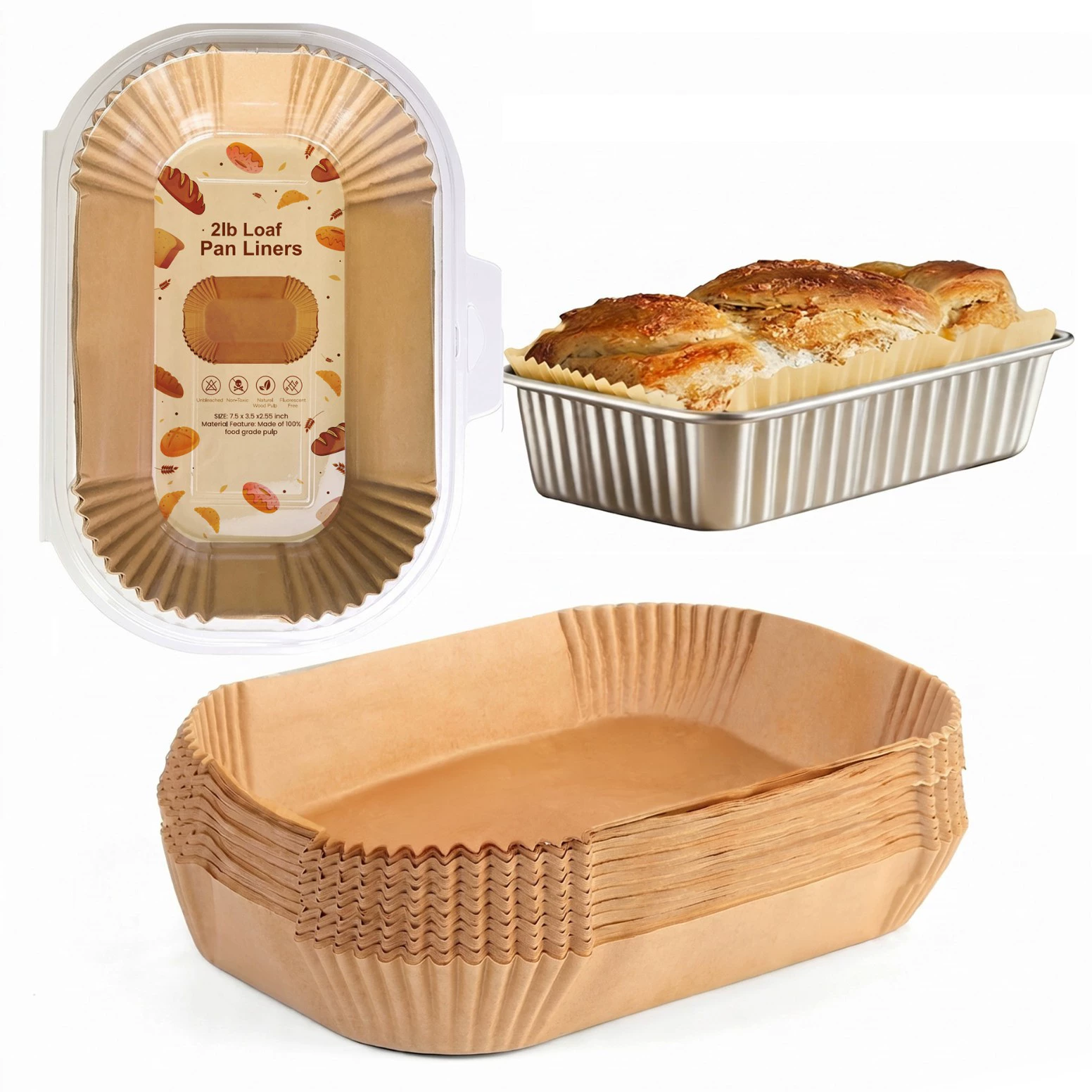
Performance comes first because food packaging has a job. It must protect food. It must handle oil, moisture, heat, pressure, release, display, or delivery depending on the application. For a bakery buyer, 2 lb loaf pan liners are not only paper pieces. They support consistent baking, cleaner release, and better pack presentation. For a grill restaurant, Korean BBQ round parchment paper needs heat and grease performance. For a takeaway counter, a foldable food box needs speed, structure, and enough dignity to carry the brand.
Proof comes second because sustainability language is becoming more disciplined. Buyers should be careful with broad claims such as green, eco-friendly, compostable, biodegradable, recyclable, plastic-free, or zero waste. These words may be useful in the right market with the right support, but they should not be used casually. A better buyer file explains the material, intended use, and conditions. If the package is paper-based, say what kind of paper-based structure it is. If it is designed for a specific foodservice use, explain that use. If recyclability depends on local collection, avoid universal language.
Emotion comes third, and it should not be dismissed. Food-to-go packaging is often the first physical contact between a brand and a customer outside the store. The customer sees the package before tasting the food. The package creates anticipation, cleanliness, and memory. A kraft paper box can feel natural and warm. A bento box can feel organized and thoughtful. A muffin liner can make a bakery product feel crafted. A clean paper sleeve can make a simple meal feel more considered.
Holidaypacfactory’s design direction is to combine these three layers. A product should not only pass a cost comparison. It should work in the kitchen, support a responsible material story, and carry visual value. This is where Cassie Lan’s cultural background matters. She understands that packaging is not only a container; it is a small piece of daily culture. It can communicate restraint, care, celebration, convenience, or calmness through structure, color, paper texture, and print discipline.
For private-label buyers, system design also includes photography and listing copy. A product page should show what the package is, how it is used, what size options are available, how it is packed, and what buyers should test before ordering. A product such as single-serve air fryer paper liners needs a different explanation from a sushi bento box. One is a retail kitchen consumable; the other is a food presentation and takeaway format. Both can be paper-based, but the buyer questions are different.
System design also prevents over-packaging. A buyer may request a premium look and add more layers, more inserts, more labels, more print coverage, and a larger carton. That may look impressive in a sample room but create waste, cost, and compliance questions later. A better approach is to make each element earn its place. If a window helps retail visibility, use it intentionally. If a label is needed for barcode and information, place it clearly. If a liner improves food quality, specify why. If a decorative insert does not help protection or brand experience, remove it.
Testing and documentation
From Sample Testing to a Repeatable Buyer File

A real buyer file should connect sample testing, product use, artwork, pack count, carton data, and claim wording.
A food-to-go packaging system becomes real during testing. Buyers should not approve a sample only because it looks good in a photo. Test it with the food it will actually hold. If the packaging is for hot food, test heat, steam, and closure. If it is for greasy food, test oil marks and bottom strength. If it is for bakery, test release, crumbs, shelf appearance, and handling. If it is for sushi or bento meals, test compartment stability, presentation, and transport. If it is for retail kitchen use, test how consumers open, separate, and use the liner.
The sample should also be tested in the operation. A restaurant worker may pack fifty meals during a rush. A bakery may line hundreds of pans before baking. A distributor may stack cartons in a warehouse. An eCommerce seller may ship private-label packs to customers who judge the product before using it. These situations reveal problems that are invisible in a supplier quotation. A liner that separates too slowly, a box that takes too long to fold, or a carton that crushes too easily can damage the system.
Documentation should grow with the test. Keep one file for each SKU. Include product name, intended food use, material description, dimensions, unit weight if available, pack count, carton details, artwork version, sample photos, test comments, and claim wording. This file helps the buyer compare suppliers and helps the factory reproduce the approved product. It also helps marketing teams create better product pages and FAQs.
For EU-facing buyers, the file may also support EPR and PPWR conversations. It is not a replacement for legal review, but it gives the buyer a cleaner starting point. When a retailer asks what the package is made from, how it is packed, what claim is being made, or why the structure was chosen, the buyer should not have to search through old emails. A supplier who helps build that clarity becomes more valuable than a supplier who only quotes a unit price.
Holidaypacfactory can support this process with product image planning, private-label packaging, carton label planning, sample coordination, and product structure discussion. For example, a buyer developing tulip muffin cupcake liners may need bakery presentation photos, retail pack options, greaseproof performance notes, and carton planning. A buyer developing round cake pan liner parchment paper may care more about size range, non-stick release, baking use, and clear usage communication.
A repeatable buyer file also protects brand consistency. When the buyer reorders, changes a size, adds a new SKU, or enters a new market, the file becomes the starting point. This reduces repeated mistakes and gives the packaging program room to improve. Over time, the buyer can build a more coherent packaging family: takeaway boxes, bakery liners, parchment papers, retail packs, and carton systems that feel like they belong to the same brand.
Procurement checklist
Questions Buyers Should Ask Before Ordering Food-to-Go Paper Packaging
The most useful buying conversations are specific. Instead of asking whether a package is sustainable, ask how the packaging system works. These questions help buyers compare paper takeaway formats, reduce redesign risk, and brief suppliers more clearly.
| What food will the package hold, and what heat, moisture, grease, delivery, or display conditions must it survive? | Does the format fit the restaurant, bakery, distributor, supermarket, or private-label workflow? |
| Can the sustainability claim be explained with material, structure, use condition, and local disposal context? | Does the buyer need a recyclable, compostable, reusable, refillable, or paper-based format, and does the site support that system? |
| What SKU-level information should be collected before mass production? | Can the supplier support product photos, private-label pack design, carton labels, and repeat-order specifications? |
These questions give buyers a better path than chasing every trend. A reusable format may be excellent for one site and unrealistic for another. A compostable format may be useful where collection exists and confusing where it does not. A paper takeaway box may be the right choice when the food use, material explanation, and customer experience are clear. A buyer should choose the format that works with the operation, not the format that sounds best in isolation.
Founder perspective
Why Holidaypac Connects Food-to-Go Packaging With Culture and Nature

Cassie Lan, founder of Holidaypac, has worked in international trade for 20 years and in packaging for 16 years. Her view is that packaging is not a silent container. It is a meeting point between food, culture, buyer responsibility, and consumer feeling. This is especially true for food-to-go packaging, because the package travels with the customer and becomes part of the eating moment.
Holidaypac’s value, “Born from nature and return to nature,” is not only a sustainability phrase. It is a design discipline. Packaging begins with natural materials and human need, then should return to responsibility through better structure, clearer use, and more thoughtful communication. Cassie often connects this with the Chinese idea of harmony between people and nature. In food packaging, that means the package should respect the food, the user, the operation, and the environment.
This cultural view gives Holidaypacfactory a different role. The company does not want to be only a supplier of sizes and prices. It wants to help buyers build packaging systems that feel practical and meaningful. A paper food box can express warmth. A bento box can express order. A muffin liner can express care. A parchment sheet can express clean function. These are small details, but food brands are built from small details repeated consistently.
For 2026, the strongest packaging programs will not be the loudest. They will be the clearest. They will choose materials honestly, test products carefully, avoid exaggerated claims, and create a customer experience that feels useful. Holidaypacfactory can support that direction through paper takeaway packaging, bakery paper, parchment liners, custom printing, private-label packs, and product documentation that helps global buyers move with confidence.
 Cassie Lan brings culture, export experience, and packaging design thinking into Holidaypac’s product development. | About the author Cassie Lan, Founder of HolidaypacCassie Lan is the founder of Holidaypac and the cultural center of the company. With 20 years in international trade and 16 years in packaging, she helps buyers connect practical packaging decisions with visual identity, cultural meaning, and long-term brand value. Her philosophy is simple and memorable: packaging should protect food, express culture, and return closer to nature. This is why Holidaypacfactory is not only a packaging supplier, but a creative partner for brands that want paper food packaging with function, feeling, and responsibility.
Born from nature and return to nature. Inspired by the Chinese idea of harmony between people and nature, Cassie encourages Holidaypac to develop recyclable food packaging design that feels useful to buyers, beautiful to consumers, and respectful to the environment. |
Buyer questions
FAQ: Food-to-Go Packaging Systems and Paper Takeaway Packaging
What is a food-to-go packaging system?
It is the full set of packaging decisions that support takeaway food: material, structure, food performance, delivery handling, staff workflow, customer use, disposal or collection, sustainability claims, and documentation.
Is paper takeaway packaging always the best sustainable choice?
Not always. Paper-based packaging can be practical and easier to explain in many foodservice uses, but buyers still need to test food performance, coating needs, claim wording, and local recycling or disposal realities.
How does PPWR affect food-to-go packaging buyers?
The EU PPWR generally applies from August 12, 2026. Buyers selling into Europe should review packaging minimization, reuse and refill expectations, recyclability direction, labelling, substances of concern, documentation, and EPR-related data with their compliance team.
What should buyers ask before ordering paper food-to-go packaging?
Buyers should ask about food use, heat, moisture, grease, delivery time, folding speed, stacking, sample testing, material structure, claim support, carton details, and whether the supplier can prepare a repeatable SKU file.
Can Holidaypacfactory help build a food-to-go packaging program?
Holidaypacfactory can help buyers compare paper food boxes, sushi bento boxes, bakery liners, parchment paper, air fryer liners, and private-label packaging, while supporting product images, carton planning, custom printing, samples, and product documentation.
Official and trend sources used: European Commission PPWR packaging waste page, ECHA PPWR explainer, Packaging Insights foodservice fiberization report, Vegware food-to-go packaging trends for 2026, and Packaging Digest foodservice packaging trends. This article is buyer guidance, not legal advice.