
8 Packaging Links Related to PCR, Recycled Content and Responsible Material Choices
Before reading the full PCR guide, buyers can compare these Holidaypacfactory packaging pages first. The selection focuses on recycled paperboard, recycled kraft packaging, recyclable food boxes, PFAS-free paper food packaging, eco fast-food packaging systems and greaseproof paper choices that often appear in sustainability discussions.
What Is PCR Packaging? Post-Consumer Recycled Materials Explained for Packaging Buyers
PCR is short for Post-Consumer Recycled. In packaging and materials, it means recycled material that comes from products after they have been used by consumers, collected, sorted and processed so the material can enter a new production cycle. For buyers, PCR is not only a technical abbreviation. It affects packaging claims, material sourcing, brand communication, compliance review and the way a supplier explains recycled content to a retail or food-service customer.
This Holidaypacfactory guide explains PCR in practical buyer language. It covers PCR versus PIR, why post-consumer content matters, how recycled-content claims should be handled carefully, and how packaging teams can discuss PCR options without making vague environmental promises.
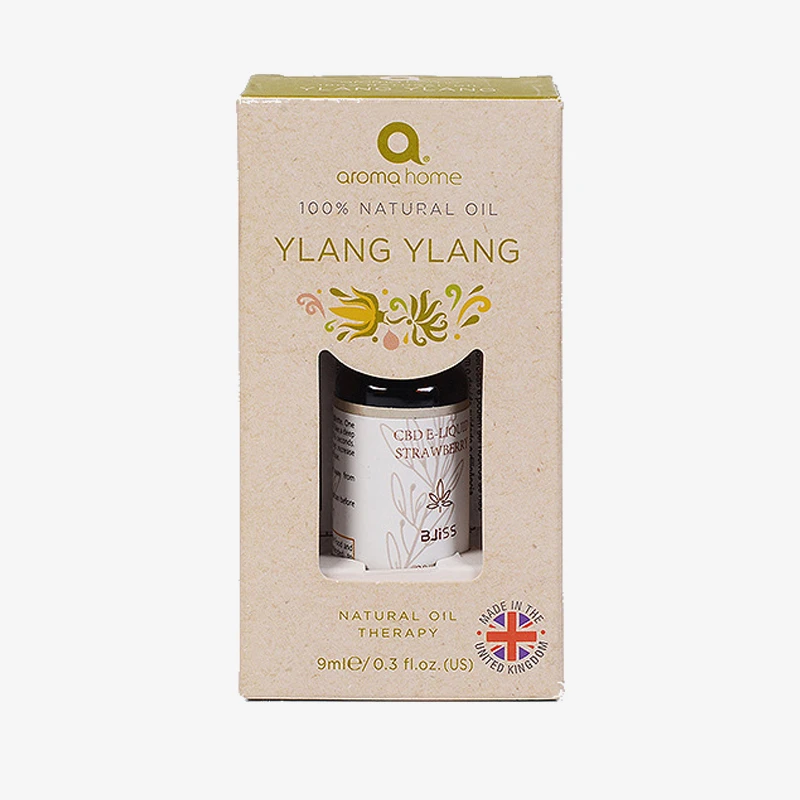
PCR Means Post-Consumer Recycled, Not Just Any Recycled Material
In everyday packaging discussions, people often say recycled material as if every recycled input is the same. PCR is more specific. It refers to material that has already completed a consumer-use cycle. A bottle, carton, paperboard item or other product is used, discarded into a collection stream, recovered, sorted and processed into recycled feedstock. That feedstock may then be used in new packaging, depending on the material, performance requirements and regulatory limitations.
For packaging buyers, the difference matters because PCR usually has stronger circular-economy meaning than factory scrap recycling. It shows that material from the consumer waste stream is being returned to production. The U.S. EPA notes that buying products with recovered materials helps ensure collected recycling materials are used again in new products, and its recycled-content programs discuss both post-consumer and total recovered material content. PCR is one part of that broader recovered-material conversation.
At the same time, PCR is not a magic word. It does not automatically mean a package is suitable for food contact, easily recyclable in every market, lower impact in every situation or allowed to carry broad environmental claims. The right question is not simply whether PCR is present, but how much PCR is used, where it is used, what material it replaces and whether the claim can be supported.
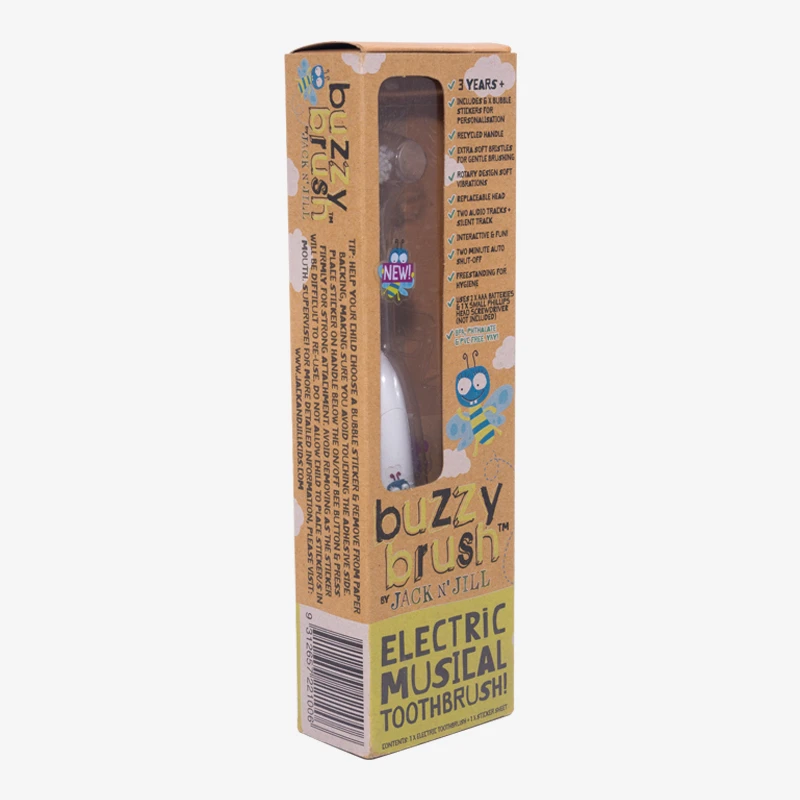
PCR vs PIR: Why the Difference Matters for Packaging Decisions
PIR is often easier to control because it comes from manufacturing or converting waste before the product reaches consumers. Examples may include trimming waste, offcuts or production scrap that can be collected inside a factory process. PCR has a different story because it comes from materials after consumer use. That post-consumer path can make the sustainability message stronger, but it can also make supply, color and performance more complex.
Buyers should not treat PCR and PIR as interchangeable in quotations, technical sheets or product pages. If a supplier says recycled content, the buyer should ask whether it is post-consumer, pre-consumer or a blend. The percentage should be clear, and the claim should identify the package component when only part of the structure contains recycled content.
For example, a paperboard box, a window film, a tray insert and a coating layer may each have different material stories. Saying that the whole package is PCR when only one component contains post-consumer material can create confusion. A more careful description is usually stronger for long-term brand trust.
PCR Claims Should Be Specific, Accurate and Easy to Support
PCR is valuable, but the claim needs discipline. The U.S. FTC Green Guides are widely used as a reference for environmental marketing principles in the United States, and the central lesson is simple: environmental claims should not mislead. For packaging teams, that means broad statements like eco-friendly, green or sustainable should be handled carefully unless the brand can explain exactly what the claim means.
A stronger approach is to use specific language: made with a stated percentage of post-consumer recycled content, made with recycled paperboard, recyclable where facilities exist, or designed to reduce virgin material use. Specific claims help procurement teams, retailers and consumers understand the real packaging decision instead of relying on vague emotional language.
Holidaypacfactory can help buyers translate material choices into clearer packaging copy. If the package uses recycled kraft paper, PCR plastic in a window, recyclable paperboard or a PFAS-free food paper solution, each claim should be connected to the correct component. This protects the buyer from overstating the environmental benefit and gives the sales team a more confident explanation.
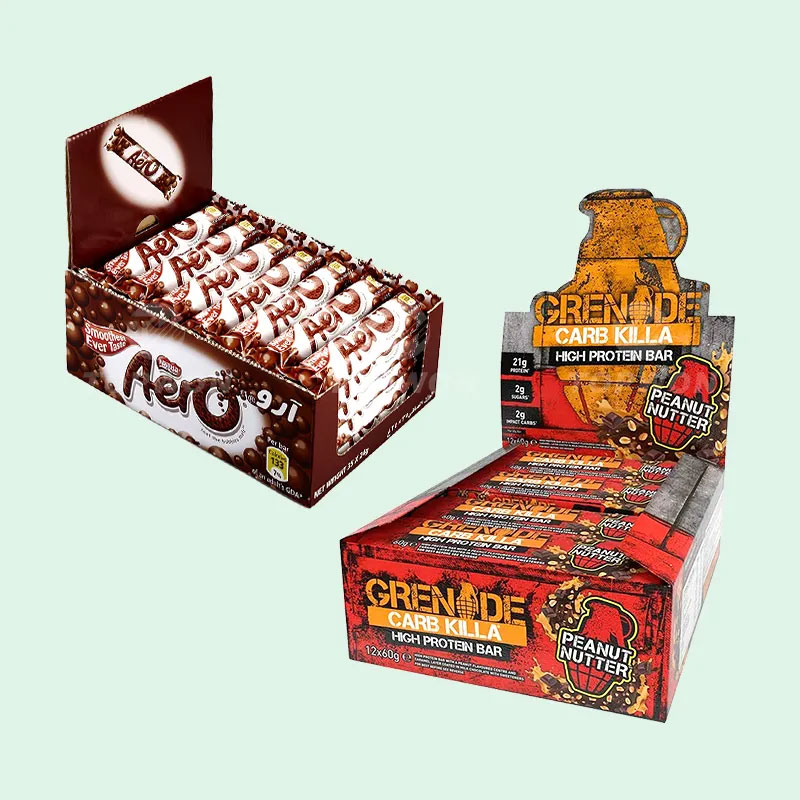
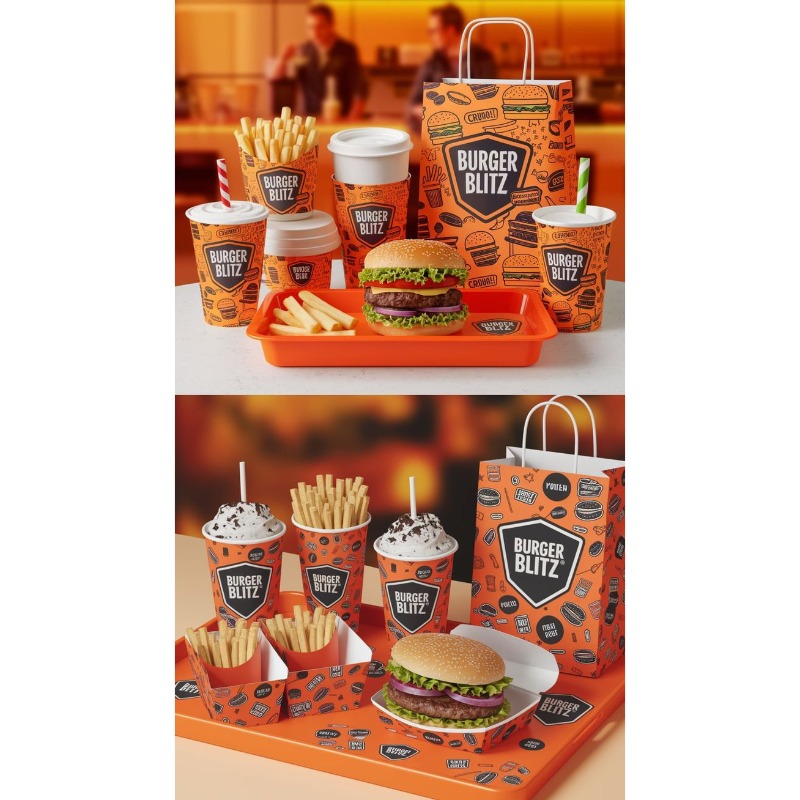
PCR in Food Packaging Requires Extra Attention to Contact Layers and Regulations
Food packaging adds another layer of responsibility. A buyer may want PCR content, PFAS-free paper, grease resistance, recyclability and attractive printing at the same time. These goals can interact with each other. A recycled-content material may not be suitable for direct food contact unless the structure, barrier layer and market requirements are properly reviewed. A grease-resistant coating may affect recyclability. A window or label may change how the package should be described.
This is why Holidaypacfactory does not treat PCR as a slogan. For food packaging, the discussion should begin with food type, temperature, grease level, holding time, destination market and the part of the package that touches food. A bakery box, a takeaway meal box, a sandwich wrap and a fast-food tray may each need a different balance between recycled content, virgin food-contact layer, coating and printing.
For buyers, the practical step is to separate two questions. First, what material story does the brand want to tell? Second, what does the package need to do in real service? Good packaging decisions happen where those two answers meet.
PCR Packaging Still Needs Good Structure, Printing and Buyer Experience
Sometimes brands focus so heavily on PCR content that they forget the customer still judges the package visually and functionally. A recycled-content box still needs clean printing, good fold lines, reliable closure, enough strength and a pleasant opening experience. If the package feels weak or messy, the sustainability message will not rescue the brand experience.
PCR and recycled paperboard can also affect color expectations. Natural kraft tones, slight shade variation or fiber texture may be part of the material character. This can look warm and honest for some brands, but it may not match every premium color system. Buyers should review real samples before locking artwork, especially when printing light colors, detailed graphics or brand-critical tones.
The best PCR packaging projects connect material and design from the start. A natural kraft look can support organic, handmade and responsible brand stories. A clean white board with a recycled-content claim may support retail clarity. A hybrid food structure may support safety and function while still reducing virgin material in non-contact components.
Questions to Ask Before Choosing PCR or Recycled-Content Packaging
When buyers request PCR packaging, the first supplier conversation should be precise. A short checklist prevents confusion later in sampling, quotation and claim approval. This is especially useful for importers, restaurant groups, distributors and private-label brands that need to explain packaging choices to their own customers.
For example, a buyer may choose custom recyclable bakery boxes for a food-grade retail program, printed greaseproof release paper for liners and wrapping, or recycled kraft packaging for dry goods. Each choice has a different claim path. The goal is not to use the same wording everywhere. The goal is to make the wording fit the material and the package function.
Holidaypacfactory’s role is to make this conversation practical. Instead of only asking whether the buyer wants eco packaging, the team can help identify which structure, board, coating, print method and related product page best supports the buyer’s product category.
How to Turn a PCR Packaging Idea Into a Real Supplier Brief
A useful PCR packaging project starts with a clear supplier brief. The buyer should not begin only with the sentence, “We need eco packaging.” That sentence is too broad for quotation, sampling and production. A stronger brief explains the product category, the market, the expected package structure, the desired material story, the target recycled-content percentage if known, and whether the packaging will touch food directly.
For a retail box, the supplier brief may focus on recycled paperboard, print quality, shelf impact and whether a window is needed. For food packaging, the brief should include food type, temperature, grease level, storage time and whether the recycled-content component is separated from direct food contact. For wrap paper, the brief should include oil resistance, heat exposure, printing coverage and whether the paper will be used inside a branded box or as a standalone service item.
The quotation should also be structured carefully. A buyer can ask the supplier to separate material, printing, tooling, sample cost, mass production cost, packing method and estimated lead time. If PCR content is part of the request, the quote should identify which component contains PCR and whether the quoted price assumes a certain percentage. This prevents a common problem: two suppliers may both say recycled packaging, but one quote may include post-consumer material while the other uses only pre-consumer scrap or ordinary kraft board.
During sample approval, the buyer should compare the sample against both brand needs and claim needs. Does the package look right? Does the board feel strong enough? Does the color meet expectation on recycled or kraft material? Does the window, coating or label change the recyclability message? Does the packaging copy avoid overstating the benefit? These questions are easier to answer before production than after the first large order arrives.
After the first production run, keep the material notes, approved sample photos, artwork version, recycled-content wording and packing method together. PCR packaging is often reordered, and reorder accuracy depends on memory that can be shared across teams. When the approved record is clear, purchasing, sales, design and factory teams can repeat the same material story without rebuilding the project from the beginning.
This is how a recycled-content idea becomes a controlled packaging program rather than a one-time sample discussion.
It also gives buyers a clearer basis for future supplier comparison and approval.
Better Ways to Write PCR and Recycled-Content Packaging Claims
Many packaging pages become weak because the claim language is either too vague or too aggressive. “Eco-friendly packaging” may sound attractive, but it does not tell the buyer what changed. “100% sustainable” is even riskier because it can imply more than the package can support. A better approach is to write specific, component-based and evidence-friendly language.
For example, a buyer can say “box made with recycled paperboard,” “contains post-consumer recycled content,” “paperboard component made with a stated percentage of recycled content,” or “designed for recyclability where local facilities accept this structure.” Each phrase still needs the right documentation and market review, but it is clearer than a broad claim. It also helps the supplier understand what must be controlled in production.
For food packaging, wording should be even more careful. If a box uses a virgin food-contact layer and recycled outer board, the claim should not imply that every layer is PCR. If a wrap paper is greaseproof because of a coating, the brand should check whether that coating affects recycling guidance. If a plastic window contains recycled content, the claim should identify the window rather than the entire box unless the full structure supports that statement.
Holidaypacfactory can help buyers prepare this language as part of the packaging development process. The goal is not to make the claim smaller. The goal is to make the claim stronger because it is precise. A precise claim is easier for sales teams to explain, easier for retailers to review and easier for future production teams to repeat.
Recycled and Responsible Packaging Is Easier to Understand When the Image Matches the Claim
One of the most common problems in sustainability content is visual mismatch. A page may talk about PCR plastic but show a generic paper bag. It may discuss food-contact packaging but show a gift box. It may claim recyclability but show a heavily laminated structure. That mismatch makes the page feel less trustworthy, even if the text is technically correct.
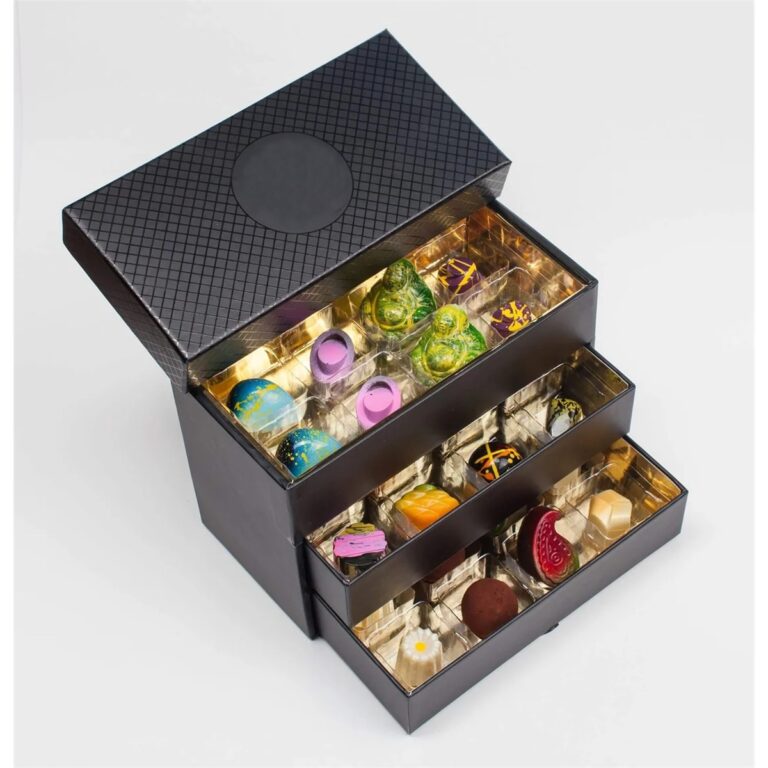
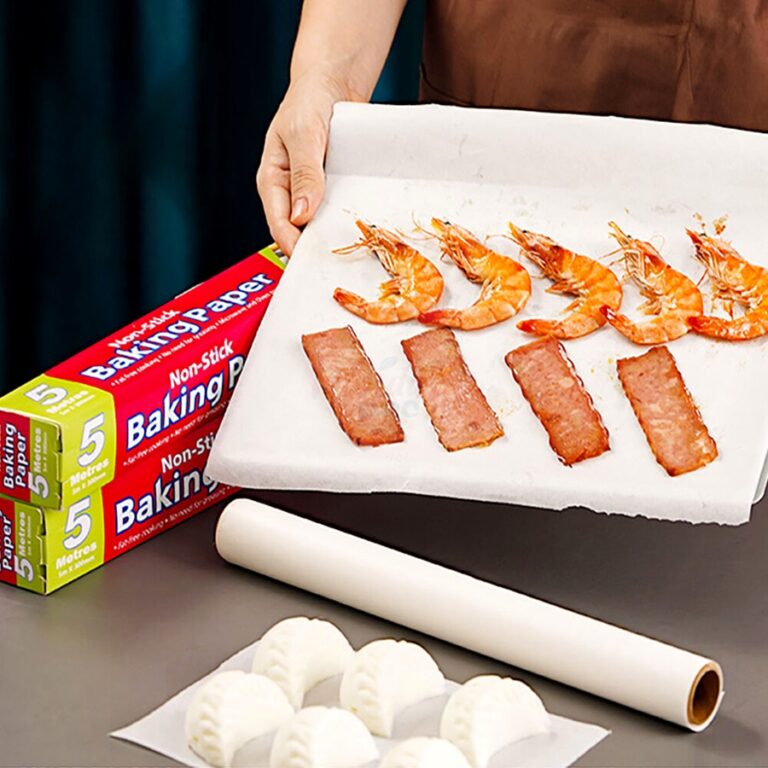
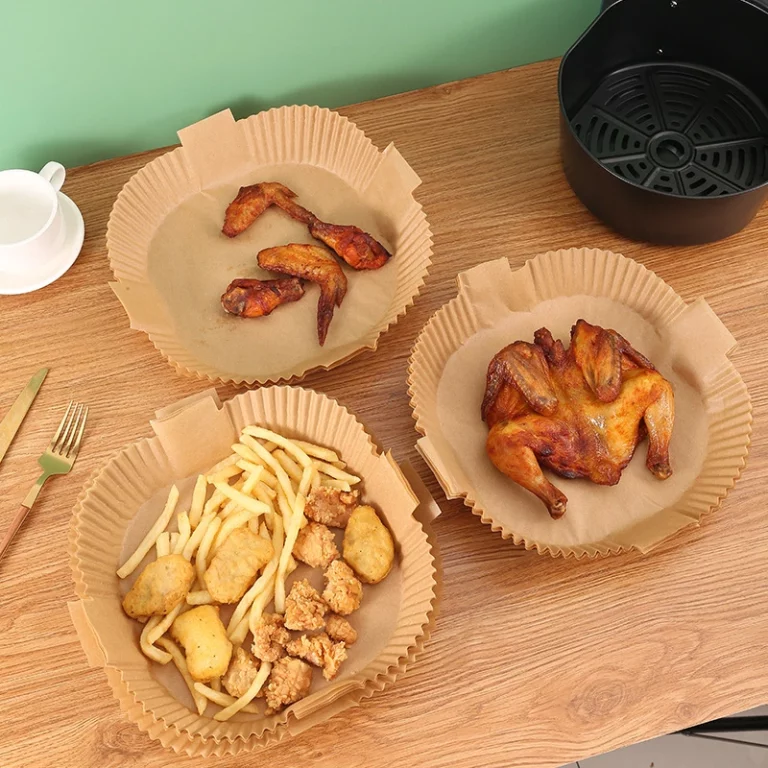
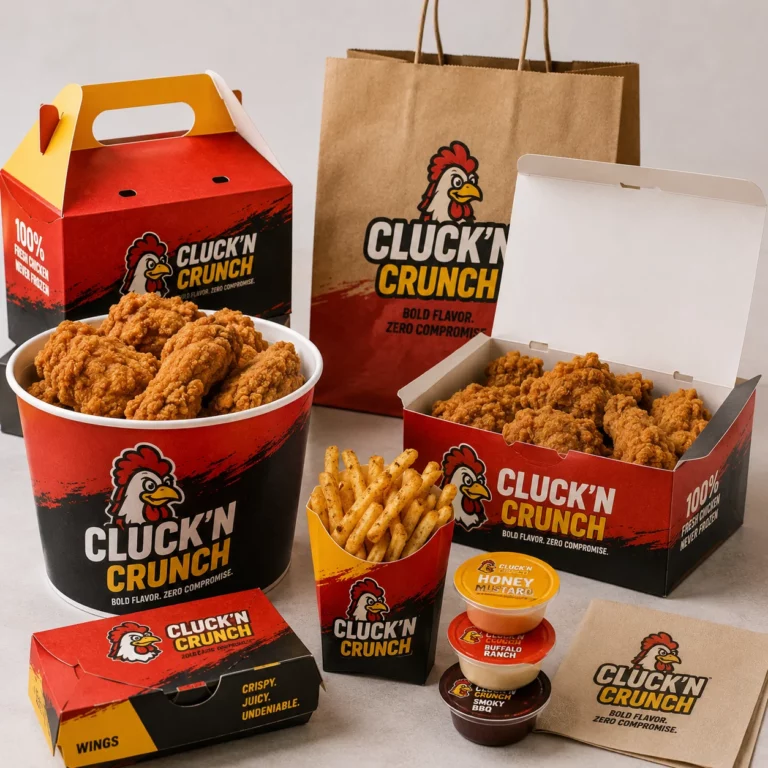
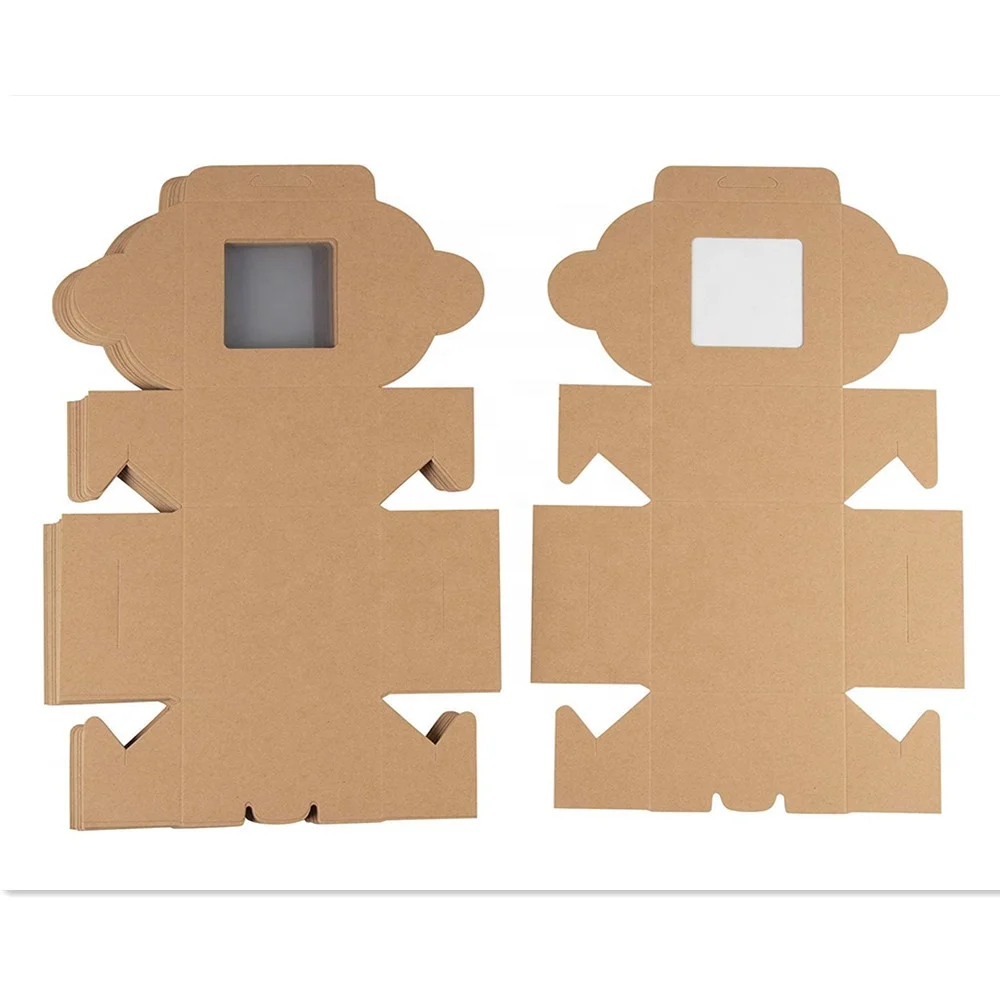
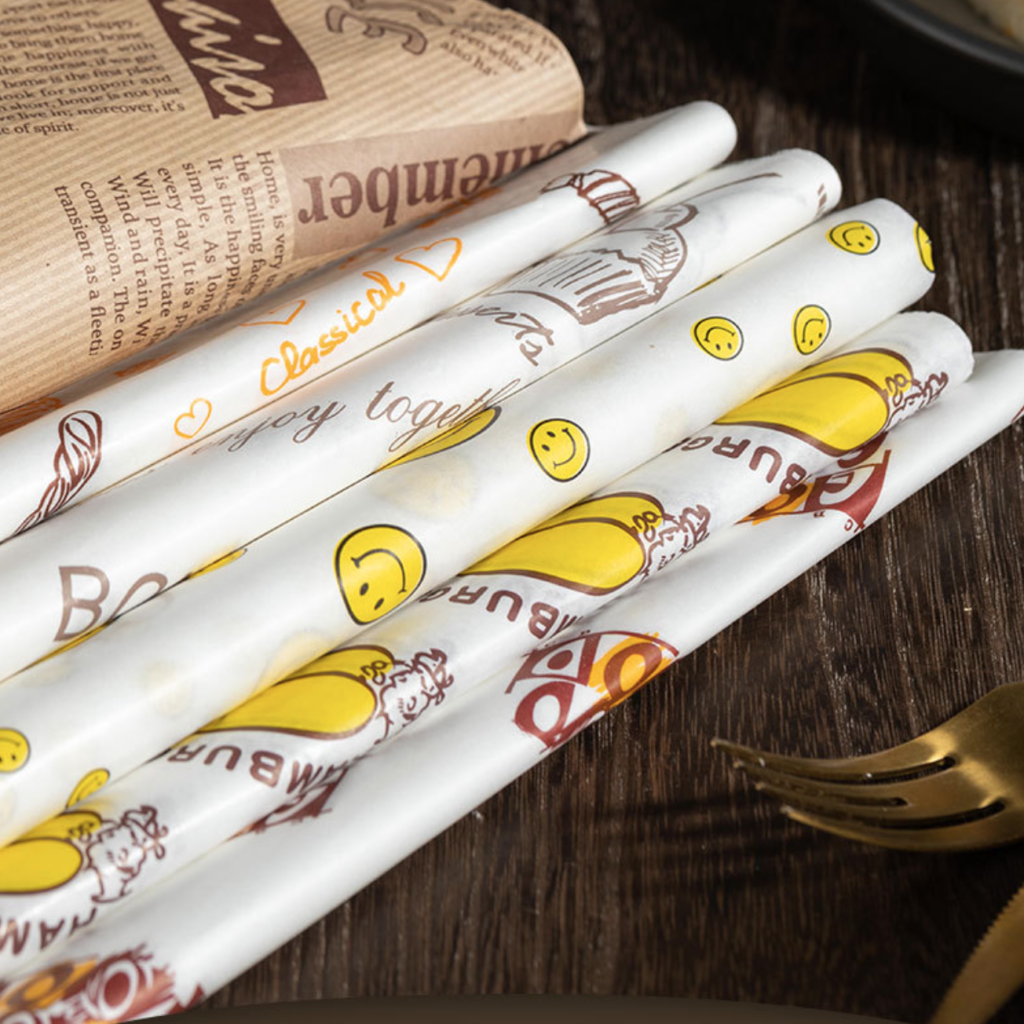
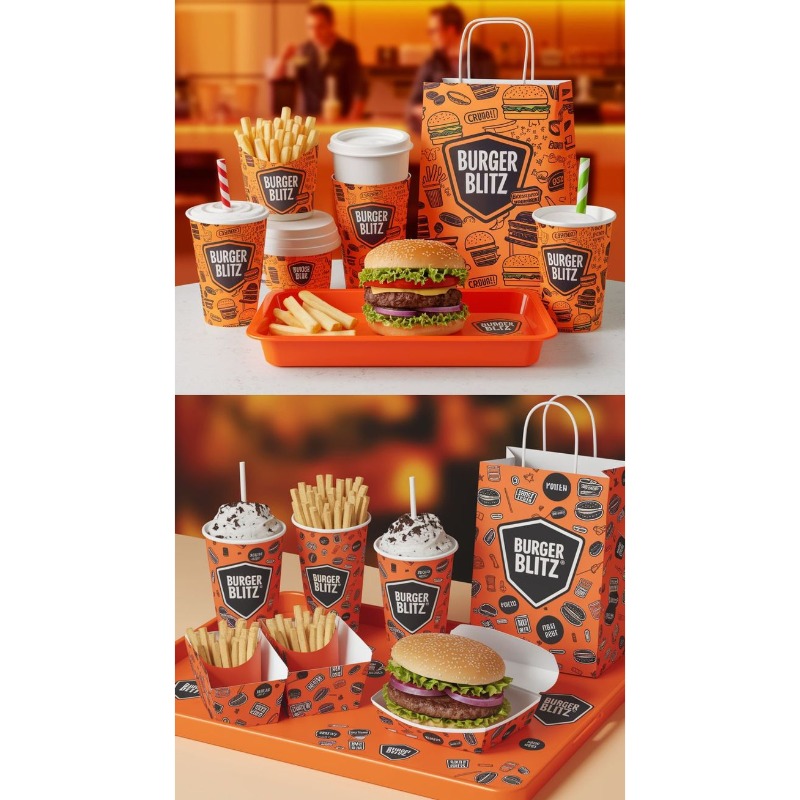
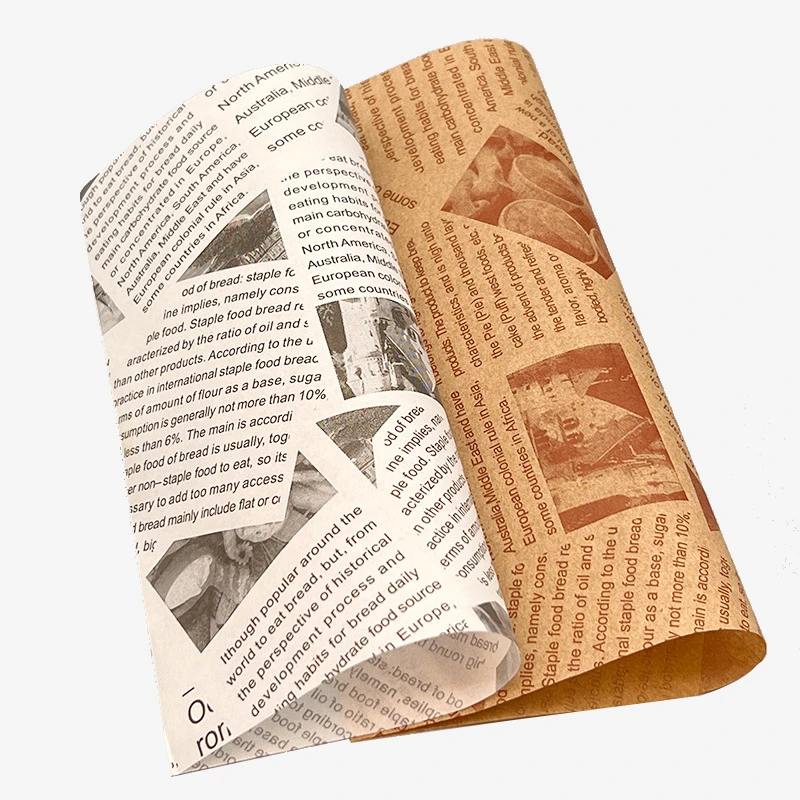
For this blog, the related images were chosen to support the reading path: recycled paperboard boxes for the PCR definition, recycled kraft packaging for material origin, recycled display packaging for claim control, PFAS-free paper food packaging for food-use caution, fast-food packaging for daily service and greaseproof paper for functional material decisions.
This is the same logic Holidaypacfactory should use on product pages. The image should help the buyer understand the claim. If the paragraph discusses PCR percentage, show the material or packaging family. If the paragraph discusses food contact, show a food packaging structure. If the paragraph discusses retail display, show the box in a display-friendly view.
PCR Is Not Only a Material Word. It Is a Trust Word.
From Cassie Lan’s perspective, PCR is valuable because it helps packaging teams talk about responsibility in a concrete way. Instead of saying that a package feels sustainable, the buyer can discuss post-consumer recycled content, material percentage, component design and documentation. This turns a broad brand idea into a factory and sourcing conversation.
But Cassie Lan would also be careful with the language. In international packaging trade, buyers come from different markets, and each market may have its own rules, retailer expectations and consumer understanding. A claim that sounds attractive in a sales presentation may need more precise wording on a website, quotation sheet or retail package. That is why Holidaypacfactory should help customers choose words that are commercially useful and responsible.
The culture behind this approach is simple: do not make packaging look more responsible than it is, and do not hide the practical value when a better material choice has been made. Good communication sits between those two extremes. It gives the buyer confidence, gives the factory a clear standard and gives the end customer a message that can be understood without exaggeration.
For Holidaypacfactory, PCR packaging is therefore not just a material option. It is part of a larger working method: ask better questions, match images with claims, verify the structure, protect food-use requirements, and keep records that make future orders easier to repeat. That method is what turns sustainability from a slogan into a packaging system.
PCR Packaging FAQ for Buyers
What does PCR mean in packaging?
PCR means Post-Consumer Recycled. It refers to material recovered after consumer use, collected through recycling systems and processed into usable recycled material for new products or packaging components.
Is PCR the same as PIR?
No. PIR usually means Post-Industrial Recycled or pre-consumer production scrap. PCR comes after consumer use, while PIR comes from manufacturing or converting waste before the product reaches consumers.
Can PCR content be used for food packaging?
It depends on the material, structure, food-contact layer and market regulations. Buyers should confirm food-contact suitability, recycled-content percentage, migration requirements and any local compliance rules before making a food packaging claim.
Can a brand say its package is eco-friendly because it uses PCR?
Brands should be careful. PCR content can support a sustainability story, but claims should be specific, accurate and supported. It is better to state the material and recycled-content percentage than to use broad language that may mislead buyers or consumers.
What information should buyers ask suppliers for?
Ask for material type, PCR percentage, whether the content is post-consumer or pre-consumer, supporting documentation, food-contact suitability, printing limitations, color expectations, MOQ, lead time and whether the package remains recyclable after coatings, windows or labels are added.
How does Holidaypacfactory help buyers discuss PCR packaging?
Holidaypacfactory helps buyers connect material choices with packaging structure, printing, food use, product visibility, durability, claim language and repeat-order control so the final package is practical as well as responsible.