
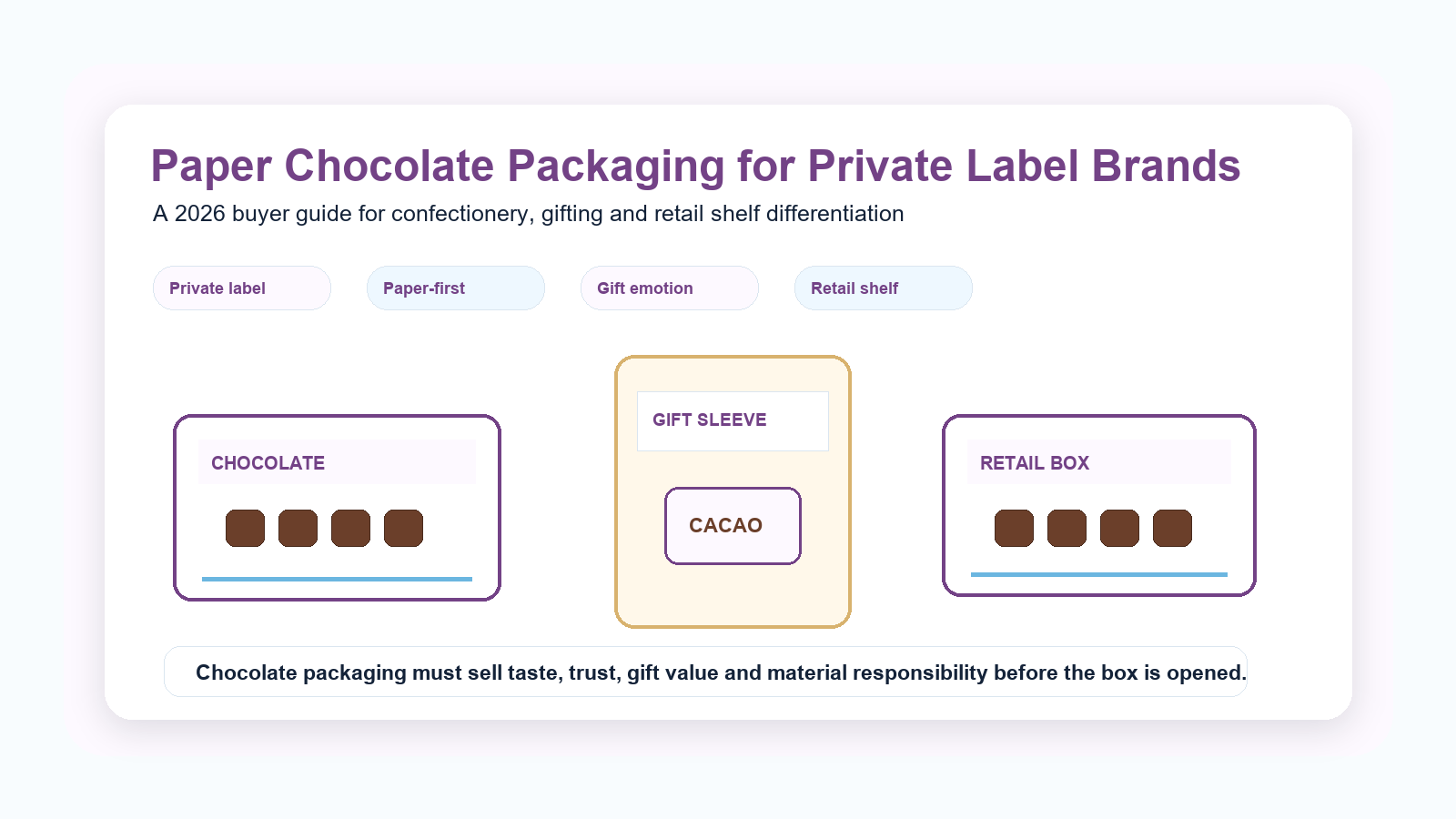
Holidaypacfactory Buyer Guide Private Label Chocolate Packaging Must Look Ownable, Not GenericFor private label brands, paper chocolate packaging is a sourcing decision that connects product protection, presentation and packing efficiency. A useful brief defines the chocolate format, sales channel and sample acceptance criteria before comparing decorative finishes. Chocolate packaging has to do more than protect a sweet product. It has to signal taste, gift value, origin story, shelf quality and material responsibility in a few seconds. Private label has changed. It is no longer only a cheaper alternative to national brands. In many retail channels, private label is becoming a design-led product strategy. Supermarkets, gift retailers, specialty food stores, online sellers and seasonal brands want packaging that looks ownable, feels premium and still works at scale. Paper-based chocolate packaging is a practical way to create that value when the structure is chosen correctly. |
The challenge is that chocolate is emotionally sensitive and operationally demanding. Bars, truffles, pralines, seasonal gift sets and multipacks all need different protection and different presentation. The box must protect against crushing, keep pieces organized, guide the opening moment, fit shelf display, support labeling and sometimes survive international shipping. A beautiful paper box that fails on insert fit, closure or carton packing is not a successful package.
Holidaypacfactory approaches this topic through practical export packaging experience and HolidayPac’s cultural value: Born from nature and return to nature. Under the guidance of Cassie Lam, Founder of HolidayPac, paper is treated as a simple, ancient and emotionally rich material. Chocolate packaging is not only a wrapper. It is a gift ritual, a visual promise and a way to connect food, culture and nature.
Build a Private Label Chocolate Packaging System Around Product Format
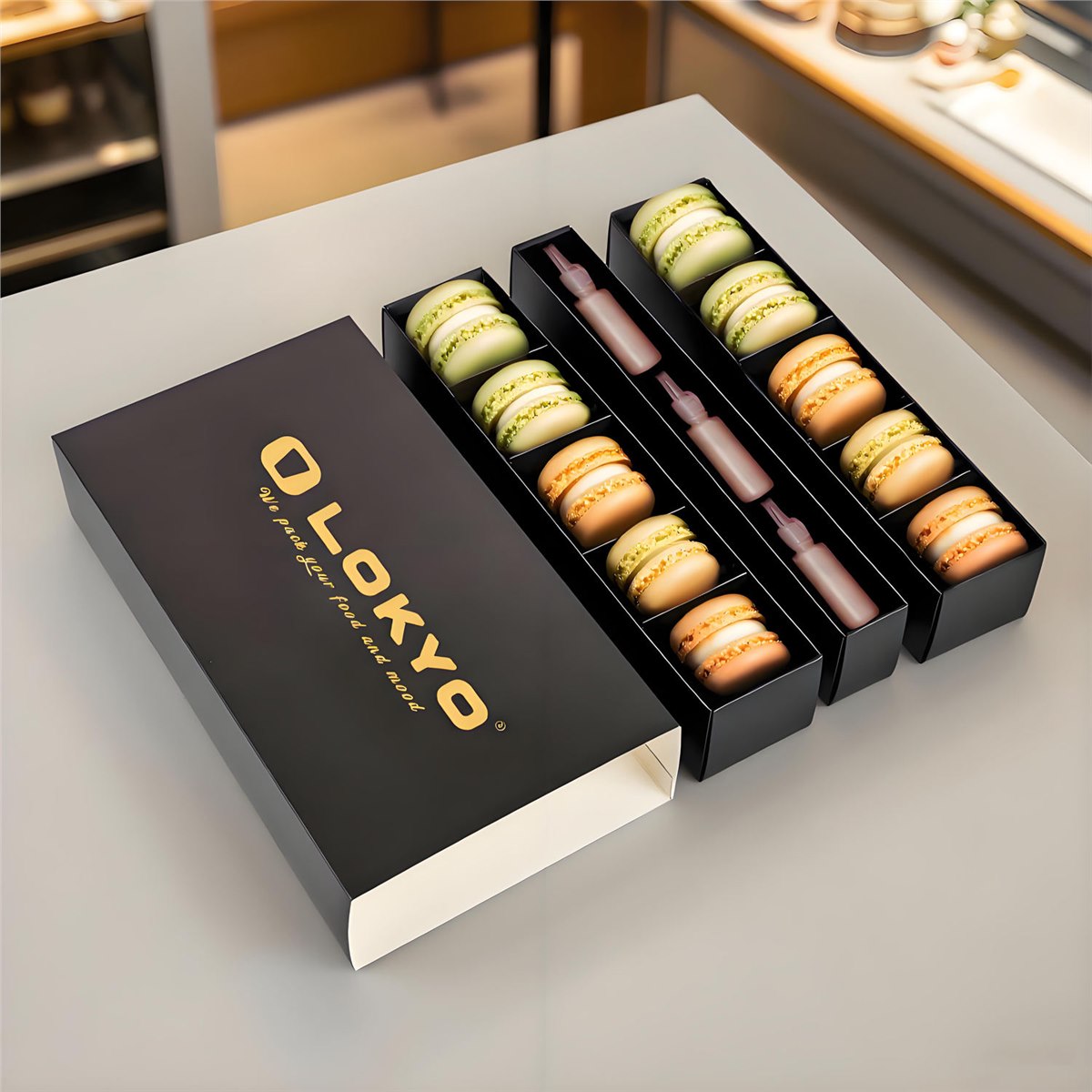
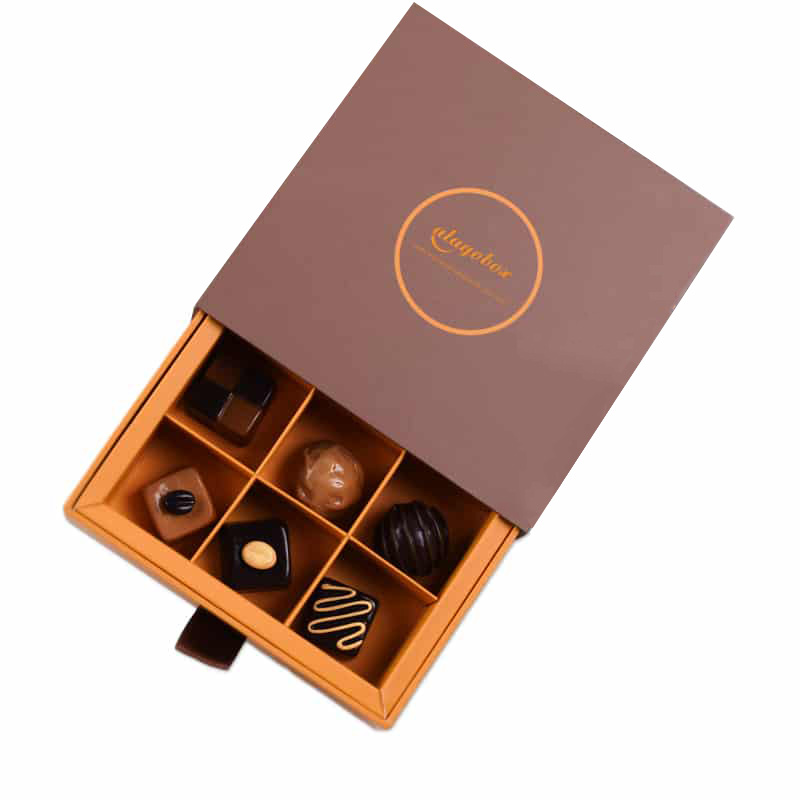
Paper chocolate packaging for private label brands works best when boxes, sleeves, inserts and gift structures are selected by product role. These Holidaypacfactory product paths help buyers compare premium paper packaging formats before approving a retail range.
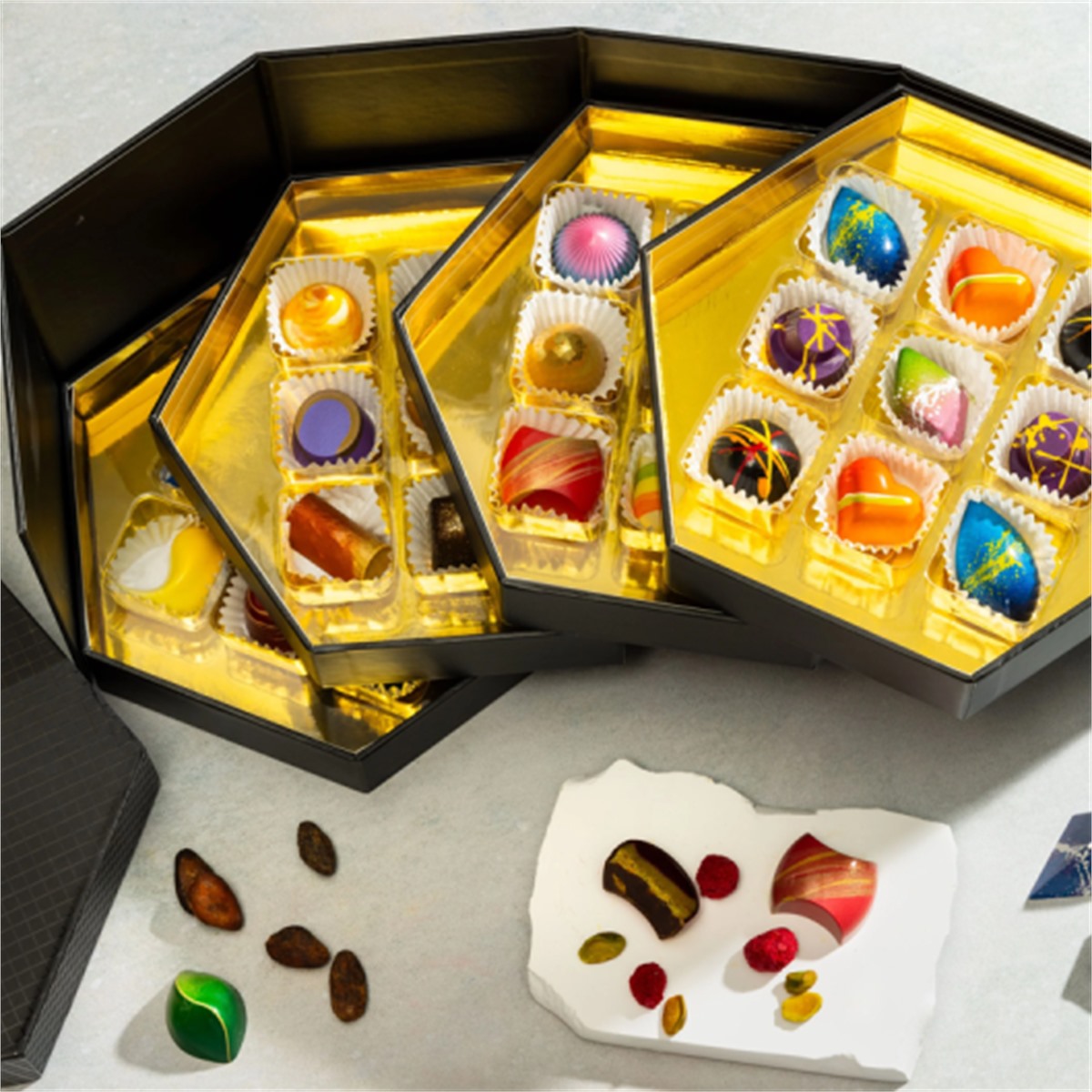
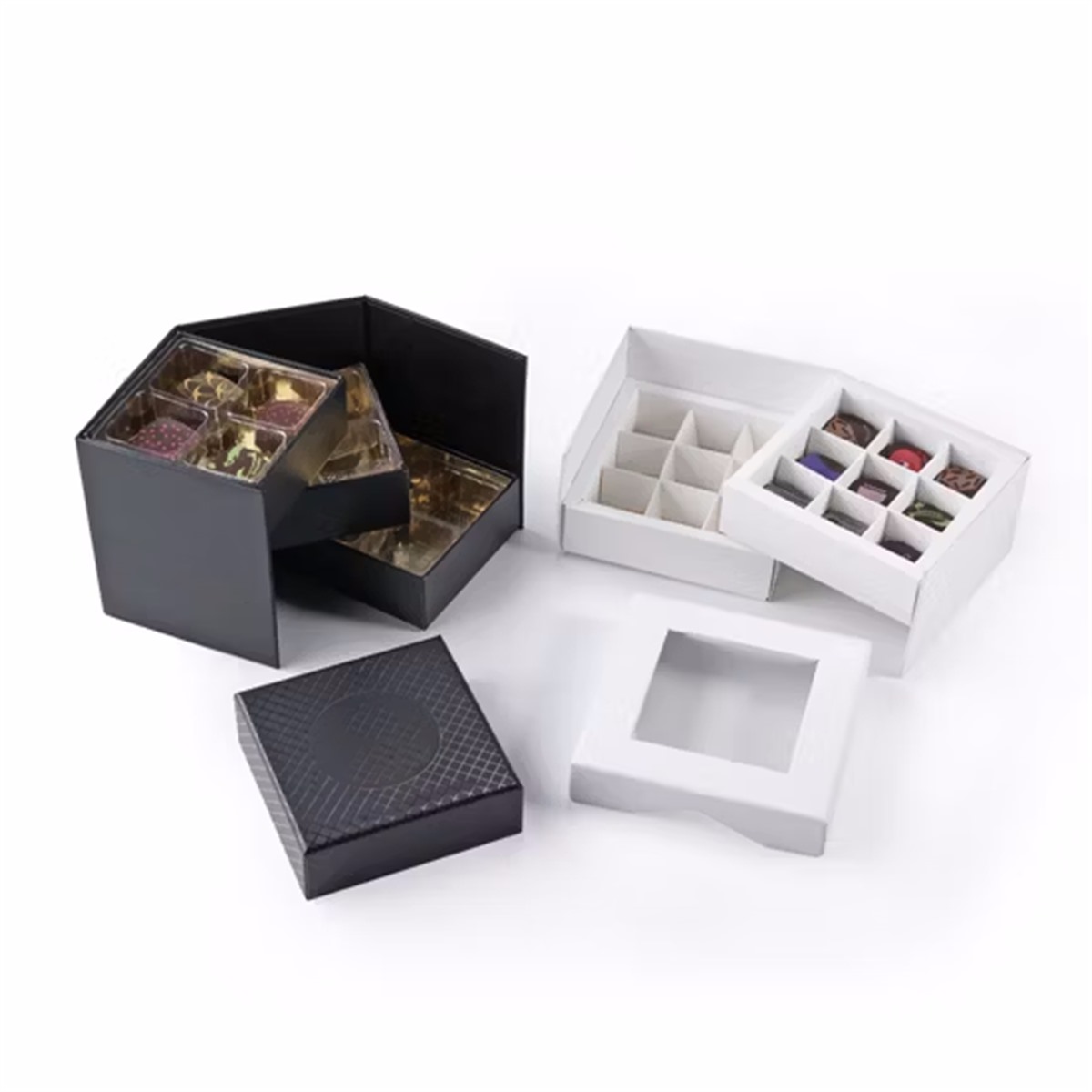
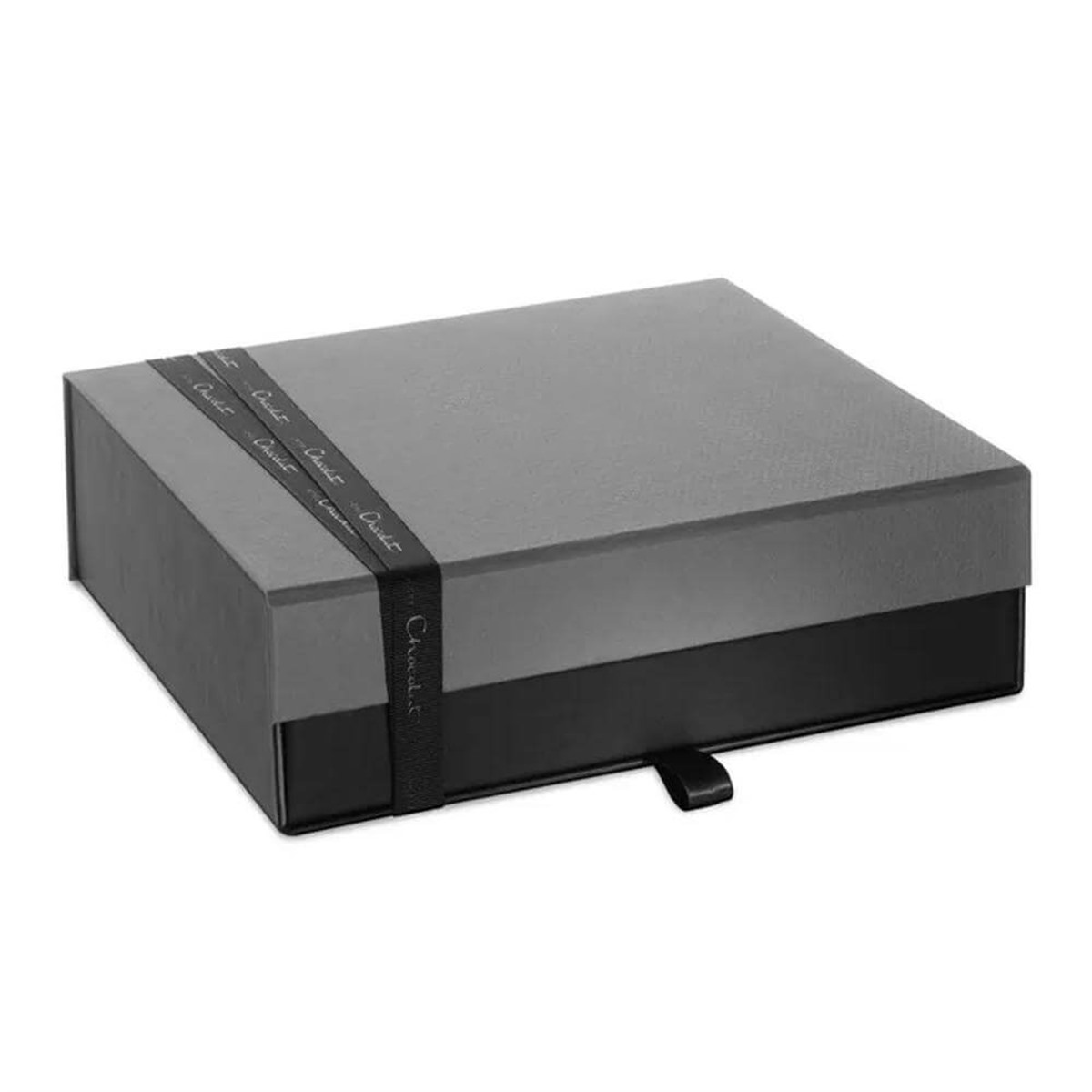
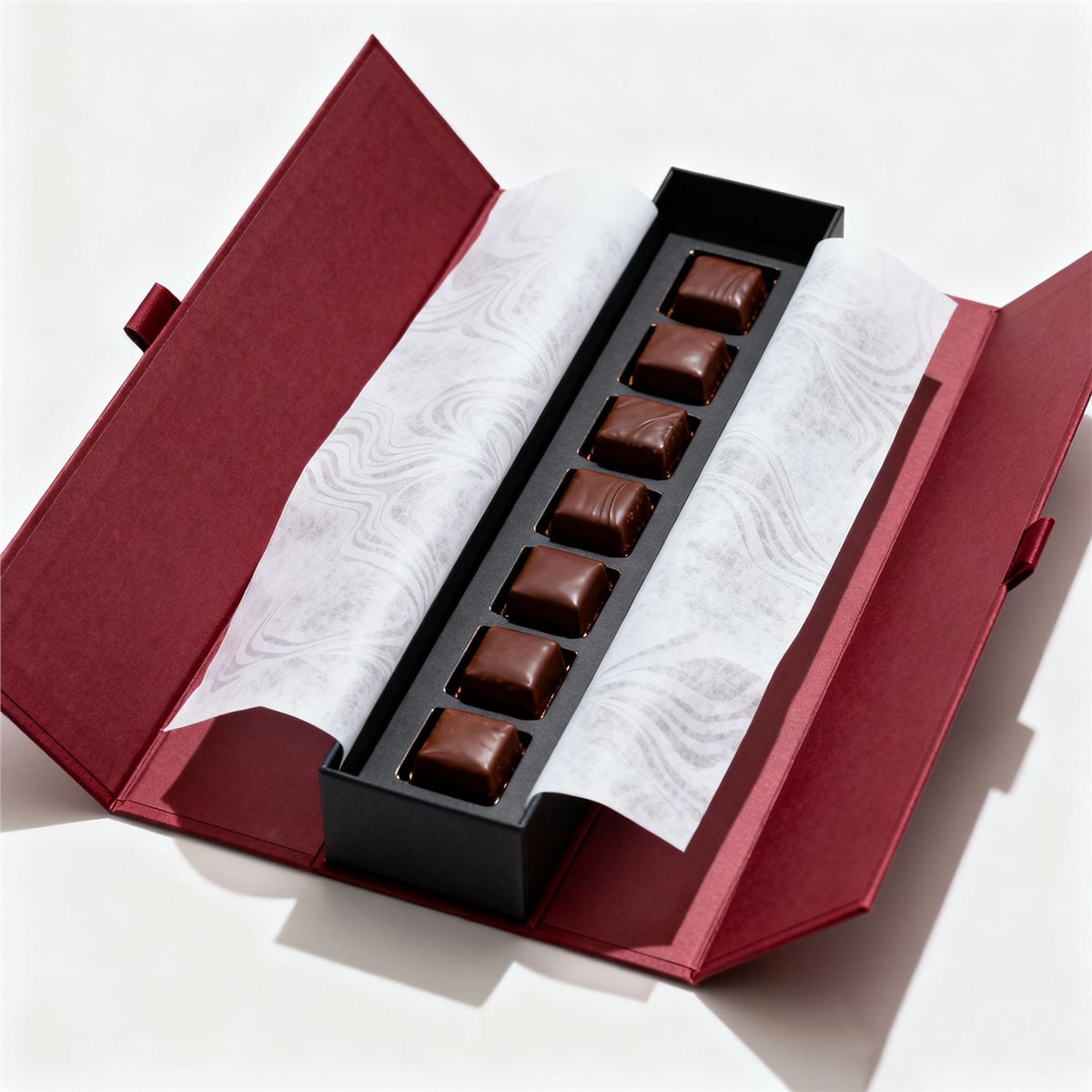

private label and retail pressure How to Set Priorities for Private Label Chocolate PackagingPrivate label chocolate packaging now has to communicate premium value, material responsibility and retail shelf confidence at the same time. Define the role of the package before selecting a structure: everyday retail, premium gifting or a seasonal assortment. Compare samples against the same requirements for product fit, shelf readability, opening experience and packing time. Evaluate quotations against those requirements rather than assuming a more elaborate box will improve sales. At the same time, buyers are reviewing avoidable plastic and over-complex packaging structures. Paper-first formats such as folding cartons, rigid paper boxes, paper sleeves, drawer boxes, lift-off lid boxes and calendar boxes can help brands create a clearer material story. This does not mean every luxury detail disappears. It means decorative choices should be intentional and easier to explain. |
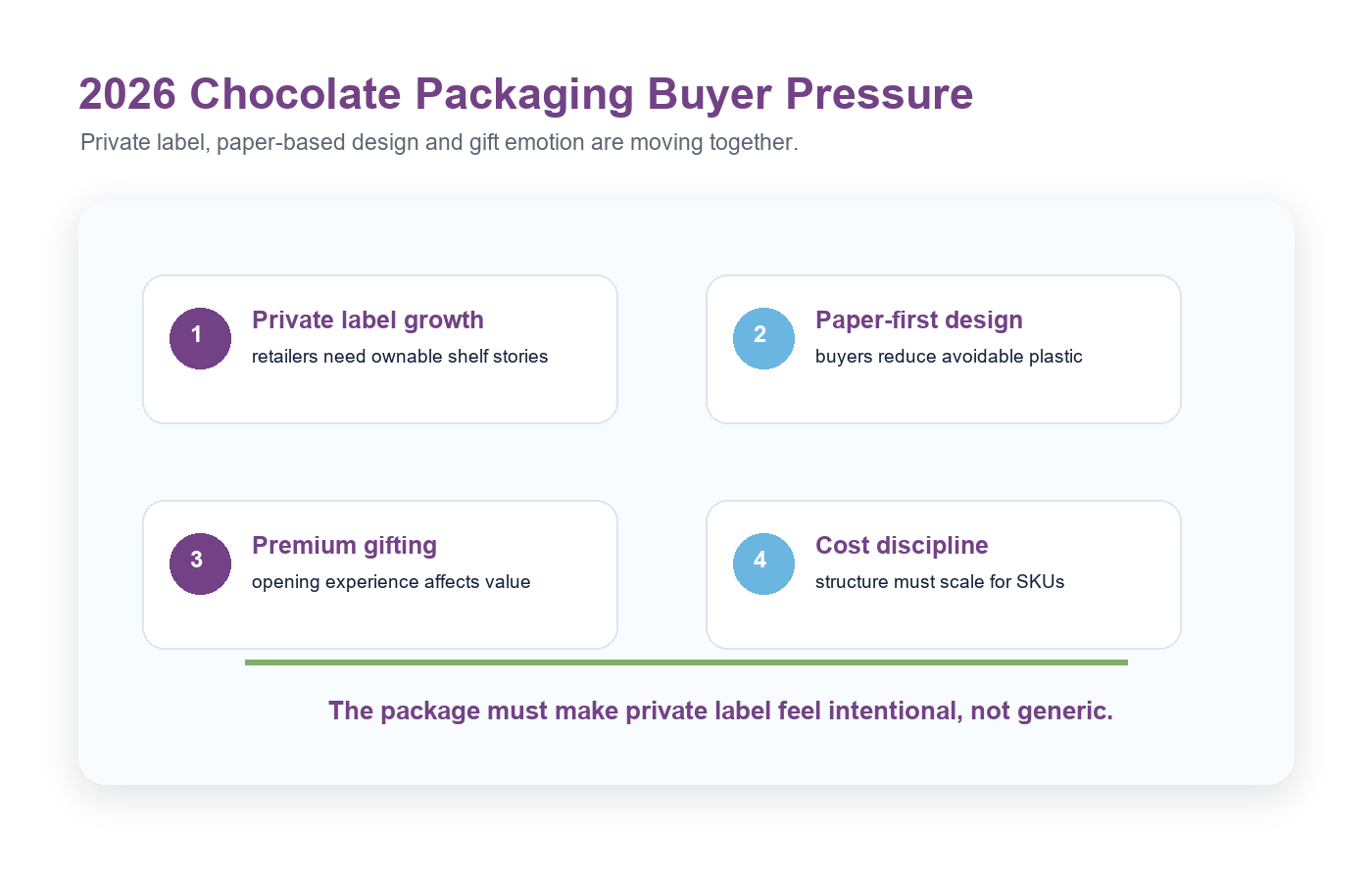
Chocolate packaging also sits at the intersection of food, gifting and retail design. A box may be bought for self-consumption, a holiday gift, a corporate event or a seasonal supermarket promotion. Each use case changes the structure. A chocolate bar sleeve needs speed and shelf clarity. A truffle box needs reveal and insert protection. A premium gift set needs ceremony.
Holidaypacfactory helps buyers connect these decisions with real packaging formats such as custom magnetic paper gift boxes, custom printed paper boxes for retail and kraft sliding drawer boxes for premium reveal.
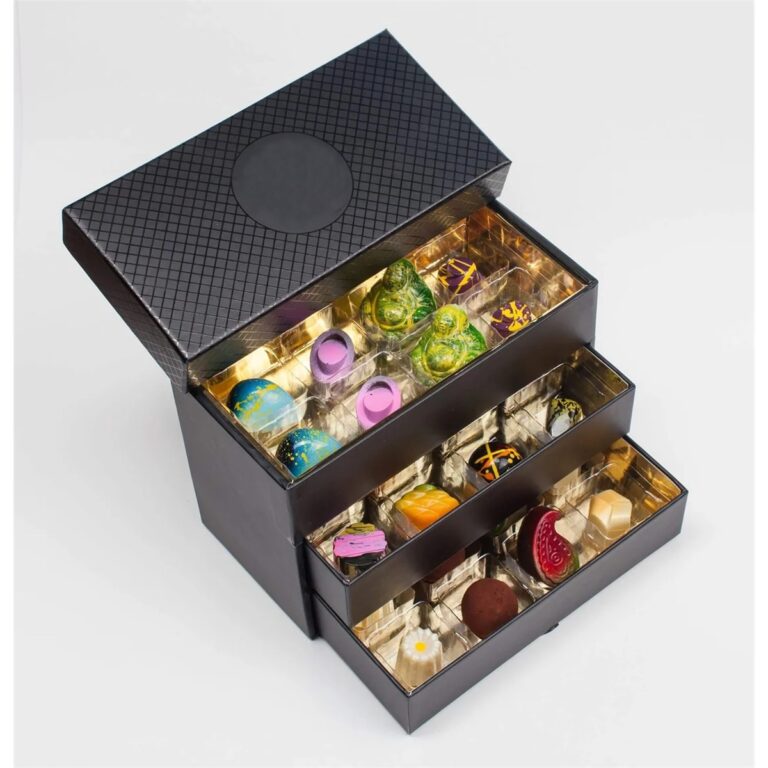
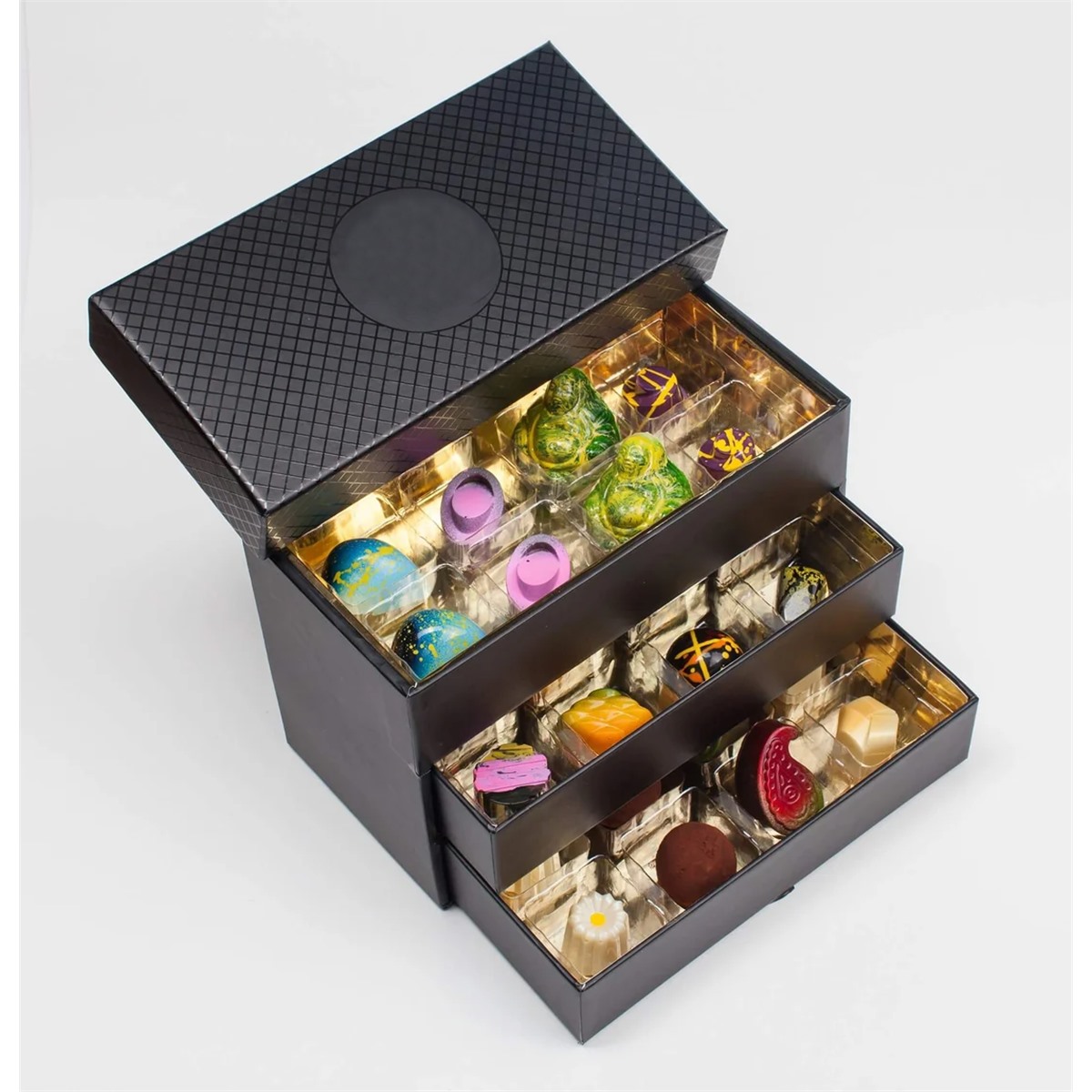
structure selection Which Paper Chocolate Packaging Structures Should Buyers Compare?The right structure depends on product format: bars, truffles, gift sets, seasonal calendars or retail multipacks. A chocolate packaging project should begin with product format. Chocolate bars often need a sleeve, folding carton or paperboard outer with inner wrap. Truffles need cavities, dividers or trays that keep pieces separated. Seasonal gift sets may need a rigid box, drawer structure, calendar box or layered reveal. Multipacks may need retail efficiency and shelf-ready dimensions. The structure must protect the chocolate and support the selling moment. A box that is too loose makes the product feel cheap. A box that is too tight can damage the pieces or slow packing. Inserts are especially important for truffles, pralines and assortments. Paper trays, molded pulp, paperboard dividers or other insert options should be selected based on product shape, weight, finish and expected handling. |
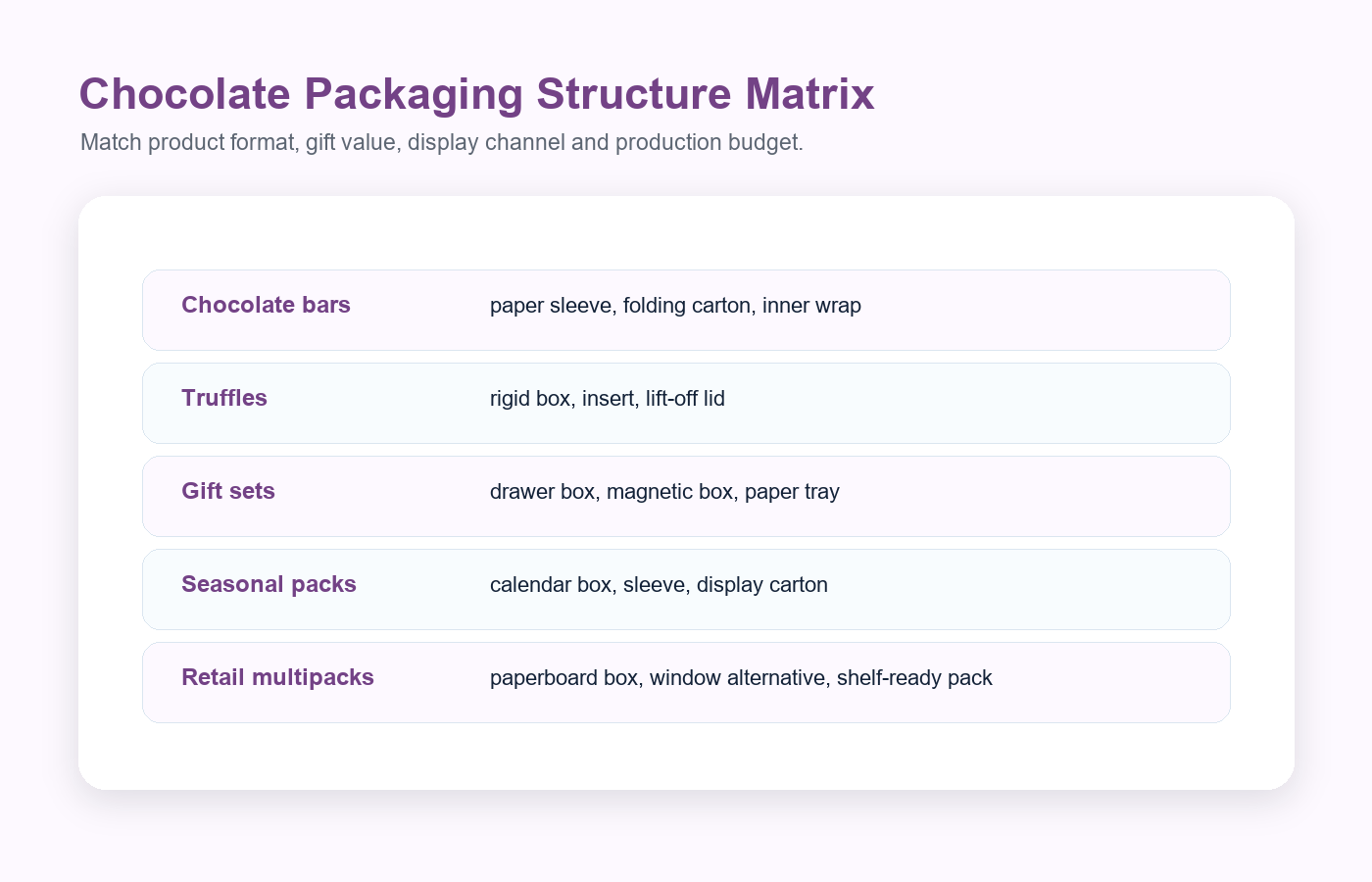
Paper sleeves are useful for cost-controlled private label programs because they provide a large print surface with efficient material use. Rigid boxes are better when gift value and opening ceremony matter. Drawer boxes create a reveal moment that can make a mid-priced product feel more premium. Calendar boxes work for seasonal countdown programs and higher engagement campaigns.
Buyers can also compare custom lift-off lid boxes for confectionery gifts, paper window gift boxes with careful material choices and calendar boxes for seasonal chocolate launches when planning a product range.
procurement discipline Four Buyer Questions Before Ordering Private Label Chocolate BoxesA better sourcing conversation defines selling role, product fragility, packing method and claim language before price comparison. The first buyer question is: what is the selling role of the chocolate package? A self-consumption bar, a holiday gift box, a supermarket private label range and a corporate gift all need different priorities. If the product is sold mainly on shelf, front-panel clarity matters. If it is bought as a gift, opening experience and tactile quality matter more. The second question is: how fragile is the product? Chocolate bars, coated nuts, truffles, hollow figures and pralines each have different risk points. Buyers should share product dimensions, piece count, weight, surface finish, expected temperature conditions and whether the product has a primary food-contact wrap before selecting the outer paper structure. |
The third question is: how will the packaging be filled and packed? A beautiful rigid box may be too slow for high-volume private label production if the insert and closure are not designed for line speed. A folding carton may be efficient but needs good print and structure to avoid looking cheap. Packing speed, labor and reject rate should be part of the quotation discussion.
The fourth question is: what claims and material language will appear on the box? Paper-based, recyclable, FSC, plastic-free, compostable and eco-friendly are different claims. Buyers should use accurate language and confirm requirements for their target market. Holidaypacfactory can help organize material questions, but the buyer should confirm legal claims with its compliance team.
gift emotion and culture Design: Make Paper Chocolate Packaging Feel Premium and CulturalPaper can carry taste expectation, gift ritual and private label trust through texture, structure and disciplined visual storytelling. Chocolate packaging is emotional packaging. The buyer is not only selling cocoa, sugar and flavor. The buyer is selling a moment: self-reward, gifting, celebration, comfort or seasonal memory. Paper packaging can support that emotion through texture, color, opening rhythm and cultural detail. For private label, the design should be ownable without becoming expensive to manage. A clear color system can separate dark chocolate, milk chocolate, nut flavors and seasonal editions. A consistent box structure can allow multiple SKUs to share production logic. The brand can then use artwork, paper texture, foil alternatives, embossing or sleeve graphics to create differentiation. |
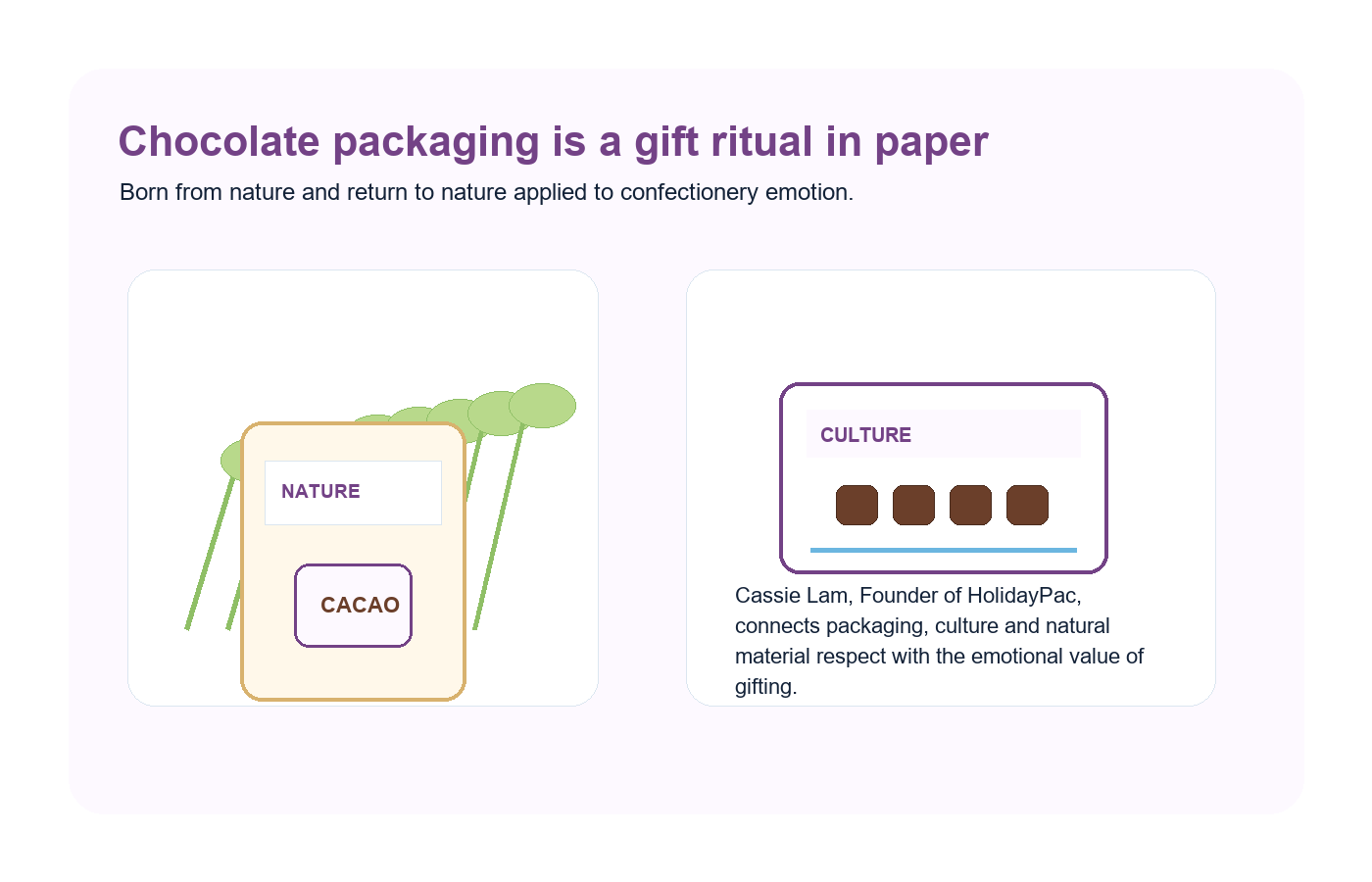
Cassie Lam often sees packaging as a bridge between visual impact and emotional value. Chocolate packaging makes this visible. The consumer judges the box before tasting the product. A restrained paper surface, a thoughtful insert and a clean opening experience can make the product feel more expensive and more cared for.
HolidayPac’s cultural perspective gives paper chocolate packaging more depth. Chinese traditional culture values gift ritual, harmony and symbolic meaning. Western retail values clarity, compliance and shelf recognition. A strong private label package can respect both: meaningful design, simple material logic, clear information and practical production control.
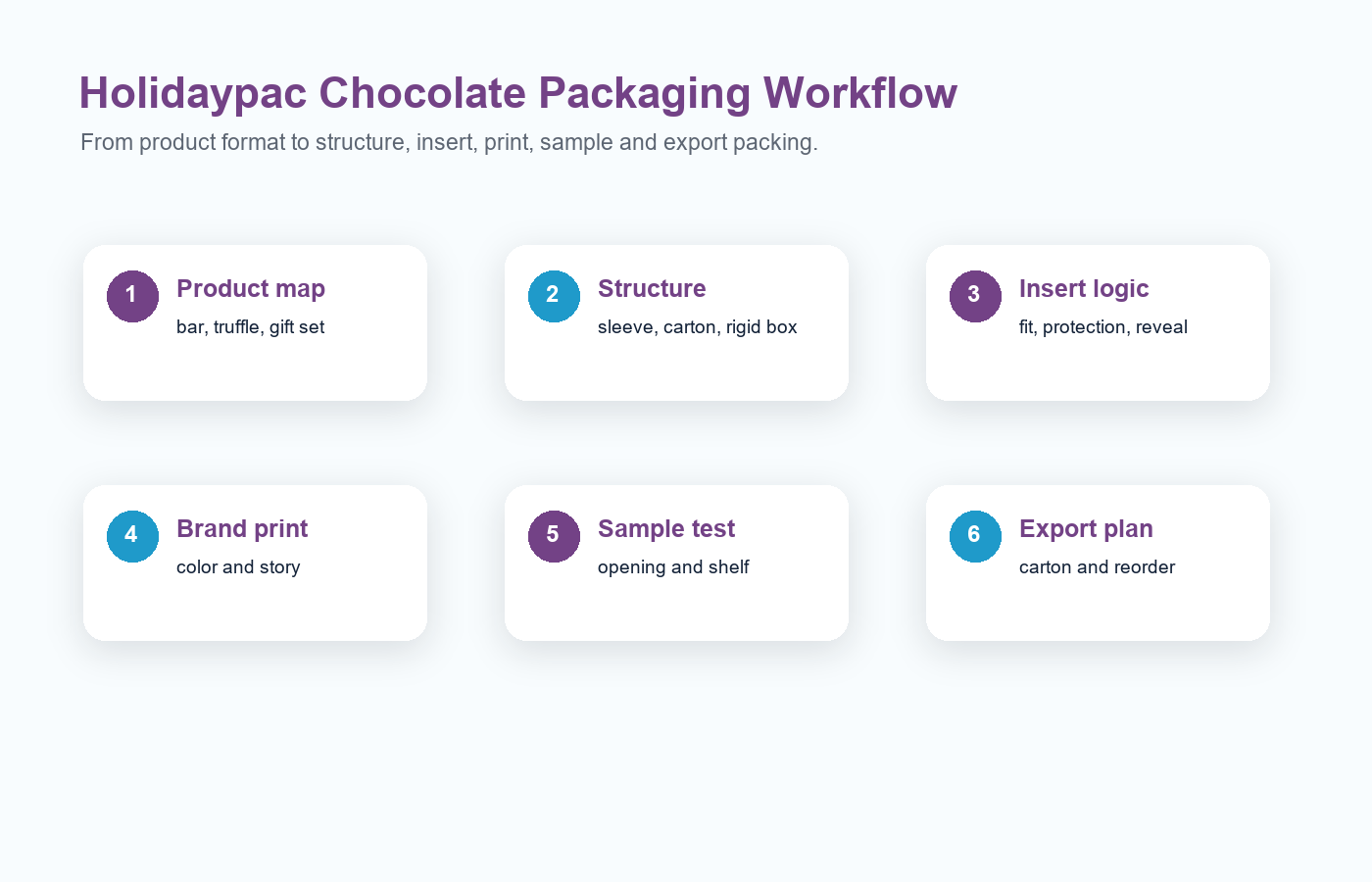
Holidaypac project path Holidaypacfactory Workflow for Paper Chocolate Packaging ProjectsA reliable project moves from product mapping to structure, insert logic, artwork, sample testing, production and export control. Holidaypacfactory’s chocolate packaging workflow begins with product mapping. The buyer shares product type, dimensions, piece count, weight, primary wrap, target channel, price position and brand direction. This allows the team to recommend whether the project should use a sleeve, folding carton, drawer box, rigid box, magnetic box, lift-off lid box or seasonal calendar structure. The second step is structure and insert logic. For chocolate, the insert is often as important as the outer box. It controls movement, reveal, portion clarity and perceived value. Holidaypacfactory reviews whether paperboard dividers, trays or layered structures can support the product without adding unnecessary complexity. |
The third step is artwork and sample development. Artwork should be checked for shelf readability, color system, barcode placement, ingredient panel, nutrition panel, claim language and multilingual requirements if needed. The sample should be tested for product fit, opening feel, insert stability, carton packing and how the box looks under retail light.
The fourth step is production and export control. Paper chocolate boxes can be damaged by crushing, moisture, rubbing and poor carton planning. Holidaypacfactory checks carton quantity, inner packing, pallet logic, print consistency and reorder files. For private label buyers with multiple SKUs, controlled files are essential for repeat orders and seasonal versions.
category recommendations Category-Specific Recommendations for Chocolate Packaging BuyersSupermarket, gift, eCommerce, seasonal and distributor buyers should each test different parts of the paper packaging system. Supermarket private label buyers should focus on shelf blocking and SKU family logic. A consistent paper box structure can help the range look organized while color, flavor cues and product photography separate each item. The design should feel retail-ready, not like a generic supplier catalog. Gift and specialty food buyers should focus on opening experience. Drawer boxes, lift-off lid boxes and magnetic boxes can create a reveal moment. The buyer should test how the package feels in the hand, how the lid opens, and whether the insert keeps each chocolate piece aligned. |
eCommerce chocolate brands should focus on shipping protection and unboxing. The retail box may need an outer mailer, paper insert or protective carton. A premium box that arrives dented loses value. Holidaypacfactory can help buyers connect primary gift packaging with export and delivery packing.
Seasonal buyers should focus on version control. Holiday, Valentine’s Day, Lunar New Year, Ramadan, Christmas and corporate gifting programs often need repeated structures with updated artwork. Calendar boxes and sleeves can make seasonal campaigns easier to refresh.
Food and beverage distributors should focus on reorder clarity. They need stable dimensions, carton quantities, SKU labels and consistent packing. A good private label chocolate packaging program should be easy to reorder and easy to explain to retail customers.
Across all categories, buyers should remember that chocolate packaging is both rational and emotional. The structure must protect the product, but the design must also justify the purchase before the consumer tastes anything.
specification and quotation How to Write an RFQ for Paper Chocolate PackagingA clear RFQ should define product format, piece count, primary wrap, insert need, required functions, optional premium features and shipping method. A strong RFQ for paper chocolate packaging for private label brands should include product type, chocolate dimensions, piece count, product weight, primary food-contact wrap, target market, sales channel, price position, artwork needs, insert requirements, order quantity and shipping method. Buyers should separate required functions from optional premium features. Required functions may include product fit, crush protection, insert stability, barcode space, ingredient panel and carton packing. Optional features may include embossing, specialty paper, magnetic closure, drawer ribbon, foil alternative, spot coating or seasonal sleeve. |
Sample testing should include real product or accurate dummy weight. Buyers should check whether pieces move, whether the insert holds shape, whether the box opens smoothly, whether printed surfaces rub, and whether the carton packing protects corners. Shelf photos and hand photos are useful because chocolate packaging is judged visually and physically.
Price comparison should include structure efficiency. A lower-cost folding carton may be right for high-volume bars. A higher-cost rigid drawer box may be right for premium gifting. The best choice depends on margin, channel and expected consumer perception. A package that raises perceived value may justify a higher packaging cost when the retail strategy supports it.
For multi-SKU private label programs, buyers should create a packaging control sheet. It should record dimensions, material, paper weight, insert type, print method, finish, artwork version, carton quantity, approved sample notes and reorder tolerance. This reduces future confusion when the range expands.
Buyers should also plan the first reorder before placing the first order. Chocolate packaging often changes by season, flavor and retail channel, but the structure does not need to change every time. A controlled base structure can support new artwork for Valentine’s Day, Christmas, Lunar New Year, Ramadan, corporate gifting or supermarket private label launches. This keeps the program visually fresh while protecting sample cost, tooling logic, carton planning and production stability.
Five Mistakes That Weaken Private Label Chocolate Packaging Projects
The first mistake is treating chocolate packaging as only decoration. The box must protect product shape, control movement and support retail handling. If the insert fails, the gift feeling fails.
The second mistake is copying luxury packaging without checking production cost. A magnetic box, drawer ribbon or complex insert can be valuable, but only when it fits the price position and order quantity. Private label buyers need premium feeling with commercial discipline.
The third mistake is overloading the front panel. Chocolate packaging needs appetite appeal, but too many claims and design elements can make the box look cheap. A clear hierarchy often sells better than a crowded design.
The fourth mistake is forgetting export packing. A perfect retail box can arrive damaged if cartons, inner packing and pallet logic are weak. Chocolate packaging needs protection before it reaches the shelf.
The fifth mistake is separating sustainability from beauty. Paper-first packaging should not feel plain by default. With texture, print and structure, paper can be responsible and emotionally rich at the same time.
HolidayPac Soul Why HolidayPac Sees Paper Chocolate Packaging DifferentlyCassie Lam, Founder of HolidayPac, brings a rare cultural perspective to confectionery packaging. With about 20 years in foreign trade and 16 years in packaging, she understands global buyers, factory production and export communication. She also understands Chinese traditional culture, Western culture, the wisdom of Zhuangzi, the I Ching, Buddhist thinking and the broader Chinese five arts. For Cassie, paper is not merely a cheap substrate. It is one of the oldest and most natural carriers of human exchange. It can hold food, carry blessing, create ceremony and return closer to nature than many complex material structures. Chocolate packaging, especially gift packaging, is a natural place for this philosophy. The HolidayPac value Born from nature and return to nature does not mean packaging must be plain. It means design should respect the material cycle. A paper chocolate box can still feel premium, festive and emotionally rich when the structure is disciplined and the decoration is meaningful. This is why Holidaypacfactory is different from an ordinary packaging factory. It connects paper structure, retail practicality, export control, cultural depth and consumer emotion. For private label chocolate buyers, that difference can turn a simple box into a product story. |
FAQ: Paper Chocolate Packaging for Private Label Brands
What is paper chocolate packaging for private label brands?
It is paper-based packaging for retailer or brand-owned chocolate products, including sleeves, folding cartons, rigid boxes, drawer boxes, lift-off lid boxes, magnetic boxes, inserts and seasonal calendar structures.
Which structure is best for private label chocolate?
The best structure depends on product format and price position. Bars may use sleeves or folding cartons, truffles may need rigid boxes and inserts, and seasonal gifts may need drawer boxes, magnetic boxes or calendar boxes.
Can paper chocolate packaging feel premium?
Yes. Paper can use texture, structure, embossing, clean printing, insert reveal and controlled color systems to create premium value without relying on overly complex plastic-heavy packaging.
What should buyers include in a chocolate packaging RFQ?
Buyers should provide product dimensions, piece count, weight, primary wrap, target market, sales channel, artwork needs, insert requirement, order quantity and shipping method.
How should buyers test chocolate packaging samples?
Test product fit, insert stability, opening experience, print rub, corner protection, carton packing and shelf appearance using real product or accurate dummy weight.
Why choose Holidaypacfactory for private label chocolate packaging?
Holidaypacfactory combines paper packaging structure, sampling, printing, export packing and Cassie Lam’s culture-led view of paper as a practical, emotional and nature-connected material.