Door to Door service
Welcome to Holidaypac Packaging Solutions Factory!

tiger@holidaypac.com

+86 136 5233 6188
Welcome to Holidaypac Packaging Solutions Factory!
tiger@holidaypac.com
+86 136 5233 6188
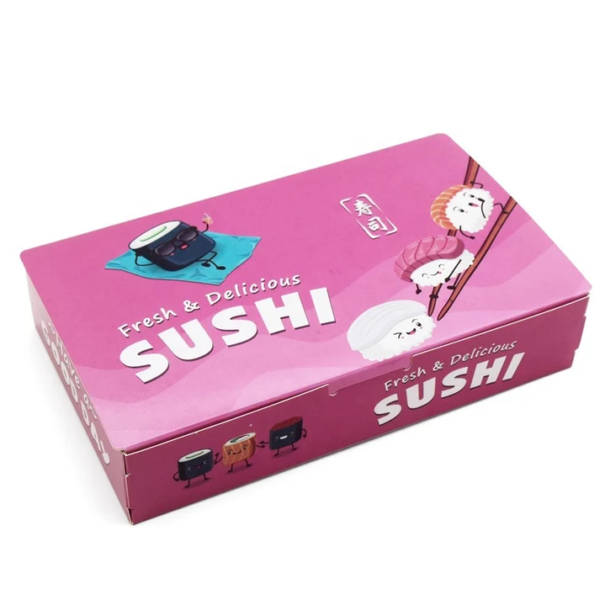
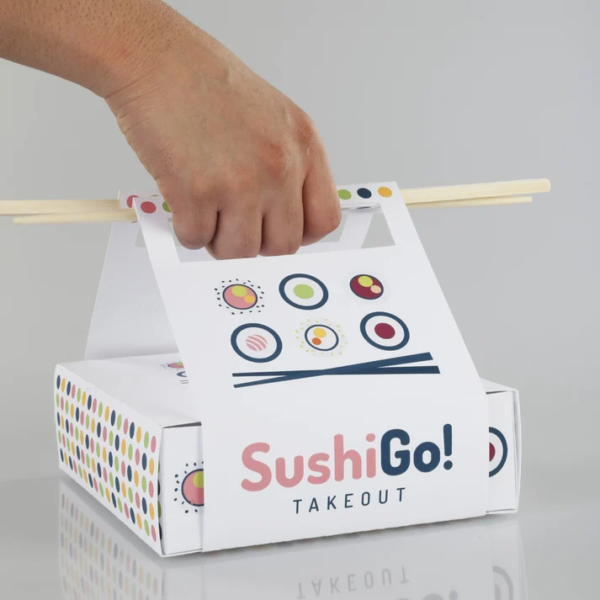
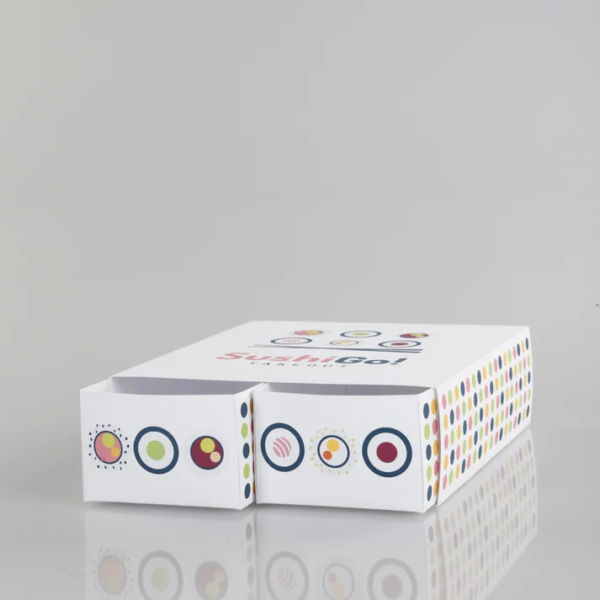
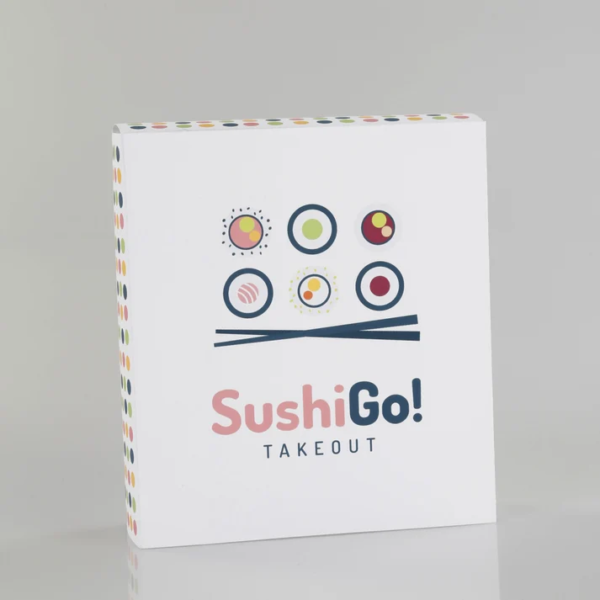
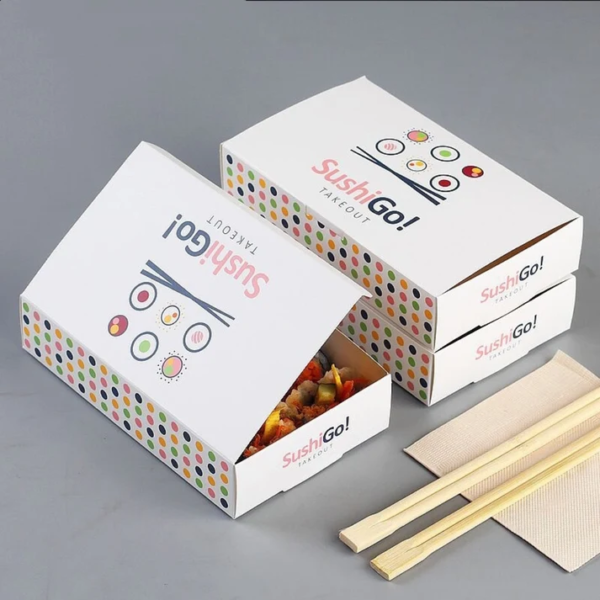
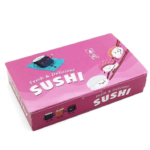
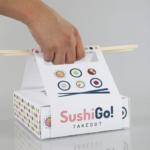
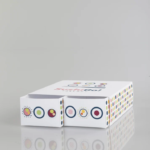
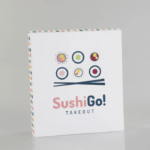
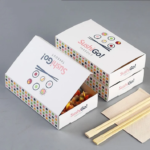
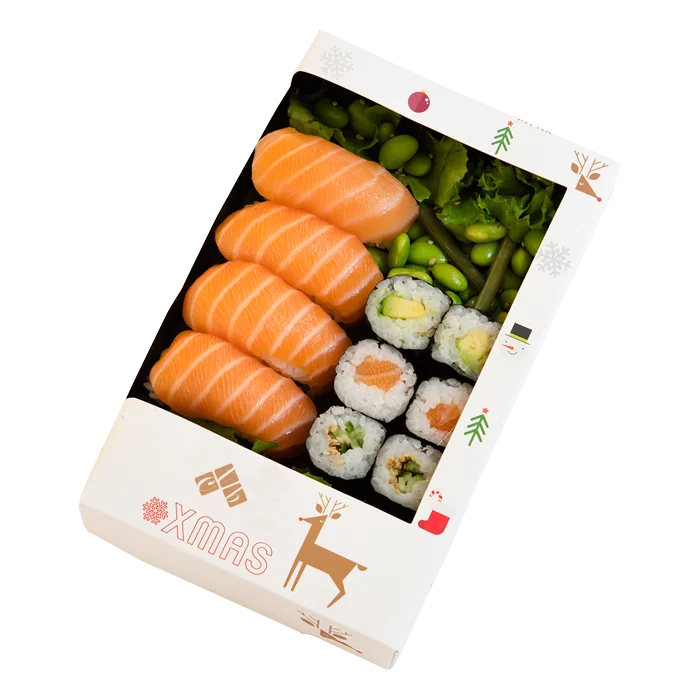
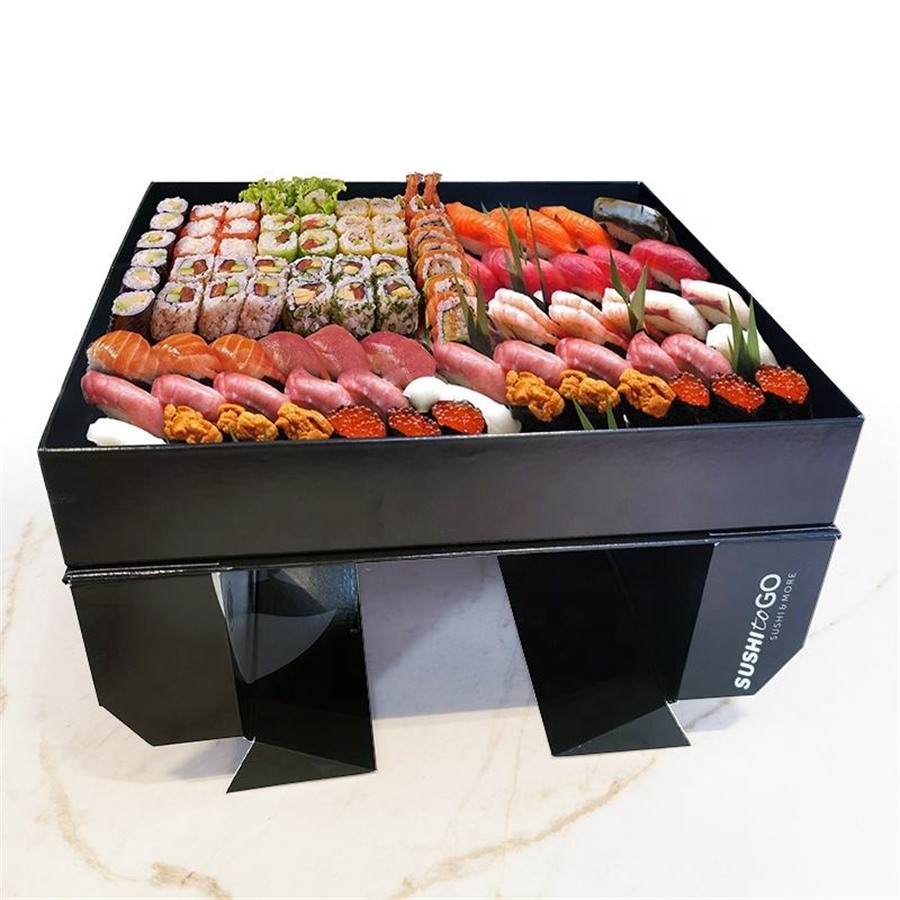
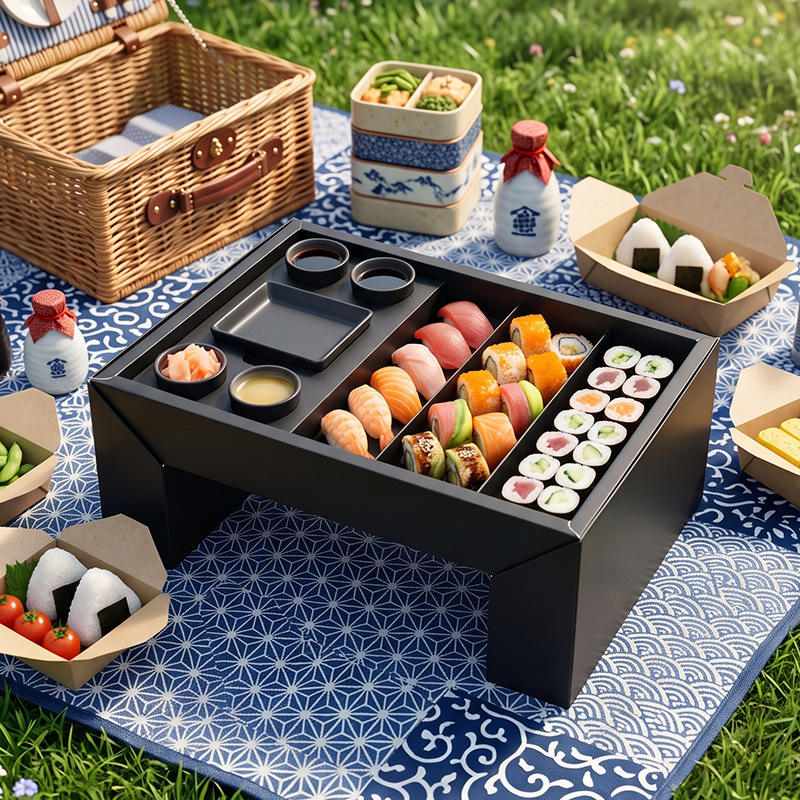
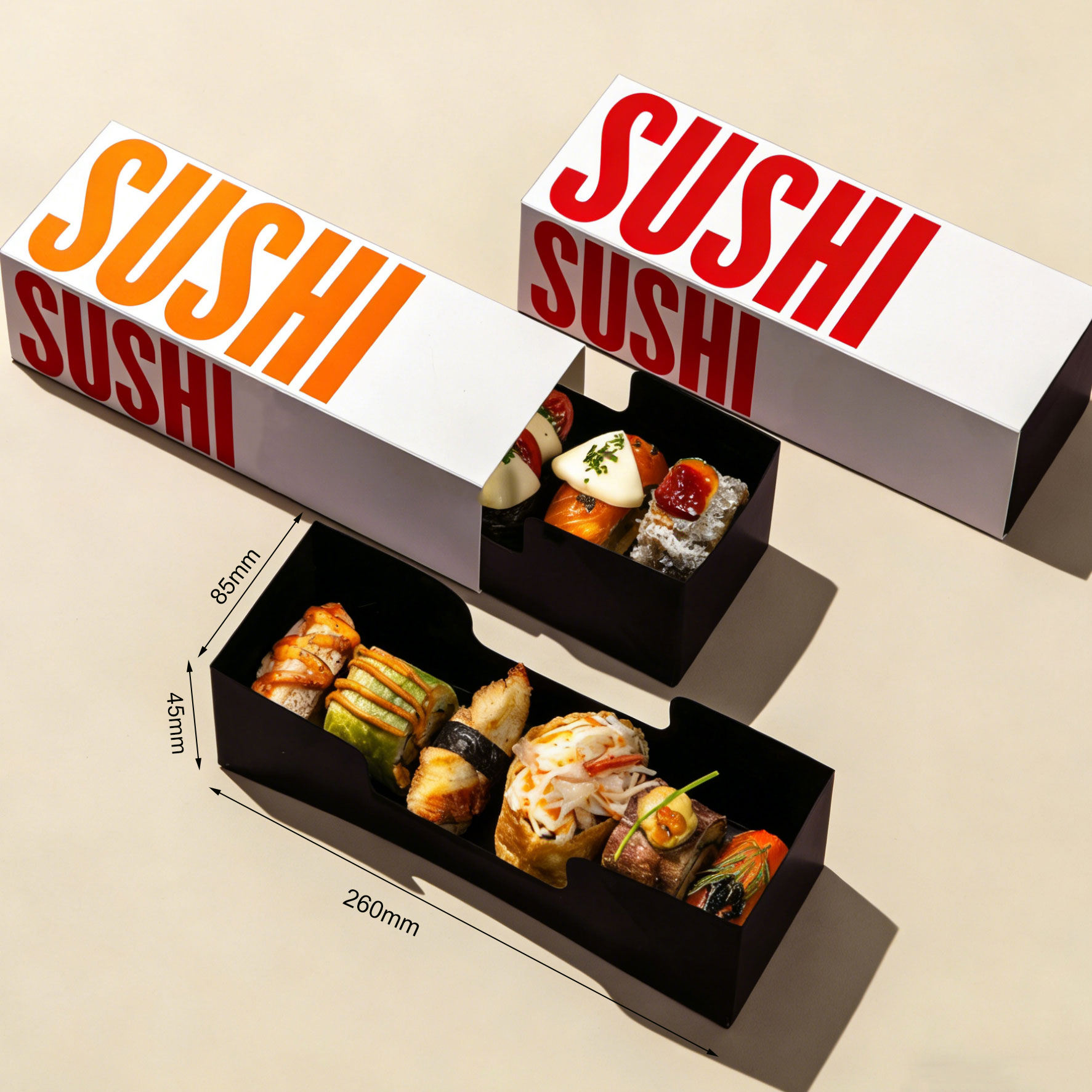
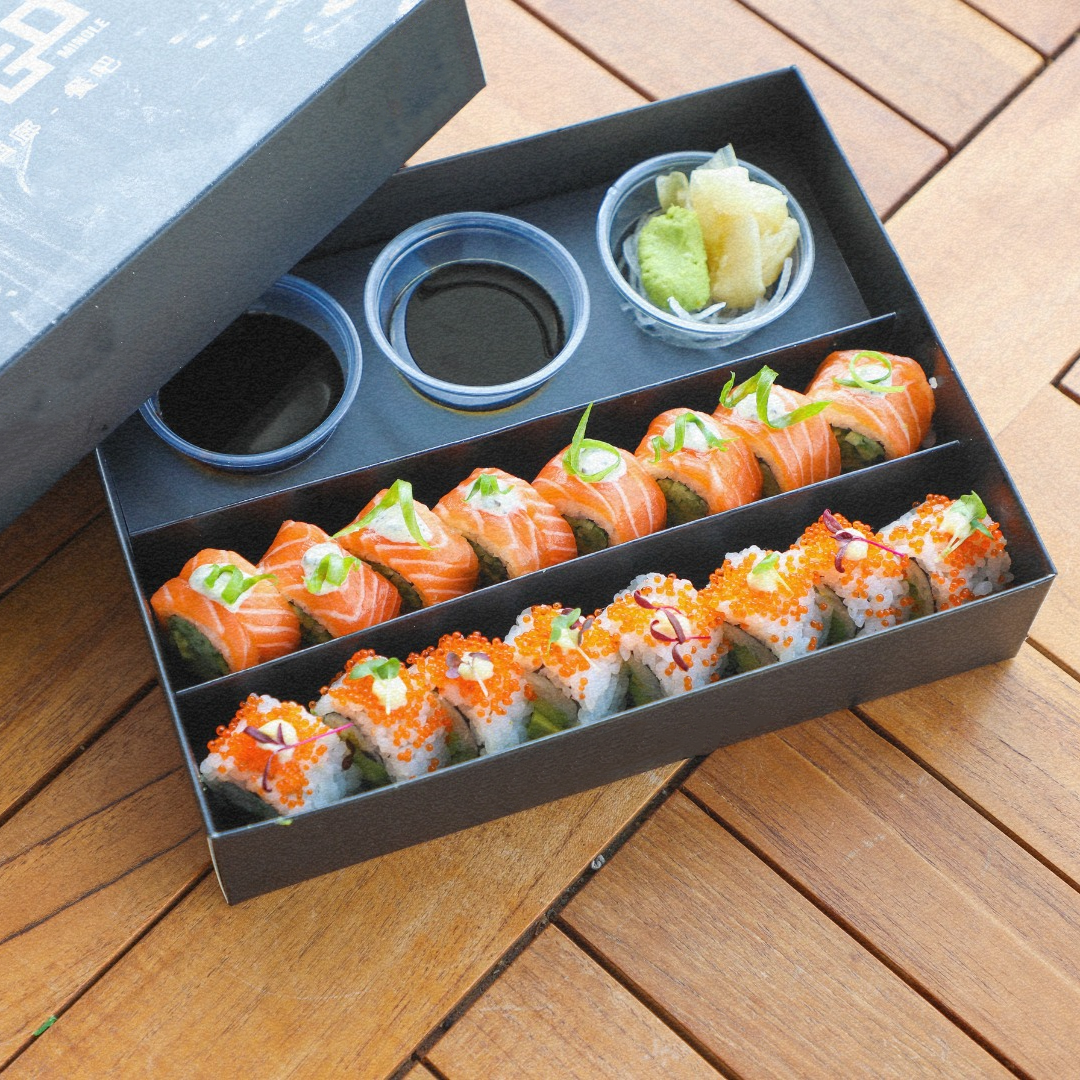
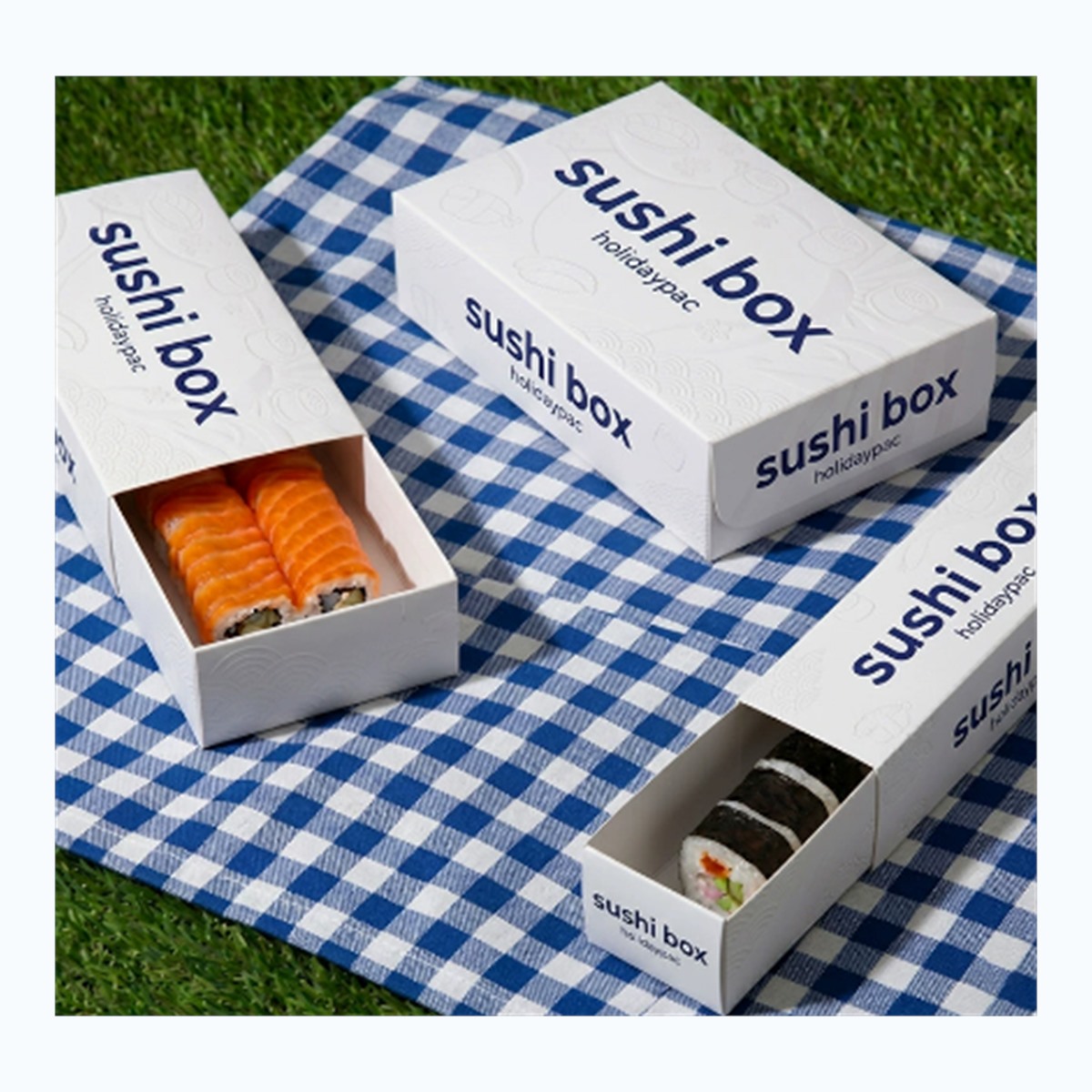
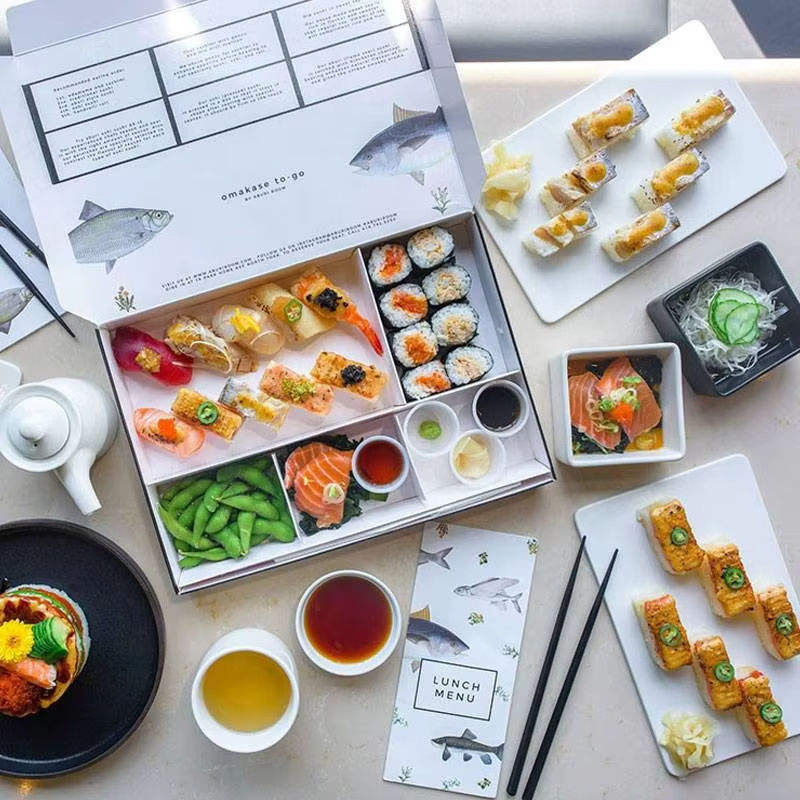
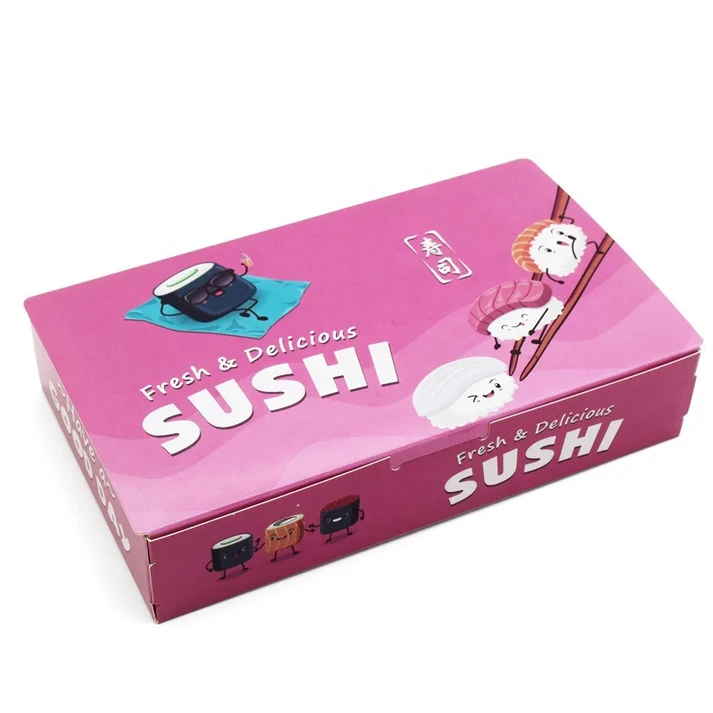
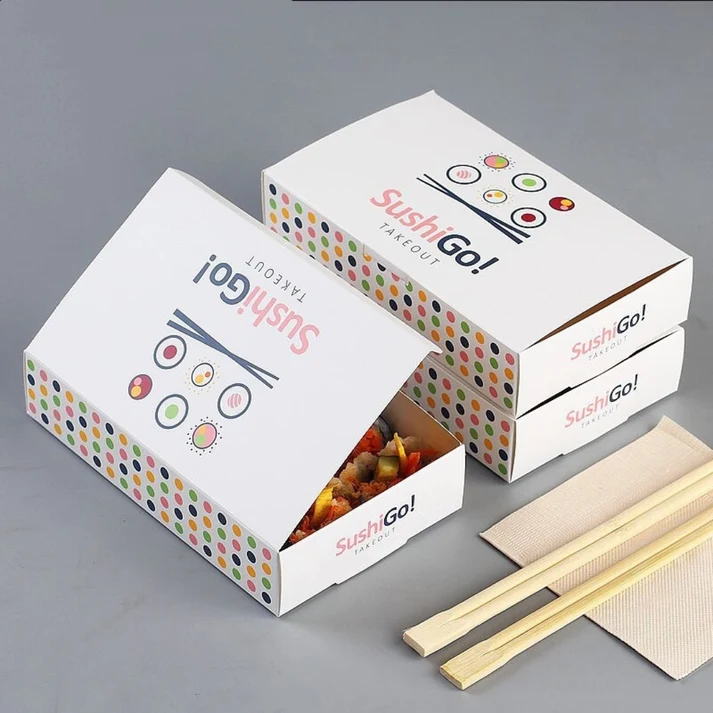
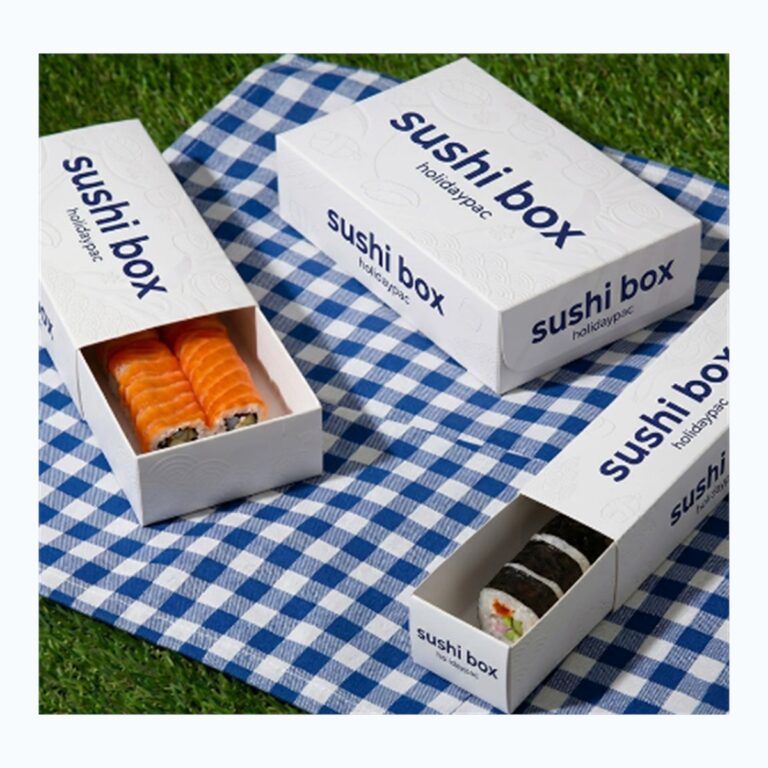
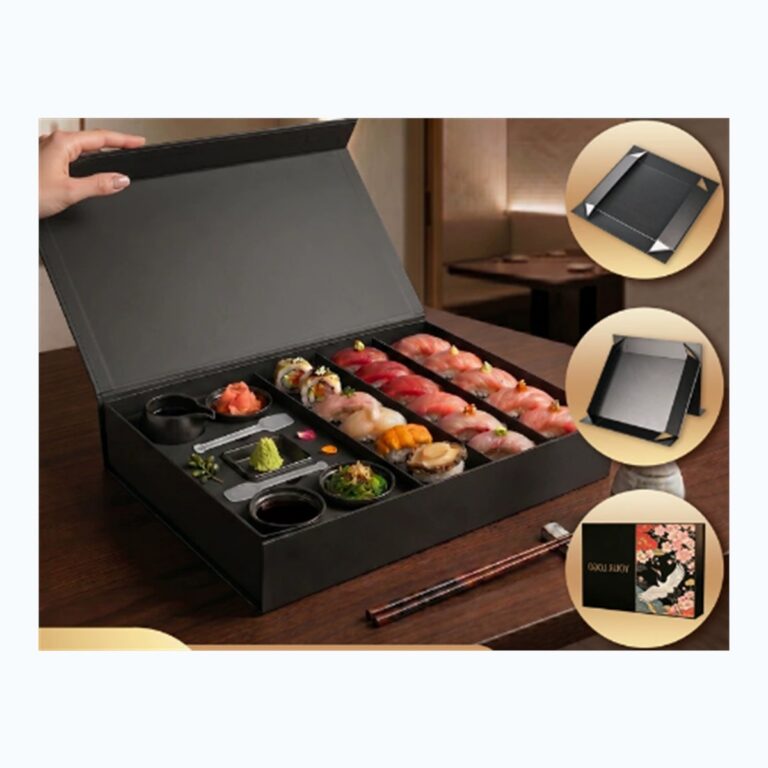
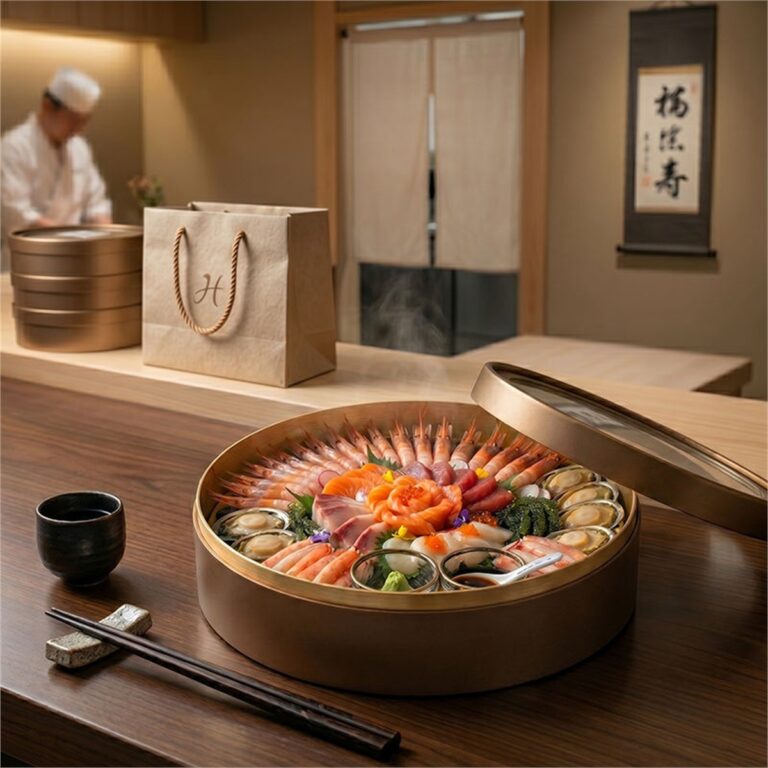
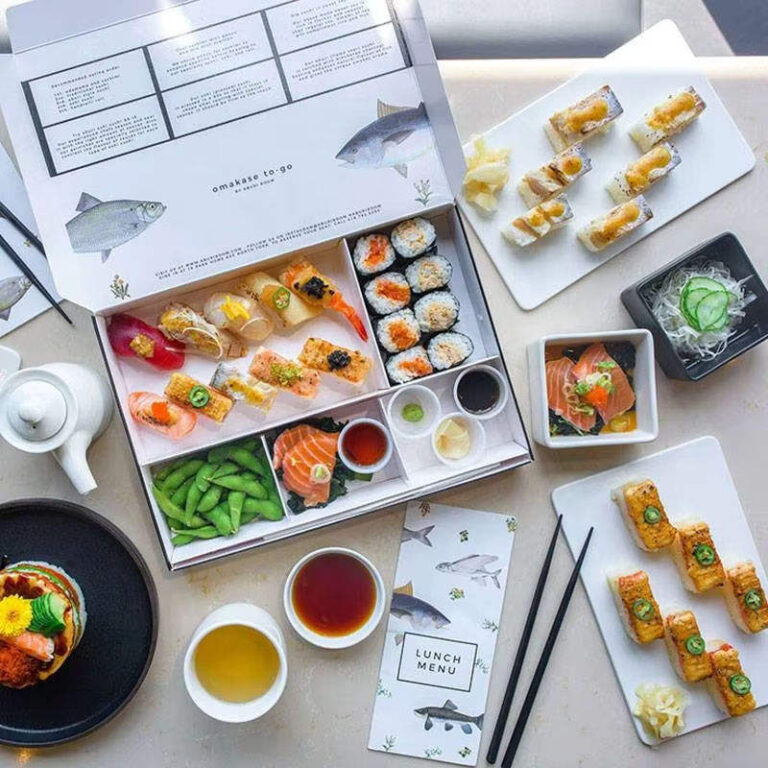
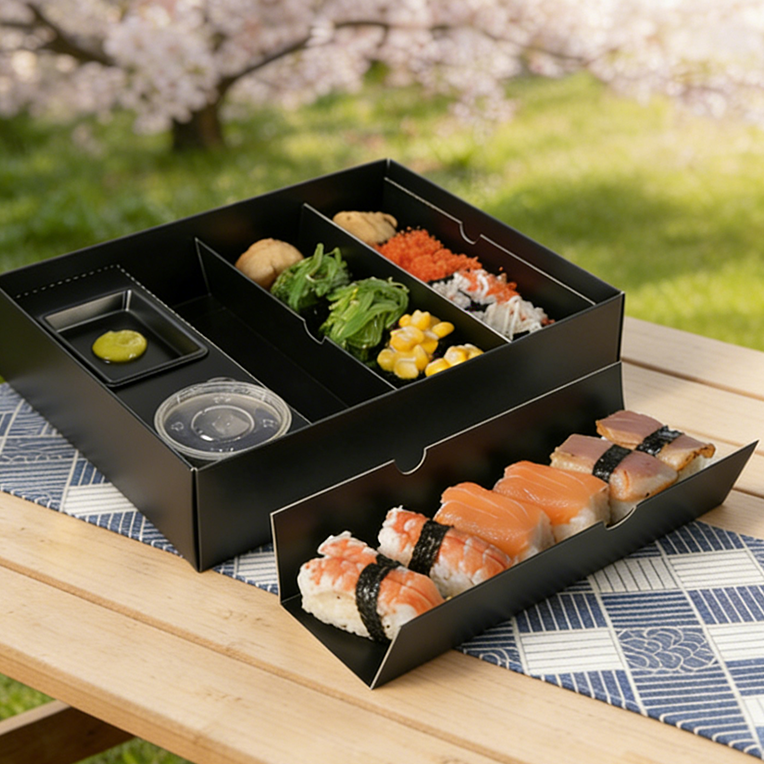
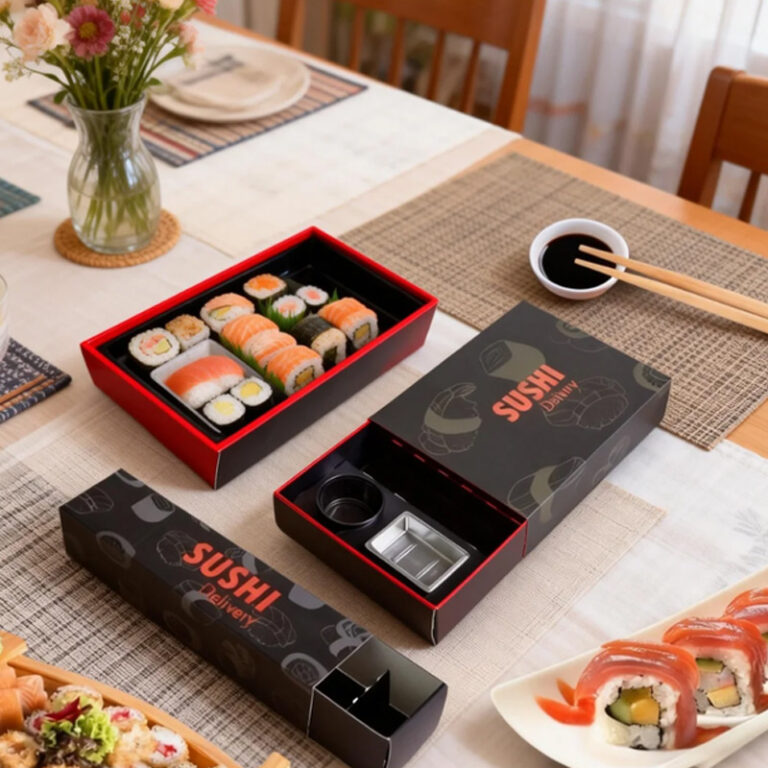
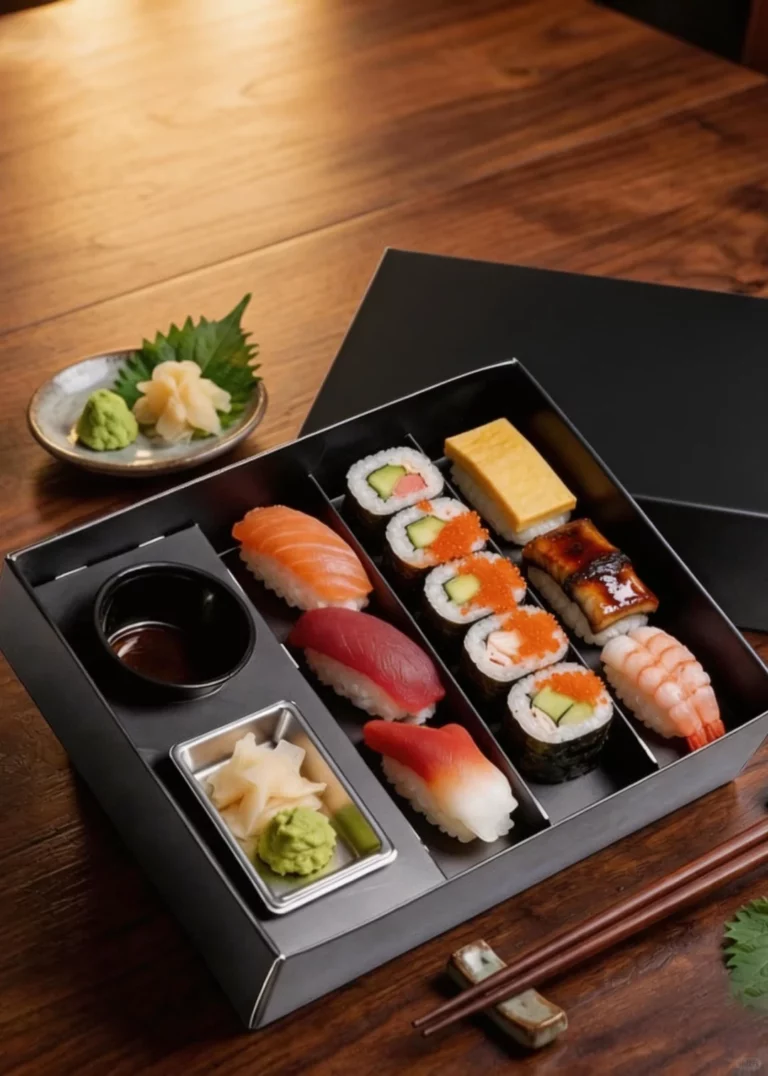
Customized logo disposable paper sushi food box packaging for restaurants and takeaway buyers who need a clean paperboard box with custom print, practical closure and branded handoff value. The shown styles include a colorful closed carton, a handle-style sushi takeaway box, drawer-style boxes and stackable food boxes for daily service.
Holidaypacfactory can adjust paperboard grade, PE or PLA lining, print color, handle design, side panel pattern, tray depth and carton packing. Explore more in Sushi Packaging or send details through Request a Quote.
This customized logo disposable paper sushi food box packaging is built for restaurants, Asian food counters, delivery teams and retail meal programs that need a light but memorable paperboard package. The pink closed box, white carry-style box and stacked drawer-style boxes show how the same sushi takeaway category can support several customer experiences without moving away from practical daily service.
The package can be developed as a closed carton, a handle-style takeaway pack, a sleeve and drawer structure or a stackable paper food box. That flexibility is useful because a restaurant may need one format for dine-out lunch sets, another for delivery orders and another for promotional sushi meals. Holidaypacfactory can adjust the structure around the actual food dimensions instead of forcing every menu into one standard template.
Buyers planning a full sushi packaging range can compare this page with Custom Sushi Box Packaging for Premium Takeaway Sets and Custom Disposable Takeaway Paper Sushi Gift Box. Those related options help decide whether the final package should feel compact, gift-like, premium, casual or picnic-ready.
The most important goal is a package that frames the food cleanly, opens easily and gives the customer a strong brand impression before the first bite. A disposable sushi box can still feel considered when the paperboard weight, print layout, closure and tray depth are planned together.
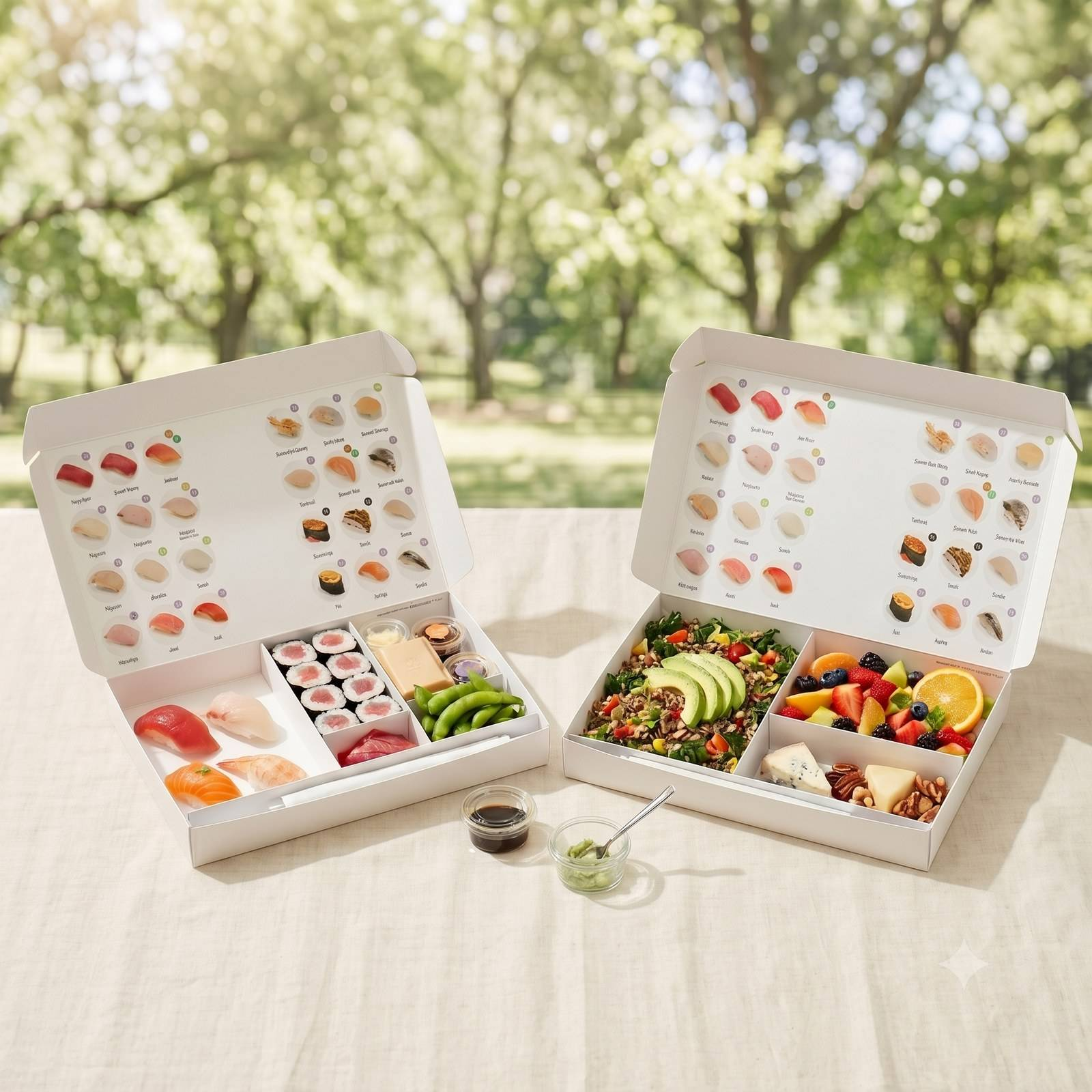
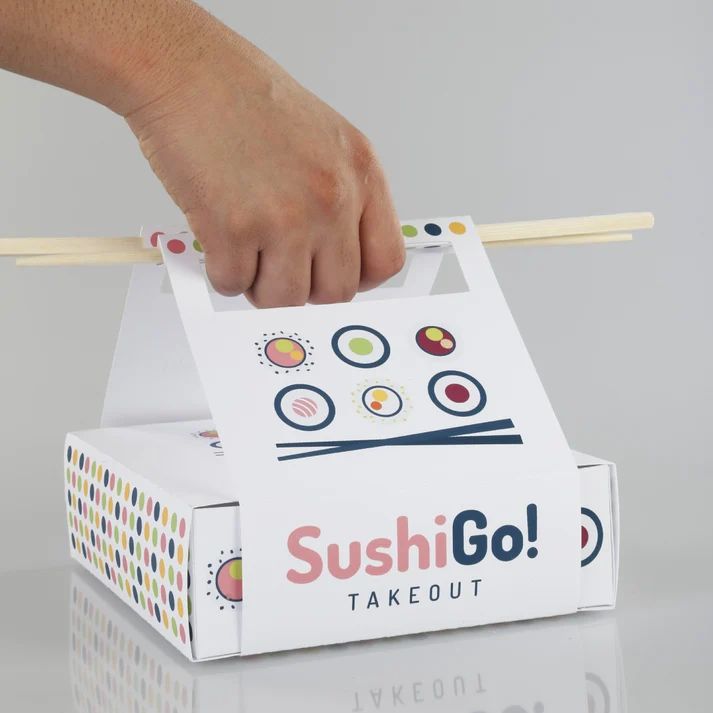
The carry-style image is useful because it shows how chopsticks can become part of the package experience. A handle area or chopstick bridge can make the sushi box feel more complete for food on the go. The structure should be tested carefully so the handle or accessory position does not weaken the lid, block the opening or slow down staff during packing.
For takeaway counters, small operational details are often more important than decorative effects. Staff need to place the food, close the box, add chopsticks or napkins and hand the order over quickly. The box should support that rhythm. A clear front panel, stable side walls and predictable tuck points help the service team work faster during busy meal periods.
Holidaypacfactory can tune the paperboard stiffness, closure tab, handle opening and side panel depth around the expected use. A lunch box that is carried by hand may need a different structure than a box that sits inside a delivery bag. A dine-out sushi set may need more display value, while a quick service order may need faster assembly and lower material complexity.
The best structure is the one that feels natural to both the worker and the customer. It should be easy to load, easy to close, easy to carry and easy to open without damaging the food presentation.
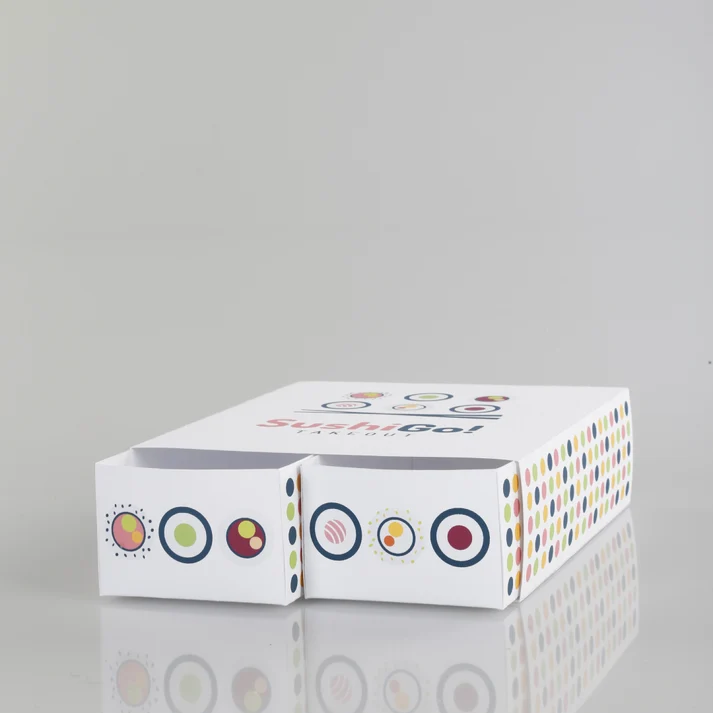
The drawer-style images show another practical direction for customized logo sushi food box packaging. A drawer box can keep the sushi meal enclosed during transport while giving the customer a small reveal moment when the tray slides open. The side panel can carry logo marks, flavor indicators, order labels or menu names without cluttering the top surface.
Stacking matters for kitchens and delivery counters. A flat, stable paperboard box is easier to arrange on a pickup shelf than a loose tray. If the package is used for several menu items, color dots, sleeve graphics or label areas can help staff identify each SKU quickly. That improves the real handling value of the packaging beyond its visual appeal.
For restaurants that want a stronger drawer motion, the Custom Drawer Sushi Box with Printed Sleeve product is a useful internal comparison. It shows how the tray and sleeve can be treated as a more focused structure for salmon roll takeaway and similar menu formats.
Holidaypacfactory can adjust the sleeve depth, finger notch, tray height, side wall strength and carton packing so the drawer-style package works for repeat wholesale production. The goal is a clean slide, a secure closure and a shape that remains neat after transport.
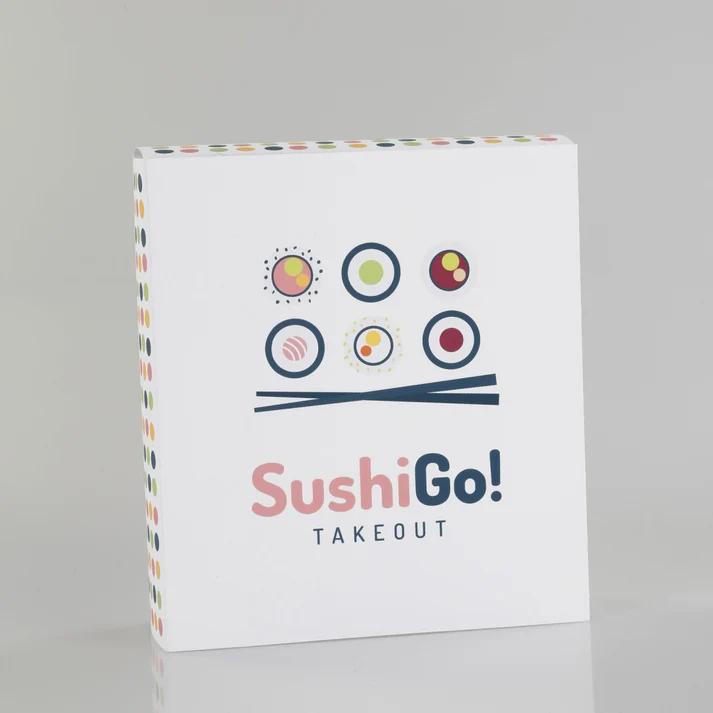
The supplied images use bright sample artwork, dot patterns and large logo placement. For a custom order, the artwork can be changed completely around your restaurant identity. The box can be playful, minimalist, premium, kraft, seasonal or bold. The key is to keep the hierarchy clear: the package should identify the brand while letting the sushi itself stay visually attractive.
Large top logos work well when the box is closed and stacked. Side logos help when the package is arranged on a shelf. Patterned side panels can make a simple white box feel lively without making the food area too busy. Holidaypacfactory can help balance logo size, color density, panel alignment and finish choice before bulk production.
For food service packaging, the artwork should be checked on the folded sample, not only on a flat dieline. Corners, tuck flaps, handle openings and closure cuts can all affect how the final design reads. A clean print plan protects the brand image and prevents important artwork from being split by fold lines.
Matte lamination can create a calmer feel, gloss can make colors sharper and simple varnish can keep the package cost controlled. The right choice depends on the menu price, expected handling and whether the item is intended for daily takeaway or a limited menu launch.
Disposable paper sushi packaging still needs a serious material plan. Food-grade paper, PE lining, PLA lining, coated paperboard, white card and kraft board can all be considered depending on food contact needs, sauce level, holding time and destination market. The material should protect the food without making the box difficult to fold or too heavy for daily use.
Moisture and oil behavior matter for sushi, rice, sauces and side items. A box that looks good when empty may behave differently once it holds real food. Sampling should test the actual roll size, sauce cup size, chopstick position, closing motion and carry method. That prevents issues such as lid pressure, sidewall bending, tray movement or difficult opening.
Holidaypacfactory can help plan the specification around wholesale quantity, print method, finish, carton count and delivery schedule. For repeat orders, the approved dieline, board thickness, color references and packing method should be recorded clearly so future batches remain consistent.
A well-planned disposable paper sushi box gives the buyer a stable packaging asset. It can be reordered, recolored, adjusted for new menus and coordinated with bags, labels, sleeves and other takeaway packaging without starting from zero each time.
When a buyer asks for customized logo disposable paper sushi food box packaging, the first step should be the meal layout. Sushi is visual food, so the packaging must protect the meal and frame it. Roll diameter, sauce cup height, garnish position and chopstick placement all change how the box should be built.
The second step is service channel. A counter handoff, delivery order, chilled retail meal and picnic set all use the package differently. Counter handoff needs fast closing and strong branding. Delivery needs stability and stacking. Retail display needs label space and shelf recognition. Picnic sets need a pleasant opening feel.
The third step is material choice. Food-grade paperboard gives shape, while lining or coating can support moisture resistance. A paper-forward package can still use a protective lining when required by the food. The final specification should match the menu rather than using a generic claim.
Print planning should not happen after the structure is already fixed. The logo, pattern, side panel, front message and label area should be placed with fold lines in mind. A large top logo may look strong on the closed box, but it must still align correctly after the box is folded and filled.
For bright designs, color management matters. Pink, white, blue and multicolor dot patterns can shift slightly under different lighting. A physical proof helps the buyer see whether the color feels right at a counter, in delivery photos and in customer images.
For minimalist designs, proportion matters even more. A white box with a small logo can look refined when the margins are controlled, but it can look empty if the logo is too small or badly placed. Holidaypacfactory can review the surface layout so the brand mark feels intentional.
A handle-style sushi box should be tested by hand. The opening must be strong enough for carrying, but the lid still needs to open without tearing. If chopsticks sit across the handle area, their position should feel natural and should not block the customer from accessing the food.
A drawer-style sushi box should be tested for slide feel. The tray should not fall out too easily, but it should not feel stuck. Small differences in paper thickness, coating and humidity can affect that motion. Sampling helps control those details before production.
Stacked boxes should also be tested under real kitchen conditions. Staff may stack several orders in a limited space, and the top surface should not cave in under normal handling. Carton packing and storage method can protect the finished package before it reaches the restaurant.
The product family can expand beyond one sushi box. Matching paper bags, sauce cup holders, sticker labels, napkin sleeves and outer cartons can make the order feel more complete. The same color system can carry across each item while each structure remains practical for its job.
For restaurant chains, consistency is a major value. A customer in one location should receive a package that feels like the same brand as another location. That requires consistent color, board grade, logo placement and print quality across repeat production.
For smaller restaurants, custom packaging can still be practical when the structure is chosen carefully. A simple paperboard box with clean logo printing may deliver more value than an overly complex package that is hard to assemble. The smartest packaging is often the one that does a few things very well.
The buyer should prepare logo files, desired quantity, approximate box size, food photos, material preference, finish preference and delivery schedule before requesting a quotation. If the menu is still changing, a range of food dimensions is still useful for early structure planning.
Holidaypacfactory can then recommend whether the project should start with a simple dieline review, a white sample, a printed sample or a more detailed production sample. The right route depends on the risk level of the structure and the buyer’s launch schedule.
A good final sample should be opened, filled, closed, stacked, carried and photographed. If it performs well through those simple tests, it is much more likely to work in real service. Packaging should not only look good on a catalog page. It should work when the kitchen is busy and the customer is hungry.
This product is especially useful for sushi, roll assortments, casual Japanese takeaway, quick service concepts and branded lunch programs. It gives the buyer room for color and logo expression while keeping the base function simple and repeatable.
The value of custom printed paper sushi packaging is not only the artwork. It is the way structure, material and branding combine into one customer-facing object. When the box is right, the meal feels fresher, cleaner and more deliberate.
For premium menus, the same product can be upgraded with heavier paperboard, a refined coating and a quieter artwork system. For fast daily service, it can stay lighter and simpler. This range of options helps buyers match packaging cost to menu value.
Holidaypacfactory keeps the project focused on real production needs: dieline accuracy, print clarity, material behavior, carton packing and repeat order control. That practical discipline is what makes the packaging reliable after the first sample is approved.
The result is a custom disposable paper sushi food box that supports the meal, carries the brand and keeps the ordering process manageable for wholesale buyers.
For a new sushi box project, the buyer should decide whether the package is mainly a display package, a delivery package or a hand-carry package. A display package may need a cleaner top view and more shelf-facing artwork. A delivery package may need stronger stacking and better closure control. A hand-carry package may need a handle detail, chopstick placement or an easy grip area.
The pink closed carton in the images shows a playful way to use color, while the white SushiGo-style boxes show a brighter everyday takeaway mood. These designs are only references for structure and visual direction. Holidaypacfactory can replace every surface with the buyer’s own logo, colors, illustrations, menu name, label space and market language.
If the package will carry hot side dishes with sushi, the material plan should be reviewed more carefully. Hot food can create steam, and wet food can soften paper if the coating is not suitable. The buyer should explain whether the box will hold only chilled sushi or a mixed meal with fried items, sauces or warm sides.
If the package will be stored flat before assembly, the dieline should be designed for quick folding. A box that looks attractive but takes too long to form can slow down the kitchen. If the package will be supplied pre-formed, carton size and warehouse space become more important. These choices affect both cost and daily use.
For brand teams, side panels are valuable because they stay visible when boxes are stacked. A top panel may look good in photos, but a side logo helps staff and customers identify the order from the shelf. A balanced custom design usually uses top, front and side panels together rather than placing all information in one area.
For delivery platforms, the package should also leave room for order stickers, customer names, flavor marks or safety labels. If the printed design uses every available space, staff may place stickers over the logo or over key artwork. A reserved label zone makes the final package more practical.
The chopstick handle image also suggests an opportunity for accessory integration. A brand can design a package that holds chopsticks, napkins or small sauce packets in a neat position. That makes the order feel complete and reduces loose items inside the delivery bag. The accessory area should still be tested so it does not interfere with the lid opening.
For multi-store restaurant buyers, color control should be set early. A soft pink, clean white or navy accent can look different across print batches if there is no approved reference. Holidaypacfactory can help record the approved color values, board surface and finish so repeat orders stay close to the agreed look.
For retail buyers, barcode placement, shelf label position and nutrition label area should be included before artwork approval. These operational details are easy to overlook in a beautiful mockup, but they are necessary for the final product to work in stores.
For catering buyers, the package may need to sit on a table for longer periods. In that case, the lid should protect the food before service, but the opened box should still look neat when guests see it. The balance between protection and display should be part of the structure review.
For promotional menus, a custom sushi box can become a limited-season identity piece. The same approved structure can carry a spring color, summer picnic look, holiday theme or collaboration design. This keeps the restaurant fresh while avoiding a new structural project every time the menu changes.
For wholesale pricing, the buyer should be realistic about quantity, print coverage, material grade and finish. Full coverage printing, special finish and complex handle details can increase cost. A simple custom logo box may already give strong value if the structure is right and the food presentation is clean.
The final decision should be based on real use, not only appearance. The package should be tested with the food, stacked with other orders, handled by staff and opened by a customer. When it passes those ordinary tests, it becomes much easier to approve for production.
Holidaypacfactory can support this full process from structure discussion to sample refinement and repeat wholesale orders. The aim is a disposable paper sushi box that looks branded, protects the meal and stays practical enough for daily restaurant use.
Yes. Length, width, height, tray depth, handle area and closure details can be adjusted around the real sushi meal.
Yes. Holidaypacfactory supports custom logo printing, color matching, side patterns and full artwork layouts.
Yes. Lining options can be reviewed according to food contact needs, moisture level and destination market.
Yes. The structure can be tested for stacking, closure, carrying and delivery handling during the sample stage.
Yes. The handle-style or accessory area can be planned to work with chopsticks, napkins or small labels.
Please send product dimensions, order quantity, artwork direction, material preference, finish choice and delivery schedule.
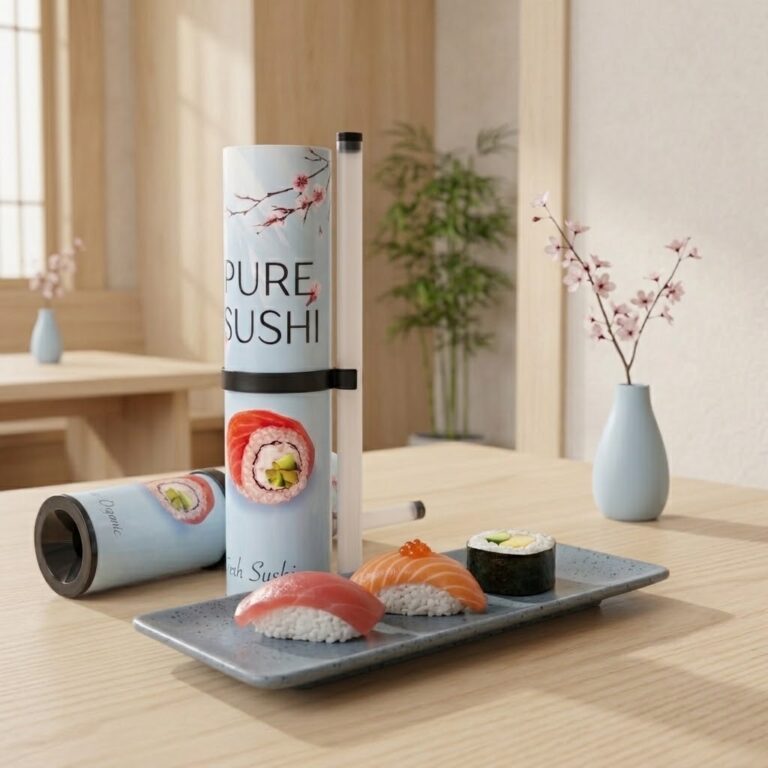
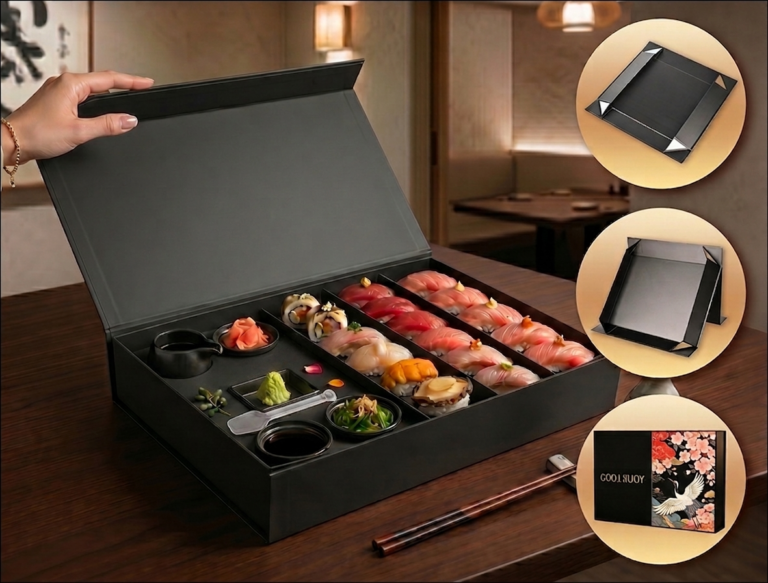
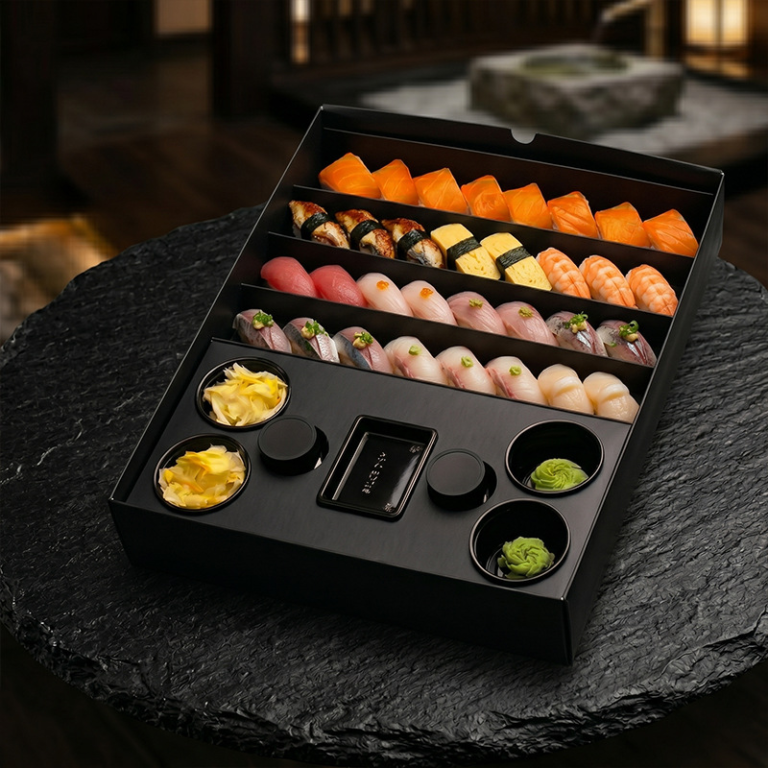
 Cassie LanFounder, HolidayPac · Leave a message
Food packaging, paper bags and food service paper for your next project.
Leave your request anytime. Our sales team will reply with pricing, samples and production details.
Tell us what you're packaging and we'll ship a physical sample plus a free 3D mockup within 24 hours — no cost, no obligation.
We've received your inquiry and our team will get back to you within 24 hours.