Door to Door service
Welcome to Holidaypac Packaging Solutions Factory!

tiger@holidaypac.com

+86 136 5233 6188
Welcome to Holidaypac Packaging Solutions Factory!

tiger@holidaypac.com
+86 136 5233 6188
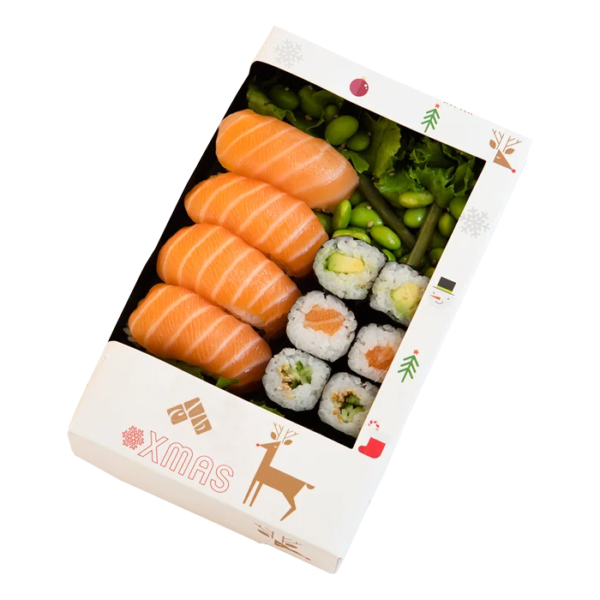
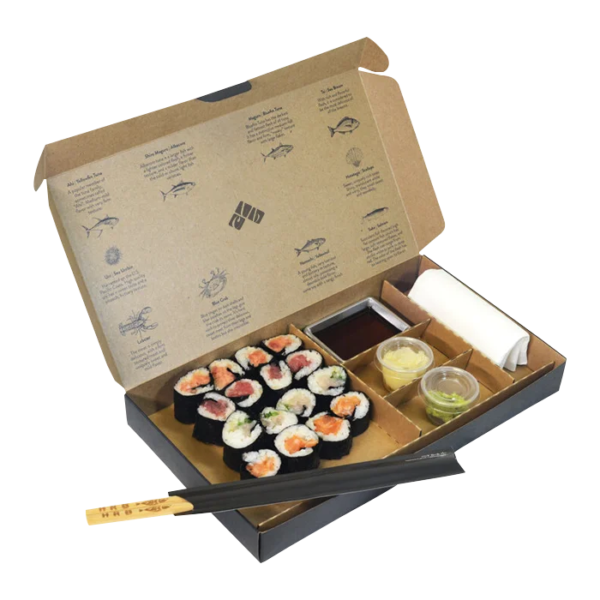
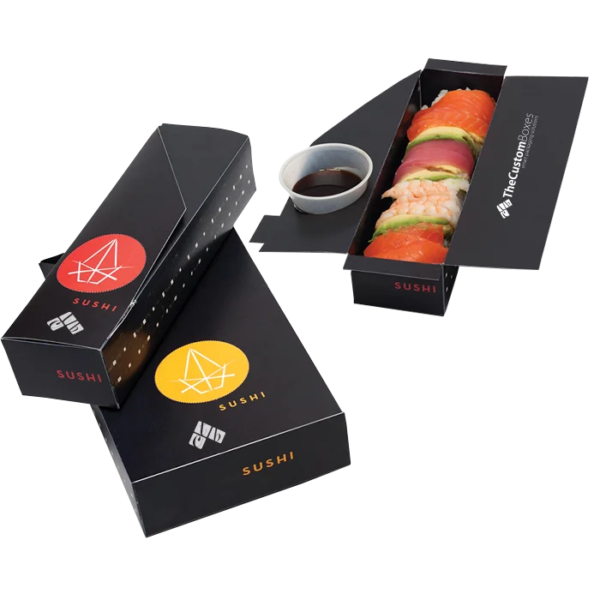
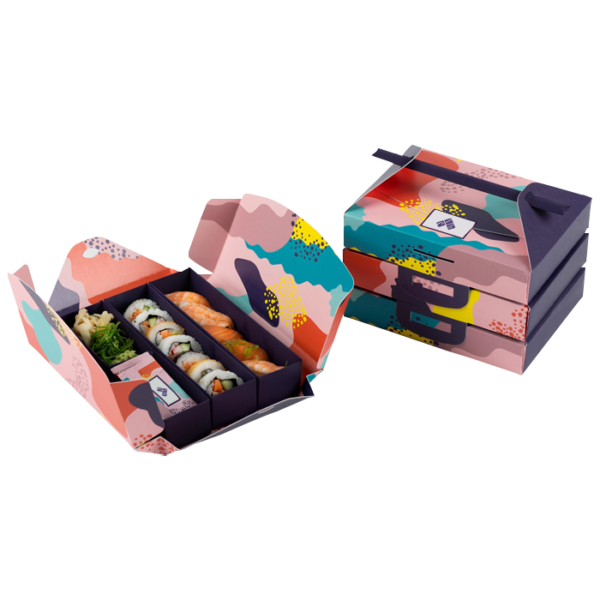
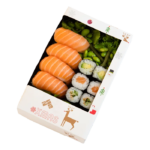
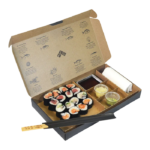
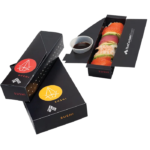
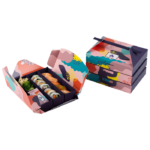
This custom sushi box packaging is built for premium takeaway sets, fresh roll assortments, sauce cups and restaurant delivery programs. It gives the food a cleaner frame than a plain tray and supports a stronger brand impression at pickup, during delivery and in chilled retail display.
Holidaypacfactory can adapt the box size, tray depth, compartment layout, board grade and print finish so the package fits your menu and your service flow. The goal is a sushi box that looks good in photographs, packs efficiently in the kitchen and feels composed in the customer’s hand.
This custom sushi box packaging is designed for premium takeaway sets that need a clearer presentation than a standard tray. It supports salmon rolls, mixed sushi assortments, sauce cups, chilled retail meals and restaurant delivery programs where the packaging must feel orderly and brand-led.
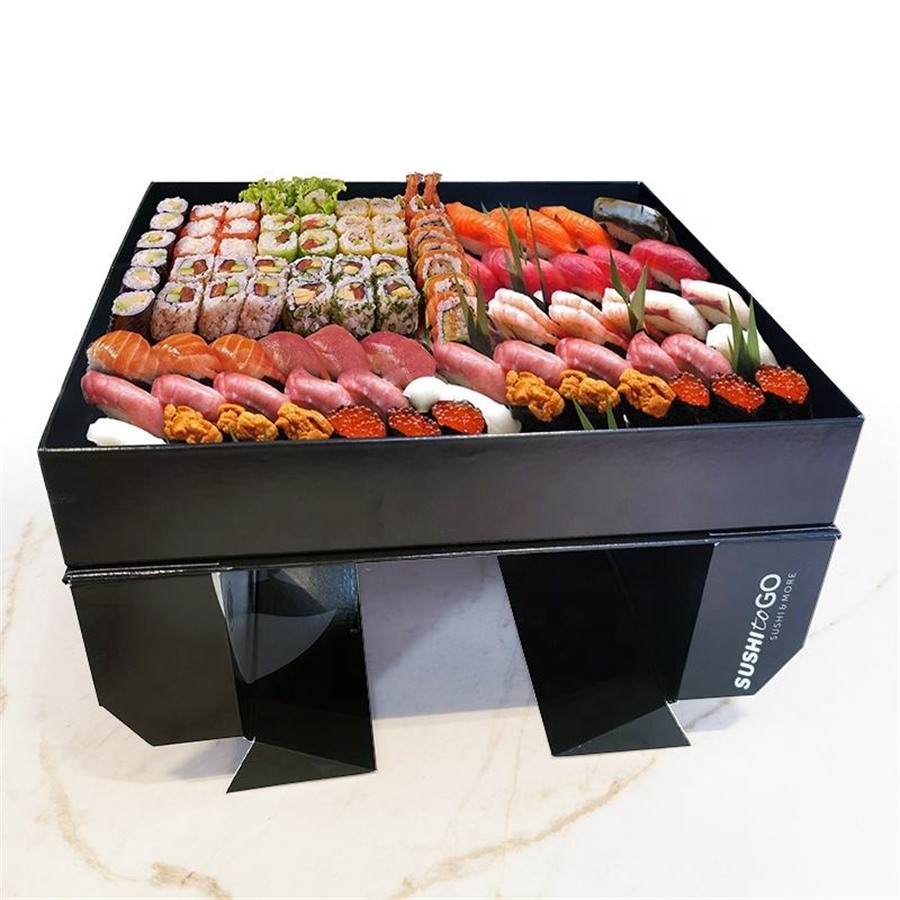
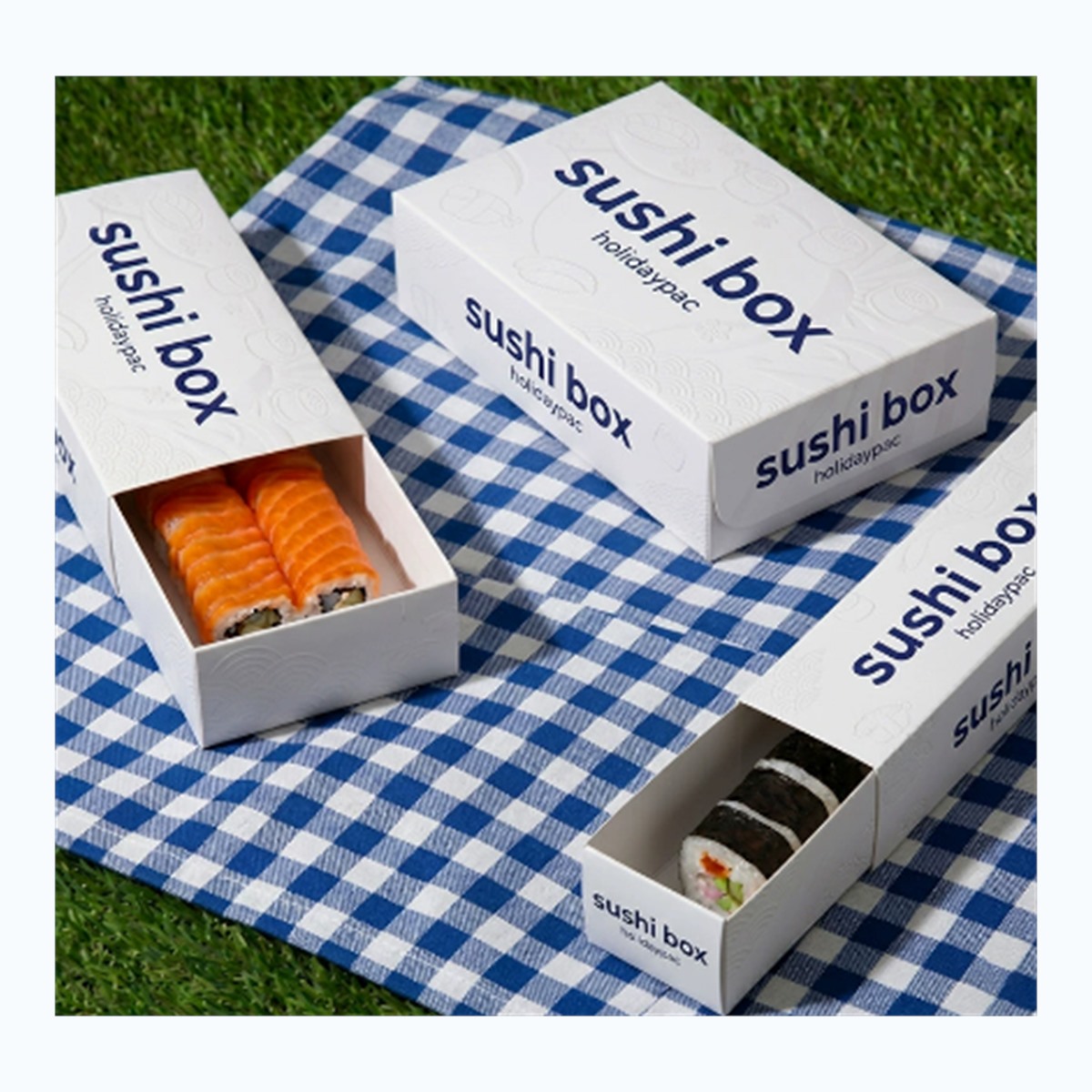
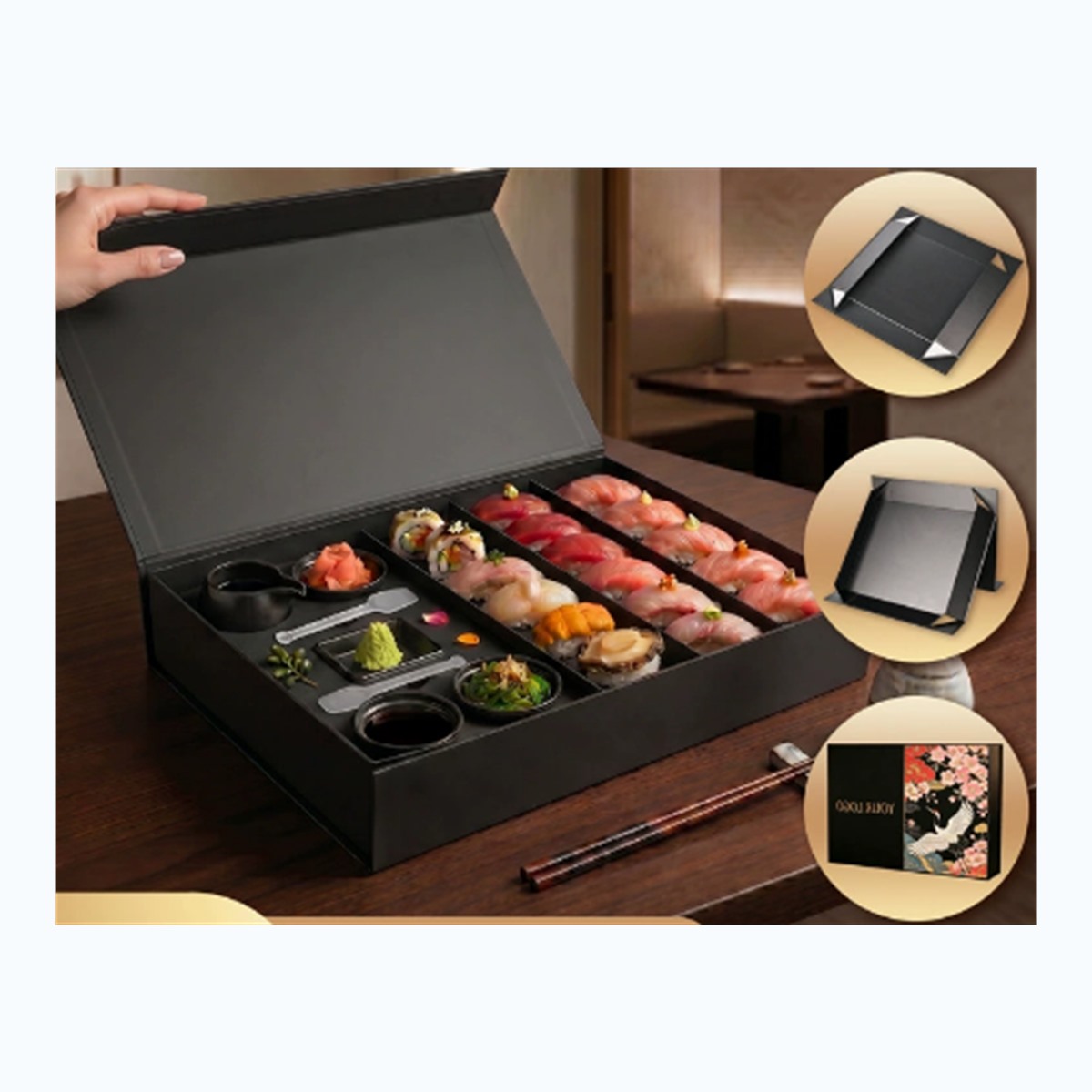
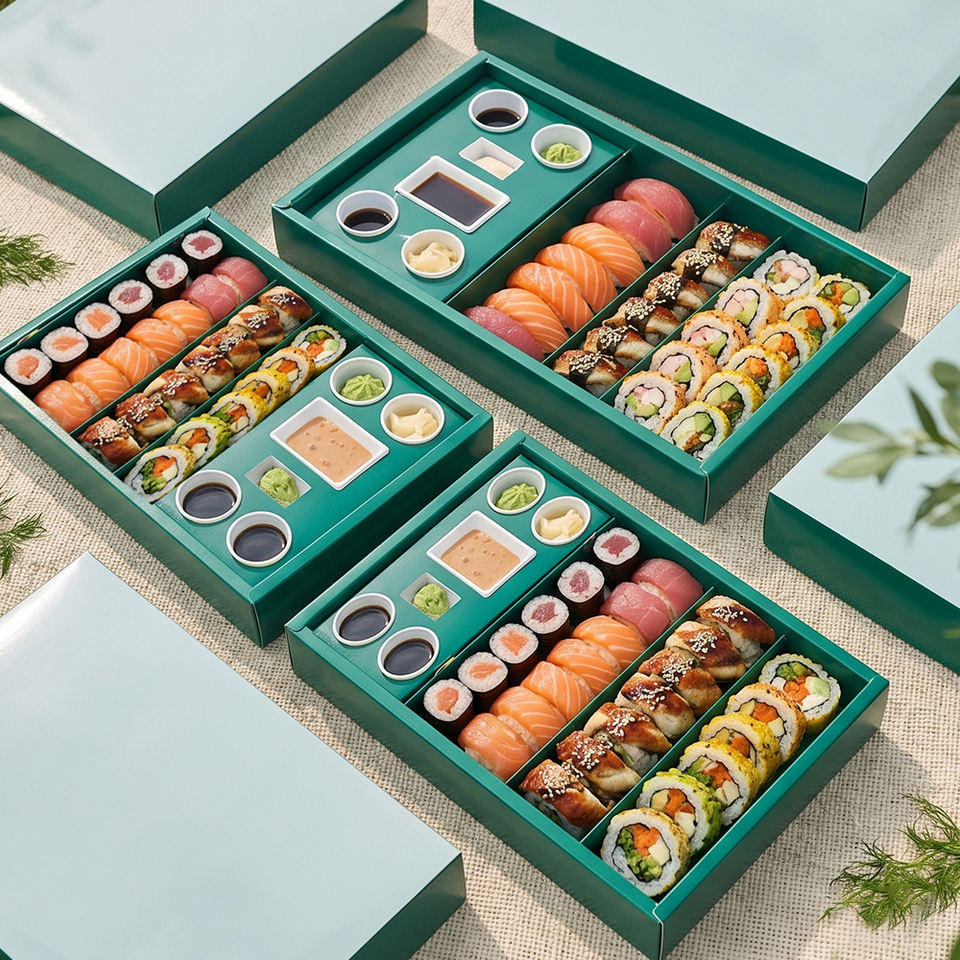
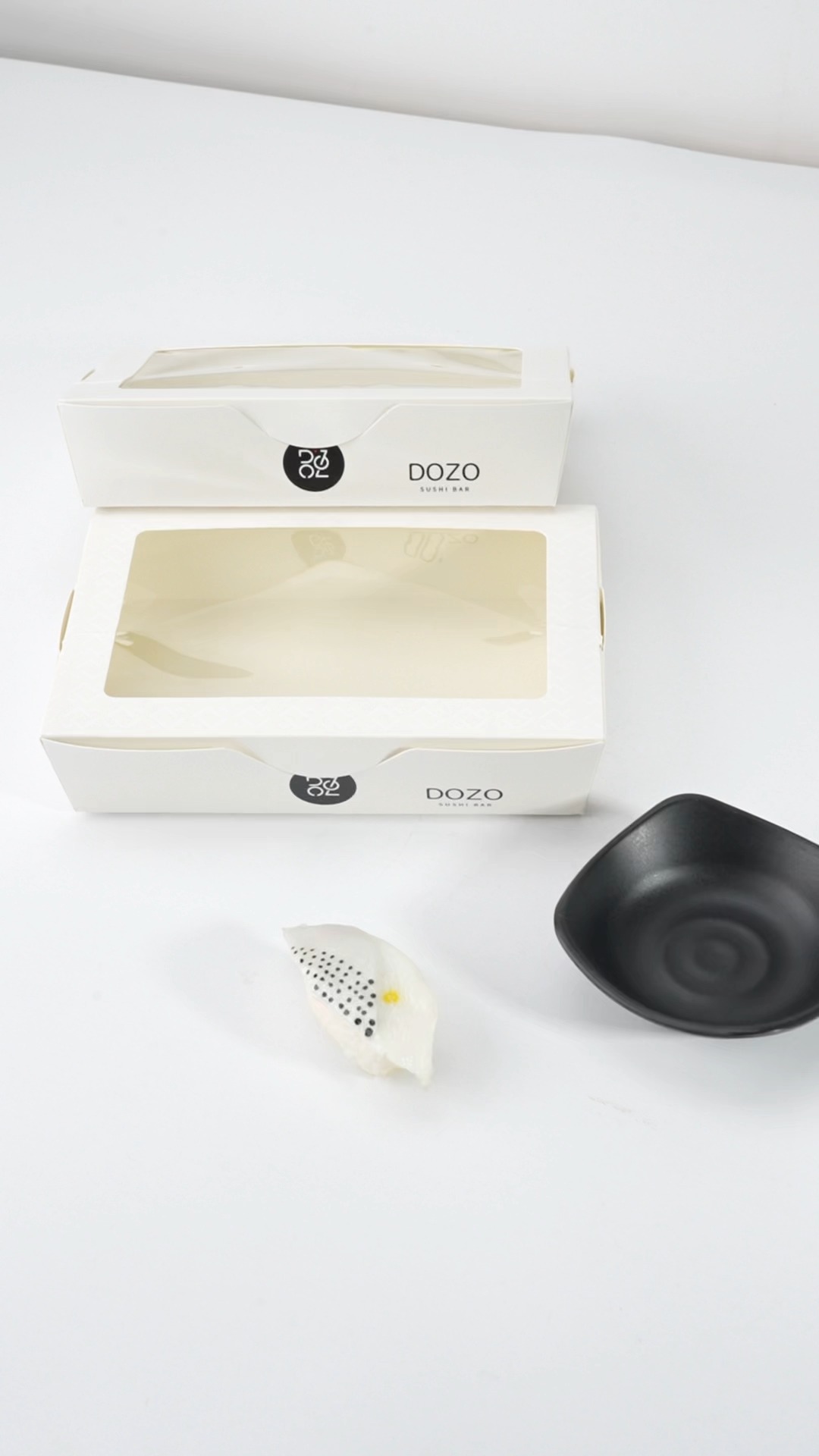
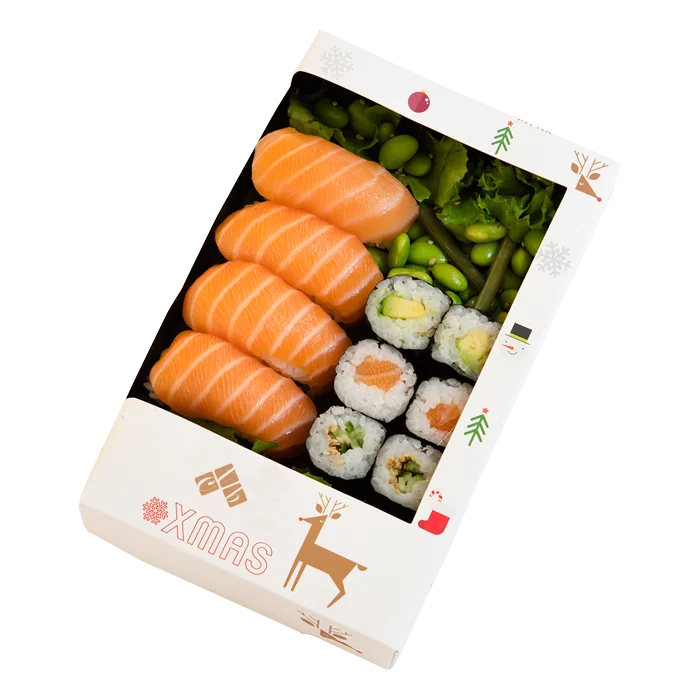
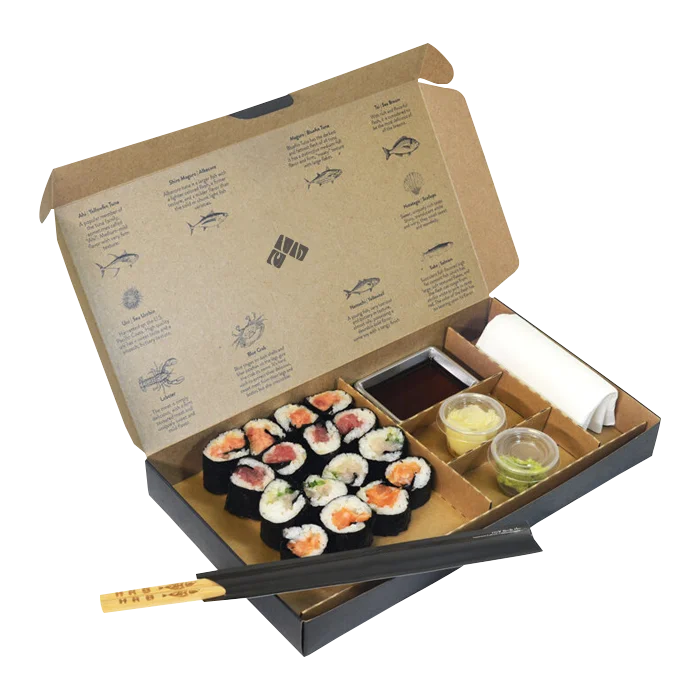
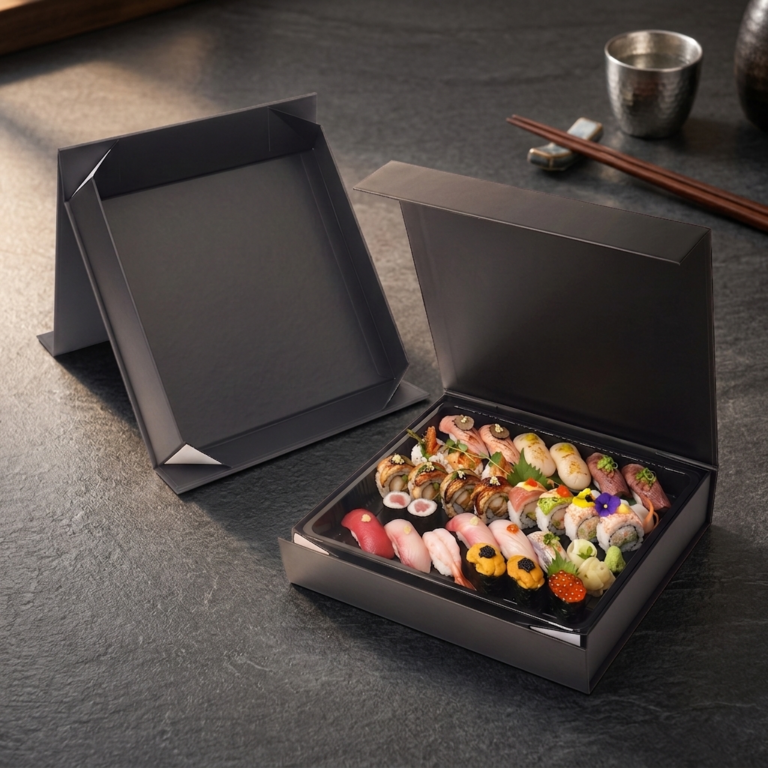
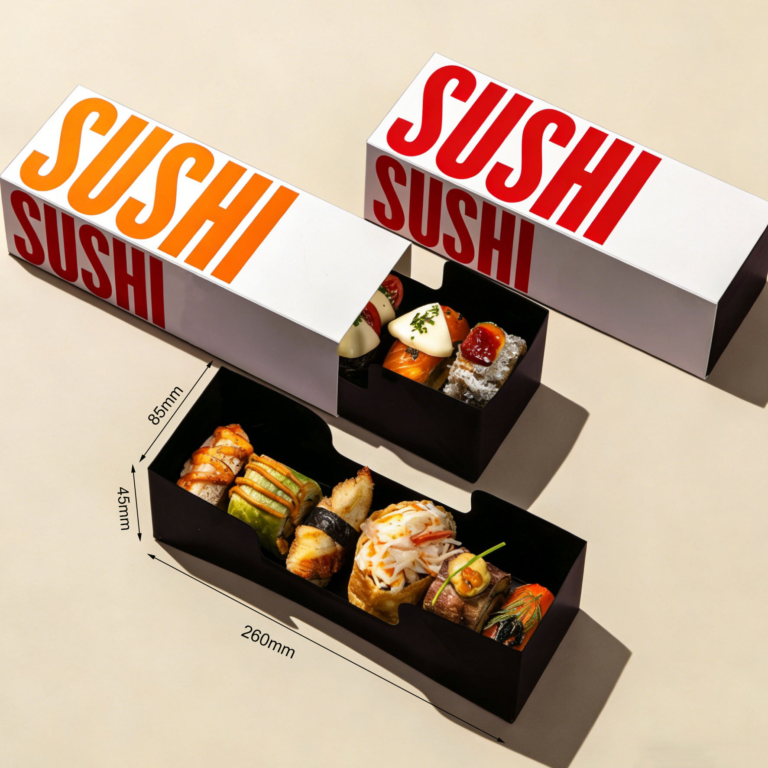
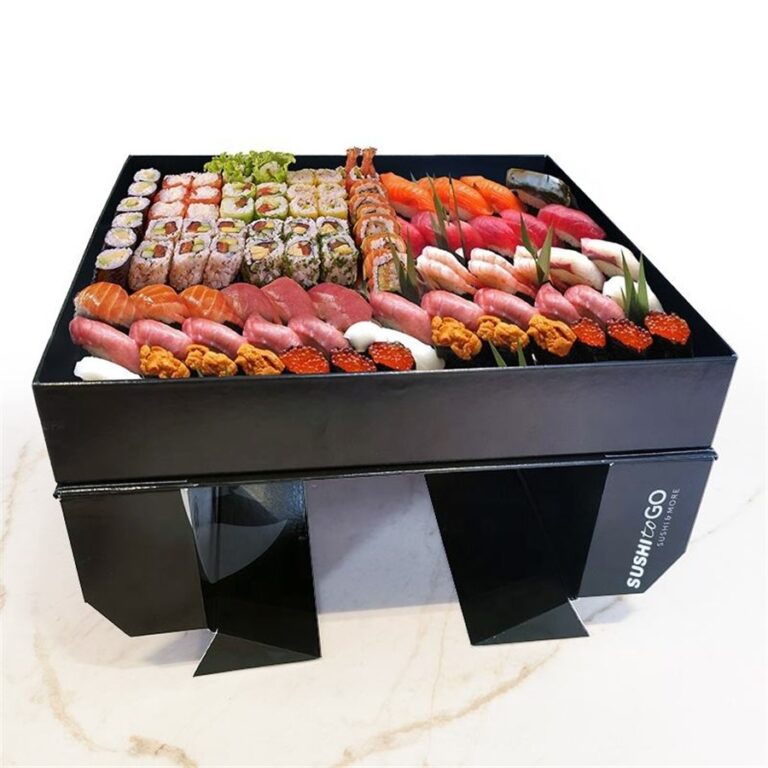
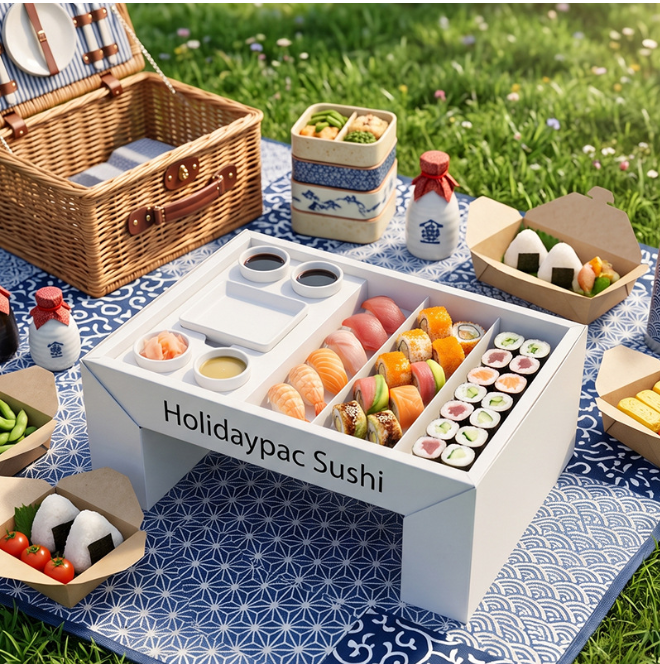
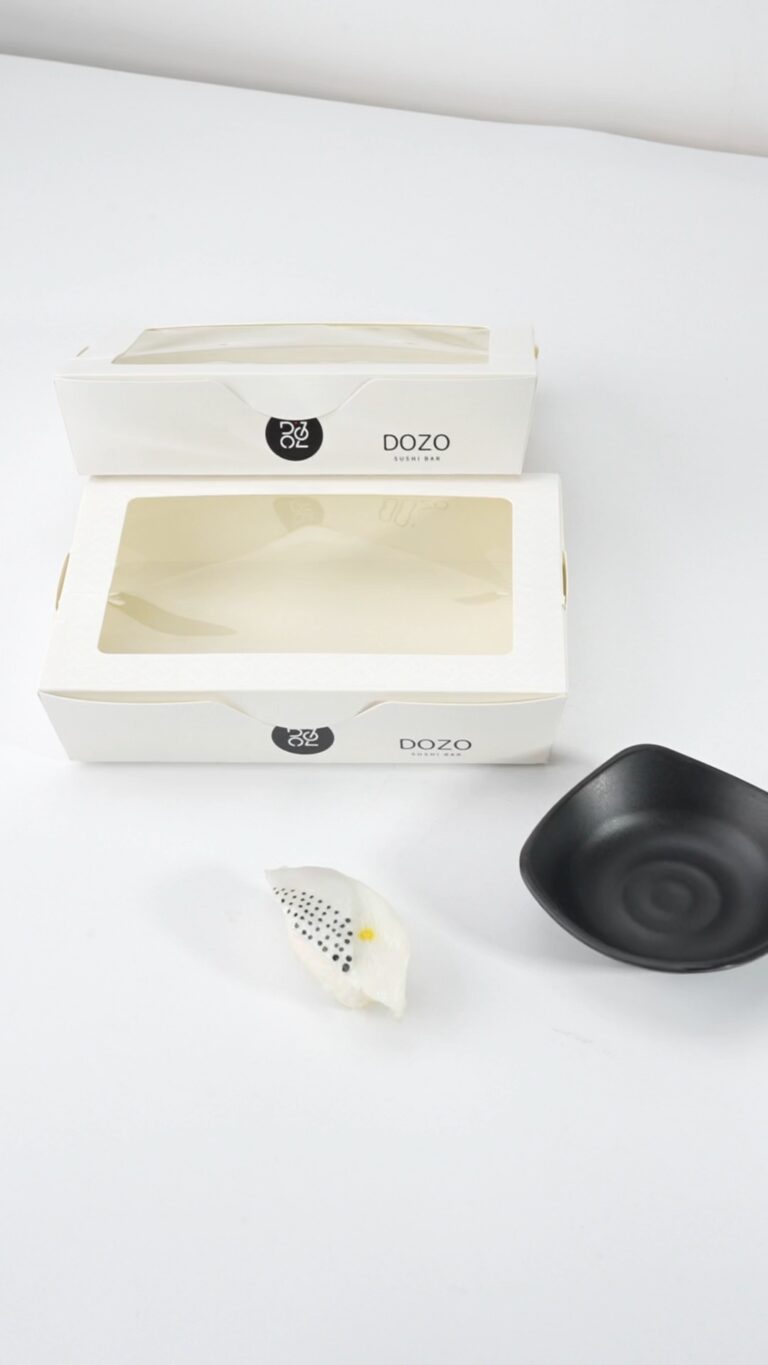
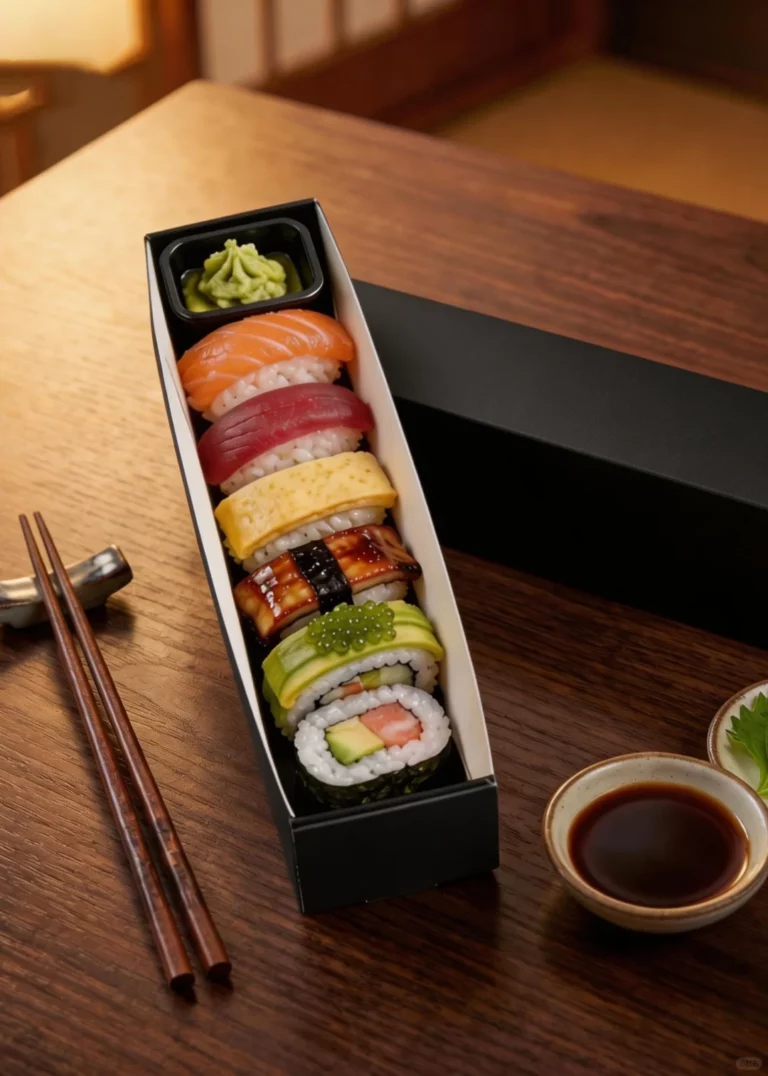
The reference images show two useful directions: one version uses a bright white frame with a clear window-like opening over the food, and another version uses a darker premium tray with strong compartment control. That contrast is useful for buyers because it shows how one structure family can move between casual takeaway, premium delivery and more decorative retail presentation.
Holidaypacfactory can adjust the size, lid form, compartment count, insert depth, board thickness and finish so the package works around the real menu. The best sushi packaging does not just hold food. It frames the food so the customer feels that the brand has handled the order carefully from kitchen to handoff.
For buyers comparing structure types, the internal pages for <a href=”https://www.holidaypacfactory.com/product/custom-drawer-sushi-box-printed-sleeve-salmon-roll-takeaway-packaging/” style=”color:#1f9aca;font-weight:900;text-decoration:none”>Custom Drawer Sushi Box with Printed Sleeve</a> and <a href=”https://www.holidaypacfactory.com/product/custom-sushi-magnetic-folding-box-sauce-insert-omakase-takeaway-packaging/” style=”color:#1f9aca;font-weight:900;text-decoration:none”>Custom Sushi Magnetic Folding Box with Sauce Insert</a> help explain where drawer, flip and magnetic styles fit within a sushi packaging family.
Sushi packaging needs more than a visual shell. The internal layout must keep the rolls straight, protect delicate toppings, hold sauce cups securely and leave enough room for garnish or side items. If the tray is too loose, the contents shift during transport. If the tray is too tight, the packing team may damage the meal while closing the lid.
This is why the compartment plan should start from the real menu size. A box for a small tasting selection will need a different interior than a box for a full dinner set or a mixed party platter. Holidaypacfactory can shape the layout around the roll diameter, cup size, sauce position and food height so the package feels intentional when opened.
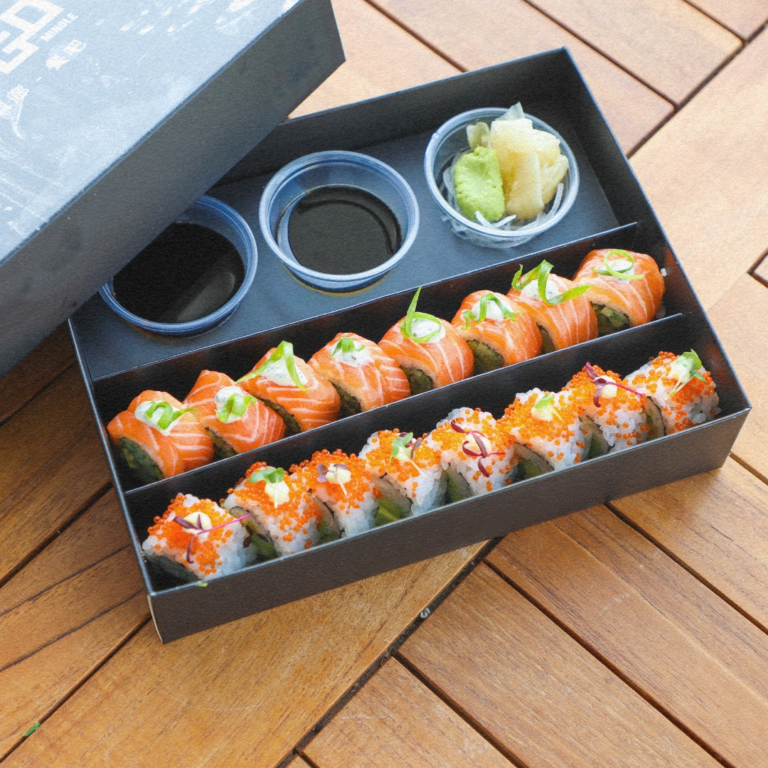
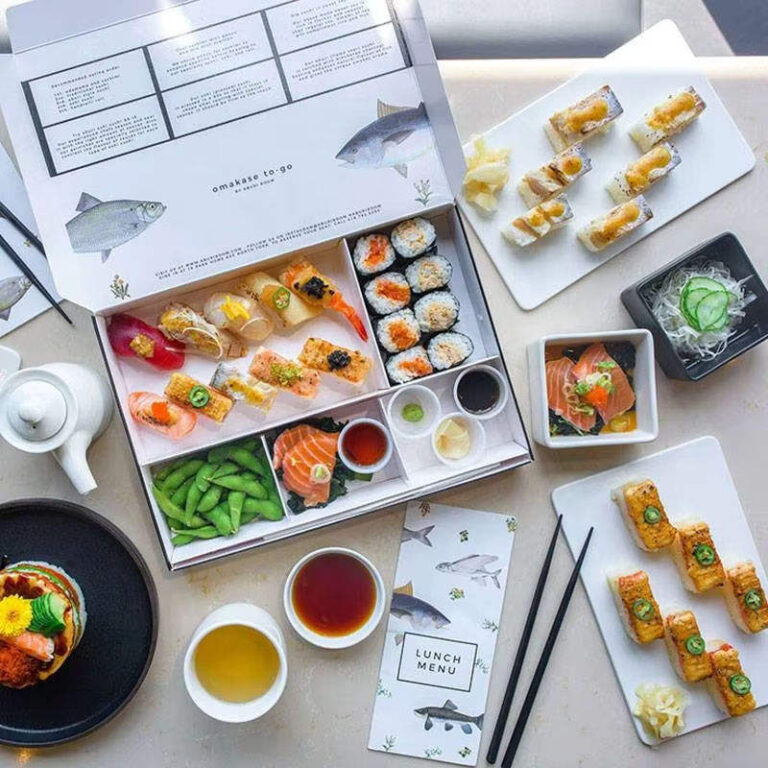
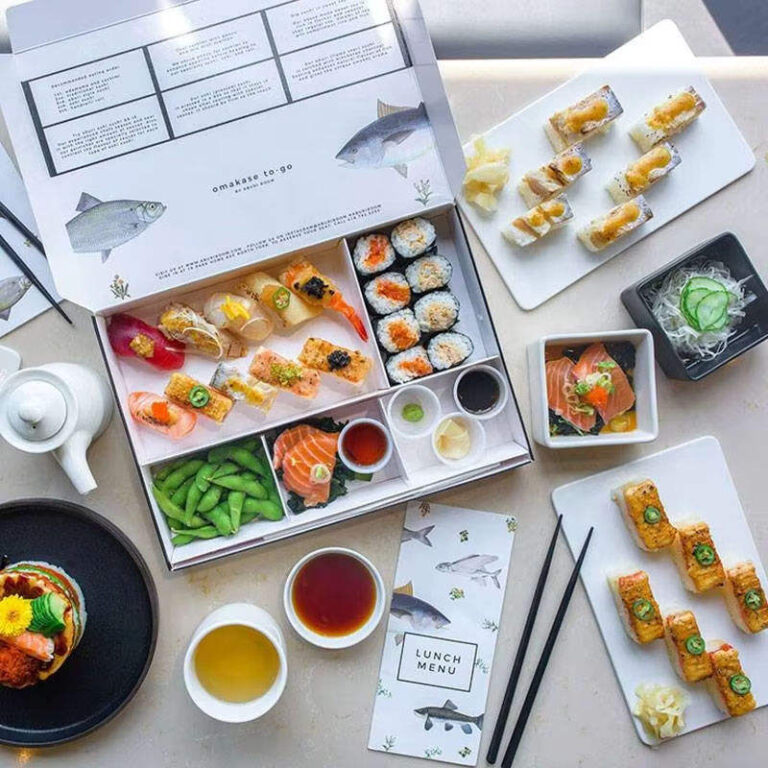
The image set includes a premium tray with visible compartments and sauce cups, which is a useful model for restaurant buyers. The package should still be easy to pack at speed, easy to hand over and easy for the customer to open on the first try. That blend of presentation and practicality is what makes the category valuable.
When a buyer wants a broader food range, the same layout logic can also support bento sets, snack assortments or small meal kits. The visual language may change, but the system still needs a clean base, a stable insert and a strong outside panel for branding.
The black sushi box image gives a stronger premium tone, while the lighter white-frame example feels brighter and more casual. Those two moods support different channels. A premium omakase or dinner service may prefer the black look, while a lunch, picnic or retail shelf program may prefer a lighter box that photographs well in daylight.
A custom printed box can also carry a logo, menu label, seasonal artwork or brand message without becoming too busy. For sushi packaging, clarity is usually better than excess decoration. The food should remain the focal point, while the packaging quietly frames the order with a clean border and a controlled color system.
Holidaypacfactory can help select the right finish for the chosen tone. Matte lamination tends to feel calmer and more upscale. Gloss can make colors and contrast stronger. Special print effects can be added where needed, but the most reliable result usually comes from a focused layout with clean edges and strong proportions.
If a brand needs related packaging items, it can coordinate the sushi box with <a href=”https://www.holidaypacfactory.com/product/custom-disposable-takeaway-paper-sushi-gift-box/” style=”color:#1f9aca;font-weight:900;text-decoration:none”>Custom Disposable Takeaway Paper Sushi Gift Box</a> and <a href=”https://www.holidaypacfactory.com/product/custom-stand-up-picnic-sushi-box-food-grade-white-card-corrugated-takeaway-packaging-holidaypacfactory/” style=”color:#1f9aca;font-weight:900;text-decoration:none”>Custom Stand-Up Picnic Sushi Box</a> so the entire takeaway range feels connected.
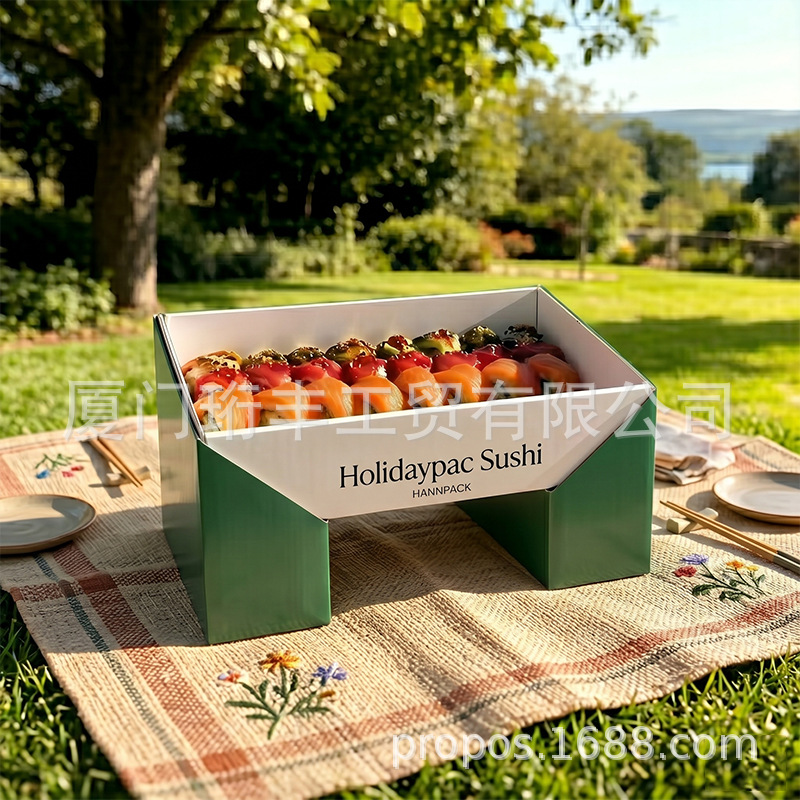
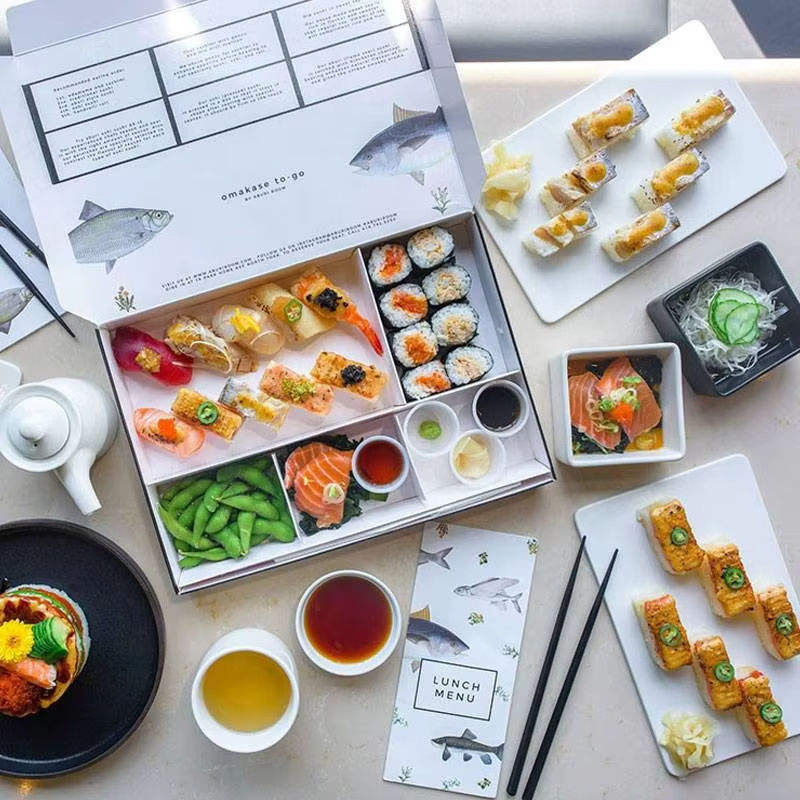
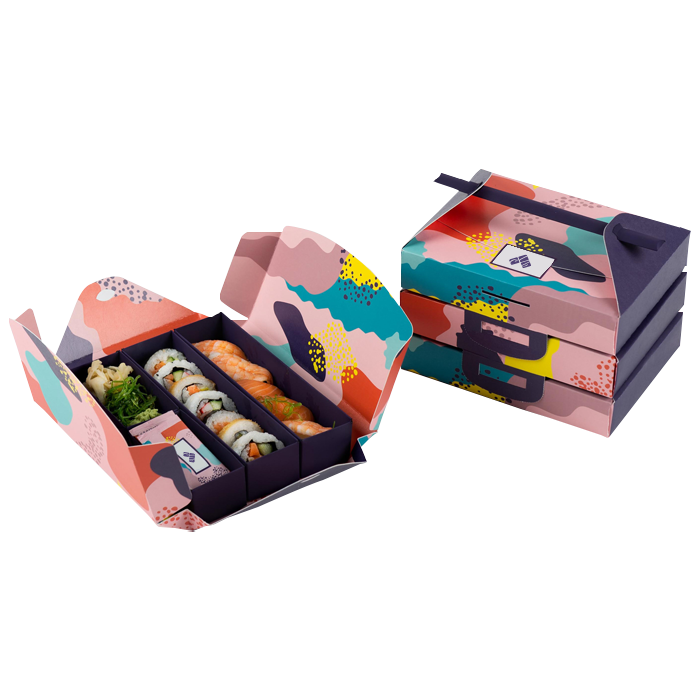
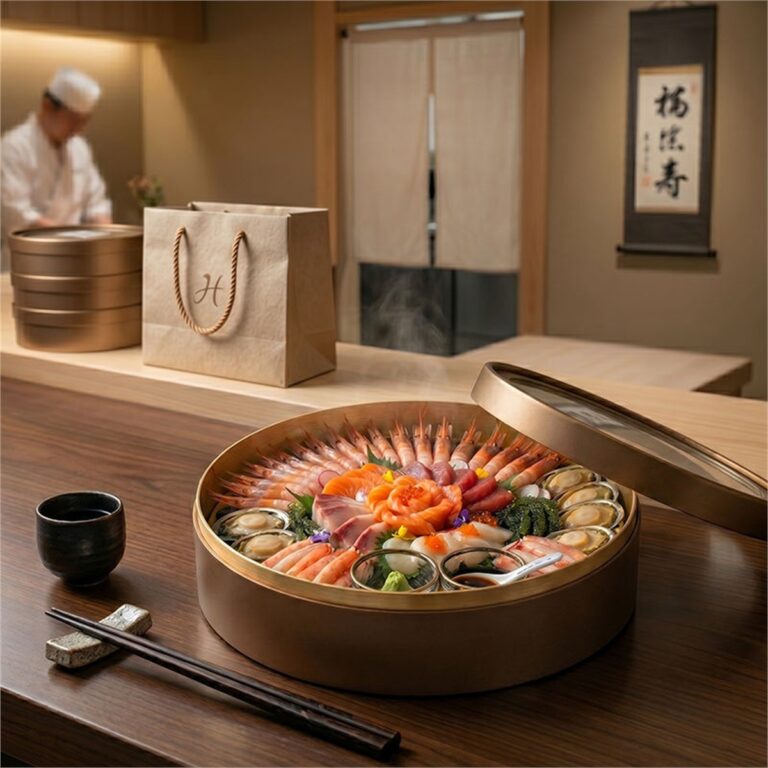
The final image shows a more decorative printed sushi box style, which is helpful because it proves the same category can be expressed in several ways. Some buyers want a simple tray-and-lid structure. Others want a drawer box or sleeve box with a stronger reveal. Others want a more colorful, event-style package that feels right for seasonal menus or special launches.
That flexibility matters when a restaurant group or retail brand is building its packaging system. The structure can change for different use cases, but the materials and branding logic should stay aligned. That is how a product line becomes easier to recognize and easier to reorder.
Holidaypacfactory can develop the package as a paperboard solution, a coated takeaway tray, a compartment box or a mixed sleeve system. The final plan depends on food weight, delivery distance, shelf display, brand tone and whether the customer should see the food before opening.
The boxed layout should also support practical work on the back end. Packing speed, tray stability, label placement and storage efficiency all matter during a busy service window. The best custom sushi packaging is the one that makes both the food team and the customer happy.
Fresh sushi packaging is one of those product categories where small structural choices make a large difference. A slight change in tray depth can change how stable the rolls feel. A more generous lid height can make a premium set look calmer. A cleaner printed border can make the food feel fresher. The package is part of the meal experience from the first second it is seen.
For buyers in the takeaway and delivery market, the box has to solve several problems at once. It must protect the food, communicate the brand, stack neatly in a kitchen, survive short transport times and still look attractive when the customer opens it. That combination is why the sushi box category is so sensitive to shape, board strength and print layout.
Holidaypacfactory approaches sushi packaging as a system rather than a single carton. The outer appearance, the tray behavior, the lid fit, the compartment arrangement and the carton packing all matter. If the box looks beautiful but slows the kitchen down, it is not a good product. If the box works well but looks generic, it misses the brand opportunity. The right answer sits between those two extremes.
The sample images here give a good range of direction. One version is white and festive, which could suit holiday specials or retail sets. One version is black and premium, which suits higher-value dinner service. Another version uses stronger printed panels and compartment lines, which is useful for mixed sets and boxed lunch programs. Together they show how one market category can support many visual choices without losing the core packaging logic.
That makes the product useful for restaurant chains as well as independent operators. A restaurant may launch a signature salmon roll box first, then add a premium dinner box, then create a promo version for events or gift seasons. If the structure family is planned correctly, the brand can keep the same overall packaging story while changing only the surface art and contents.
A buyer should also think about how the box appears in photos. Sushi packaging sells heavily through visual presentation, especially in delivery apps, online menus and social feeds. A strong top view, a neat compartment system and a clear border around the food all help the product photograph better. That is one reason the tray and lid relationship matters so much.
Material selection should stay practical. A premium box might use thicker board or a stronger liner, while a lighter box may use a simpler fold structure for regular takeaway service. The choice depends on the food weight, target price and whether the product is meant for daily turnover or a special menu line. Holidaypacfactory can guide the material choice after reviewing the real order plan.
The compartment plan is equally important. A sushi set with sauce cups needs a stable circular opening or dedicated corner area. A roll assortment might need long channels with consistent width. A mixed premium box may need a more modular layout. Once the food pattern is fixed, the packaging can be tuned to support it rather than forcing the food into a generic shape.
This is also why custom printing should be coordinated with the structure rather than added later. The food should sit inside an area that still leaves room for a logo, brand line or seasonal note. If the outside is too crowded, the design loses calmness. If the outside is too empty, the box can feel unfinished. Good sushi packaging finds a clear balance.
For wholesale buyers, packaging consistency matters across different locations and reorders. The same approved product should not feel different from one batch to the next. That means board color, fold lines, tray depth and print reference all need to be recorded. A good packaging supplier protects those details and makes future ordering easier.
The buyer should also consider stacking and storage. Sushi boxes often need to sit in refrigerators, prep rooms or pickup shelves before handoff. The package should stack neatly without crushing the food or deforming the lid. If the box is intended for chilled display, surface treatment and moisture resistance become even more relevant.
Holidaypacfactory can support this process from concept to final production. The custom order can be refined around the food, the service method and the desired visual tone. The result is a packaging system that feels premium without becoming too fragile or difficult to use during busy service hours.
For premium takeaway, the ideal sushi box often has a calm outer frame, a clean internal layout and a clear hierarchy between food and branding. The food remains the hero, but the packaging gives it structure. That is the reason a well-made sushi box can improve perceived value without changing the food itself.
This product page uses the same approach. It centers the packaging use case, then gives practical detail on material options, structure options, artwork planning, buyer questions and repeat-order support. The goal is to help a buyer decide quickly whether the format fits their menu and service flow.
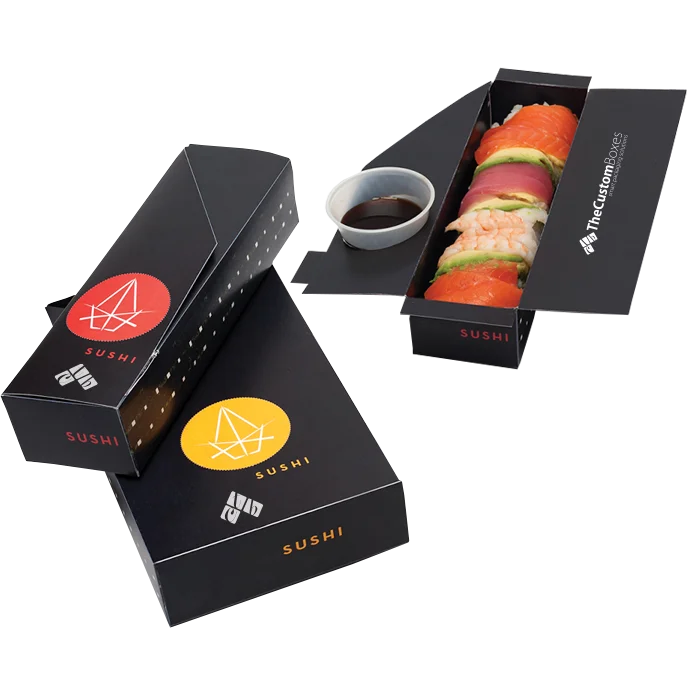
The TheCustomBoxes-style reference you shared is helpful because it shows a sushi box market that spans premium presentation, retail convenience and different internal layouts. That is a strong reminder that one category rarely has one fixed structure. A buyer may want a clean white lid with a window for a fresh display, a black tray with stronger contrast for evening service or a more colorful launch box for seasonal promotions. The packaging should match the meal and the market, not just the supplier catalog.
A good sushi box also has to survive real handling. Staff may pack it quickly during lunch rush, stack it in a delivery bag, carry it across a kitchen, slide it into a display shelf or hand it to a customer at the counter. If the lid opens too easily, the meal loses protection. If it opens too hard, the customer experience feels clumsy. That small balance is where the packaging engineering becomes important.
In a premium food setting, the first visual impression often decides whether the meal feels special. The box edge, the tray color and the alignment of the top print all shape that impression. A package with a strong frame can make even a modest meal feel more deliberate. That is why many sushi brands invest in custom printed packaging rather than standard stock cartons.
The inner tray can also support menu storytelling. For example, a long tray can organize a two-roll set, a trio of signature pieces, a mixed tasting flight or a chef’s selection arranged in sequence. When the customer opens the lid and sees the food lined up neatly, the box feels more composed. That visual order can increase perceived value without increasing food complexity.
Brand teams should think about the package in three layers: the functional layer, the display layer and the identity layer. The functional layer keeps the sushi safe. The display layer makes the food look appetizing. The identity layer tells the customer whose product this is. If any one of those layers is weak, the box becomes less effective overall.
For repeat ordering, documentation is underrated. A buyer should keep the approved size, the insert map, the board spec, the coating choice and the artwork version in one clear record. That makes the next run easier to reproduce and reduces the chance of drift across batches. This matters a lot when the box becomes part of a chain menu or a retail program with multiple stores.
Seasonal packaging is especially sensitive to timing. If a sushi box is used for holiday promotions, special events or short product drops, the development schedule must leave enough time for sampling and small corrections. Rushing a packaging order often leads to a tray that is almost right but not quite ideal. Holidaypacfactory can help reduce that risk by turning the brief into a measurable structure before full production.
The same box family can also support a broader retail system. A sushi box can sit beside salad boxes, side dish cartons, small paper bags and delivery sleeves if the colors and type treatment are coordinated. That makes the brand look more organized. Customers may not consciously analyze the packaging system, but they do notice when the order feels coherent.
There is also a practical cost benefit to a stable structure family. When several menus share the same board logic, the factory can often manage materials, cutting, packing and sampling more efficiently. That does not mean every product should look the same. It means the underlying production logic should be thoughtful enough that the brand can grow without unnecessary complexity.
For a sushi brand entering a new market, packaging is often the fastest way to communicate quality. The box reaches the customer before the food is tasted, so the visual and tactile cues matter. Clean folds, stable corners and a controlled color palette tell the buyer that the brand pays attention to detail. This is especially powerful for premium and gift-style food programs.
If the company wants to position the product as a gift or special occasion set, the box can carry that tone with slightly more refined print, a calmer palette or a more premium lid frame. If the same product is meant for daily takeaway, the design can stay simpler and more efficient. The same structural family can serve both goals with the right artwork decisions.
The packaging should also support the kitchen team’s rhythm. Workers need a box that opens predictably, stacks neatly and closes without extra effort. A visually beautiful box that wastes time is not a good operational tool. The best package is the one that feels smooth for staff and memorable for the customer at the same time.
That is why Holidaypacfactory keeps the project focused on actual usage. The brief should start with the food, the service model and the channel. Once those are clear, the box size and artwork can be locked in with much less guesswork. The result is packaging that feels tailored instead of generic.
Sushi packaging is also a brand control surface. The box can show the restaurant name, the collection name, a seasonal mark or a simple logo stamp. Each of those choices changes how the customer remembers the order. A stronger identity can support repeat purchases, especially when the food quality and the packaging mood work together.
The most useful final test is simple: does the box make the meal easier to present, easier to carry and more satisfying to open? If the answer is yes, the structure is doing its job. If the answer is no, the design needs a little more tuning before production starts. That is the kind of practical refinement Holidaypacfactory can support.
Yes. The length, width, height, tray depth and compartment shape can be adjusted around the real roll count, sauce cups and food weight.
Yes. The structure can be adapted for restaurant pickup, refrigerated display, delivery and premium meal programs.
Yes. The outer panels, sleeve areas and lid surfaces can all be customized with logo printing and brand color matching.
Yes. The box is designed to support a cleaner and more elevated presentation for fresh sushi and similar food items.
Please send your food dimensions, order quantity, artwork file, material preference, finish choice and target delivery schedule.
Yes. The sushi box can be coordinated with drawer boxes, gift boxes, window boxes and other takeaway packaging in the same brand family.
 Cassie LanFounder, HolidayPac · Leave a message
Food packaging, paper bags and food service paper for your next project.
Leave your request anytime. Our sales team will reply with pricing, samples and production details.
Tell us what you're packaging and we'll ship a physical sample plus a free 3D mockup within 24 hours — no cost, no obligation.
We've received your inquiry and our team will get back to you within 24 hours.