Door to Door service
Welcome to Holidaypac Packaging Solutions Factory!

tiger@holidaypac.com

+86 136 5233 6188
Welcome to Holidaypac Packaging Solutions Factory!





1-2 Days Free Customization
7-12 Days Production Time
12000m2+ Factory Since 2008
Door to Door service
Related Sushi Packaging
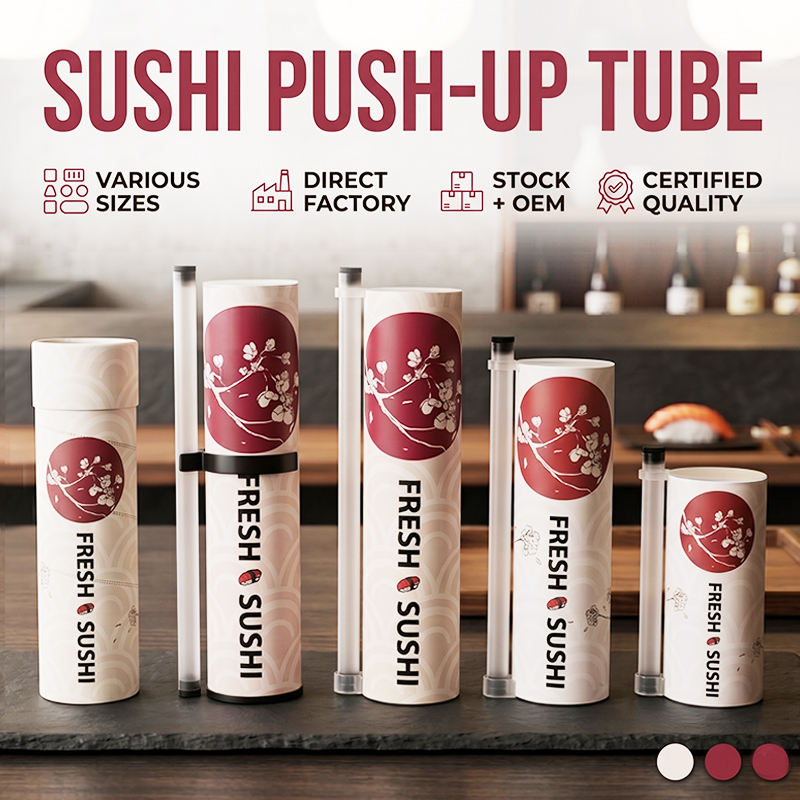 Custom Food Grade Sushi Push-Up Paper Tube Packaging
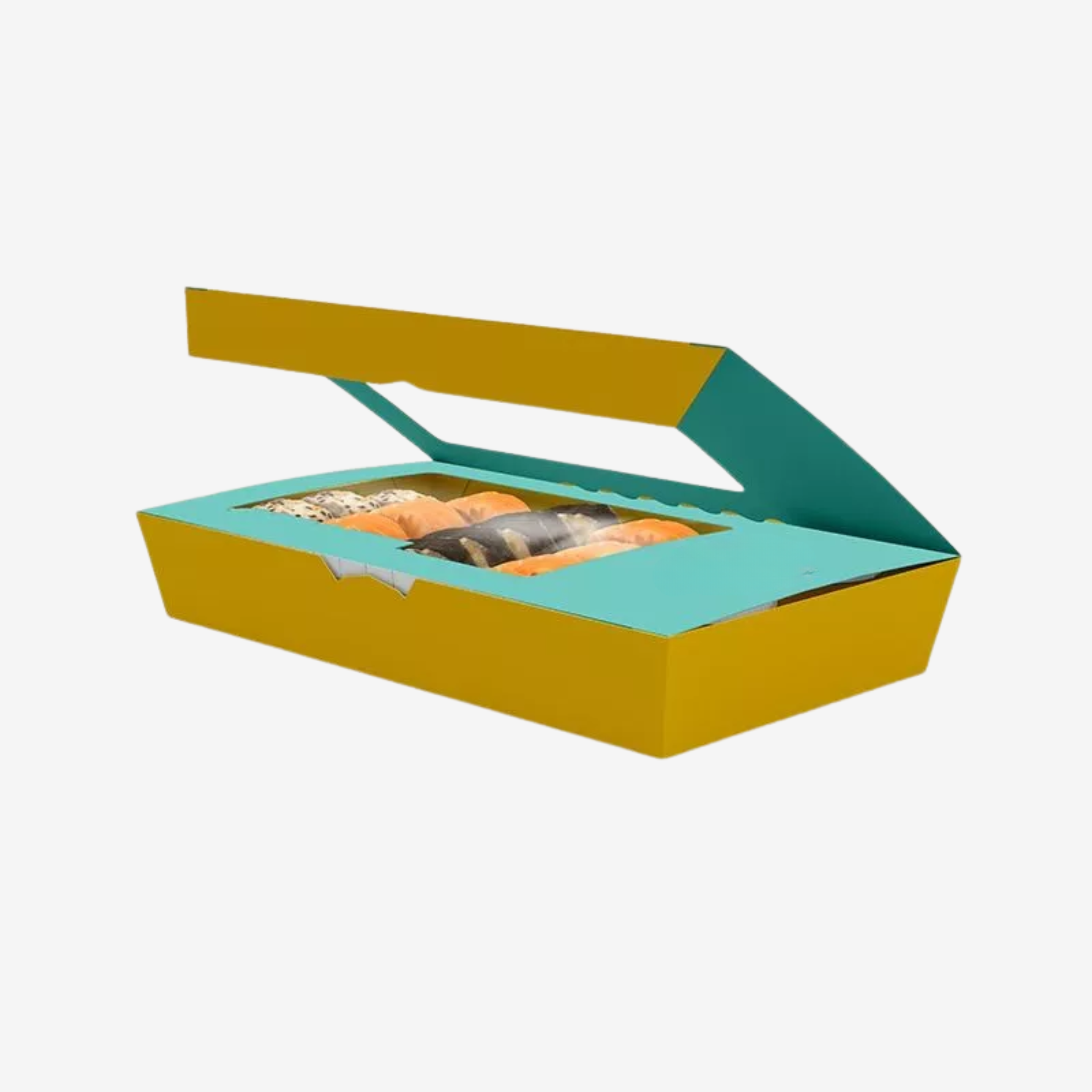 Custom Sushi Boxes with Window and Chopstick Carry Packaging
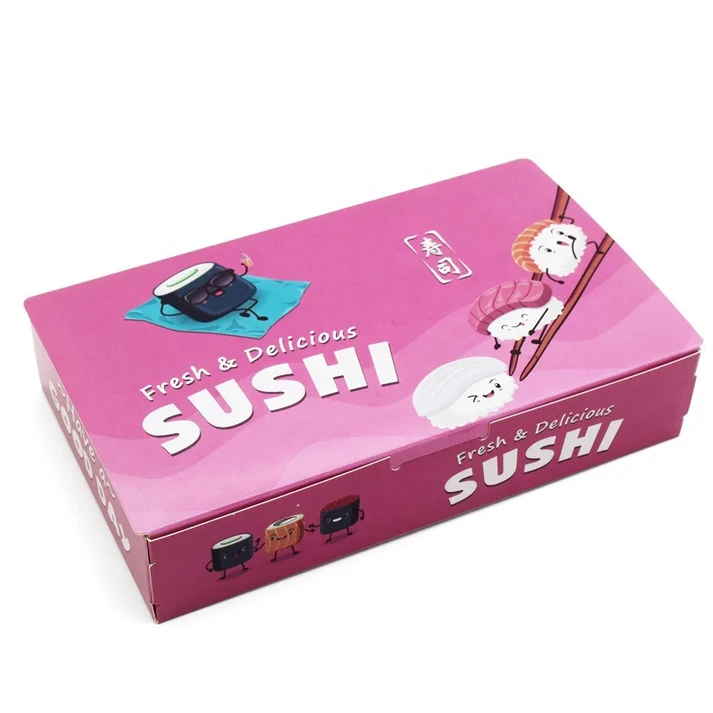 Customized Logo Disposable Paper Sushi Food Box Packaging
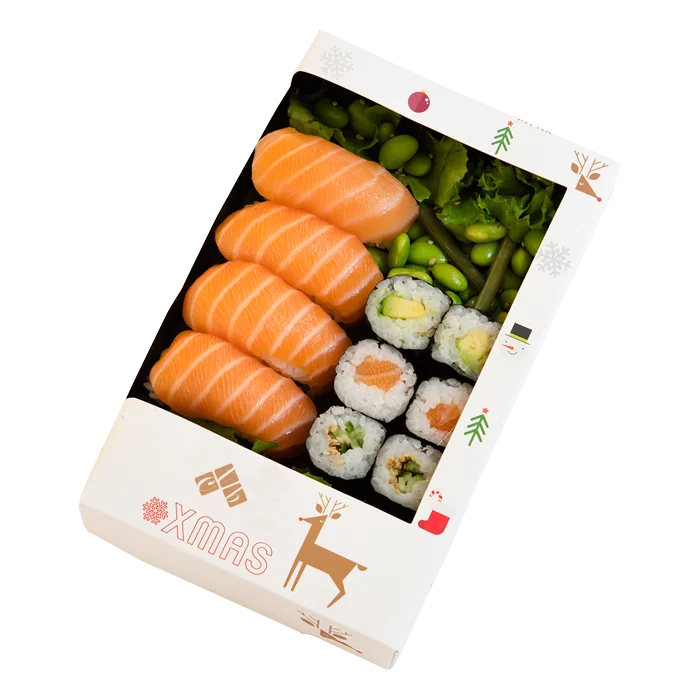 Custom Sushi Box Packaging for Premium Takeaway Sets
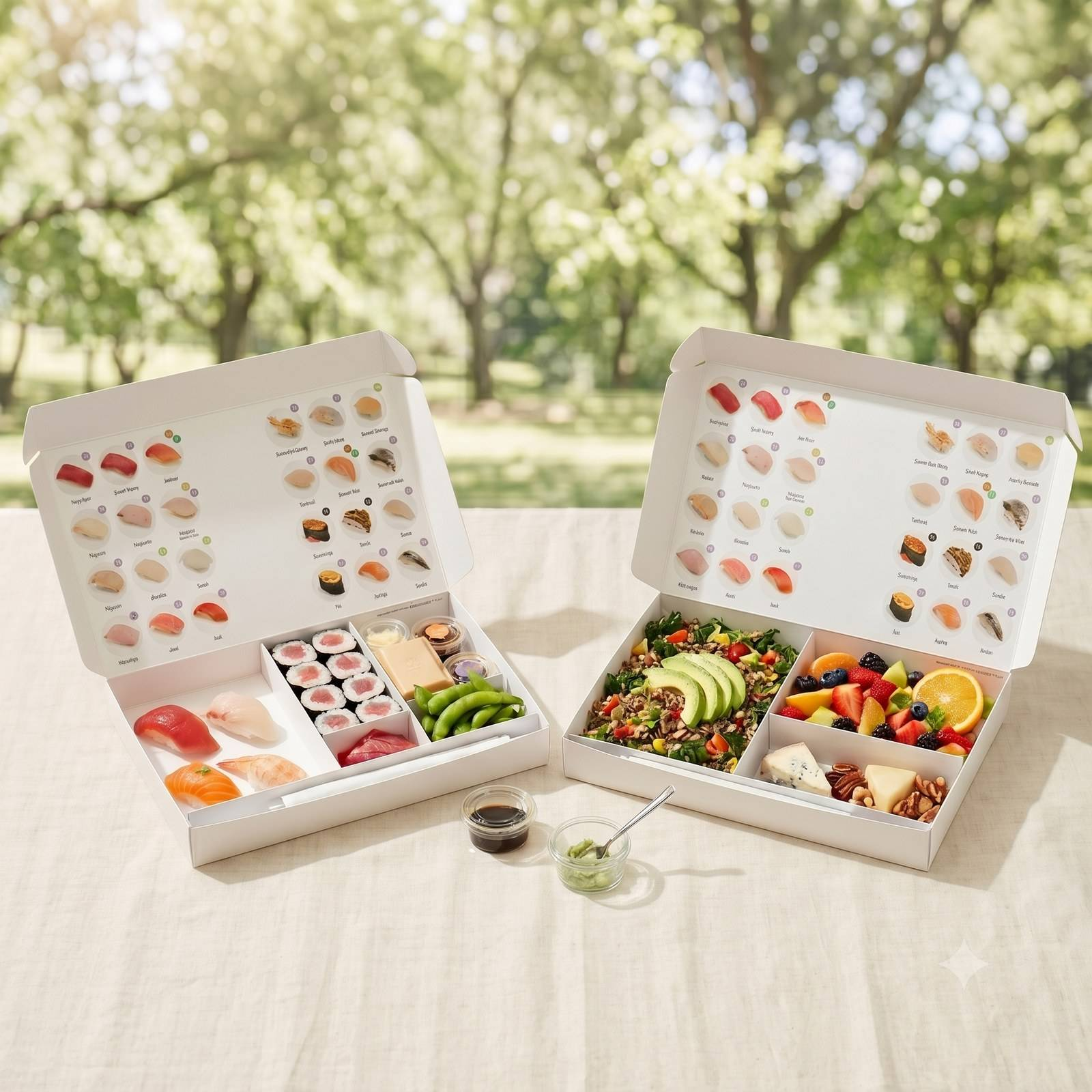 Wholesale Custom White Cardboard Double Sided Printed Omakase Sushi Box
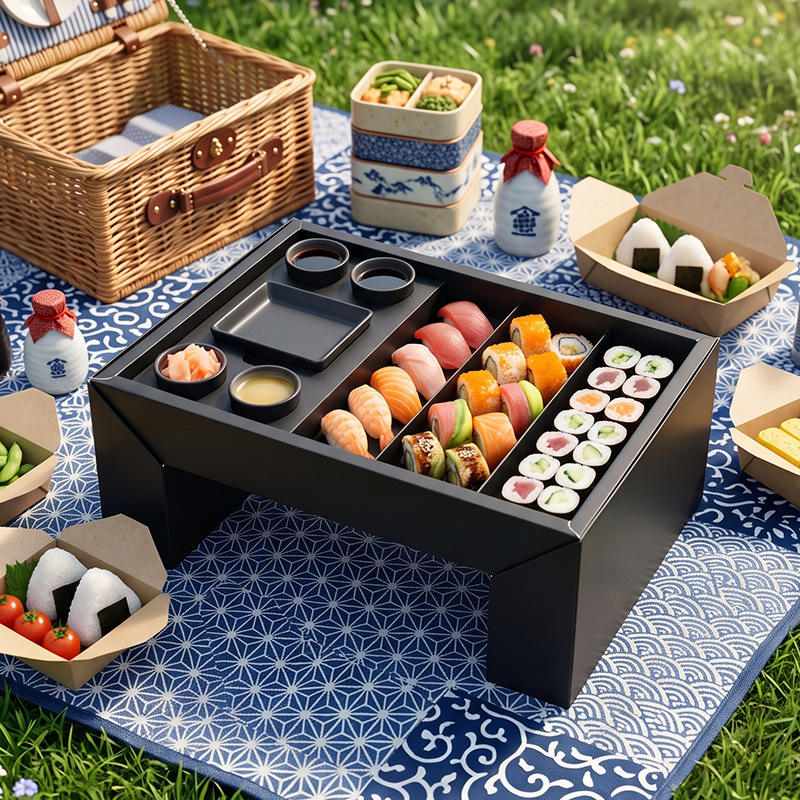 Custom Disposable Paper Flip Sushi Box for Picnic Takeaway Sets
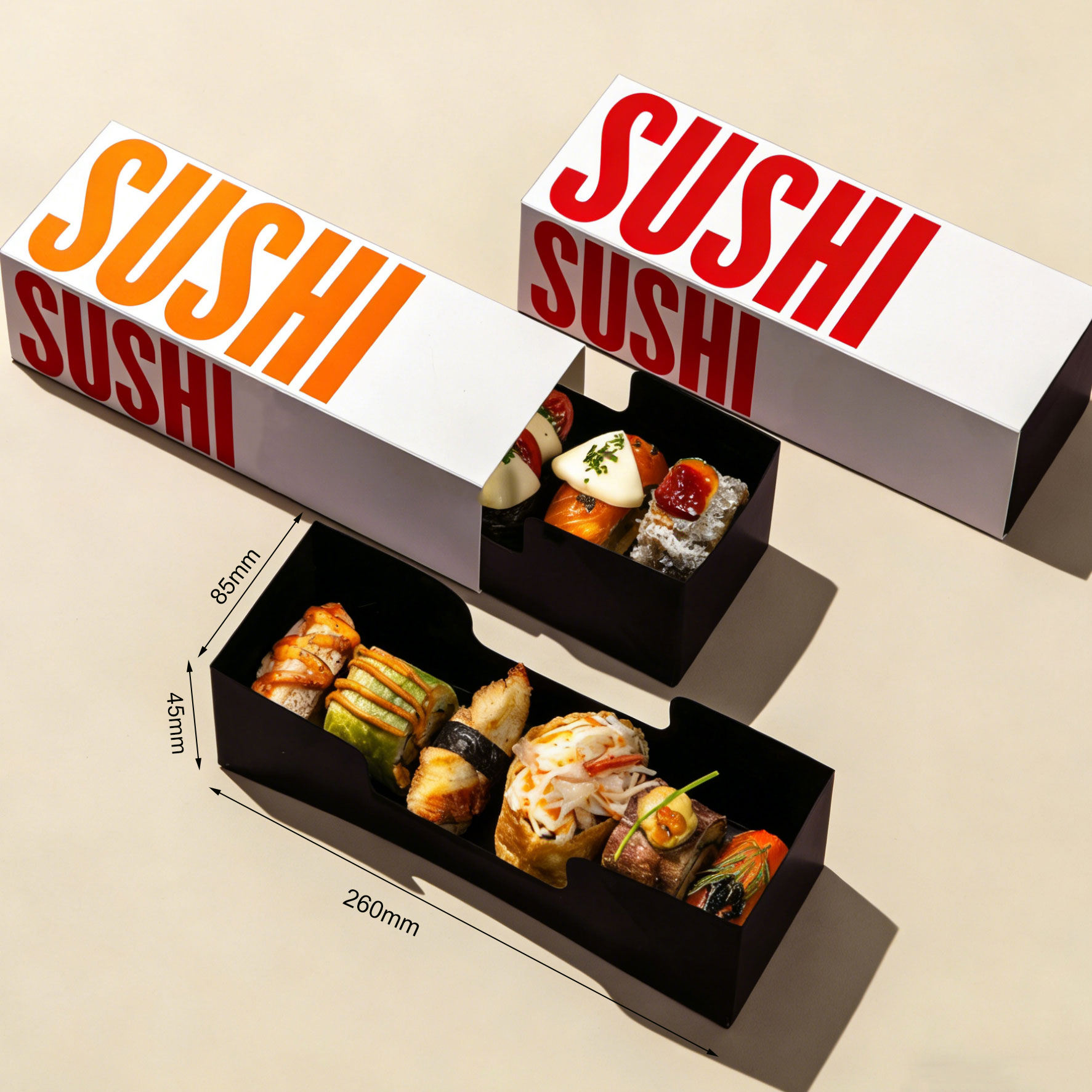 Custom Logo Biodegradable Sushi Burger Food Packaging Drawer Box
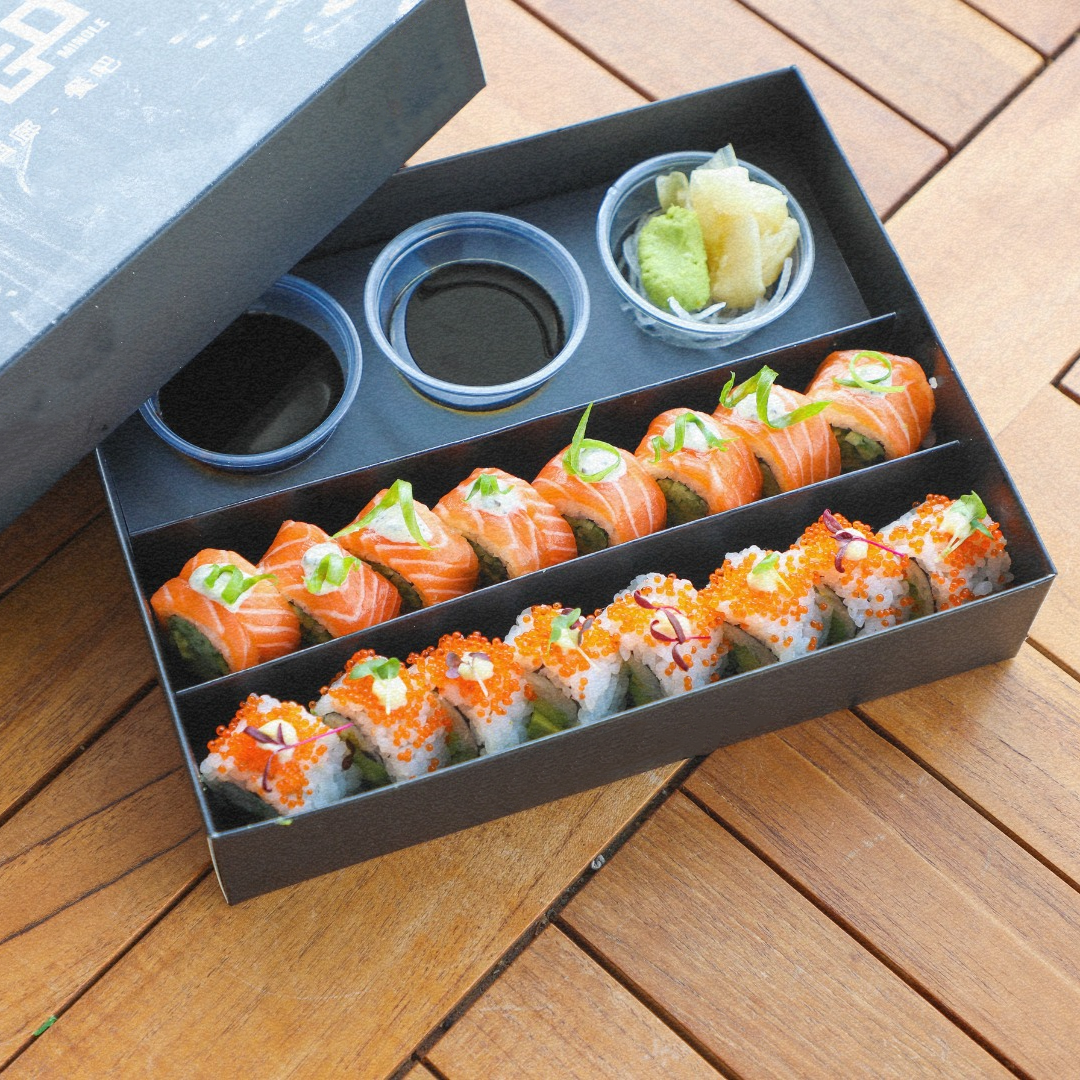 Biodegradable Luxury Disposable Sushi Packaging Box for Fresh Takeaway Sets
Custom Round Sashimi and Sushi Platter Packaging
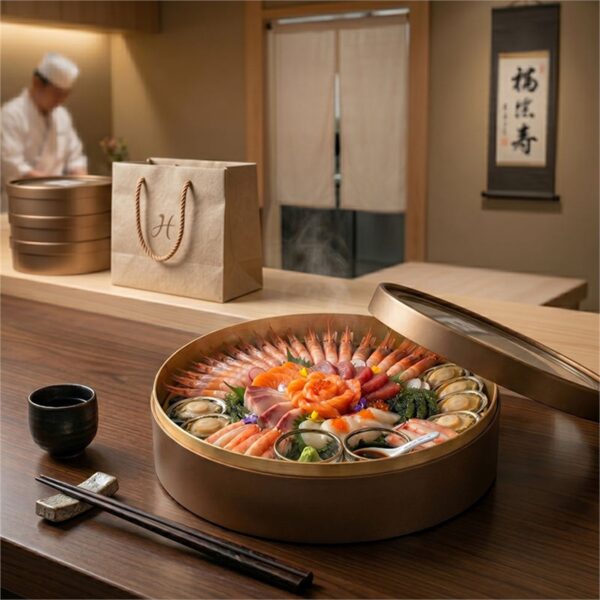
These custom eco-friendly sashimi sushi containers are designed for high-value meal presentation where the packaging must protect delicate food, show the arrangement clearly and feel refined enough for restaurant gifting, omakase takeaway, seafood platters and retail meal sets. The round paperboard body, warm metallic rim and clear display lid create a softer, more ceremonial look than a square takeout tray, while still keeping the format practical for packing, transport and table presentation.
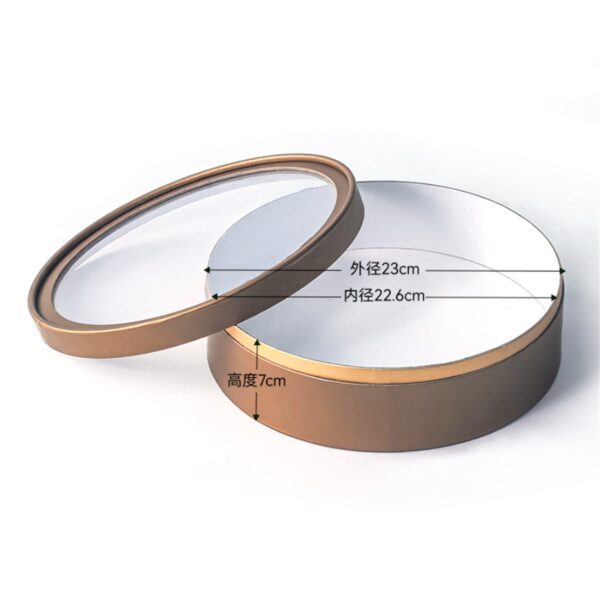
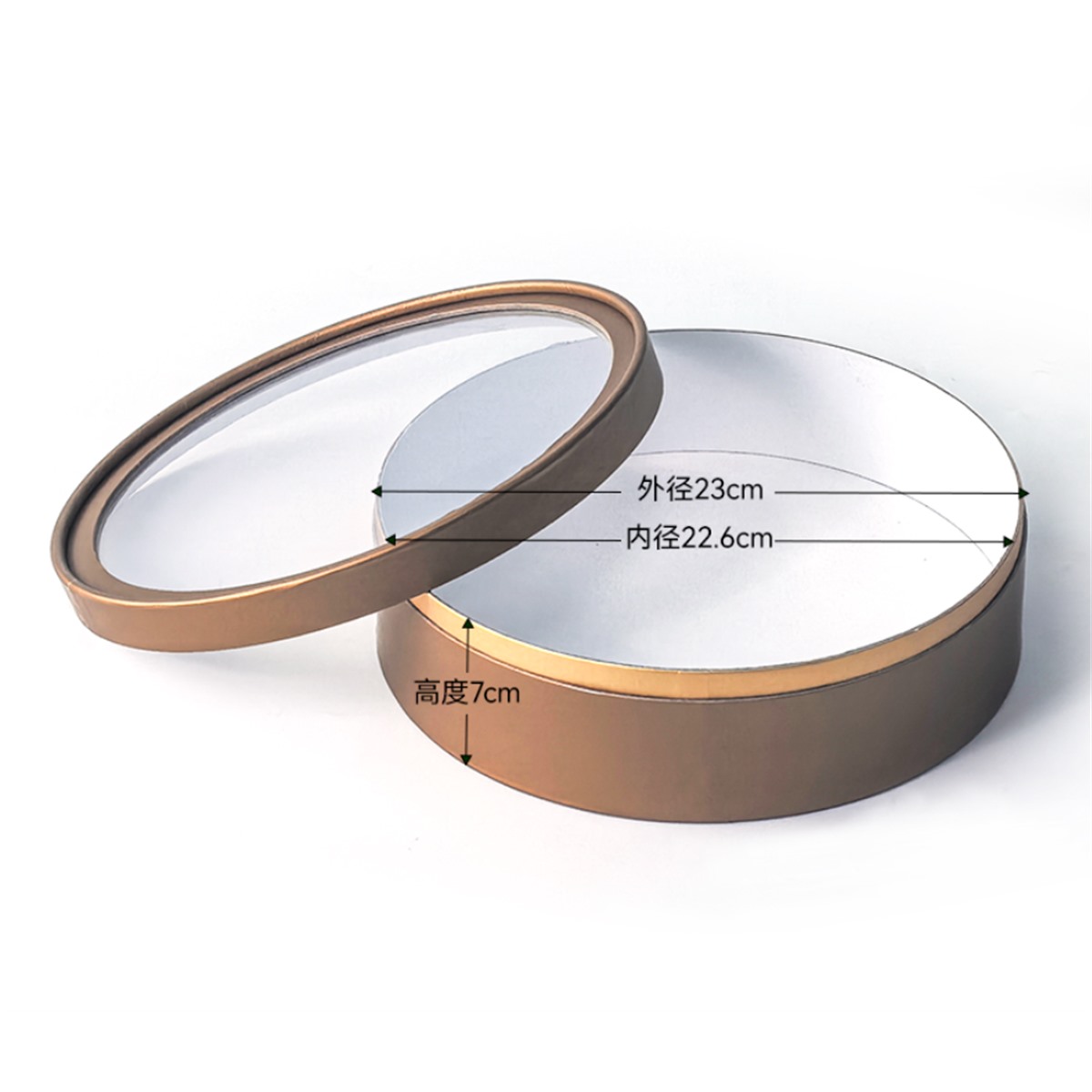
Holidaypacfactory can customize the diameter, height, lid style, divider layout, liner choice, rim color, printed pattern and logo position around your real menu. The shown round container has reference dimensions of about 23 cm outside diameter, 22.6 cm inside diameter and 7 cm height, making it suitable for sashimi, sushi, shrimp, crab, mussels, dumplings and assorted seafood meal sets. More related options are available in our Sushi Packaging category.
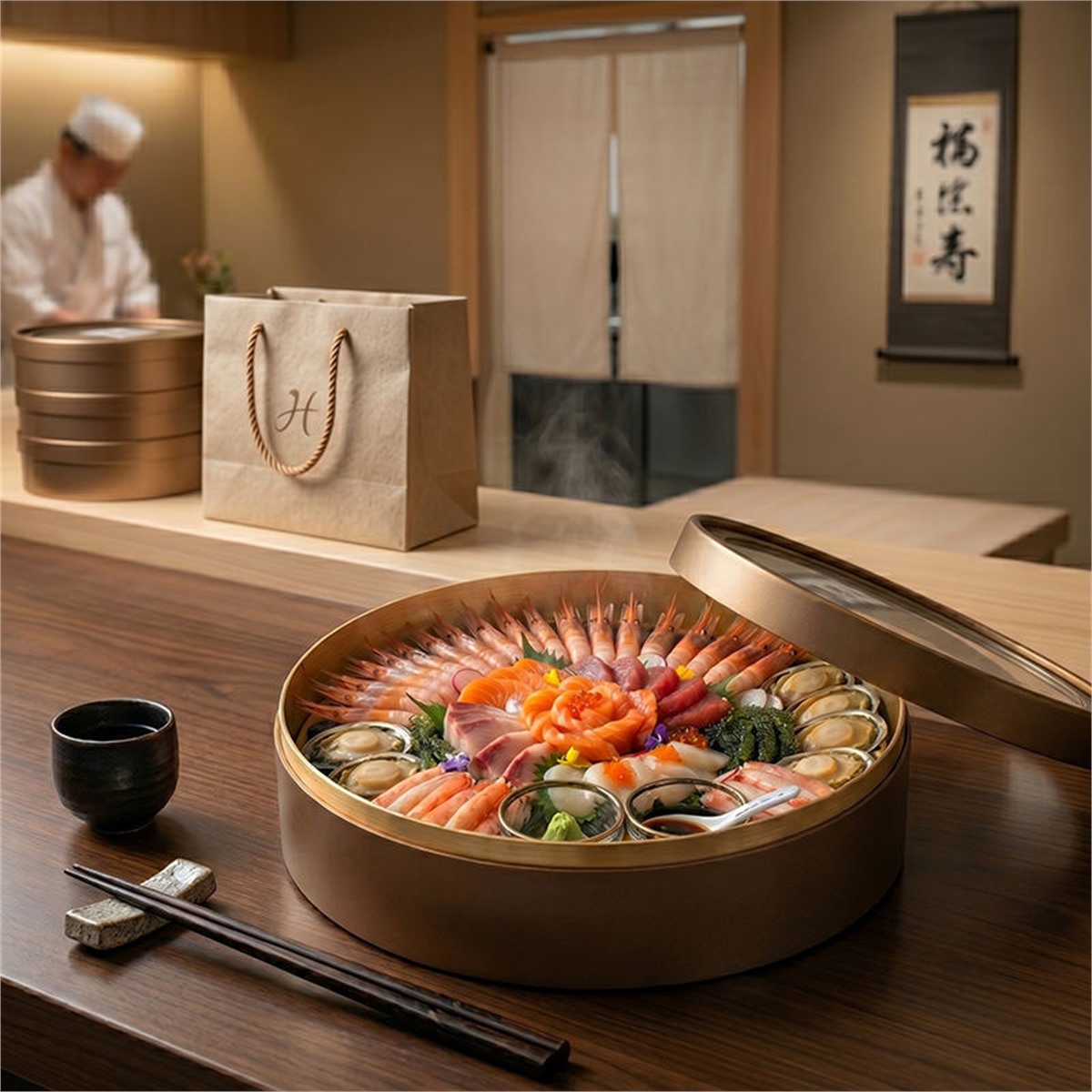
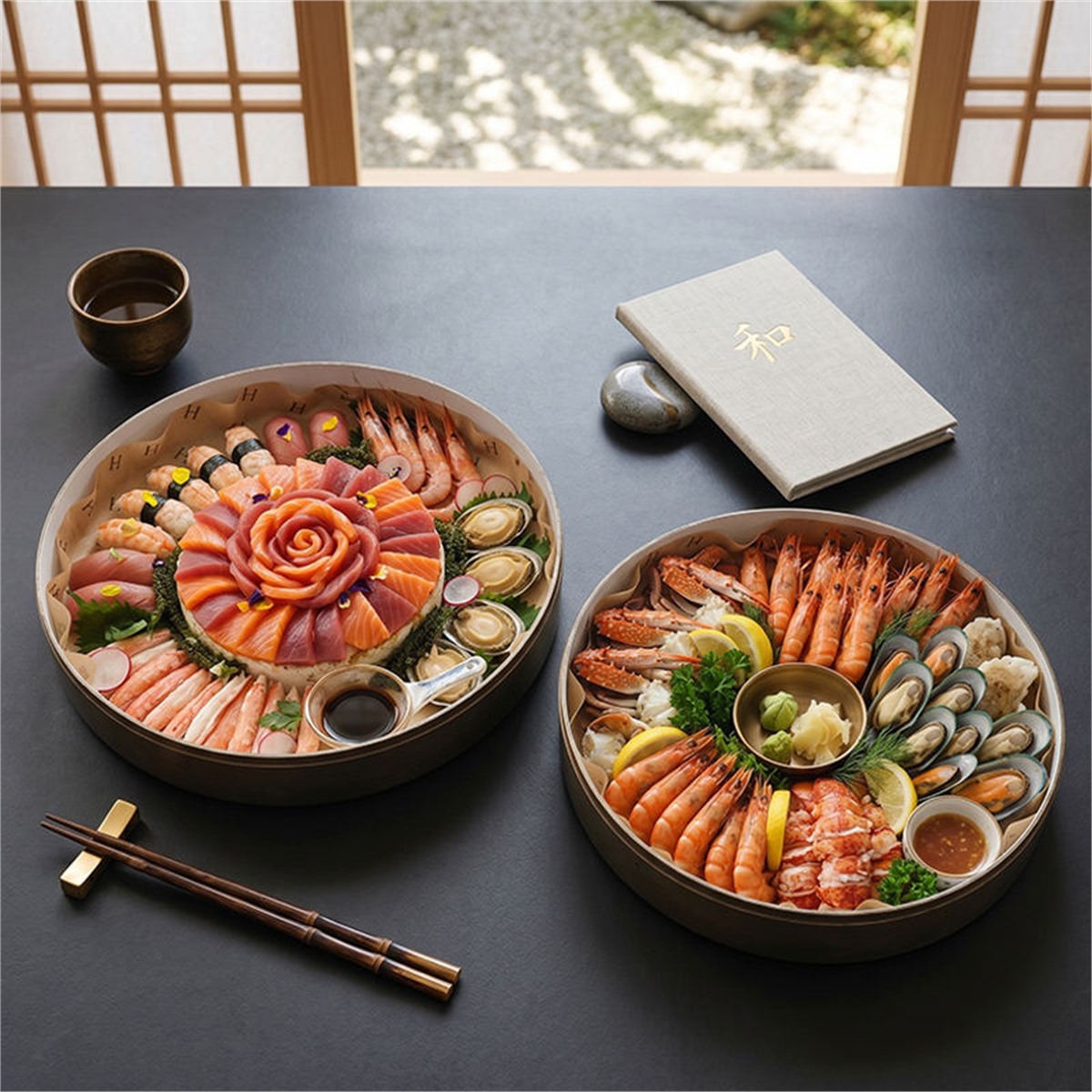
Premium Round Presentation
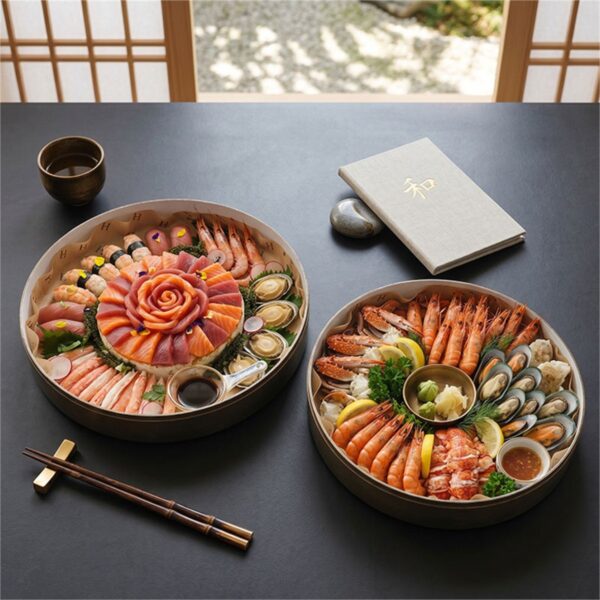
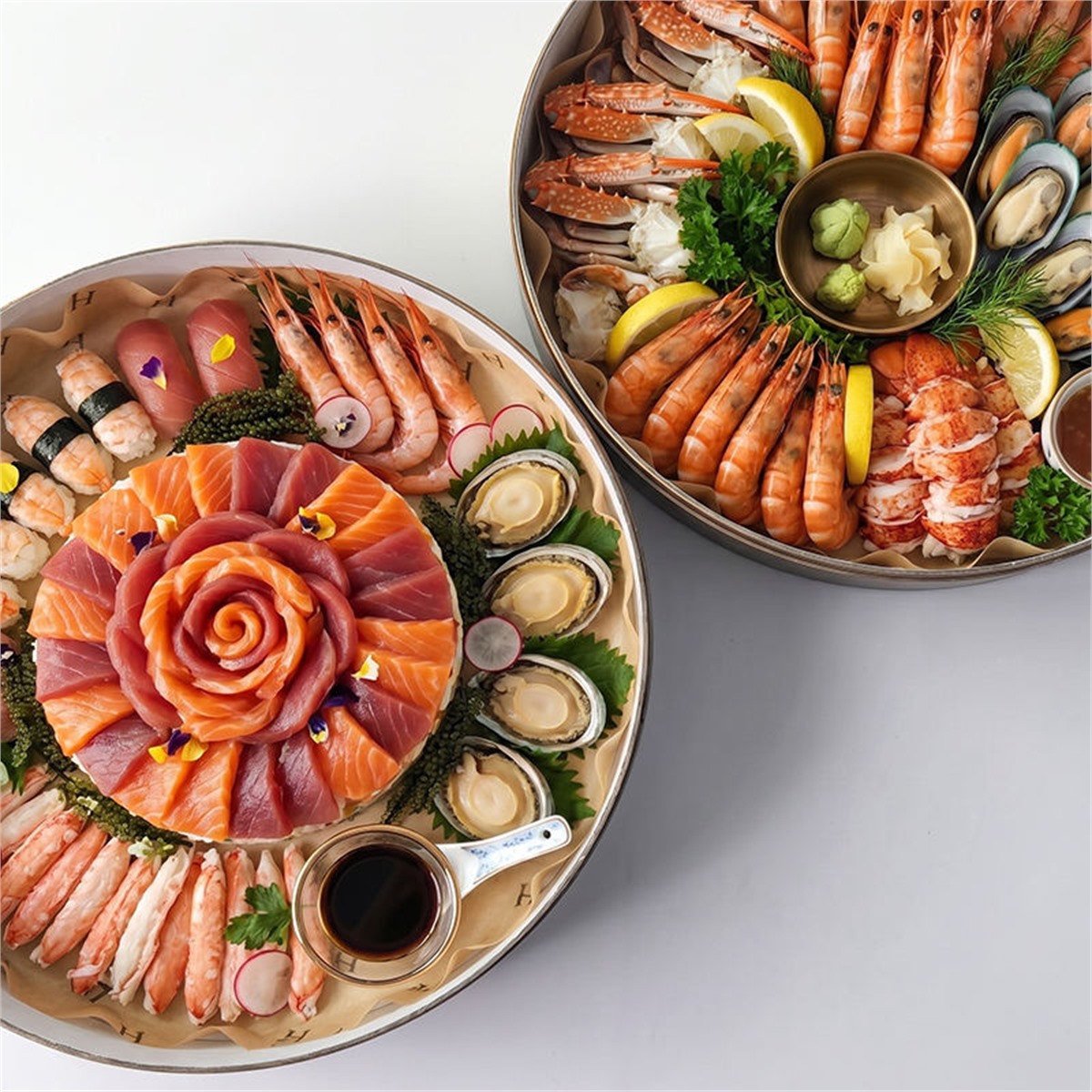
Sashimi, shrimp, shellfish and sushi assortments depend heavily on visual order. The round container supports a natural radial arrangement, allowing salmon, tuna, prawn, oyster, crab, garnish and sauce cups to sit around the center like a restaurant platter. This shape helps the meal look complete when the lid is opened and also gives customers a strong first impression before eating.
The warm bronze and gold-tone rim adds a premium cue without making the package overly decorative. It frames the food in the same way a serving tray or ceramic dish would frame a plated meal. For restaurants selling omakase takeaway, family seafood sets, holiday platters or premium deli meals, that small visual upgrade can help justify a higher selling price and a more giftable feel.
The clear lid is important because many customers want to inspect color, freshness and arrangement before purchase. A closed paper lid can protect privacy and branding, but sushi and sashimi often benefit from visibility. The transparent top lets the fish, seafood and garnish do the selling while the paperboard base provides structure and a branded surface.
Holidaypacfactory can adjust the round body height, lid depth, rim color, internal liner and divider design to match different meal values. A shallow version may suit sushi rolls or cold appetizers. A deeper version can hold sashimi sets with garnish and small sauce cups. A premium version can add printed liner paper, logo marks, ribbon bands or outer sleeves for gift delivery.
Clear Lid and Paperboard Body
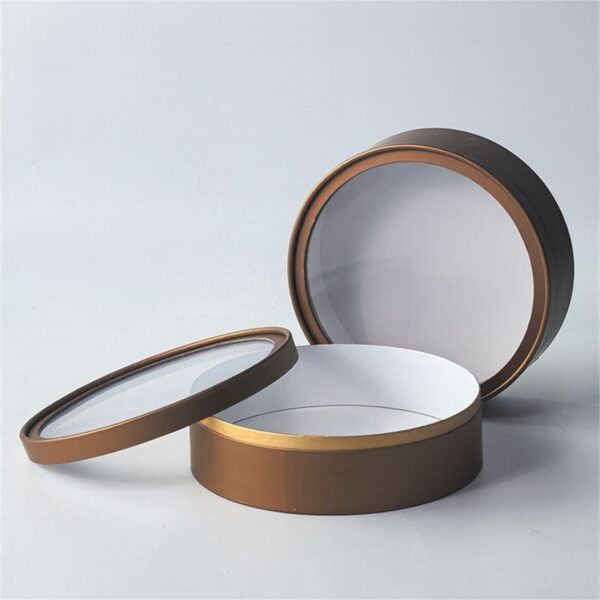
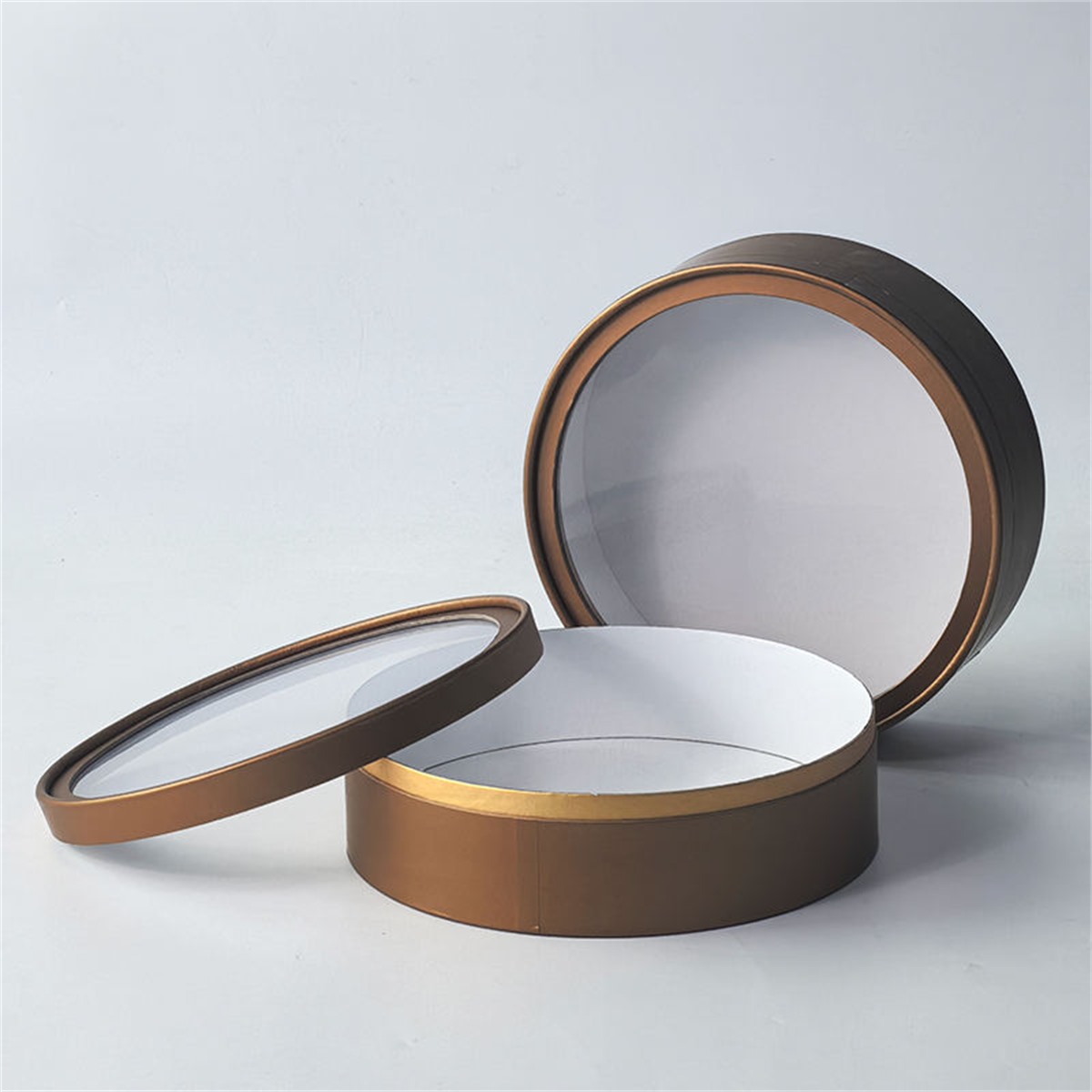
The empty box image is useful because it shows the real packaging structure without food covering the details. The container uses a round paperboard body with a clean white inside and a warm metallic outer wall. The lid uses a clear window surface set into a matching rim, so the closed package can show the food while keeping the shape elegant from the side.
For sashimi and sushi packaging, the inside should look clean, bright and food-ready. A white inner surface helps seafood colors remain natural and allows customers to notice the arrangement. The outer wall can carry a bronze, kraft, black, white, red, gold, green or custom brand color. This contrast between hygienic interior and premium exterior is often effective for Japanese restaurant packaging.
The round rim must fit consistently. If the lid feels loose, the package can shift during delivery. If the lid is too tight, staff may damage the presentation while closing it. Holidaypacfactory can review lid depth, rim tolerance, board thickness and handling method during sampling, so the package feels smooth in daily restaurant use.
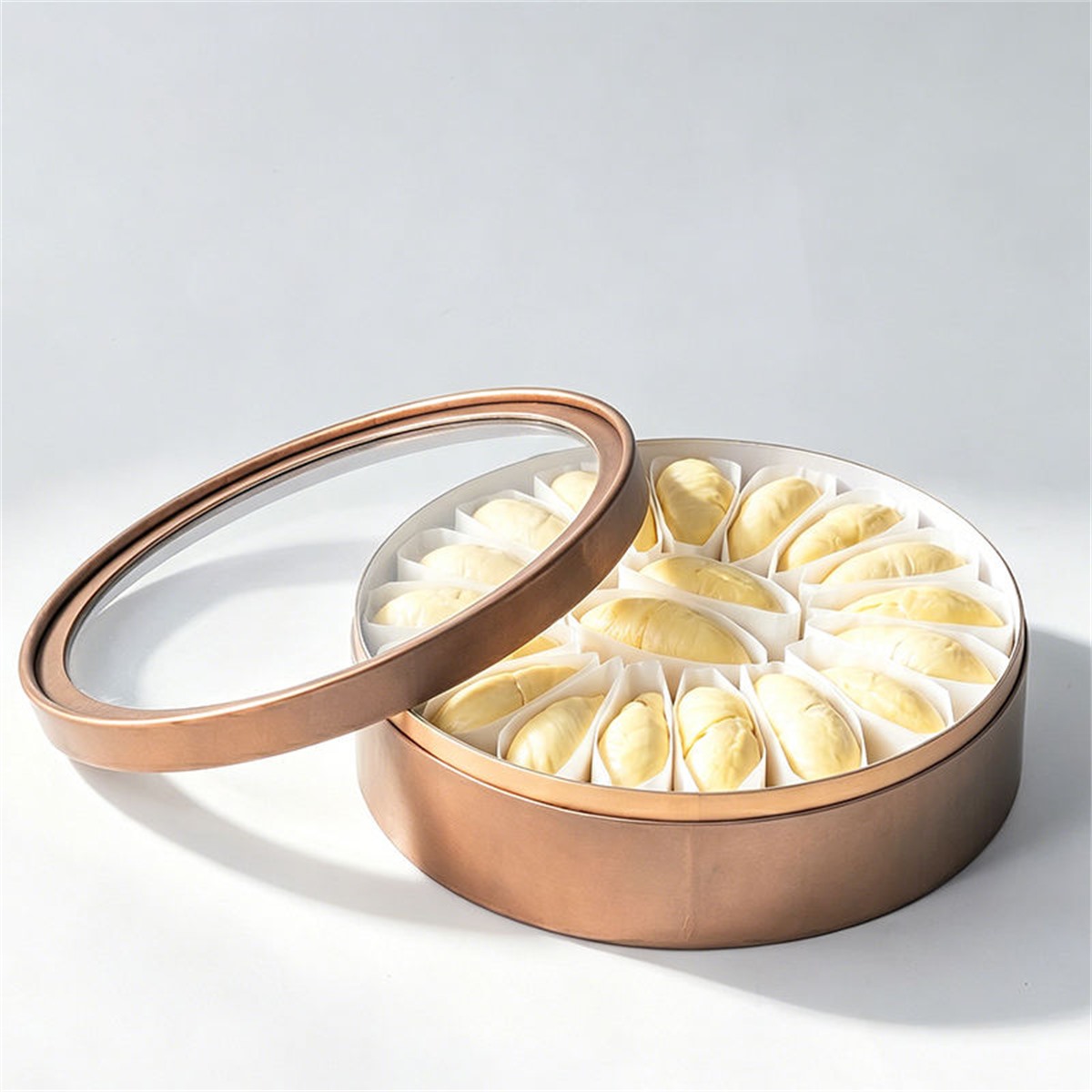
The same structure can be adapted for other meal categories beyond raw seafood. Dumplings, mochi, dessert pieces, fruit cuts, cold appetizers, cheese bites and tasting menus can use a similar round container with dividers. The important point is to match the height, divider layout and lid clearance to the food height rather than forcing every menu into one standard format.
Food Arrangement and Dividers
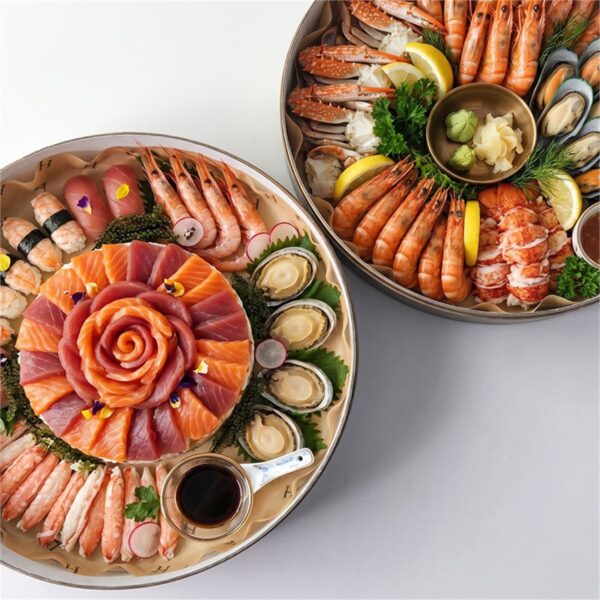
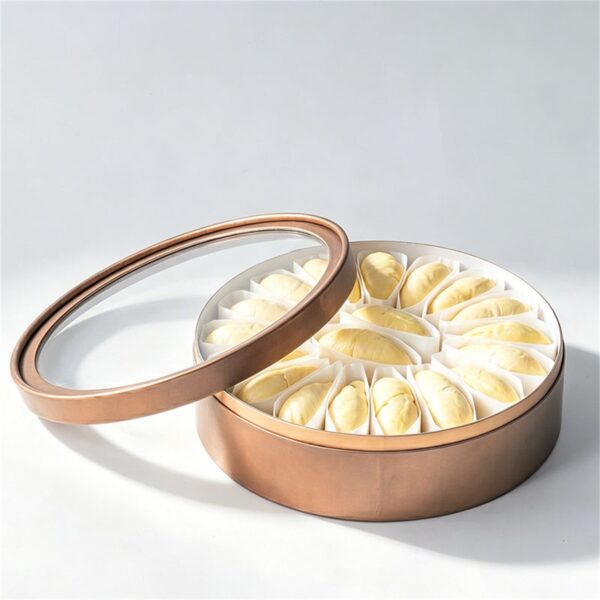
The close-up seafood image shows why inner planning matters. Sashimi slices, prawns, shellfish, crab, garnish and sauce cups all have different shapes and moisture levels. Without dividers or a stable liner, these items can slide into each other during transport and reduce the premium look. A well-planned insert helps preserve the visual order from kitchen to customer.
Dividers can be simple paper partitions, formed paper trays, removable liner pieces or menu-specific supports. A round platter may need a center cup cavity, radial pockets, a raised middle platform, drainage-friendly liner paper or separate sauce cup zones. The design depends on whether the package holds raw fish, cooked seafood, sushi rolls, dumplings or a mixed meal.
Holidaypacfactory can help buyers plan internal spacing for portion count, sauce cup diameter, garnish volume and lid clearance. For high-end restaurant sets, the insert may also carry subtle print, a repeating logo mark or a decorative paper texture. The result should support both function and presentation.
For delivery, the container should be tested with the real menu. Pack a finished meal, close the clear lid, place it inside the delivery bag, move it gently, then open it again. Check whether sauce has shifted, seafood has moved, garnish has flattened, or condensation has affected visibility. These tests make packaging decisions much more reliable.
Reference Size and Custom Sizing
The dimension image provides a useful reference for buyers: about 23 cm outside diameter, 22.6 cm inside diameter and 7 cm height. This size can support a generous restaurant platter while still feeling manageable for takeaway and retail display. It gives enough width for radial seafood arrangement and enough height for garnish, sauce cups and a clear lid.
The final size should always follow the actual menu. A sashimi rose arrangement may need a raised center and more lid clearance. A shellfish set may need deeper pockets. A dumpling assortment may need tighter dividers so each piece remains in position. A sushi roll set may need a lower profile and a larger flat area.
Custom sizing can also support multiple product tiers. A small round box can hold a lunch set or tasting menu. A medium version can serve two to three customers. A large version can become a party platter or catering presentation. Keeping a shared rim style and print system across sizes helps the restaurant build a clear packaging family.
Holidaypacfactory can develop dielines after reviewing the food dimensions, portion count, target selling price and packing workflow. If the package will be stacked, delivered, refrigerated or displayed in a cabinet, those conditions should be included in the size discussion because they affect lid strength, sidewall height and carton packing.
Restaurant, Retail and Gift Uses
Although the core product is a sashimi sushi container, the same packaging language can support many premium chilled meal programs. Japanese restaurants can use it for omakase takeaway. Seafood shops can use it for shrimp, crab and shellfish trays. Dumpling brands can use a divided insert for neat portion display. Hotels and event caterers can use it for cold appetizer sets.
The round form creates a more refined table presence than many rectangular takeaway trays. When a customer opens the bag and sees a circular platter with a clear lid and metallic rim, the meal feels closer to a restaurant service item. That impression matters for gifts, celebrations, office meals and weekend family orders.
Branding can be subtle or bold. Some restaurants may prefer a small logo on the liner, a simple mark on the side wall and a paper band around the lid. Others may use a printed outer sleeve, a rope-handle carrier bag or a matching menu card. The package can coordinate with ${windowSushi}, ${premiumTakeaway} and ${biodegradableBox} when a buyer needs several sushi packaging formats for different menu types.
Holidaypacfactory supports custom print, material selection, sampling and wholesale production, so buyers can align the round container with their full food packaging program. The best design is not only beautiful in a product photo; it should also be easy for kitchen staff to pack, reliable in delivery and consistent with the restaurant’s menu value.
Order Planning Guide
Start with the exact menu. A sashimi set, sushi roll set, shrimp platter, dumpling assortment and seafood party tray all need different inner support. Measure the tallest food item, the widest garnish area, the sauce cup diameter and the expected portion count before choosing the final container size.
Decide how much visibility the meal needs. A clear lid is ideal when color and arrangement sell the product. If the buyer needs more privacy, a printed paper band, side label or outer sleeve can cover part of the lid while still showing the center arrangement.
Choose the body height around real food behavior. A low container may look elegant but can press against garnish or sauce cups. A high container can protect taller food, but it may feel bulky if the meal is shallow. The 7 cm reference height is a useful starting point, not a fixed rule.
Plan the inside color carefully. White interiors make fish, rice, seafood and garnish look clean. Kraft interiors can feel natural but may darken the food presentation. Black liners can feel dramatic but may not suit every menu. A printed liner can carry branding while still keeping the food area organized.
Review moisture and food-contact needs early. Sushi and sashimi packaging must handle cold food, sauces, garnish and possible condensation. Material, liner choice, coating and insert design should be discussed according to the menu, storage time and delivery condition.
Think about the lid fit from the staff point of view. Kitchen teams need to close the lid quickly without disturbing the arrangement. The lid should sit securely but should not require force. A smooth closure helps protect the final presentation during rush hours.
Use dividers only where they help. Too many partitions can make the package look busy and reduce food capacity. Too few can allow seafood and sauces to shift. A good divider plan supports the menu rhythm and keeps the platter easy to pack.
Plan sauce cup placement. Soy sauce, ponzu, wasabi, ginger and seafood dips need stable positions. A center cup can create a balanced radial layout. Side cups may work better for certain menus. The lid clearance should account for cup height and any garnish around it.
Match the rim color to the restaurant identity. Bronze and warm gold feel refined and suitable for premium seafood. Black can feel modern. White can feel clean. Kraft can feel natural. A custom color can align with a restaurant’s logo and interior style.
Consider outer carrying packaging. A round container may need a square carry bag, rigid gift bag, paper sleeve or fitted delivery carton. The container should not slide around inside the bag. A matching carrier can make the whole meal set feel more finished.
Test delivery movement with real food. Pack a meal, close the lid, place it in the intended bag, move it across a typical delivery route, then check the arrangement. This simple test can reveal whether dividers, sauce cup holders or liner grip need adjustment.
Build a packaging family if the restaurant has several menu tiers. A small round box for lunch, a medium box for two-person sets and a larger platter for celebrations can share one rim style and logo position. This makes the brand easier to recognize across different orders.
Keep printed text restrained. The food itself should remain the hero. A small logo, subtle pattern, side mark or liner detail is often enough. Detailed product information can move to a label, sleeve or menu card rather than crowding the main presentation.
Review stacking needs. If finished containers will be stacked in a refrigerator or display cabinet, lid strength and sidewall support become more important. If they are packed individually in bags, stability inside the bag matters more than tall stacking strength.
Think about photography. Many premium sushi and seafood meals are shared online before they are eaten. A round container with a clear lid, neat rim and attractive liner can help the restaurant create stronger menu photos and customer photos.
Check whether the container should be disposable, recyclable, reusable for light storage, or positioned as a premium gift tray. The material and finish should match the intended message. Eco-friendly does not need to look plain; a refined paperboard structure can still feel responsible and premium.
Coordinate with chopsticks, napkins, sauce packets and carriers. A beautiful platter can feel incomplete if the accessories are mismatched. A branded sleeve, small insert card or matching bag can make the full takeaway experience more coherent.
Consider the handoff moment at the counter. Premium sushi packaging is often received as a complete meal gift, not a casual snack. Staff should be able to place the round container in a carrier, add chopsticks and sauces, and present the order without hiding the attractive lid view. This helps the restaurant maintain a calm, polished service rhythm.
Plan how the lid will look after refrigeration. Clear lids can show fogging if the menu is very cold or if warm garnish is packed beside chilled seafood. The test should include the real holding time, storage temperature and delivery timing. If visibility is critical, the package plan may need adjusted venting, liner choice or food arrangement.
Use the side wall as a quiet brand surface. A round container gives less flat area than a square box, but the continuous side band can look elegant with a small repeating mark, a single logo, a warm metallic color or a paper wrap. The design should stay readable when the container is viewed from a dining table or retail shelf.
Think about price tiers. A basic round sushi container can serve daily takeaway, while a higher tier can add a stronger rim, printed liner, paper band, matching carrier and menu card. Using one shape across several tiers helps restaurants control production while still giving premium orders a special presentation.
Review carton packing before confirming production. Round packages can waste space if the outer carton plan is not considered. Inner stacking, protective sheets, lid protection and carton quantity should be planned so the rim and clear lid arrive clean. Good outer packing helps the product look premium when it reaches the restaurant.
Discuss how staff will identify different menu sets. If several meals use the same round container, a small label zone, color band or printed liner variation can help staff separate sashimi, seafood, dumpling and appetizer sets quickly. This operational detail reduces mistakes during busy takeaway periods.
Prepare artwork with the dieline in mind. Round sidewalls, rim bands and liner circles need careful placement. Straight text may need to wrap around a curve. Logo marks should stay readable after forming and should not disappear under the lid rim.
Before requesting a quote, send the food dimensions, target portion count, desired diameter, preferred height, lid requirement, divider idea, logo files, finish preference, order quantity and delivery market. Real menu measurements help Holidaypacfactory create a practical quotation and sample plan.
The finished package should make the meal feel protected, visible and worth the price. When the round body, clear lid, inner support and branding work together, a sashimi sushi container becomes part of the restaurant experience rather than a plain disposable tray.
Specification Guide
Every diameter, height, lid style, rim color, liner and divider can be developed around the actual meal. The table below gives a practical starting point for quotation and sampling.
| Product type | Custom eco-friendly sashimi sushi containers with round paperboard body and clear lid. |
|---|---|
| Reference size | About 23 cm outside diameter, 22.6 cm inside diameter and 7 cm height, with custom sizes available. |
| Best uses | Sashimi, sushi, shrimp, crab, mussels, seafood platters, dumplings, cold appetizers and premium meal sets. |
| Structure | Round paperboard base, clear display lid, warm metallic rim and optional internal dividers or liner. |
| Material options | Food-grade paperboard, coated paper, clear lid material, formed paper inserts and menu-specific liner options. |
| Branding options | Logo print, rim color, liner pattern, paper band, outer sleeve, sticker label and matching carry bag. |
| Order support | Dieline planning, sampling, insert development, print adjustment, production and export packing. |
FAQ
Yes. The shown 23 cm by 7 cm reference can be adjusted according to your meal size, portion count, lid clearance and delivery method.
Yes. Dividers, liners, sauce cup positions and formed paper inserts can be developed around sashimi, sushi, seafood, dumplings or cold appetizer sets.
Branding can be added through the side wall, liner, paper band, outer sleeve, label or matching carrier. The lid area can remain clear when food visibility is the priority.
Yes. The round shape, clear display lid and metallic rim are well suited to omakase takeaway, seafood platters, gift meals and high-value restaurant retail programs.
Please send food dimensions, portion count, target diameter, height preference, lid requirement, divider idea, logo files, finish preference, quantity and delivery market.
Start Your Custom Project
Send Holidaypacfactory your menu dimensions, target container size, lid preference, divider idea, logo artwork and order quantity. We will help plan the round body, clear display lid, inner support, rim color, food-contact material and wholesale packing for a premium sushi packaging program.
 Cassie LanFounder, HolidayPac · Leave a message
Food packaging, paper bags and food service paper for your next project.
Leave your request anytime. Our sales team will reply with pricing, samples and production details.
Leave your request anytime. Our sales team will reply with pricing, samples and production details.
Tell us what you're packaging and we'll ship a physical sample plus a free 3D mockup within 24 hours — no cost, no obligation.
We've received your inquiry and our team will get back to you within 24 hours.