Door to Door service
Welcome to Holidaypac Packaging Solutions Factory!

tiger@holidaypac.com

+86 136 5233 6188
Welcome to Holidaypac Packaging Solutions Factory!
tiger@holidaypac.com
+86 136 5233 6188

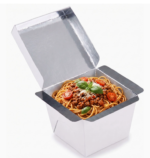
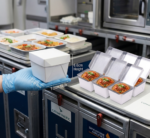
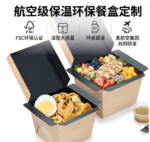
Related packaging range
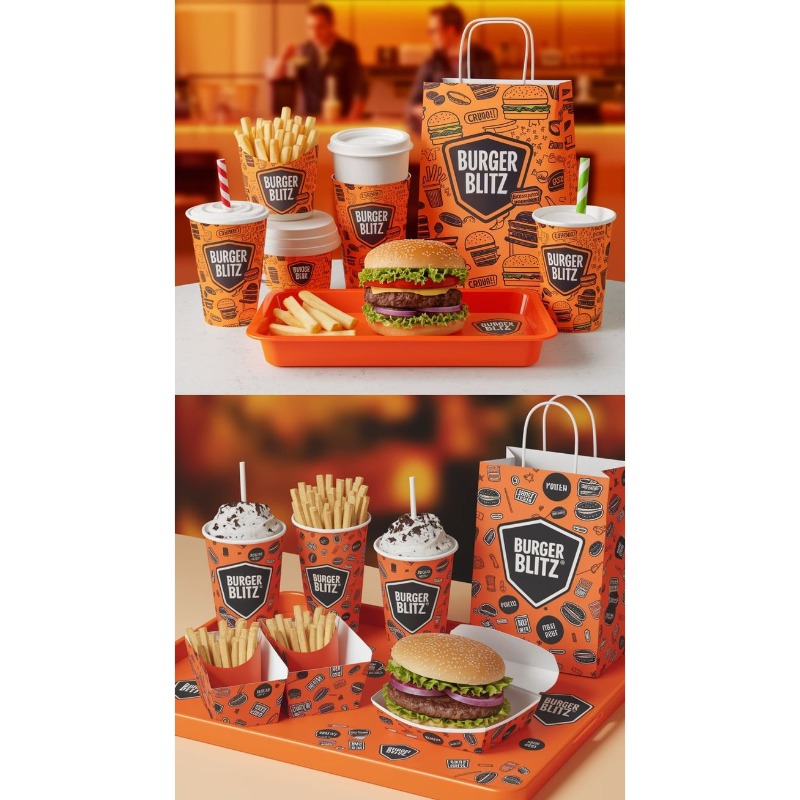
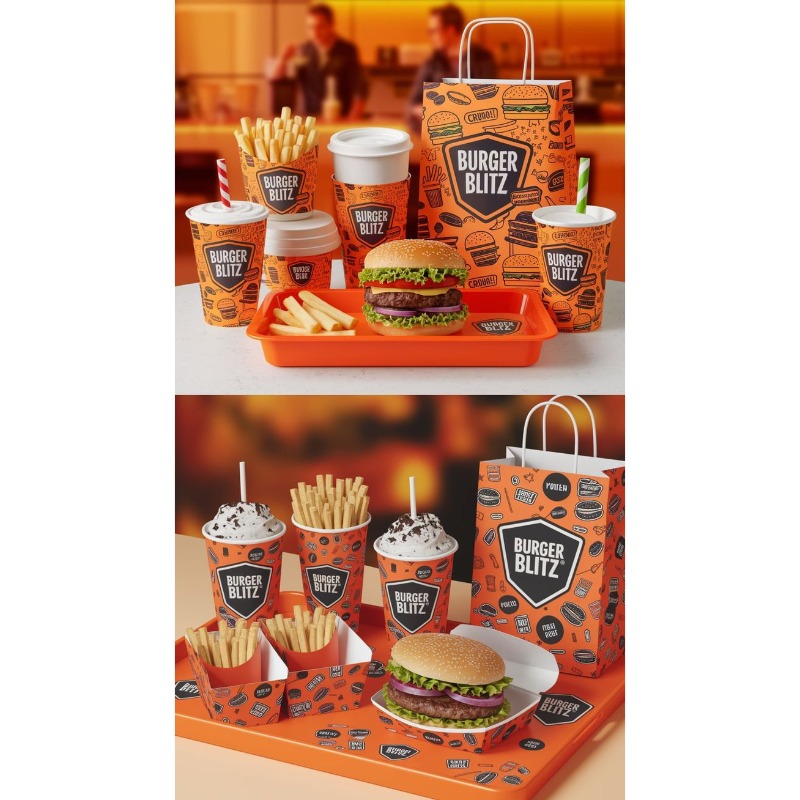
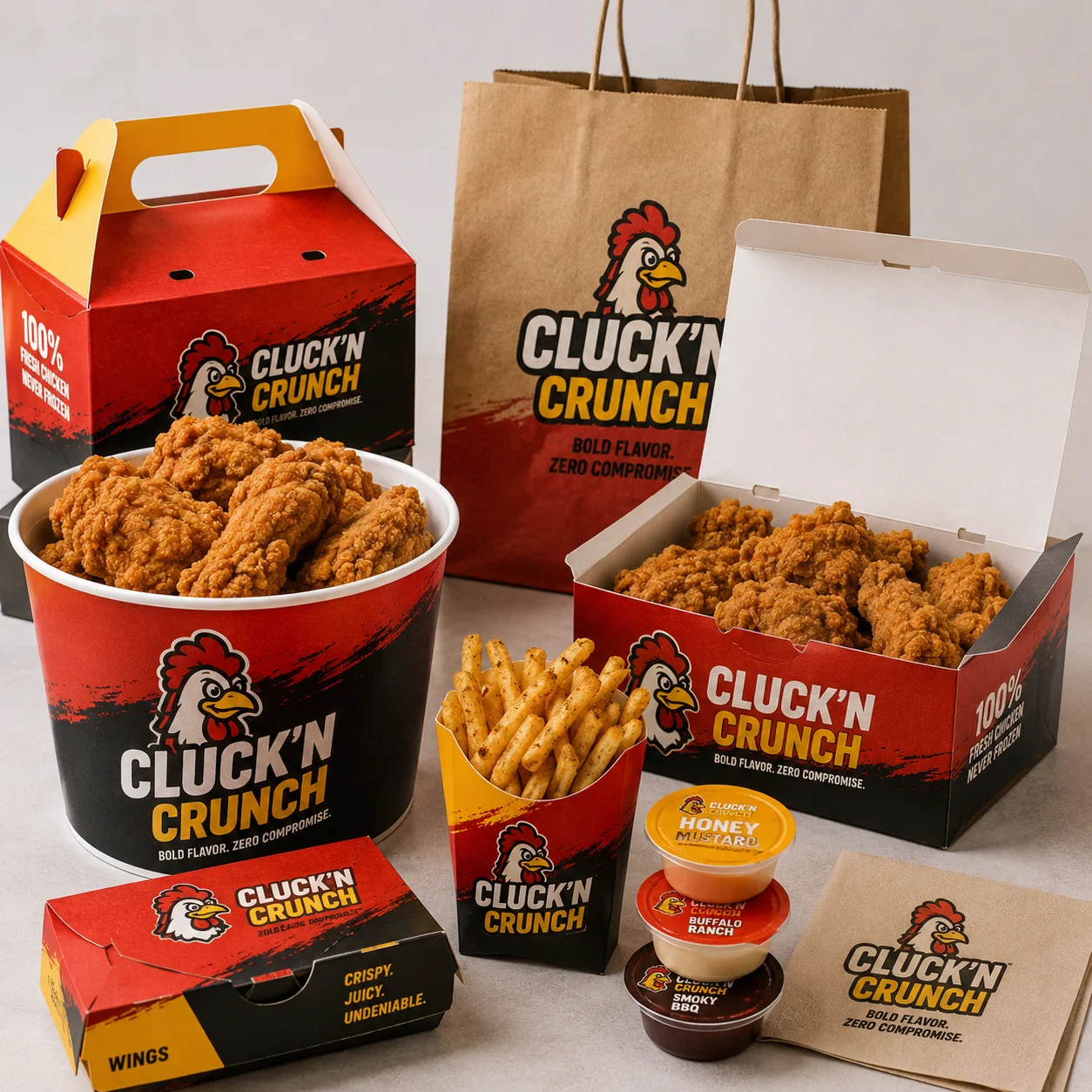
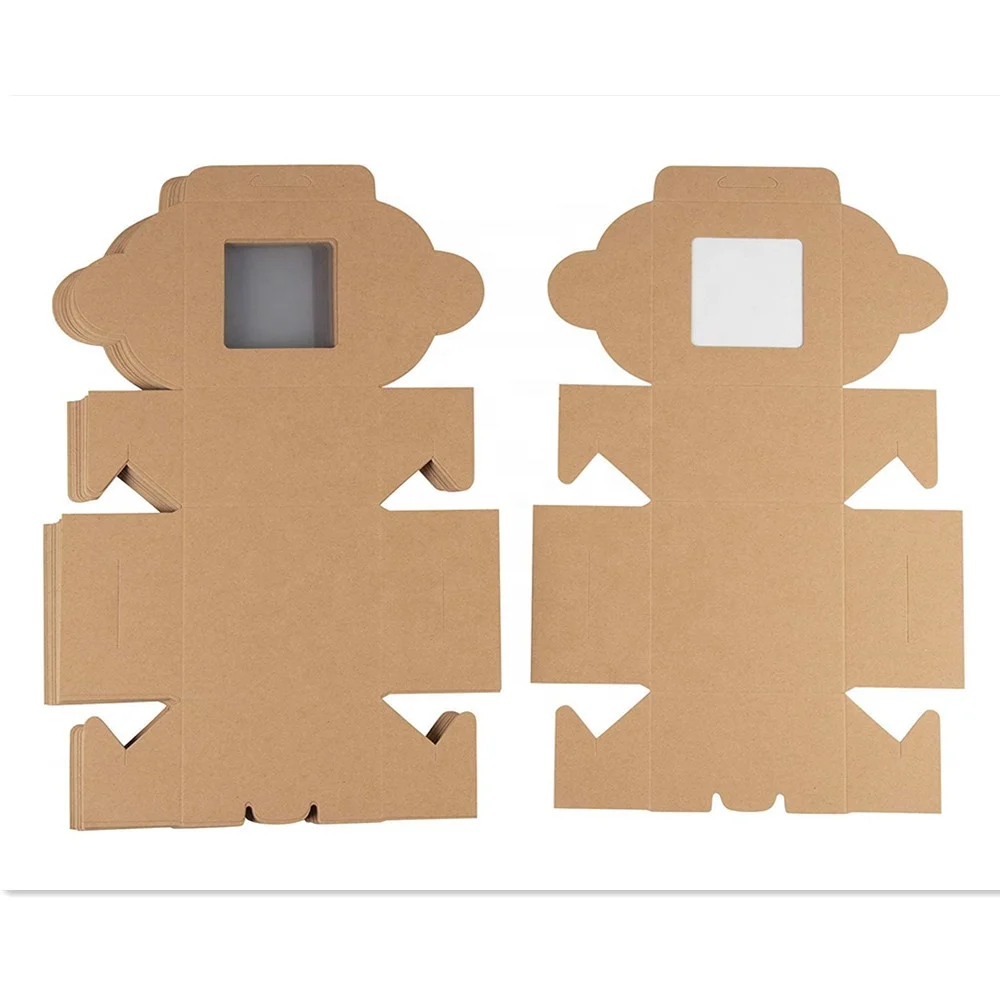
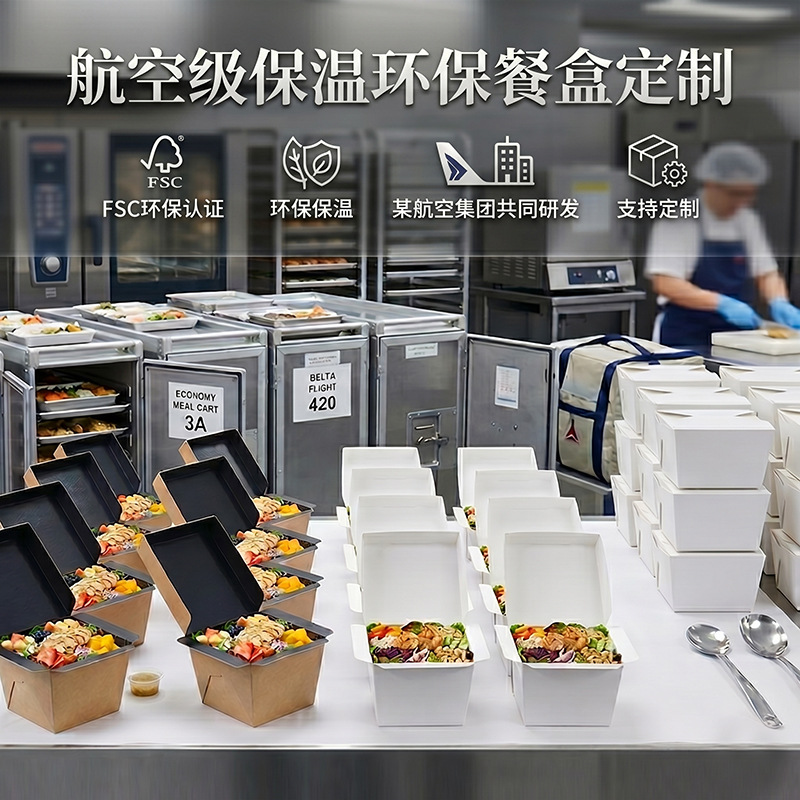
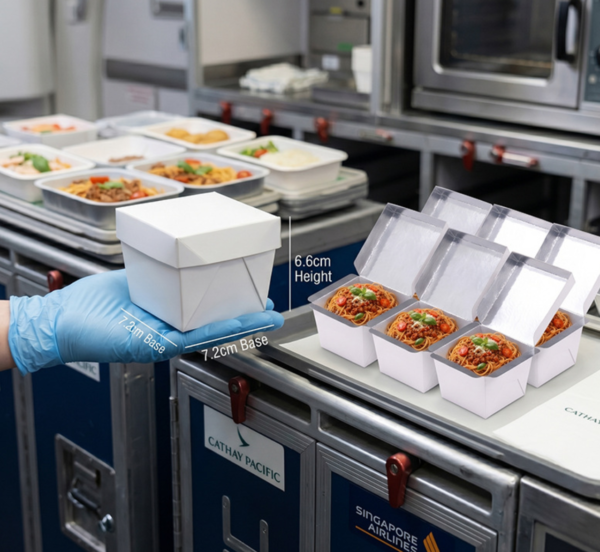
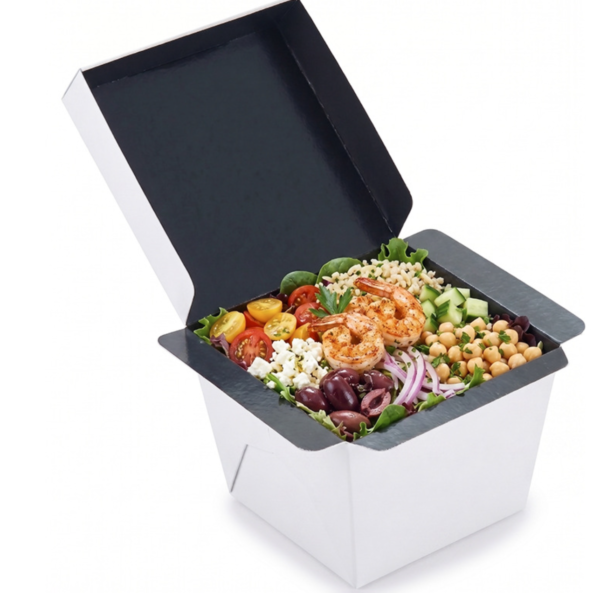
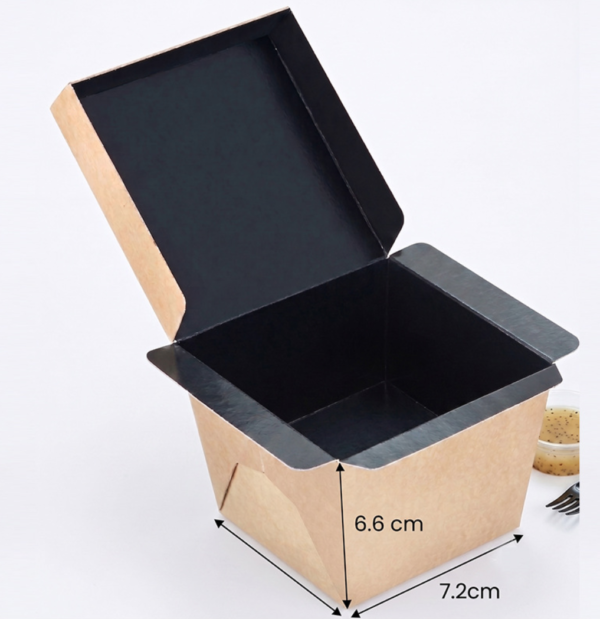
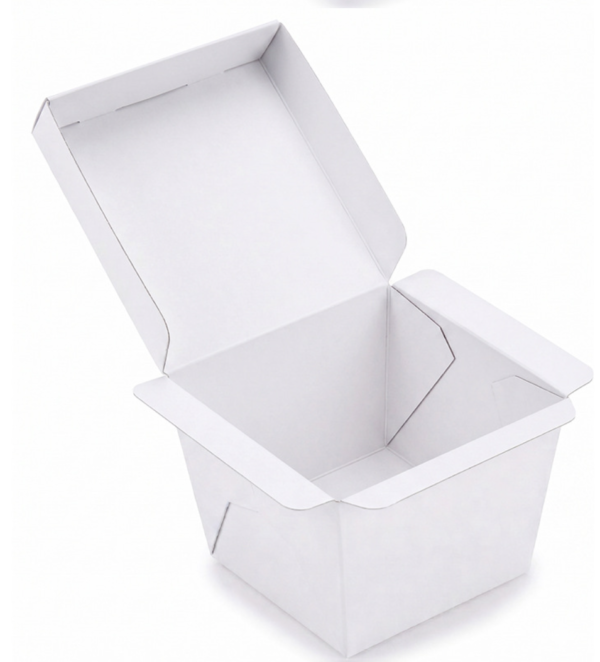
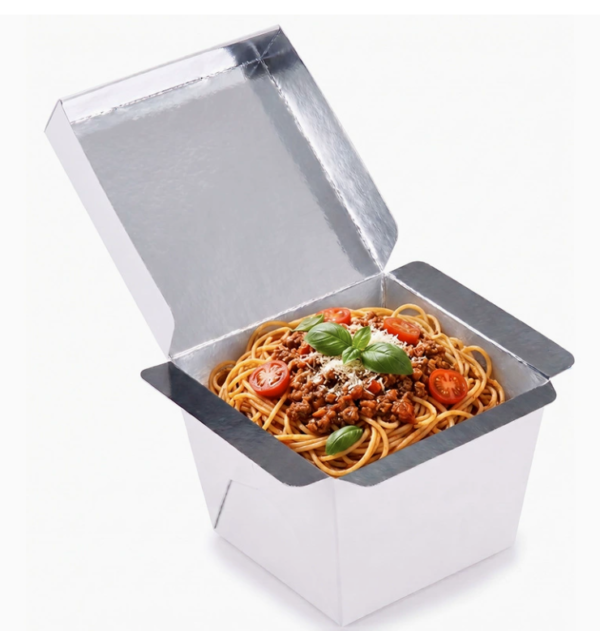
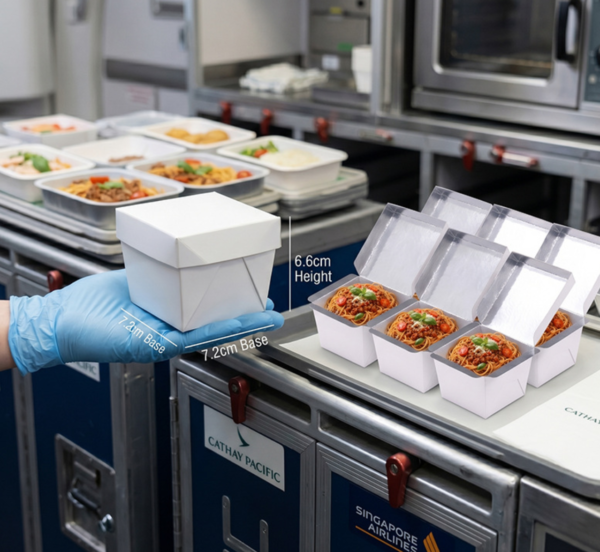
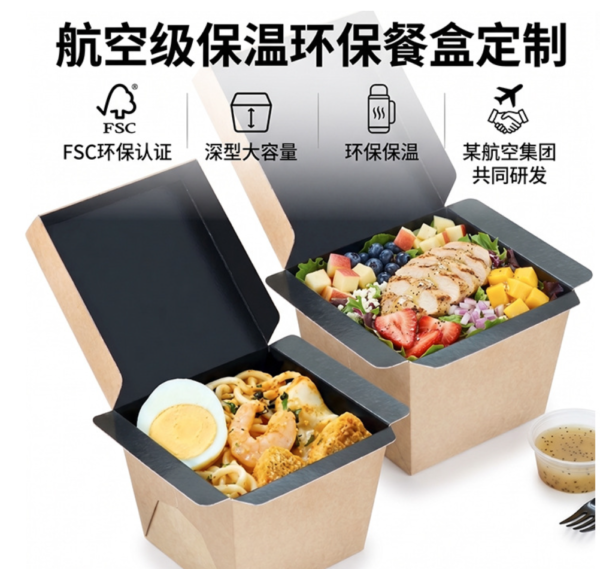
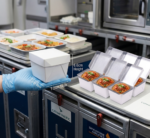
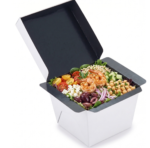
Quick Note Prepared-food buyers need the box to explain its role before they read technical details Meal packaging decisions often happen quickly. If the image already proves that the pack is built for salads, noodles and warm-food combinations, the buyer can move straight into sizing, material direction and customization questions. Fast relevancePortion clarityTakeaway credibility First read The box is shown in a real meal-service context, not as a flat structural sample. Capacity cue The photo supports a large-format use direction rather than a small side-dish role. Carry story The product feels suitable for mobile meal service, collection and delivery. Program fit Useful for prepared-food brands that need one practical core pack. +A strong meal-box page should remove doubt about whether the pack can handle a full portion. +The first image works because it tells the operational story before the page turns to longer copy. | Custom insulated meal box identity Use Custom Insulated Takeaway Meal Boxes to Carry Salad, Noodle and Fresh Hot Food Programs with Cleaner Handling and Stronger Portion PresentationThis product direction is built for prepared-food service rather than lightweight single-snack packing. The supplier presentation shows a box family designed around fuller meal portions, including salad, noodle and mixed hot-food combinations that need more internal room and more dependable structure during transport. For buyers, that first distinction is important because takeaway meal packaging is judged by whether it can protect portion shape, manage moisture and still look commercially clean at handoff. For a broader assortment of ready-meal packs, review our custom takeaway food boxes for salad and deli meal service. Large-capacity food boxes have to solve several problems at once. They need to support the visual read of the meal, hold the food in a stable way while the customer is carrying it, and reduce the chance that moisture, grease or condensation will quickly make the pack feel weak or messy. That is why the supplier title emphasizes insulation and protective meal use. Even when the exact material specification is finalized later through sampling, the product direction itself is already clear: this is a more serious meal-service box for brands that need stronger takeaway performance. Buyers who need compliance-led paper alternatives can compare this page with our PFAS-free paper food packaging solutions. For salad operators, the value lies in keeping mixed ingredients together without making the presentation look cramped. For noodle programs, the buyer needs enough room for the portion while still keeping the box practical to stack and easy to pass across a counter. For deli or fresh hot-food service, the pack needs to feel stable enough for a complete meal rather than a side item. The commercial role of this structure is therefore broad: it can anchor several ready-meal lines instead of serving only one niche SKU. Hot-food counters can also build out companion packs through our burger, fries and chicken takeaway packaging range. Holidaypacfactory can position this page as a sourcing solution for prepared-food brands that are growing beyond basic commodity clamshells. The stronger message is not only that the box exists, but that it can help the buyer build a cleaner and more premium meal-delivery system. That means discussing capacity, moisture management, custom branding, carton planning and repeat-order consistency as one connected packaging program rather than separate decisions. When the project also needs visible merchandising, our kraft window food boxes can sit beside this meal-box format. |
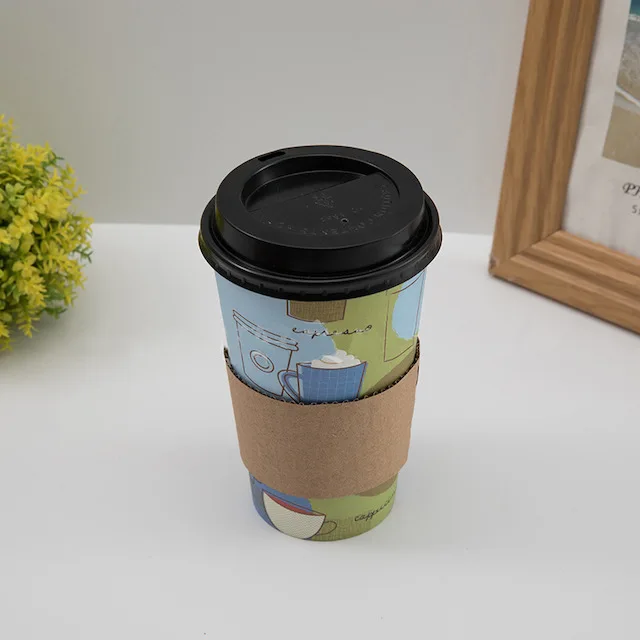
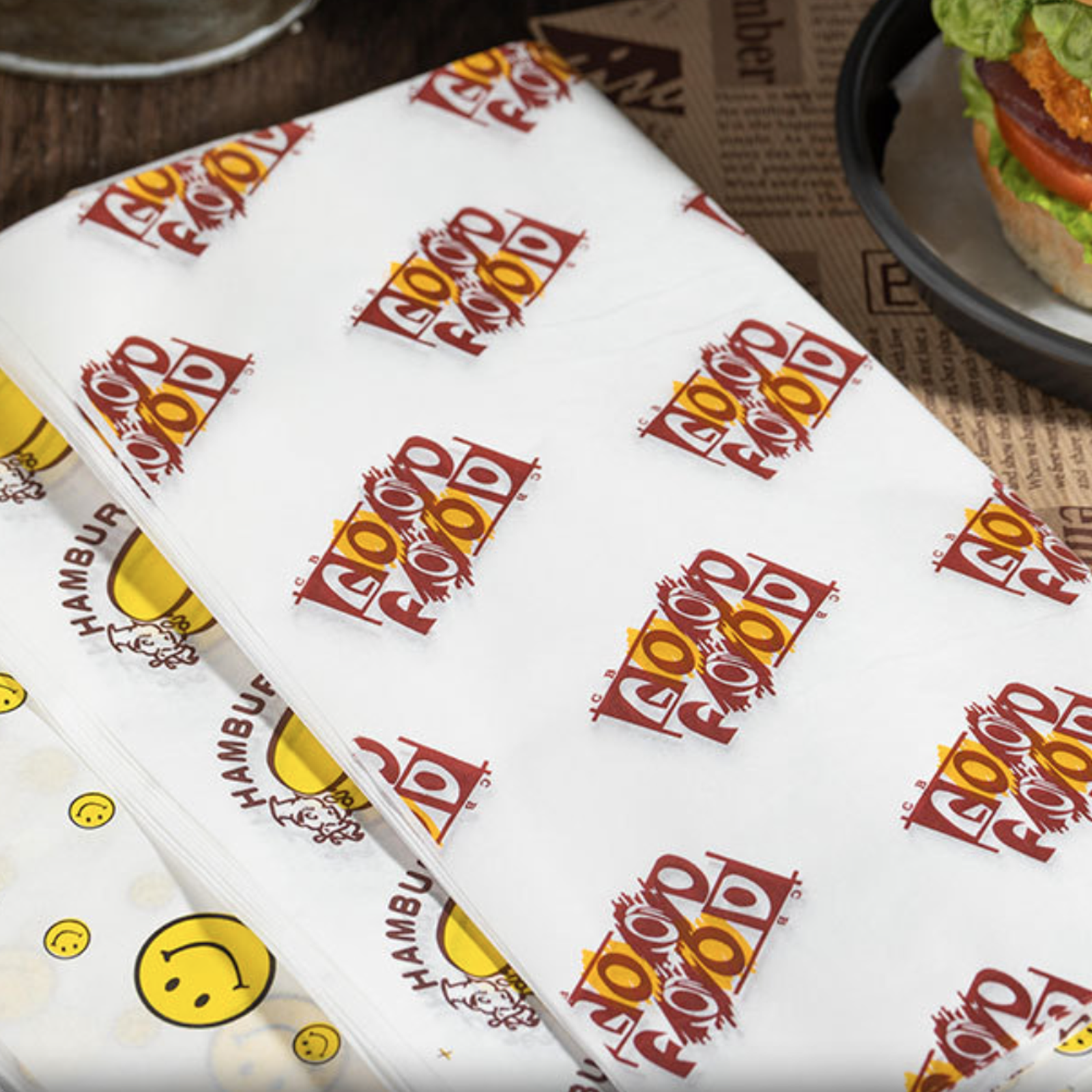
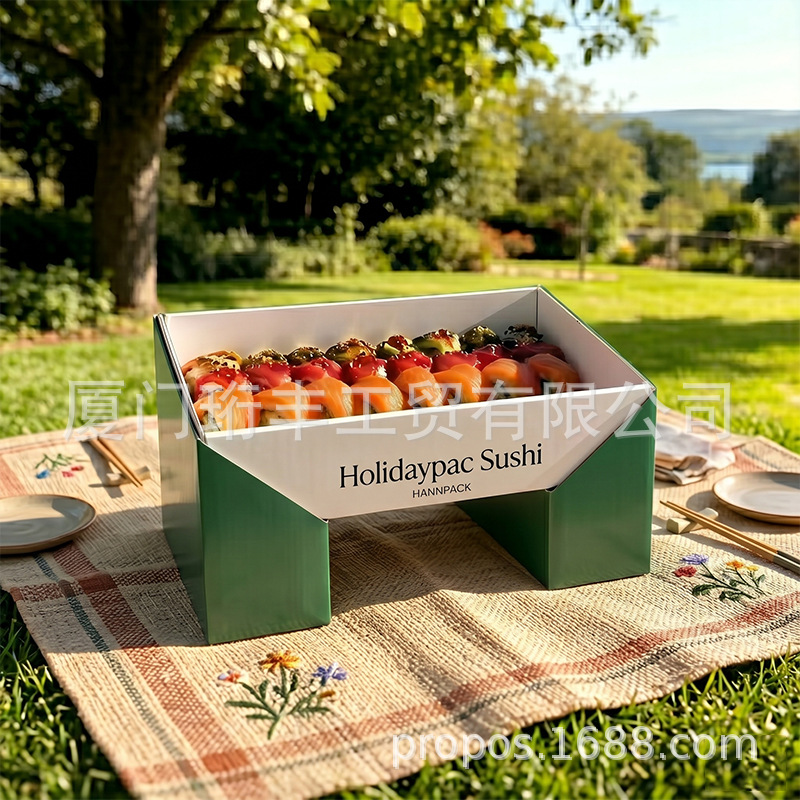
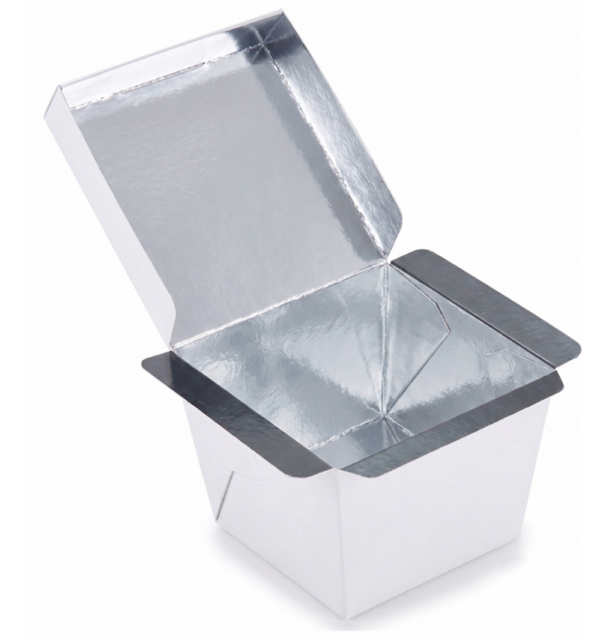
Grease and moisture management Build a Meal Box Program Around Better Grease, Moisture and Carry Performance Instead of Treating Protection as an AfterthoughtMeal boxes often fail in very ordinary ways. The food may still taste fine, but the outside of the pack softens, the carrying hand feels oil or condensation, or the box begins to look less premium before the customer even reaches the table. Those problems do not always show up in a flat structure photo, which is why the supplier wording around grease resistance and water resistance matters so much. It signals the intended use direction: this box is designed for real prepared-food service, not just shelf display. Dessert and snack extensions can be paired with our bakery paper packaging program. For salad boxes, moisture management matters because fresh ingredients, dressings and chilled components can create surface condensation and internal humidity. For noodle or hot-food service, steam and sauce can stress the pack in different ways. The buyer therefore needs a meal box format that is commercially aligned with protective use. That does not mean every project should assume the same barrier specification. It means the product should be discussed with a clear understanding that meal moisture and grease are part of the sourcing brief from the beginning. Beverage-led takeaway programs often combine meal boxes with our custom corrugated coffee cup sleeves. This is one reason larger prepared-food brands often move away from the cheapest generic formats. Once the meal is substantial, and once the takeaway handoff becomes part of the brand experience, a weak carrying feel creates friction. Customers notice when the pack still feels reliable after travel, and kitchen teams notice when the box closes, stacks and moves in a more predictable way. That practical confidence becomes part of the brand value even if the customer never describes it in technical language. For sandwich and deli counters, it is useful to compare this product with our printed sandwich wrap paper sheets. Holidaypacfactory can use this section to keep the page honest and commercially useful. Instead of making unsupported technical claims, the copy can say what responsible buyers actually need to hear: the supplier positioning points toward stronger meal protection, and the right barrier, structure and printing decisions should be confirmed through sampling against the buyer’s real food conditions. That is a more credible sales story, and it makes the page safer for importers, restaurant groups and distributors. Premium light-meal and picnic menus can also expand into our stand-up picnic sushi box. | Quick Note The strongest buyer promise is practical cleanliness during pickup, transport and eating A better meal box helps protect the outer hand feel, reduces visible leakage anxiety and makes the whole takeaway exchange feel more controlled. Operational confidenceCustomer comfortDelivery-friendly |
Quick Note A good meal box becomes more valuable when it can anchor multiple SKUs Importers and chains usually gain more from a structure that can be repeated across several lines than from one box tied too tightly to one temporary product launch. Assortment planningRepeatabilityPrepared-food scale | From one box to a wider meal family Treat the Structure as a Multi-Category Prepared-Food Platform for Light Meals, Deli Sets and Fresh Hot-Food ServiceThe translated supplier title references noodles, light meals and salads together, which is commercially useful because it hints at a broad prepared-food application instead of a narrow single-product role. Buyers who handle fresh prepared meals often want exactly that kind of flexibility. One structure may begin with a salad range, then extend into grain bowls, noodle sets, deli lunch packs, protein-and-side combinations or commissary-produced ready meals. When the box can support that expansion, the sourcing decision becomes more strategic. Prepared-food importers frequently bundle this structure with our ready-meal takeaway food box family. This matters in day-to-day operations because many prepared-food programs are built around shared packing stations. If the structure, closing logic and carton flow stay similar across several meal lines, training becomes easier and the visual language of the range becomes more consistent. That makes the box useful not only for one menu photo, but for actual daily throughput. It also helps distributors and import buyers because one approved structure can often serve as the base for larger repeat orders over time. Cross-category meal projects can revisit our paper food packaging solutions page while planning larger assortments. In commercial terms, a flexible meal-box format protects the buyer from over-specializing too early. A very narrow pack may look fine for one campaign, but it can become inefficient if the range grows or if the menu mix changes. A stronger large-capacity meal box, by contrast, can sit at the center of an evolving assortment. That is why the page should speak about project planning, not just about the initial listing. The buyer is usually deciding on a packaging platform, even if the first order seems modest. For a broader assortment of ready-meal packs, review our custom takeaway food boxes for salad and deli meal service. The specification content below should therefore act as a practical sourcing guide. It does not need to pretend to know every exact supplier material detail up front. Instead, it should help the buyer organize the real project conversation: food type, portion size, grease level, desired carry time, branding needs, carton planning and destination market requirements. That is what turns a translated marketplace listing into a usable Holidaypacfactory product page. Buyers who need compliance-led paper alternatives can compare this page with our PFAS-free paper food packaging solutions. |
Private-label and wholesale supply logic Use Custom Branding, Series Planning and Repeat-Order Discipline to Turn One Meal Box into a Reliable Wholesale Packaging ProgramOnce the meal-box structure has a clear operational role, the next question is how the brand wants it to look in the market. Prepared-food packaging usually has to communicate freshness, practical cleanliness and enough visual identity to make the pack feel deliberate. The advantage of a clean insulated meal-box structure is that it leaves room for customization without forcing the brand into visual excess. A logo, series color band, ingredient cue or restaurant identity system can sit on the pack while the box still reads as practical foodservice packaging. Hot-food counters can also build out companion packs through our burger, fries and chicken takeaway packaging range. This is especially useful for importers, distributors and multi-branch restaurant programs. They often need one structure that can be rolled out across several SKUs while still preserving some differentiation between meal lines. A salad range may need one visual cue, noodles another, and hot-food lunch combinations a third. When the underlying structure stays stable, the buyer can create that separation through print planning instead of redesigning the whole pack from scratch every time. When the project also needs visible merchandising, our kraft window food boxes can sit beside this meal-box format. Repeat-order discipline is equally important. Buyers should think early about carton count, label logic, size confirmation and whether the pack may later expand into a broader ready-meal family. The product becomes more commercially valuable when the first sample is already aligned with that longer view. This is why Holidaypacfactory should frame the page around rollout and continuity, not only around the first order. A thoughtful first project creates fewer headaches later in procurement, branch operations and seasonal SKU changes. Dessert and snack extensions can be paired with our bakery paper packaging program. The closing commercial message should therefore be simple: this is a meal-service structure with room to grow. It can support fresh-meal presentation, cleaner takeaway handling, private-label rollout and practical wholesale replenishment when the buyer takes a disciplined approach to briefing and sampling. That makes the page more than a translated supplier listing. It makes it a planning tool for prepared-food packaging buyers who need something they can actually build a range around. Beverage-led takeaway programs often combine meal boxes with our custom corrugated coffee cup sleeves. | Quick Note Customization should support the food program, not compete with it The best private-label meal boxes feel easy to recognize, easy to reorder and easy to extend into future SKUs. Series brandingCarton planningRepeat orders |
Start with real menu photos rather than abstract size estimates. Show the actual salad build, noodle portion, mixed meal or fresh hot-food combination that the box needs to carry. Portion shape, lid clearance and food spread are often more informative than a simple capacity guess. For sandwich and deli counters, it is useful to compare this product with our printed sandwich wrap paper sheets.
Clarify the service condition next. Is the meal chilled, warm, mixed-temperature or assembled in a commissary before transport? Does it travel five minutes or forty? Is the biggest concern grease, condensation, or the need to keep a fresher visual read at handoff? These answers shape how the protective direction of the box should be discussed during sampling. Premium light-meal and picnic menus can also expand into our stand-up picnic sushi box.
Prepare the branding brief with discipline. Decide whether the pack should feel minimal, operational, premium, fresh, health-led or delivery-focused. Meal boxes are often stronger when the graphics are controlled and functional. A clean visual system usually supports the prepared-food message better than a crowded surface. Prepared-food importers frequently bundle this structure with our ready-meal takeaway food box family.
Finally, think beyond the first SKU. Confirm whether the buyer may later extend the structure into grain bowls, deli sets, hot-meal service, retail ready-meals or commissary programs. Carton count, label logic, series naming and print planning become much easier when this future range view is built into the first sample discussion. Cross-category meal projects can revisit our paper food packaging solutions page while planning larger assortments.
Prepared-food packaging is rarely judged only on structure. Buyers notice whether the box makes the portion look more complete, whether it still feels dependable after a short carry, and whether it leaves room for the brand to look intentional. That is why large-capacity insulated meal boxes matter. They sit at the point where presentation, handling and procurement discipline all meet. For a broader assortment of ready-meal packs, review our custom takeaway food boxes for salad and deli meal service.
For retailers and commissary-led meal programs, the value is consistency. A stable structure helps the line look more organized across several SKUs. For restaurants and delivery brands, the value is cleaner transport and a calmer customer handoff. For importers and distributors, the value is that one core pack can often support a broader meal assortment without forcing a redesign for every new launch. Buyers who need compliance-led paper alternatives can compare this page with our PFAS-free paper food packaging solutions.
This category also benefits from honest technical communication. Serious buyers do not need inflated claims. They need a page that clearly says the product is meant for larger prepared-food service, that protective performance should be checked against real food conditions, and that customization and repeat-order planning are part of the process. That style of communication makes the page safer and more commercially useful. Hot-food counters can also build out companion packs through our burger, fries and chicken takeaway packaging range.
Holidaypacfactory can therefore position this product as a dependable prepared-food packaging platform. It supports salad and noodle service, broader ready-meal rollout, custom branding and practical procurement discipline. When the page presents that whole picture clearly, the buyer can move from curiosity to a real sample brief much faster. When the project also needs visible merchandising, our kraft window food boxes can sit beside this meal-box format.
It is well suited for salad service, noodle meals, deli lunch programs, fresh hot-food takeaway, mixed protein-and-side meal sets, commissary prepared-food lines and other larger ready-meal applications that need cleaner carrying performance. Dessert and snack extensions can be paired with our bakery paper packaging program.
Yes. Buyers can discuss custom logo application, series branding, size review, carton planning and broader private-label rollout so one structure can support several meal SKUs or branch-level packaging programs. Beverage-led takeaway programs often combine meal boxes with our custom corrugated coffee cup sleeves.
The supplier positioning clearly points toward grease-resistant and water-resistant meal use, but the exact protective construction should be confirmed during sampling against the buyer’s actual food type, temperature, carry time and destination-market needs. For sandwich and deli counters, it is useful to compare this product with our printed sandwich wrap paper sheets.
Please share menu photos, portion size, expected carry time, whether the meal is chilled or warm, the main concern around grease or condensation, brand artwork direction, target quantity and any market-specific labeling or compliance expectations. Premium light-meal and picnic menus can also expand into our stand-up picnic sushi box.


 Cassie LanFounder, HolidayPac · Leave a message
Food packaging, paper bags and food service paper for your next project.
Leave your request anytime. Our sales team will reply with pricing, samples and production details.
Tell us what you're packaging and we'll ship a physical sample plus a free 3D mockup within 24 hours — no cost, no obligation.
We've received your inquiry and our team will get back to you within 24 hours.