Door to Door service
Welcome to Holidaypac Packaging Solutions Factory!

tiger@holidaypac.com

+86 136 5233 6188
Welcome to Holidaypac Packaging Solutions Factory!


1-2 Days Free Customization
7-12 Days Production Time
12000m2+ Factory Since 2008
Door to Door service
Related Sushi Packaging
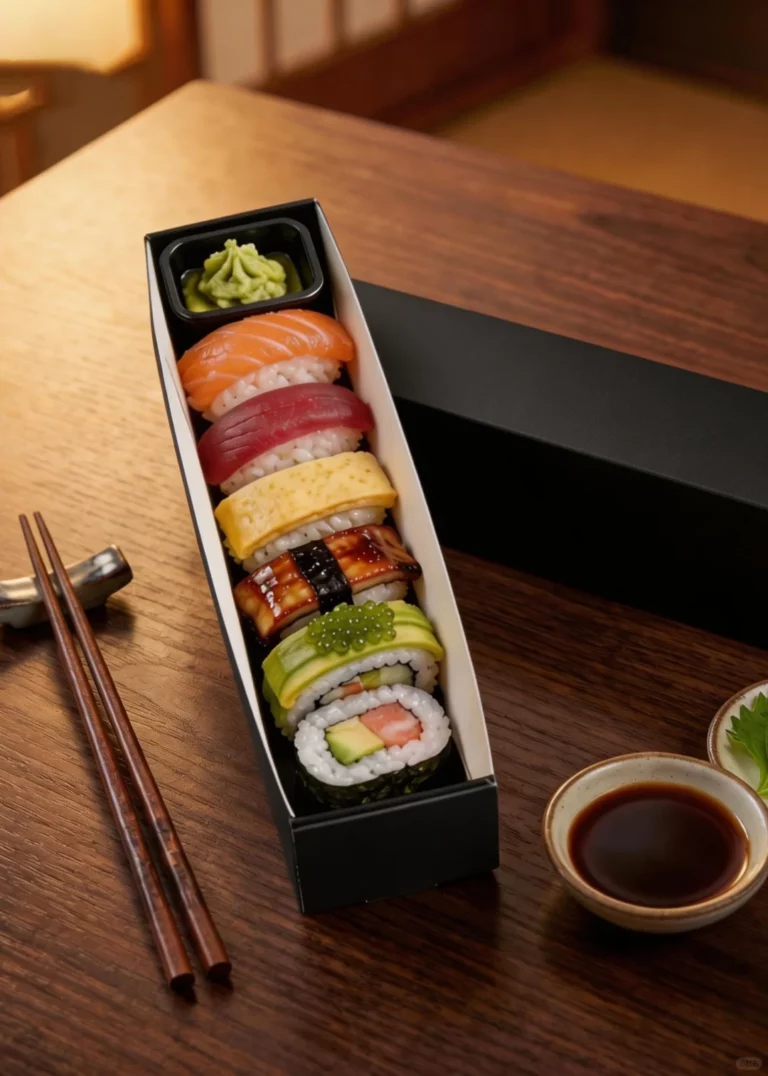
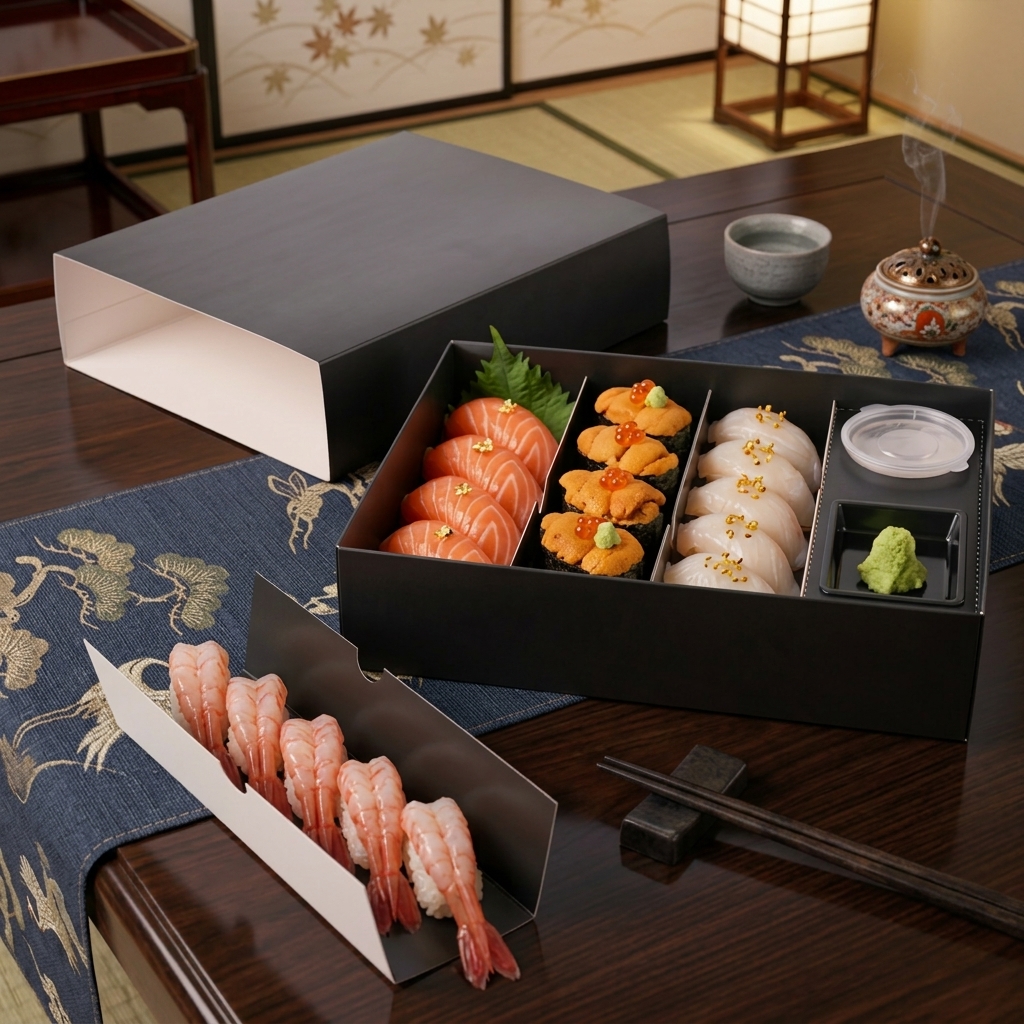 Custom Black Multi-Compartment Sushi Takeaway Box with Sauce Tray
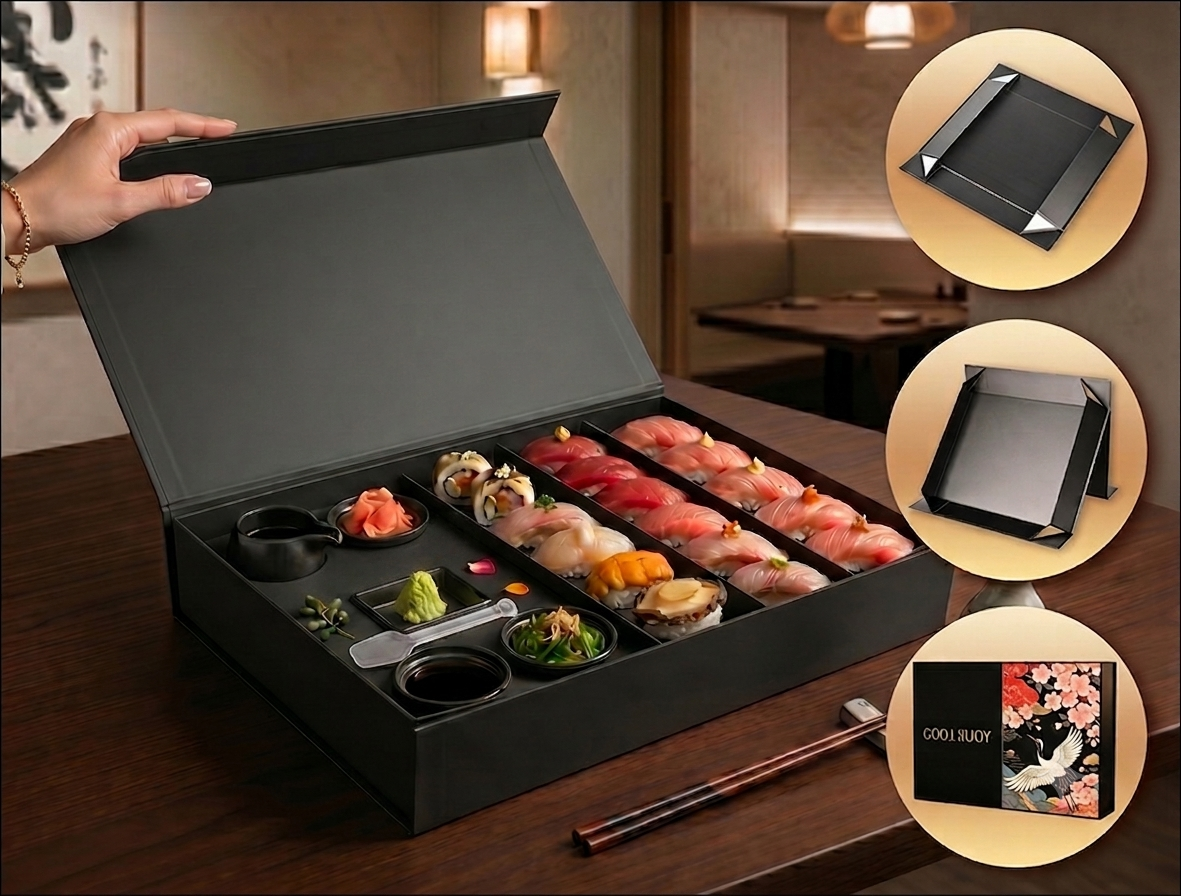 Custom Black Folding Sushi Gift Box with Multi-Compartment Tray
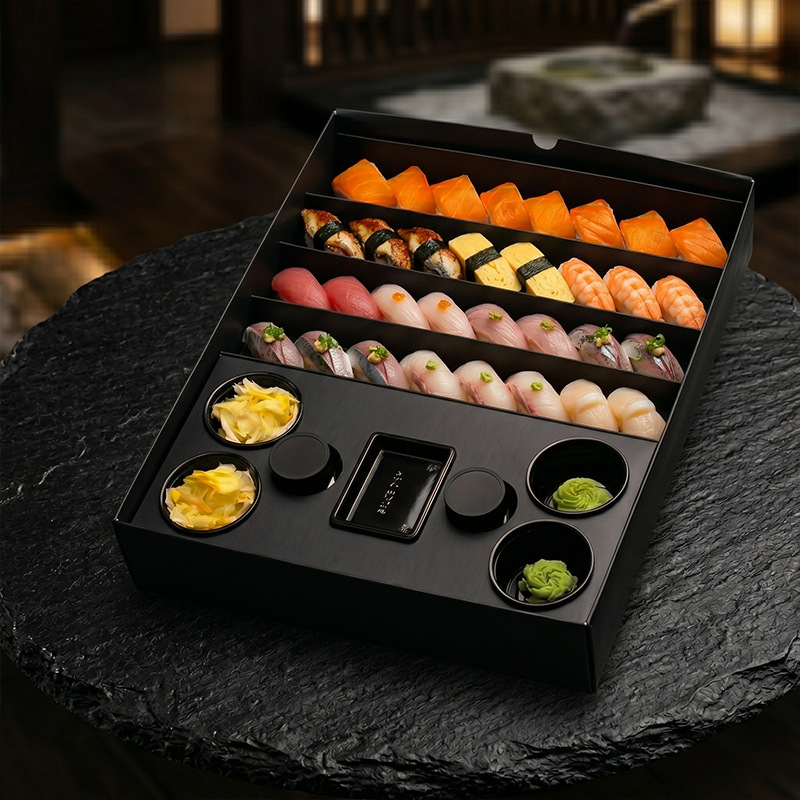 Custom Black Omakase Sushi Gift Box with Sauce Cup Inserts
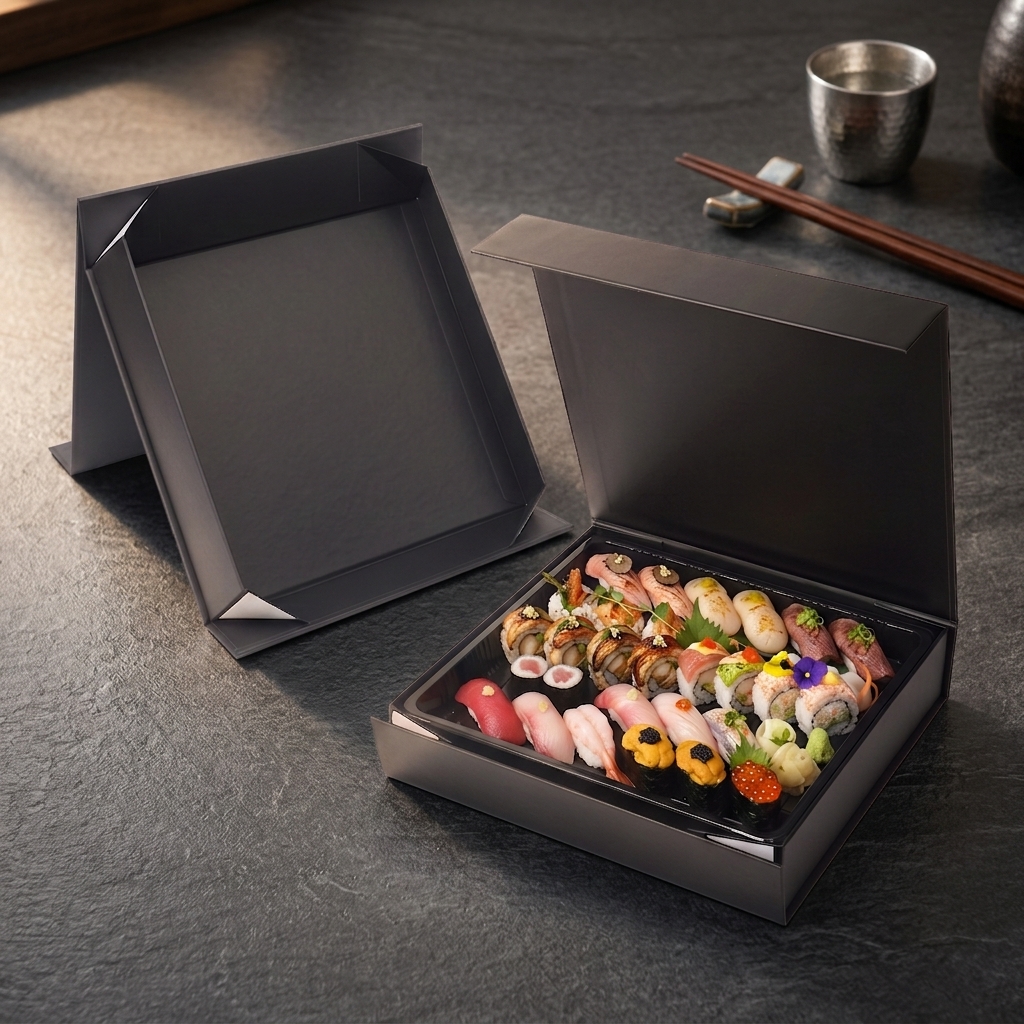 Custom Black Hinged Lid Sushi Box with Clear Tray and Compartments
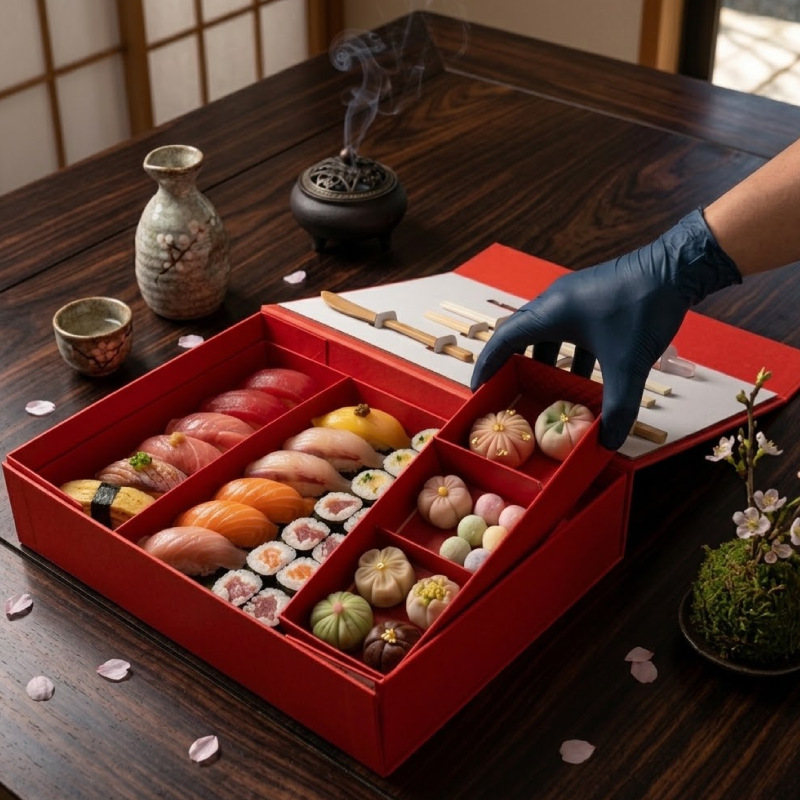 Custom Red Three Layer Drawer Sushi Box with Compartments
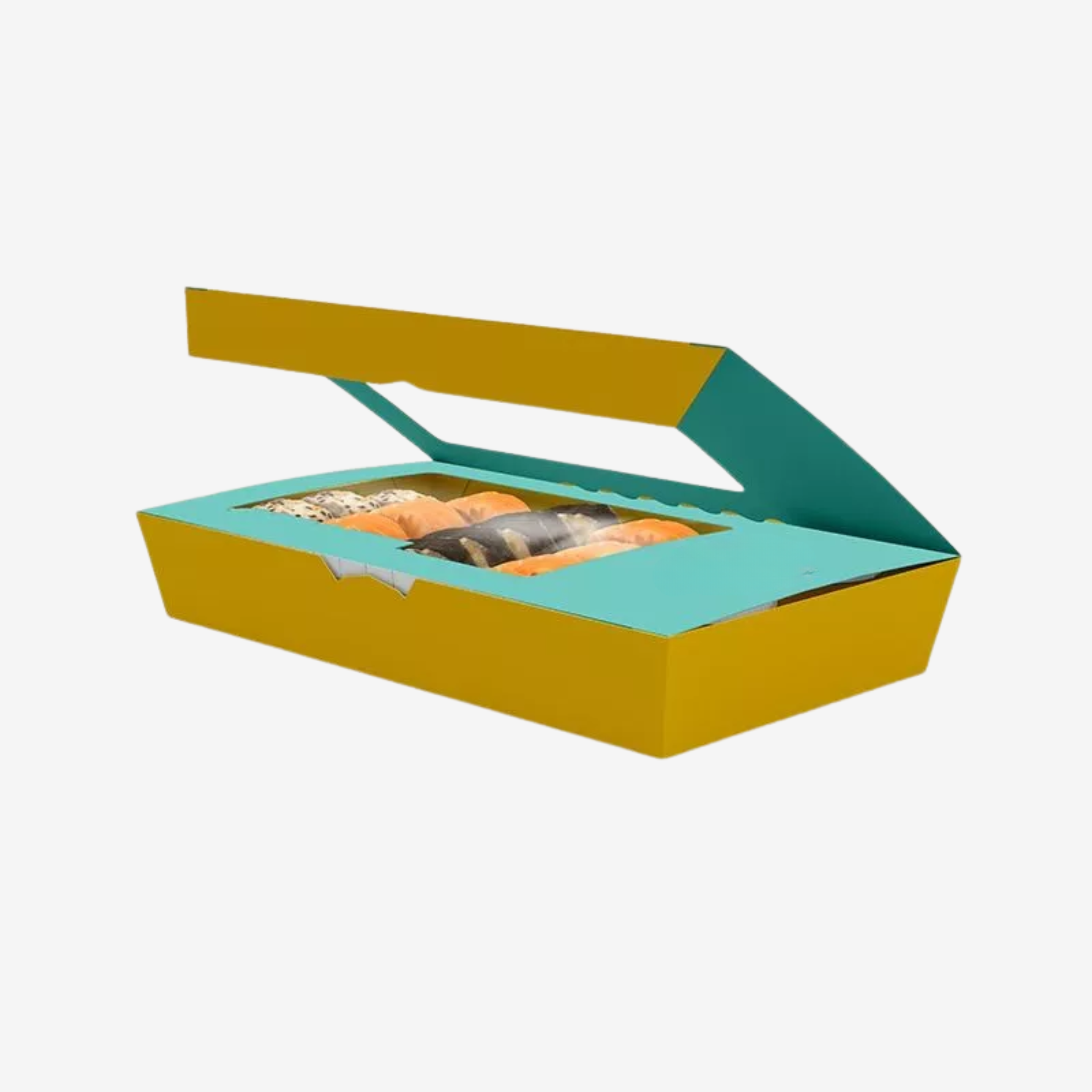 Custom Sushi Boxes with Window and Chopstick Carry Packaging
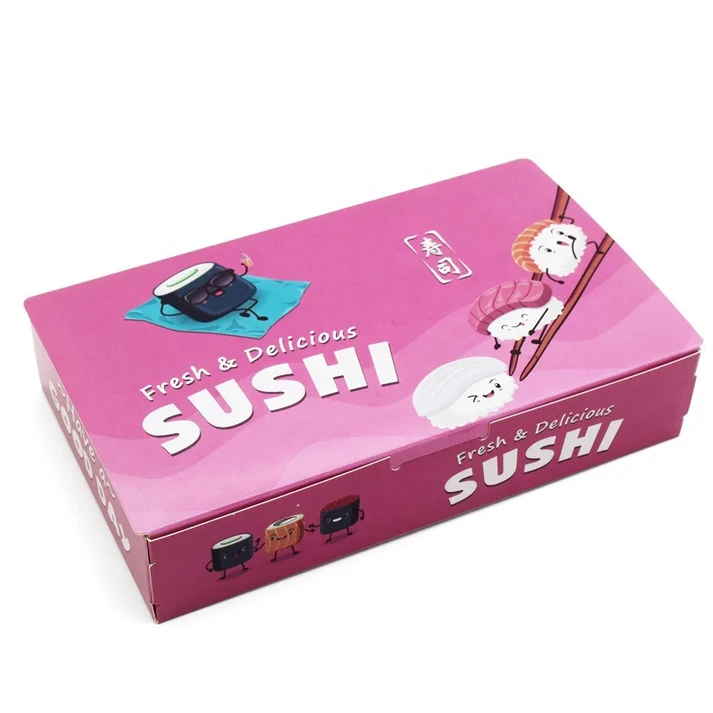 Customized Logo Disposable Paper Sushi Food Box Packaging
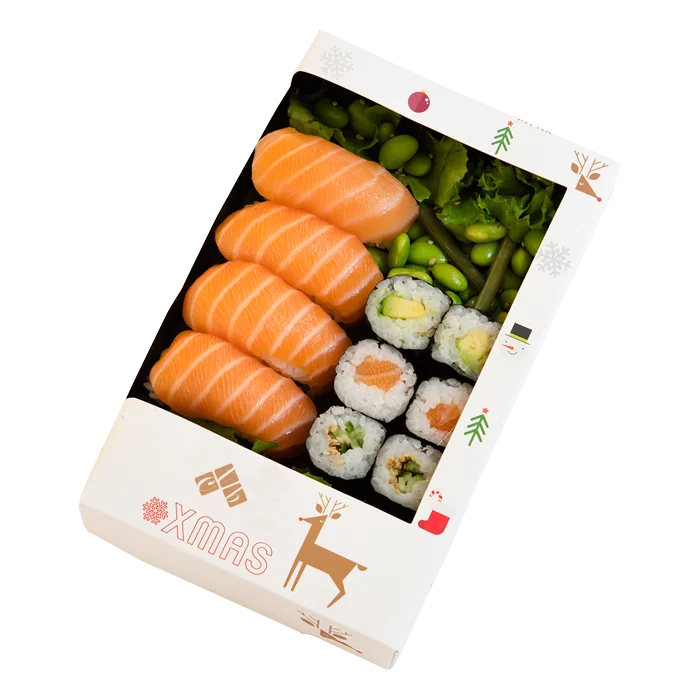 Custom Sushi Box Packaging for Premium Takeaway Sets
Premium Sushi Gift Packaging
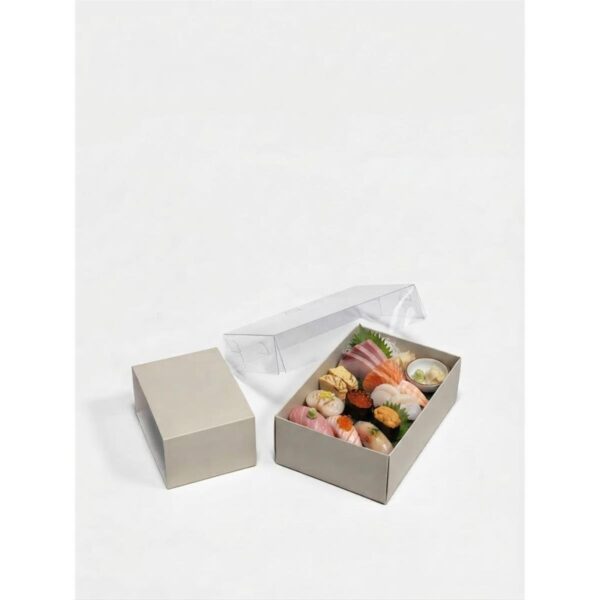
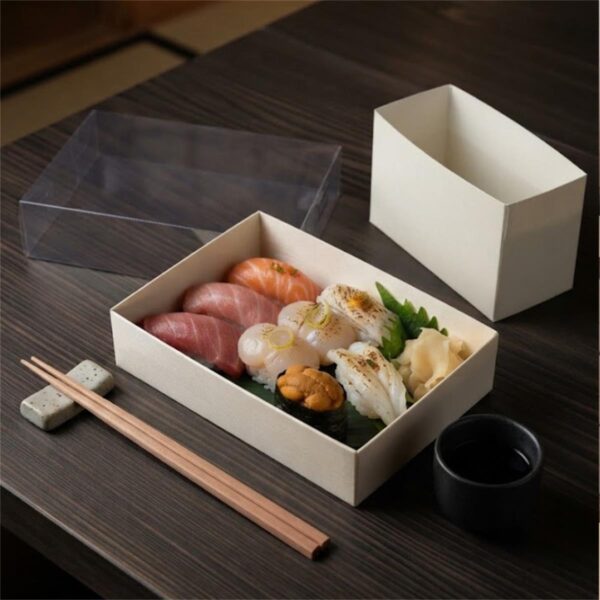
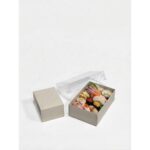
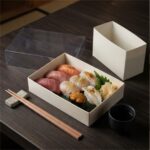
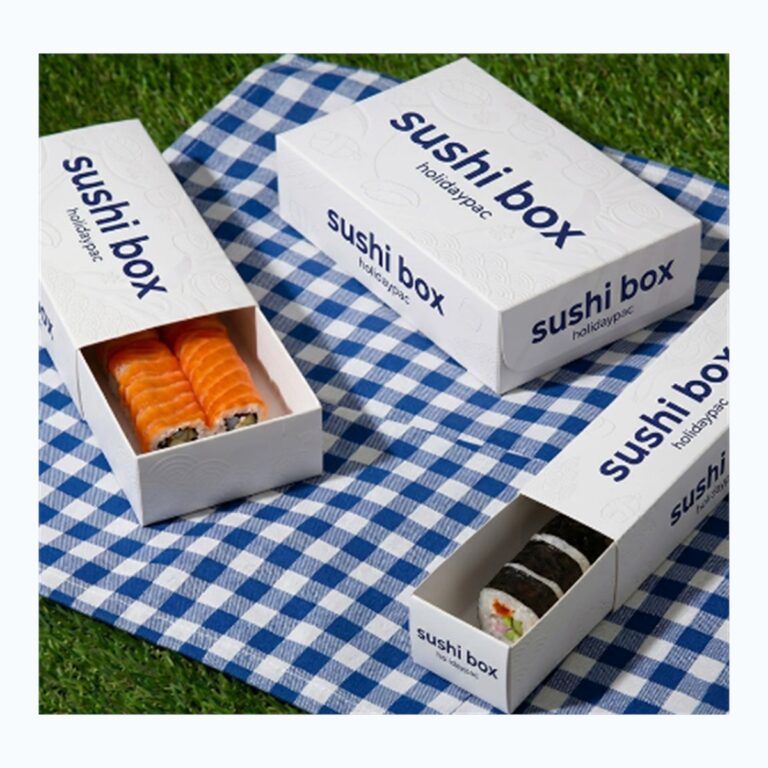
This custom white sushi gift box is designed for restaurants, omakase counters, sashimi shops, caterers, hotel dining programs and premium takeaway brands that want the meal to feel carefully presented from the first glance. The format combines a white paperboard base, a clear lid or transparent cover option and a printed paper sleeve that can wrap the package with a clean branded message.
The box is suitable for sushi assortments, sashimi sets, nigiri selections, chef-curated tasting meals, bento portions and other fresh food presentations that benefit from visibility. The transparent component can reveal the arrangement, while the sleeve gives the buyer a controlled space for logo, menu name, flavor direction, seasonal artwork or a short serving message.
This product belongs naturally in our Sushi Packaging collection and can be compared with custom black omakase sushi gift box with sauce cup inserts, custom sushi boxes with window and chopstick carry packaging, custom sushi box packaging for premium takeaway sets and custom black folding sushi gift box with multi-compartment tray when a brand is building several Japanese food packaging formats. The right structure depends on the menu, portion arrangement, transport route and the moment when customers are expected to open the package.
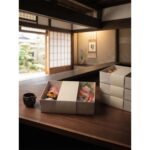
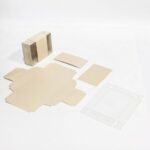
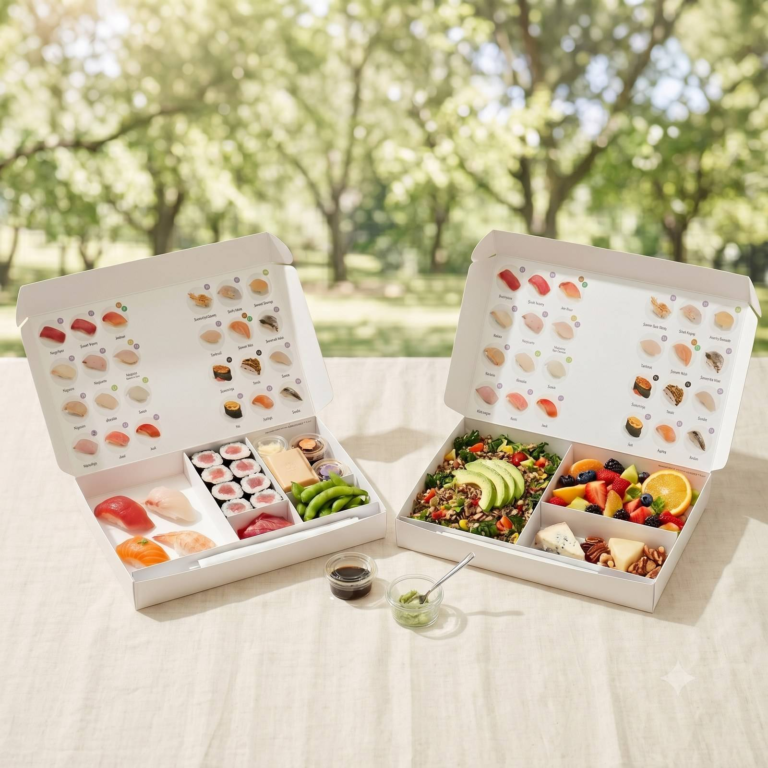
Holidaypacfactory can customize the base dimensions, lid fit, sleeve height, insert arrangement, board grade, print coverage and packing method around the actual food set. The supplied images show a clean white presentation with a separate sleeve and transparent cover components; the final construction can be adapted after the product size, weight and handling conditions are confirmed.
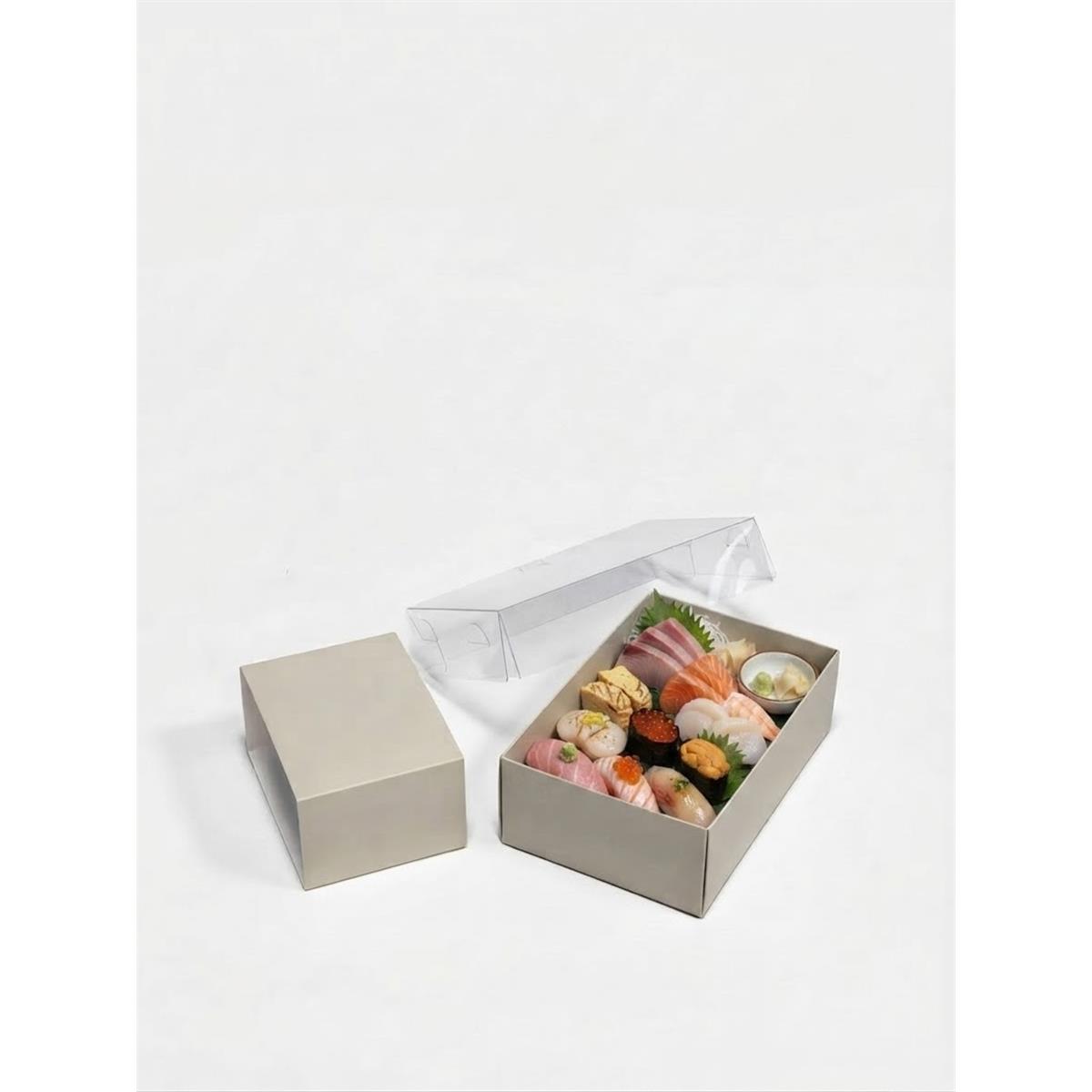
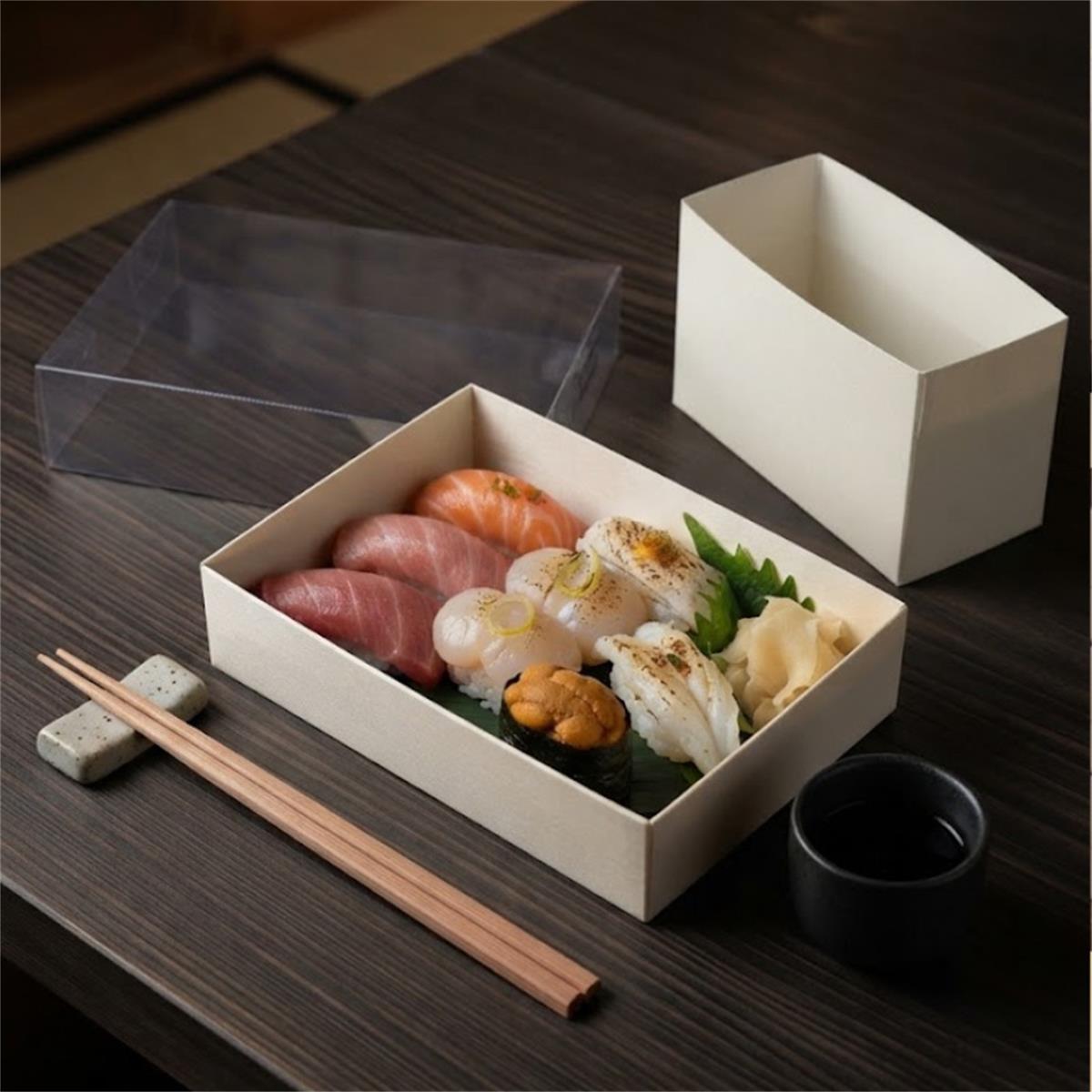
Clear Lid Presentation
Fresh sushi is highly visual. The balance of rice, fish, garnish, seaweed, sauce cups and color is part of the value customers perceive before they take the first bite. A clear lid or transparent cover option allows the arrangement to stay visible while the box still presents as a composed gift or takeaway set.
Visibility is especially useful for omakase portions and premium sashimi assortments because the customer can understand the selection without opening the package. That matters at a restaurant counter, a catered event, a hotel room or a chilled retail display where the package may be handled by several people before it reaches the final diner.
The lid fit should be planned around the actual food height and the way the box is carried. Nigiri, decorative toppings and garnish can extend above the base, so the clear cover needs enough headspace to avoid pressure on the food. At the same time, the cover should remain visually close to the base so the overall package does not feel oversized.
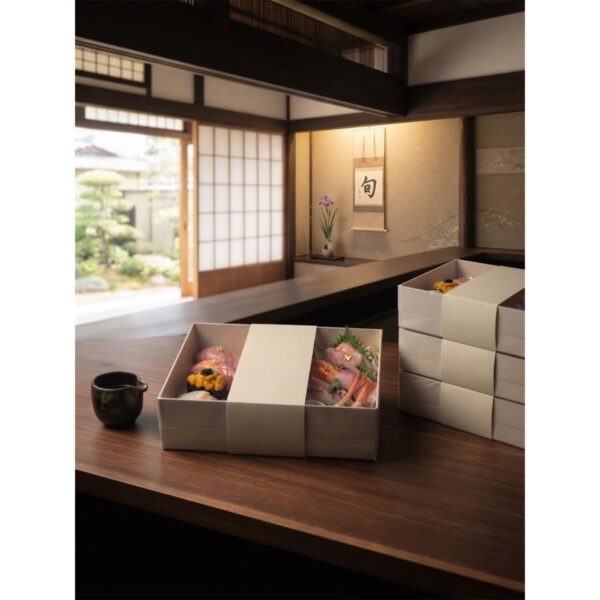
A removable lid and a sleeve can work together in different ways. The sleeve can hold the package closed during transport, while the transparent component creates the display moment when the customer removes or slides the sleeve away. The final opening sequence can be adjusted around the desired service experience.
For a menu with several sizes, the same visual language can be carried across a small tasting set, a standard dinner portion and a larger catering tray. The paper sleeve artwork can remain related while the base and clear cover change to fit each food arrangement.
Printed Paper Sleeve
A paper sleeve gives the buyer an efficient way to brand a box that already has strong visual appeal. It can carry the restaurant logo, omakase name, menu title, seasonal message, preparation note or service instruction while leaving the clear lid available for product visibility.
The sleeve width and height can be adjusted to create different levels of coverage. A narrow band may highlight the center of the package and leave more food visible. A wider sleeve can create a stronger gift-box appearance and provide more room for artwork, ingredient notes or a complete menu story.
Sleeve artwork should be designed around how the customer holds the box. The front panel should remain readable when the package is placed on a counter, while the side or back can carry handling information, storage guidance or a short brand message. A small logo on the top bridge can also help the package remain recognizable after the sleeve is removed.
A sleeve is practical for multi-menu programs because the main box structure can remain stable while the printed band changes by flavor, chef selection, event or season. That can help a restaurant create a coordinated family of products without changing every component for each new launch.
The paper sleeve can use a clean white surface, a soft natural tone, a single accent color or a more decorative print direction. The best choice depends on the restaurant identity and the visual relationship between the sleeve, the sushi colors and the serving environment.
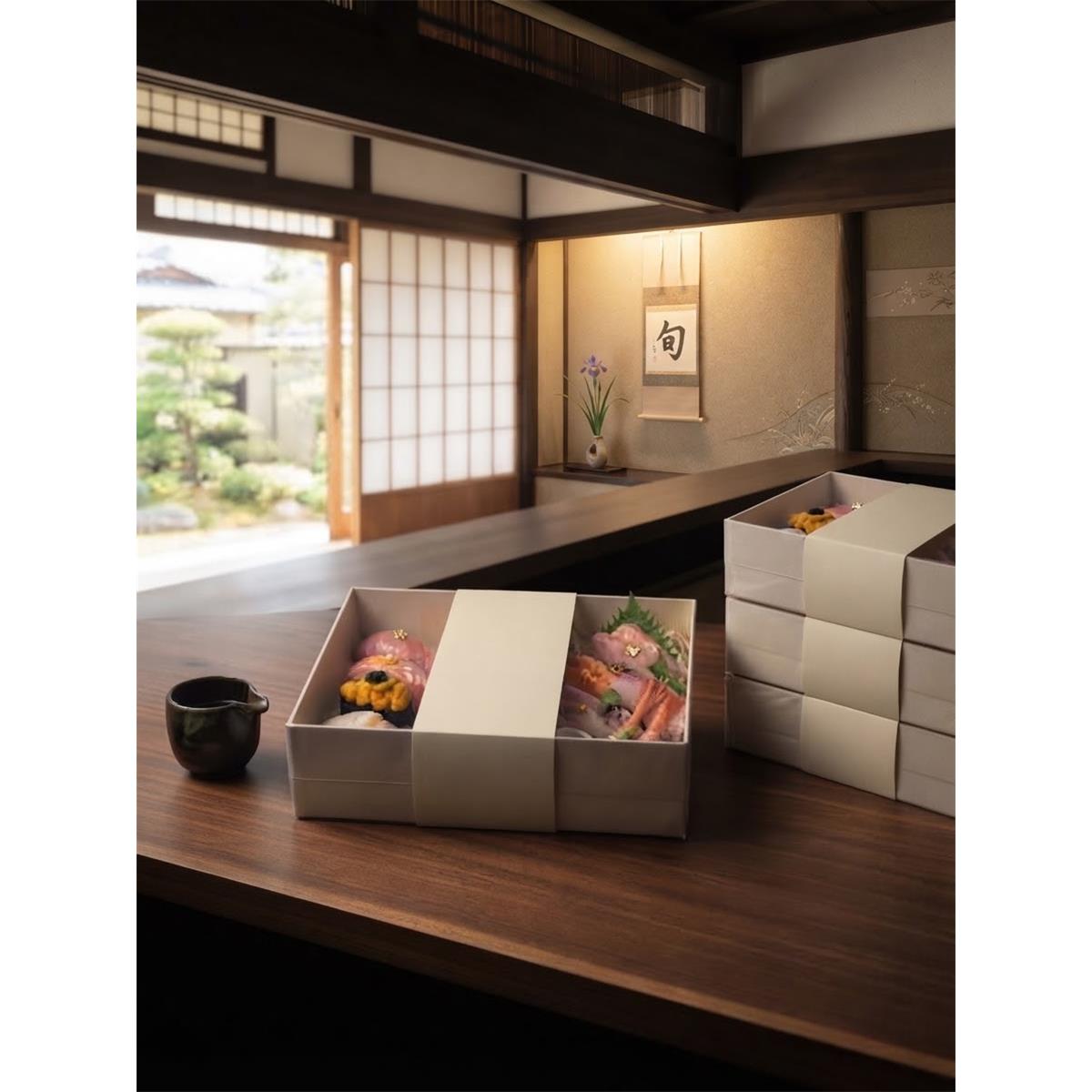
Omakase And Sashimi Use
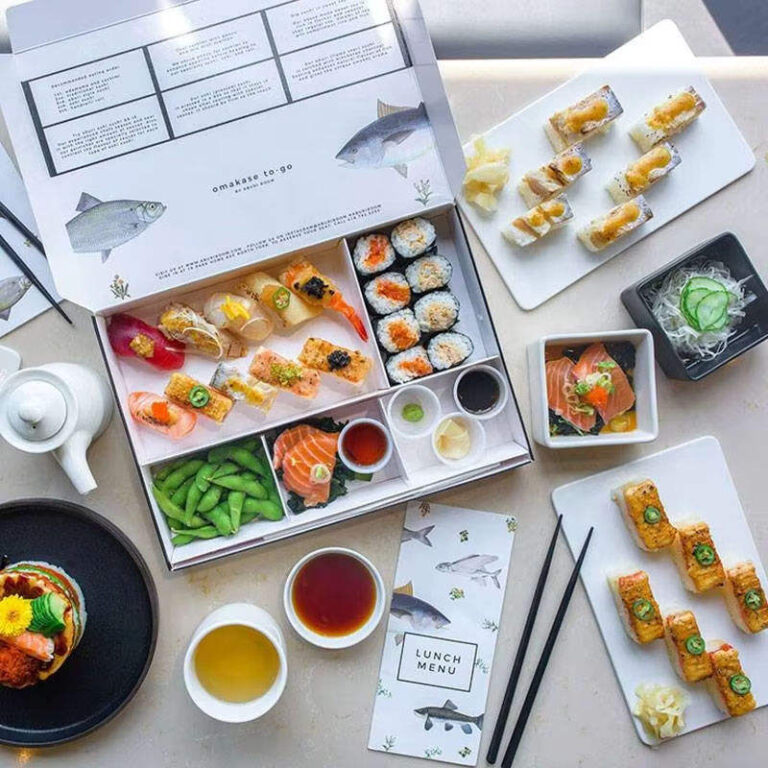
White paperboard creates a quiet background for colorful food. Salmon, tuna, shrimp, scallop, uni, tamago, cucumber, shiso and other ingredients can stand out without competing with a dark or heavily printed package. That makes the format useful for brands that want the menu itself to remain the strongest visual element.
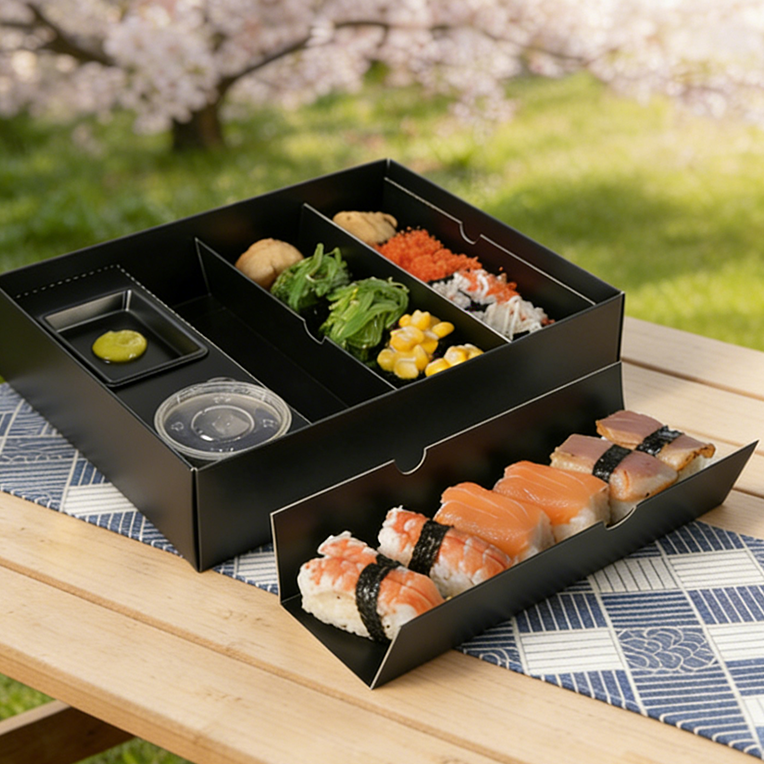
The base can be designed for one arrangement or a more organized compartment plan. A single open area works for a composed sushi set, while dividers or inserts can help keep sauces, garnishes and separated items in place. The final interior should follow the actual menu rather than relying on a generic grid.
For omakase service, the inside of the sleeve or an accompanying printed panel can explain the order of tasting, ingredient names or chef notes. For a straightforward takeaway program, the sleeve can stay simpler and use a clear meal name with a small logo. Both directions can use the same clean box architecture.
Sashimi and chilled seafood programs may require a liner, tray or moisture-management detail. Those decisions depend on the actual food, temperature, service time and local packaging requirements. A sample filled with the intended meal is the best way to review how the base, lid and sleeve behave together.
A premium frame does not need excessive decoration. The white base, transparent cover and restrained sleeve can create a refined presentation that fits Japanese restaurants, modern sushi bars, hotel dining, corporate catering and gift-oriented food brands.
Clear Cover And Sleeve Workflow
A multi-component package gives the buyer more control over the packing routine. Staff can prepare the white base, place the sushi arrangement, position the clear cover and apply the printed sleeve as separate steps. That can be useful when a restaurant prepares different menus throughout the day.
The assembly order should be tested with real staff and real portions. A sleeve that is too tight may slow packing, while one that is too loose may shift during transport. The clear cover should sit securely without requiring unnecessary force, and the base should remain stable when lifted from the packing surface.
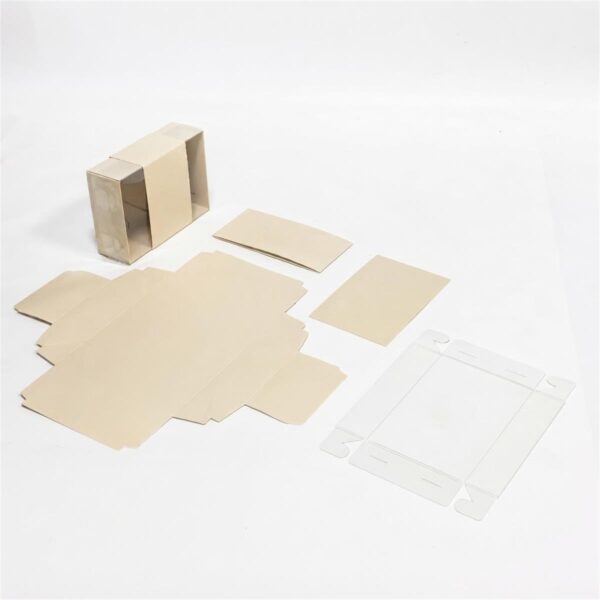
The package can be supplied flat or nested depending on the chosen structure. Flat paperboard components can reduce storage volume before assembly, while a pre-formed base may be faster for a high-volume service line. The most suitable approach depends on order quantity, warehouse space and the speed expected at the restaurant.
The sleeve can also help with order identification. A menu name, color mark or small label zone can make it easier for staff to separate regular takeaway, premium omakase, delivery orders and event catering. That is a small operational feature, but it can reduce confusion during busy service.
When the components are developed together, the package can feel intentional at every stage: efficient for the packing team, stable in the outer carton, clear at handover and attractive when the customer opens it.
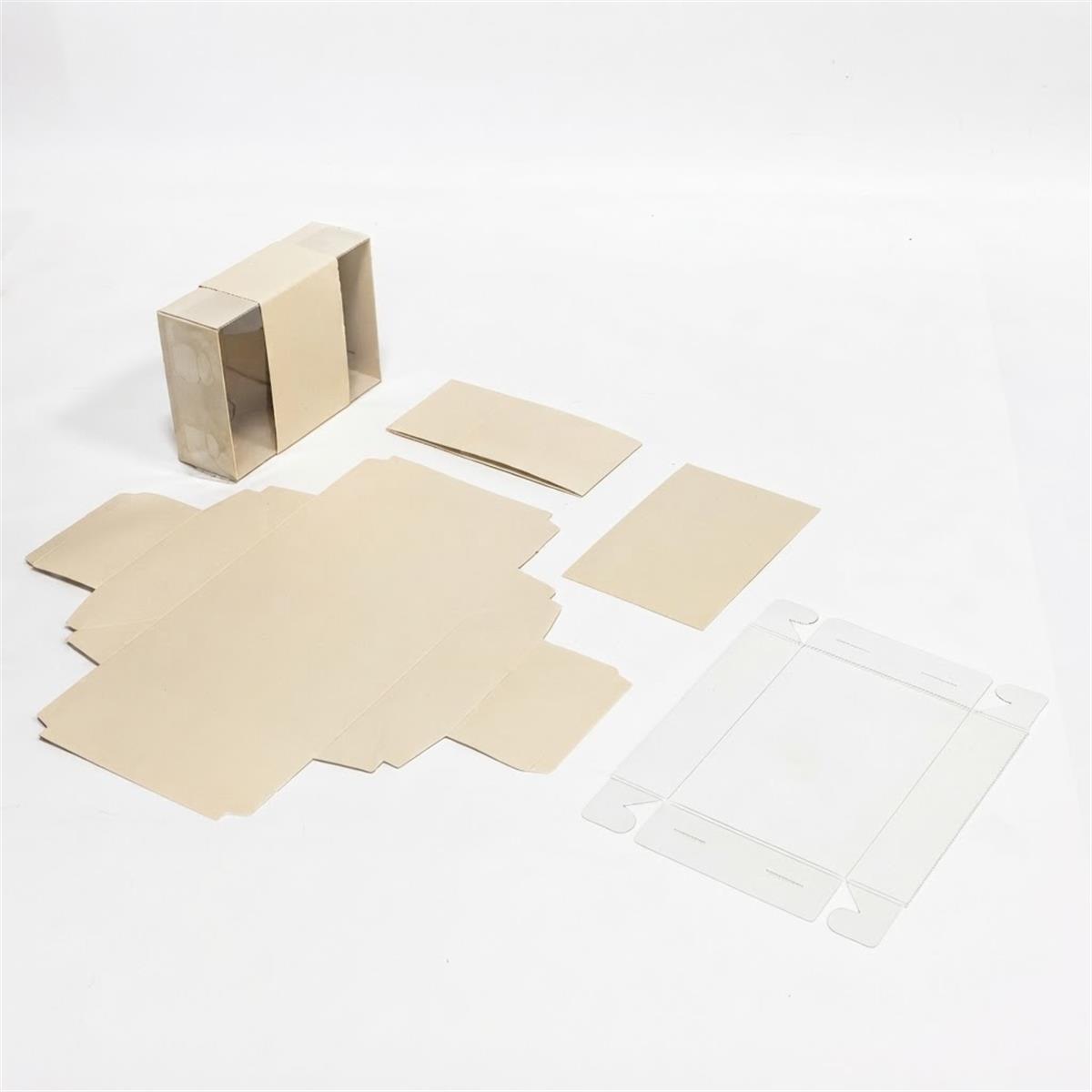
Structure And Dieline Planning
Start by measuring the complete packed meal. Record the length, width and height of the food, including garnish, sauce cups, dividers, liners and any tray that will remain inside the package. If the menu changes between items, provide the largest and smallest arrangement so the structure can be reviewed with practical tolerance.
The base should support the meal without making the customer work to remove it. A shallow open tray may suit a carefully composed sushi set, while a deeper base may be useful for taller toppings, layered pieces or additional side dishes. The clear cover should follow the height of the finished arrangement rather than an empty sample.
The sleeve position affects both branding and opening. A centered band can create a gift-like wrap, while an offset band can leave more of the food visible from one direction. The sleeve can be designed to slide off, lift away or work with a tuck point depending on the desired customer interaction.
If the box uses a separate transparent lid, the edge fit should be checked from every side. The cover should look aligned with the base, remain secure when the package is moved and avoid pressing against the food. A small change in rim height can have a large effect on the final presentation.
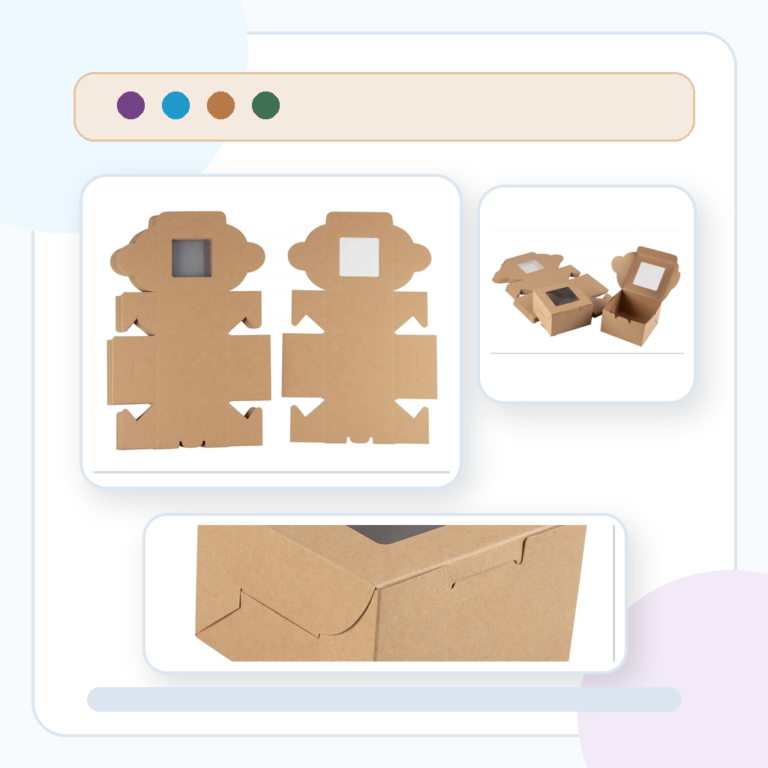
The dieline should show folds, cut lines, sleeve overlap, clear component position and any insert or divider. Reviewing the flat layout early helps the buyer understand where the print will sit and whether the finished package will stack efficiently before use.
For a restaurant with several portions, it is often useful to define one base architecture and create controlled size variations. The sleeve artwork, logo placement and color logic can remain consistent while the internal footprint changes around the menu.
A filled prototype is especially important for sushi packaging because the food is delicate and highly arranged. Empty paper models cannot show whether the lid touches garnish, whether sauce cups shift or whether the sleeve covers the part of the meal that the customer should see first.
Once the structure is approved, the same specification can guide future reorders. Keep the approved packed dimensions, board choice, clear cover style, sleeve artwork, insert plan and outer-carton arrangement together so new production remains consistent.
Artwork And Brand Direction
The sleeve is usually the strongest branding surface, so its hierarchy should be clear at a glance. A restaurant logo, menu name and one supporting message are often more effective than covering the entire band with small details. The food remains the hero, while the sleeve gives it a recognizable identity.
A modern sushi brand may use black type, one accent color and generous white space. A traditional Japanese restaurant may prefer a restrained pattern, seal mark or seasonal illustration. A hotel or catering program may need a cleaner corporate direction with menu names and service information placed in predictable zones.
The white base can remain unprinted when the buyer wants the food colors to lead. It can also carry a subtle logo, small pattern or interior message if more brand recognition is needed. The clear cover should be kept visually quiet so reflections and transparency do not compete with the sushi.
Artwork should account for the sleeve overlap and any areas that disappear behind the base. A logo placed too close to an edge may be hidden when the band is applied. The print file should therefore be reviewed against the actual dieline and a physical sample before the final order.
The package can be adapted for seasonal menus without rebuilding the entire structure. Cherry blossom, summer picnic, autumn tasting and year-end gift programs can use new sleeve artwork while keeping the same base, cover and packing routine.
For multi-location restaurant groups, the sleeve can provide a controlled way to differentiate branches, chefs or menus. A shared master layout can keep the brand unified while a small panel changes for each location or food program.
If the package will be photographed for online ordering, test the design in both open and closed views. The sleeve should read clearly in a hand-held photograph, while the open box should show a clean relationship between the food, transparent cover and white base.
A good artwork system makes the box easier to reorder. When the logo zone, menu name position, sleeve dimensions and color references are documented, a new flavor or limited menu can be approved with less uncertainty.
Restaurant And Catering Applications
Sushi restaurants can use this format for premium takeaway sets, chef selections and seasonal omakase menus. The sleeve can make the handover feel more deliberate, while the clear cover lets the customer see that the arrangement has been maintained.
Sashimi shops can plan the base around chilled seafood, garnish and sauce placement. The clean white frame helps the colors remain visible, and the clear component can support a display-led customer experience when the package is picked up from a refrigerated counter.
Hotel dining teams can use the box for in-room meals, welcome gifts, afternoon events or curated Japanese food programs. A printed sleeve can carry the hotel identity and menu information without requiring a completely different package structure for every event.
Corporate catering teams may need a package that looks consistent across a group of meals. A sleeve with a clear menu name and color mark can help staff sort orders, while the white base keeps the presentation calm on a meeting table.
Picnic and outdoor programs benefit from a package that can be carried, opened and understood without a full restaurant setting. The clear cover gives immediate product recognition, and the sleeve can carry a short handling or serving note.
Retail chilled programs can use the same visual direction with adjustments for label placement, cold storage and display. The final design should be tested under the intended temperature and moisture conditions before a large order is approved.
Gift-oriented sushi and seafood brands can use a wider sleeve, seasonal message or premium print finish to make the package feel suitable for a celebration. The box can remain structurally simple while the artwork carries the special occasion.
The package can also be coordinated with sauce containers, chopstick sleeves, paper bags and other restaurant touchpoints. Matching the logo placement and accent colors helps the customer experience feel complete from pickup to serving.
Wholesale Ordering And Quality Review
For a quotation, send the packed food dimensions, menu description, portion count, expected order quantity, target market and delivery destination. If possible, include a photograph of the meal arranged as it will appear in the finished box.
Confirm which parts should be transparent and which parts should be paperboard. The lid, inner tray, insert and sleeve can each have a different role, and the right combination depends on visibility, stacking, moisture, service speed and the desired gift presentation.
Review the base depth and cover clearance with the tallest garnish included. A package that looks correct with plain sushi may become too tight when the real menu includes shiso leaves, decorative toppings, sauce cups or folded liners.
Test the sleeve application at the packing station. Staff should be able to close the package without forcing the band, and the finished sleeve should remain aligned after the box is lifted and placed into a carrier bag or outer carton.
Check the clear cover for scratches, cloudiness, loose edges and unwanted reflection under the restaurant lighting. The cover should help the customer see the food, not make the arrangement difficult to inspect.
Look at the package after a realistic short transport. Move it from the packing table to a pickup shelf, place it in the intended bag or carton and carry it as a customer would. Watch for shifting food, a loose sleeve or a cover that lifts when the package is tilted.
Keep one approved sample and a complete specification for repeat ordering. The reference should include the filled arrangement, base size, cover style, sleeve artwork, board details, insert plan and packing direction.
When a menu changes, compare the new filled sample with the approved reference. Small changes to the food height or sauce placement can require a small structural adjustment, and checking early helps keep the customer experience consistent.
Project Brief Checklist
Send the finished length, width and height of the food arrangement, including garnish and any tray or liner that remains inside the box.
Confirm whether the package will hold one tasting set, several portions, a sashimi arrangement, a bento menu or a catering assortment.
Describe the desired opening sequence. The sleeve may slide away, lift off or remain as a branded band while the clear cover is removed.
Share the preferred balance between visibility and branding. A narrow sleeve leaves more food exposed, while a wider band creates more print area and a stronger gift silhouette.
Provide the expected carry distance, storage condition and service timing. Those details help the team discuss cover fit, base support and material choices.
Send the logo, artwork direction, menu names and any required information panels. A simple sketch is useful when the sleeve needs to align with the food arrangement.
Share the order quantity and reorder plan. A stable base format can often support several menu versions through controlled sleeve changes.
Request a filled sample before final production. Review the food height, cover clearance, sleeve alignment, handling and display under realistic conditions.
Keep the approved sample and packing reference for future menu updates. This makes repeat orders easier to compare and helps new artwork stay consistent.
When you are ready to discuss the project, use our contact page and include the packed dimensions, menu type, quantity and destination market.
Product Specifications
| Product type | Custom white sushi gift box with paperboard base, transparent lid option and printed paper sleeve |
|---|---|
| Suitable menus | Sushi assortments, sashimi, nigiri, omakase takeaway, bento sets, catering and Japanese food gifts |
| Structure | White paperboard base, clear cover or lid component, removable sleeve and optional inner tray or divider |
| Size planning | Custom size based on the actual packed food, garnish, sauce cups, liner, cover clearance and sleeve position |
| Customization | Logo, sleeve artwork, lid fit, base depth, insert layout, dividers, menu panel and seasonal graphics |
| Material discussion | White paperboard, food-contact options, clear cover material, paper sleeve stock and inner support options |
| Order support | Dieline planning, artwork adjustment, filled sample review, packing test, production and outer-carton planning |
FAQ
Yes. The lid fit, base size and sleeve width can be planned as one package system so the food remains visible and the branded band stays aligned during handling.
Yes. The format can be developed for omakase portions, sashimi assortments, nigiri sets, bento menus and other Japanese food presentations after the packed dimensions and handling needs are confirmed.
Yes. The sleeve can hold a logo, menu name, flavor mark, seasonal illustration, serving message or other brand information that suits the customer journey.
Yes. The base can be reviewed with inserts, dividers, liners or tray components when the menu needs separation, sauce placement or more controlled food positioning.
Please share the packed food dimensions, menu type, portion count, cover preference, sleeve artwork, material direction, quantity and destination.
Start Your Custom Project
Share the packed food dimensions, menu type, portion count, cover preference, sleeve artwork, insert requirements and order quantity. Holidaypacfactory can help plan the base, clear component, printed sleeve, dieline, sample review and outer-carton packing around the actual meal.
 Cassie LanFounder, HolidayPac · Leave a message
Food packaging, paper bags and food service paper for your next project.
Leave your request anytime. Our sales team will reply with pricing, samples and production details.
Leave your request anytime. Our sales team will reply with pricing, samples and production details.
Tell us what you're packaging and we'll ship a physical sample plus a free 3D mockup within 24 hours — no cost, no obligation.
We've received your inquiry and our team will get back to you within 24 hours.